Ai Overview
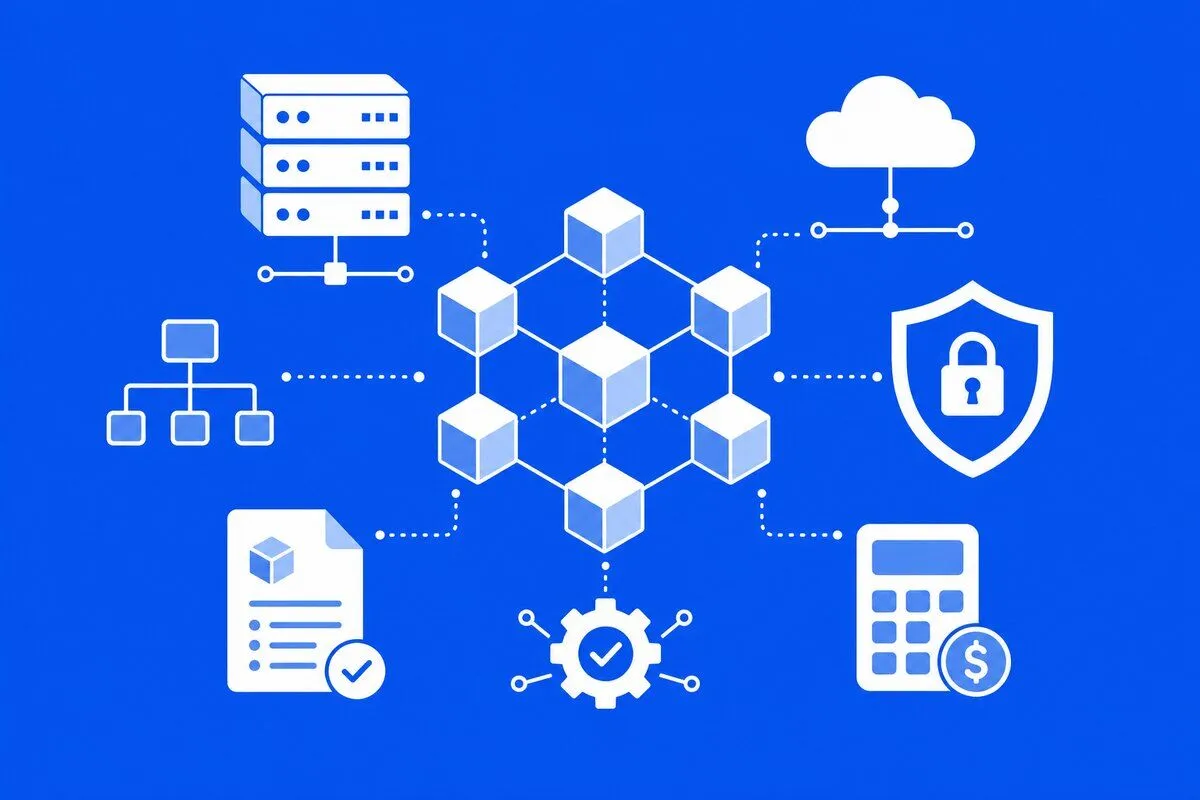
Blockchain technology has changed the way we think about money, data, and trust. Instead of relying on banks or third parties to confirm transactions, blockchain networks record everything on a public digital ledger that anyone can verify. Every crypto transfer, NFT mint, or smart contract interaction is permanently stored in blocks that are linked together. This system creates transparency, security, and decentralization, which are the core foundations of blockchain.
Blockchain technology has changed the way we think about money, data, and trust. Instead of relying on banks or third parties to confirm transactions, blockchain networks record everything on a public digital ledger that anyone can verify. Every crypto transfer, NFT mint, or smart contract interaction is permanently stored in blocks that are linked together. This system creates transparency, security, and decentralization, which are the core foundations of blockchain.
But while blockchain is powerful, the raw data behind it is complex and difficult to read. Long strings of letters, numbers, and cryptographic hashes are not easy for most people to understand. That is where a blockchain explorer becomes important.
Key Takeaways
A blockchain explorer is a free web tool that allows anyone to search, verify, and track transactions, wallet addresses, and blocks on a blockchain network in real time.
Blockchain explorers improve transparency by turning complex on-chain data into a simple, readable format that users can easily understand.
You can use a blockchain explorer to check transaction status, confirm payments, view wallet balances, and analyze network fees without creating an account.
Each blockchain network, such as Bitcoin or Ethereum, has its own dedicated explorer designed to display its unique data structure and features.
Traders, developers, and researchers use blockchain explorers to monitor whale activity, verify smart contracts, track token movements, and analyze on-chain metrics.
Learning how to use a blockchain explorer is one of the easiest and most important steps for understanding how blockchain technology works in practice.
A blockchain explorer acts like a search engine for blockchain networks, allowing you to check transactions, wallet balances, block details, gas fees, and much more in a simple and user-friendly format.
In this complete guide, we will explain what a blockchain explorer is, how it works, why it matters, and how you can use it step by step. We will also cover different blockchain explorers by network such as Bitcoin, Ethereum, Cardano, Avalanche, Solana, and BNB Chain, along with tips on choosing the right explorer for your needs. Whether you are a beginner or an advanced user, this blog will help you understand everything in clear and simple language.
What Is a Blockchain Explorer?
A blockchain explorer is a free, web-based tool that lets you search, view, and verify everything happening on a blockchain network. Think of it as a search engine, but instead of searching websites, you are searching blockchain data like transactions, wallet addresses, and blocks.
Every time someone sends Bitcoin, swaps an Ethereum token, or mints an NFT, that activity is recorded on the blockchain. A blockchain explorer gives you a window into all of that activity. You can look up any public transaction, check if a payment was received, see how much crypto a wallet holds, and much more, all without needing any technical skills. If you are new to blockchain technology and how it works, a blockchain explorer is one of the best places to start exploring.
If you have ever wondered “Where did my crypto go?” or “Did my transaction go through?”, a blockchain explorer is the tool that gives you the answer.
Why Do Blockchain Explorers Matter?
Blockchain technology is built on the idea of transparency. Anyone can verify any transaction without relying on a bank or middleman. But raw blockchain data is just a massive stream of code. A blockchain explorer takes that raw data and presents it in a clean, readable format that anyone can understand. Here is why that matters:
Transparency You Can Actually Use
Unlike traditional banking, where you can only see your own account, a blockchain explorer lets you see every single transaction on the entire network. This is what makes blockchain “trustless.” You do not have to trust anyone because you can verify everything yourself. This transparency is one of the core features of blockchain that sets it apart from traditional systems.
Transaction Verification
Sent crypto and want to make sure it arrived? Paste your transaction ID (also called a TXID) into the explorer, and you will instantly see whether it is confirmed, pending, or failed. You can also see how many confirmations it has, which tells you how secure the transaction is.
Security and Fraud Prevention
Before sending crypto to an unfamiliar address, you can look it up on an explorer to check its history. If the address has been flagged or has suspicious activity, you will know before you send your funds. Law enforcement and blockchain forensics firms also use explorers to trace stolen or laundered funds. Understanding the security risks and protection strategies in blockchain is critical for any crypto user.
Research and Analysis
Traders, investors, and analysts use blockchain explorers to study on-chain trading data. This includes watching “whale wallets” (large holders), tracking token flows in and out of exchanges, monitoring network health metrics, and much more. On-chain analysis has become a major part of crypto trading strategy.
How Does a Blockchain Explorer Work?
Behind the scenes, a blockchain explorer connects to the blockchain network through what is called a “node.” A node is essentially a computer that stores a full copy of the blockchain. If you want to learn more about nodes, check out this guide on full nodes in blockchain. Here is a simplified breakdown of how a blockchain explorer works:
Step 1: It Pulls Data from the Blockchain
The explorer connects to one or more nodes on the blockchain network and continuously downloads the latest blocks, transactions, and address data as they happen in real time. This process is closely tied to node synchronization in blockchain.
Step 2: It Organizes and Indexes the Data
Raw blockchain data is just a chain of cryptographic hashes and numbers. The explorer parses this data and stores it in its own database, making it searchable and fast to retrieve. This is what allows you to type in a wallet address and get instant results.
Step 3: It Presents the Data in a User-Friendly Way
Finally, the explorer displays everything through a clean web interface. You get search bars, dashboards, transaction histories, charts, and more, all designed to make complex data easy to read.
The entire process happens automatically and in real time. Every new block that gets added to the blockchain appears on the explorer within seconds. For a deeper dive into the technical structure, explore this article on blockchain architecture explained.
What Information Can You Find on a Blockchain Explorer?
A blockchain explorer gives you access to a wide range of on-chain data. Here is what you can typically look up:
| Data Type | What It Tells You |
|---|---|
| Transaction Hash (TXID) | The unique ID of a specific transaction. It shows sender, receiver, amount, fees, and confirmation status. |
| Wallet Address | The full transaction history and current balance of any public wallet. |
| Block Number / Block Height | All transactions included in a specific block, the timestamp, miner or validator, and block size. |
| Token Information | Details about specific tokens, including contract address, total supply, and holder count. |
| Smart Contracts | The code and interaction history of smart contracts deployed on the blockchain. |
| Gas and Network Fees | Current and historical fee data, helping you time your transactions for lower costs. |
| Network Statistics | Hash rate, difficulty, total transactions, active addresses, and overall network health. |
If you want to learn more about individual data types, here are some helpful resources: block height in blockchain, transaction fees in blockchain, hash rate in blockchain, and timestamps in blockchain.
How to Use a Blockchain Explorer (Step by Step)
Using a blockchain explorer is straightforward. Here is a quick walkthrough:
Step 1: Choose the Right Explorer for Your Blockchain
Each blockchain typically has its own dedicated explorer. For example, if you want to check a Bitcoin transaction, you would use a Bitcoin blockchain explorer. If it is an Ethereum transaction, you would use Etherscan. We cover the most popular explorers by blockchain in the section below.
Step 2: Get Your Transaction Hash or Wallet Address
After sending or receiving crypto, your wallet app will usually show you a transaction hash (TXID), which is a long string of letters and numbers. Copy it. Alternatively, you can search using the sender or receiver wallet address.
Step 3: Paste It into the Explorer Search Bar
Go to the explorer website, paste the transaction hash or wallet address into the search bar, and press enter.
Step 4: Read the Results
The explorer will show you all the relevant details: the transaction status (confirmed, pending, or failed), the amount transferred, the fee paid, timestamps, and block information. If you searched a wallet address, you will see the full history of transactions and the current balance.
That is it. No account needed, no login required. Blockchain explorers are free, public tools that anyone can use. For more details on how explorers work at a technical level, see this guide on block explorers in blockchain.
Blockchain Explorers by Network: A Complete Overview
One of the most common questions people have is whether Bitcoin Explorer, Ethereum Explorer, ADA Explorer, and AVAX Explorer are different tools. The answer is yes. Each blockchain network has its own dedicated explorer (or multiple explorers) because every blockchain stores data differently and has unique features.
Think of it this way: you would not use a road map of New York to navigate Tokyo. Similarly, you need a specific explorer built for the blockchain you want to investigate. If you are curious about the different types of blockchain, that is another great topic to explore. Below is a breakdown of the most popular blockchain explorers by network.
Bitcoin (BTC) Explorers
Bitcoin is the oldest and most well-known cryptocurrency, and it has several excellent explorers. Understanding the difference between Bitcoin and blockchain is an important first step for beginners.
| Explorer | Key Features |
|---|---|
| Mempool.space | Open source, real time mempool visualization, fee estimation charts, Lightning Network support, and self hosting option for privacy. |
| Blockchain.com | One of the oldest Bitcoin explorers with a clean interface and support for BTC, ETH, and BCH. |
| Blockchair | Multi chain explorer supporting 40 plus blockchains, advanced search filters, and privacy focused with no tracking. |
Bitcoin explorers let you track Bitcoin transactions, view mining pools, monitor the transaction pool (the queue of unconfirmed transactions), and check fee estimates to time your transactions for lower costs. For a dedicated deep dive, check out our article on the Bitcoin blockchain explorer.
Ethereum (ETH) Explorers
Ethereum has the most active ecosystem of smart contracts, DeFi protocols, NFTs, and tokens. Its explorers are feature rich. If you are interested in building on Ethereum, see our guide on Ethereum blockchain development.
| Explorer | Key Features |
|---|---|
| Etherscan | The gold standard for Ethereum. Smart contract verification, gas tracker, token tracker, DeFi analytics, and comprehensive API. |
| Ethplorer | Focused on ERC-20 token analytics, wallet portfolio views, and token holder tracking. |
| Otterscan | Open source, self hostable Ethereum explorer for those who want maximum privacy. |
Ethereum explorers are essential for anyone interacting with DeFi, NFTs, or ERC-20 tokens. You can use Etherscan to verify smart contracts, check gas fees before transacting, and even read or write directly to smart contracts. Developers can also leverage the block explorer API for building applications that interact with blockchain data.
Cardano (ADA) Explorers
Cardano is a proof of stake blockchain known for its academic, research-driven development. Its explorers reflect the network’s unique architecture, including stake pools and governance features. To learn more about the platform, read our guide on Cardano blockchain development, or see how it compares to Ethereum in our Ethereum versus Cardano comparison.
| Explorer | Key Features |
|---|---|
| CardanoScan | Full transaction, block, and epoch data. Stake pool explorer, smart contract tracking, and governance or voting info. |
| ADATools | Community focused toolkit with pool analytics, reward tracking, and token info for the Cardano ecosystem. |
| Cexplorer | Detailed staking analytics, pool comparison tools, and rich historical data for the Cardano network. |
Cardano explorers are especially useful for ADA holders who stake their tokens. You can compare stake pools, check your staking rewards, and monitor the overall health of the network through a dedicated blockchain validator dashboard.
Avalanche (AVAX) Explorers
Avalanche is a high speed blockchain platform designed for DeFi and enterprise applications. It uses a unique three-chain architecture (X-Chain, C-Chain, and P-Chain), and its explorers cater to this structure. You can also explore how Layer 1 blockchains like Avalanche differ in design.
| Explorer | Key Features |
|---|---|
| Avascan | Official Avalanche explorer with Etherscan like interface, smart contract verification, token tracking, and subnet support. |
| Snowtrace (Legacy) | Previously the primary AVAX explorer powered by Etherscan. Relaunched in 2024 under the Avascan team with updated features. |
Avalanche explorers help users navigate the network’s multiple chains, check cross-chain transfers, and monitor subnet activity. These are features unique to the Avalanche ecosystem. For businesses exploring this space, see how enterprise blockchain solutions work.
Solana (SOL) Explorers
Solana is known for its extremely fast transactions and low fees. Its explorers are built to handle the network’s high throughput. Learn more about the platform in our article on Solana blockchain development.
| Explorer | Key Features |
|---|---|
| Solscan | Most popular Solana explorer with DeFi analytics, NFT tracking, token holder data, and clean interface. |
| Solana Explorer | Official Solana explorer with basic transaction and block data. |
| SolanaFM | Human readable transaction decoding, making complex DeFi interactions easier to understand. |
BNB Chain (BNB) Explorers
BNB Chain (formerly Binance Smart Chain) is one of the most heavily used blockchains for decentralized exchanges and token launches.
| Explorer | Key Features |
|---|---|
| BscScan | Built by the Etherscan team, offering similar powerful features adapted for BNB Chain. Includes contract verification, gas tracker, and token analytics. |
Multi-Chain Explorers
If you work with multiple blockchains, multi-chain explorers save you from jumping between different tools. These platforms support dozens of networks in a single interface. Understanding blockchain interoperability can help you appreciate why multi-chain tools are becoming essential.
| Explorer | Key Features |
|---|---|
| Blockchair | Supports 40 plus blockchains, advanced full text search, privacy focused, portfolio tracker, and API access. |
| OKLink | Multi chain support with risk labels, address tagging, and comprehensive analytics dashboard. |
| Blockchain.com | Supports Bitcoin, Ethereum, Bitcoin Cash, and other major chains with a simple, beginner friendly interface. |
How to Choose the Right Blockchain Explorer
With so many explorers available, picking the right one depends on your needs. Here are the key factors to consider:
Blockchain Compatibility
The most important factor is making sure the explorer supports the blockchain network you are interested in. If you primarily deal with Ethereum, Etherscan is the go-to choice. For Bitcoin, Mempool.space or Blockchair are excellent. If you work across multiple chains, choose a multi-chain explorer like Blockchair.
Ease of Use
A good explorer should have a clean, intuitive interface. You should not need a computer science degree to look up a transaction. Pay attention to how easy it is to search, navigate, and understand the data presented.
Features You Need
Basic users may only need transaction lookup and wallet balance checking. But if you are a developer, you might need block explorer API access, smart contract verification tools, or raw data exports. Traders may want gas trackers, token analytics, and whale alerts. Pick an explorer that matches your use case.
Reliability and Speed
An explorer that is slow or frequently down defeats the purpose. Established explorers like Etherscan, Mempool.space, and Blockchair have proven track records of reliability and fast data updates.
Privacy Considerations
Some explorers track your browsing activity, while others prioritize privacy. If this matters to you, look for explorers that offer no-tracking policies or the option to self-host, such as Mempool.space or Otterscan. You can also learn more about private networks in blockchain if privacy is a priority.
Common Use Cases for Blockchain Explorers
For Everyday Crypto Users
Check if a payment was sent or received. Verify a wallet address before sending crypto. Monitor your portfolio balance across wallets. View transaction fees and gas costs before making a transfer.
For Traders and Investors
Track large whale wallet movements for trading signals. Monitor token flows in and out of exchanges. Analyze transaction volume trends to gauge market sentiment. Review historical on-chain data to inform investment decisions.
For Developers
Verify and publish smart contract source code. Debug failed transactions by examining their execution details. Access blockchain data through APIs for building decentralized applications (dApps). Monitor contract interactions and events.
For Researchers and Analysts
Study network activity patterns and adoption trends. Analyze mining or staking reward distributions. Trace funds for forensics and compliance investigations. Compare blockchain network performance metrics. If you are interested in the broader research space, explore the benefits of blockchain technology.
Final Thoughts
A blockchain explorer is one of the most essential tools in the crypto ecosystem. Whether you are a complete beginner checking if your first Bitcoin purchase went through, or an experienced trader analyzing whale wallets, an explorer gives you the transparency and data you need.
The key takeaway is simple: every blockchain has its own explorer, and learning to use one takes just a few minutes. Start by finding the right explorer for your blockchain, paste in a transaction hash or wallet address, and explore. It is that easy.
If you are looking for professional help with blockchain development, smart contract auditing, or building custom blockchain solutions, Nadcab Labs offers comprehensive blockchain development services tailored to your business needs.
Explore Services
Related Services
Reviewed by

Aman Vaths
Founder of Nadcab Labs
Aman Vaths is the Founder & CTO of Nadcab Labs, a global digital engineering company delivering enterprise-grade solutions across AI, Web3, Blockchain, Big Data, Cloud, Cybersecurity, and Modern Application Development. With deep technical leadership and product innovation experience, Aman has positioned Nadcab Labs as one of the most advanced engineering companies driving the next era of intelligent, secure, and scalable software systems. Under his leadership, Nadcab Labs has built 2,000+ global projects across sectors including fintech, banking, healthcare, real estate, logistics, gaming, manufacturing, and next-generation DePIN networks. Aman’s strength lies in architecting high-performance systems, end-to-end platform engineering, and designing enterprise solutions that operate at global scale.