Ai Overview
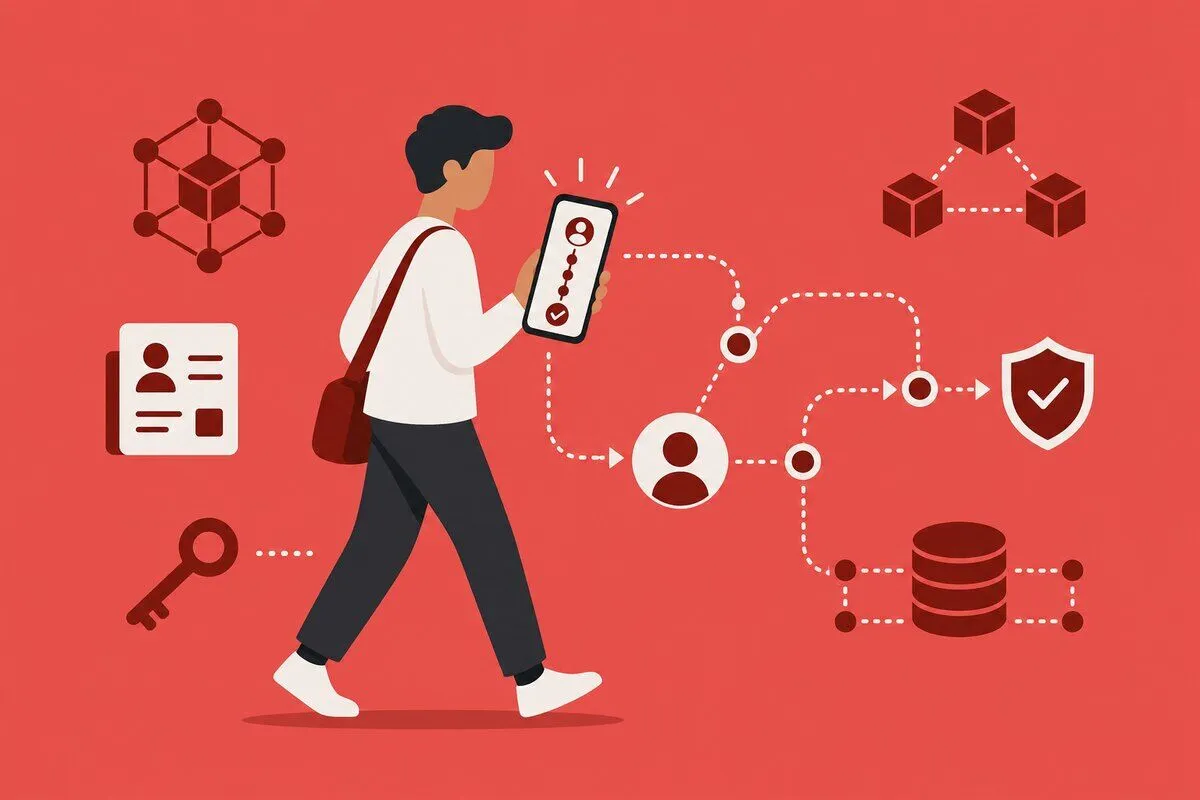
The convergence of blockchain and IoT represents one of the most significant technological developments of the current decade. As billions of connected devices generate massive volumes of data every second, the need for a secure, transparent, and tamper-resistant infrastructure has never been greater. Traditional centralized systems struggle to keep pace with the scale, security demands, and trust requirements of modern IoT ecosystems.
The convergence of blockchain and IoT represents one of the most significant technological developments of the current decade. As billions of connected devices generate massive volumes of data every second, the need for a secure, transparent, and tamper-resistant infrastructure has never been greater. Traditional centralized systems struggle to keep pace with the scale, security demands, and trust requirements of modern IoT ecosystems. This is precisely where blockchain technology steps in, offering a decentralized framework that fundamentally transforms how IoT devices communicate, share data, and execute transactions.
Key Takeaways
- Blockchain IoT integration is the combination of Internet of Things devices with a decentralized blockchain network to ensure secure, transparent, and tamper proof data exchange without relying on centralized servers.
- Blockchain improves IoT security by using encryption, decentralization, and consensus mechanisms to eliminate single points of failure and prevent data tampering.
- The key benefits of blockchain and IoT integration include enhanced data integrity, decentralized architecture, automated smart contracts, cost reduction, and improved transparency.
Blockchain IoT differs from traditional IoT by offering a decentralized trust model, an immutable ledger, peer-to-peer validation, and the elimination of intermediaries.
Real-world use cases of blockchain IoT include supply chain tracking, healthcare data protection, smart cities, industrial IoT, energy trading, agriculture traceability, and property management.
Major challenges of implementing blockchain in IoT include scalability limitations, device computational constraints, storage growth, regulatory uncertainty, interoperability issues, and energy consumption.
The future of blockchain IoT will be driven by AI integration, DePIN networks, edge computing solutions, Web3 ecosystems, and evolving regulatory standards.
Organizations can implement blockchain IoT solutions by identifying use cases, selecting the right blockchain platform, designing a scalable architecture, developing smart contracts, and deploying with continuous monitoring.
Blockchain IoT is not merely a theoretical concept. It is already reshaping industries such as supply chain management, healthcare, smart cities, and transportation by addressing persistent challenges related to data integrity, device authentication, and operational efficiency. According to industry estimates, the global blockchain IoT market was valued at approximately 1.18 billion United States dollars in 2025 and is projected to reach 7.18 billion dollars by 2030, growing at a compound annual growth rate of over 43%. These numbers underscore the accelerating demand for solutions that combine the intelligence of IoT with the security of blockchain.
In this comprehensive guide, we explore everything you need to know about blockchain in IoT, including how the integration works, why it matters, its core benefits, real-world applications, technical architecture, challenges, and what the future holds. Whether you are a business leader evaluating emerging technologies, a developer building connected solutions, or simply someone curious about the intersection of blockchain and IoT, this article provides the depth and clarity you need.
What Is Blockchain IoT?
Definition
Blockchain IoT refers to the integration of blockchain technology with the Internet of Things to create a decentralized, secure, and transparent infrastructure for managing device communications, data exchanges, and automated transactions across connected networks. By recording IoT data on an immutable distributed ledger, blockchain eliminates the need for centralized intermediaries and ensures that every transaction is verifiable, tamper-proof, and auditable by all authorized participants.
In simpler terms, the Internet of Things consists of physical devices, sensors, vehicles, appliances, and other objects embedded with software and connectivity that allows them to collect and exchange data over the internet. Blockchain provides the underlying trust layer by storing this data in cryptographically secured blocks linked together in a chronological chain. When these two technologies work together, they create an ecosystem where devices can operate autonomously, share information securely, and execute predefined actions through smart contracts without requiring human intervention or centralized control.
How Does Blockchain IoT Work?
Understanding how blockchain and IoT work together requires examining the technical flow of data from connected devices to the distributed ledger. The process involves several coordinated steps that ensure security, transparency, and efficiency at every stage.
Data Generation by IoT Devices
IoT devices such as sensors, trackers, smart meters, and wearable devices continuously generate data. This data may include temperature readings, location coordinates, operational status, health metrics, or environmental conditions. Each device is assigned a unique digital identity on the blockchain network, which enables precise tracking and authentication of every data point it produces.
Data Transmission to the Blockchain Network
Once generated, the data is transmitted to the blockchain network through secure application programming interfaces. The information is encrypted using the public key of the destination node, ensuring that only authorized parties can access it. This encryption mechanism is fundamentally different from centralized systems where data passes through a single server that represents a potential point of failure.
Block Creation and Validation
The transmitted data is grouped into a block along with a timestamp, a cryptographic hash of the previous block, and a unique hash for the current block. Network participants, known as nodes, validate the block using a consensus mechanism such as Proof of Work or Proof of Stake. Once validated, the block is permanently added to the chain, creating an immutable record that cannot be altered or deleted.
Smart Contract Execution
When predefined conditions are met, smart contracts in blockchain execute automatically. For example, a smart contract can trigger a payment when an IoT sensor confirms that a shipment has arrived at its destination at the correct temperature. This automation eliminates manual verification, reduces errors, and accelerates business processes across the entire value chain.
Distributed Storage and Access
The validated data is distributed across all nodes in the network, ensuring redundancy and eliminating single points of failure. Authorized participants can access the data in real time, while the cryptographic security of the blockchain ensures that unauthorized users cannot tamper with or view sensitive information. This distributed approach is one of the most compelling reasons why organizations are adopting blockchain in IoT environments.
Also Read: Why Blockchain Matters for IoT and AI Integration?
Why Is Blockchain Important for IoT?
The Internet of Things is growing at an extraordinary pace. With billions of devices expected to be online by 2030, the existing centralized infrastructure faces critical limitations in security, scalability, and trust. Blockchain addresses these limitations through its inherent design principles.
Addressing Security Vulnerabilities
IoT devices are frequent targets for cyberattacks because many operate with limited computational power and minimal built in security protocols. Centralized architectures compound this vulnerability by creating a single point of attack. Blockchain mitigates these risks through decentralization, encryption, and consensus-based validation. Every transaction is cryptographically secured, and altering any single record would require compromising the majority of nodes in the network, making attacks practically infeasible. Organizations concerned about blockchain security risks and protection can leverage these distributed safeguards to protect their IoT infrastructure.
Establishing Trust Without Intermediaries
In traditional IoT ecosystems, trust depends on centralized authorities such as cloud service providers or certificate authorities. Blockchain eliminates this dependency by enabling peer-to-peer trust through transparent, verifiable records. Every participant in the network can independently verify the authenticity and integrity of data without relying on a third party, which reduces costs and eliminates potential bottlenecks.
Enabling Scalable Device Management
Managing billions of IoT devices through centralized servers creates enormous computational and storage burdens. Blockchain distributes these responsibilities across the network, enabling more efficient device onboarding, identity management, firmware updates, and configuration management. This distributed approach scales naturally as new devices are added to the network.
Key Benefits of Blockchain and IoT Integration
The integration of blockchain and IoT delivers a range of tangible benefits that address the most pressing challenges faced by modern connected ecosystems.
Enhanced Data Security and Integrity
Blockchain provides an immutable ledger in blockchain that ensures every piece of IoT data remains unaltered from the moment it is recorded. Each data block is cryptographically linked to the previous one, making retroactive modification virtually impossible. This guarantees the integrity of sensor readings, operational logs, and transaction records across the entire network.
Decentralized Architecture
By removing the reliance on centralized servers, blockchain creates a decentralized infrastructure that is inherently more resilient to failures, outages, and targeted attacks. Even if individual nodes go offline, the network continues to operate seamlessly because the data is replicated across multiple locations.
Automated Operations Through Smart Contracts
Smart contracts enable IoT devices to execute predefined actions automatically when specific conditions are met. This capability eliminates manual intervention, reduces human error, and accelerates workflows. Examples include automated warranty claims when a sensor detects a product defect, or instant payments upon delivery confirmation.
Improved Transparency and Auditability
Every transaction on a blockchain is visible to all authorized participants, creating a transparent audit trail. This is particularly valuable in regulated industries such as healthcare, pharmaceuticals, and food safety, where traceability and compliance are critical requirements.
Cost Reduction
By eliminating intermediaries, automating processes through smart contracts, and reducing the infrastructure costs associated with centralized data management, blockchain IoT solutions can significantly lower operational expenses for businesses of all sizes.
Enhanced Privacy and Access Control
Blockchain allows organizations to implement granular access controls using cryptographic techniques in blockchain. Data owners can selectively share information with specific participants while keeping sensitive data private. This capability is essential for industries handling personal health records, financial data, or proprietary business information.
Real World Use Cases of Blockchain in IoT
The combination of blockchain and IoT is finding practical applications across a wide range of industries. The following use cases demonstrate the transformative potential of this integration.
Supply Chain Management and Logistics
One of the most impactful applications of blockchain IoT is in blockchain based supply chain services. IoT sensors track the location, temperature, humidity, and handling conditions of goods throughout the supply chain, while blockchain records this data on an immutable ledger. This end-to-end visibility helps businesses prevent counterfeiting, reduce waste, verify product authenticity, and ensure compliance with regulatory standards. For example, in the food industry, blockchain IoT can trace a product from the farm to the retail shelf, enabling rapid recalls if contamination is detected.
Healthcare and Pharmaceutical Industry
In healthcare, IoT devices such as wearable monitors, smart medical equipment, and connected drug delivery systems generate sensitive patient data. Blockchain integration in healthcare ensures that this data is stored securely, shared only with authorized medical professionals, and remains tamper-proof. Additionally, blockchain IoT can track the entire lifecycle of pharmaceutical products, combating counterfeit drugs and ensuring cold chain integrity for temperature-sensitive medications.
Smart Cities and Urban Infrastructure
Smart cities rely heavily on IoT for traffic management, waste collection, energy distribution, and public safety. Blockchain adds a layer of security and transparency to these systems by creating verifiable records of all transactions and operations. For instance, smart cities with blockchain for energy can enable peer-to-peer energy trading where households with solar panels sell excess electricity directly to neighbors through smart contracts, bypassing traditional utility intermediaries.
Transportation and Fleet Management
IoT sensors installed in vehicles and containers monitor location, fuel consumption, driver behavior, and cargo conditions in real time. Blockchain records this data immutably, providing fleet operators with reliable audit trails and enabling automated compliance reporting. In the blockchain travel and technology transformation space, this integration is improving safety, reducing fraud, and optimizing route planning across global logistics networks.
Manufacturing and Industrial IoT
In manufacturing, IoT sensors monitor equipment performance, predict maintenance needs, and track production quality. Blockchain ensures that operational data and maintenance records are tamper proof, which is critical for regulatory compliance in industries such as aerospace, automotive, and pharmaceuticals. Third party service providers can log their maintenance activities on the blockchain, creating a transparent and verifiable service history.
Agriculture and Food Safety
Agricultural IoT devices monitor soil conditions, weather patterns, irrigation levels, and crop health. When combined with blockchain, this data creates a verifiable record of farming practices, enabling traceability from seed to shelf. Consumers can scan a product and verify its origin, organic certification, and handling history, building trust and supporting premium pricing for verified products.
Energy and Utilities
Blockchain IoT enables decentralized energy grids where smart meters record energy production and consumption in real time. Peer to peer energy trading platforms powered by smart contracts allow prosumers to buy and sell renewable energy directly, reducing dependence on centralized utility companies and promoting sustainable energy practices.
Real Estate and Property Management
IoT sensors in smart buildings monitor occupancy, energy usage, and structural health. Blockchain solutions for the property market record property transactions, lease agreements, and maintenance logs on an immutable ledger, streamlining property management and reducing disputes between landlords, tenants, and service providers.
Technical Architecture of Blockchain IoT Systems
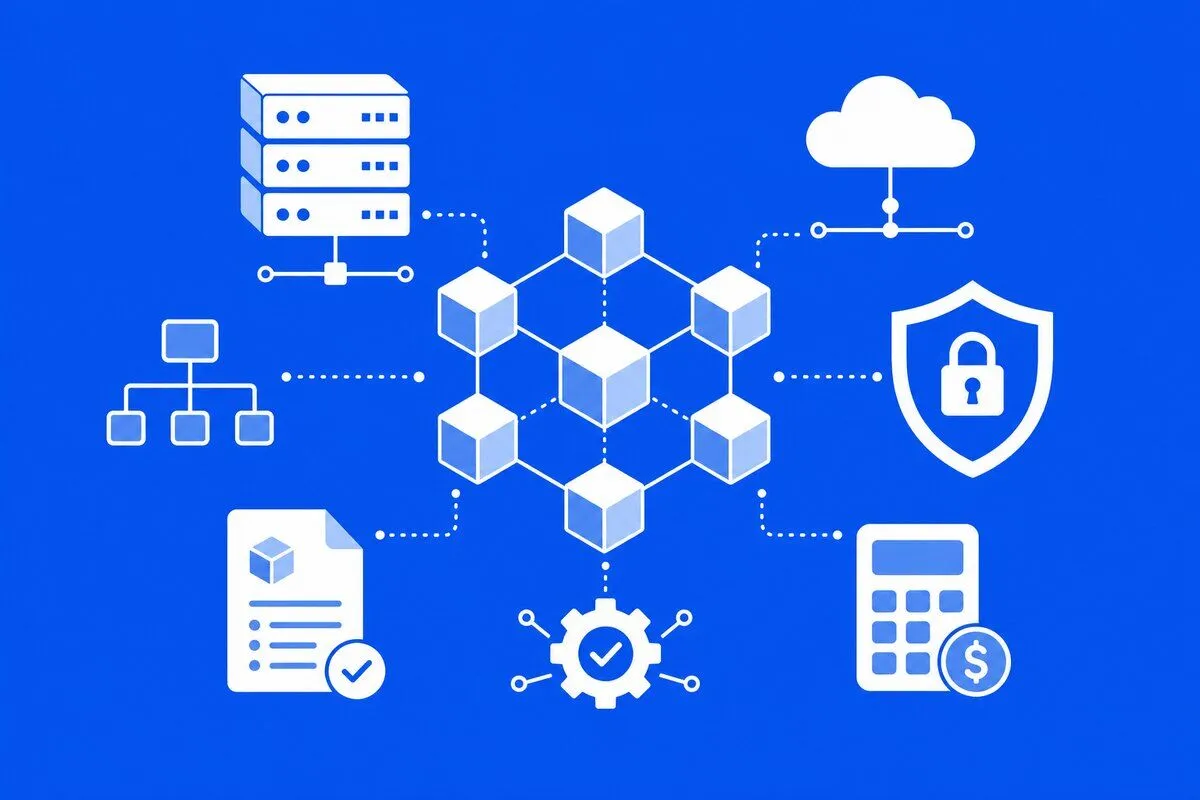
The blockchain architecture for IoT systems typically follows a layered approach that separates concerns and optimizes performance at each level.
Device Layer
The device layer consists of IoT sensors and actuators that interact with the physical world. These devices collect environmental data, execute physical actions, and communicate with the network. Each device is assigned a cryptographic identity on the blockchain, enabling secure authentication and authorization.
Edge Computing Layer
Edge nodes process data closer to the source, reducing latency and bandwidth requirements. In blockchain IoT systems, edge nodes can perform preliminary data validation and aggregation before submitting transactions to the main blockchain, improving overall system performance and reducing the computational burden on resource constrained IoT devices.
Blockchain Layer
This is the core layer where validated data is permanently recorded on the distributed ledger. The choice between a public, private, or consortium blockchain depends on the specific requirements of the IoT application, including privacy needs, transaction volume, and the number of participating organizations.
Application Layer
The application layer provides user-facing interfaces, analytics dashboards, and integration points with enterprise systems. Decentralized applications built on blockchain enable end users to interact with IoT data, configure smart contracts, and manage device permissions through intuitive interfaces.
Blockchain IoT vs Traditional IoT: A Detailed Comparison
The following comparison highlights the fundamental differences between conventional IoT systems and those enhanced with blockchain technology:
| Parameter | Traditional IoT | Blockchain IoT |
|---|---|---|
| Trust Model | Centralized | Decentralized |
| Data Security | Moderate, relies on server security | High, cryptographic, and immutable |
| Single Point of Failure | Yes | No |
| Data Transparency | Limited to authorized admins | Visible to all network participants |
| Device Authentication | Certificate based | Blockchain identity-based |
| Scalability | Limited by server capacity | Distributed across network nodes |
| Intermediary Requirement | Required | Eliminated through smart contracts |
| Data Integrity | Vulnerable to tampering | Tamper-proof and auditable |
| Cost Efficiency | Higher operational costs | Reduced through automation |
Challenges of Implementing Blockchain in IoT
Despite its significant advantages, the integration of blockchain and IoT faces several technical and operational challenges that organizations must address.
Scalability Constraints
IoT networks can generate millions of transactions per second, which exceeds the processing capacity of many current blockchain platforms. Blockchain scalability solutions such as sharding, layer 2 scaling, and sidechains are being developed to address this limitation, but widespread deployment remains a work in progress.
Computational Limitations of IoT Devices
Many IoT devices operate with limited processing power, memory, and battery life. Running full blockchain nodes on such devices is impractical. Solutions include using lightweight clients, edge computing nodes, and off chain data storage to bridge the gap between device capabilities and blockchain requirements.
Storage Requirements
As blockchain ledgers grow over time, storage requirements increase significantly. IoT devices with limited storage capacity cannot maintain complete copies of the ledger. Approaches such as blockchain based decentralized storage networks and pruning techniques help manage this challenge by distributing storage across the network and removing outdated transaction data.
Regulatory and Compliance Uncertainties
The regulatory framework for blockchain IoT is still evolving across different jurisdictions. Organizations must navigate varying data protection laws, industry-specific compliance requirements, and emerging blockchain regulations. Clear regulatory guidance is needed to accelerate enterprise adoption and ensure cross-border interoperability.
Interoperability Between Platforms
Different blockchain platforms and IoT protocols may not communicate seamlessly with each other. Blockchain interoperability solutions and standardized communication protocols are essential for creating unified ecosystems where devices and networks from different manufacturers and platforms can interact without friction.
Energy Consumption
Certain consensus mechanisms, particularly Proof of Work, require substantial energy resources. For IoT applications where energy efficiency is critical, organizations are increasingly adopting more sustainable consensus mechanisms such as Proof of Stake and Delegated Proof of Stake, which consume significantly less power while maintaining network security.
The Future of Blockchain IoT
The integration of blockchain and IoT is poised for significant growth and innovation in the coming years. Several emerging trends are shaping the future of this convergence.
Convergence with Artificial Intelligence
The combination of blockchain, artificial intelligence, and IoT creates a powerful trifecta for intelligent automation. Artificial intelligence can analyze the vast amounts of data generated by IoT devices to identify patterns, predict failures, and optimize operations, while blockchain ensures that the data fed into AI models is authentic and unaltered.
Expansion of Decentralized Physical Infrastructure Networks
DePIN development represents a growing movement to build and operate physical infrastructure through decentralized networks. Blockchain IoT is central to this vision, enabling individuals and organizations to contribute to and benefit from shared infrastructure such as wireless networks, computing resources, and sensor networks.
Growth of Edge Blockchain Solutions
As edge computing becomes more prevalent, blockchain solutions are being designed to operate closer to IoT devices. Edge blockchain reduces latency, minimizes bandwidth usage, and enables real time decision making at the point of data generation, making blockchain IoT practical for time sensitive applications such as autonomous vehicles and industrial robotics.
Standardization and Regulatory Maturation
Industry bodies and government organizations are actively developing standards and frameworks for blockchain IoT. As these standards mature, enterprise adoption is expected to accelerate significantly, driven by clearer compliance pathways and improved interoperability across platforms and geographies.
Integration with Web3 Ecosystems
The broader rise of Web3 blockchain applications is creating new opportunities for blockchain IoT. Decentralized identity, tokenized incentives for data sharing, and community governed IoT networks are emerging as key components of the Web3 vision, where users have greater control over their data and digital interactions.
How to Get Started with Blockchain IoT Development
Organizations looking to implement blockchain IoT solutions should follow a structured approach to ensure successful deployment and long term value creation.
- Identify the Problem Statement: Begin by clearly defining the specific IoT challenges that blockchain can address, such as data security, device authentication, supply chain transparency, or automated compliance.
- Select the Right Blockchain Platform: Evaluate platforms based on scalability, consensus mechanism, smart contract capabilities, and compatibility with your existing IoT infrastructure. Options include Ethereum, Hyperledger Fabric, IOTA, and Polkadot.
- Design the System Architecture: Plan the integration of IoT devices, edge nodes, blockchain nodes, and application interfaces. Consider factors such as network topology, data flow, storage requirements, and access control policies.
- Develop and Test Smart Contracts: Create smart contracts that automate the business logic specific to your use case. Thoroughly test these contracts in a sandbox environment before deployment.
- Deploy and Monitor: Launch the solution in a controlled environment, monitor performance metrics, and iterate based on real-world feedback. Establish ongoing governance and maintenance protocols.
For organizations seeking expert assistance, partnering with an experienced blockchain development company can accelerate time to market and ensure that the solution is built on best practices and proven architectural patterns.
Final Thoughts
The integration of blockchain and IoT is fundamentally transforming how connected devices generate, store, share, and act upon data. By combining the decentralized security of blockchain with the intelligent data collection capabilities of IoT, organizations across every industry can build more trustworthy, efficient, and resilient digital ecosystems. From supply chain transparency and healthcare data protection to smart city infrastructure and decentralized energy networks, the applications of blockchain IoT are vast and growing rapidly.
While challenges such as scalability, device limitations, and regulatory uncertainty remain, the pace of innovation in this space is remarkable. Layer 2 solutions, edge computing, artificial intelligence integration, and emerging standards are steadily removing barriers to adoption. The blockchain IoT market is projected to grow significantly over the next decade, reflecting the confidence that enterprises, governments, and developers have in this transformative technology combination.
For organizations ready to embrace this future, now is the time to explore blockchain IoT solutions, invest in the right partnerships, and build the foundation for a connected, secure, and decentralized world. Explore how blockchain technology and its real world applications can drive value for your business, and take the first step toward a smarter, more secure future.
Frequently Asked Questions About Blockchain IoT
Q1.What is the blockchain in IoT?
Blockchain in IoT refers to the use of distributed ledger technology to secure, validate, and manage data generated by Internet of Things devices. It creates an immutable, transparent record of all device transactions and communications, eliminating the need for centralized intermediaries and significantly enhancing data integrity and security across connected networks.
Q2.What are the 5 blocks of IoT?
The five foundational building blocks of IoT are devices and sensors that collect data, connectivity protocols that transmit data, data processing systems that analyze information, user interfaces that present insights, and cloud or storage infrastructure that stores historical records. In a blockchain enhanced IoT system, the storage layer is complemented by distributed ledger technology for added security.
Q3.What are the 4 types of IoT?
The four types of IoT are Consumer IoT for personal devices, Commercial IoT for business applications, Industrial IoT for manufacturing and heavy industries, and Infrastructure IoT for large scale public systems. Each type has unique requirements for security, reliability, and scale that blockchain can address through its decentralized architecture.
Q4.What are the 4 components of blockchain?
The four core components of a blockchain are the network of nodes that validate transactions, the distributed ledger that records all data, the consensus mechanism that ensures agreement among participants, and cryptography that secures data through encryption and hash functions. Together, these components create a trustworthy foundation for IoT data management.
Q5.Is blockchain IoT scalable for enterprise use?
Yes, blockchain IoT is increasingly scalable for enterprise deployments. Solutions such as layer 2 scaling for blockchain adoption, sharding, and hybrid architectures are addressing early scalability limitations. Enterprise blockchain platforms like Hyperledger Fabric are specifically designed to handle high transaction volumes while maintaining security and privacy.
Explore Services
Related Services
Reviewed by

Aman Vaths
Founder of Nadcab Labs
Aman Vaths is the Founder & CTO of Nadcab Labs, a global digital engineering company delivering enterprise-grade solutions across AI, Web3, Blockchain, Big Data, Cloud, Cybersecurity, and Modern Application Development. With deep technical leadership and product innovation experience, Aman has positioned Nadcab Labs as one of the most advanced engineering companies driving the next era of intelligent, secure, and scalable software systems. Under his leadership, Nadcab Labs has built 2,000+ global projects across sectors including fintech, banking, healthcare, real estate, logistics, gaming, manufacturing, and next-generation DePIN networks. Aman’s strength lies in architecting high-performance systems, end-to-end platform engineering, and designing enterprise solutions that operate at global scale.