Ai Overview
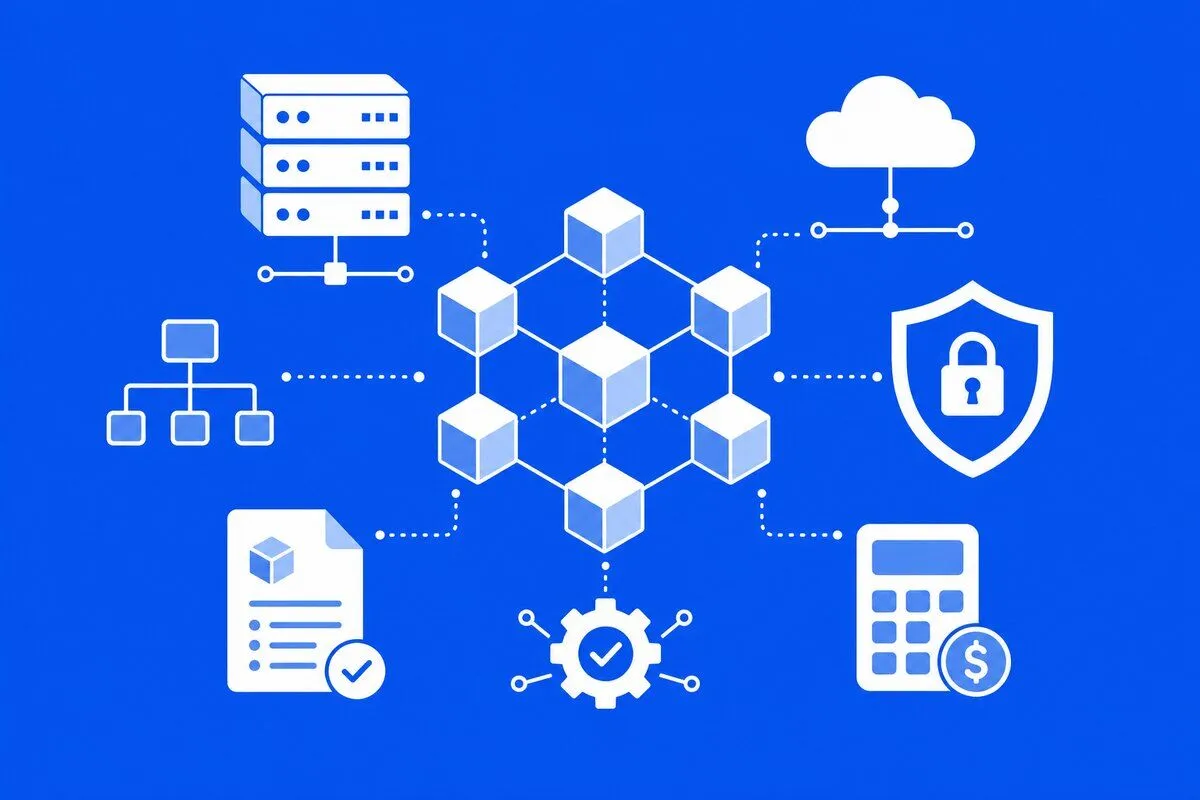
Smart Cities with Blockchain represent the convergence of urban innovation and distributed ledger technology, creating infrastructure that operates autonomously while maintaining complete transparency. Rather than purchasing entire vehicles, citizens can own shares representing usage rights or investment stakes. Revenue from rentals distributes automatically to token holders via smart contracts.
Key Takeaways
- Smart Cities with Blockchain enable trustless data exchange between municipal departments, utilities, and citizens without centralized intermediaries controlling information flow.
- Decentralized energy grids using blockchain allow peer-to-peer electricity trading, reducing costs by 15-30% in pilot programs across Dubai and Toronto.
- Blockchain-based carbon credit tracking provides transparent verification of sustainability initiatives, helping cities meet emissions reduction targets accurately.
- Tokenized mobility assets enable fractional ownership of vehicles, bikes, and scooters, creating new shared transportation economic models for urban areas.
- Interoperable digital identity frameworks built on blockchain provide citizens seamless access to transportation, healthcare, and government services securely.
- Smart contracts automate city procurement processes, reducing vendor fraud and ensuring transparent auditing of municipal spending and contract compliance.
- Blockchain governance models enable verifiable citizen voting on local policies, increasing democratic participation and trust in municipal decision-making processes.
- IoT sensor data anchored to blockchain creates immutable infrastructure monitoring records, enabling predictive maintenance and reducing emergency repair costs.
- Privacy-preserving technologies like zero-knowledge proofs allow blockchain verification without exposing sensitive citizen data to unauthorized parties.
- City tokens create economic incentives for sustainable behaviors, rewarding citizens for recycling, using public transport, and reducing energy consumption.
Blockchain as the Trust Layer for Autonomous Smart Cities with Blockchain Systems
Smart Cities with Blockchain represent the convergence of urban innovation and distributed ledger technology, creating infrastructure that operates autonomously while maintaining complete transparency. Blockchain Technology serves as the foundational trust layer enabling machines, systems, and citizens to interact without requiring centralized authorities to validate every transaction or data exchange.
Our blockchain development agency has spent over eight years implementing Smart Cities with Blockchain solutions across the USA, UK, UAE, and Canada. We have witnessed how decentralized systems transform urban operations from traffic management to utility billing. The technology eliminates single points of failure while creating immutable audit trails that regulators, citizens, and operators can verify independently.
Modern Smart Cities with Blockchain generate massive data volumes from sensors, cameras, and connected devices. Blockchain provides the integrity layer ensuring this data remains tamper-proof from collection through analysis. When autonomous vehicles communicate with traffic systems or smart meters report consumption, blockchain verification guarantees authenticity without human intervention.
Peer-to-Peer Energy Trading Models in Urban Microgrid Networks
Microgrid networks powered by blockchain enable neighborhoods to operate as self-sufficient energy communities. These localized grids balance supply and demand within defined geographic areas, reducing transmission losses and grid dependency. Smart Cities with Blockchain facilitate the complex coordination required for microgrids to function efficiently.
The P2P trading model allows prosumers (producer-consumers) to set their own energy prices based on real-time supply conditions. During peak solar production, prices drop automatically through smart contract algorithms, incentivizing consumption. Battery storage owners can arbitrage price differences, buying cheap midday power and selling during evening peaks.
Toronto’s MaRS Discovery District has implemented blockchain microgrids connecting commercial buildings with residential towers. The system balances office building demand during business hours with residential evening consumption, optimizing the entire district’s energy profile. Such implementations demonstrate how Smart Cities with Blockchain create more resilient and efficient urban energy ecosystems.
 Blockchain-Driven Carbon Credit Tracking for Smart Cities with Blockchain Sustainability
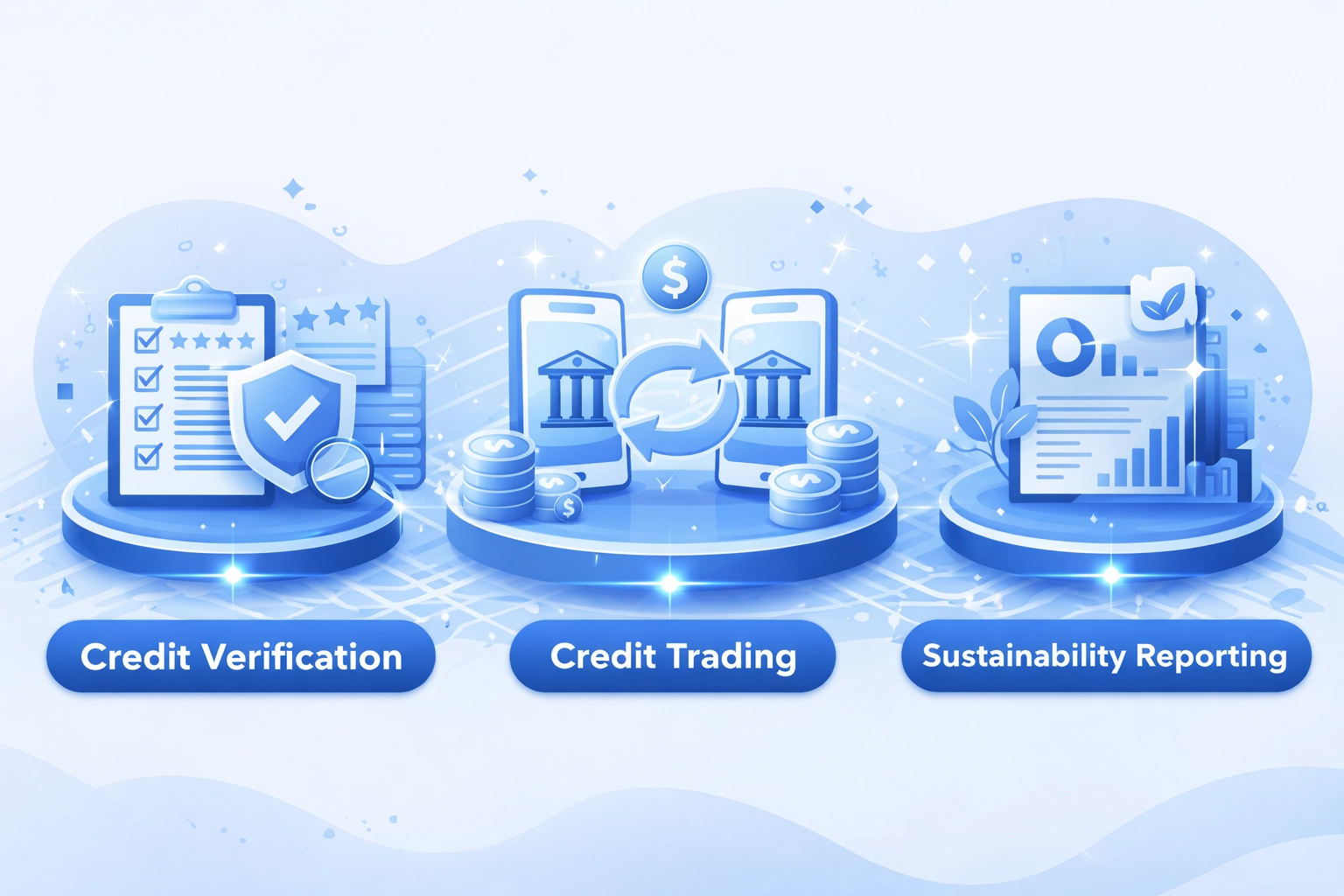
Smart Cities with Blockchain provide transparent verification of carbon offset programs and sustainability initiatives.
Credit Verification
- Immutable recording of emission reductions
- Third-party auditor attestations on-chain
- Automated credit issuance via smart contracts
- Prevention of double-counting across registries
Credit Trading
- Real-time carbon credit marketplaces
- Fractional credit ownership enabled
- Instant settlement without intermediaries
- Price transparency across global markets
Sustainability Reporting
- Automated ESG compliance documentation
- Real-time emissions dashboards
- Stakeholder verification access
- Regulatory submission automation
Secure EV Charging and Billing Infrastructure on Distributed Ledgers
Electric vehicle charging networks represent ideal Smart Cities with Blockchain use cases. The fragmented charging landscape includes public utilities, private operators, and residential chargers, each with different billing systems and authentication methods. Blockchain unifies these disparate systems into seamless networks where any vehicle can charge at any station with automatic payment settlement.
Vehicle identity recorded on blockchain enables automatic authentication at charging points. Smart contracts verify vehicle credentials, check account balances, and initiate charging sessions without human intervention. Upon completion, electricity consumed is recorded immutably and payment transfers instantly between parties.
The UK has piloted blockchain EV charging networks connecting public and private infrastructure. Drivers access any participating charger through a single digital wallet, with blockchain handling the complex settlement between vehicle owner, charger operator, and electricity supplier. This interoperability accelerates EV adoption by eliminating charging anxiety.
Tokenized Mobility Assets for On-Demand and Shared Transportation
Smart Cities with Blockchain enable fractional ownership of transportation assets through tokenization. Rather than purchasing entire vehicles, citizens can own shares representing usage rights or investment stakes. This model transforms how cities approach shared mobility, creating financial incentives aligned with sustainable transportation goals.
Tokenized bike-sharing programs in Amsterdam allow investors to purchase tokens representing fleet ownership. Revenue from rentals distributes automatically to token holders via smart contracts. This crowd-ownership model reduces municipal capital requirements while giving citizens financial stakes in transportation infrastructure success.
Autonomous vehicle fleets will accelerate tokenization adoption. Instead of ride-sharing companies owning vehicles, community-owned fleets can operate through decentralized autonomous organizations. Smart contracts manage scheduling, maintenance reserves, and profit distribution, creating truly public transportation owned by the public.
Blockchain-Enabled Traffic Data Integrity and Congestion Pricing
Traffic management systems depend on accurate data from sensors, cameras, and connected vehicles. Smart Cities with Blockchain ensure this data remains tamper-proof, preventing manipulation that could distort congestion pricing or traffic flow optimization algorithms.
| Traffic Data Type | Blockchain Benefit | Implementation Status |
|---|---|---|
| Sensor Readings | Immutable recording prevents tampering | Production Ready |
| Congestion Pricing | Transparent rate calculations | Pilot Phase |
| Vehicle Telemetry | Verified location and speed data | Early Adoption |
| Incident Reports | Timestamped accident records | Production Ready |
| Parking Availability | Real-time verified occupancy | Scaling Phase |
Interoperable Identity Frameworks for Smart Cities with Blockchain Mobility Access
Smart Cities with Blockchain enable unified digital identities that work across all urban services. Citizens create self-sovereign identities stored on blockchain, controlling what information they share with each service. A single credential can authenticate for public transit, library access, recreation facilities, and government services.
Dubai’s blockchain identity initiative allows residents to access government services with a single digital credential. The system verifies identity attributes without exposing unnecessary personal information. When accessing transportation, only fare payment eligibility is confirmed, not the user’s full identity profile.
Cross-border interoperability becomes possible as cities adopt compatible blockchain identity standards. A verified resident of Toronto could seamlessly access transit in London using the same digital credential, with blockchain handling the trust verification between systems.
Smart Contracts for Automated City Procurement and Vendor Audits
Municipal procurement processes traditionally involve extensive paperwork, manual approvals, and opportunities for corruption. Smart Cities with Blockchain automate procurement through smart contracts that enforce bidding rules, evaluate proposals algorithmically, and execute payments upon verified delivery.
Vendor qualifications record on blockchain with verified credentials, past performance ratings, and compliance certifications. When procurement opportunities arise, smart contracts automatically filter eligible bidders, ensuring only qualified vendors participate. This transparency reduces favoritism and ensures fair competition.
Payment milestones tie to IoT verification of deliverables. Construction projects release funds when sensors confirm work completion at specified quality levels. This automation reduces administrative overhead while ensuring vendors receive prompt payment for verified work.
Blockchain Governance Models for Citizen Voting and Policy Execution
Democratic participation in Smart Cities with Blockchain extends beyond traditional elections to continuous citizen engagement in policy decisions. Blockchain voting systems provide verifiable, tamper-proof polling on local issues ranging from budget allocation to zoning changes.
Each registered citizen receives voting tokens enabling participation in neighborhood decisions. Smart contracts tally votes transparently, with results executable automatically. A community vote approving park improvements can trigger smart contract release of allocated funds without council intervention.
Switzerland has pioneered blockchain voting in municipal referendums, demonstrating secure remote participation without compromising ballot secrecy. Similar pilots in the USA and Canada explore how blockchain can increase voter turnout while maintaining election integrity.
Cross-Department Data Sharing Using Permissioned Blockchain Networks
Government departments traditionally operate in silos with incompatible systems and data formats. Smart Cities with Blockchain create shared data layers where departments access common information while maintaining appropriate access controls.
| Department | Data Shared | Access Level |
|---|---|---|
| Transportation | Traffic patterns, road conditions | Full Network Access |
| Public Safety | Incident reports, emergency responses | Restricted Sensitive |
| Utilities | Consumption data, outage reports | Full Network Access |
| Health Services | Anonymized health metrics | Privacy Protected |
| Planning | Zoning, permits, inspections | Public Transparency |
Cybersecurity Hardening of Smart City IoT Using Blockchain Anchoring
IoT devices in smart cities create vast attack surfaces for cybercriminals. Smart Cities with Blockchain strengthen security by anchoring device identities and communications to immutable ledgers. Each sensor, camera, and controller receives blockchain-verified credentials preventing unauthorized device impersonation.
Firmware updates distribute through blockchain verification channels ensuring devices only accept authentic software from authorized sources. This prevents supply chain attacks where malicious code infiltrates through compromised update mechanisms.
Anomaly detection systems reference blockchain records to identify suspicious device behavior. If a traffic sensor suddenly transmits unusual data patterns, blockchain comparison with historical norms triggers immediate investigation, potentially preventing larger infrastructure attacks.
Real-Time Infrastructure Maintenance via Blockchain and IoT Sensors
1. Sensor Data Collection
IoT sensors continuously monitor infrastructure conditions including vibration, temperature, and structural stress.
2. Blockchain Recording
Sensor readings anchor to blockchain creating immutable maintenance history records for compliance verification.
3. AI Pattern Analysis
Machine learning algorithms analyze blockchain data to identify degradation patterns and predict failures.
4. Work Order Generation
Smart contracts automatically generate maintenance work orders when thresholds exceed acceptable parameters.
5. Vendor Assignment
Qualified contractors receive work orders based on blockchain-verified credentials and past performance ratings.
6. Work Verification
Sensors verify completed repairs meet specifications before smart contracts release payment to contractors.
7. Record Update
Blockchain maintenance records update with work details, creating comprehensive asset lifecycle documentation.
8. Continuous Monitoring
System returns to monitoring mode with updated baselines reflecting repaired infrastructure conditions.
Privacy-Preserving Citizen Data Management in Smart Governance
Smart Cities with Blockchain must balance transparency with citizen privacy. Zero-knowledge proofs enable verification of attributes without revealing underlying data. A transit system can confirm a rider qualifies for senior discounts without accessing their birthdate or identity documents.
GDPR and similar regulations in the UK, Canada, and UAE create compliance challenges for immutable blockchain records. Smart Cities with Blockchain address this through off-chain data storage with on-chain verification hashes. Personal data remains deletable while blockchain proves data existed in specific forms at specific times.
Selective disclosure mechanisms allow citizens to share specific credentials with specific services. A library card verification need not reveal home address, while a parking permit application can confirm residency without exposing financial information.
Economic Incentive Models for Citizen Participation via City Tokens
City tokens create programmable incentives rewarding sustainable citizen behaviors. Smart Cities with Blockchain can distribute tokens for recycling, using public transport, participating in community events, or reducing energy consumption. These tokens redeem for city services, local business discounts, or property tax credits.
Seoul’s S-Coin program rewards citizens for walking instead of driving, with tokens redeemable at local merchants. The blockchain-based system tracks qualifying activities while preserving privacy through anonymized participation tracking.
Economic modeling ensures token systems remain sustainable without creating inflationary pressures. Smart contracts manage token supply, distribution rules, and redemption mechanisms, creating self-balancing incentive ecosystems that adapt to citizen participation levels.
Scalability Challenges and Layered Blockchain Architectures for Cities
Smart Cities with Blockchain require careful architecture selection to handle massive transaction volumes while maintaining decentralization.
Layer 1 Selection
Choose base layer blockchain based on security requirements, decentralization needs, and ecosystem maturity.
Layer 2 Integration
Implement rollups or sidechains for high-volume transactions while anchoring security to main chain.
Permissioned Networks
Deploy consortium blockchains for department-specific applications requiring controlled access and high throughput.
Interoperability Bridges
Connect different blockchain networks through secure bridges enabling cross-chain data and asset transfers.
Off-Chain Storage
Store bulk data off-chain with blockchain verification hashes reducing on-chain storage requirements significantly.
Future-Proof Design
Build modular architectures enabling component upgrades as blockchain technology continues advancing rapidly.
Industry Standards for Smart City Blockchain Implementation
Standard 1: Implement ISO 27001 security controls for all blockchain nodes handling citizen data.
Standard 2: Conduct third-party security audits before deploying any production smart city contracts.
Standard 3: Maintain minimum 99.9% uptime for critical infrastructure blockchain systems serving citizens.
Standard 4: Document all smart contract functions with comprehensive specifications for audit compliance.
Standard 5: Implement privacy-by-design principles in all citizen-facing blockchain applications and services.
Standard 6: Establish disaster recovery procedures ensuring blockchain data survives catastrophic failures.
Standard 7: Create citizen education programs explaining blockchain data handling and privacy protections.
Standard 8: Require interoperability testing before connecting new systems to city blockchain networks.
Smart City Blockchain Compliance Checklist
Data Privacy
- GDPR compliance verified
- Citizen consent mechanisms active
- Data minimization implemented
Security Controls
- Penetration testing completed
- Smart contract audits passed
- Access controls documented
Operational Readiness
- Staff training completed
- Incident response plans active
- Monitoring systems deployed
Governance Framework
- Stakeholder roles defined
- Change management processes
- Audit trail requirements met
Transform Your City with Blockchain Infrastructure
Our team delivers Smart Cities with Blockchain solutions for municipalities across USA, UK, UAE, and Canada. Let us build your urban future.
Frequently Asked Questions
Q1.1. How does blockchain technology improve smart city infrastructure?
Blockchain enhances Smart Cities with Blockchain infrastructure by creating tamper-proof records for critical urban systems including energy distribution, transportation, and public services. The technology enables secure data sharing between government departments, utility providers, and citizens without centralized control. Smart contracts automate processes like billing, permits, and compliance verification. Cities in Dubai, Toronto, and London have implemented blockchain pilots demonstrating improved transparency, reduced fraud, and faster service delivery across municipal operations.
Q2.2. What are the main applications of blockchain in smart cities?
Blockchain applications in Smart Cities with Blockchain span energy management, transportation systems, identity verification, land registry, and citizen governance. Decentralized energy grids enable peer-to-peer electricity trading between households. Digital identity frameworks provide secure access to city services. Land registries become transparent and immutable. Voting systems gain integrity through blockchain verification. These applications reduce administrative costs, eliminate intermediaries, and build citizen trust in urban governance systems.
Q3.3. Can blockchain make smart city energy systems more efficient?
Blockchain significantly improves Smart Cities with Blockchain energy efficiency through automated microgrid management and real-time settlement between producers and consumers. Solar panel owners can sell excess energy directly to neighbors via smart contracts without utility intermediaries. The technology tracks renewable energy certificates, carbon credits, and grid contributions transparently. Cities across the USA, UK, and UAE have piloted blockchain energy systems achieving cost reductions and promoting sustainable energy adoption.
Q4.4. How does blockchain enhance security in smart city IoT networks?
Blockchain strengthens IoT security by creating immutable audit trails for all device communications and data exchanges. Each sensor reading or command gets cryptographically signed and recorded, preventing tampering or unauthorized modifications. Decentralized architecture eliminates single points of failure that hackers typically target. Device identities are verified through blockchain credentials, ensuring only authorized equipment connects to city networks. This approach protects critical infrastructure from cyberattacks.
Q5.5. What challenges do cities face when implementing blockchain solutions?
Cities encounter scalability limitations, integration complexity, and regulatory uncertainty when deploying blockchain. Processing thousands of IoT transactions per second requires specialized architectures. Legacy municipal systems need costly upgrades for blockchain compatibility. Privacy regulations like GDPR create compliance challenges for immutable ledgers. Additionally, cities must train staff, educate citizens, and establish governance frameworks. Despite challenges, strategic planning and phased implementations help municipalities realize blockchain benefits.
Explore Services
Related Services
Reviewed by

Aman Vaths
Founder of Nadcab Labs
Aman Vaths is the Founder & CTO of Nadcab Labs, a global digital engineering company delivering enterprise-grade solutions across AI, Web3, Blockchain, Big Data, Cloud, Cybersecurity, and Modern Application Development. With deep technical leadership and product innovation experience, Aman has positioned Nadcab Labs as one of the most advanced engineering companies driving the next era of intelligent, secure, and scalable software systems. Under his leadership, Nadcab Labs has built 2,000+ global projects across sectors including fintech, banking, healthcare, real estate, logistics, gaming, manufacturing, and next-generation DePIN networks. Aman’s strength lies in architecting high-performance systems, end-to-end platform engineering, and designing enterprise solutions that operate at global scale.