Ai Overview
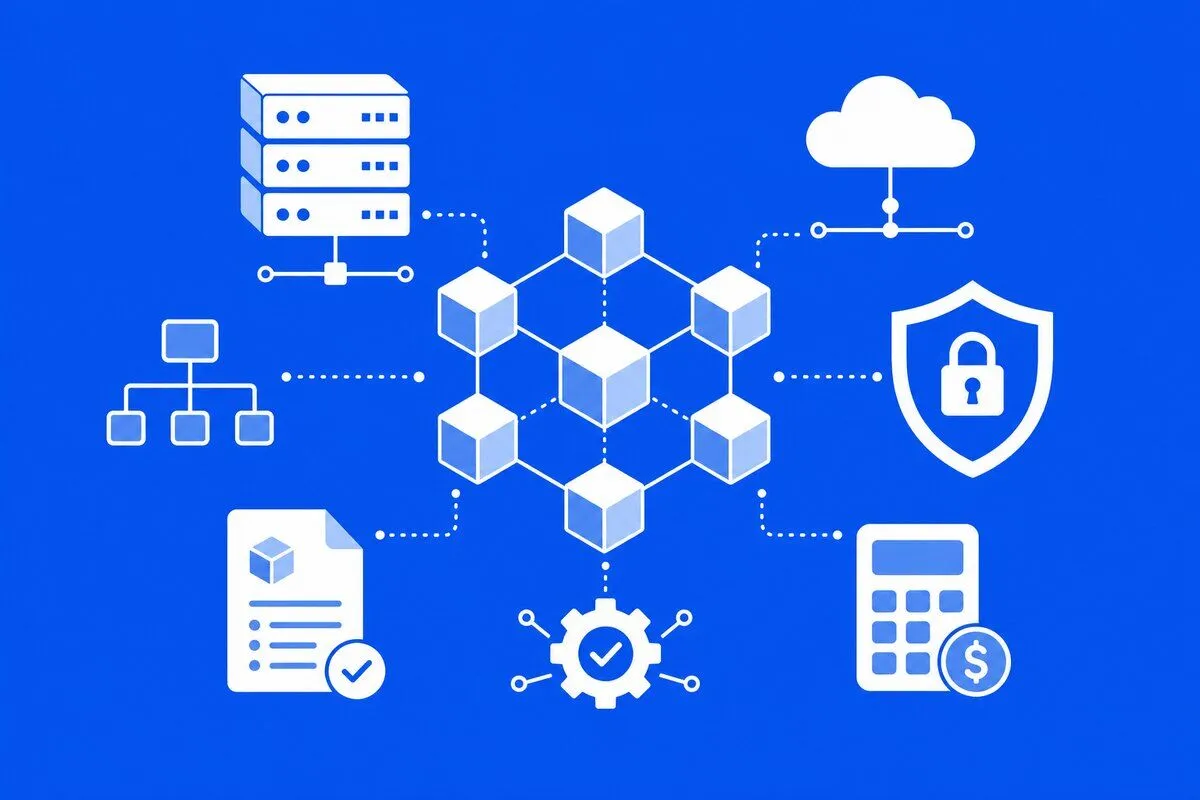
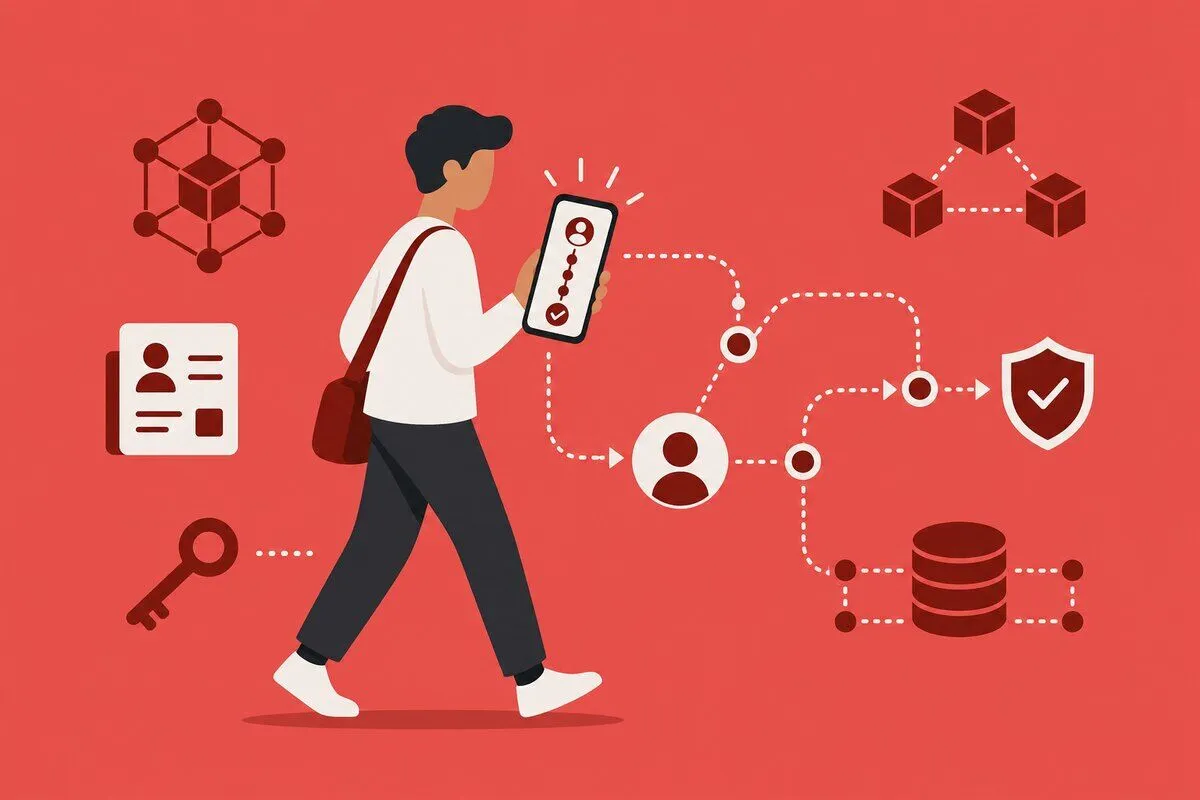
Blockchain and AI integration refers to the combination of artificial intelligence with blockchain technology to enhance data security, transparency, and efficiency across various industries. Blockchain provides a decentralized, tamper proof ledger ensuring data integrity, while AI leverages this secure data to perform advanced analytics, automate processes, and generate intelligent insights.
Key Takeaways
- Global blockchain AI market valued at 550 million dollars in 2024 and projected to reach 4.3 billion dollars by 2034 at 22.93 percent CAGR
- AI tokens market capitalization exceeded 62 billion dollars with 180 percent growth in 2024
- Over 51 percent of organizations are expected to adopt AI with blockchain integration
- Ocean Protocol achieved 30 percent reduction in contract related disputes through AI powered validation
- Smart contracts application projected to grow from 1 billion to 20 billion dollars by 2035
- Fraud detection using blockchain AI expected to reach 15 billion dollars by 2035
- Key players include IBM, Microsoft, Google, Amazon, Fetch.ai, SingularityNET, and NEAR Protocol
- Industries transformed include finance, healthcare, supply chain, energy, and cybersecurity
The convergence of blockchain technology and artificial intelligence represents one of the most transformative developments in the digital landscape. These two revolutionary technologies, each powerful on its own, are creating unprecedented synergies that promise to reshape industries, redefine trust mechanisms, and unlock new possibilities for innovation. As organizations worldwide recognize the potential of combining blockchain’s immutable transparency with AI’s intelligent automation, we are witnessing the emergence of solutions that were previously unimaginable.
This comprehensive guide synthesizes insights from authoritative sources, including Precedence Research market analysis, IBM blockchain documentation, Chainlink technical publications, and peer-reviewed academic studies from the MDPI Information journal. The analysis incorporates real-world implementations from Fortune 500 companies such as JPMorgan Chase, Mastercard, and Tesla, alongside documented results from platforms like Ocean Protocol, SingularityNET, and Fetch.ai. Industry projections from Markets and Markets, Fortune Business Insights, and Cognitive Market Research provide the statistical foundation for market forecasts and adoption trends presented throughout this guide.
As businesses seek innovative solutions, a leading blockchain company with AI expertise becomes essential for implementing these transformative technologies effectively. In this comprehensive guide, we will explore how blockchain and AI are revolutionizing digital innovation and creating groundbreaking solutions across industries.
What is Blockchain and AI Integration?
Definition
Blockchain and AI integration refers to the combination of artificial intelligence with blockchain technology to enhance data security, transparency, and efficiency across various industries. Blockchain provides a decentralized, tamper proof ledger ensuring data integrity, while AI leverages this secure data to perform advanced analytics, automate processes, and generate intelligent insights.
The integration of blockchain and AI creates a powerful synergy where each technology amplifies the capabilities of the other. Blockchain addresses one of AI’s fundamental challenges: the need for reliable, verified data. AI models require massive datasets for training, and blockchain ensures these datasets remain authentic, traceable, and tamper-proof. Conversely, AI enhances blockchain by optimizing data management, automating complex processes through smart contracts, and providing predictive capabilities that improve decision-making across decentralized networks.
This convergence is not merely theoretical. According to Precedence Research, the global blockchain AI market size was calculated at 550.70 million dollars in 2024 and is expected to reach approximately 4.34 billion dollars by 2034, expanding at a compound annual growth rate of 22.93 percent. This remarkable growth reflects the increasing recognition among enterprises that combining these technologies creates solutions far more powerful than either could achieve independently.
Understanding Blockchain Technology
At its core, blockchain is a decentralized, distributed ledger technology that records transactions across multiple computers in a way that makes the recorded data virtually impossible to alter retroactively. Each block in the chain contains a cryptographic hash of the previous block, creating an unbroken chain of verified transactions that provides unprecedented transparency and security.
The technology eliminates the need for trusted intermediaries by enabling peer-to-peer transactions verified through consensus mechanisms. This fundamental characteristic makes blockchain ideal for applications requiring trust, transparency, and immutability, from financial transactions and supply chain tracking to digital identity management and intellectual property protection.
| Characteristic | Description | Business Impact |
|---|---|---|
| Decentralization | No single entity controls the network | Eliminates single points of failure |
| Immutability | Data cannot be altered once recorded | Ensures permanent audit trails |
| Transparency | All transactions publicly viewable | Builds trust among stakeholders |
| Consensus Mechanisms | Network validates transactions collectively | Removes need for intermediaries |
| Cryptographic Security | Advanced encryption protects data | Prevents unauthorized access |
Understanding Artificial Intelligence
Artificial intelligence encompasses a broad range of technologies that enable machines to perform tasks typically requiring human intelligence. At its foundation, AI relies on machine learning algorithms that analyze vast datasets to identify patterns, make predictions, and improve performance over time without explicit programming. Deep learning, a subset of machine learning, uses neural networks that mimic human brain operations to process and interpret complex data.
AI’s capabilities extend across multiple domains, including natural language processing for understanding and generating human language, computer vision for analyzing images and videos, and predictive analytics for forecasting future outcomes based on historical data. These capabilities make AI invaluable for automating complex processes, personalizing user experiences, detecting fraud, and optimizing operations across virtually every industry.
| AI Component | Function | Application Example |
|---|---|---|
| Machine Learning | Pattern recognition and prediction | Fraud detection in transactions |
| Deep Learning | Complex data processing via neural networks | Image and voice recognition |
| Natural Language Processing | Understanding human language | Chatbots and document analysis |
| Computer Vision | Visual data interpretation | Quality control in manufacturing |
| Predictive Analytics | Forecasting future outcomes | Market trend prediction |
How Blockchain and AI Work Together
The synergy between blockchain and AI creates a powerful ecosystem where each technology addresses the limitations of the other while amplifying their combined strengths. According to IBM, blockchain provides AI with secure, transparent, and verified data that enhances the accuracy and reliability of machine learning models. Simultaneously, AI optimizes blockchain operations by improving scalability, automating smart contract execution, and enabling intelligent data analysis across decentralized networks.
How AI Enhances Blockchain
Optimized Data Management: AI algorithms can rapidly process and analyze the vast amounts of data stored on blockchain networks, extracting meaningful insights that would be impossible to identify manually. This includes pattern recognition across transactions, anomaly detection for security purposes, and predictive modeling for network optimization.
Intelligent Smart Contracts: Traditional smart contracts execute based on predetermined conditions. AI-powered smart contracts can process complex rules, analyze dynamic conditions, and make context-aware decisions. This enables contracts that automatically adjust pricing based on supply chain inputs, verify insurance claims, or approve transactions based on sophisticated risk analysis.
Enhanced Scalability:AI optimizes blockchain consensus mechanisms and transaction processing, addressing one of blockchain’s primary limitations. Machine learning algorithms can predict network congestion, optimize resource allocation, and improve overall throughput without compromising security.
How Blockchain Enhances AI
Data Integrity and Provenance: One of AI’s biggest challenges is data reliability. Blockchain solves this by providing an immutable, transparent ledger that ensures AI models work with verified, high-integrity data. This makes AI systems more fair, accurate, and trustworthy.
Explainable AI: Blockchain’s digital record offers insight into the framework behind AI decisions and the provenance of the data being used, addressing the challenge of AI transparency. This helps improve trust in AI recommendations and ensures accountability in automated decision-making.
Decentralized AI Training: Blockchain enables federated learning where AI models can be trained across distributed devices while ensuring data security and privacy. This allows organizations to collaboratively improve AI models without sharing sensitive raw data.
| Integration Aspect | Blockchain Contribution | AI Contribution | Combined Benefit |
|---|---|---|---|
| Data Security | Immutable encrypted storage | Threat detection algorithms | Tamper-proof intelligent security |
| Smart Contracts | Automated execution | Complex decision making | Context-aware automation |
| Data Integrity | Verified provenance | Quality analysis | Trustworthy AI training data |
| Transparency | Auditable transaction history | Decision explanation | Explainable AI systems |
| Scalability | Distributed processing | Resource optimization | High-performance networks |
Read Also: 10 Key Benefits of Blockchain Technology
Benefits of Combining Blockchain and AI
The integration of blockchain and AI delivers transformative benefits that address critical challenges across industries. According to an IBM survey, over 85 percent of tech leaders believe AI and blockchain have significant synergy, finding decentralized AI advantageous for advanced data analytics, machine learning, and increased trust. Here are the key benefits organizations can realize from this powerful combination:
Enhanced Security and Fraud Prevention
By combining AI’s anomaly detection capabilities with blockchain’s immutable record keeping, organizations can create robust security systems that identify and prevent fraudulent activities in real time. AI algorithms monitor blockchain transactions to detect suspicious patterns, while blockchain ensures that once fraud is detected, the evidence cannot be tampered with. This combination is projected to drive fraud detection applications from 750 million dollars in 2024 to 15 billion dollars by 2035.
Improved Data Quality and Trust
AI models are only as good as the data they are trained on. Blockchain provides verifiable, tamper-proof datasets that ensure AI systems work with accurate, unbiased information. This addresses concerns about AI bias and improves the reliability of automated decisions, building trust among users and stakeholders.
Automation and Operational Efficiency
AI-powered smart contracts automate complex business processes that previously required manual intervention. From automatically verifying insurance claims and triggering payments to managing supply chain logistics and executing financial transactions, this automation reduces processing time by 40 to 50 percent while cutting administrative costs by 30 to 40 percent, according to industry studies.
Decentralized Intelligence
Blockchain enables the democratization of AI by allowing distributed networks to share computing resources for training machine learning models. This decentralized AI approach reduces the concentration of AI capabilities among tech giants and enables smaller organizations to access powerful AI tools through platforms like SingularityNET and Fetch.ai.
| Benefit | Without Integration | With Blockchain AI | Improvement |
|---|---|---|---|
| Data Verification | Manual audits required | Automated verification | Real time validation |
| Fraud Detection | Reactive investigation | Proactive prevention | 70 to 80 percent faster |
| Contract Processing | Days to weeks | Minutes to hours | 40 to 50 percent reduction |
| Administrative Costs | High manual overhead | Automated processes | 30 to 40 percent savings |
| AI Decision Trust | Black box systems | Auditable AI decisions | Full transparency |
Ready to Harness the Power of Blockchain and AI?
Our experts help enterprises implement cutting edge blockchain AI solutions that drive innovation and competitive advantage.
Top Use Cases of Blockchain and AI Integration
The convergence of blockchain and AI is creating transformative applications across industries. From securing financial transactions to revolutionizing healthcare, these technologies are solving real world problems at scale. Here are the most impactful use cases driving adoption:
1. Smart Contract Auditing and Automation
AI powered tools analyze smart contracts for vulnerabilities such as reentrancy attacks, logic errors, and security flaws before deployment. Ocean Protocol, for example, incorporates AI into its decentralized data exchange to validate smart contract logic, resulting in a 30 percent reduction in contract-related disputes. AI agents continuously monitor deployed contracts and alert developers to potential security threats in real time, significantly reducing the burden on security teams while scaling protection across growing decentralized applications.
2. Fraud Detection and Financial Security
AI algorithms monitor blockchain transactions to detect anomalies and potential fraudulent activities in real time. Mastercard employs advanced AI analytics in conjunction with blockchain to optimize fraud detection across various financial sectors. These systems profile wallet behaviors, detect suspicious patterns, and identify compromised accounts or malicious actors. The combination of AI’s pattern recognition with blockchain’s immutable records creates comprehensive fraud prevention systems essential for banking, payments, and decentralized finance.
3. Supply Chain Management and Traceability
Blockchain provides transparent, tamper proof records of product journeys while AI predicts disruptions and optimizes logistics. When a product is manufactured, it receives a unique digital identity on blockchain carrying information about its origin, manufacturing date, and all stops along the way. AI algorithms analyze this data to monitor shipment progress, predict delivery times, and alert managers to deviations from optimal conditions. This combination is particularly valuable for tracking perishable goods, pharmaceuticals and ensuring supply chain compliance.
4. Healthcare Data Management
Blockchain secures patient records while AI analyzes data for personalized treatment recommendations and disease prediction. IBM Watson Health integrates AI and blockchain to enhance data sharing and streamline operations in clinical trials. Blockchain ensures patient data privacy and regulatory compliance while AI facilitates controlled access, enabling healthcare providers to gain patient information quickly and efficiently. This integration improves patient outcomes while maintaining security standards required by healthcare regulations.
5. Asset Tokenization and Valuation
Blockchain enables tokenization of real world assets while AI continuously analyzes market data to calculate accurate token values. Machine learning models analyze provenance data, asset conditions, and market trends, then update tokenized values in real time. This combination democratizes investment access by enabling fractional ownership while ensuring investors always have accurate portfolio pictures. Companies like Solulab are providing services that convert real-world assets into digital tokens with AI-powered valuation.
6. Decentralized AI Marketplaces
Platforms like SingularityNET use blockchain to create decentralized marketplaces where AI services can be shared, traded, and governed transparently. The Artificial Superintelligence Alliance, formed by the merger of Ocean Protocol, SingularityNET, and Fetch.ai, represents a major initiative in democratizing AI access through blockchain governance. These platforms enable developers to monetize AI models while users access sophisticated AI capabilities without relying on centralized tech giants.
7. Energy Management and Trading
AI predicts energy demand and optimizes distribution while blockchain enables secure peer-to-peer energy trading. Power Ledger utilizes AI analytics alongside blockchain to optimize energy trading functionalities. AI forecasts energy needs based on weather patterns, consumption history, and grid conditions, while blockchain ensures secure, fair transactions between energy producers and consumers. This integration supports renewable energy adoption by enabling efficient distributed energy markets.
| Use Case | Blockchain Role | AI Role | Real World Example |
|---|---|---|---|
| Smart Contract Auditing | Immutable contract storage | Vulnerability detection | Ocean Protocol |
| Fraud Detection | Transaction records | Anomaly detection | Mastercard |
| Supply Chain | Product traceability | Logistics optimization | IBM Food Trust |
| Healthcare | Secure patient records | Treatment prediction | IBM Watson Health |
| Asset Tokenization | Digital ownership | Value calculation | Solulab |
| Decentralized AI | Marketplace governance | AI services | SingularityNET |
| Energy Trading | Secure transactions | Demand forecasting | Power Ledger |
Industries Transformed by Blockchain and AI
The convergence of blockchain and AI is creating transformative impacts across virtually every major industry. From financial services to transportation, organizations are discovering that combining these technologies enables solutions that were previously impossible:
Financial Services and Banking
Financial institutions are leveraging blockchain AI for fraud detection, algorithmic trading, credit scoring, and regulatory compliance. JPMorgan Chase and Goldman Sachs are investing heavily in blockchain research and development, with the financial services sector estimated at 1.7 trillion dollars set to embrace blockchain by 2025, according to industry projections. AI-powered risk assessment combined with blockchain’s transparent transaction records creates more secure, efficient financial systems.
Healthcare and Life Sciences
Healthcare organizations use blockchain to secure patient records while AI analyzes health data for diagnosis assistance, treatment optimization, and drug discovery. The combination enables personalized medicine by providing AI systems with verified, comprehensive patient data while ensuring privacy and regulatory compliance.
Supply Chain and Logistics
From tracking product origins to optimizing delivery routes, blockchain AI transforms how goods move through global supply chains. The combination enables real time visibility, predictive maintenance, demand forecasting, and automated quality control that reduces waste and improves efficiency across complex logistics networks.
Transportation and Automotive
Tesla integrates AI analytics with blockchain technology to optimize autonomous vehicle functionalities and enhance operational resilience. Vehicle data recorded on blockchain provides verified datasets for AI training while smart contracts automate insurance claims, maintenance scheduling, and vehicle ownership transfers.
Education and Credentials
Blockchain provides tamper-proof credential verification while AI personalizes learning experiences and predicts student success. Educational institutions can issue verifiable digital certificates that employers can instantly validate, while AI tutoring systems adapt to individual learning styles based on verified academic histories.
Cybersecurity
The combination of AI threat detection with blockchain’s distributed security creates robust defense systems. AI identifies potential attacks through pattern analysis while blockchain ensures that security logs and evidence remain tamper-proof, enabling better forensics and compliance with security regulations.
| Industry | Key Application | Primary Benefit | Notable Adopter |
|---|---|---|---|
| Financial Services | Fraud prevention and trading | Enhanced security | JPMorgan Chase |
| Healthcare | Patient data management | Personalized medicine | IBM Watson Health |
| Supply Chain | Product tracking | Real-time visibility | Walmart |
| Automotive | Autonomous vehicles | Operational resilience | Tesla |
| Education | Credential verification | Instant validation | MIT Digital Diplomas |
| Cybersecurity | Threat detection | Tamper-proof logs | Prove AI |
📖 Read Also: Complete Guide to Decentralized Finance (DeFi) →
Leading Blockchain AI Platforms and Projects
Several pioneering platforms are driving the integration of blockchain and AI, creating new paradigms for decentralized intelligence and trusted automation. Here are the most significant players shaping this emerging ecosystem:
NEAR Protocol
Originally a general-purpose blockchain, NEAR rebranded in 2024 as a blockchain optimized for AI projects. The platform announced plans to create the world’s largest open source AI model with 1.4 trillion parameters. With a market capitalization of 8.4 billion dollars, NEAR leads the AI token rankings and attracts developers building AI powered decentralized applications.
Artificial Superintelligence Alliance (FET/ASI)
Formed by the merger of Fetch.ai, SingularityNET, and Ocean Protocol in July 2024, this alliance represents the largest decentralized AI initiative in blockchain. The combined platform enables AI service marketplaces, autonomous AI agents, and secure data sharing, creating a comprehensive ecosystem for decentralized artificial intelligence.
Internet Computer (ICP)
With a market capitalization of 6.4 billion dollars, Internet Computer has shifted focus toward AI applications, positioning itself as a global decentralized network capable of running AI workloads. The platform enables developers to build AI applications that operate entirely on-chain, ensuring transparency and decentralization.
Render Network (RNDR)
Render provides a decentralized GPU network for computationally intensive tasks, including AI model training, video rendering, and game visual effects. The platform’s marketplace includes AI solutions from third party studios, enabling intelligent rendering, image generation, and other AI powered creative tools.
| Platform | Focus Area | Key Feature | Market Position |
|---|---|---|---|
| NEAR Protocol | AI-optimized blockchain | 1.4T parameter AI model | 8.4 billion market cap |
| ASI Alliance (FET) | Decentralized AI ecosystem | AI service marketplace | Leading DeAI initiative |
| Internet Computer | On-chain AI applications | Full decentralization | 6.4 billion market cap |
| Render Network | Distributed GPU computing | AI model training | Creative AI solutions |
| Ocean Protocol | Data marketplace | Secure data sharing | Part of ASI Alliance |
Challenges and Limitations
Despite the tremendous potential, the integration of blockchain and AI faces several significant challenges that organizations must address for successful implementation:
Scalability Constraints
Both blockchain and AI face scalability challenges that compound when integrated. Blockchain networks can slow down due to congestion while AI requires significant computing power to process large datasets. Layer 2 solutions and sidechains are emerging to address these limitations, but organizations must carefully architect systems to balance performance with decentralization.
Technical Complexity
Implementing blockchain AI solutions requires expertise in both domains, which remains scarce. The need for highly skilled workforce that understands cryptography, distributed systems, machine learning, and data science creates significant talent barriers for organizations seeking to adopt these technologies.
Energy Consumption
AI model training and certain blockchain consensus mechanisms require substantial energy resources. Organizations must balance the benefits of blockchain AI with environmental considerations, increasingly adopting energy efficient consensus algorithms and optimized AI training approaches.
Regulatory Uncertainty
The regulatory landscape for both blockchain and AI continues to evolve, creating compliance challenges for organizations operating across jurisdictions. Data privacy regulations, securities laws, and emerging AI governance frameworks all impact how blockchain AI solutions can be deployed.
| Challenge | Impact | Mitigation Strategy |
|---|---|---|
| Scalability | Performance limitations | Layer 2 solutions and sidechains |
| Technical Complexity | Implementation barriers | Specialized development partners |
| Energy Consumption | Environmental concerns | Efficient consensus algorithms |
| Regulatory Uncertainty | Compliance challenges | Proactive legal frameworks |
| Data Privacy | Transparency vs privacy balance | Zero-knowledge proofs |
The Future of Blockchain and AI Integration
The convergence of blockchain and AI is accelerating, with industry projections indicating transformative growth in the coming years. According to multiple research sources, the blockchain AI market is expected to grow from approximately 550 million dollars in 2024 to over 4 billion dollars by 2034, reflecting the increasing recognition of this technology combination’s potential.
Key Trends Shaping the Future
Decentralized AI (DeAI) Protocols: The rise of decentralized AI allows developers to share computing power across blockchain networks for training machine learning models. This democratizes access to AI capabilities and enables collaborative model development while maintaining data privacy.
AI Agents on Blockchain: Autonomous AI agents that can transact on behalf of users are emerging as a significant innovation. These agents manage digital assets, execute trades, and interact with decentralized applications without direct human intervention, opening new possibilities for automation.
Zero Knowledge Machine Learning (ZK-ML): Emerging research in verifiable computing allows proving that AI inference was performed correctly without revealing inputs or models. This technology could enable smart contracts to verify AI outputs trustlessly, increasing confidence in blockchain-based AI systems.
Natural Language Smart Contracts: Future developments may enable smart contracts driven by natural language rather than programming code. Users could program contracts using plain language, which AI interprets and converts into executable code, dramatically lowering barriers to blockchain adoption.
📖 Read Also: Types of Blockchain: Public, Private, Consortium, and Hybrid →
How Nadcab Labs Can Help
Nadcab Labs stands at the forefront of blockchain and AI innovation, offering comprehensive solutions that help enterprises harness the transformative potential of these technologies. With over 8 years of experience in custom blockchain development, smart contract implementation, and AI integration, Nadcab Labs provides end-to-end services that transform complex technology concepts into practical business solutions.
Our team of experts specializes in developing intelligent blockchain applications that combine the security and transparency of distributed ledgers with the analytical power of artificial intelligence. From AI chatbot development to sophisticated smart contract automation, Nadcab Labs delivers solutions that drive operational efficiency, enhance security, and create competitive advantages for organizations across industries.
Final Thoughts
The fusion of blockchain and artificial intelligence represents a transformative force that is reshaping the digital landscape across every industry. By combining blockchain’s immutable transparency with AI’s intelligent automation, organizations can create solutions that are more secure, efficient, and trustworthy than either technology could achieve independently. The projected growth of the blockchain AI market from 550 million dollars to over 4 billion dollars by 2034 underscores the tremendous potential recognized by enterprises worldwide.
From enhancing smart contract capabilities and preventing fraud to revolutionizing healthcare data management and enabling decentralized intelligence, the use cases for blockchain AI continue to expand. Leading platforms like NEAR Protocol, the Artificial Superintelligence Alliance, and Internet Computer are pioneering new paradigms for how AI operates within decentralized ecosystems, creating opportunities for innovation that were previously impossible.
As these technologies continue to mature and converge, organizations that embrace blockchain and AI integration will gain significant competitive advantages. The journey toward a future where digital trust and intelligent automation become the cornerstones of every industry has already begun. Companies like Nadcab Labs are essential partners in navigating this complex landscape, ensuring that businesses can harness the full potential of these revolutionary technologies to build more secure, efficient, and innovative solutions for tomorrow.
Frequently Asked Questions
Q1.What is blockchain and AI integration?
Blockchain and AI integration combines artificial intelligence capabilities with blockchain technology to create secure, transparent, and intelligent systems. Blockchain provides immutable data storage and decentralized trust, while AI adds intelligent automation, pattern recognition, and predictive analytics, creating solutions more powerful than either technology alone.
Q2.How does AI enhance blockchain technology?
AI enhances blockchain by optimizing data management, automating smart contract execution, improving scalability through intelligent resource allocation, and enabling advanced analytics on blockchain data. AI algorithms can detect fraud patterns, predict network congestion, and make smart contracts context-aware, significantly expanding blockchain capabilities.
Q3.How does blockchain improve AI systems?
Blockchain improves AI by providing verified, tamper-proof training data that ensures AI models work with accurate information. It creates auditable records of AI decision making processes for transparency, enables secure decentralized AI training through federated learning, and establishes trust in AI outputs through immutable logging.
Q4.What are the main use cases of blockchain and AI?
Main use cases include smart contract auditing and automation, fraud detection in financial services, supply chain traceability and optimization, healthcare data management, asset tokenization with AI valuation, decentralized AI marketplaces, and energy management systems. These applications span finance, healthcare, logistics, and numerous other industries.
Q5.What are the challenges of combining blockchain and AI?
Key challenges include scalability constraints when processing large datasets on blockchain, technical complexity requiring expertise in both domains, energy consumption concerns, regulatory uncertainty across jurisdictions, and balancing transparency with data privacy requirements. Organizations must address these challenges through careful architecture and specialized partnerships.
Explore Services
Related Services
Reviewed by

Aman Vaths
Founder of Nadcab Labs
Aman Vaths is the Founder & CTO of Nadcab Labs, a global digital engineering company delivering enterprise-grade solutions across AI, Web3, Blockchain, Big Data, Cloud, Cybersecurity, and Modern Application Development. With deep technical leadership and product innovation experience, Aman has positioned Nadcab Labs as one of the most advanced engineering companies driving the next era of intelligent, secure, and scalable software systems. Under his leadership, Nadcab Labs has built 2,000+ global projects across sectors including fintech, banking, healthcare, real estate, logistics, gaming, manufacturing, and next-generation DePIN networks. Aman’s strength lies in architecting high-performance systems, end-to-end platform engineering, and designing enterprise solutions that operate at global scale.