Ai Overview
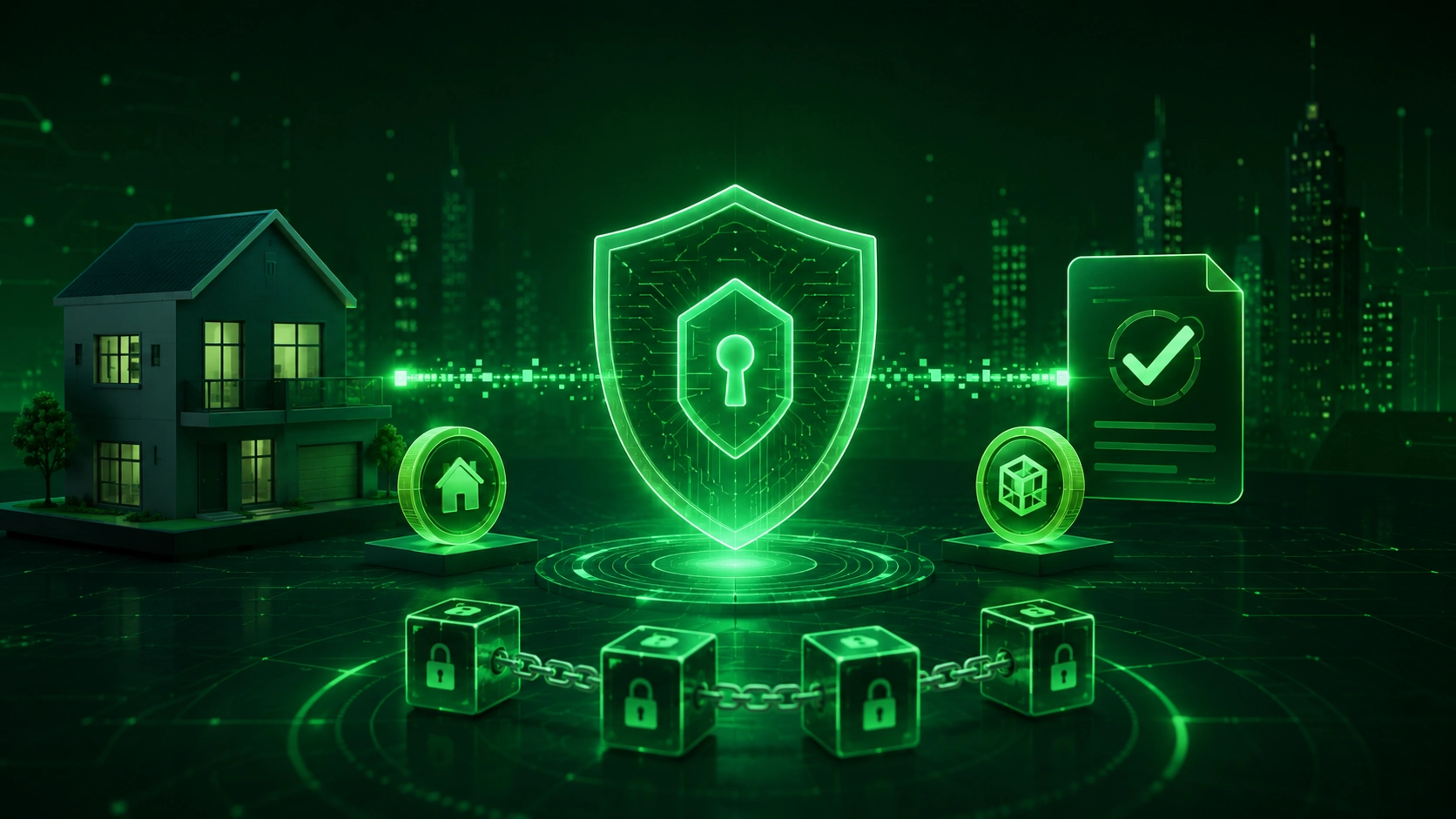
Smart city transformation initiatives across global metropolitan areas create ideal conditions for municipal property tokenization adoption. A toll road owned by 10,000 shareholders requires mechanisms for dividend distribution, voting rights administration, ownership transfer processing, and conflict resolution that overwhelm conventional legal structures.
Key Takeaways
Urban centers worldwide face unprecedented infrastructure financing challenges as populations concentrate in metropolitan areas requiring upgraded transportation networks, modernized utilities, and expanded public services. Traditional Municipal Property Tokenization bonds and tax-backed financing mechanisms struggle to meet 15 trillion dollars in estimated global infrastructure needs over the next decade. Simultaneously, blockchain technology has matured beyond cryptocurrency speculation into practical applications for real-world asset digitization. The convergence of these trends creates opportunities for municipalities to tokenize revenue-generating properties, enabling fractional ownership models that democratize access to civic infrastructure investments while maintaining governmental control over essential services.
Cities in USA, UK, UAE, Canada, and India are pioneering programs that transform public assets into blockchain-based securities, attracting capital from retail investors who previously lacked access to infrastructure markets. This shift represents more than technological innovation; it fundamentally restructures the relationship between citizens and civic assets, creating stakeholder models where residents become partial owners of the roads, bridges, and utilities they use daily. As smart city initiatives integrate IoT sensors, AI analytics, and distributed ledger technology, real estate tokenization extends beyond commercial properties into the public infrastructure domain, establishing new paradigms for urban financing.
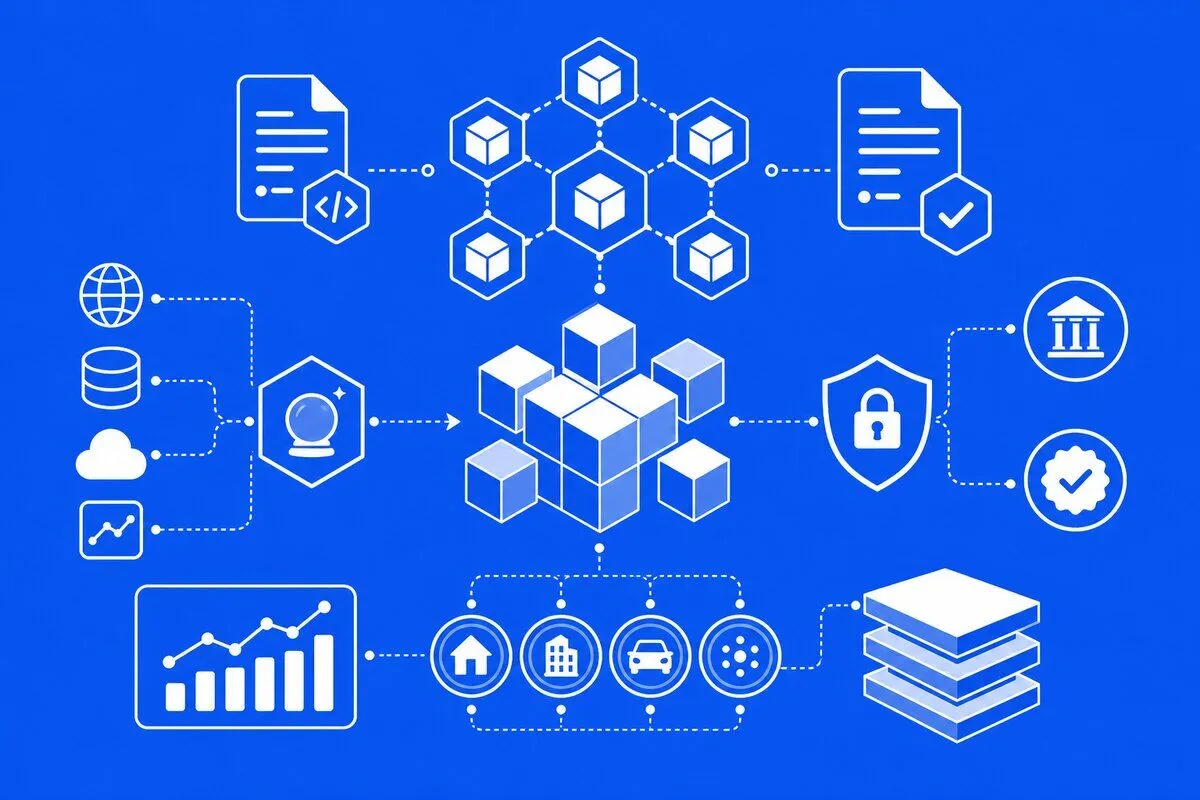
Smart city transformation initiatives across global metropolitan areas create ideal conditions for municipal property tokenization adoption. Cities implementing comprehensive sensor networks, automated traffic management systems, and integrated data platforms generate verifiable performance metrics that support asset-backed tokenization models. Dubai’s Smart Dubai 2021 strategy integrated blockchain infrastructure across 44 government entities, establishing technical foundations for tokenizing Municipal Property Tokenization ranging from district cooling systems to automated parking facilities. The convergence of Internet of Things devices, artificial intelligence analytics, and distributed ledger technology enables real-time monitoring of infrastructure performance, providing transparency that traditional Municipal Property Tokenization financing mechanisms cannot match.
Canadian municipalities including Toronto and Vancouver have explored blockchain-based land registries that could facilitate tokenized ownership of government properties. These systems record property transactions immutably while maintaining privacy through zero-knowledge proofs, addressing concerns about public exposure of sensitive ownership data. In India, the Smart Cities Mission covering 100 urban centers provides infrastructure investment opportunities exceeding 28 billion dollars, with blockchain pilots testing tokenized funding for water treatment facilities and renewable energy installations. The integration of municipal property tokenization within broader smart city frameworks ensures technical compatibility, regulatory alignment, and operational efficiency that standalone tokenization projects struggle to achieve.
Smart City Infrastructure Components Supporting Tokenization
The Evolution of Urban Infrastructure Financing: From Bonds to Blockchain
Municipal financing mechanisms have evolved through distinct phases over the past two centuries, beginning with direct taxation and progressing through general obligation bonds, revenue bonds, and public-private partnerships. The first recorded municipal bond issuance in the United States occurred in 1812 when New York City financed canal construction through debt securities sold to wealthy investors. This model persisted largely unchanged until the 1970s, when financial innovation introduced revenue bonds backed by specific project cash flows rather than general tax authority. However, these instruments remained accessible primarily to institutional investors and high-net-worth individuals capable of meeting minimum purchase requirements.
The 2008 financial crisis exposed vulnerabilities in municipal bond markets, with Detroit’s bankruptcy and Puerto Rico’s debt restructuring highlighting risks that credit ratings inadequately captured. Simultaneously, blockchain technology emerged from Bitcoin’s proof-of-concept into enterprise applications capable of supporting regulated securities issuance. Switzerland’s crypto valley established regulatory frameworks for tokenized assets by 2018, while Singapore’s MAS introduced comprehensive digital securities guidelines. These regulatory developments, combined with technical maturation of smart contract platforms, created conditions for municipal property tokenization to emerge as viable alternative financing. Cities can now fractionally tokenize infrastructure assets at low minimums, democratizing access while maintaining regulatory compliance through programmable restrictions embedded in token smart contracts.
What Is Municipal Property Tokenization? Technical and Legal Foundations
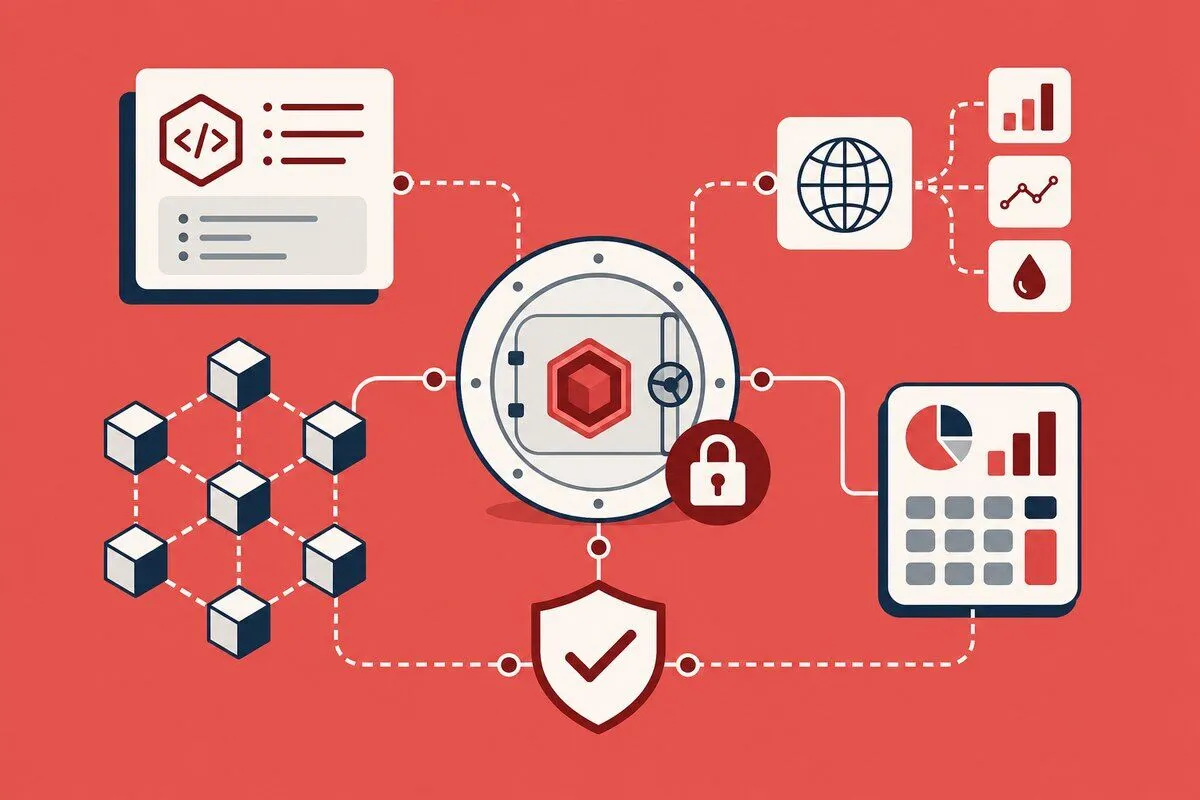
Municipal property tokenization involves creating digital representations of ownership interests in government-controlled infrastructure assets using distributed ledger technology. The technical architecture requires smart contracts deployed on permissioned or public blockchains that encode ownership rights, transfer restrictions, dividend distribution formulas, and compliance rules. These contracts interface with oracle systems feeding real-world data about asset performance, revenue generation, and operational metrics into the blockchain environment. Token standards like ERC-1400 for security tokens or ERC-3643 for compliant asset transfers provide frameworks ensuring regulatory adherence while maintaining interoperability across different blockchain platforms.
Legal foundations vary significantly across jurisdictions, with USA requiring compliance with Securities Act of 1933 registration or exemption provisions, UK following FCA’s guidance on crypto-assets and security tokens, and UAE implementing VARA regulations for virtual asset offerings in Dubai. Municipal governments must navigate procurement laws governing technology selection, public disclosure requirements for asset sales, and fiduciary duties to taxpayers when converting public property into tradable securities. The tokenization process typically involves legal opinions establishing that digital tokens represent valid ownership interests under applicable commercial codes, custody agreements protecting token holders’ rights, and governance frameworks defining decision-making authority over tokenized assets.
Core Technical Components of Municipal Tokenization Systems
Blockchain technology solves fundamental coordination problems that previously prevented fractional ownership of municipal infrastructure. Traditional property rights systems struggle with divisibility beyond certain thresholds due to administrative overhead, coordination costs, and legal complexity of managing thousands of co-owners. A toll road owned by 10,000 shareholders requires mechanisms for dividend distribution, voting rights administration, ownership transfer processing, and conflict resolution that overwhelm conventional legal structures. Distributed ledgers automate these functions through smart contracts that execute ownership transfers instantaneously, calculate and distribute proportional revenue shares automatically, and tally governance votes without centralized administrators.
The immutability and transparency characteristics of blockchain provide additional benefits for fractional municipal ownership. Every token transfer, dividend payment, and governance action creates permanent records accessible to all stakeholders, reducing opportunities for fraud or misappropriation. Token holders can verify their ownership percentage, review historical transactions, and audit revenue distributions independently without relying on municipal financial reports. This transparency addresses principal-agent problems inherent in public asset management, where government officials control resources on behalf of citizens. By converting citizens and investors into direct stakeholders through tokenized ownership, blockchain aligns incentives between asset managers and beneficiaries while creating accountability mechanisms enforceable through code rather than political processes.
Blockchain vs Traditional Ownership Systems for Municipal Property Tokenization Assets
| Characteristic | Traditional Ownership | Blockchain Tokenization |
|---|---|---|
| Minimum Investment | $5,000 to $25,000 municipal bonds | $100 to $500 fractional tokens |
| Settlement Time | T+2 business days | Real-time settlement in seconds |
| Trading Hours | Limited exchange hours 9am to 5pm | 24 hour continuous markets |
| Transparency | Quarterly financial reports with delays | Real-time on-chain audit trails |
| Dividend Distribution | Manual processing 5 to 7 business days | Automated smart contract instant |
| Administrative Costs | 1.5 to 2.5 percent annual intermediary fees | 0.3 to 0.8 percent blockchain protocol fees |

RWA Tokenization
Smart City Funding Models Powered by Real-World Asset Tokenization
20yr
PPA Contracts
5K+
Metered Spaces
Digital municipal bonds represent blockchain-based versions of traditional debt instruments, maintaining familiar structures where municipalities borrow funds and repay principal plus interest according to predetermined schedules. These instruments leverage blockchain for improved settlement efficiency, enhanced transparency, and programmable compliance features while preserving the debt security characteristics that municipal bond investors expect. Switzerland’s canton of Zug issued the first blockchain municipal bond in 2021, demonstrating technical feasibility of digitizing government debt issuance. Digital bonds retain tax advantages associated with traditional municipal securities in the USA, where interest income typically remains exempt from federal taxation and sometimes state taxes for in-state residents.
Tokenized infrastructure securities fundamentally differ by representing equity ownership in specific assets rather than general debt obligations. Token holders become fractional owners of toll roads, parking facilities, or renewable energy installations, receiving returns correlated with asset performance rather than fixed interest payments. This structure transfers operational risks and rewards to investors, who benefit from revenue growth but bear exposure to usage declines or maintenance cost increases. The risk-return profiles diverge significantly, with digital bonds offering predictable income and principal protection while tokenized equity provides upside participation in asset appreciation and revenue expansion.
Digital Municipal Bonds vs Tokenized Infrastructure Securities Comparison
| Feature | Digital Municipal Bonds | Tokenized Infrastructure |
|---|---|---|
| Asset Type | Debt obligation backed by taxation authority | Equity ownership in specific infrastructure |
| Return Structure | Fixed interest payments quarterly or semi-annually | Variable dividends based on asset revenues |
| Risk Profile | Credit risk, interest rate risk, minimal operational | Operational risk, market risk, asset performance |
| Tax Treatment | Often tax-exempt interest income USA market | Taxable dividends and capital gains treatment |
| Maturity | Fixed term 5-30 years with principal repayment | Perpetual ownership until asset disposition |
| Governance Rights | Protective covenants, no operational control | Voting rights on major decisions, revenue allocation |
Public-Private Partnership (PPP) Models Enhanced Through Asset Tokenization
Public-private partnerships have traditionally involved complex contractual arrangements where private entities finance, build, or operate infrastructure under long-term agreements with government sponsors. These structures suffer from high transaction costs, limited investor participation, and alignment challenges between public objectives and private profit motives. Tokenization introduces efficiency improvements by reducing administrative overhead through smart contract automation, expanding capital sources through fractional ownership, and improving transparency through on-chain governance mechanisms. A highway PPP traditionally might involve a single private consortium investing $500 million to construct and operate toll roads for 30 years. Tokenized alternatives could fractionally distribute ownership across thousands of investors, democratizing access while maintaining professional management through governance frameworks.[1]
India’s National Infrastructure Pipeline identifying $1.4 trillion in projects through 2025 presents opportunities for tokenization-enhanced PPP models. Water treatment facilities, metro rail systems, and airport expansions could combine government land contributions with tokenized private capital, creating hybrid structures where municipalities retain ownership while distributing operational revenues to token holders. Canada’s PPP programs in healthcare infrastructure, educational facilities, and transportation networks might benefit from blockchain-based oversight providing real-time financial reporting to public stakeholders. The transparency inherent in tokenized structures addresses concerns about PPP arrangements benefiting private interests at public expense, creating accountability mechanisms that traditional contracts struggle to achieve through quarterly reporting and periodic audits.
Revenue-Generating Municipal Assets: Roads, Parking, Transit, and Renewable Energy
Transportation infrastructure generates substantial revenue streams through user fees, making these assets particularly attractive for tokenization initiatives. Toll roads in USA collected $14.2 billion in annual revenues across 6,000 miles of highways, with automated collection systems providing transparent transaction data ideal for blockchain oracle integration. Parking facilities in dense urban centers command premium rates, with San Francisco’s SFpark dynamic pricing system demonstrating how data-driven management optimizes revenue generation. Tokenizing parking infrastructure allows investors to participate in urban mobility trends, benefiting from increasing vehicle density in growing cities while contributing capital for expansion and technology upgrades. Transit systems including metro rail, bus rapid transit, and light rail generate fare revenues supplemented by advertising and commercial leases within stations.
Renewable energy assets owned by municipalities offer compelling tokenization opportunities combining stable revenues with environmental impact metrics attractive to ESG-focused investors. Solar installations on government buildings, wind farms on municipal land, and hydroelectric facilities generate electricity sold under long-term power purchase agreements providing predictable cash flows. UK’s local authority solar programs across 800 installations demonstrate how municipalities monetize rooftop and land resources while advancing sustainability goals. Tokenizing these assets creates investment vehicles where returns correlate with renewable energy production, aligning financial performance with environmental outcomes. Dubai’s Mohammed bin Rashid Al Maktoum Solar Park targeting 5,000 megawatts by 2030 represents infrastructure that could attract global impact investment through fractional tokenization, funding expansion while distributing electricity revenues to token holders worldwide.
Securities regulation presents the primary compliance challenge for municipal property tokenization given most tokenized infrastructure interests constitute investment contracts under applicable legal tests. USA securities laws require registration with SEC unless specific exemptions apply, with Regulation A+, Regulation D, and Regulation S providing alternative pathways for compliant offerings. Regulation A+ permits offerings up to $75 million annually with reduced disclosure requirements compared to full registration, while Regulation D restricts sales to accredited investors but eliminates public filing obligations. International investors accessing tokenized municipal assets trigger Regulation S considerations governing offshore transactions, requiring issuers to implement geographical restrictions preventing US person participation during initial distribution periods.
UK’s Financial Conduct Authority classifies most tokenized assets as specified investments requiring authorization for promotion, distribution, or secondary trading. Municipalities tokenizing infrastructure must engage authorized firms for investor solicitation, custody services, and market-making activities unless qualifying for exemptions. Dubai’s Virtual Asset Regulatory Authority established comprehensive frameworks governing token issuance, trading platforms, and custody providers within designated free zones, creating regulatory clarity supporting municipal tokenization initiatives. Canada’s securities regulators coordinate through Canadian Securities Administrators providing national guidance on digital asset offerings, with recent clarifications addressing how tokenized real-world assets fit within existing prospectus and registration requirements. India’s Securities and Exchange Board continues evaluating tokenization frameworks, creating regulatory uncertainty that municipalities must navigate carefully when structuring compliant offerings.
Regulatory Compliance Requirements by Jurisdiction
| Jurisdiction | Primary Regulator | Key Requirements |
|---|---|---|
| United States | SEC, CFTC, FinCEN | Securities registration or exemption via Reg A+, D, S with AML compliance and accredited investor verification |
| United Kingdom | FCA | Prospectus or exemption qualification, authorized firm involvement for promotion and custody authorization |
| UAE Dubai | VARA, DFSA | Virtual asset license for issuance, approved exchange listing, qualified custodian and investor suitability assessments |
| Canada | CSA, OSC | Prospectus filing or exemption, dealer registration for distribution, investment fund rules for collective structures |
| India | SEBI, RBI | Securities compliance pending tokenization framework, foreign investment restrictions, real estate regulatory adherence |
Smart contracts enable automated tax collection and revenue distribution for tokenized Municipal Property Tokenization assets, reducing administrative costs while improving transparency and compliance. Traditional infrastructure revenue collection involves multiple intermediaries including payment processors, accounting systems, and treasury departments, each adding costs and potential points of failure. Blockchain-based systems accept payments directly into smart contracts that automatically calculate proportional distributions, deduct operational expenses and taxes, and transfer net proceeds to token holder wallets. This automation reduces processing timeframes from weeks to minutes while creating immutable audit trails documenting every transaction from initial collection through final distribution.
Tax withholding requirements complicate automated distribution systems given varying treatment across investor jurisdictions and asset types. USA tax law requires withholding on certain payments to foreign investors, while domestic investors may owe state and local taxes depending on asset location and residence. Smart contracts can implement tax logic routing payments through appropriate withholding calculations, though this requires integration with tax authority systems and ongoing updates reflecting regulatory changes. Some jurisdictions including Singapore and Dubai offer tax-neutral environments for tokenized asset revenues, simplifying compliance while attracting international capital from retail and institutional investors globally.
Municipal Property Tokenization Implementation Barriers
| Challenge Category | Specific Barriers | Mitigation Strategies |
|---|---|---|
| Regulatory | Unclear securities classification, fragmented jurisdiction rules, tax treatment ambiguity | Early regulator engagement, conservative compliance approach, pilot programs testing frameworks |
| Technical | Smart contract vulnerabilities, blockchain scalability limits, oracle reliability concerns | Comprehensive security audits, formal verification methods, proven platform selection |
| Operational | Integration with legacy systems, staff expertise gaps, ongoing maintenance requirements | Phased implementation, external expertise engagement, training programs for personnel |
| Market | Limited investor awareness, liquidity concerns, price discovery challenges | Educational campaigns, market-maker engagement, established exchange partnerships |
| Political | Public asset privatization concerns, speculation fears, equity access questions | Transparent communication, community participation structures, low minimum investments |
Get Started
Transform Municipal Property Tokenization Infrastructure with Blockchain Tokenization
Partner with our expert team to design compliant tokenization structures that unlock capital for urban infrastructure while maintaining transparent governance and regulatory adherence.
People Also Ask
Q1.1. What is municipal property tokenization and how does it work?
Municipal property tokenization is the process of converting ownership rights in government-owned infrastructure assets into digital tokens on a blockchain. These tokens represent fractional shares in revenue-generating civic properties like toll roads, parking facilities, water utilities, or renewable energy installations. Through smart contracts, municipalities can issue security tokens that comply with local regulations while enabling broader investor participation. The blockchain records all transactions immutably, providing transparency in ownership transfers and dividend distributions. This mechanism allows cities to raise capital by selling partial interests in public assets without traditional debt instruments, creating liquid secondary markets for infrastructure investment.
Q2.2. How do tokenized municipal assets differ from traditional municipal bonds?
Traditional Municipal Property Tokenization bonds are debt instruments where investors lend money to cities with fixed interest payments, while tokenized assets represent equity ownership in specific infrastructure projects with returns tied to actual performance. Municipal bonds typically require minimum investments of $5,000-$25,000 and trade in opaque over-the-counter markets, whereas tokenized assets can be fractionalized to $100-$500 minimums and traded on transparent blockchain platforms. Tokenization enables real-time settlement instead of T+2 clearing, automated dividend distribution through smart contracts, and programmable compliance rules. Additionally, tokenized infrastructure provides asset-backed security rather than relying solely on municipal credit ratings, offering investors direct exposure to operational cash flows from utilities, transit systems, or energy generation facilities.
Q3.3. What are the main regulatory challenges for municipal property tokenization?
Securities regulations present the primary obstacle, as tokenized municipal assets must comply with SEC rules in the USA, FCA guidelines in the UK, and similar frameworks globally. Classification issues arise regarding whether tokens constitute securities, commodities, or hybrid instruments requiring multiple regulatory approvals. Municipal Property Tokenization governments face procurement laws restricting blockchain platform selection and data privacy regulations governing citizen information on public ledgers. Cross-border investment complications emerge when international investors purchase tokens, triggering foreign ownership restrictions on critical infrastructure. Additionally, accounting standards for tokenized assets remain undefined, creating uncertainty for municipal financial reporting. Tax treatment ambiguity affects both issuers and investors, particularly regarding capital gains on token transfers versus traditional property transactions.
Q4.4. Which types of municipal assets are most suitable for tokenization?
Revenue-generating infrastructure with predictable cash flows offers the strongest tokenization candidates, including toll roads, bridges, parking structures, airport facilities, and public transit systems. Water treatment plants, waste management facilities, and electricity distribution networks provide stable utility revenues ideal for fractional ownership models. Renewable energy installations like solar farms and wind turbines generate measurable returns attractive to ESG-focused investors. Commercial properties owned by municipalities, such as convention centers, sports stadiums, and mixed-use civic buildings, can be tokenized based on lease income and operational profits. Public land parcels designated for future urban expansion represent appreciating assets suitable for long-term tokenization strategies, particularly in high-growth metropolitan areas experiencing smart city transformation.
Q5.5. How does blockchain improve transparency in municipal infrastructure funding?
Blockchain creates immutable audit trails recording every transaction, ownership transfer, and dividend payment related to tokenized municipal assets, eliminating opportunities for misappropriation or undisclosed deals. Smart contracts automate revenue distribution according to predetermined formulas, ensuring investors receive proportional returns without manual intervention or political discretion. Real-time dashboards display asset performance metrics, maintenance expenditures, and operational efficiency indicators directly to token holders. On-chain governance mechanisms allow fractional owners to vote on major infrastructure decisions, creating accountability in public asset management. Cryptographic verification prevents double-spending and unauthorized token minting, protecting against fraudulent issuance. This transparency reduces information asymmetry between municipalities and investors, lowering risk premiums and capital costs for urban infrastructure financing.
Explore Services
Related Services
Reviewed by

Aman Vaths
Founder of Nadcab Labs
Aman Vaths is the Founder & CTO of Nadcab Labs, a global digital engineering company delivering enterprise-grade solutions across AI, Web3, Blockchain, Big Data, Cloud, Cybersecurity, and Modern Application Development. With deep technical leadership and product innovation experience, Aman has positioned Nadcab Labs as one of the most advanced engineering companies driving the next era of intelligent, secure, and scalable software systems. Under his leadership, Nadcab Labs has built 2,000+ global projects across sectors including fintech, banking, healthcare, real estate, logistics, gaming, manufacturing, and next-generation DePIN networks. Aman’s strength lies in architecting high-performance systems, end-to-end platform engineering, and designing enterprise solutions that operate at global scale.