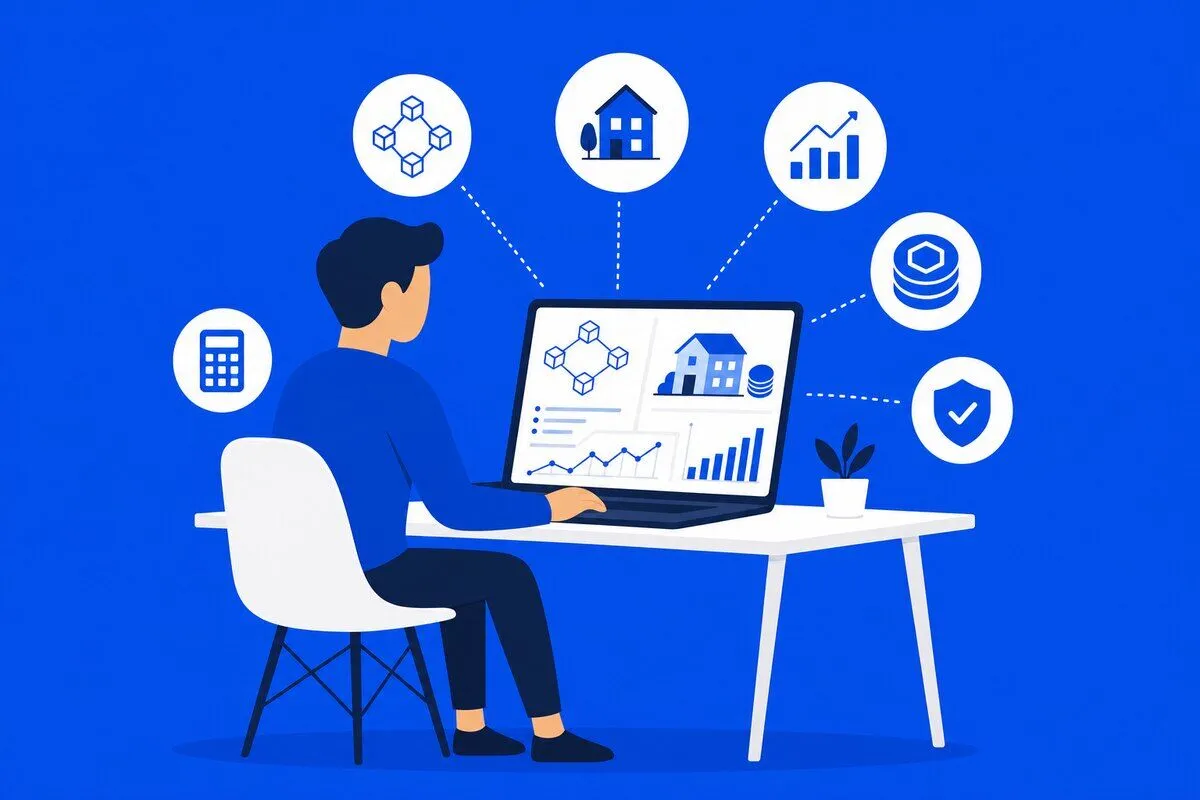
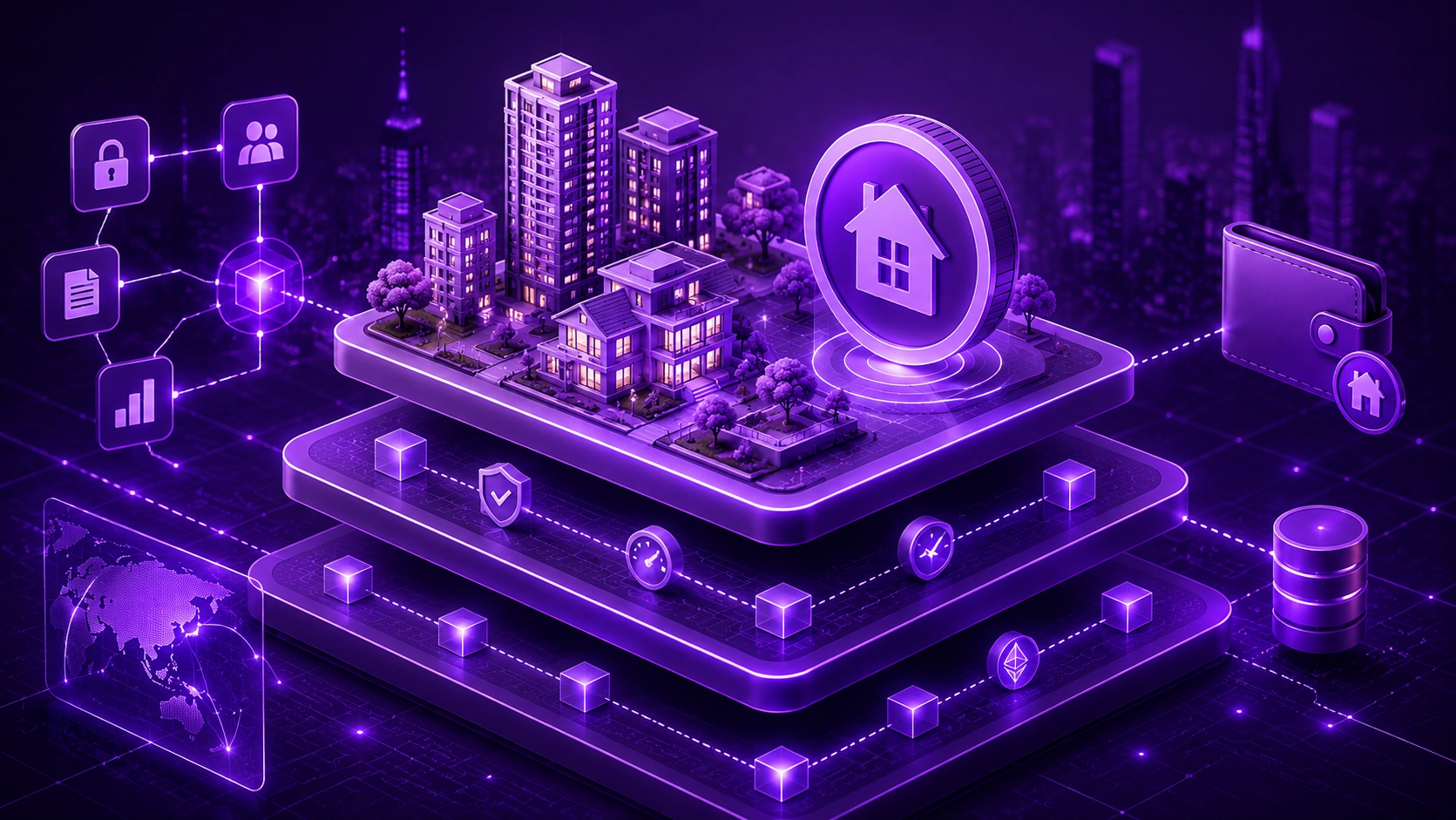
Real estate tokenization is transforming how property assets are owned, managed, and invested in by using blockchain technology. By converting physical real estate into digital tokens, this model introduces transparency, fractional ownership, and global accessibility to an industry traditionally known for high entry barriers and limited liquidity.
What is Real Estate Tokenization?
Real estate tokenization refers to the process of digitally representing ownership interests in a physical property using blockchain technology. In this model, a real-world real estate asset such as residential, commercial, or mixed-use property is converted into blockchain-based tokens that carry defined ownership or economic rights. Each token corresponds to a specific portion of the asset, making it possible to divide high-value properties into smaller, more accessible investment units.
Rather than purchasing an entire property outright, investors can acquire fractional ownership by holding these digital tokens. This approach closely resembles owning shares in a company, where each share represents partial ownership and entitlement to returns. Blockchain-powered smart contracts govern these tokens, automatically enforcing rules related to ownership, transfers, and income distribution. As a result, transactions become transparent, tamper-resistant, and fully traceable on a decentralized ledger.
Tokenization also bridges traditional real estate systems with modern digital infrastructure. While the physical asset remains managed off-chain, all ownership records and transactional activities are recorded on-chain, reducing reliance on manual paperwork and intermediaries. This combination enhances trust, operational efficiency, and auditability across the real estate investment lifecycle.
Key Characteristics of Real Estate Tokenization
- On-Chain Representation of Physical Assets
Real estate tokenization links tangible property to a digital blockchain record, ensuring verifiable and immutable ownership tracking. - Fractional Ownership Model
Properties can be divided into smaller digital units, enabling multiple investors to participate without committing large capital. - Blockchain and Smart Contract Integration
Smart contracts automate ownership transfers, compliance checks, and financial distributions, minimizing human error and delays. - Peer-to-Peer Transferability
Token holders can transfer or trade ownership interests directly with other participants, subject to regulatory and platform rules. - Legal and Regulatory Alignment
Tokenized assets are structured to comply with property laws, securities regulations, and investor protection frameworks, ensuring lawful participation.
How Does Real Estate Tokenization Work?
The real estate tokenization process combines legal structuring, financial evaluation, and blockchain technology to convert a physical property into digital tokens that represent ownership rights. This process ensures each token is legally and technologically linked to the real asset, enabling secure, transparent, and fractional investment.
1. Property Identification and Due Diligence
The process starts with selecting a suitable real estate asset. This may be a commercial building, residential complex, or any income-generating property. Professionals conduct thorough due diligence, including:
- Property valuation to determine market worth
- Ownership verification to confirm clear title
- Legal title clearance to avoid disputes
- Regulatory feasibility checks to ensure compliance in the jurisdiction
This rigorous assessment ensures the asset is legally eligible for tokenization and attractive to investors.
2. Legal Structuring of the Asset
Once the property is vetted, it’s placed into a legal entity such as a Special Purpose Vehicle (SPV) or trust. Tokens are then designed to represent ownership or economic rights in this legal structure rather than being tied directly to the land registry.
This approach aligns the digital tokens with traditional property ownership laws, protecting both token holders and issuers.
3. Token Design and Asset Mapping
In this phase, the total value of the property is divided into digital units called tokens. Each token can represent different rights:
- Equity ownership – a share of the property’s value
- Revenue rights – entitlement to rental income or yield
- Governance or voting rights (optional)
The issuer defines the token supply, rights, restrictions, and distribution terms clearly before creation.
4. Digital Contracts
Smart contracts are self-executing programs on a blockchain that govern the behavior of tokens. They are coded to:
- Issue tokens to investors
- Enforce ownership rules
- Automate transfers between wallets
- Distribute rental income or dividends
Automation through smart contracts reduces manual intervention and minimizes operational risk.
5. Compliance and Investor Onboarding
Before tokens are sold, regulatory compliance is mandatory. This includes:
- KYC (Know Your Customer) checks
- AML (Anti-Money Laundering) protocols
- Investor eligibility verification
These steps make sure token sales meet financial and securities regulations in relevant countries.
6. Token Issuance and Distribution
After compliance checks, tokens are minted on a chosen blockchain and distributed to investors. The entire ownership record is immutably stored on the blockchain ledger, providing trust and transparency.
7. Secondary Trading and Management
Depending on local laws, these tokens can be traded later on regulated secondary markets, creating greater liquidity compared to traditional real estate holdings. Token holders can buy or sell tokens without transferring the whole property.[1]
Real Estate Tokenization Workflow
| Step | Activity | Purpose |
|---|---|---|
| 1 | Property Identification & Due Diligence | Ensures legal and investment readiness |
| 2 | Legal Structuring | Aligns tokens with real-world ownership |
| 3 | Token Design & Asset Mapping | Determines how value is split |
| 4 | Digital Contracts | Ensures secure and transparent execution |
| 5 | Compliance & Onboarding | Meets regulations and protects investors |
| 6 | Token Issuance & Distribution | Records ownership on blockchain |
| 7 | Secondary Trading | Improves liquidity for investors |
Blockchain Technology Used in Real Estate Tokenization
Blockchain technology serves as the core infrastructure behind tokenized real estate systems. It provides a decentralized and tamper-resistant environment where property ownership data, transactions, and investor rights can be securely recorded and verified. By replacing traditional, paper-based record-keeping with a shared digital ledger, blockchain improves trust, efficiency, and accountability across the real estate tokenization lifecycle.
Every transaction related to a tokenized property, whether ownership transfer, income distribution, or compliance verification is recorded on the blockchain. This ensures that all stakeholders have access to the same source of truth, reducing disputes and operational friction.
Role of Blockchain in Real Estate Tokenization
- Transparent Ownership Ledger
Blockchain maintains a publicly verifiable and time-stamped record of ownership, allowing participants to track property interests with complete transparency. - Protection Against Unauthorized Changes
Once data is recorded on the blockchain, it cannot be altered without network consensus, safeguarding ownership records from fraud or manipulation. - Near Real-Time Settlement
Blockchain enables faster transaction processing by automating settlements through smart contracts, eliminating delays caused by intermediaries. - Lower Reconciliation and Administrative Costs
A single, shared ledger reduces the need for manual reconciliation across multiple systems, improving operational efficiency and cost control.
Common Token Standards Used in Real Estate Tokenization
Different token standards are used depending on the nature of ownership rights, regulatory requirements, and platform design.
- ERC-20 Tokens
These are fungible tokens commonly used to represent fractional ownership in real estate assets, where each token carries equal value and rights. - ERC-721 Tokens
Non-fungible tokens designed to represent unique assets, such as a specific property or a distinct ownership certificate. - ERC-1400 Tokens
A security token standard built for regulated assets, incorporating compliance features like transfer restrictions, investor whitelisting, and reporting controls.
Who Can Launch a Real Estate Tokenization Project
A real estate tokenization project can be initiated by a wide range of entities, provided they have clear ownership rights, legal authority, and regulatory readiness. While blockchain technology enables the digital representation of assets, the ability to launch a compliant tokenization initiative depends on both real-world property control and legal structuring, not just technical capability.
Property Owners and Real Estate Experts
Individual property owners and professional real estate experts are among the most common initiators of tokenization projects. Experts often tokenize assets to unlock liquidity from completed or income-generating properties, while individual owners may use tokenization to raise capital without selling full ownership. In both cases, clear title ownership and valuation transparency are essential.
Real Estate Investment Firms and Funds
Institutional investors, private equity firms, and real estate funds frequently explore tokenization to modernize asset management and broaden investor access. These entities typically tokenize portfolios rather than single properties, allowing for diversification and structured investment models. Their involvement often brings stronger governance, reporting standards, and regulatory compliance.
Asset Management Companies
Asset managers responsible for managing property portfolios can launch tokenization projects on behalf of clients or funds. Tokenization enables them to offer fractional exposure, improve liquidity, and provide more transparent performance tracking, while still maintaining professional oversight of the physical assets.
Special Purpose Vehicles (SPVs) and Trusts
In many jurisdictions, tokenized real estate projects are launched through Special Purpose Vehicles or legally recognized trusts. The property is transferred to the SPV, and tokens represent ownership or economic rights in that entity. This structure helps align blockchain-based tokens with existing corporate and property laws.
Real Estate Crowdfunding Platforms
Crowdfunding platforms with appropriate licenses can use tokenization to digitize property investments. By combining traditional crowdfunding frameworks with blockchain infrastructure, these platforms can enhance transparency, automate ownership tracking, and improve investor access while staying within regulatory boundaries.
Financial Institutions and Regulated Entities
Banks, regulated financial institutions, and licensed fintech companies may also launch real estate tokenization initiatives. Their involvement often focuses on compliance-first models, investor protection, and integration with traditional financial systems, making tokenization more acceptable to institutional and retail investors alike.
Public and Semi-Public Organizations
In some cases, government bodies, municipal authorities, or public-private partnerships may explore tokenization for infrastructure-related real estate assets. These initiatives are typically aimed at improving funding transparency, broadening participation, and modernizing asset management processes.
Key Requirements to Launch a Tokenization Project
Regardless of the initiating entity, certain conditions must be met:
- Clear legal ownership or control of the property
- Proper asset valuation and documentation
- Compliance with local securities and property regulations
- Robust governance and investor protection mechanisms
How Ownership Rights Are Enforced On-Chain
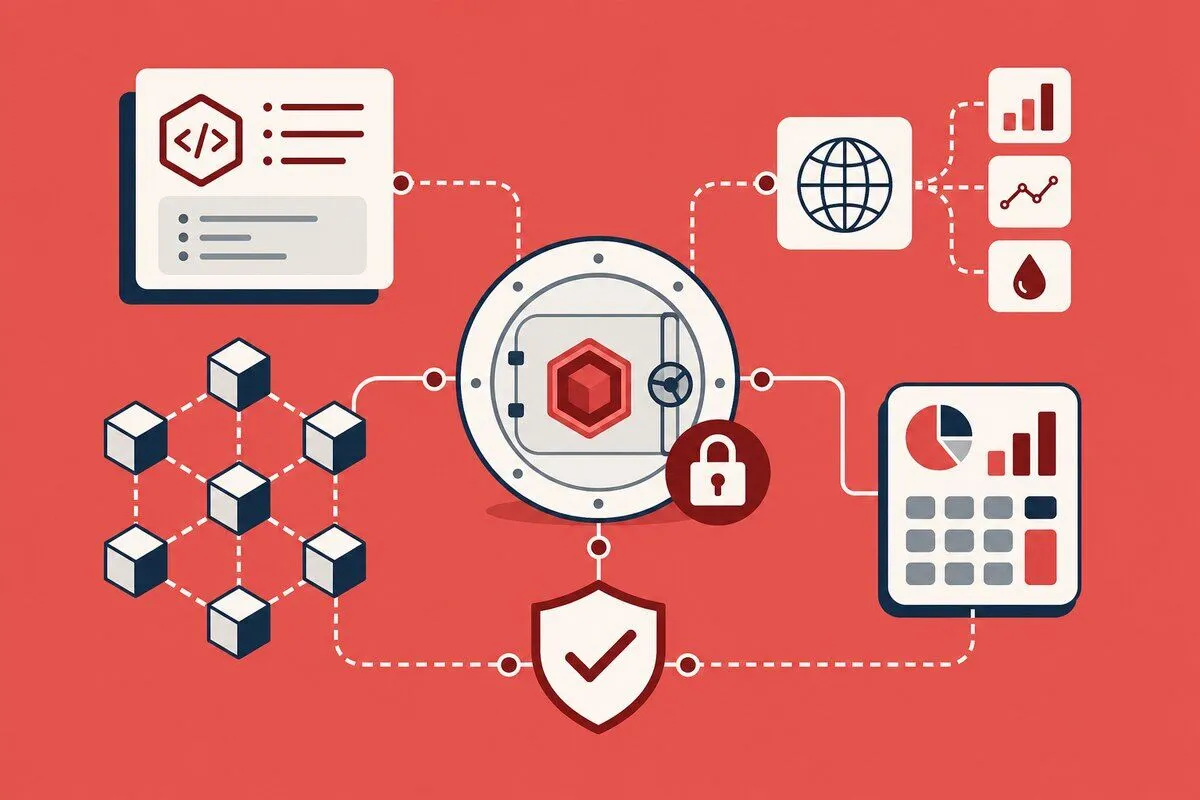
Ownership rights in real estate tokenization are enforced on-chain through blockchain-based smart contracts that define, manage, and protect the rights associated with each token. These smart contracts act as self-executing digital agreements, ensuring that ownership rules are applied consistently without manual intervention.
Each token is programmed to represent specific rights, such as equity ownership, revenue entitlement, or voting privileges. When a token is transferred, the blockchain automatically updates the ownership record, creating an immutable and time-stamped trail of transactions. This ensures that ownership history cannot be altered or disputed without network consensus.
Access controls embedded within smart contracts restrict who can hold or transfer tokens, ensuring compliance with regulatory requirements such as KYC and AML checks. In regulated environments, only verified and eligible investors are allowed to interact with ownership tokens.
Additionally, smart contracts can automate income distribution by allocating rental income or returns directly to token holders based on their ownership share. Governance mechanisms, where applicable, allow token holders to participate in predefined decisions related to the property, reinforcing transparent and rule-based ownership enforcement.
By combining cryptographic security, automated execution, and decentralized recordkeeping, on-chain enforcement ensures that ownership rights remain transparent, verifiable, and resistant to unauthorized changes.
Yield Models Used in Tokenized Property Assets
Tokenized property assets can generate returns through several yield models, depending on the asset type, legal structure, and investment strategy. These models are designed to mirror traditional real estate income streams while benefiting from blockchain-based automation.
One common yield model is rental income distribution. Revenue generated from tenants is collected off-chain and distributed to token holders on-chain, proportional to their holdings. Smart contracts automate this process, ensuring timely and transparent payouts.
Another model is capital appreciation, where investors benefit from an increase in the property’s market value over time. In this case, returns are realized when tokens are sold on secondary markets or when the underlying property is exited or liquidated.
Some tokenized assets use hybrid yield models, combining periodic rental income with long-term appreciation. In more advanced structures, additional incentives such as performance-based returns or revenue-sharing mechanisms may be included, subject to regulatory approval.
All yield models rely on clear disclosure, auditable cash flows, and legally binding agreements to ensure that token holders understand how returns are generated and distributed.
On-Chain vs Off-Chain Data Management in Tokenization
In real estate tokenization, data management is crucial for balancing transparency, efficiency, and regulatory compliance. Data related to tokenized properties can either be stored on-chain or off-chain, each with its own benefits and limitations.
- On-Chain Data:
On-chain data is stored directly on the blockchain. This includes ownership records, transaction history, token issuance, and smart contract execution. The key advantage of on-chain storage is immutability once recorded, data cannot be altered. This ensures transparency and trust, allowing investors and regulators to verify ownership and transfers at any time. However, storing large volumes of detailed property information (like legal documents, images, or floor plans) entirely on-chain can be expensive and slow due to blockchain storage constraints. - Off-Chain Data:
Off-chain data refers to property details, valuations, legal agreements, and multimedia files that are stored outside the blockchain, usually in secure databases or cloud storage. Blockchain stores a reference or hash of the off-chain data to maintain integrity. This approach provides scalability, efficiency, and cost-effectiveness, while still leveraging blockchain to ensure authenticity.
Optimal Approach: Most real estate tokenization platforms use a hybrid model critical transactional and ownership data is on-chain, while heavy documents and property information remain off-chain, referenced securely by blockchain hashes.
Role of Oracles in Real Estate Tokenization
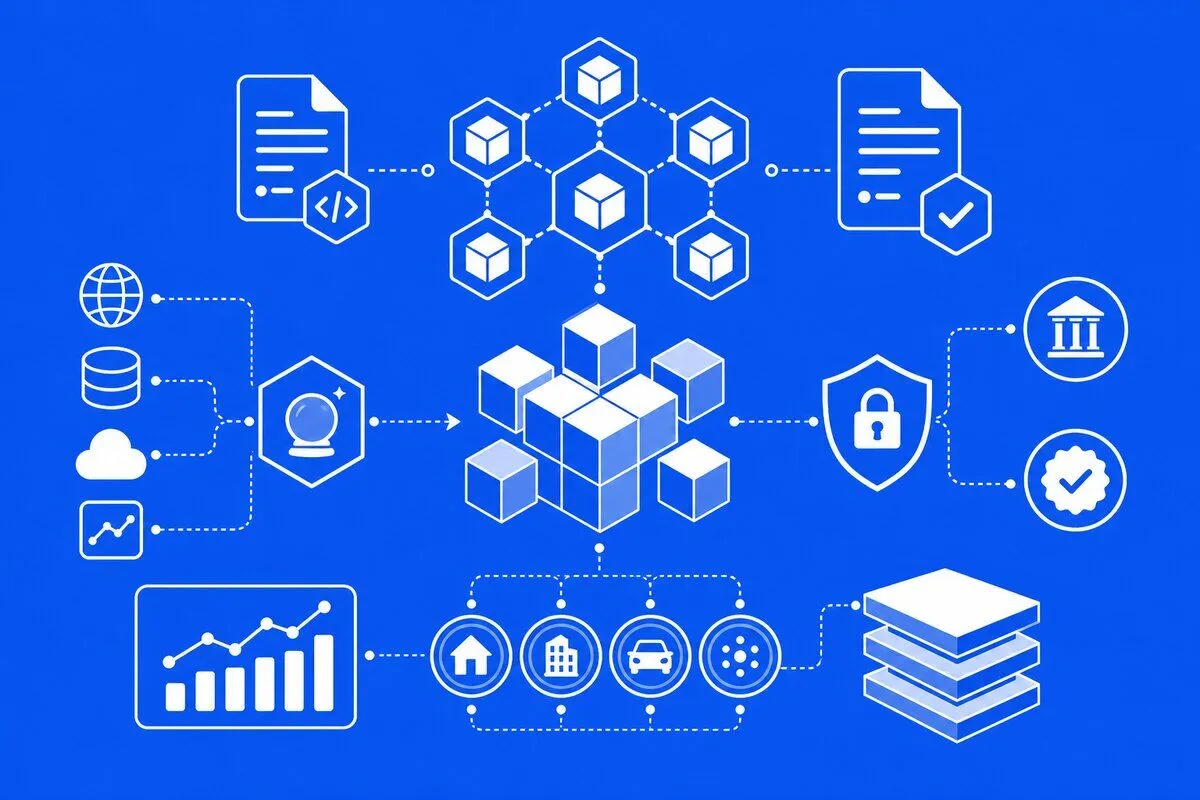
Oracles act as bridges between the blockchain and real-world data, which is essential in real estate tokenization where property events, valuations, or income streams must be reflected accurately on-chain.
- Data Integration: Oracles provide external information such as property appraisals, rental income reports, or market indices to smart contracts.
- Automation and Payments: They enable automated dividend distributions or token buybacks based on real-world data like rental payments or occupancy rates.
- Regulatory Compliance: Oracles can feed verification data (e.g., KYC/AML confirmations, legal compliance checks) into smart contracts, ensuring that token transfers follow all regulations.
Without reliable oracles, smart contracts would lack accurate real-world inputs, making the system less trustworthy and less functional.
Blockchain Networks Commonly Used for Property Tokenization
Several blockchain networks are preferred for real estate tokenization due to their security, smart contract capabilities, and regulatory support:
- Ethereum: The most widely used network with ERC-20, ERC-721, and ERC-1400 token standards. Ideal for creating both fungible and non-fungible real estate tokens.
- Binance Smart Chain (BSC): Offers lower transaction costs and faster processing while supporting smart contracts similar to Ethereum.
- Solana: High throughput and low latency make it suitable for tokenized platforms handling numerous transactions.
- Polygon: A Layer-2 solution on Ethereum that reduces gas fees and improves scalability.
- Tezos / Algorand: Emerging networks known for regulatory compliance and energy-efficient consensus mechanisms.
The choice of blockchain depends on transaction volume, cost considerations, investor base, and compliance requirements.
Interoperability Challenges in Tokenized Real Estate
Interoperability refers to the ability of tokenized assets to move, interact, and function across multiple blockchain platforms. Despite its potential, tokenized real estate faces several challenges:
- Cross-Chain Asset Transfers: Transferring tokens between blockchains can be complex, requiring bridges or wrapped tokens, which introduces technical and security risks.
- Standardization Issues: Different platforms may use varying token standards (ERC-20 vs ERC-1400), making integration difficult.
- Regulatory Fragmentation: Compliance rules differ across jurisdictions and networks, which can restrict token liquidity or transferability.
- Platform Lock-In: Proprietary platforms may limit token usability outside their ecosystem, reducing market efficiency.
Addressing these challenges requires industry-wide standardization, advanced cross-chain protocols, and robust legal frameworks, enabling tokenized real estate to reach its full potential.
Benefits of Real Estate Tokenization
Increased Accessibility
Real estate tokenization makes property investment more inclusive by breaking down expensive assets into smaller, affordable digital units. This lowers the traditional barriers to entry for real estate, allowing a much broader range of investors including retail participants to gain exposure to high-value properties that were previously reachable only by institutions or wealthy individuals. This democratization of access helps diversify investor participation and opens up new opportunities in global markets.[2]
Fractional Ownership
Instead of requiring investors to put up significant capital to buy an entire property, tokenization enables ownership to be split into multiple digital tokens, with each token representing a fractional stake in the asset. This structure lets individuals invest according to their own financial capacity and diversify their portfolios across different properties or geographic locations without being tied to a single large investment.[3]
Improved Liquidity
Traditional real estate investments are often considered highly illiquid because selling an entire property can take months and involve complex processes. Tokenized real estate, on the other hand, can be traded on compatible secondary markets where tokens representing property shares are transferred quickly and efficiently. This creates liquidity that did not previously exist, allowing investors to enter and exit positions more flexibly, subject to regulatory compliance.
Transparency and Trust
Blockchain technology provides an immutable ledger of all ownership records and transactions, meaning every token movement and historical change is permanently and transparently documented. This creates a verifiable audit trail that investors and stakeholders can independently inspect, greatly reducing the risk of fraud and enhancing confidence in the integrity of the investment process.
Faster Transactions
Smart contracts/self-executing agreements coded on the blockchain automate many steps of real estate transactions, such as verifying eligibility, enforcing ownership rights, and distributing income. By minimizing manual paperwork and reducing reliance on intermediaries like brokers and legal teams, tokenization significantly accelerates transaction settlement times and reduces friction throughout the investment lifecycle.
Global Investment Opportunities
Tokenization enables investors from around the world to participate in real estate markets that were once limited by geography and local regulations. By digitizing ownership, property tokens can be marketed and sold across borders, expanding investor reach and increasing demand for assets.
Revenue Automation & Smart Income Distribution
Through smart contracts, rental income, dividends, or profit shares can be distributed automatically based on predefined terms. This reduces manual reconciliation, lowers administrative burden, and ensures timely payouts to token holders.[4]
Enhanced Security of Ownership Records
Blockchain’s immutable ledger makes ownership records extremely secure and tamper-proof. This reduces the risk of disputes, fraud, or manipulation of title documents, bolstering investor confidence.[5]
Operational Efficiency and Lower Costs
By automating processes such as compliance, onboarding, trading, and settlement, tokenization cuts reliance on intermediaries like brokers and escrow agents. This streamlines transactions and can lower overall operating costs.[6]
Real-Time Asset Valuation
Tokenized properties can benefit from more dynamic valuation models. Since tokens are traded digitally, marketplaces can reflect real-time demand and pricing trends, helping investors make well-informed decisions based on current market data.
Portfolio Customization and Diversification
Institutional investors can tailor their real estate holdings using tokens to align with specific investment goals or risk profiles. For example, they can favor properties based on sustainability ratings, location, or cash-flow patterns, something traditionally hard to achieve with large, indivisible assets. [7]
Improved Asset Visibility and Data Sharing
Tokenization encourages a more open information flow between buyers, sellers, and market participants. With transparent on-chain data, investors have easier access to details about property performance, ownership histories, and token distribution.[8]
Potential for Expanded Financing Options
Experts can leverage tokenized structures to raise capital faster and more efficiently than traditional bank loans or private equity, while still retaining control over their assets. This helps reduce financing costs and accelerates project timelines. [9]
Inclusion of DeFi and Other Digital Financial Services
Tokenized real estate can integrate with decentralized finance (DeFi) tools such as lending, borrowing, or staking, offering new ways to generate yield or leverage assets beyond classic buy-and-hold strategies.
Lifecycle of a Tokenized Real Estate Asset
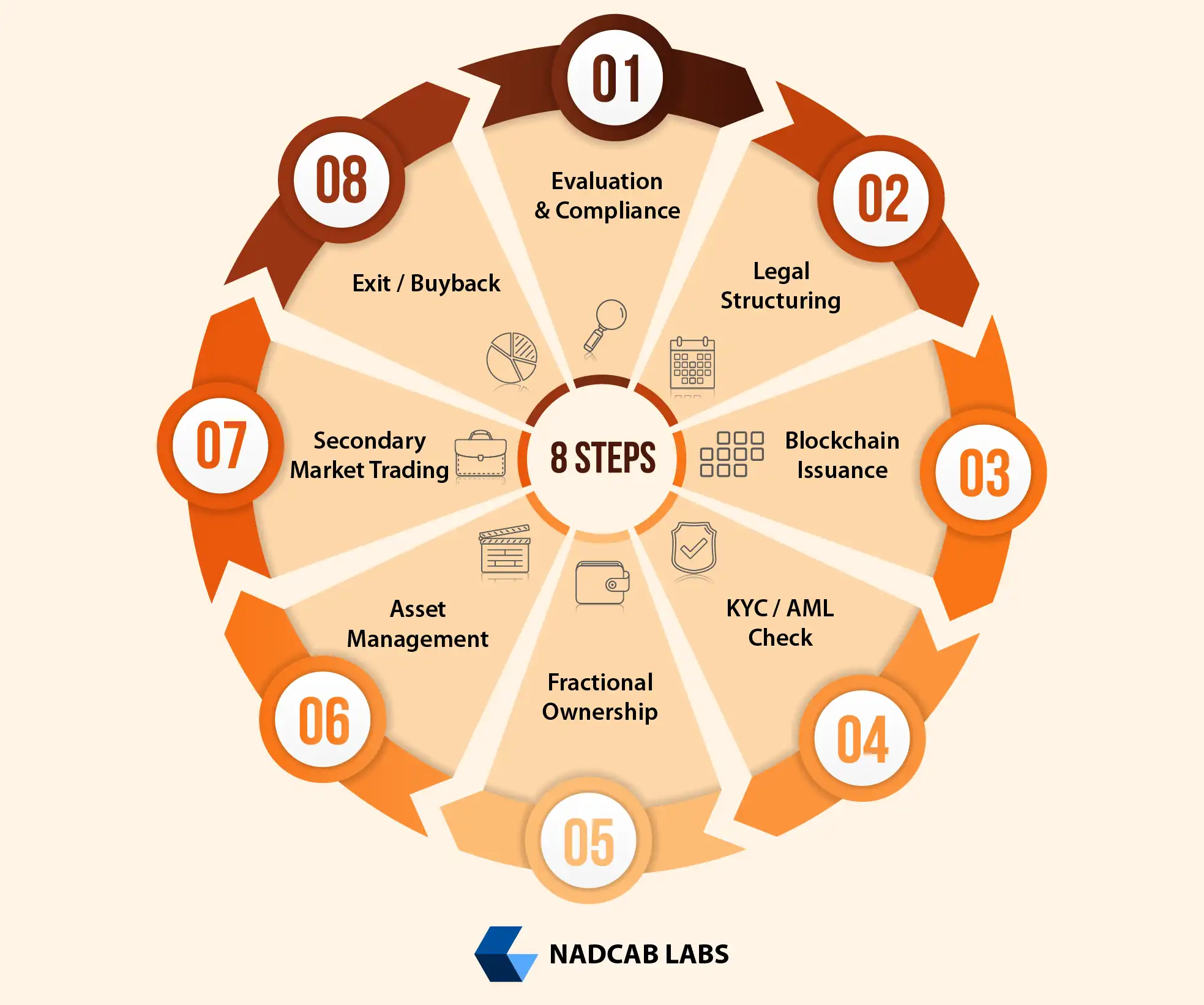
Real Estate Tokenization vs Traditional Real Estate Investment
Traditional real estate investment has long been considered a stable asset class, but it comes with limitations such as high capital requirements, lengthy transaction processes, and limited liquidity. Real estate tokenization introduces a modern, blockchain-based approach that addresses many of these challenges by digitizing ownership and enabling fractional participation.
Understanding the differences between these two models helps investors, experts, and businesses evaluate which approach aligns better with their financial goals, risk appetite, and operational needs.
Ownership Structure
In traditional real estate, ownership is usually held by a single individual or a small group of joint owners, often requiring significant capital and legal coordination. In contrast, tokenized real estate divides ownership into digital tokens, each representing a fractional share or defined economic right in the property. This allows multiple investors to co-own an asset seamlessly without complex legal arrangements.
Liquidity
Liquidity is one of the biggest challenges in traditional real estate. Selling a property can take months due to negotiations, legal checks, and financing approvals. Tokenized real estate improves liquidity by enabling ownership interests to be transferred digitally on regulated marketplaces, allowing investors to exit or rebalance their positions more efficiently, subject to compliance requirements.
Transparency
Traditional real estate transactions rely heavily on intermediaries, paperwork, and centralized records, which can limit visibility into ownership history and transaction details. Tokenized real estate uses blockchain technology to record every transaction on an immutable ledger, providing transparent, verifiable, and tamper-resistant ownership records accessible to authorized participants.
Settlement Time
Property transactions in traditional real estate often take weeks to finalize due to manual documentation, escrow processes, and regulatory checks. Tokenized real estate significantly reduces settlement time by using smart contracts to automate transfers, compliance verification, and record updates, enabling near-instant or same-day settlements in many cases.
Accessibility
Traditional real estate typically requires large upfront investments, making it inaccessible to many retail investors. Tokenization lowers the entry threshold by allowing investors to purchase smaller fractions of a property, making real estate investment more inclusive and accessible to a wider audience.
Traditional vs Tokenized Real Estate
| Aspect | Traditional Real Estate | Tokenized Real Estate |
|---|---|---|
| Ownership | Full or joint ownership of the entire property | Fractional ownership through digital tokens |
| Liquidity | Low; selling can take months | Higher; faster transfers on regulated markets |
| Transparency | Limited, reliant on intermediaries | Blockchain-based, transparent, and verifiable |
| Settlement Time | Weeks or longer | Minutes or hours via smart contracts |
| Accessibility | High capital required | Lower entry threshold through fractional tokens |
Legal and Regulatory Considerations in Real Estate Tokenization
Real estate tokenization operates at the intersection of property law, financial regulation, and blockchain technology. While blockchain introduces new efficiencies, tokenized real estate projects must still comply with existing legal frameworks governing asset ownership, securities issuance, and investor protection. Regulatory compliance is essential not only for lawful operation but also for building trust among investors and institutions.
Regulatory Overview Table
| Aspect | Regulatory Consideration |
|---|---|
| Regulatory Classification | Security tokens, asset-backed tokens, or investment contracts |
| Governing Laws | Securities laws, property laws, financial regulations |
| Compliance Requirements | KYC/AML, investor protection, custody, reporting |
| Investor Safeguards | Disclosure obligations and eligibility rules |
| Penalties for Non-Compliance | Fines, legal action, suspension of operations |
| Jurisdictional Scope | Rules vary by country; legal guidance required |
Regulatory Classification of Real Estate Tokens
The legal treatment of real estate tokens depends on how regulators classify them. In many jurisdictions, tokenized real estate assets fall under established financial categories rather than being treated as entirely new instruments.
Real estate tokens are commonly classified as security tokens when they provide ownership rights, profit-sharing, or income distributions. In some cases, they may be treated as asset-backed tokens, where each token is directly linked to the value of an underlying property. In other jurisdictions, regulators may view these tokens as investment contracts, particularly when investors expect returns from the efforts of a managing entity.
This classification plays a critical role in determining which laws apply, including licensing, disclosure obligations, and trading restrictions.
Compliance Requirements
To operate legally, real estate tokenization platforms must meet a range of regulatory and operational requirements. These include adherence to securities regulations that govern fundraising, investor eligibility, and disclosures. Platforms are also required to implement robust Know Your Customer (KYC) and Anti-Money Laundering (AML) procedures to prevent financial crime and ensure transparency.
Additionally, investor protection frameworks must be followed to safeguard participant rights, particularly for retail investors. Custody and reporting standards are equally important, as they define how digital assets are stored, audited, and reported to regulatory authorities. Non-compliance in any of these areas can expose projects to enforcement actions, financial penalties, or operational shutdowns.
Jurisdictional Differences
Real estate tokenization regulations vary significantly across countries and regions. Some jurisdictions have introduced clear frameworks for security tokens, while others are still developing guidance or rely on existing securities laws. Differences may exist in areas such as investor eligibility, secondary trading permissions, tax treatment, and reporting obligations.
Because of this regulatory fragmentation, legal consultation is essential before launching a tokenization project. Understanding local laws ensures that tokenized real estate offerings are structured correctly and can scale across borders without violating regulatory requirements.
Myths vs Facts About Real Estate Tokenization
| Myth | Fact |
|---|---|
| Tokenized real estate means owning a whole property. | You only own a fractional share through tokens, not the entire property. |
| Blockchain makes tokenized real estate unregulated. | Real estate tokenization follows local laws and securities regulations. |
| Only tech-savvy investors can participate. | Anyone meeting regulatory requirements can invest, no coding needed. |
| Tokenized properties have no real value. | Tokens represent real, tangible assets with market value. |
| Tokens can be transferred instantly without restrictions. | Transfers must comply with legal rules and smart contract conditions. |
| Real estate tokenization eliminates all risks. | Risks like property depreciation or market changes still exist. |
| Investors don’t earn rental income. | Token holders can receive a share of rental income automatically via smart contracts. |
| Tokenization is only for big commercial properties. | Both residential and commercial properties can be tokenized. |
| Blockchain records can be hacked easily. | Smart contracts and blockchain are secure, transparent, and tamper-proof. |
| Tokenized real estate is not liquid. | Tokens can be traded on compliant secondary markets, offering higher liquidity than traditional real estate. |
Common Questions
Tokenized properties are often placed under Special Purpose Vehicles (SPVs) or trusts, linking digital tokens to a compliant legal entity, ensuring regulatory alignment and protecting investor rights.
Fractional ownership allows investors to earn proportional income from rental yields, property appreciation, or dividends. Smart contracts automate payments, ensuring transparency and timely distribution according to token holdings.
Oracles feed real-world data, such as rental income, valuations, or compliance verification, into smart contracts, enabling automated transactions, accurate payouts, and regulatory adherence for tokenized properties.
Risks include regulatory uncertainty, smart contract vulnerabilities, liquidity limitations, and reliance on off-chain property management. Proper auditing, legal compliance, and platform reputation mitigate these challenges.
Cross-chain trading is possible but complex. Interoperability challenges include different token standards, regulatory compliance across jurisdictions, and technical risks. Bridges and standardized protocols are needed for secure transfer.
Investor protection includes KYC/AML compliance, regulatory adherence, legally structured SPVs, smart contract auditing, and clear token rights documentation, ensuring transparency, security, and lawful participation in property investments.
Smart contracts automatically calculate each token holder’s share of rental income or dividends and execute payouts, reducing manual intervention, delays, and errors while maintaining transparent, traceable records on the blockchain.
Valuation depends on property location, market trends, rental yields, physical condition, legal compliance, and token supply. Independent appraisals and on-chain tracking ensure accurate, investor-accessible pricing.
Critical ownership and transaction data are stored on-chain for transparency, while large property documents, multimedia, or legal files remain off-chain, referenced by blockchain hashes to ensure security and efficiency.
Exit strategies include selling tokens on secondary marketplaces, redeeming through buybacks, or participating in asset liquidation. Smart contracts ensure proportional distribution of proceeds to token holders in compliance with regulations.
Reviewed By

Aman Vaths
Founder of Nadcab Labs
Aman Vaths is the Founder & CTO of Nadcab Labs, a global digital engineering company delivering enterprise-grade solutions across AI, Web3, Blockchain, Big Data, Cloud, Cybersecurity, and Modern Application Development. With deep technical leadership and product innovation experience, Aman has positioned Nadcab Labs as one of the most advanced engineering companies driving the next era of intelligent, secure, and scalable software systems. Under his leadership, Nadcab Labs has built 2,000+ global projects across sectors including fintech, banking, healthcare, real estate, logistics, gaming, manufacturing, and next-generation DePIN networks. Aman’s strength lies in architecting high-performance systems, end-to-end platform engineering, and designing enterprise solutions that operate at global scale.