Ai Overview
The internet has undergone remarkable transformations since its inception, evolving from static information pages to the dynamic, interconnected ecosystem we navigate daily. Platforms optimize for engagement metrics that translate to advertising revenue, creating incentive structures that may conflict with user wellbeing. Content creators on Web2 platforms typically receive small fractions of the revenue their work generates.
Key Takeaways
- Web2 operates on centralized servers controlled by corporations, while Web3 distributes data across decentralized blockchain networks, fundamentally changing the power dynamics of the internet.
- The differences between Web2 and Web3 extend beyond technology to include data ownership, with Web3 enabling users to maintain full control over their personal information and digital assets.
- Web3 applications like dApps and DeFi platforms eliminate intermediaries, allowing peer-to-peer transactions and reducing dependency on traditional financial institutions.
- Token economies in Web3 create new monetization models where users directly benefit from their participation, contrasting sharply with Web2’s advertising-driven revenue that primarily enriches platform owners.
- Web3 user control and privacy are enhanced through cryptographic authentication and pseudonymous interactions, addressing many data privacy concerns inherent in Web2 systems.
- DAOs represent a paradigm shift in governance, replacing corporate hierarchies with community-driven decision-making powered by transparent on-chain voting mechanisms.
- The transition from Web2 to Web3 faces significant challenges including scalability limitations, complex user experiences, and regulatory uncertainty across different jurisdictions.
- Understanding the Web2 vs Web3 technology stack is essential for businesses and individuals preparing for the next phase of internet evolution and digital transformation.
Introduction to the Evolution of the Internet
The internet has undergone remarkable transformations since its inception, evolving from static information pages to the dynamic, interconnected ecosystem we navigate daily. Understanding this evolution provides essential context for comprehending the current Web2 vs Web3 comparison that dominates discussions about technology’s future. Each iteration has brought fundamental changes to how humans create, share, and consume digital content, reshaping economies, social structures, and individual behaviors along the way.
The Web3 internet revolution represents more than incremental improvement. It signals a philosophical shift in how we conceptualize digital ownership, identity, and participation. As centralized platforms face increasing scrutiny over data practices and monopolistic tendencies, decentralized alternatives offer compelling visions for a more equitable digital future. This comprehensive exploration examines both paradigms objectively, helping you understand where the internet has been and where it might be heading.
From Web1 to Web2 to Web3
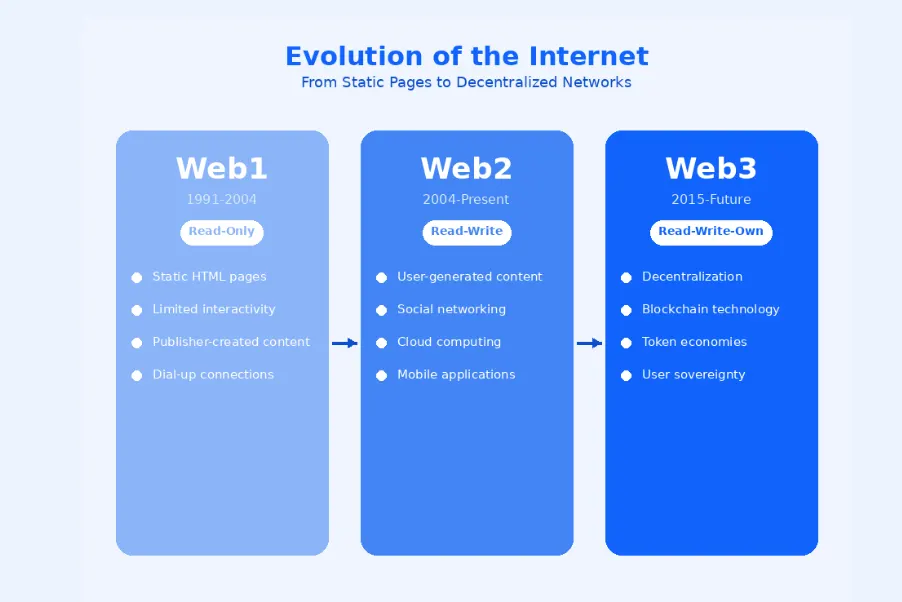
Web1, spanning roughly from 1991 to 2004, introduced the world to interconnected hypertext documents. Users primarily consumed content created by a relatively small group of publishers. Websites were static, read-only experiences with minimal interactivity. Think of early Yahoo directories, personal homepages, and basic e-commerce sites where transactions still felt novel and slightly miraculous.
Web2 emerged around 2004 and continues to dominate today, characterized by user-generated content, social networking, and platform economies. Companies like Facebook, Google, YouTube, and Amazon built empires by providing free services in exchange for user data. The Web2 vs Web3 internet evolution becomes clear when examining how this model, while enabling unprecedented connectivity, concentrated enormous power in the hands of a few technology giants.
Web3 began gaining traction after Bitcoin’s 2009 launch and Ethereum’s 2015 debut, which introduced programmable smart contracts. This emerging paradigm promises to redistribute power from centralized entities back to individual users through blockchain technology, cryptographic security, and token-based incentive structures. The differences between Web2 and Web3 represent not just technological upgrades but fundamentally different philosophies about who should control digital infrastructure.
Why the Internet Needed a Revolution?
Several factors have driven demand for the Web3 internet revolution. Data breaches affecting billions of users have exposed the vulnerabilities of centralized data storage. Cambridge Analytica scandals revealed how personal information could be weaponized without consent. Platform deplatforming controversies raised questions about who should have authority over digital speech. Meanwhile, content creators increasingly recognized that platforms captured most of the value their work generated.
The centralized vs decentralized internet debate intensified as Web2 platforms demonstrated concerning behaviors: algorithmic manipulation designed to maximize engagement at the expense of mental health, shadow banning practices lacking transparency, and terms of service changes that could devastate businesses built on platform access. These issues created fertile ground for alternatives promising user sovereignty and transparent operations.
What Is Web2?
Web2 represents the current dominant paradigm of internet interaction, characterized by dynamic web applications, social connectivity, and platform-mediated experiences. Unlike the static pages of Web1, Web2 enables rich interactivity where users simultaneously consume and create content. This participatory model has generated unprecedented levels of digital engagement while establishing powerful intermediaries between users and the value they create.
The Web2 vs Web3 features distinction becomes apparent when examining how Web2 platforms operate. Services feel free because users pay with data rather than currency. Sophisticated algorithms personalize experiences while simultaneously optimizing for platform metrics like time-on-site and advertisement impressions. This model has proven extraordinarily effective for building billion-dollar companies but has raised significant concerns about privacy, autonomy, and equitable value distribution.
Core Features of Web2
Web2 applications excel at providing seamless user experiences through intuitive interfaces, instant responsiveness, and cross-device synchronization. Cloud computing enables applications to scale effortlessly, handling millions of concurrent users without noticeable degradation. Social features allow real-time collaboration, communication, and community building that would have seemed magical to Web1 users.
The technical infrastructure supporting Web2 relies on centralized servers, content delivery networks, and proprietary databases optimized for speed and availability. Companies invest billions in data centers strategically located worldwide to minimize latency. This infrastructure enables the responsive experiences users expect but creates dependencies on specific providers and potential single points of failure.
| Feature | Description | Examples |
|---|---|---|
| User-Generated Content | Users create, share, and interact with content on platforms | YouTube videos, Instagram posts, Wikipedia articles |
| Social Networking | Platforms facilitating connections and communication | Facebook, LinkedIn, Twitter |
| Cloud Computing | Scalable server infrastructure managed by providers | AWS, Google Cloud, Microsoft Azure |
| Freemium Models | Free basic services with premium paid upgrades | Spotify, Dropbox, Canva |
| Algorithmic Curation | AI-driven content personalization and recommendations | Netflix recommendations, TikTok For You page |
Centralized Platforms and Data Control
Web2 applications (social media, cloud) operate through centralized architectures where platform operators maintain complete control over data, features, and access. When you upload a photo to Instagram or document to Google Drive, that content resides on servers owned and operated by these companies. They determine who can access it, how it appears, and whether it continues to exist at all.
This centralization enables efficient operations but creates asymmetric power relationships. Users agree to terms of service that grant platforms extensive rights over their content and data. Account suspensions can occur without appeal. Algorithmic changes can devastate businesses built on platform visibility. The Web2 vs Web3 architecture difference fundamentally addresses these power imbalances by distributing control across network participants rather than concentrating it in corporate hands.
Important Consideration: When building on Web2 platforms, businesses should recognize that platform dependency creates significant operational risk. Changes to APIs, algorithms, or terms of service can fundamentally alter business viability overnight without warning or recourse.
What Is Web3?
Web3 represents a paradigm shift toward decentralized internet infrastructure where users own their data, identity, and digital assets. Built primarily on blockchain technology, Web3 enables peer-to-peer interactions without requiring trusted intermediaries. Smart contracts execute agreements automatically, transparently, and immutably, removing the need for centralized authorities to facilitate transactions.
The Web3 internet revolution encompasses far more than cryptocurrency speculation. It includes decentralized storage systems, self-sovereign identity solutions, community-governed protocols, and entirely new economic models. Understanding Web3 requires recognizing it as both a technological architecture and a philosophical movement advocating for digital sovereignty and equitable value distribution.
Core Principles of Web3
Decentralization stands as Web3’s foundational principle, distributing data and computation across networks of independent nodes rather than concentrating them in corporate data centers. This architectural choice eliminates single points of failure and censorship, ensuring that no individual entity can unilaterally control or shut down applications.
Trustlessness represents another core Web3 principle, meaning users need not trust counterparties or intermediaries to complete transactions honestly. Cryptographic verification and consensus mechanisms ensure that all participants can independently verify transaction validity without relying on third-party attestations. This enables strangers to transact securely without pre-existing relationships or institutional guarantees.
Permissionlessness allows anyone to participate in Web3 networks without requiring approval from gatekeepers. Users can access decentralized applications, create smart contracts, and participate in governance simply by connecting a wallet. This open access contrasts sharply with Web2 platforms that can deny service based on geography, identity, or arbitrary policy decisions.
Decentralization and Blockchain Technology
Blockchain technology provides the infrastructure enabling Web3’s decentralized vision. These distributed ledgers maintain synchronized, tamper-resistant records across thousands of independent computers worldwide. When transactions occur, network validators reach consensus on their validity before permanently recording them in cryptographically linked blocks.
Smart contracts extend blockchain capabilities beyond simple value transfer to programmable agreements. These self-executing code snippets automatically enforce contract terms when specified conditions occur. Decentralized finance protocols use smart contracts to provide lending, borrowing, and trading services without traditional financial intermediaries. NFT marketplaces enable creators to sell digital art with built-in royalty mechanisms that persist across all future sales.
Web2 vs Web3: Key Differences
The Web2 vs Web3 comparison reveals fundamental differences extending across technology, economics, governance, and philosophy. While both paradigms enable digital interaction, they embody distinctly different visions for how the internet should function and who should benefit from its value creation. Understanding these differences proves essential for anyone navigating the evolving digital landscape.
Centralized vs Decentralized Architecture
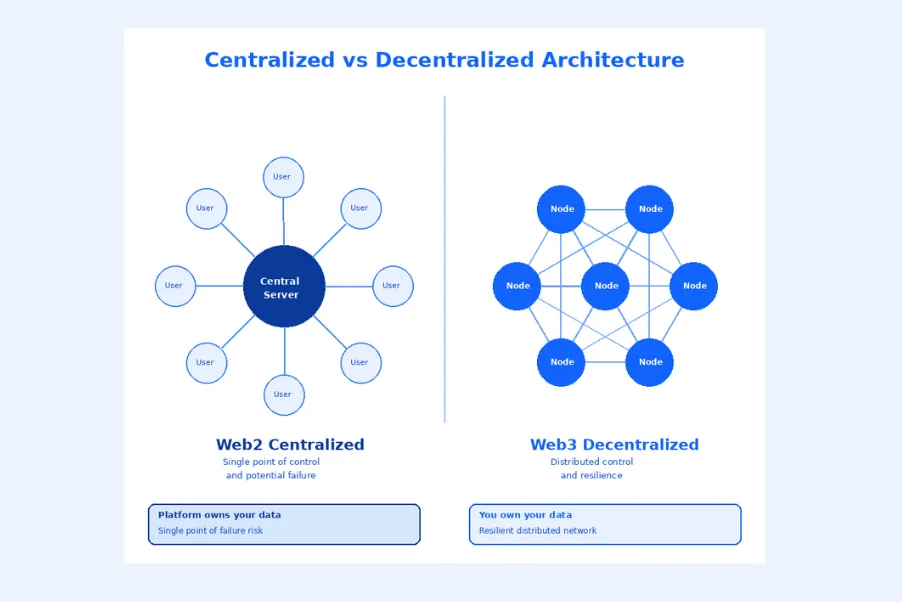
The centralized vs decentralized internet distinction represents perhaps the most fundamental difference between these paradigms. Web2 applications run on servers owned by specific companies, creating hierarchical structures where platform operators maintain ultimate authority. If Amazon Web Services experiences outages, countless websites and applications become inaccessible simultaneously.
Web3 distributes applications across decentralized networks where no single entity controls the infrastructure. Ethereum runs on thousands of nodes operated independently worldwide. Even if significant portions of the network go offline, the system continues functioning. This resilience comes with tradeoffs including slower transaction speeds and higher costs, but provides robustness against both technical failures and political censorship.
| Aspect | Web2 | Web3 |
|---|---|---|
| Architecture | Centralized servers owned by corporations | Distributed nodes across global networks |
| Data Ownership | Platforms own and control user data | Users own data via cryptographic keys |
| Identity | Platform-specific accounts and passwords | Self-sovereign wallet-based identity |
| Trust Model | Trust in platform operators | Trustless cryptographic verification |
| Monetization | Advertising and subscription models | Token economies and direct value capture |
| Governance | Corporate hierarchical decisions | Community voting through DAOs |
Ownership and Control of Data
Web3 user control and privacy fundamentally differ from Web2 approaches to data ownership. In Web2, accepting terms of service typically grants platforms extensive rights to use, analyze, and monetize user data. Even content users create often becomes platform property in meaningful legal and practical senses. Deleting an account rarely means data actually disappears from corporate servers.
Web3 inverts this relationship through cryptographic ownership. Users hold private keys that grant exclusive access to their digital assets and data. No centralized authority can freeze accounts, censor content, or seize assets without the user’s cryptographic authorization. This sovereignty comes with responsibility, as lost private keys mean permanently lost access, but represents a fundamental shift toward user empowerment.
Web2 vs Web3 Technology Stack
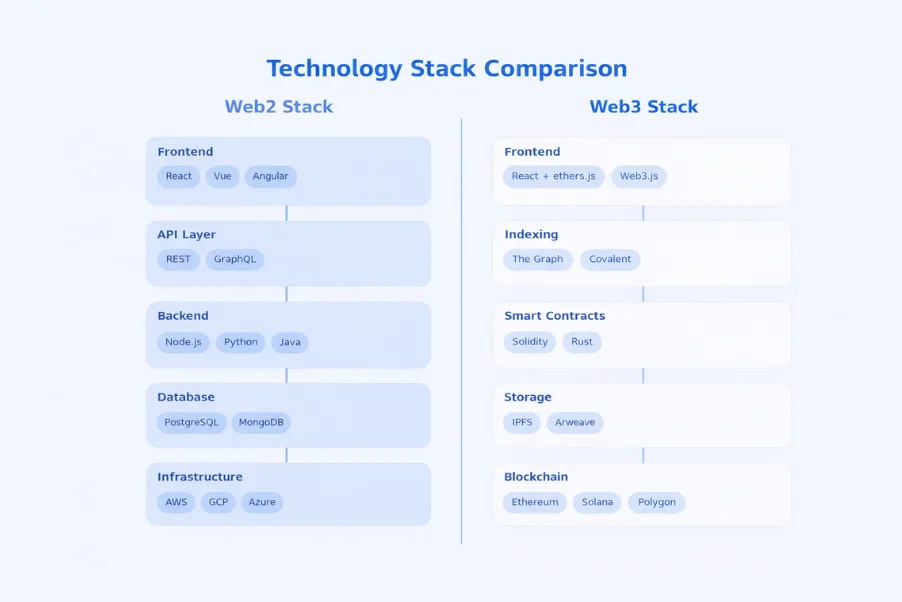
The Web2 vs Web3 technologies differ significantly in their underlying infrastructure, protocols, and tools. Understanding these technical distinctions helps clarify why the two paradigms behave differently and what tradeoffs each involves. Professionals working across either stack benefit from comprehending both ecosystems as they increasingly intersect.
Web2 Infrastructure and Cloud Platforms
Web2 infrastructure relies on cloud computing platforms providing scalable, managed services. Amazon Web Services, Google Cloud Platform, and Microsoft Azure dominate this space, offering everything from basic compute and storage to sophisticated machine learning tools. Developers leverage these platforms to build applications without managing physical hardware, benefiting from economies of scale these providers achieve.
The Web2 stack typically includes relational databases like PostgreSQL or MySQL, caching layers using Redis or Memcached, application servers running frameworks like Django or Express, and content delivery networks distributing assets globally. APIs enable different services to communicate, while authentication services manage user identities across platform ecosystems. This mature infrastructure enables the responsive, reliable applications users expect.
Web3 Infrastructure, Protocols, and Nodes
Web3 infrastructure operates fundamentally differently, relying on decentralized networks of nodes running consensus protocols. Ethereum, Solana, Polygon, and other blockchain networks provide the base layer where smart contracts execute. Each network makes different tradeoffs between decentralization, security, and scalability, creating a diverse ecosystem of options for builders.
Decentralized storage solutions like IPFS and Arweave complement blockchain networks by storing larger files that would be prohibitively expensive to place directly on-chain. Oracles like Chainlink bridge blockchain and real-world data, enabling smart contracts to react to external events. Indexing services like The Graph make blockchain data queryable, while wallets like MetaMask provide user interfaces for interacting with decentralized applications.
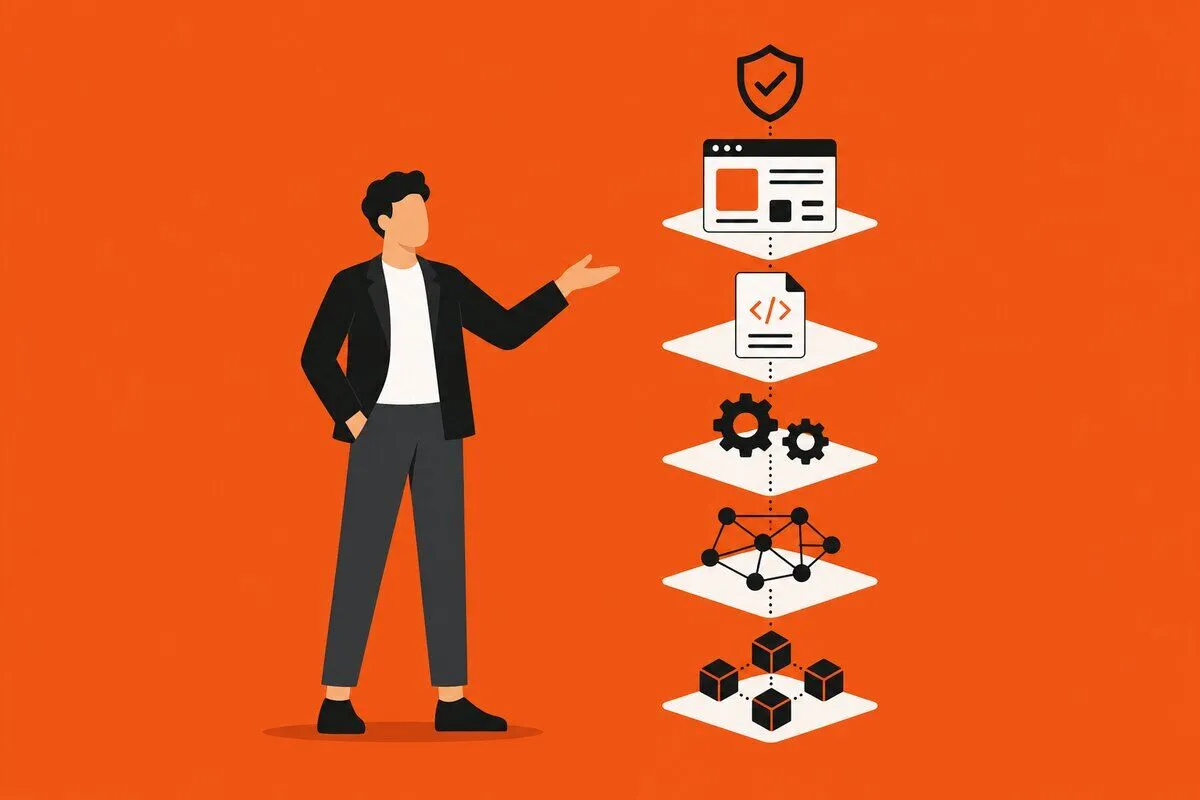
| Layer | Web2 Technologies | Web3 Technologies |
|---|---|---|
| Compute | AWS EC2, Google Compute, Azure VMs | Ethereum Virtual Machine, Solana Runtime |
| Storage | S3, Google Cloud Storage, databases | IPFS, Arweave, Filecoin |
| Authentication | OAuth, SAML, Auth0, Firebase Auth | Wallet signatures, ENS, Lens Protocol |
| Data Queries | SQL databases, GraphQL APIs | The Graph, Covalent, blockchain RPCs |
| Frontend | React, Vue, Angular with REST/GraphQL | React/Vue with ethers.js, web3.js, wagmi |
Web2 vs Web3 User Experience
User experience represents one of the most significant battlegrounds in the Web2 vs Web3 comparison. Web2 platforms have refined their interfaces over decades, creating smooth, intuitive experiences that hide underlying complexity. Web3 applications, while improving rapidly, still present steeper learning curves and unfamiliar interaction patterns that can discourage mainstream adoption.
User Authentication and Identity
Web2 authentication typically involves creating accounts with email addresses and passwords, often supplemented by social login options that leverage existing platform identities. Users accumulate separate accounts across services, each requiring password management and creating fragmented digital identities. Single sign-on solutions partially address this fragmentation but maintain dependency on identity providers.
Web3 introduces wallet-based authentication where cryptographic signatures replace passwords. Users connect wallets like MetaMask or Phantom to applications, signing messages that prove ownership of their addresses. This creates portable identity that works across applications without requiring separate registrations. However, wallet management introduces new complexities including seed phrase security, network selection, and gas fee understanding.
Onboarding and Accessibility Differences
Web2 onboarding has been optimized extensively, often requiring only an email address to begin using services. Progressive disclosure introduces advanced features gradually, while guided tutorials help new users navigate platforms. Accessibility considerations ensure users with disabilities can participate, and localization makes services available across languages and regions.
Web3 onboarding presents more significant hurdles. Users must first acquire cryptocurrency, often requiring interaction with centralized exchanges, identity verification processes, and understanding of different blockchain networks. Setting up wallets, securing seed phrases, and comprehending gas fees create friction that deters casual users. Projects are actively addressing these challenges through account abstraction, gasless transactions, and improved wallet interfaces, but significant gaps remain.
Selection Criteria: Choosing Between Web2 and Web3 Approaches
When evaluating which paradigm suits specific use cases, consider these factors:
- User Base Technical Sophistication: Mainstream consumers typically prefer Web2’s familiar interfaces, while crypto-native users may demand Web3’s sovereignty features.
- Trust Requirements: Applications requiring transparency and auditability benefit from Web3’s on-chain verification, while those prioritizing speed favor Web2’s centralized efficiency.
- Regulatory Environment: Some jurisdictions have clearer frameworks for traditional Web2 applications, while others are actively embracing Web3 innovation.
- Value Transfer Needs: Applications involving significant financial value or digital asset ownership often benefit from Web3’s native support for programmable money.
- Scalability Requirements: High-throughput applications may find Web2’s centralized infrastructure more suitable currently, though Web3 scaling solutions continue improving.
Data Privacy and Security: Web2 vs Web3
The differences between Web2 and Web3 become particularly stark when examining privacy and security models. Both paradigms face unique challenges and offer different tradeoffs between convenience, protection, and user control. Understanding these distinctions helps users make informed decisions about where to entrust their data and digital activities.
Web2 Data Privacy Challenges
Web2 platforms accumulate vast quantities of personal data including browsing history, purchase patterns, location information, social connections, and communication content. This data powers targeted advertising that funds free services but creates significant privacy concerns. Users often remain unaware of how extensively their information is collected, analyzed, and shared with third parties.
Data breaches represent another persistent Web2 challenge. Centralized databases create attractive targets for hackers, and major breaches regularly expose millions of user records. Even without malicious attacks, insider access, government requests, and corporate acquisitions can result in personal data reaching unintended parties. Regulations like GDPR attempt to address these concerns but enforcement remains inconsistent and penalties often represent minor costs for large platforms.
Web3 Security and Privacy Models
Web3 user control and privacy operate through fundamentally different mechanisms. Users interact pseudonymously through wallet addresses rather than personal identifiers. While blockchain transactions are publicly visible, they connect to cryptographic addresses rather than real-world identities. This provides a baseline privacy layer that Web2 platforms cannot match.
However, Web3 introduces its own security challenges. Smart contract vulnerabilities have resulted in billions of dollars in losses through hacks and exploits. Bridge attacks targeting cross-chain infrastructure have proven particularly devastating. Users bear complete responsibility for private key security, and mistakes are typically irreversible. Social engineering attacks targeting crypto users have become increasingly sophisticated. These risks require users to develop new security competencies that Web2’s managed environments did not demand.
Security Advisory: Never share private keys or seed phrases with anyone. No legitimate service will ever request this information. Store recovery phrases offline in secure locations. Consider hardware wallets for significant cryptocurrency holdings. Verify smart contract addresses through multiple sources before interacting.
Monetization Models in Web2 vs Web3
The Web2 vs Web3 features differ dramatically in how value flows between users, creators, and platform operators. These economic distinctions shape incentives, behaviors, and ultimately the experiences each paradigm delivers. Understanding monetization models helps explain why platforms behave as they do and what alternatives Web3 enables.
Advertising and Platform-Centric Revenue
Web2’s dominant business model exchanges free services for user attention and data. Platforms optimize for engagement metrics that translate to advertising revenue, creating incentive structures that may conflict with user wellbeing. The more time users spend on platforms and the more data they generate, the more valuable they become as advertising targets.
Content creators on Web2 platforms typically receive small fractions of the revenue their work generates. YouTube’s partner program shares advertising revenue with creators but retains significant portions. Streaming musicians receive fractions of pennies per play. Platform algorithms determine visibility, creating dependencies where creators must constantly adapt to opaque ranking systems. This model has enabled unprecedented content proliferation but concentrates economic benefits among platform owners and top-tier creators.
Token Economies and Incentive Models
Web3 introduces token-based economics that align platform and user incentives differently. Protocols distribute governance tokens to users who contribute value, whether through providing liquidity, creating content, or participating in governance. These tokens often appreciate as protocols grow, allowing early participants to capture significant value.
NFTs enable creators to sell digital works directly to collectors while maintaining royalty rights on secondary sales. Decentralized finance protocols allow users to earn yields on deposited assets rather than having banks profit from their deposits. Play-to-earn games compensate players with tradeable tokens. These models represent experiments in more equitable value distribution, though outcomes vary significantly and speculation often dominates utility.
Governance in Web2 vs Web3
Governance structures determine how decisions get made within digital platforms and protocols. The Web2 vs Web3 comparison reveals fundamentally different approaches to authority, accountability, and community participation. These differences shape everything from feature prioritization to content policies to economic distributions.
Corporate Governance in Web2
Web2 platforms operate under traditional corporate governance structures with executive leadership, boards of directors, and shareholder accountability. Decisions about features, policies, and strategic direction flow from centralized leadership through organizational hierarchies. Users have minimal formal influence beyond market choices to use or abandon platforms.
This governance model enables rapid decision-making and clear accountability but concentrates power among those controlling corporate structures. Platform policy changes occur through internal processes that may not reflect user preferences. Content moderation decisions affecting millions happen behind closed doors with limited transparency or appeal mechanisms. Shareholder interests in revenue growth may conflict with user interests in privacy and wellbeing.
Community Governance and DAOs in Web3
Decentralized Autonomous Organizations represent Web3’s alternative governance model. Token holders vote on protocol parameters, treasury allocations, and strategic directions proportional to their holdings. Smart contracts execute approved proposals automatically, ensuring governance outcomes translate to actual changes without requiring trusted intermediaries.
DAO governance enables community ownership and alignment between users and protocols. Contributors who enhance protocol value receive governance rights to influence its future direction. Transparent on-chain voting creates accountability that corporate governance often lacks. However, DAOs face their own challenges including voter apathy, plutocratic tendencies where large holders dominate decisions, and coordination difficulties in decentralized environments.
Applications and Use Cases
Examining concrete applications illuminates abstract differences between paradigms. Web2 and Web3 each excel at different use cases, and understanding these strengths helps identify where each approach provides genuine value beyond ideological preferences.
Web2 Applications and Platforms
Web2 applications dominate current internet usage through social networks, streaming services, e-commerce marketplaces, and productivity tools. Facebook connects billions of users for social interaction. Netflix delivers entertainment to millions simultaneously. Amazon facilitates commerce at unprecedented scale. Google organizes the world’s information accessibly.
Cloud-based productivity suites enable real-time collaboration across distances. Video conferencing platforms facilitate remote work and education. Dating applications have transformed how people form relationships. Ridesharing services revolutionized urban transportation. These Web2 applications demonstrate the paradigm’s strength in creating polished, accessible experiences that serve mainstream users effectively.
Web3 Applications, dApps, DeFi, and NFTs
Web3 applications demonstrate the paradigm’s unique capabilities in finance, digital ownership, and community coordination. Decentralized exchanges like Uniswap enable trustless token trading without centralized intermediaries. Lending protocols like Aave allow users to earn interest on crypto deposits or borrow against their holdings. These DeFi applications have processed trillions of dollars in transaction volume.
NFT marketplaces enable creators to sell digital art, music, and collectibles with verifiable scarcity and provenance. Decentralized social protocols like Lens allow users to own their social graphs and carry audiences across applications. Prediction markets leverage collective intelligence for forecasting. Gaming applications integrate genuine digital ownership where players truly own their in-game assets.
Web3 Application Lifecycle: From Concept to Mainstream Adoption
| Phase | Stage | Activities | Success Indicators |
|---|---|---|---|
| 1 | Ideation | Problem identification, market research, tokenomics design, whitepaper creation | Clear value proposition, community interest, feasibility validation |
| 2 | Protocol Building | Smart contract coding, security audits, testnet deployment, frontend creation | Passing audits, testnet functionality, developer documentation |
| 3 | Launch | Mainnet deployment, token distribution, liquidity provision, marketing campaigns | Transaction volume, user acquisition, liquidity depth |
| 4 | Growth | User onboarding optimization, partnership integration, feature expansion, governance activation | DAU/MAU growth, TVL increase, governance participation |
| 5 | Maturation | Decentralization of operations, treasury sustainability, ecosystem expansion | Protocol revenue, decentralization metrics, ecosystem integrations |
| 6 | Mainstream Adoption | Fiat onramps, institutional integration, regulatory compliance, simplified UX | Non-crypto user acquisition, institutional usage, regulatory clarity |
Advantages and Limitations of Web2
Balanced assessment of Web2’s strengths and weaknesses provides context for evaluating whether and when Web3 alternatives offer genuine improvements. Web2’s limitations motivated the Web3 movement, but its strengths explain why centralized platforms remain dominant despite emerging alternatives.
Strengths of Web2 Platforms
Web2 platforms excel at user experience, offering intuitive interfaces refined through extensive user research and iteration. Performance optimizations ensure responsive interactions with minimal latency. Customer support systems help users resolve issues. Fraud protection mechanisms safeguard transactions. These polished experiences result from decades of investment that Web3 applications are only beginning to match.
Scalability represents another Web2 strength. Centralized infrastructure can process enormous transaction volumes efficiently. Netflix streams to millions simultaneously without degradation. Amazon handles holiday shopping spikes gracefully. This performance results from sophisticated engineering that distributed systems struggle to replicate while maintaining decentralization principles.
Limitations of Centralized Internet
Data exploitation represents Web2’s most criticized limitation. Platforms harvest user information for advertising targeting, often in ways users neither understand nor consent to meaningfully. This surveillance capitalism model has fueled platform growth while eroding privacy expectations and creating detailed profiles that persist across contexts.
Platform dependency creates business risks for those building on Web2 infrastructure. Algorithm changes can devastate businesses overnight. API restrictions can eliminate competitive advantages. Account bans occur with limited recourse. Acquisitions can result in service shutdowns. This dependency on platform goodwill creates precarious situations for businesses and creators alike.
Advantages and Limitations of Web3
Web3 offers compelling alternatives to Web2’s limitations while introducing its own challenges. Understanding both sides enables realistic assessment of when decentralized approaches genuinely improve outcomes versus when they introduce unnecessary complexity.
Benefits of Decentralized Internet
User sovereignty represents Web3’s core benefit. Cryptographic ownership means users truly control their assets and data without requiring permission from intermediaries. This creates censorship resistance where unpopular content or users cannot be deplatformed arbitrarily. It enables financial inclusion for the unbanked and underbanked. It protects against platform failures or shutdowns.
Transparency distinguishes Web3 from opaque Web2 operations. Open-source smart contracts allow anyone to verify exactly how protocols function. On-chain transactions create auditable records. Governance decisions occur publicly rather than in boardrooms. This transparency enables trust through verification rather than requiring faith in platform operators.
Challenges in Web3 Adoption
User experience remains Web3’s most significant adoption barrier. Wallet setup, gas fees, network selection, and transaction confirmation create friction that Web2 users never encounter. Error messages often prove cryptic. Mistakes can result in permanent asset loss. These usability challenges deter mainstream users who simply want services that work without technical complexity.
Scalability limitations constrain Web3 application performance. Decentralized consensus mechanisms inherently process fewer transactions than centralized systems. Network congestion can spike fees dramatically, making small transactions economically unfeasible. While scaling solutions continue advancing, tradeoffs between decentralization and performance persist.
Real-World Examples of Web2 vs Web3
Concrete comparisons between Web2 incumbents and Web3 alternatives illustrate theoretical differences through practical examples. These comparisons reveal where Web3 genuinely improves on Web2 approaches and where significant gaps remain.
Web2 Companies vs Web3 Protocols
Comparing Coinbase (Web2.5) with Uniswap (Web3) illustrates exchange paradigm differences. Coinbase operates as a regulated, centralized exchange requiring identity verification, holding customer funds, and providing customer support. Uniswap operates as a decentralized protocol where users trade directly from their wallets without accounts, KYC, or custodial relationships. Each approach serves different user needs and regulatory contexts.
Spotify versus Audius demonstrates music streaming alternatives. Spotify offers polished interfaces, vast catalogs, and curated playlists while retaining most streaming revenue. Audius enables direct artist-to-listener relationships with higher creator compensation percentages, though with smaller catalogs and less sophisticated discovery features. The tradeoffs reflect fundamental differences in platform versus protocol economics.
Practical Use Case Comparisons
Consider international remittances. Web2 solutions like Western Union and PayPal charge significant fees and require multiple days for processing. Stablecoin transfers on Web3 networks can complete in minutes with minimal fees regardless of amount or destination. For this specific use case, Web3 offers clear advantages, though recipient cryptocurrency literacy creates practical barriers.
Social networking presents more nuanced comparisons. Twitter offers massive network effects and familiar interfaces but subjects users to algorithmic manipulation and platform policies. Decentralized alternatives like Farcaster offer data portability and censorship resistance but smaller communities and less refined experiences. User priorities determine which tradeoffs prove acceptable.
Future of the Internet: Web2 or Web3
Predicting the internet’s evolution requires acknowledging significant uncertainty while identifying trends shaping likely outcomes. Neither complete Web3 dominance nor Web2 permanence seems probable. Instead, hybrid models and gradual integration appear most likely.
Transition from Web2 to Web3
The transition from Web2 to Web3 will likely occur incrementally rather than through sudden replacement. Major Web2 platforms are already integrating Web3 elements: Instagram supports NFT display, Twitter enables cryptocurrency tipping, Meta builds metaverse infrastructure. These integrations introduce Web3 concepts to mainstream users gradually.
Account abstraction and improved wallet technologies are reducing Web3’s usability barriers. Social login options for wallets, gasless transactions sponsored by applications, and simplified recovery mechanisms address pain points that currently deter mainstream adoption. As these improvements mature, the friction gap between Web2 and Web3 experiences narrows.
Long-Term Impact of Web3
Web3’s long-term impact will likely be felt most strongly in domains where its unique properties provide clear advantages. Financial services, digital ownership, community coordination, and identity management represent areas where decentralization offers genuine improvements over centralized alternatives. Consumer applications with less obvious decentralization benefits may remain predominantly Web2.
Regulatory developments will significantly influence Web3’s trajectory. Jurisdictions creating clear, balanced frameworks may attract Web3 innovation while restrictive approaches could limit adoption in those regions. Global regulatory fragmentation creates uncertainty but also opportunities for jurisdictional arbitrage that accelerates development in favorable locations.
Ready to explore the next internet era?
Discover how Web3 is reshaping ownership, privacy, and digital experiences beyond traditional Web2 platforms.
Final Thoughts on Web2 vs Web3
The Web2 vs Web3 comparison ultimately reveals not a binary choice but a spectrum of approaches suited to different contexts, users, and requirements. Both paradigms will coexist for the foreseeable future, with each continuing to evolve in response to technological developments, regulatory changes, and user preferences.
Which Internet Model Is Better and Why
Neither model is universally better. Web2 excels for mainstream applications requiring polished experiences, high performance, and broad accessibility. When users prioritize convenience over sovereignty and trust platforms sufficiently, Web2 serves them well. Most internet users will continue relying primarily on Web2 applications for daily digital life.
Web3 proves superior when user sovereignty, censorship resistance, transparent operations, or novel economic models provide genuine value. For those distrustful of centralized authority, operating in challenging regulatory environments, or seeking more equitable value capture, Web3 offers meaningful alternatives that Web2 cannot replicate. The optimal choice depends entirely on specific use cases and user priorities.
The internet revolution continues. For those looking to explore impactful stories, Fstory America offers a unique platform to delve into the rich history and vibrant culture of America. Understanding both Web2 and Web3 positions individuals and organizations to navigate this evolution thoughtfully, selecting appropriate tools for specific needs rather than ideologically committing to either paradigm exclusively. The future likely belongs to those who can leverage strengths from both approaches while mitigating their respective weaknesses.
Frequently Asked Questions
Q1.How does Web3 provide better privacy than Web2?
Web3 user control and privacy are fundamentally enhanced through cryptographic protocols and decentralized storage systems. Unlike Web2 platforms that collect vast amounts of personal data for advertising purposes, Web3 applications allow users to interact pseudonymously using wallet addresses. Smart contracts execute transactions transparently on the blockchain without requiring users to surrender personal information to centralized databases vulnerable to breaches.
Q2.What is decentralization in Web3?
Decentralization in Web3 refers to distributing data, computation, and decision-making across a network of independent nodes rather than concentrating them in single corporate servers. This centralized vs decentralized internet distinction means no single entity can control, censor, or shut down Web3 applications. Blockchain networks like Ethereum maintain consensus through thousands of validators worldwide, making the system resistant to single points of failure.
Q3.How do users make money in Web3 compared to Web2?
Web2 vs Web3 features differ significantly in monetization approaches. In Web2, platforms profit from user-generated content through advertising, sharing minimal revenue with creators. Web3 introduces token economies where users earn cryptocurrency for participation, content creation, and governance activities. DeFi protocols, NFT royalties, and play-to-earn games allow users to directly capture value they create without platform intermediaries taking substantial cuts.
Q4.How does blockchain technology power Web3?
Blockchain serves as the foundational infrastructure for Web2 vs Web3 technologies, providing a distributed ledger that records all transactions immutably across network participants. Smart contracts enable programmable agreements that execute automatically when conditions are met, powering everything from DeFi lending to NFT ownership verification. This technology eliminates the need for trusted intermediaries while ensuring transparency and security through cryptographic verification.
Q5.What is a DAO and why does it matter for Web3?
A DAO (Decentralized Autonomous Organization) represents a new governance model central to the Web2 vs Web3 internet evolution. Unlike traditional corporate structures with hierarchical leadership, DAOs enable community members to vote on decisions proportional to their token holdings. This democratizes control over protocols, treasuries, and strategic directions, aligning with Web3’s ethos of distributing power away from centralized authorities to active participants.
Explore Services
Related Services
Reviewed by

Aman Vaths
Founder of Nadcab Labs
Aman Vaths is the Founder & CTO of Nadcab Labs, a global digital engineering company delivering enterprise-grade solutions across AI, Web3, Blockchain, Big Data, Cloud, Cybersecurity, and Modern Application Development. With deep technical leadership and product innovation experience, Aman has positioned Nadcab Labs as one of the most advanced engineering companies driving the next era of intelligent, secure, and scalable software systems. Under his leadership, Nadcab Labs has built 2,000+ global projects across sectors including fintech, banking, healthcare, real estate, logistics, gaming, manufacturing, and next-generation DePIN networks. Aman’s strength lies in architecting high-performance systems, end-to-end platform engineering, and designing enterprise solutions that operate at global scale.