Ai Overview
The NFT marketplace ecosystem has matured significantly since the explosive growth of 2021. The best-performing gaming platforms are those where NFTs function as natural extensions of the game economy, not as artificial inclusions designed primarily to generate revenue for developers. Development expenses vary dramatically based on the features and sophistication required, but real numbers show that launching a functional marketplace requires substantial investment and expertise.
Key Takeaways
- The global NFT market reached $48.7 billion in 2025, showing a strong recovery from previous volatility, with projections suggesting growth toward $247 billion by 2029, driven by broader adoption and real-world utility use cases.
- OpenSea maintains market dominance with 90 percent of Ethereum NFT trading volume as of October 2024, hosting over 80 million NFTs and generating approximately $14.68 billion in 2024 trading volume.
- NFT marketplace development costs range from $30,000 to $150,000, depending on features, with basic platforms costing $30,000 to $50,000 and advanced platforms with custom smart contracts and multi-chain support reaching $150,000 or more.[1]
- Gaming NFTs represent a massive market valued at approximately $471.90 billion in 2024, with forecasts projecting growth to $942.58 billion by 2029, with trading volume concentrated heavily in PFP assets at 37 percent and gaming at 25 percent.[2]
- Smart contracts automate NFT transactions by handling cryptocurrency transfers, NFT delivery to buyers, royalty distributions to creators, and permanent blockchain recording without intermediaries.[3]
- Virtual real estate NFTs are predicted to grow at a compound annual growth rate of 27.4 percent, with platforms like Decentraland and The Sandbox enabling users to buy, develop, and monetize digital property.[4]
- Security challenges remain significant, with over $100 million worth of NFTs stolen from July 2021 to July 2022, with scammers averaging around $300,000 per incident, making robust security measures essential.
The NFT marketplace landscape continues to transform in 2026, moving well beyond speculative collectibles toward genuine utility and real-world applications. From gaming integration to event ticketing and digital real estate, the industry is experiencing a fundamental shift that reflects maturing market dynamics. This guide examines the most important trends shaping the future of digital asset trading, supported by current data and expert insights that reveal where the market is genuinely heading.
Understanding the Current State of NFT Marketplaces
The NFT marketplace ecosystem has matured significantly since the explosive growth of 2021. What began as a speculative rush filled with digital artwork sales and profile pictures has evolved into a more practical, utility-focused market. In 2026, investors and creators are looking for more than just ownership certificates on a blockchain. They want marketplaces that offer real functionality, strong security, and genuine use cases that extend beyond the cryptocurrency community. As a result, many businesses are now working with an NFT marketplace development company to build platforms that support long term value, better user experience, and broader digital asset applications.
The shift toward utility is clearly visible when examining trading patterns. Gaming integration has become one of the most dominant segments, representing a quarter of all NFT trading activity. Event ticketing has emerged as another practical application, with venues now accepting NFT-based tickets as a standard feature. Real estate platforms in virtual worlds continue to expand, creating communities where digital property ownership translates into actual user experiences and economic opportunities.
NFT Marketplace Development Guide
The Growth Trajectory of NFT Markets
Market expansion in the NFT space follows a recovery pattern that has surprised many analysts. After a significant contraction in 2022 and 2023, the market rebounded to 48.7 billion in 2025. This recovery was not driven by hype or retail speculation, but rather by institutional adoption and the emergence of practical applications that solve real problems.
Forward-looking projections paint an even more optimistic picture. By 2029, experts anticipate the market could reach 247 billion, representing roughly five times the current market value. This projection assumes that blockchain technology continues to improve, transaction costs decrease, and more businesses integrate NFTs into their core operations. What separates this growth forecast from previous predictions is that it is grounded in observable market behavior and actual adoption rates rather than theoretical potential.
1. Market Recovery and Institutional Entry
The recovery from the 2022 market downturn demonstrated that NFTs possess more fundamental value than many observers initially believed. Institutions that avoided the market at its peak are now establishing positions, recognizing that blockchain-based asset ownership represents a genuine innovation. This institutional involvement provides stability that was previously absent, as large players require infrastructure that did not exist in the earlier market.
2. Regulatory Clarity Creating Market Confidence
Governments worldwide are establishing clearer frameworks for how NFTs should be treated from a legal and tax perspective. This regulatory progress, while sometimes slow, removes the uncertainty that previously held back mainstream adoption. When consumers know how their NFT purchases will be taxed and what legal protections apply, they feel more comfortable participating in the market.
Gaming NFTs Leading the Way
Gaming represents the most significant opportunity for NFT adoption, commanding a market valued at approximately 471.90 billion in 2024. The forecasted growth to 942.58 billion by 2029 reflects genuine momentum in this segment. Unlike artwork or collectibles, gaming NFTs offer players tangible benefits: they represent assets that actually affect gameplay, hold value that can be transferred across games, and create economies that players genuinely want to participate in.
The success of gaming NFTs depends on game design that treats these assets as integral features rather than marketing additions. The best-performing gaming platforms are those where NFTs function as natural extensions of the game economy, not as artificial inclusions designed primarily to generate revenue for developers.
1. Play-to-Earn Models That Genuinely Work
The earliest play-to-earn games attracted players primarily through the promise of earning cryptocurrency. Many of these games had weak gameplay mechanics and collapsed when reward structures became unsustainable. The current generation of gaming NFT projects has learned from these failures. Modern games prioritize the player experience first, treating earning potential as a secondary feature rather than the core appeal. This shift has resulted in games with longer player lifecycles and more stable economies.
2. Cross-Game Asset Portability
One of the most promising developments in gaming NFTs is the ability to use assets across multiple games. This interoperability represents a fundamental advantage over traditional digital goods, which are locked into single games and become worthless the moment a player stops playing. When gaming studios collaborate to create compatible asset systems, players accumulate value across their entire gaming portfolio rather than losing it with each new game.
NFT Marketplace Development and Technical Requirements
For businesses planning to enter the NFT marketplace space, understanding the actual costs and technical requirements is essential. Development expenses vary dramatically based on the features and sophistication required, but real numbers show that launching a functional marketplace requires substantial investment and expertise.
NFT Marketplace Development Costs and Components
| Development Component | Cost Range | Key Considerations |
|---|---|---|
| Basic Platform Features | 30,000 to 50,000 dollars | User authentication, NFT minting, buying and selling functionality, basic wallet integration |
| Advanced Platform Features | 100,000 to 150,000 dollars or more | Custom smart contracts, multi-chain support, advanced analytics, decentralized storage, royalty management |
| User Interface and Design | 5,000 to 20,000 dollars | Simple interface versus custom-branded design with intricate elements |
| Blockchain Integration | 10,000 to 20,000 dollars | Ethereum most common, alternatives like Solana or BSC may vary in complexity |
| Smart Contract Development | Included in platform costs | Token standards such as ERC-721 and ERC-1155, security audits, comprehensive testing |
| Security Implementation | 5,000 to 15,000 dollars | Encryption, multi-factor authentication, regular security audits, vulnerability management |
| Ongoing Maintenance | 1,000 to 5,000 dollars per month | Server hosting, regular updates, customer support, continuous security monitoring |
1. Smart Contracts as the Foundation
Smart contracts are the software programs that automatically execute transactions on blockchain networks. They function as self-enforcing agreements that handle cryptocurrency transfers, deliver NFTs to buyers, distribute royalties to creators, and record all transactions permanently. The quality and security of smart contracts directly impacts the safety and reliability of an entire marketplace. Inadequate smart contract development has been responsible for numerous security breaches and stolen assets, making this component one of the most critical investments for any marketplace.
2. Multi-Chain Compatibility and Its Advantages
The earliest NFT marketplaces operated exclusively on Ethereum, which was the dominant blockchain for NFT transactions. However, Ethereum transaction fees became prohibitively expensive for many users, prompting the emergence of alternative blockchains. Solana, Binance Smart Chain, Cardano, and others now capture significant portions of NFT trading activity. Modern marketplaces that support multiple blockchains simultaneously can capture users from all ecosystems, dramatically expanding their addressable market and protecting against the risk that a single blockchain might lose prominence.
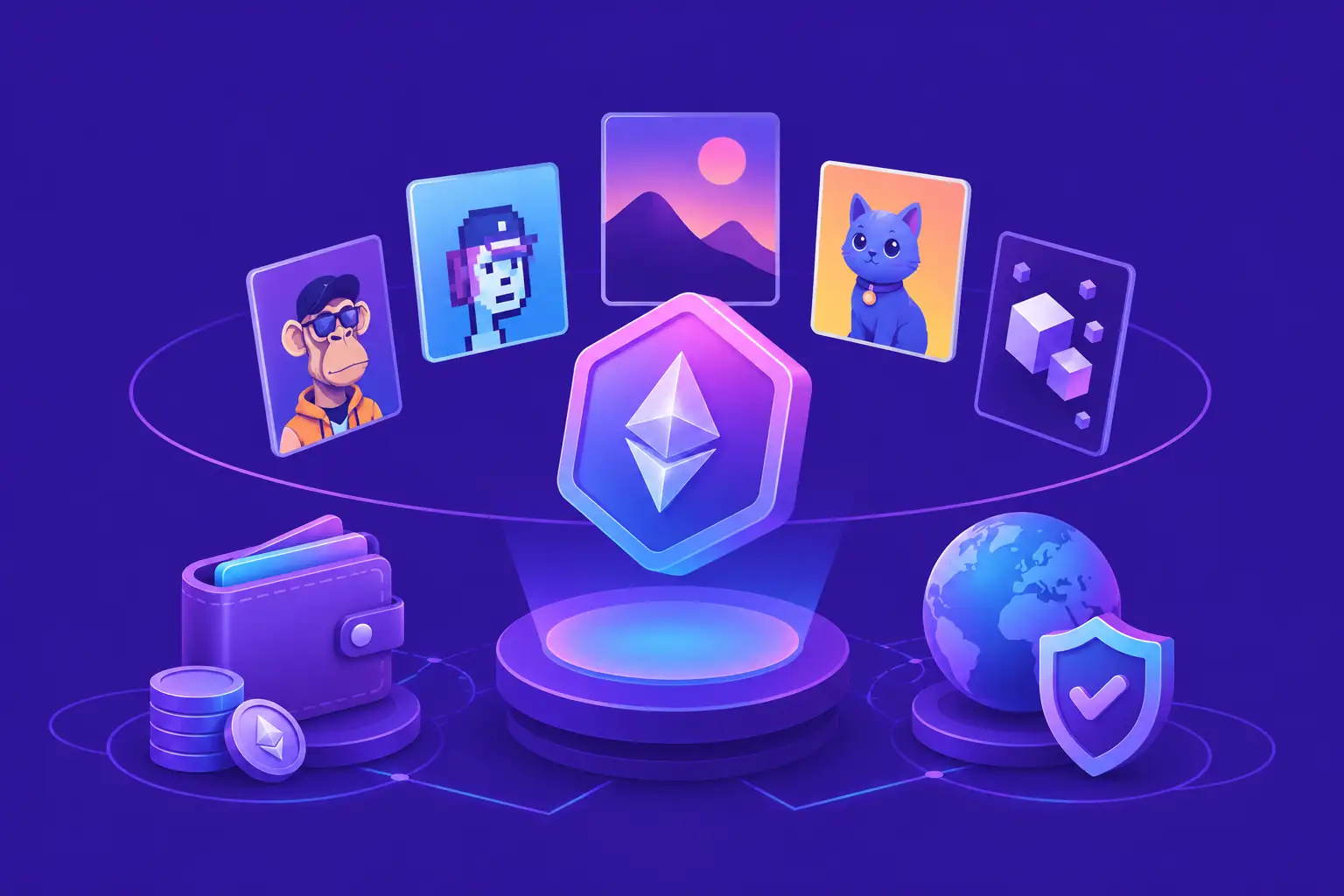
What Is an NFT Marketplace? How It Works End-to-End
Event Ticketing and Real-World Utility
One of the most compelling examples of NFTs moving beyond speculation into genuine utility is event ticketing. In 2025, NFT-based tickets represented 5.3 percent of ticket sales across major US venues. This adoption reflects several concrete advantages that blockchain-based tickets offer over traditional digital or physical tickets.
Event organizers appreciate NFT tickets because they dramatically reduce fraud. Counterfeit tickets have plagued the event industry for decades, and blockchain technology makes it virtually impossible to create fake tickets. Attendees benefit because they can confidently resell their tickets on the secondary market with full transparency, and organizers can program royalty payments that ensure they receive a portion of secondary sales.
1. Preventing Fraud While Enabling Legitimate Resales
Traditional tickets sold through authorized channels lose their authenticity once they enter the secondary market. Event organizers have no way to verify whether a resold ticket is legitimate or counterfeit. NFT tickets solve this problem through the inherent properties of blockchain. Every transaction is recorded and visible, making forgery impossible. Simultaneously, smart contracts can automatically implement resale restrictions, allowing organizers to control whether tickets can be transferred and to capture a percentage of resale profits.
2. Enhanced Fan Experiences and Collectibility
Event organizers are discovering that NFT tickets can double as collectibles and access passes to future events. A ticket to a concert becomes a permanent record that fans can display in their digital wallet, similar to how people frame memorable tickets. Some organizers even create exclusive benefits for fans who hold onto their original tickets, such as priority access to future events or VIP upgrades. This transforms tickets from disposable products into meaningful digital assets.
Virtual Real Estate and Metaverse Economics
Virtual real estate represents one of the fastest-growing segments within the NFT marketplace, with forecasts predicting compound annual growth of 27.4 percent. Platforms like Decentraland and The Sandbox have created functioning digital worlds where users purchase plots of virtual land, develop them with digital structures, and monetize them through various activities.
What makes virtual real estate economically viable is that, unlike NFT art or collectibles, virtual land has clear utility. Users want to own land because it enables them to participate in economic activities, host events, display art, or simply maintain a persistent presence in digital communities they care about. Scarcity is built into these platforms by design, with only a fixed number of land parcels ever available, ensuring that early adopters who purchase land at lower prices benefit as the platform grows and land value increases.
1. Creating Value Through Community and Activities
The most successful virtual real estate platforms are those that actively facilitate economic activity on their land. Owners who host concerts, art exhibitions, brand activations, or educational events find that their land appreciates in value. Users are drawn to these locations because they offer unique experiences that cannot be accessed elsewhere in the platform. This creates a self-reinforcing cycle where high-quality developments attract users, which increases foot traffic and event attendance, which justifies paying premium prices for nearby land.
2. Interoperability Across Virtual Worlds
Currently, virtual real estate is limited to specific platforms because land purchased in Decentraland cannot be transferred to The Sandbox or other metaverse platforms. However, standardization efforts are underway to create portable virtual assets that could function across multiple metaverses. If successful, this would dramatically expand the value of virtual real estate, as owners could theoretically move their properties and assets between different virtual worlds based on where user activity is highest.
Understanding Market Leadership and Platform Dominance
OpenSea remains the dominant marketplace for NFT trading, controlling 90 percent of Ethereum NFT trading volume as of October 2024. The platform hosts over 80 million NFTs and processed approximately 14.68 billion in trading volume during 2024. This dominance reflects first-mover advantages and the network effects that develop when a platform becomes the default choice for most buyers and sellers.
However, OpenSea’s dominance is not absolute. Specialized marketplaces focused on specific categories, such as gaming NFTs or digital art, have gained traction by offering features and communities that OpenSea does not provide. Additionally, emerging platforms are experimenting with different governance models and fee structures that could challenge OpenSea if they can build sufficient trading volume and user liquidity.
1. Differentiation Through Community Governance
Rarible introduced an innovative governance model by creating RARI tokens that give users voting power over marketplace decisions. Token holders can vote on feature updates, fee changes, and allocation of development resources. This decentralized approach differs significantly from traditional centralized marketplaces, where a company makes all operational decisions. The governance approach appeals to users who value participation and transparency in platform development, creating a distinct competitive advantage.
2. Specialized Marketplaces for Niche Communities
Some of the fastest-growing marketplaces focus on specific categories rather than attempting to serve all NFT types. Marketplaces dedicated to gaming NFTs, digital fashion, music NFTs, or photography each build loyal communities of buyers and sellers who value specialized features and curation. These platforms often offer better pricing, more relevant tools, and stronger community engagement than general-purpose marketplaces, enabling them to thrive despite OpenSea’s overall dominance.
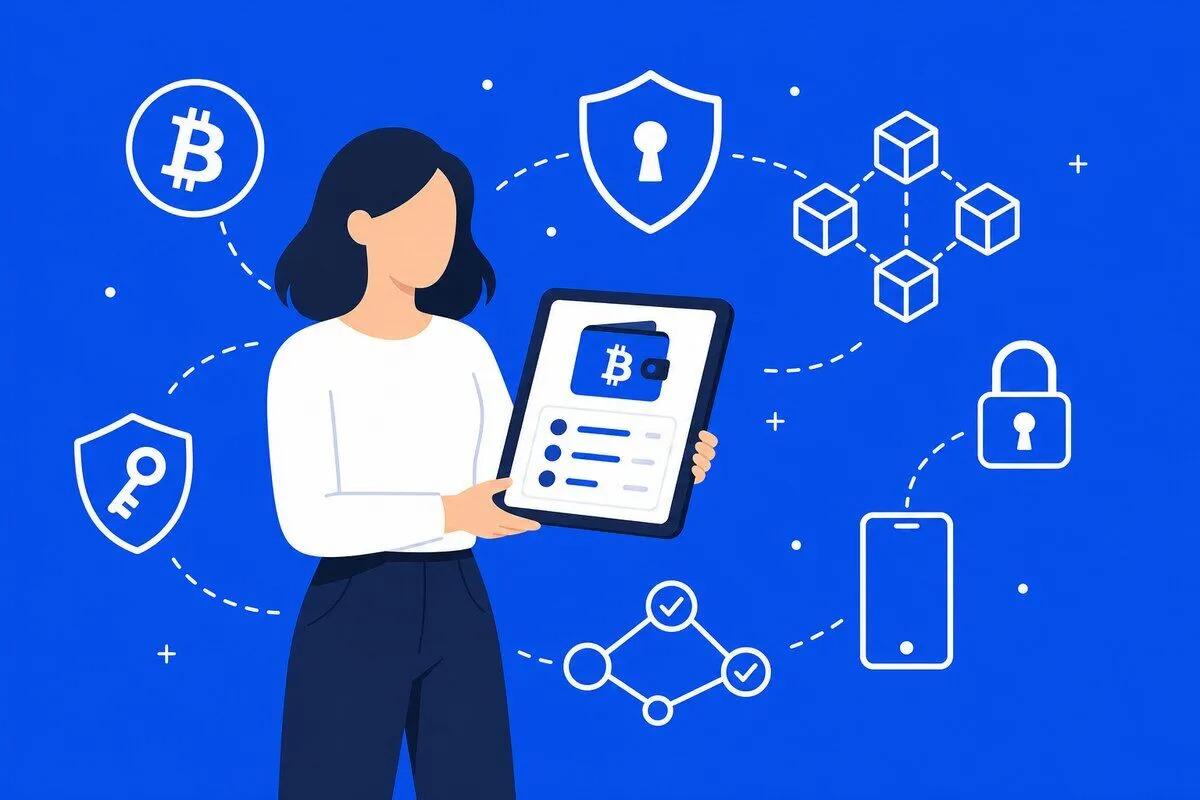
How NFTs Are Created, Minted & Sold
Blockchain Networks and Transaction Efficiency
Ethereum powers approximately 62 percent of NFT transactions, but alternative blockchains have captured increasingly significant market shares. Solana, Binance Smart Chain, Cardano, and other networks offer advantages, including lower transaction fees, faster confirmation times, and, in some cases, lower environmental impact.
The shift toward multi-chain markets reflects user preferences for cost efficiency. When Ethereum transaction fees exceed 100 dollars, users naturally migrate to blockchains where the same transaction costs a fraction of a cent. However, Ethereum retains advantages in liquidity, established developer expertise, and network security that keep it the preferred network for high-value transactions and assets.
Blockchain Networks Comparison for NFT Markets
| Blockchain Network | Market Share Percentage | Transaction Fees and Speed | Best For |
|---|---|---|---|
| Ethereum | 62 percent | Variable fees, typically 10 to 100 dollars per transaction, block finalize in 12 to 15 seconds | High-value NFTs, established collectors, maximum security |
| Solana | 15 to 20 percent | Extremely low fees under 1 cent, transactions are confirmed in under 1 second | High-frequency trading, gaming NFTs, and cost-sensitive users |
| Binance Smart Chain | 10 to 12 percent | Low fees, typically 1 to 5 dollars, blocks finalize in 3 seconds | DeFi integration, moderate-value assets, Asian markets |
| Cardano | 3 to 5 percent | Low fees under 1 dollar, transactions finalize in 20 seconds | Environmentally-conscious projects, research-backed platforms |
1. Fee Economics and User Adoption
The dramatic difference in transaction costs across blockchains has direct implications for user behavior. When Ethereum network congestion causes fees to spike above 50 dollars, users with small NFT purchases simply cannot afford to trade. Solana and other low-cost alternatives become the obvious choice. This fee sensitivity explains why gaming NFTs, which involve frequent small transactions, have migrated away from Ethereum despite its liquidity advantages. For a user buying a game item worth 5 dollars, paying a 50-dollar Ethereum fee is economically nonsensical.
2. Network Security and User Trust
Ethereum maintains its dominance partly because it has the longest operational history and the most established reputation for security. Users trust that their high-value NFTs are as safe on Ethereum as they can be on any blockchain. Newer networks have made security improvements and achieved impressive uptime records, but psychological and historical advantages continue to favor Ethereum. This explains why collectors purchasing expensive digital art prefer Ethereum despite its higher fees.
Security Challenges in NFT Markets
Security remains one of the most serious concerns in NFT marketplaces, as the immutable nature of blockchain transactions means that stolen assets cannot be easily recovered. Between July 2021 and July 2022, over 100 million dollars worth of NFTs were stolen, with scammers averaging around 300,000 dollars per incident. These alarming numbers reflect both the growing value of NFT assets and the sophistication of criminals targeting them.
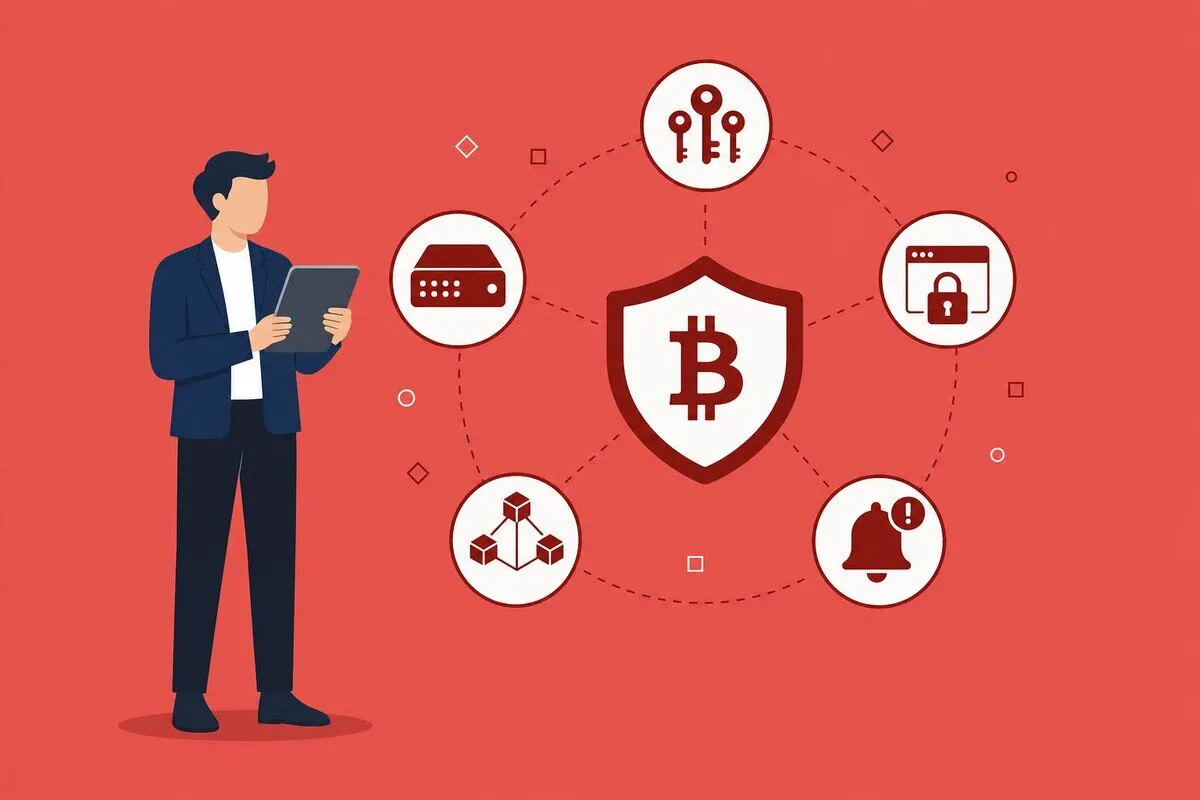
The primary attack vectors targeting NFT owners include phishing attacks, smart contract vulnerabilities, and marketplace hacks. Users must protect their private keys with the same vigilance they would use to guard their life savings, as anyone with access to a private key can immediately drain an entire wallet.
1. Phishing and Social Engineering Attacks
The most common attack vector is phishing, where criminals impersonate legitimate marketplaces or projects and trick users into revealing their private keys or approving unauthorized transactions. These attacks often use convincing fake websites, misleading social media accounts, or direct messages that appear to come from official sources. Users are then prompted to authorize transactions, thinking they are connecting to a legitimate service, only to discover that they have just transferred their entire NFT collection to the attacker.
2. Smart Contract Vulnerabilities and Auditing
Smart contracts are software programs, and like all software, they can contain bugs. Some bugs are minor inconveniences, but in financial systems like NFT marketplaces, even small vulnerabilities can be exploited to drain user funds. Professional smart contract audits by specialized security firms have become standard practice for legitimate projects, but many newer or less well-funded marketplaces skip this expense, leaving their users at risk. Independent audits cost tens of thousands of dollars but are essential investments for any marketplace handling significant user assets.
3. Marketplace and Exchange Hacks
Even when users do everything correctly, centralized marketplaces that hold custody of user assets are themselves targets for sophisticated hackers. High-profile breaches at centralized exchanges have resulted in the theft of billions of dollars in cryptocurrency and NFTs. This vulnerability has spurred the development of decentralized marketplaces that minimize the amount of user assets held in custody by the platform, instead using smart contracts to execute transactions directly between buyers and sellers.
The Future Direction of NFT Markets
The trajectory of NFT marketplaces in 2026 and beyond points toward three clear directions: increasing utility and practical applications, growing institutional participation, and continued technological improvements in efficiency and security. The speculative bubble of 2021 has given way to a more sustainable market driven by genuine value creation.
Projects that succeed in the coming years will be those that solve real problems for their users. Gaming platforms that offer compelling gameplay combined with NFT economics will continue to grow. Ticketing platforms that reduce fraud while improving user experiences will expand into more event categories. Marketplaces focused on specific communities rather than attempting to serve everyone will build stronger ecosystems. And platforms that prioritize user security and education will earn the trust necessary for mainstream adoption.
Launch Your NFT Marketplace Platform Today:
We bring years of blockchain expertise to NFT marketplace development. Our specialized team handles everything from smart contract creation to multi-chain integration, ensuring your platform is built for growth, security, and user experience. Whether you need a curated art marketplace or a gaming NFT platform, we deliver solutions that work.
Final Thoughts
The NFT marketplace landscape in 2026 looks fundamentally different from the speculative frenzy that dominated 2021. The market has matured, moving toward practical applications that solve real problems for users. Gaming NFTs represent the largest and fastest-growing segment, with players appreciating the genuine benefits of ownable digital assets. Event ticketing demonstrates how blockchain technology can address longstanding industry problems like fraud and scalping. Virtual real estate continues to expand as users recognize the value of digital property in immersive online environments.
For creators, collectors, and businesses entering this space, the key to success is understanding that sustainable value comes from utility rather than speculation. Marketplaces that provide genuine functionality, strong security, and active communities will continue to grow and thrive. Those focused solely on hype and quick profits will eventually fade as users seek out platforms that truly serve their interests.
The projections showing growth from 48.7 billion in 2025 to 247 billion by 2029 are grounded in observable market trends and institutional adoption patterns. This growth is not guaranteed, but it reflects the genuine momentum that NFT technology has established in gaming, ticketing, digital real estate, and emerging applications we have yet to imagine. As blockchain technology continues to improve and regulatory frameworks become clearer, NFT marketplaces will play an increasingly important role in how people own, trade, and experience digital assets.
Frequently Asked Questions
Q1.What exactly is an NFT marketplace and how does it differ from traditional online markets?
An NFT marketplace is a platform where digital assets are bought and sold using blockchain technology. Unlike traditional online stores where you purchase goods that are copied or delivered digitally, NFT marketplaces create unique, verifiable ownership of digital items. The blockchain records who owns what, and smart contracts automatically execute transactions, making each sale permanent and verifiable. This technology works especially well for items where proof of authenticity and ownership history matter, such as digital art, gaming items, or collectibles.
Q2.How much does it actually cost to create an NFT marketplace?
The cost of creating an NFT marketplace varies significantly based on features. A basic marketplace with fundamental functions like user accounts, NFT minting, and buying and selling capabilities costs between 30,000 and 50,000 dollars. Advanced marketplaces with custom smart contracts, support for multiple blockchains, and sophisticated analytics cost between 100,000 and 150,000 dollars or more. These costs cover development, security, and design. Additionally, ongoing maintenance costs between 1,000 and 5,000 dollars monthly to keep the platform running securely and reliably.
Q3.Why is Ethereum still the most popular blockchain for NFTs if other networks have lower fees?
Ethereum remains dominant because of network effects and established reputation. Most NFT buyers, sellers, and developers are already familiar with Ethereum and have existing wallets set up for that network. The largest and most valuable NFT collections exist on Ethereum, so high-value collectors prefer it to ensure liquidity. Additionally, Ethereum has the longest operational history and strongest reputation for security. However, Solana and other low-fee networks are gaining market share, particularly for gaming NFTs and lower-value items where transaction fees significantly impact economics.
Q4.Are NFT investments safe, and what are the primary security risks?
NFT investments involve significant security risks that differ from traditional investments. The primary risks include phishing attacks where criminals trick users into revealing private keys, smart contract vulnerabilities that allow attackers to steal assets, and marketplace hacks that compromise user accounts. Between July 2021 and July 2022, over 100 million dollars worth of NFTs were stolen. To protect yourself, use hardware wallets for storing high-value NFTs, never share private keys with anyone, double-check website URLs before logging in, and only interact with marketplaces that have undergone professional security audits.
Q5.What makes gaming NFTs different from other types of NFTs, and why are they growing so rapidly?
Gaming NFTs differ because they provide actual utility within games rather than being purely collectible. Players benefit from ownable assets that affect gameplay, hold real economic value, and can often be transferred between games. This creates genuine demand beyond speculation. The gaming NFT market was valued at approximately 471.90 billion in 2024 and is projected to reach 942.58 billion by 2029. This rapid growth reflects the fact that gaming studios and players have discovered genuine use cases for blockchain-based asset ownership that enhance the gaming experience.
Q6.What role will NFTs play in future business models, and should I be planning to incorporate them into my company?
NFTs appear to have lasting value in specific applications where blockchain technology solves real problems. Event ticketing is already becoming mainstream, with 5.3 percent of major US venue tickets now using NFT technology to prevent fraud. Gaming continues to show strong adoption and genuine player interest. Digital real estate and virtual world ownership are expanding. However, NFTs are not a solution for every industry. Before incorporating NFTs, honestly evaluate whether blockchain technology actually solves a problem in your industry. If the primary appeal is hype rather than genuine utility, the trend will likely fade. The businesses succeeding with NFTs are those that focus on solving real customer problems rather than jumping on a trend.
Explore Services
Related Services
Reviewed by

Aman Vaths
Founder of Nadcab Labs
Aman Vaths is the Founder & CTO of Nadcab Labs, a global digital engineering company delivering enterprise-grade solutions across AI, Web3, Blockchain, Big Data, Cloud, Cybersecurity, and Modern Application Development. With deep technical leadership and product innovation experience, Aman has positioned Nadcab Labs as one of the most advanced engineering companies driving the next era of intelligent, secure, and scalable software systems. Under his leadership, Nadcab Labs has built 2,000+ global projects across sectors including fintech, banking, healthcare, real estate, logistics, gaming, manufacturing, and next-generation DePIN networks. Aman’s strength lies in architecting high-performance systems, end-to-end platform engineering, and designing enterprise solutions that operate at global scale.