Ai Overview
Unlike fungible financial securities where identical shares trade interchangeably, each property possesses unique characteristics affecting investor appeal, pricing dynamics, and market depth. However, the early-stage tokenization ecosystem lacks critical mass with total market capitalization below $5 billion globally compared to $4 trillion traditional REIT markets providing comparison context.
Key Takeaways
- Tokenized real estate liquidity risk manifests through thin secondary markets limited buyer pools and regulatory transfer restrictions creating substantial exit challenges for investors.
- Security frameworks reduce exposure through smart contract transfer controls qualified custody arrangements insurance coverage and robust legal structuring ensuring asset backing integrity.
- On-chain settlement provides instant finality and eliminates counterparty tokenized real estate liquidity risk while off-chain systems offer familiar procedures and established legal frameworks creating hybrid opportunities.
- NAV drift and price discovery inefficiencies create wide bid-ask spreads of 15-25% deterring liquidity provision when buyers demand substantial discounts compensating valuation uncertainty.
- Market makers provide continuous quotes ensuring minimum liquidity standards through capital commitment maintaining inventory positions absorbing temporary buyer-seller imbalances effectively.
- Redemption queue tokenized real estate liquidity risk materialize during market stress when simultaneous exit requests exceed platform liquidity capacity creating extended waiting periods exceeding 90 days.
- Smart contract lockup periods ranging from 6-24 months prevent early exits creating capital inflexibility requiring careful investment horizon matching before commitment decisions.
- Regulatory liquidity triggers including AML/KYC verification failures and cross-border compliance friction can freeze token transferability preventing exit regardless of willing counterparties.
- Stress testing under market shock scenarios validates platform resilience identifying liquidity breaking points enabling proactive tokenized real estate liquidity risk mitigation across USA UK UAE Canadian markets.
- Zero-knowledge compliance models enable privacy-preserving verification reducing regulatory friction while maintaining transfer eligibility standards supporting enhanced liquidity characteristics comprehensively.
Tokenized real estate liquidity risk represents one of the most critical yet frequently misunderstood challenges confronting investors participating in blockchain-based property markets across global financial centers. While real estate tokenization promises enhanced accessibility, fractional ownership, and improved tradability compared to traditional private property investments, the reality of secondary market liquidity often falls substantially short of theoretical expectations creating significant exposure for participants unprepared for illiquidity during critical exit windows. This comprehensive analysis examines twenty distinct dimensions of tokenized real estate liquidity risk drawing on eight years of hands-on experience structuring digital property offerings, analyzing market microstructure, and implementing security frameworks across USA, UK, UAE, and Canadian jurisdictions serving institutional and retail investor populations navigating the complex intersection of real estate fundamentals and blockchain technology constraints.
Structural Liquidity Constraints in Tokenized Property Markets
Structural liquidity constraints in tokenized property markets stem from fundamental characteristics inherent to real estate assets including high unit values, heterogeneous property attributes, location-specific demand, and valuation complexity creating natural barriers to frequent trading regardless of blockchain infrastructure. Unlike fungible financial securities where identical shares trade interchangeably, each property possesses unique characteristics affecting investor appeal, pricing dynamics, and market depth. A Manhattan office tower, London retail center, Dubai residential complex, or Toronto industrial property attracts distinct buyer populations with specific investment criteria, capital availability, and holding period preferences limiting potential counterparty pools. The heterogeneity prevents development of deep liquid markets characteristic of commodity assets or standardized securities where numerous buyers and sellers continuously transact at transparent prices.
Tokenization cannot eliminate structural illiquidity inherent to underlying real estate assets though blockchain infrastructure provides marginal improvements through fractional ownership enabling smaller transaction sizes, 24/7 trading accessibility removing exchange hour constraints, and instant settlement reducing transaction friction. However, these enhancements prove insufficient overcoming fundamental liquidity challenges when property-specific factors including tenant quality, lease terms, deferred maintenance, or neighborhood dynamics require detailed due diligence deterring rapid transactions. The structural constraints manifest most severely during market stress when declining property values, rising interest rates, or economic uncertainty simultaneously reduce buyer willingness while increasing seller urgency creating liquidity crises where transactions cease entirely at any reasonable price. Tokenized real estate liquidity risk demands realistic expectations recognizing that blockchain improves but cannot fundamentally transform inherent real estate illiquidity across global property markets serving diverse investor populations.
On-Chain vs Off-Chain Settlement Liquidity Gaps
On-chain settlement mechanisms execute token transfers directly through blockchain smart contracts providing cryptographic finality within minutes, eliminating counterparty settlement tokenized real estate liquidity risk, and enabling atomic delivery-versus-payment where ownership and payment exchange simultaneously preventing partial execution failures. The instant settlement compresses traditional real estate closing timelines from 30-60 days to near-instantaneous execution once parties agree on terms. Smart contracts automatically verify transfer eligibility through whitelisting, enforce regulatory holding periods, and execute payment distribution without manual intervention reducing operational overhead and error tokenized real estate liquidity risk. The transparency provides immutable transaction records accessible to all parties eliminating reconciliation disputes and enabling real-time position tracking impossible in traditional systems relying on intermediary record-keeping with multi-day update delays.
Off-chain settlement maintains traditional processes involving escrow accounts, title companies, wire transfers, and manual documentation creating multi-day settlement cycles with counterparty tokenized real estate liquidity risk where either party could default between agreement and final settlement. However, off-chain systems offer established legal frameworks, integration with existing banking infrastructure, and regulatory familiarity reducing compliance uncertainty. The settlement gap creates liquidity fragmentation where on-chain native participants cannot efficiently trade with traditional investors requiring off-chain processes. Tokenized real estate liquidity risk increases when platforms operate exclusively on-chain limiting potential buyer pools to blockchain-native participants or conversely restrict to off-chain settlement sacrificing blockchain efficiency benefits. Hybrid models bridging on-chain and off-chain settlement through regulated custodians and approved settlement agents increasingly emerge as optimal solutions balancing innovation against practical implementation requirements serving diverse investor populations across USA, UK, UAE, and Canadian markets requiring different settlement preferences and regulatory compliance approaches.
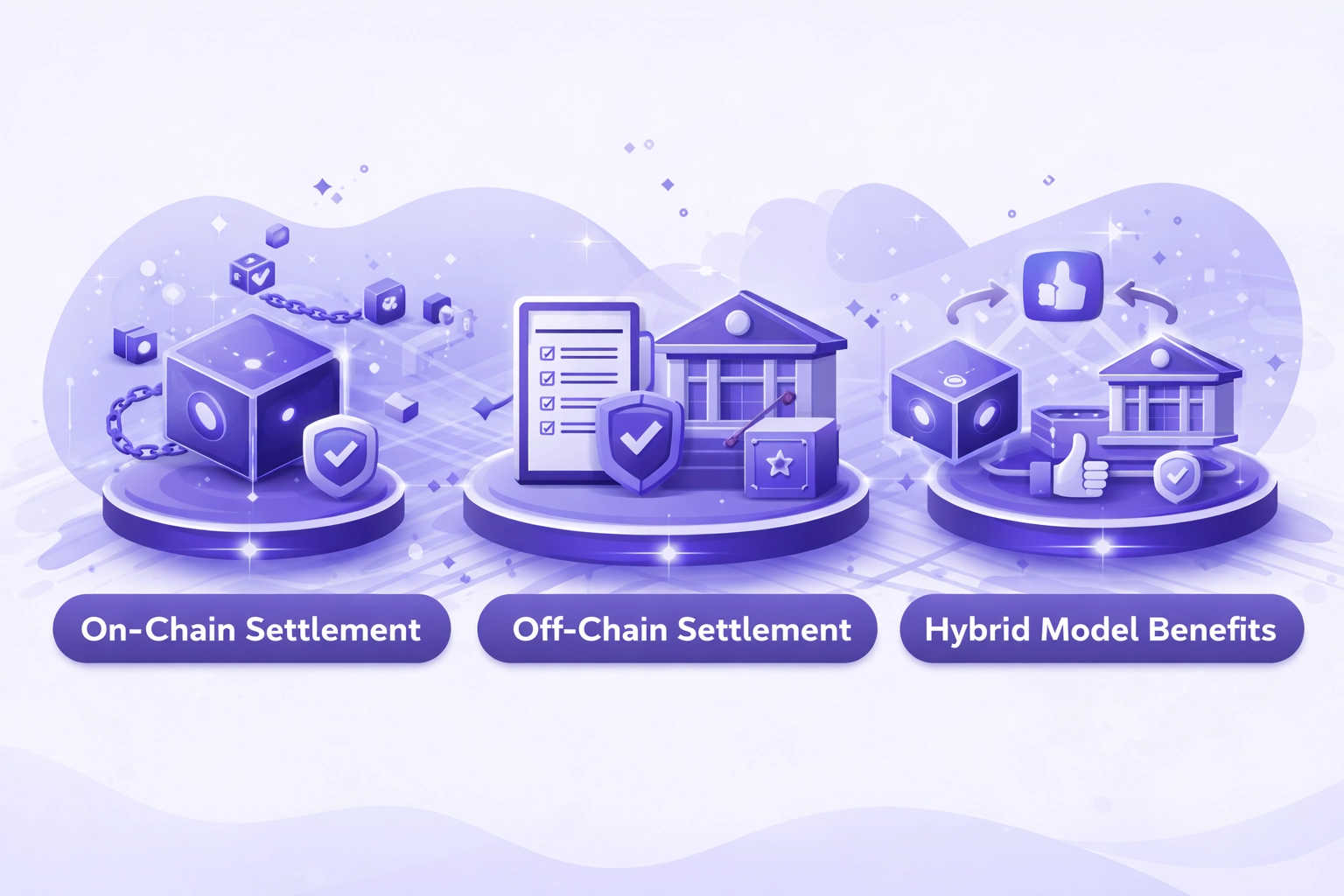 Settlement Mechanism Risk Comparison
On-Chain Settlement
- Smart contract vulnerability exploitation risks
- Blockchain network congestion causing delays
- Irreversible transactions preventing error corrections
- Limited regulatory framework clarity and acceptance
Off-Chain Settlement
- Multi-day settlement cycles creating counterparty exposure
- Manual processing errors and reconciliation failures
- Intermediary insolvency risks during escrow periods
- Wire transfer delays and banking system dependencies
Hybrid Model Benefits
- Regulatory compliance through approved custodians
- Blockchain efficiency for eligible counterparties
- Traditional settlement fallback options available
- Broader investor pool accessibility and inclusion
Secondary Market Depth Challenges in Real Estate Tokens
Secondary market depth challenges represent critical obstacles limiting tokenized real estate liquidity as most platforms demonstrate average daily trading volumes below $50,000 per property token compared to hundreds of millions for large-cap REIT shares. The thin trading reflects limited investor awareness, regulatory transfer restrictions excluding non-accredited participants, and preference for buy-and-hold strategies among early adopters focused on rental income rather than trading gains. Consequently, investors seeking to exit positions discover few willing buyers at fair valuations requiring substantial price concessions inducing sales or extended marketing periods seeking suitable counterparties. The depth problem proves particularly acute for unique trophy properties or niche asset classes where specialized buyer populations limit potential transaction volumes compared to diversified REIT funds attracting broader investor bases.
Market depth improvements require network effects where increasing participant populations create virtuous cycles enhancing liquidity attracting additional investors further deepening markets. However, the early-stage tokenization ecosystem lacks critical mass with total market capitalization below $5 billion globally compared to $4 trillion traditional REIT markets providing comparison context. Tokenized real estate liquidity tokenized real estate liquidity risk from shallow markets manifests through wide bid-ask spreads averaging 8-15% for institutional properties and 15-30% for smaller assets compared to 0.1-0.5% for liquid REIT shares. Platform consolidation combining multiple property offerings under single venues, cross-listing arrangements enabling tokens trading on multiple exchanges, and integration with decentralized finance protocols providing additional liquidity sources represent potential solutions improving market depth. The maturation timeline extends over years as platforms achieve operational scale, regulatory frameworks clarify, and investor familiarity increases across USA, UK, UAE, and Canadian tokenized property markets gradually approaching traditional securities market characteristics.[1]
Fragmented Ownership and Exit Window Volatility
Fragmented ownership across thousands of small token holders creates coordination challenges and exit window volatility when significant events trigger simultaneous selling pressure overwhelming limited market-making capacity. Unlike traditional real estate partnerships with dozen institutional investors negotiating orderly exits, tokenized structures with 5,000-50,000 holders experience unpredictable selling cascades when negative news, market downturns, or platform issues prompt mass redemption requests. The fragmentation prevents bilateral negotiation and coordinated liquidity provision characteristic of institutional private equity where general partners arrange orderly exits matching sellers with strategic buyers. Instead, tokenized markets rely on impersonal secondary exchanges where automated matching algorithms execute at whatever prices clear available liquidity creating potential flash crashes during stress periods.
Exit window volatility materializes when regulatory changes, property-specific issues, or macroeconomic shocks concentrate selling within narrow timeframes exhausting market maker inventory and bid-side depth. A single negative tenant announcement, adverse regulatory ruling, or platform security incident can trigger 20-40% token price declines within hours as panicked holders rush exits before further deterioration. The volatility particularly affects retail investors lacking sophistication to distinguish temporary liquidity disruptions from fundamental value impairment making emotional rather than rational exit decisions. Tokenized real estate liquidity tokenized real estate liquidity risk mitigation requires graduated redemption mechanisms spacing exit requests over extended periods, circuit breakers halting trading during extreme volatility, and communication protocols providing rapid transparent information reducing panic selling. The fragmented ownership structure inherent to mass tokenization demands careful consideration of crowd behavior dynamics and collective action problems when designing liquidity frameworks serving diverse holder populations with varying sophistication levels and exit motivations across global property token markets.
Redemption Queue Risk in Illiquid Token Pools
Redemption queue tokenized real estate liquidity risk emerges when platform liquidity mechanisms cannot satisfy simultaneous exit requests forcing sequential processing over extended periods potentially exceeding 90-180 days during market stress. Many tokenization platforms offer periodic redemption windows quarterly or annually where holders can request buybacks at net asset value providing liquidity alternatives to secondary market trading. However, these mechanisms typically impose maximum redemption limits of 5-25% of outstanding tokens per period preventing mass exodus that would force distressed property sales realizing losses. When redemption requests exceed available capacity, platforms establish queues processing requests in order received or pro-rata allocation across all applicants creating uncertainty around actual exit timing.
The queue tokenized real estate liquidity risk manifests most severely during market downturns when declining property values and rising interest rates simultaneously trigger redemption surges while reducing platform capacity to satisfy requests through property sales or credit facilities. A platform experiencing 40% redemption requests against 10% quarterly capacity creates backlog requiring four quarters for complete processing assuming no additional requests accumulate. During extended queue periods, holders face complete illiquidity unable to exit through either redemption or secondary markets as prices collapse reflecting forced seller dynamics. Tokenized real estate liquidity risk from redemption queues demands careful analysis of platform liquidity management including cash reserve levels, credit facility availability, property sale timelines, and historical redemption patterns. Investors should particularly scrutinize redemption queue policies during due diligence including gates, suspensions, and in-kind distribution provisions that platforms may invoke during stress periods potentially trapping capital for extended periods across tokenized property investment structures.
Tokenized Real Estate Liquidity Risk Assessment Lifecycle
Platform Liquidity Analysis
Evaluate secondary market trading volumes bid-ask spreads redemption mechanisms and historical liquidity patterns under various market conditions.
Transfer Restriction Review
Identify regulatory lockup periods investor qualification requirements and compliance verification processes impacting transfer eligibility and execution speed.
Market Depth Assessment
Analyze order book depth market maker participation and average position sizes determining realistic exit capacity for investment amounts.
Redemption Mechanism Evaluation
Review redemption frequency capacity limits queue policies and platform liquidity management capabilities during normal and stress scenarios.
Stress Scenario Testing
Model liquidity under adverse conditions including market crashes platform issues and mass redemption events validating exit feasibility.
Alternative Exit Planning
Identify backup liquidity sources including peer-to-peer transfers collateralized lending and strategic buyer outreach for emergency exits.
Investment Horizon Alignment
Match token investment amounts and holding periods with personal liquidity needs ensuring capital availability for anticipated withdrawal requirements.
Ongoing Monitoring and Adjustment
Continuously track liquidity metrics market conditions and platform health adjusting positions proactively before liquidity deterioration materializes.
NAV Drift and Price Discovery Inefficiencies
NAV drift occurs when secondary market token prices diverge significantly from underlying property net asset values creating uncertainty about fair valuations and deterring both buyers fearing overpayment and sellers resisting discounts below perceived intrinsic worth. Unlike liquid securities with continuous price discovery through active trading establishing consensus valuations, tokenized properties with infrequent transactions lack reliable pricing signals. A property token trading twice weekly at volumes below $10,000 provides insufficient data establishing whether $95 or $105 represents fair value when quarterly NAV reports indicate $100. The information scarcity creates valuation ranges of 15-25% where reasonable investors could justify different prices based on varying assumptions about property performance, exit timing, and discount rates applied to future cash flows.
Price discovery inefficiencies stem from delayed property appraisals updating quarterly or annually rather than continuously, absence of comparable transaction databases enabling benchmarking, and information asymmetries where property managers possess superior knowledge about tenant negotiations, maintenance issues, or market conditions not yet disclosed publicly. Market participants rationally demand wide bid-ask spreads compensating for valuation uncertainty and adverse selection tokenized real estate liquidity risk where informed insiders trade against less-informed counterparties. Tokenized real estate liquidity tokenized real estate liquidity risk from NAV drift manifests through trading gridlock where potential buyers bid $85 while sellers ask $115 creating 30% spreads preventing transactions. Solutions include frequent independent appraisals providing updated valuations, transparent operating data publication enabling investors to form independent assessments, comparable transaction databases benchmarking prices against similar properties, and algorithmic pricing models incorporating multiple data sources reducing information gaps. The price discovery infrastructure continues evolving across tokenized property markets as platforms recognize that valuation transparency proves essential supporting liquid secondary markets serving investor liquidity requirements across global real estate token ecosystems.
Smart Contract Lockups and Capital Inflexibility
Smart contract lockup periods programmatically enforce holding requirements preventing token transfers for specified durations ranging from 6-24 months after initial purchase satisfying regulatory requirements under Regulation D or similar exemptions across international jurisdictions. These lockups embed directly into token smart contracts making circumvention technically impossible unlike traditional paper-based restrictions relying on contractual promises and legal enforcement. While lockups serve legitimate compliance purposes preventing immediate resales violating securities exemption conditions, they create absolute capital inflexibility where holders cannot exit regardless of personal financial emergencies, changing investment views, or attractive alternative opportunities emerging during restriction periods. The inflexibility proves particularly challenging for retail investors lacking diversified portfolios where unexpected expenses necessitate asset liquidation.
Smart contract lockup enforcement provides superior regulatory compliance compared to honor-based systems but eliminates flexibility traditional private placements sometimes accommodate through issuer waivers in hardship circumstances. A token holder facing medical emergency or job loss discovers smart contracts cannot grant compassionate exceptions regardless of merit creating genuine financial distress. Tokenized real estate liquidity risk from hard-coded lockups demands careful investment horizon matching ensuring committed capital truly remains available for entire restriction period without potential withdrawal needs. Investors should particularly scrutinize lockup durations during due diligence recognizing that 12-month restrictions prove substantially more constraining than 6-month periods, and should only commit capital genuinely available for stated holding periods. Some platforms offer tiered structures where longer lockups provide enhanced yields compensating illiquidity while shorter restrictions enable earlier exits at lower returns. The lockup design represents critical liquidity consideration as programmatic enforcement eliminates traditional escape valves available in paper-based restriction regimes across USA, UK, UAE, and Canadian tokenized property offerings.
Custodial Risk in Asset-Backed Token Structures
Custodial tokenized real estate liquidity risk emerges when centralized platforms maintaining control over private keys, asset custody, or operational infrastructure create single points of failure threatening investor access to tokenized property holdings. Unlike self-custodied cryptocurrency where investors control private keys directly, most tokenized real estate platforms utilize custodial models where institutions hold tokens on behalf of investors providing user-friendly interfaces without technical complexity. However, custodial arrangements introduce counterparty risks where platform insolvency, regulatory seizure, or operational failures could freeze assets preventing transfers or redemptions regardless of blockchain technology promises. High-profile crypto exchange collapses including FTX demonstrate how custodial failures can trap billions in customer assets creating total liquidity disruption.
Asset-backed token structures face additional custodial complexities beyond pure cryptocurrency as underlying property ownership, rental income collection, and operational management require traditional legal entities and banking relationships introducing multiple custody points. A tokenized property involves custody of tokens themselves, underlying property title, bank accounts receiving rental income, and contracts with property managers creating multi-layered custody dependencies. Failure at any layer could disrupt token holder access to economic benefits or exit liquidity. Tokenized real estate liquidity tokenized real estate liquidity risk from custodial dependencies demands careful evaluation of custody arrangements including qualified custodian use, insurance coverage, bankruptcy remoteness structuring, and regulatory oversight. Investors should prefer platforms utilizing independent qualified custodians rather than self-custody by issuers, segregated account structures preventing commingling with platform operational funds, and comprehensive insurance protecting against custodial failures. The custody infrastructure proves critical for institutional investor participation as fiduciary standards demand robust asset protection mechanisms ensuring beneficiary access under all scenarios across tokenized property investment structures serving diverse investor populations.
Liquidity Risk Factor Severity Matrix
| Risk Factor | Severity Level | Typical Impact | Mitigation Approach |
|---|---|---|---|
| Thin Secondary Markets | High | 8-15% bid-ask spreads | Market maker agreements |
| Smart Contract Lockups | Medium-High | 6-24 month illiquidity | Investment horizon matching |
| Redemption Queue Risk | High | 90-180 day delays | Platform liquidity reserves |
| NAV Drift | Medium | 15-25% valuation uncertainty | Frequent appraisals transparency |
| Custodial Failure | Critical | Complete asset access loss | Qualified custodians insurance |
| Regulatory Freeze | Medium-High | Indefinite transfer suspension | Compliance infrastructure |
Oracle Latency and Valuation Synchronization Risk
Oracle latency introduces valuation synchronization tokenized real estate liquidity risk when price feeds updating property valuations lag behind market reality creating opportunities for informed trading against stale data or preventing timely redemptions at fair prices. Tokenized real estate platforms rely on oracle services providing external data including property appraisals, rental income, occupancy rates, and market comparables to smart contracts executing automated functions like redemption pricing or collateral valuation. However, oracles update at discrete intervals ranging from daily to quarterly depending on data type and cost constraints. A platform using quarterly appraisal oracles operates with valuations potentially 0-90 days stale creating asymmetric information where insiders aware of unreported tenant departures, lease renewals, or neighborhood changes trade against uninformed counterparties relying on outdated oracle data.
Valuation synchronization failures materialize during rapidly changing market conditions when interest rate spikes, economic shocks, or property-specific events render oracle valuations obsolete within days or weeks. A platform offering redemptions at oracle-reported NAV discovers mass redemption requests when market prices decline 20% but oracles still reflect pre-decline valuations creating adverse selection where informed holders redeem at inflated prices while uninformed holders bear subsequent valuation adjustments. Tokenized real estate liquidity risk from oracle latency demands evaluation of update frequency, data source quality, redundancy provisions, and deviation thresholds triggering manual intervention. Platforms should implement frequent oracle updates for liquid data sources, multiple independent oracles providing cross-validation, circuit breakers suspending automated functions when oracles diverge significantly from market reality, and transparent disclosure of oracle methodologies enabling investor assessment. The oracle infrastructure proves critical for fair pricing, collateral valuation, and automated redemption mechanisms supporting liquidity provision across tokenized property markets serving diverse investor populations requiring reliable real-time valuation data.
Regulatory Liquidity Triggers and Forced Liquidations
Regulatory liquidity triggers occur when compliance failures, enforcement actions, or regulatory changes force platforms to suspend trading, freeze redemptions, or mandate immediate liquidations disrupting normal liquidity provision. Securities regulators including SEC, FCA, DFSA, and provincial authorities in USA, UK, UAE, and Canadian markets respectively possess broad powers to suspend securities trading when identifying violations, protecting investors, or maintaining market integrity. A platform discovered operating unregistered securities offerings faces immediate cease-and-desist orders halting all token transfers and redemptions pending regulatory resolution potentially extending months or years. Token holders discover complete illiquidity unable to exit positions through any mechanism as regulatory holds override contractual rights and smart contract functionality proves irrelevant when platform operations cease.
Forced liquidation scenarios emerge when regulatory orders mandate investor buyouts, asset sales, or platform wind-downs following serious violations or insolvency events. Unlike voluntary liquidations conducted on favorable terms maximizing investor recoveries, forced liquidations occur under distressed circumstances often realizing substantial discounts to fair values. A platform ordered into receivership faces rushed property sales to satisfy creditors and investor claims potentially achieving 20-40% below appraised values creating significant investor losses. Tokenized real estate liquidity risk from regulatory triggers demands careful platform selection prioritizing established operators with comprehensive compliance programs, regulatory approvals in relevant jurisdictions, qualified legal counsel, and clean operational histories. Investors should particularly scrutinize platforms operating in regulatory gray areas, making aggressive legal claims about exemption applicability, or demonstrating incomplete compliance infrastructure. The regulatory liquidity tokenized real estate liquidity risk proves difficult to diversify as entire platforms rather than individual properties face regulatory actions affecting all tokens simultaneously across comprehensive enforcement proceedings impacting investor liquidity access fundamentally.
AML/KYC Constraints Impacting Token Transferability
AML/KYC constraints require comprehensive identity verification, source of funds documentation, and ongoing monitoring before allowing token transfers creating friction reducing liquidity compared to frictionless cryptocurrency transfers. Securities regulations mandate platforms verify investor identities, confirm accreditation status where applicable, screen against sanctions lists, and assess money laundering tokenized real estate liquidity risk before enabling trading. The verification processes consume days or weeks collecting documents, conducting background checks, and obtaining compliance approvals delaying transactions and deterring casual trading. A potential buyer discovering 5-10 business day KYC processing before completing purchases may abandon transactions seeking alternative investments with immediate access creating lost liquidity opportunities for sellers unable to quickly execute at agreed prices.
Transfer restrictions extend beyond initial verification to ongoing monitoring requirements where platforms must re-verify status periodically, investigate suspicious activity, and freeze accounts failing compliance checks. An investor passing initial KYC but subsequently appearing on sanctions lists discovers frozen accounts preventing both buying and selling creating forced illiquidity unrelated to market conditions or property performance. International transfers face additional complexity as cross-border AML requirements, varying accreditation standards, and jurisdictional restrictions limit eligible counterparty pools. Tokenized real estate liquidity risk from compliance friction demands realistic expectations recognizing that regulatory requirements necessarily reduce liquidity versus unrestricted cryptocurrency trading. However, platforms can minimize friction through streamlined KYC processes, third-party verification services reducing redundant documentation, pre-approved investor pools enabling instant transfers among verified participants, and transparent processing timelines setting appropriate expectations. The compliance infrastructure investment, including AML/KYC verification, proves essential for regulatory sustainability though it necessarily constrains liquidity compared to the theoretical frictionless blockchain transfer capabilities across global tokenized property markets.
Cross-Border Compliance Friction in Property Tokens
Cross-border compliance friction multiplies when tokenized properties involve international investors, foreign property locations, or multi-jurisdictional platform operations creating overlapping regulatory requirements reducing liquidity through complexity and uncertainty. A USA investor purchasing tokens representing UK property issued by UAE platform faces compliance with SEC regulations, FCA requirements, and DFSA oversight simultaneously creating substantial legal and operational complexity. Each jurisdiction imposes unique securities registration requirements, investor protection rules, tax withholding obligations, and reporting standards multiplying compliance costs and execution friction. The jurisdictional complexity particularly affects smaller platforms lacking resources maintaining comprehensive multi-country compliance programs forcing geographic restrictions limiting investor pools and reducing potential liquidity.
Transfer restrictions arise when jurisdictional conflicts create legal uncertainty about transaction validity, tax treatment, or regulatory applicability. A Canadian investor selling to UAE buyer confronts questions about which jurisdiction governs transfer, what tax withholding applies, whether both parties meet applicable investor qualifications, and how to resolve disputes if conflicts arise. The uncertainty deters transactions or requires expensive legal opinions confirming compliance increasing transaction costs and reducing effective liquidity. Tokenized real estate liquidity risk from cross-border friction proves particularly acute for retail investors lacking resources obtaining multi-jurisdictional legal advice or navigating complex international compliance procedures. Platforms can reduce friction through clear jurisdictional structuring, standardized transfer procedures accommodating common cross-border scenarios, pre-approved investor lists in multiple jurisdictions, and accessible compliance support. However, fundamental complexity remains inherent to international securities transactions requiring careful consideration during investment decisions recognizing that global token transferability remains aspirational rather than current reality across tokenized property markets.
Collateralization Limits in Tokenized Real Estate Lending
Collateralization limits restrict using property tokens as loan collateral reducing liquidity alternatives when secondary markets or redemption mechanisms prove insufficient for capital needs. Traditional securities enable investors to borrow against holdings through margin loans or securities-based lending accessing 50-70% of portfolio values without selling positions. However, tokenized real estate faces substantial collateralization challenges as lenders remain unfamiliar with digital assets, uncertain about liquidation procedures, and concerned about regulatory classification tokenized real estate liquidity risk. Most traditional lenders refuse accepting property tokens as collateral forcing holders to sell positions rather than borrowing against them when requiring liquidity. The inability to access collateralized lending eliminates flexible liquidity option particularly valuable during temporary cash needs where selling would realize tax consequences or miss anticipated appreciation.
Emerging decentralized finance protocols including Aave, Compound, and MakerDAO theoretically enable tokenized asset collateralization but prove impractical for real estate tokens lacking sufficient liquidity, price feeds, and protocol integration. A DeFi lending protocol requires reliable oracles providing continuous price updates, deep secondary markets enabling liquidations, and substantial borrowing demand justifying integration costs. Most property tokens fail meeting these requirements limiting DeFi lending viability. Tokenized real estate liquidity risk from collateralization limits demands recognition that borrowing against holdings remains largely unavailable requiring alternative liquidity planning. Some specialized platforms offer collateralized lending against property tokens but charge premium rates of 8-15% annually reflecting elevated tokenized real estate liquidity risk and limited secondary market liquidity for collateral realization. The lending infrastructure continues emerging but requires years of maturation before tokenized property tokens achieve parity with traditional securities regarding collateralized borrowing accessibility serving investor liquidity needs comprehensively.
Stress Testing Liquidity Under Market Shock Scenarios
Stress testing liquidity under market shock scenarios validates whether platforms can maintain orderly functioning during extreme conditions including property value crashes, interest rate spikes, economic recessions, or platform-specific crises. Comprehensive stress tests model simultaneous adverse events including 30-50% property value declines, mass redemption requests exceeding 40% of outstanding tokens, secondary market trading volume collapses to zero, and credit facility withdrawals by nervous lenders. The scenarios test whether platforms possess sufficient cash reserves, unencumbered property assets, borrowing capacity, and operational procedures executing orderly liquidations without forced sales at distressed prices. Historical stress episodes including 2008 financial crisis and 2020 pandemic provide templates for realistic scenario construction though tokenized markets lack track records during genuine systemic stress.
Stress test results reveal liquidity breaking points where platforms must invoke extraordinary measures including redemption suspensions, trading halts, forced position sales, or emergency capital raises protecting remaining investors but creating severe liquidity disruption for those seeking exits. A platform discovering stress scenarios exhaust liquidity within 60 days demonstrates inadequate reserves requiring enhanced liquidity management before stress materializes. Tokenized real estate liquidity risk assessment demands reviewing platform stress testing procedures including scenario severity, testing frequency, remediation actions identified, and capital adequacy improvements implemented. Investors should prefer platforms conducting rigorous quarterly stress tests, publishing summary results demonstrating resilience, maintaining liquidity coverage exceeding 90-day stress scenarios, and implementing graduated response plans avoiding binary on-off liquidity provision. The stress testing discipline proves essential for institutional investor confidence as fiduciary standards demand evidence that platforms can weather adverse conditions protecting beneficiary capital across USA, UK, UAE, and Canadian tokenized property markets serving conservative institutional allocations.
Role of Market Makers in Stabilizing Property Tokens
Market makers provide essential liquidity infrastructure by continuously quoting bid and ask prices ensuring investors can transact without extended search periods or excessive price concessions even during low trading activity periods. Professional market makers commit proprietary capital maintaining inventory positions ready to buy when sellers emerge or sell when buyers appear absorbing temporary order imbalances that would otherwise create severe price volatility. The continuous quoting provides execution certainty where investors know they can trade immediately at posted prices rather than hoping suitable counterparties appear. Market maker compensation comes through bid-ask spreads keeping difference between buying and selling prices plus potential platform subsidies or fee rebates incentivizing liquidity provision for less liquid tokens.
Market maker effectiveness depends on adequate compensation justifying capital commitment and inventory tokenized real estate liquidity risk, sufficient hedging opportunities managing exposure through correlated instruments or derivatives, and regulatory clarity enabling operations across jurisdictions without legal uncertainty. Tokenized real estate presents unique market making challenges as property heterogeneity prevents perfect hedging, low trading volumes reduce fee income, and regulatory uncertainty creates compliance costs. Consequently, market makers demand wider spreads or platform subsidies compared to liquid securities creating tension between tight spreads attracting investors and adequate compensation retaining market makers. Tokenized real estate liquidity risk mitigation through market makers requires platform agreements guaranteeing maximum spread widths, minimum quote sizes, and continuous availability during normal market conditions. However, market maker agreements typically include extraordinary circumstance clauses permitting withdrawal during extreme volatility or regulatory disruption when liquidity provision proves impractical. The market maker infrastructure remains nascent in tokenized property markets requiring platform incentives, favorable regulatory treatment, and operational scale attracting professional firms with capital and expertise supporting robust continuous liquidity provision.
Platform Due Diligence
Evaluate regulatory compliance track record operational history insurance coverage and qualified custody arrangements before committing capital.
Liquidity Mechanism Assessment
Analyze secondary market depth redemption queue policies market maker agreements and historical liquidity performance metrics comprehensively.
Transfer Restriction Review
Understand lockup periods regulatory holding requirements and compliance verification processes impacting exit timing and execution certainty.
Valuation Framework Analysis
Examine appraisal frequency oracle quality price discovery mechanisms and NAV calculation methodologies ensuring fair transparent valuations.
Investment Horizon Matching
Align token commitments with personal liquidity timelines ensuring capital availability throughout anticipated holding periods and lockup restrictions.
Continuous Risk Monitoring
Track platform health market conditions and liquidity metrics proactively identifying deterioration enabling early position adjustments before crisis.
Security Token Standards and Transfer Control Logic
Security token standards including ERC-1400, ERC-1404, and ERC-3643 embed compliance logic directly into smart contracts automatically enforcing transfer restrictions, investor verification, and regulatory requirements improving liquidity through automated compliance reducing manual friction. These standards extend basic token functionality with features required for securities including whitelist checking, document acknowledgment verification, holding period enforcement, and jurisdiction filtering. The programmatic compliance eliminates manual verification delays reducing transfer processing from days to minutes once investors complete initial qualification. Smart contracts automatically reject non-compliant transfers providing immediate feedback rather than delayed rejections after manual review wasting time and creating uncertainty during transaction execution.
Transfer control logic implementation requires careful balance between compliance rigor and user experience as overly restrictive rules create liquidity friction while insufficient controls expose regulatory violations. A token requiring investor re-verification every 90 days creates friction potentially blocking legitimate transfers when documentation updates lag behind transaction timing. Conversely, annual verification cycles tokenized real estate liquidity risk allowing transfers to investors who subsequently fail eligibility creating compliance violations. Tokenized real estate liquidity risk from security token standards demands evaluation of embedded logic including verification frequency, error handling procedures, upgrade mechanisms accommodating regulatory changes, and fallback provisions when automated systems fail. Platforms should implement graceful degradation where automated checks failing trigger manual review rather than absolute transaction rejection, clear error messaging explaining rejection reasons enabling corrective action, and streamlined re-verification processes minimizing repeated documentation submission. The security token standard maturity proves essential for scaling tokenized property markets as manual compliance processes prove economically impractical for retail-sized transactions requiring automated infrastructure supporting efficient high-volume liquidity provision.
Multi-Sig Governance in Asset Management Oversight
Multi-signature governance requires multiple independent parties approving significant transactions preventing single-point failures where individual bad actors or compromised credentials could execute unauthorized transfers or property sales disrupting investor liquidity and asset protection. Multi-sig wallets holding property tokens or controlling platform operations require 2-of-3, 3-of-5, or similar threshold signatures from designated parties including platform operators, independent directors, qualified custodians, or large token holder representatives. The distributed control prevents unilateral actions while maintaining operational efficiency through threshold requirements allowing transactions without requiring unanimous consent that could create deadlock. Multi-sig governance particularly protects against insider fraud, credential theft, coercion, or individual incapacity ensuring platform operations continue smoothly through distributed authority structures.
Implementation challenges include key management complexity securing multiple signature devices, coordination overhead requiring multiple party approval before executing time-sensitive transactions, and dispute resolution when parties disagree about appropriate actions. A platform requiring 3-of-5 signatures for redemption processing discovers delays when signatories travel, fall ill, or dispute transaction appropriateness creating liquidity friction from governance overhead. Tokenized real estate liquidity risk from multi-sig governance demands careful design balancing security against operational efficiency through appropriate threshold selection, backup signatory provisions, emergency procedures enabling rapid response during crises, and clear decision protocols preventing deadlock. Platforms should implement tiered structures where routine operations require lower thresholds while extraordinary actions like changing custody arrangements demand higher approval levels. The multi-sig governance proves essential for institutional investor confidence as fiduciary standards demand robust controls preventing unauthorized asset movements while maintaining operational capabilities supporting necessary liquidity provision across tokenized property investment structures.
Legal Structuring Frameworks Reducing Counterparty Risk
Legal structuring frameworks establish bankruptcy-remote special purpose vehicles holding property assets separately from platform operations ensuring token holder claims survive issuer insolvency maintaining liquidity access even if platforms collapse. Properly structured SPVs create legal isolation where platform creditors cannot seize property assets, token holder interests survive platform bankruptcy, and independent trustees assume management continuing operations during platform distress. The structuring typically employs Delaware statutory trusts, Cayman Islands exempted companies, or similar entities with specific restrictions limiting activities to designated property holding, prohibiting debt beyond property-level financing, and requiring independent directors preventing self-dealing. The legal isolation proves critical for investor protection as platform operational failures, regulatory actions, or fraud do not compromise underlying property assets backing tokens.
Structuring effectiveness depends on substantive implementation avoiding formalistic corporate separateness that courts may disregard during bankruptcy proceedings finding entities operated as single economic units despite separate legal existence. True bankruptcy remoteness requires arm’s-length transactions between SPV and platform, independent management or trustee oversight, separate accounting and financial reporting, adequate SPV capitalization, and explicit non-consolidation opinions from qualified legal counsel. Tokenized real estate liquidity risk from inadequate structuring materializes when platform insolvency triggers automatic stays freezing token transfers and redemptions pending bankruptcy resolution potentially extending years. Investors should review SPV structuring during due diligence including entity selection, governance provisions, transaction restrictions, independence mechanisms, and legal opinion quality confirming bankruptcy remoteness. The legal structuring represents foundational protection supporting liquidity confidence as investors recognize that properly isolated property assets remain accessible regardless of platform difficulties across USA, UK, UAE, and Canadian tokenized property markets requiring sophisticated legal architecture protecting investor interests comprehensively.
Security Framework Component Effectiveness
| Framework Component | Liquidity Protection | Implementation Cost | Investor Impact |
|---|---|---|---|
| Qualified Custody | High – prevents platform insolvency exposure | $50K-200K annual fees | Enhanced confidence enables position sizing |
| SPV Legal Isolation | Critical – ensures asset access continuity | $75K-150K setup plus ongoing | Bankruptcy remoteness supports valuations |
| Multi-Sig Governance | Medium – prevents unauthorized actions | $10K-30K implementation | Governance delays minor friction acceptable |
| Insurance Coverage | Medium – covers specific loss scenarios | 0.5-2% of assets annually | Recovery certainty reduces risk premium |
| Smart Contract Audits | High – prevents technical failures | $50K-150K per audit cycle | Code confidence enables participation |
| Regulatory Compliance | Critical – prevents forced shutdowns | $200K-500K+ annual programs | Operational continuity assurance essential |
Insurance and Custody Layers in Asset Protection
Insurance coverage provides financial protection against specific loss scenarios including custody failures, smart contract exploits, fraud, and operational errors enabling platforms to compensate investors when covered events occur supporting liquidity confidence. Crime insurance policies covering employee theft, third-party fraud, and funds transfer fraud protect against operational tokenized real estate liquidity risk where bad actors exploit platform vulnerabilities stealing assets. Errors and omissions insurance covers professional liability when platforms make mistakes in property management, valuation, or compliance creating investor losses. Cyber insurance protects against technology failures including hacking, data breaches, and system outages disrupting operations. Directors and officers insurance covers management liability ensuring platform leadership can defend against shareholder lawsuits without personal financial ruin encouraging qualified professionals accepting fiduciary roles.
Custody layer protection combines insurance with structural safeguards including segregated accounts, independent verification, and multi-party controls creating defense-in-depth preventing single failures compromising investor assets. Qualified custodians maintain assets separately from platform operational funds, undergo regular audits verifying holdings, and carry substantial insurance covering custody failures. Cold storage solutions keep private keys offline in secure facilities protected from remote attacks though creating operational friction for routine transactions. Hot wallet limits restrict online holdings to minimum balances necessary for daily operations reducing hack exposure. Tokenized real estate liquidity risk from custody failures demands comprehensive evaluation of insurance coverage including policy limits, exclusions, claims experience, and carrier financial strength. Investors should verify platforms carry adequate coverage relative to assets under management, utilize reputable insurance carriers, maintain claims reserves for self-insured retention amounts, and disclose coverage details transparently. The insurance and custody infrastructure proves essential for institutional participation as fiduciary standards demand robust asset protection mechanisms providing recovery certainty when failures occur across tokenized property investment structures.
Zero-Knowledge Compliance Models for Risk Reduction
Zero-knowledge compliance models enable privacy-preserving verification where investors prove qualification requirements without revealing sensitive personal information reducing data breach tokenized real estate liquidity risk while maintaining regulatory compliance supporting efficient transfers. Zero-knowledge proofs cryptographically demonstrate statement truth without disclosing underlying data enabling investors to prove accreditation status, geographic location, or age requirements without submitting tax returns, bank statements, or identification documents to multiple platforms. The privacy preservation proves particularly valuable for high-net-worth individuals concerned about identity theft, competitive intelligence, or personal security who hesitate providing sensitive financial documentation to numerous tokenization platforms. Zero-knowledge credentials issued by trusted verifiers enable reuse across multiple platforms reducing redundant KYC processes and documentation submission improving liquidity through streamlined verification.
Implementation challenges include limited regulatory acceptance as authorities remain unfamiliar with zero-knowledge proofs, technical complexity requiring specialized cryptographic expertise, and credential revocation difficulties when investor status changes requiring updated proofs. However, progressive jurisdictions increasingly recognize privacy-preserving compliance potential through regulatory sandboxes and guidance accommodating innovative verification approaches. Tokenized real estate liquidity risk reduction through zero-knowledge models proves particularly valuable for cross-border transactions where traditional compliance requires submitting sensitive documents to foreign platforms raising data sovereignty and privacy concerns. The technology enables selective disclosure where investors reveal only necessary attributes for specific transactions maintaining privacy for non-relevant information. Zero-knowledge compliance represents evolving frontier balancing privacy rights against regulatory requirements as tokenized property markets mature implementing sophisticated technical solutions reducing friction while maintaining investor protection across global digital asset ecosystems serving privacy-conscious participants.
Authoritative Liquidity Risk Management Principles
Principle 1: Evaluate platform liquidity infrastructure including secondary markets redemption mechanisms and market maker agreements before committing capital to any offering.
Principle 2: Match investment horizons with lockup periods and expected holding requirements ensuring capital availability throughout entire restriction durations without withdrawal needs.
Principle 3: Understand transfer restrictions including regulatory requirements compliance verification processes and jurisdictional limitations impacting transaction execution timing and certainty.
Principle 4: Verify custody arrangements examining qualified custodian use insurance coverage bankruptcy remoteness structuring and asset segregation protecting investor interests comprehensively.
Principle 5: Assess valuation mechanisms including appraisal frequency oracle quality and NAV calculation methodologies ensuring fair transparent pricing supporting reasonable exit expectations.
Principle 6: Review stress testing procedures analyzing platform resilience under adverse scenarios validating liquidity capacity during market shocks and mass redemption events.
Principle 7: Monitor ongoing liquidity metrics tracking trading volumes bid-ask spreads redemption queue lengths and market maker participation identifying deterioration enabling proactive adjustments.
Principle 8: Maintain portfolio diversification across platforms properties and geographies reducing concentration risks where single platform failures or property issues eliminate complete liquidity access.
Secure Your Tokenized Real Estate Investments
Partner with experts to implement comprehensive security frameworks reducing liquidity tokenized real estate liquidity risk exposure through proven protection mechanisms.
People Also Ask
Q1.1. What is tokenized real estate liquidity risk and why does it matter for investors?
Tokenized real estate liquidity risk refers to the inability to quickly convert property tokens into cash without significant price discounts or extended waiting periods during market stress. Unlike traditional publicly-traded REITs with deep exchange liquidity, tokenized properties often face thin secondary markets, limited buyer pools, and regulatory transfer restrictions creating substantial exit challenges. This tokenized real estate liquidity risk materializes when token holders need urgent capital access but discover bid-ask spreads of 10-30%, redemption queues exceeding 90 days, or complete absence of willing buyers at fair valuations. The illiquidity proves particularly acute during market downturns when simultaneous selling pressure overwhelms limited market-making capacity. Investors across USA, UK, UAE, and Canadian tokenized property markets must evaluate liquidity characteristics including average trading volumes, secondary market infrastructure, redemption mechanisms, and historical spread volatility before committing capital to ensure alignment with personal liquidity requirements and risk tolerance levels.
Q2.2. How do security frameworks reduce liquidity risk in tokenized real estate?
Security frameworks reduce tokenized real estate liquidity risk through multi-layered protections including smart contract transfer controls enforcing compliance checks, qualified custody arrangements preventing platform insolvency exposure, insurance coverage protecting against technical failures, and robust legal structuring ensuring asset backing integrity. Programmatic whitelisting mechanisms maintain eligible investor registries automatically validating KYC/AML status before allowing transfers reducing regulatory friction. Multi-signature governance requires multiple independent parties approving significant transactions preventing single-point failures. Oracle redundancy provides reliable price feeds enabling accurate NAV calculations supporting fair redemptions. Regular security audits identify vulnerabilities before exploitation while stress testing validates system resilience under adverse scenarios. Institutional-grade platforms implement comprehensive frameworks combining technical safeguards, operational procedures, and legal protections creating confidence supporting secondary market participation and reducing liquidity premiums demanded by risk-averse investors across global tokenized property markets.
Q3.3. What are the main differences between on-chain and off-chain settlement liquidity?
On-chain settlement executes token transfers directly through blockchain smart contracts providing instant finality, cryptographic verification, and elimination of counterparty settlement tokenized real estate liquidity risk typical of traditional real estate transactions. Off-chain settlement relies on intermediary coordination including escrow agents, title companies, and wire transfer systems introducing multi-day delays, reconciliation requirements, and potential settlement failures. On-chain liquidity benefits from 24/7 accessibility, automated compliance enforcement, and atomic swap execution ensuring delivery-versus-payment simultaneously. However, on-chain liquidity faces constraints including limited trading venue availability, regulatory uncertainty around decentralized exchanges, and technical complexity deterring mainstream adoption. Off-chain systems offer familiar procedures, established legal frameworks, and integration with traditional banking infrastructure but sacrifice speed and efficiency. Hybrid models combining on-chain transparency with off-chain regulatory compliance increasingly emerge as optimal solutions balancing innovation against practical implementation requirements serving institutional and retail investors across diverse jurisdictional frameworks.
Q4.4. How do NAV drift and price discovery inefficiencies create liquidity risk?
NAV drift occurs when secondary market token prices diverge significantly from underlying property net asset values due to limited trading activity, information asymmetries, or market sentiment disconnects creating uncertainty deterring liquidity provision. Price discovery inefficiencies arise from infrequent transactions providing insufficient data points for reliable valuation, absence of comparable sales benchmarks, and delayed property appraisals updating quarterly rather than real-time. These inefficiencies manifest as wide bid-ask spreads of 15-25% where buyers demand substantial discounts compensating for valuation uncertainty and sellers refuse transactions accepting below perceived fair values creating trading gridlock. The drift particularly affects unique properties lacking comparable transactions and newer platforms with limited track records. Market makers hesitate providing liquidity when unable to confidently assess fair values risking inventory losses from adverse selection. Solutions include frequent independent appraisals, transparent operating data publication, comparable transaction databases, and algorithmic pricing models reducing information gaps supporting tighter spreads and improved liquidity across tokenized real estate markets.
Q5.5. What role do market makers play in stabilizing tokenized property token liquidity?
Market makers provide continuous bid and ask quotes ensuring minimum liquidity standards for tokenized property tokens enabling investor transactions without extended search periods or excessive price concessions. Professional market makers commit capital maintaining inventory positions absorbing temporary imbalances between buyers and sellers earning spread compensation for liquidity provision and inventory tokenized real estate liquidity risk. Algorithmic market making through automated market maker protocols creates liquidity pools where token swaps execute instantly at programmatically-determined prices based on pool reserves and trading volumes. Institutional market makers negotiate formal agreements with platforms guaranteeing maximum spread widths and minimum quote sizes providing investors execution certainty. However, market maker effectiveness depends on adequate compensation through spreads or platform subsidies, sufficient hedging opportunities managing inventory risk, and regulatory clarity enabling operations across jurisdictions. The market maker infrastructure remains nascent in tokenized real estate compared to traditional securities requiring platform incentives, favorable regulatory treatment, and operational scale attracting professional liquidity providers supporting robust secondary markets across USA, UK, UAE, and Canadian property token ecosystems.
Explore Services
Related Services
Reviewed by

Aman Vaths
Founder of Nadcab Labs
Aman Vaths is the Founder & CTO of Nadcab Labs, a global digital engineering company delivering enterprise-grade solutions across AI, Web3, Blockchain, Big Data, Cloud, Cybersecurity, and Modern Application Development. With deep technical leadership and product innovation experience, Aman has positioned Nadcab Labs as one of the most advanced engineering companies driving the next era of intelligent, secure, and scalable software systems. Under his leadership, Nadcab Labs has built 2,000+ global projects across sectors including fintech, banking, healthcare, real estate, logistics, gaming, manufacturing, and next-generation DePIN networks. Aman’s strength lies in architecting high-performance systems, end-to-end platform engineering, and designing enterprise solutions that operate at global scale.