Ai Overview
A centralized cryptocurrency exchange represents a digital platform operated by a single corporate entity that facilitates the buying, selling, and trading of cryptocurrencies and digital assets. Wire transfers offer faster processing at higher costs, often completing within 24 hours but charging fees of $15 to $50 per transaction. Gox losing approximately 850,000 Bitcoin and more recent incidents affecting supposedly secure platforms. 5% per transaction with many exchanges charging both maker and taker fees.
Key Takeaways
- Centralized exchanges operate as trusted intermediaries that custody user funds and facilitate trades through internal order books, offering faster transaction speeds and higher liquidity compared to decentralized alternatives.
- Security architecture on reputable CEX platforms includes cold storage for 90%+ of assets, multi-factor authentication, insurance funds, regular audits, and withdrawal whitelisting to protect against breaches and unauthorized access.
- Regulatory compliance through KYC and AML processes is mandatory on most centralized trading platforms, ensuring legal operation while providing user protections, dispute resolution, and access to fiat currency on-ramps.
- Liquidity provision through market makers and order books enables instant trade execution at competitive prices, with major centralized bitcoin exchanges processing billions in daily trading volume across hundreds of trading pairs.
- Beginner accessibility features like intuitive interfaces, 24/7 customer support, educational resources, and simple fiat-to-crypto conversions make centralized digital asset exchanges the preferred entry point for new cryptocurrency investors.
- Revenue models based on trading fees, listing charges, and premium services ensure platform sustainability while withdrawal fees, margin trading, and staking options provide additional monetization channels for exchange operators.
- Custody risk remains the primary drawback of centralized platforms since users must trust the exchange with their private keys, making thorough due diligence and security verification essential before depositing significant funds.
- Platform selection criteria should prioritize regulatory licenses, transparent proof of reserves, security track records, insurance coverage, reasonable fee structures, and responsive customer service over promotional offers or unverified claims.
The cryptocurrency landscape has evolved dramatically over the past decade, transforming from a niche technology experiment into a multi-trillion dollar global financial ecosystem. At the heart of this transformation sits an infrastructure that billions of dollars flow through daily: the centralized cryptocurrency exchange. As digital assets gain mainstream adoption, understanding how these platforms operate, their security measures, and their role in the broader crypto economy becomes increasingly critical for both novice investors and experienced traders.
With over eight years of experience in the cryptocurrency and blockchain technology sector, our agency has witnessed the maturation of centralized trading platforms from vulnerable, unregulated entities into sophisticated financial institutions implementing banking-grade security protocols. We have analyzed hundreds of exchanges, advised clients on platform selection, and observed the industry’s response to major security breaches and regulatory developments. This comprehensive guide draws on that extensive experience to provide you with authoritative insights into centralized crypto exchanges, helping you make informed decisions about where to trade and store your digital assets.
1. What Is a Centralized Cryptocurrency Exchange?
A centralized cryptocurrency exchange represents a digital platform operated by a single corporate entity that facilitates the buying, selling, and trading of cryptocurrencies and digital assets. Unlike decentralized protocols that operate through smart contracts, a centralized crypto exchange functions as an intermediary between market participants, maintaining custody of user funds and executing trades through internal matching engines. These platforms provide the infrastructure, liquidity, and user interfaces that enable millions of people worldwide to participate in cryptocurrency markets.
The operational model of a centralized digital asset exchange mirrors traditional stock exchanges in many ways. Users create accounts, complete identity verification processes, deposit funds into exchange-controlled wallets, and place buy or sell orders that the platform matches with other users’ orders. The exchange maintains an order book displaying all active buy and sell orders, continuously updating prices based on supply and demand dynamics. When a trade executes, the exchange instantly credits and debits the appropriate accounts, with all transactions recorded in their internal database rather than immediately broadcast to the blockchain.
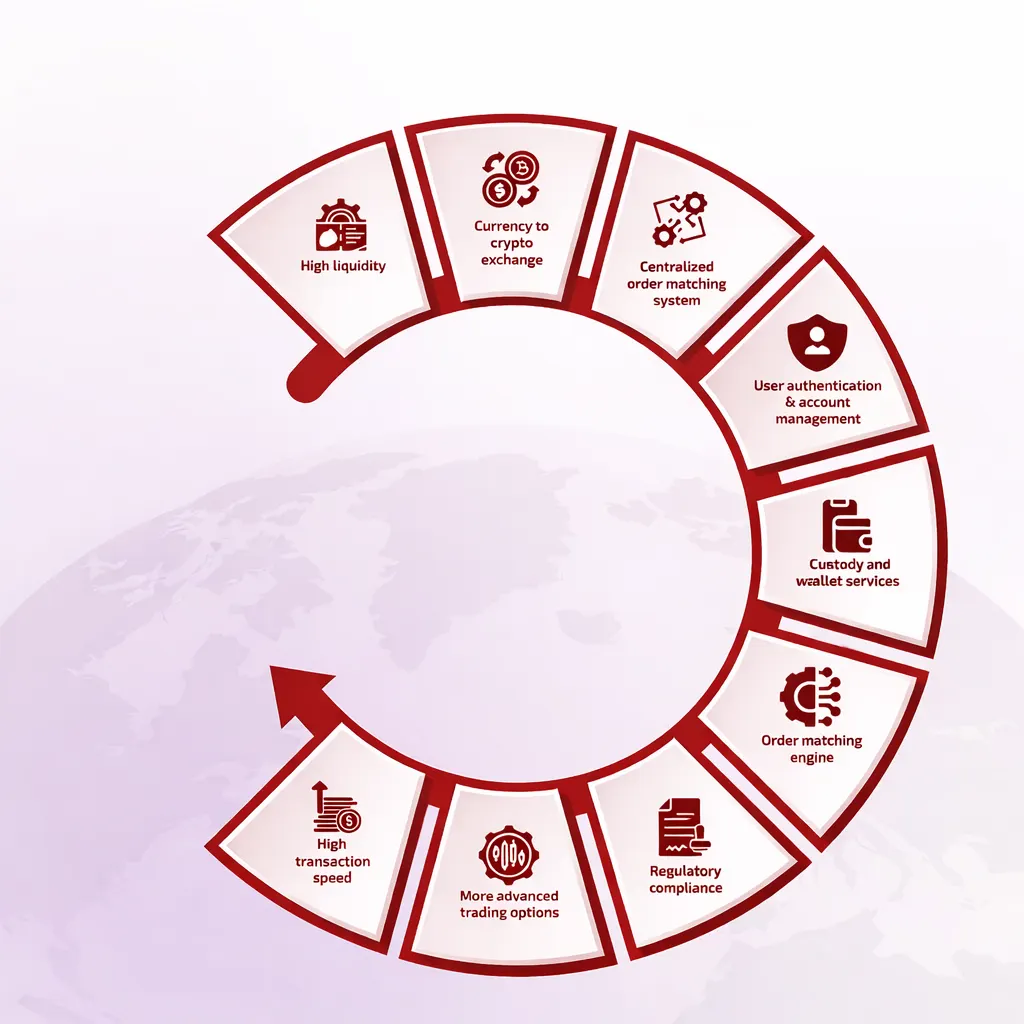
This centralized model offers several distinct advantages. Transaction speeds are significantly faster because trades settle within the exchange’s internal systems rather than waiting for blockchain confirmations. Users enjoy access to advanced trading features like margin trading, futures contracts, and stop-loss orders. Customer support teams can assist with account issues, dispute resolution, and technical problems. The platform can integrate with traditional banking systems, allowing users to deposit and withdraw fiat currencies through bank transfers, credit cards, and other payment methods.
However, this convenience comes with trade-offs. Users must relinquish control of their private keys to the exchange, trusting the platform to safeguard their assets. This creates a single point of failure where security breaches, internal fraud, or company insolvency could result in complete loss of deposited funds. The centralized nature also means users must comply with the platform’s terms of service, verification requirements, and regional restrictions. Additionally, exchanges can experience downtime during periods of high volatility, preventing users from accessing their accounts when they might need to most.
| Characteristic | Centralized Exchange | Description |
|---|---|---|
| Custody Model | Exchange-Controlled | Platform holds private keys and maintains custody of all deposited assets |
| Order Execution | Internal Matching | Trades execute through centralized order books managed by the platform |
| Transaction Speed | Instant Settlement | Internal transfers complete immediately without blockchain confirmation delays |
| Regulatory Status | Licensed Operation | Subject to financial regulations, KYC requirements, and government oversight |
| User Interface | Professional Platform | Intuitive designs with advanced charting, trading tools, and mobile applications |
2. How Does a Centralized Cryptocurrency Exchange Work? Step by Step Guide
Understanding the operational workflow of a centralized bitcoin exchange helps users navigate these platforms effectively while recognizing potential risks and limitations. The process involves multiple stages, from initial account creation through trade execution and fund withdrawal. Each step incorporates various security measures, compliance checks, and technical systems designed to facilitate smooth transactions while protecting user assets and adhering to regulatory requirements.
The exchange lifecycle begins when a prospective user visits the platform and initiates the registration process. This involves providing an email address, creating a secure password, and agreeing to the platform’s terms of service. Most reputable centralized trading platforms immediately require email verification, sending a confirmation link that the user must click to activate their account. This basic security measure ensures the email address belongs to the person registering and provides a communication channel for future security alerts and account notifications.
| Stage | Process Step | Key Actions | Timeline |
|---|---|---|---|
| 1. Registration | Account Creation | Email verification, password setup, 2FA activation | 5-10 minutes |
| 2. Verification | KYC Completion | ID submission, address proof, facial verification | Minutes to 3 days |
| 3. Deposit | Fund Transfer | Fiat or crypto deposit to exchange wallet | Instant to 24 hours |
| 4. Trading | Order Placement | Buy/sell orders matched via order book | Milliseconds |
| 5. Settlement | Account Updates | Balance adjustments, fee deductions | Instant |
| 6. Withdrawal | Fund Extraction | Security checks, blockchain broadcast | Minutes to 5 days |
Following registration, users encounter the Know Your Customer verification process. This compliance requirement varies by jurisdiction and platform, but typically involves submitting government-issued identification documents such as passports or driver’s licenses, proof of address through utility bills or bank statements, and sometimes a selfie or video verification to confirm identity. The exchange’s compliance team or automated systems review these documents to verify authenticity and ensure the user is not on any sanctions lists or engaged in fraudulent activities. This verification unlocks higher deposit limits, withdrawal capabilities, and access to advanced trading features.
Once verified, users can deposit funds into their exchange accounts. For cryptocurrency deposits, the platform generates a unique wallet address for each supported asset. Users send crypto from external wallets to these addresses, and the exchange credits their account after receiving sufficient blockchain confirmations. The number of required confirmations varies by cryptocurrency, with Bitcoin typically requiring three to six confirmations while smaller networks might accept transactions after one confirmation. For fiat deposits, users can initiate bank transfers, wire transfers, or card payments through integrated payment processors, with processing times ranging from minutes to several business days depending on the method and banking system.
With funded accounts, users can begin trading. The exchange interface displays available trading pairs, current prices, order books showing pending buy and sell orders, and historical price charts. Users select their desired trading pair and choose between different order types. Market orders execute immediately at the current best available price, while limit orders specify a maximum purchase price or minimum selling price and only execute when the market reaches those levels. Stop-loss orders automatically sell assets if prices drop to specified thresholds, protecting against excessive losses. The exchange’s matching engine continuously scans the order book, pairing buy and sell orders with compatible prices and instantly executing trades.
After trades execute, the exchange updates user account balances to reflect the new asset holdings and deducts trading fees. These internal balance changes occur instantaneously within the exchange’s database, allowing users to immediately place new orders with their updated balances. The actual cryptocurrency remains in the exchange’s consolidated wallets rather than individual user wallets, with the exchange maintaining detailed internal records of which funds belong to which users. This architecture enables the rapid trading speeds that centralized platforms are known for, as transactions do not require blockchain confirmations until users withdraw funds.
When users decide to withdraw funds, they request transfers to external wallets or bank accounts. For cryptocurrency withdrawals, users provide the destination wallet address and specify the amount to withdraw. The exchange performs security checks, verifies withdrawal permissions, potentially requires additional authentication for large amounts, and then broadcasts the transaction to the appropriate blockchain network. Users typically receive their funds after the transaction confirms on the blockchain, which can take minutes to hours depending on network congestion and the cryptocurrency involved. Fiat withdrawals follow similar security protocols before initiating bank transfers that complete according to standard banking timelines.
3. What Are the Main Features of a Centralized Cryptocurrency Exchange?
Modern centralized crypto exchange platforms have evolved into comprehensive financial ecosystems offering far more than simple buy-and-sell functionality. These sophisticated platforms integrate multiple features designed to serve traders of all experience levels, from beginners making their first crypto purchase to institutional investors executing complex trading strategies. Understanding these features helps users identify which platforms best meet their specific needs while recognizing that more features often correlate with increased complexity and potential security considerations.
The most fundamental feature remains the spot trading marketplace where users exchange one cryptocurrency for another or trade crypto against fiat currencies. This core functionality encompasses hundreds or even thousands of trading pairs on major exchanges, allowing users to access diverse digital assets from Bitcoin and Ethereum to smaller altcoins and newly launched tokens. Advanced trading interfaces provide professional-grade charting tools with technical indicators, real-time order book data, trade history, and customizable layouts that experienced traders expect. Simultaneously, simplified interfaces cater to beginners who need straightforward buying options without overwhelming complexity.
Beyond spot trading, many centralized digital asset exchanges offer derivatives markets including futures contracts, perpetual swaps, and options trading. These instruments allow traders to speculate on price movements with leverage, hedging existing positions or amplifying potential gains and losses. Margin trading enables users to borrow funds from the exchange to increase their trading position sizes, potentially multiplying returns but also magnifying risks. Lending and staking features allow users to earn passive income by providing liquidity to the exchange or locking up assets for specified periods, with interest rates varying based on asset type and market demand.
Security features form another critical category, with reputable platforms implementing multiple protective layers. Two-factor authentication requirements, withdrawal address whitelisting, anti-phishing codes, device management systems, and IP address monitoring all work together to prevent unauthorized account access. Real-time security alerts notify users of login attempts, withdrawal requests, and security setting changes. Some exchanges offer insurance funds that protect user assets in case of platform breaches, while others maintain proof of reserves demonstrating they actually hold the cryptocurrencies they claim to custody.
Critical Security Principle
No centralized trading platform can guarantee absolute security. Users must implement personal security measures including using unique strong passwords, enabling all available security features, regularly monitoring account activity, and never storing more cryptocurrency on exchanges than they can afford to lose. The convenience of centralized platforms must always be balanced against custody risks.
3.2 How Do Centralized Exchanges Provide High Liquidity?
Liquidity represents one of the most important characteristics that distinguish successful centralized cryptocurrency exchanges from struggling platforms. High liquidity means users can quickly buy or sell large quantities of cryptocurrency without significantly impacting market prices, ensuring smooth trade execution and narrow bid-ask spreads. The liquidity on cex crypto exchange platforms typically far exceeds what decentralized alternatives can offer, making them the preferred venue for serious traders and institutions moving substantial capital.
Order Books
The order book system forms the foundation of liquidity provision on centralized exchanges. An order book displays all active buy orders arranged by price from highest to lowest and all sell orders arranged from lowest to highest, creating a transparent view of market supply and demand. When users place limit orders that do not immediately match existing orders, these orders enter the book and remain visible until either they execute against incoming market orders or the user cancels them. Deep order books with numerous orders at various price levels indicate healthy liquidity, while thin order books with large gaps between price levels suggest illiquid markets where trades might experience significant slippage.
Major centralized bitcoin exchanges maintain order books containing millions of dollars worth of buy and sell orders for popular trading pairs like Bitcoin/USD or Ethereum/USD. This depth allows large institutional trades to execute with minimal price impact, as the order book absorbs substantial buying or selling pressure. The exchange’s matching engine continuously processes incoming orders against the book, executing trades in microseconds and updating the book to reflect new market conditions. This real-time matching creates efficient price discovery where market prices accurately reflect the collective assessment of thousands of market participants.
Market Makers
Market makers play an essential role in ensuring consistent liquidity on centralized trading platforms. These specialized traders or automated trading algorithms continuously place both buy and sell orders in the order book, profiting from the bid-ask spread while providing liquidity to other market participants. Professional market making firms often partner with exchanges, receiving reduced trading fees or other incentives in exchange for maintaining tight spreads and deep order books across multiple trading pairs. Their presence ensures that users can execute trades at any time without waiting for natural counterparties to appear.
Without market makers, order books would be sparse and unpredictable, with prices fluctuating wildly based on sporadic trades from retail users. Market makers stabilize prices by constantly offering to buy slightly below market price and sell slightly above it, narrowing spreads and reducing volatility. During periods of high trading activity, market makers absorb excess supply or demand, preventing prices from moving too dramatically in short timeframes. This liquidity provision makes centralized exchanges far more attractive to traders who need confidence that their orders will execute at reasonable prices regardless of order size or timing.
3.3 What Wallet Systems Are Used in Centralized Exchanges?
Wallet architecture represents a critical component of centralized exchange security and functionality. Unlike users who control their own wallets and private keys, exchange users deposit funds into wallets controlled entirely by the platform. The exchange then manages these funds using sophisticated wallet systems designed to balance accessibility for quick trading with security measures that protect against theft and unauthorized access. Understanding how exchanges structure their wallet systems provides insight into the security posture and operational practices of different platforms.
Hot Wallets
Hot wallets are cryptocurrency wallets connected to the internet, enabling immediate access for processing deposits, withdrawals, and internal transfers. Exchanges maintain hot wallets to ensure liquidity for daily operations, allowing users to quickly withdraw funds and facilitating the movement of assets needed for trade settlements. These wallets contain a relatively small percentage of total exchange holdings, typically between five and ten percent of assets, providing sufficient liquidity for normal operations while limiting exposure if the hot wallet is compromised.
The internet connectivity that makes hot wallets functional also renders them vulnerable to hacking attempts. Cybercriminals constantly probe exchange systems looking for weaknesses that might grant access to hot wallet private keys. Despite implementing sophisticated security measures including encrypted key storage, multi-signature requirements, and intrusion detection systems, hot wallets remain the primary target in exchange security breaches. Reputable platforms minimize hot wallet balances, implement automated monitoring for suspicious activity, and maintain insurance coverage specifically for potential hot wallet losses, recognizing that some level of risk is inherent in maintaining internet-connected wallets.
Cold Wallet Storage
Cold storage refers to cryptocurrency wallets completely disconnected from the internet, making them virtually immune to remote hacking attempts. Exchanges store the vast majority of user funds in cold wallets, often using hardware wallets, paper wallets, or air-gapped computers in secure physical locations. These wallets might be distributed across multiple geographic locations, stored in bank vaults or secure facilities, and protected by extensive physical security measures including armed guards, biometric access controls, and surveillance systems.
Accessing cold storage requires deliberate manual processes rather than automated systems. When exchanges need to replenish hot wallet balances or process unusually large withdrawals, authorized personnel must physically access the cold storage location, retrieve the necessary private keys, sign transactions offline, and then broadcast them to the blockchain. This cumbersome process intentionally creates friction that prevents both external attackers and internal bad actors from quickly draining exchange reserves. Leading centralized cryptocurrency exchange platforms publicly disclose their cold storage percentages, with figures of ninety percent or higher indicating strong security practices. Some exchanges even conduct regular proof-of-reserves audits where third parties verify that the exchange actually controls the private keys to wallets holding sufficient assets to cover all user balances.
3.4 Do Centralized Exchanges Support Fiat Currency?
Fiat currency support represents one of the defining advantages that centralized platforms hold over decentralized alternatives. The ability to deposit traditional currencies like US dollars, euros, or British pounds and directly purchase cryptocurrency eliminates the chicken-and-egg problem that new users face when trying to enter the crypto ecosystem. Most major centralized trading platforms have invested heavily in banking relationships, payment processor integrations, and regulatory compliance specifically to offer robust fiat on-ramps and off-ramps that make cryptocurrency accessible to mainstream users.
Fiat Deposits and Withdrawals
Exchanges offer multiple methods for users to deposit fiat currency into their accounts. Bank transfers represent the most common option, allowing users to send funds directly from their bank accounts to the exchange’s business banking accounts. These transfers typically carry low or zero fees but require several business days to process, particularly for international transfers. Wire transfers offer faster processing at higher costs, often completing within 24 hours but charging fees of $15 to $50 per transaction. Once deposits clear, the exchange credits user accounts with the corresponding fiat balance, enabling immediate cryptocurrency purchases.
Withdrawing fiat currency follows reverse processes with similar timelines and fees. Users request withdrawals to registered bank accounts, the exchange conducts security verification, and then initiates the transfer through banking systems. Processing times vary by country, banking infrastructure, and regulatory requirements, with domestic transfers typically completing in one to three business days while international transfers might require up to five days. Exchanges often impose withdrawal limits based on verification levels, with fully verified accounts enjoying much higher limits than basic accounts. Understanding these limits before depositing large amounts prevents frustrating situations where users cannot quickly access their funds.
Bank and Card Integrations
Credit and debit card purchases provide the fastest way to acquire cryptocurrency on centralized exchanges, with transactions completing almost instantly. Users link their cards to exchange accounts, specify purchase amounts, and immediately receive cryptocurrency at current market rates. However, convenience comes at a premium, with card transaction fees typically ranging from three to five percent of the purchase amount. Additionally, banks sometimes categorize crypto purchases as cash advances rather than standard purchases, potentially triggering additional fees and higher interest rates on credit card transactions.
Some exchanges have developed partnerships with payment platforms like PayPal, Apple Pay, and Google Pay, offering even more seamless purchasing experiences. These integrations allow users to buy cryptocurrency without manually entering card details or bank information, leveraging existing payment method credentials stored in these services. Regional payment methods also appear on exchanges serving specific markets, with platforms supporting local transfer systems, mobile payment apps, and country-specific banking protocols to maximize accessibility. The diversity of payment options reflects exchanges’ recognition that reducing friction in fiat-to-crypto conversions directly impacts user acquisition and trading volume.
4. How Secure Are Centralized Cryptocurrency Exchanges?
Security remains the paramount concern when evaluating centralized cryptocurrency exchange platforms. The history of the cryptocurrency industry includes numerous high-profile exchange hacks resulting in hundreds of millions or even billions of dollars in stolen assets. From the catastrophic Mt. Gox collapse in 2014 to more recent breaches at platforms that seemed secure, the track record demonstrates that no centralized exchange can claim perfect security. However, the industry has learned from these failures, with leading platforms now implementing sophisticated security architectures that significantly reduce but never completely eliminate risk.
The fundamental security challenge stems from the centralized custody model. When users deposit cryptocurrency into exchange accounts, they transfer control of their private keys to the platform. This creates an attractive target for cybercriminals, as successfully breaching one exchange potentially grants access to assets belonging to millions of users. Unlike traditional banking where deposit insurance and regulatory protections provide safety nets, cryptocurrency theft is often irreversible and uninsured. This reality demands that users conduct thorough due diligence before trusting any platform with significant assets.
Modern centralized exchange security encompasses multiple layers addressing different threat vectors. Technical measures protect against external hacking attempts, while operational security procedures guard against internal threats from rogue employees or compromised staff accounts. Regulatory compliance demonstrates commitment to legal operation and provides recourse if problems occur. Insurance coverage offers financial protection against certain breach scenarios. Physical security protects cold storage facilities. Together, these measures create defense-in-depth architectures where multiple independent security controls must fail before attackers can successfully steal funds.
| Security Measure | Purpose | Effectiveness | User Action Required |
|---|---|---|---|
| Cold Storage | Protect bulk holdings from online attacks | Very High | None (Platform responsibility) |
| Two-Factor Authentication | Prevent unauthorized account access | High | Enable and secure backup codes |
| Withdrawal Whitelisting | Limit withdrawals to approved addresses | High | Configure whitelist addresses |
| Insurance Fund | Reimburse users after breaches | Medium | Verify fund adequacy |
| Regular Security Audits | Identify and fix vulnerabilities | Medium | Review published audit reports |
| Email/SMS Notifications | Alert users to suspicious activity | Medium | Monitor alerts carefully |
4.1 How Do Centralized Exchanges Protect User Funds?
Fund protection strategies on centralized digital asset exchanges combine technical safeguards, operational procedures, and financial instruments. The cold storage architecture discussed earlier represents the first line of defense, keeping the majority of user assets offline where they cannot be accessed through internet-based attacks. Beyond this fundamental measure, exchanges implement sophisticated systems designed to detect and prevent both external attacks and internal fraud attempts that threaten user funds.
Multi-signature wallet technology requires multiple private keys to authorize transactions, preventing any single individual from unilaterally moving funds. For example, a three-of-five multi-signature setup might require three out of five designated key holders to sign any transaction before it executes. These key holders might be different executives within the exchange, geographically distributed to prevent physical compromise, and required to use separate authentication devices. This arrangement protects against both external hackers who might compromise one key and internal bad actors who cannot single-handedly authorize fraudulent transfers.
Insurance coverage has become increasingly common on reputable exchanges, though the specifics vary dramatically between platforms. Some exchanges maintain insurance funds consisting of reserve cryptocurrency that can reimburse users if a breach occurs. Others purchase traditional insurance policies from specialized cryptocurrency custody insurers, though these policies often contain exclusions, deductibles, and coverage limits that might not fully protect users in major incidents. A few platforms participate in industry insurance pools where multiple exchanges contribute to shared funds that protect against systemic risks. Users should carefully research the specific insurance arrangements their chosen platform offers, recognizing that insurance provides a safety net but should not replace due diligence in platform selection.
Proof of reserves represents an emerging transparency measure where exchanges cryptographically prove they control sufficient assets to cover all user balances. Independent auditors verify that the exchange’s wallet addresses actually contain the claimed amounts of various cryptocurrencies, providing users with evidence that their deposits are backed by real assets rather than phantom balances in a database. While not guaranteeing solvency or preventing theft, proof of reserves demonstrates that the exchange is not running a fractional reserve scheme where they operate with less cryptocurrency than they owe to users. This transparency helps identify platforms operating with questionable financial practices before problems escalate into full-scale collapses.
4.2 What Account Security Features Do CEX Platforms Use?
Account security features protect individual user access credentials and prevent unauthorized parties from taking control of accounts. Even with robust platform-wide security measures protecting the exchange’s infrastructure, compromised individual accounts can still result in theft if attackers gain access to user login credentials. Centralized Exchange Security therefore requires strong authentication systems that verify user identity before granting account access while maintaining reasonable usability for legitimate users.
Two-factor authentication forms the cornerstone of account security on modern platforms. This security measure requires users to provide two different types of credentials: something they know (password) and something they have (authentication code from a physical device or app). Time-based one-time passwords generated by authenticator applications like Google Authenticator or Authy provide strong security by producing unique six-digit codes that change every 30 seconds. Even if attackers steal a user’s password through phishing or data breaches, they cannot access the account without also possessing the authentication device. SMS-based two-factor authentication offers a less secure alternative, as attackers can potentially intercept text messages through SIM swap attacks, but it remains significantly better than password-only authentication.
Withdrawal address whitelisting allows users to specify approved cryptocurrency wallet addresses for withdrawals, blocking any attempts to send funds to addresses not on the whitelist. When enabled, adding new withdrawal addresses typically requires waiting periods of 24 to 48 hours before the addresses become active, giving users time to detect and cancel unauthorized changes. This feature dramatically reduces theft risk because even if attackers compromise an account, they cannot immediately extract funds to addresses they control. The time delay provides opportunities for legitimate users to notice suspicious activity through email notifications and take corrective action before theft occurs.
Additional security features available on leading platforms include anti-phishing codes, where the exchange includes a user-selected secret phrase in all official emails to help identify legitimate communications from phishing attempts. Device management systems let users review all devices accessing their accounts and remotely disconnect suspicious sessions. IP address whitelisting restricts account access to specified geographic locations or network addresses. Login history provides audit trails showing when and where account access occurred. Security alerts via email and SMS notify users immediately when sensitive actions occur, including logins from new devices, withdrawal requests, security setting changes, and API key modifications. Together, these features create comprehensive account protection that significantly reduces unauthorized access risks.
4.3 Why Is KYC and AML Important in Centralized Exchanges?
Know Your Customer and Anti-Money Laundering procedures serve multiple critical functions in the centralized crypto exchange ecosystem. While some users view these requirements as intrusive privacy violations, they provide essential protections for both the platform and its users while enabling the legal operation necessary for exchanges to offer fiat currency integration and mainstream accessibility. Understanding the purposes behind KYC and AML helps users appreciate why reputable platforms enforce these requirements and why exchanges operating without proper compliance should raise immediate red flags.
From a regulatory perspective, financial services companies in virtually every jurisdiction must verify customer identities and monitor transactions for suspicious activity. These requirements exist to combat money laundering, terrorist financing, tax evasion, and other financial crimes. Exchanges that fail to implement adequate KYC and AML procedures face severe consequences including substantial fines, loss of banking relationships, criminal prosecution of executives, and forced shutdowns. The regulatory landscape has intensified significantly in recent years, with governments worldwide implementing stricter cryptocurrency regulations. Platforms operating in regulatory grey areas or openly flouting compliance requirements face uncertain futures and pose higher risks to users who might suddenly lose access to funds if regulators force platform closures.
For users, KYC verification provides important benefits despite privacy trade-offs. Verified accounts gain legal protections unavailable on anonymous platforms, including recourse through courts or regulatory agencies if disputes arise. The verification process deters criminals from using the platform, reducing the likelihood that law enforcement investigations will freeze exchange operations or seize user funds as part of criminal cases. Banking relationships that enable fiat deposits and withdrawals require exchanges to meet strict compliance standards, so KYC directly enables the convenient fiat on-ramps that make exchanges accessible to mainstream users. Additionally, verified identity can help users recover accounts if they lose access credentials, whereas anonymous accounts offer no recovery options.
AML monitoring systems analyze transaction patterns to identify suspicious activity that might indicate money laundering, fraud, or other financial crimes. These systems flag unusual patterns like rapid deposits followed by immediate withdrawals, transactions involving known criminal wallet addresses, or activity consistent with structured transactions designed to evade reporting thresholds. While these monitoring systems can occasionally produce false positives that inconvenience legitimate users, they serve important functions in maintaining the exchange’s legal standing and preventing the platform from becoming a conduit for criminal proceeds. Exchanges must report suspicious transactions to relevant authorities, cooperate with law enforcement investigations, and maintain detailed transaction records for specified periods.
5. What Are the Benefits of Using a Centralized Cryptocurrency Exchange?
Despite the custody risks and privacy concerns associated with centralized platforms, they offer compelling advantages that explain their continued dominance in cryptocurrency trading volume. These benefits stem from the platforms’ ability to leverage centralized control, significant capital investment, and economies of scale to provide services that decentralized alternatives struggle to match. Understanding these advantages helps users make informed decisions about when centralized exchanges represent the best choice for their needs versus situations where alternative platforms might be more appropriate.
The user experience on centralized platforms generally far exceeds what decentralized exchanges offer. Professional interface design, intuitive navigation, comprehensive educational resources, and responsive customer support create welcoming environments for users unfamiliar with cryptocurrency complexities. The platforms handle technical details behind the scenes, abstracting away blockchain intricacies and presenting simplified interfaces that require no understanding of gas fees, private key management, or wallet interactions. This accessibility has been crucial in driving mainstream cryptocurrency adoption, as non-technical users can participate without mastering complex technical concepts.
Trading performance advantages include significantly faster transaction speeds, deeper liquidity pools, and more sophisticated order types than decentralized alternatives typically provide. Internal settlement systems enable instant trades without waiting for blockchain confirmations, crucial for traders executing time-sensitive strategies. The concentrated liquidity on major centralized platforms ensures tight bid-ask spreads and minimal slippage even for large orders, making them essential for professional traders and institutions moving substantial capital. Advanced features like margin trading, futures contracts, and algorithmic trading API access cater to sophisticated users whose needs exceed simple buying and selling.
| Benefit Category | Specific Advantages | User Impact |
|---|---|---|
| Accessibility | Fiat on-ramps, simple interfaces, mobile apps | Easy entry for beginners with no technical expertise |
| Liquidity | Deep order books, tight spreads, instant execution | Better prices and immediate trade settlement |
| Features | Advanced orders, margin trading, derivatives | Comprehensive trading strategies for professionals |
| Support | 24/7 customer service, dispute resolution | Assistance when problems or questions arise |
| Asset Selection | Hundreds of trading pairs, new token listings | Access to diverse investment opportunities |
5.1 Why Are Centralized Exchanges Easier for Beginners?
New cryptocurrency investors face steep learning curves when entering the space, with technical concepts like private keys, blockchain confirmations, and gas fees creating barriers to entry. Centralized cryptocurrency exchange platforms deliberately design experiences that minimize these obstacles, guiding beginners through simplified processes that require minimal technical knowledge. This accessibility has been instrumental in expanding cryptocurrency adoption beyond early tech-savvy adopters to mainstream users who simply want to invest in digital assets without becoming blockchain experts.
The account creation and verification process on centralized platforms closely mirrors opening traditional brokerage accounts, leveraging familiar patterns that users already understand from conventional financial services. Simple email registration, straightforward ID verification through document uploads, and guided tutorials walk new users through initial setup. Once registered, purchasing cryptocurrency requires only selecting an asset, entering a purchase amount, and confirming payment through familiar methods like credit cards or bank transfers. The complexity of blockchain addresses, transaction fees, and network selection remains hidden behind user-friendly interfaces that present simple buy buttons and clear price displays.
Educational resources provided by leading centralized trading platforms help beginners understand cryptocurrency fundamentals without requiring formal study. Video tutorials explain basic concepts, interactive guides demonstrate platform features, and comprehensive help centers answer common questions. Some exchanges offer simulated trading environments where beginners can practice without risking real money, building confidence before making actual investments. This educational infrastructure accelerates the learning process, transforming complete novices into competent traders within days or weeks rather than months of self-directed study.
The abstraction of technical details represents perhaps the most important beginner-friendly characteristic. New users need not understand blockchain technology to use centralized exchanges successfully. The platform handles wallet management, security measures, transaction broadcasting, and network fee calculations automatically. Users see familiar concepts like account balances, transaction histories, and simple buy/sell interfaces rather than cryptographic addresses, gas limit selections, and blockchain confirmation tracking. This simplification allows beginners to focus on investment decisions rather than technical execution, significantly lowering the knowledge barrier for cryptocurrency participation.
5.2 Why Do Traders Prefer Centralized Exchanges for Speed?
Trading speed encompasses multiple dimensions beyond simple transaction processing times. For active traders executing multiple trades daily or employing time-sensitive strategies, every millisecond matters in capturing profitable opportunities before market conditions change. Centralized platforms optimize for speed across all aspects of the trading experience, from order placement through execution and settlement, creating performance advantages that decentralized alternatives cannot currently match despite technological improvements.
Internal settlement systems represent the primary speed advantage. When users trade on centralized exchanges, transactions settle within the platform’s internal databases rather than requiring blockchain confirmations. This architectural decision enables instantaneous trade execution, with orders matching and accounts updating in milliseconds. Traders can immediately place new orders using funds from just-completed trades, executing complex multi-step strategies without waiting minutes or hours for blockchain transactions to confirm. This speed advantage is particularly crucial during high-volatility periods when prices change rapidly and seconds of delay can mean missing profitable entry or exit points.
High-performance matching engines process thousands of orders per second, ensuring that trades execute immediately when matching buy and sell orders appear. These specialized systems use optimized algorithms and dedicated hardware to minimize latency, often processing orders in single-digit milliseconds. Professional traders appreciate this responsiveness for executing market-making strategies, arbitrage opportunities, and algorithmic trading that depends on split-second execution. The consistency of execution speeds on centralized platforms contrasts sharply with decentralized exchanges where transaction speeds vary based on blockchain network congestion and users must compete for block space during busy periods.
API access for automated trading enables programmatic order placement with minimal latency. Traders develop custom algorithms that analyze market conditions and execute trades automatically based on predefined criteria. The combination of robust APIs, high-performance matching engines, and internal settlement creates environments where sophisticated trading strategies can operate efficiently. This infrastructure supports high-frequency trading, statistical arbitrage, and other advanced techniques that require reliable, low-latency execution. Such capabilities remain largely unavailable or impractical on decentralized platforms where blockchain constraints impose fundamental speed limitations.
5.3 How Do Centralized Exchanges Offer Better Customer Support?
Customer support quality often determines user satisfaction, particularly when problems arise. Cryptocurrency transactions are typically irreversible, account access issues can lock users out of significant funds, and technical difficulties can prevent critical trades during volatile markets. Centralized platforms maintain dedicated support teams capable of addressing these issues, providing a safety net unavailable on decentralized protocols where users must solve problems independently or seek community assistance without any official recourse.
Multi-channel support accessibility ensures users can reach help through their preferred communication methods. Email support tickets allow detailed problem descriptions with attachments, live chat provides immediate assistance for urgent issues, and phone support offers direct conversation with support representatives for complex situations. Social media monitoring catches public complaints that might otherwise go unnoticed, while comprehensive help centers with searchable knowledge bases enable self-service problem resolution for common issues. This variety of contact methods accommodates different user preferences and problem severities, ensuring appropriate assistance availability regardless of the situation.
Specialized support teams handle different issue categories, with trained representatives possessing expertise in their specific domains. Technical support resolves platform malfunctions, connectivity issues, and feature bugs. Account specialists assist with verification problems, suspended accounts, and access recovery. Trading support explains platform features, helps with order placement questions, and addresses execution concerns. Financial support handles deposit delays, withdrawal issues, and transaction inquiries. This specialization enables faster problem resolution as users connect with representatives who thoroughly understand the specific issues they face rather than generalists who might need to escalate or research solutions.
Account recovery procedures provide crucial assistance when users lose access credentials or face security compromises. While decentralized platforms offer no recovery options if users lose private keys, centralized exchanges can verify user identities through KYC information and restore account access following security protocols. This safety net proves invaluable for users who forget passwords, lose two-factor authentication devices, or discover unauthorized account access. The ability to freeze accounts, reverse unauthorized transactions in certain circumstances, and work with users to restore legitimate access represents a significant advantage over the unforgiving nature of decentralized systems where mistakes often result in permanent fund loss.
6. What Is the Difference Between Centralized and Decentralized Exchanges?
The centralized vs decentralized exchange debate represents a fundamental philosophical and practical divide in cryptocurrency trading infrastructure. These two models embody different priorities regarding user control, privacy, security, performance, and regulatory compliance. Understanding the distinctions helps users choose appropriate platforms for specific needs, recognizing that neither model is universally superior but rather each excels in different contexts and serves different user priorities.
The custody model forms the most fundamental difference. Centralized cryptocurrency exchanges require users to deposit funds into exchange-controlled wallets, transferring custody and control to the platform. Users trust the exchange to safeguard assets, honor withdrawal requests, and operate honestly. In contrast, decentralized exchanges allow users to trade directly from their own wallets, maintaining custody throughout the trading process. Smart contracts facilitate trades without intermediaries taking possession of funds, eliminating custody risk but requiring users to manage their own security and accept irreversibility if mistakes occur.
Regulatory compliance and privacy represent opposing priorities between the two models. Centralized platforms typically require extensive identity verification, collect substantial personal information, maintain detailed transaction records, and cooperate with government investigations. This compliance enables legal operation, fiat integration, and institutional participation but sacrifices user privacy. Decentralized exchanges generally require no identity verification, maintain no central database of user information, and cannot comply with government data requests because they possess no such data. Users who prioritize privacy prefer decentralized options, while those valuing regulatory protections and fiat accessibility choose centralized platforms.
| Characteristic | Centralized Exchange | Decentralized Exchange |
|---|---|---|
| Custody | Platform controls private keys | Users retain private key control |
| Speed | Instant internal settlement | Depends on blockchain confirmation times |
| Liquidity | Very high with deep order books | Often lower with wider spreads |
| Privacy | Requires KYC verification | Generally anonymous trading |
| Fiat Support | Direct fiat deposits/withdrawals | Limited or no fiat options |
| User Experience | Intuitive interfaces for beginners | More complex, technical knowledge required |
| Fees | Fixed trading fees per transaction | Variable network fees plus protocol fees |
| Security Risk | Platform breach or insolvency | User error or smart contract vulnerabilities |
Performance characteristics differ dramatically between the models. Centralized platforms excel at speed, liquidity, and user experience while sacrificing user control and introducing single points of failure. Decentralized platforms prioritize censorship resistance and user sovereignty while accepting lower performance and more complex user experiences. Trading volume demonstrates the practical implications of these trade-offs, with the vast majority of cryptocurrency trading occurring on centralized platforms despite the growing sophistication of decentralized alternatives. This volume concentration reflects user preferences for convenience, speed, and fiat accessibility over the ideological benefits of decentralization.
The security risk profiles differ fundamentally rather than one model being categorically safer. Centralized exchanges face hacking risks that could compromise millions of users simultaneously, but they also implement professional security measures, maintain insurance, and can recover from some types of attacks. Decentralized exchanges eliminate platform breach risks but transfer security responsibility entirely to users who might lose funds through personal mistakes, phishing attacks, or smart contract vulnerabilities. Neither model eliminates risk; they merely shift where risks manifest and who bears responsibility for managing them.
7. What Are the Risks of Centralized Cryptocurrency Exchanges?
While centralized platforms offer numerous advantages, users must understand and accept significant risks inherent in the custody model. The history of cryptocurrency exchanges includes catastrophic failures resulting in complete loss of user funds, regulatory shutdowns leaving customers unable to withdraw assets, and fraud perpetrated by exchange operators themselves. Even reputable platforms cannot guarantee perfect security, and the rapid evolution of the cryptocurrency industry means regulatory and operational risks continue emerging. Informed users carefully weigh these risks against the benefits before trusting significant assets to any centralized platform.
Security breaches represent the most visible and historically damaging risk category. Major exchange hacks have resulted in hundreds of millions of dollars in stolen cryptocurrency, with early industry players like Mt. Gox losing approximately 850,000 Bitcoin and more recent incidents affecting supposedly secure platforms. Despite significant security improvements across the industry, exchanges remain attractive targets for sophisticated criminal organizations and state-sponsored hacking groups. The centralized custody model creates single points of failure where successful attacks grant access to assets belonging to potentially millions of users. While cold storage protects the majority of funds on secure platforms, hot wallet breaches can still result in substantial losses.
Insolvency and fraud represent existential risks where exchanges become unable or unwilling to honor withdrawal requests. The spectacular collapse of FTX in 2022 demonstrated that even large, seemingly reputable platforms can engage in fraudulent practices including misappropriating customer funds for risky investments, maintaining inadequate reserves, and operating with insufficient internal controls. Users who deposited assets before these problems became public knowledge faced months or years of bankruptcy proceedings with uncertain prospects for fund recovery. This risk extends beyond obvious fraud to include mismanagement, excessive risk-taking, and operational failures that render exchanges unable to meet obligations even without malicious intent.
Regulatory risks have intensified as governments worldwide develop cryptocurrency oversight frameworks. Exchanges operating without proper licenses face potential shutdowns that could freeze customer funds during investigations or force rushed liquidations. Regulatory changes can suddenly restrict services in certain jurisdictions, leaving users in affected regions unable to access accounts. Some platforms face legal actions including massive fines, criminal charges against executives, or forced restructuring that disrupts normal operations. Users must consider both the current regulatory status of their chosen exchange and the likelihood that future regulatory developments might negatively impact the platform’s operations or their ability to access funds.
Operational risks include technical failures, system outages, and liquidity crises that prevent users from accessing accounts or executing trades. Major price movements often coincide with exchange downtime, either because high trading volume overwhelms system capacity or because exchanges deliberately suspend trading to manage risk. These outages can trap users in losing positions or prevent them from capitalizing on profitable opportunities. Withdrawal delays, frozen accounts pending investigation, and sudden policy changes can restrict user access to funds even when no security breach or insolvency occurs. The centralized control that enables convenient features also enables platforms to unilaterally impose restrictions that users cannot circumvent.
Risk Management Principle
Never store more cryptocurrency on any centralized trading platform than you can afford to lose completely. Use exchanges primarily as trading venues rather than long-term storage solutions. Withdraw funds to personal wallets where you control private keys whenever you do not need immediate trading access. Diversify holdings across multiple platforms if you must maintain exchange balances, reducing exposure to any single platform’s failure. These practices significantly mitigate but never eliminate custody risks.
8. Who Should Use a Centralized Cryptocurrency Exchange?
Centralized platforms serve specific user profiles particularly well while being less suitable for others. Understanding whether your needs, priorities, and risk tolerance align with the centralized exchange model helps determine if these platforms represent appropriate choices for your cryptocurrency activities. The decision should consider factors including experience level, trading frequency, asset amounts, privacy concerns, and willingness to accept custody risks in exchange for convenience benefits.
Beginners represent the user group that benefits most clearly from centralized bitcoin exchange platforms. New cryptocurrency investors lack the technical knowledge to safely manage private keys, understand blockchain intricacies, or navigate complex decentralized platforms. The simplified interfaces, educational resources, fiat on-ramps, and customer support available on centralized platforms dramatically lower barriers to entry. Beginners can start with small amounts, learn cryptocurrency fundamentals within protective environments that offer account recovery and dispute resolution, and gradually develop expertise before potentially transitioning to more advanced platforms. The risks of custody loss or platform failure are significant but manageable with small initial investments, while the learning curve for self-custody and decentralized alternatives might prevent beginners from participating at all.
Active traders who execute frequent transactions prioritize speed, liquidity, and advanced features over self-custody considerations. The instant settlement, deep order books, sophisticated order types, and professional trading tools available on centralized platforms are essential for day trading, arbitrage strategies, and high-frequency trading. These users accept custody risks as necessary trade-offs for the performance characteristics their trading strategies require. The ability to quickly move between positions, execute complex multi-leg trades, and leverage advanced analysis tools justifies trusting exchanges with trading capital. However, even active traders should withdraw long-term holdings to personal wallets, maintaining only actively traded positions on exchanges.
Users requiring fiat integration find centralized platforms practically necessary. Converting between cryptocurrency and traditional currencies remains difficult or impossible on most decentralized platforms, making centralized exchanges the primary gateway between traditional finance and cryptocurrency markets. People who need to regularly move money between bank accounts and cryptocurrency holdings, receive cryptocurrency as income that must convert to fiat for expenses, or gradually accumulate cryptocurrency from fiat savings benefit from the seamless fiat integration that centralized platforms provide. This need for fiat bridges often outweighs other considerations for mainstream users whose financial lives primarily exist within traditional currency systems.
Conversely, privacy-conscious users, those holding large amounts of cryptocurrency long-term, and individuals with strong self-sovereignty principles may find centralized platforms unsuitable. The extensive KYC requirements, transaction monitoring, and potential for government data requests conflict with privacy goals. Large holders face unacceptable risks storing substantial assets under custodial control where platform failures could result in catastrophic losses. Users philosophically committed to cryptocurrency’s decentralization ideals might reject centralized platforms regardless of convenience benefits, preferring to accept the complexities of self-custody and decentralized trading as necessary for aligning actions with principles.
9. How Do Centralized Cryptocurrency Exchanges Make Money?
Understanding exchange revenue models provides insight into platform incentives, potential conflicts of interest, and sustainability of business models. Centralized platforms operate as for-profit businesses requiring substantial revenue to cover operational expenses including infrastructure costs, employee salaries, security investments, regulatory compliance, and marketing. The diversity of revenue streams employed by successful exchanges demonstrates the financial scale necessary to operate secure, high-performance trading platforms while also revealing how some revenue sources might create incentives that do not perfectly align with user interests.
Trading fees represent the primary and most straightforward revenue source for centralized digital asset exchanges. Platforms charge percentage-based fees on each trade, typically ranging from 0.1% to 0.5% per transaction with many exchanges charging both maker and taker fees. Maker fees apply to orders that add liquidity to the order book by not immediately matching existing orders, while taker fees apply to orders that immediately match and remove liquidity. Some platforms offer fee discounts based on trading volume, incentivizing high-frequency traders to concentrate activity on a single platform. With major exchanges processing billions of dollars in daily trading volume, even small percentage fees generate enormous revenue streams that fund platform operations and profitability.
Listing fees charged to cryptocurrency projects wanting their tokens available for trading represent substantial secondary income sources. New projects often pay exchanges anywhere from tens of thousands to millions of dollars for the privilege of listing, with the fee amounts typically correlating with the exchange’s size and prestige. This practice creates potential conflicts where exchanges might list projects based on payment amounts rather than quality or legitimacy, potentially exposing users to scam tokens or low-quality projects. Reputable platforms implement thorough vetting processes before accepting listings, but the financial incentive to list marginal projects exists regardless of stated policies.
Withdrawal fees provide additional transaction-based revenue. While deposits typically occur without fees to encourage users to bring funds onto the platform, withdrawals often incur charges meant to cover blockchain transaction costs plus additional profit margins. These fees vary significantly between cryptocurrencies based on network transaction costs, with Bitcoin withdrawals typically costing more than withdrawals of assets on cheaper networks. Some platforms set withdrawal fees substantially higher than actual blockchain costs, generating meaningful profit from users moving funds off the exchange. This practice incentivizes users to keep funds on-platform rather than practicing secure self-custody, creating tension between platform business interests and user security best practices.
Advanced trading features like margin trading, futures contracts, and lending services generate additional revenue streams. Margin trading allows users to borrow funds for leveraged positions, with exchanges charging interest on borrowed amounts. Liquidation fees apply when leveraged positions move against traders and the exchange forcefully closes positions to prevent losses exceeding deposited collateral. Lending services where users earn interest on deposited cryptocurrency involve exchanges borrowing these funds and lending them to margin traders or external parties at higher rates, profiting from the spread. These sophisticated financial services can generate substantial revenue but also introduce operational risks if not properly managed.
| Revenue Source | Typical Rates | Revenue Potential | User Impact |
|---|---|---|---|
| Trading Fees | 0.1% to 0.5% per trade | Very High | Direct cost on every transaction |
| Listing Fees | $50,000 to $1,000,000+ | High | May influence token quality |
| Withdrawal Fees | Varies by cryptocurrency | Medium | Cost when moving funds off-platform |
| Margin Interest | 5% to 15% annually | Medium | Significant cost for leveraged traders |
| Premium Subscriptions | $10 to $100+ monthly | Low to Medium | Optional advanced features |
| Native Token Sales | Variable | High (one-time) | Can provide fee discounts |
10. How to Choose a Safe Centralized Cryptocurrency Exchange?
Selecting a secure and reliable centralized crypto exchange requires thorough evaluation across multiple criteria. With hundreds of platforms operating globally and varying dramatically in quality, security, and legitimacy, users must conduct careful due diligence before entrusting any exchange with funds. The evaluation process should be systematic, examining objective factors rather than relying on marketing claims or superficial impressions. Users who rush into platform selection based on promotional offers or inadequate research significantly increase their exposure to security breaches, fraud, and operational failures.
Regulatory compliance and licensing provide the first filter for identifying legitimate platforms. Exchanges operating with proper licenses from respected financial regulators demonstrate commitment to legal operation, consumer protection, and ongoing oversight. Look for licenses from jurisdictions with robust regulatory frameworks such as the United States, United Kingdom, Japan, Singapore, or European Union member states. Verify licensing claims independently through regulatory agency websites rather than trusting exchange statements alone. Unlicensed platforms or those operating from jurisdictions with minimal oversight should raise immediate red flags regardless of other attractive features. Regulatory compliance may seem burdensome with its KYC requirements and transaction monitoring, but it provides crucial protections and accountability if problems arise.
Security track record and transparent practices separate well-managed exchanges from vulnerable platforms. Research whether exchanges have suffered past security breaches, how they responded to incidents, and whether affected users received compensation. Platforms that have operated for years without major security incidents demonstrate competent security management, though past performance never guarantees future safety. Look for exchanges that publicly disclose security practices including cold storage percentages, insurance coverage amounts, regular security audit results, and proof of reserves. Transparency in these areas indicates confidence in security posture and willingness to be held accountable, while secretive platforms may be hiding inadequate practices or reserves.
User experience quality reflects on overall platform competence and commitment to customer service. Test platform interfaces before depositing significant funds, evaluating navigation intuitiveness, feature accessibility, and information clarity. Review customer support quality by checking response times to inquiries, reading user reviews on independent platforms, and assessing available support channels. Exchanges investing in professional user experiences and responsive support typically demonstrate broader organizational competence extending to security and financial management. Conversely, platforms with poor interfaces, unresponsive support, or frequent technical issues often exhibit corresponding weaknesses in critical operational areas.
| Evaluation Criteria | What to Look For | Red Flags |
|---|---|---|
| Regulatory Status | Valid licenses from recognized authorities | No licensing, offshore-only operation |
| Security Measures | 90%+ cold storage, insurance, audits | Vague security claims, no transparency |
| Track Record | Years of operation without major incidents | Recent breaches, unresolved complaints |
| Transparency | Proof of reserves, public team, clear policies | Anonymous operators, hidden reserves |
| Fee Structure | Clearly disclosed, competitive rates | Hidden fees, excessive charges |
| Liquidity | Deep order books, tight spreads | Thin markets, wide bid-ask spreads |
| Support Quality | Responsive, helpful, multiple channels | Slow responses, unresolved issues |
Fee structures deserve careful examination as seemingly small differences compound significantly over time for active traders. Compare trading fees, withdrawal costs, deposit charges, and any subscription fees across multiple platforms. Calculate total costs based on your expected trading patterns rather than focusing on isolated fee components. Some exchanges advertise zero trading fees but compensate with higher spreads or expensive withdrawals, making total costs higher than competitors with transparent fee structures. Understanding the complete cost picture enables informed platform selection aligned with your trading frequency and typical transaction sizes.
Asset selection and trading pair availability should match your investment needs. Verify that exchanges support the specific cryptocurrencies you want to trade and offer convenient trading pairs for your preferred strategies. Larger platforms typically list hundreds of assets including major cryptocurrencies and numerous altcoins, while smaller or specialized exchanges might focus on specific market segments. Consider whether you need advanced features like margin trading, futures contracts, or staking options, and ensure your chosen platform offers these capabilities if relevant to your trading approach.
11. Are Centralized Cryptocurrency Exchanges Still Relevant in 2026?
The cryptocurrency ecosystem continues evolving rapidly, with technological advances improving decentralized alternatives and regulatory developments reshaping the competitive landscape. Questions naturally arise about whether centralized platforms will maintain their dominance or gradually cede market share to decentralized protocols that better align with cryptocurrency’s foundational principles. Evaluating the ongoing relevance of centralized cryptocurrency exchange platforms requires examining current market dynamics, technological trajectories, regulatory trends, and fundamental user needs that drive platform preferences.
Market data conclusively demonstrates that centralized platforms remain overwhelmingly dominant in 2026. The vast majority of cryptocurrency trading volume continues flowing through centralized exchanges, with leading platforms processing tens of billions of dollars in daily transactions. This concentration reflects persistent user preferences for the convenience, speed, liquidity, and features that centralized platforms provide. Despite philosophical arguments favoring decentralization, mainstream users consistently choose centralized options when actual trading and investment decisions occur. The gap between decentralized trading volume and centralized volume, rather than narrowing significantly, has remained relatively stable or even widened in certain metrics.
Institutional adoption increasingly depends on centralized infrastructure that meets regulatory requirements and professional standards. Large financial institutions, hedge funds, and corporate treasuries entering cryptocurrency markets demand the regulatory compliance, insurance coverage, professional custody solutions, and legal clarity that only licensed centralized platforms can provide. Decentralized protocols, regardless of technical sophistication, cannot offer the regulatory assurances and contractual relationships that institutional capital requires. As institutional participation grows, centralized infrastructure becomes more rather than less critical to cryptocurrency market development.
Fiat integration remains the essential gateway for mainstream adoption, and centralized platforms maintain overwhelming advantages in this domain. Converting between traditional currencies and cryptocurrency requires banking relationships, payment processor partnerships, and regulatory compliance that decentralized protocols struggle to achieve. Until cryptocurrency achieves much broader adoption as a medium of exchange rather than primarily an investment asset, these fiat bridges will remain crucial infrastructure. Centralized trading platforms filling this role ensures their continued relevance regardless of advances in decentralized technology. Users need both entry points for new capital and exit points for realizing gains, making fiat-crypto interfaces indispensable for the foreseeable future.
However, the competitive landscape is changing. Decentralized exchanges have improved significantly in user experience, transaction speeds, and liquidity through technologies like layer-two scaling solutions and automated market makers. Some decentralized protocols now rival centralized platforms in specific metrics like transaction costs or privacy protection. The emergence of hybrid models combining centralized convenience with decentralized architecture elements suggests future exchanges might incorporate best aspects of both approaches rather than fitting cleanly into either category. Regulatory clarity could enable new platform types that current frameworks do not accommodate.
The long-term relevance of centralized bitcoin exchanges likely depends on their ability to adapt to changing user expectations around transparency, custody security, and regulatory compliance while maintaining the performance advantages that justify their continued use. Platforms implementing proof of reserves, offering partial self-custody options, or developing more transparent operational practices may successfully evolve while those remaining opaque and offering minimal user protections could face declining market share. The question is not whether centralized exchanges will disappear entirely but rather how they will transform to remain competitive in an ecosystem with increasingly sophisticated alternatives.
12. Final Thoughts
Centralized cryptocurrency exchanges occupy a complex and sometimes contradictory position in the digital asset ecosystem. They provide essential infrastructure that makes cryptocurrency accessible to mainstream users while introducing custody risks and centralization that conflict with cryptocurrency’s foundational principles. Understanding this tension helps users make informed decisions about when and how to use these platforms while recognizing their limitations and implementing appropriate risk management practices.
The platforms themselves vary enormously in quality, security, and reliability. Treating all centralized crypto exchange platforms as equivalent would be a serious mistake that could result in devastating losses. Reputable platforms with proper licensing, transparent operations, robust security measures, and proven track records represent vastly different risk profiles compared to obscure platforms operating from questionable jurisdictions with minimal oversight. Users must invest time in thorough research and due diligence rather than selecting platforms based on superficial factors like promotional offers or slick marketing.
After eight years of analyzing and advising on cryptocurrency platforms, our agency emphasizes that Centralized Exchange Security should be every user’s primary concern when selecting trading platforms. No amount of convenience, features, or low fees justifies using platforms with questionable security practices or inadequate transparency. The safest approach combines using reputable centralized platforms for their intended purposes of trading and fiat conversion while maintaining self-custody of long-term holdings in personal wallets where you control the private keys. This hybrid strategy captures the benefits of centralized infrastructure while limiting exposure to custody risks.
Looking forward, we expect continued innovation in exchange models, potentially blurring traditional boundaries between centralized and decentralized platforms. Regulatory frameworks will likely become more comprehensive and standardized across jurisdictions, providing clearer operational guidelines while potentially restricting certain practices. Security standards should continue improving as the industry matures and learns from past failures. Users who stay informed about these developments, maintain appropriate skepticism toward marketing claims, and implement sound security practices will be best positioned to benefit from centralized cryptocurrency exchange platforms while minimizing associated risks.
The fundamental reality remains unchanged: convenience and custody represent inversely related values. Platforms that maximize convenience by handling all technical details necessarily require users to relinquish custody and accept associated risks. The centralized digital asset exchange model makes this trade-off explicitly, offering unmatched accessibility and performance in exchange for trust and custody. Whether this bargain makes sense depends entirely on individual circumstances, risk tolerance, and investment goals.
Frequently Asked Questions
Q1.What is a centralized cryptocurrency exchange and how does it work?
A centralized cryptocurrency exchange is a digital platform operated by a single organization that facilitates the buying, selling, and trading of cryptocurrencies. These platforms act as intermediaries between buyers and sellers, holding custody of user funds in their wallets. When you deposit crypto or fiat currency, the exchange stores it in their system and manages all transactions through their internal order books. The platform matches buy and sell orders, executes trades instantly, and provides various trading pairs including Bitcoin, Ethereum, and other digital assets. Unlike peer-to-peer systems, centralized exchanges offer user-friendly interfaces, customer support, and faster transaction processing while maintaining control over the trading infrastructure and user accounts.
Q2.Are centralized crypto exchanges safe to use in 2026?
Centralized crypto exchanges in 2026 have significantly improved their security measures compared to earlier years, but they still carry inherent risks. Reputable platforms now implement multi-layered security including two-factor authentication, cold storage for most assets, insurance funds, and regular security audits. However, because these platforms hold custody of user funds, they remain attractive targets for hackers. The safety of a centralized exchange depends on factors like regulatory compliance, insurance coverage, track record, security protocols, and transparent operations. Users should only choose well-established exchanges with strong security histories, proper licensing, and proof of reserves. Never store large amounts of cryptocurrency on exchanges for extended periods, and always enable maximum security features on your account.
Q3.What are the main differences between centralized and decentralized exchanges?
Centralized exchanges are operated by companies that control user funds, maintain order books, and provide customer support, while decentralized exchanges operate through smart contracts without intermediaries. CEX platforms require users to complete KYC verification and deposit funds into exchange-controlled wallets, whereas DEX platforms allow anonymous trading directly from user wallets. Centralized platforms offer faster trades, higher liquidity, fiat on-ramps, and beginner-friendly interfaces, but they present custody risks and single points of failure. Decentralized exchanges provide greater privacy and user control over funds but often suffer from lower liquidity, slower transactions, more complex interfaces, and limited fiat support. The choice between them depends on user priorities regarding convenience, security, privacy, and trading needs.
Q4.How do centralized exchanges make money?
Centralized cryptocurrency exchanges generate revenue through multiple streams. Trading fees are their primary income source, typically charging 0.1% to 0.5% per transaction from both buyers and sellers. They also profit from listing fees charged to new cryptocurrency projects wanting to appear on their platform, often ranging from thousands to millions of dollars. Withdrawal fees are collected when users transfer funds off the platform. Many exchanges offer margin trading and lending services, earning interest on loaned funds. Premium account subscriptions provide advanced features for additional monthly fees. Some platforms generate income through their native tokens, staking services, and earning interest by lending out customer deposits to institutional borrowers or liquidity pools.
Q5.What security features should I look for in a centralized exchange?
When evaluating centralized exchange security, prioritize platforms offering two-factor authentication using authenticator apps rather than SMS. Look for exchanges that store 90% or more of user funds in offline cold storage wallets, reducing hacking risks. Verify the platform has insurance coverage for digital assets and maintains a security fund for breach scenarios. Check if they conduct regular third-party security audits and publish results transparently. Whitelist withdrawal addresses, anti-phishing codes, and device management features add extra protection layers. Regulatory compliance with licenses from reputable jurisdictions indicates adherence to security standards. Review the exchange’s history for past security incidents and their response. Platforms offering proof of reserves demonstrate they actually hold the assets they claim, providing additional confidence in their operations.
Q6.Do I need to complete KYC verification on centralized exchanges?
Most centralized cryptocurrency exchanges require Know Your Customer verification as part of regulatory compliance in 2026. KYC typically involves submitting government-issued identification, proof of address, and sometimes facial verification through a selfie or video call. Verification levels vary by platform, with basic accounts allowing limited trading and withdrawals, while full verification unlocks higher limits and additional features. Some exchanges permit minimal trading without KYC, but regulatory pressure has reduced these options significantly. The verification process usually takes minutes to several days depending on the platform and document clarity. While KYC reduces privacy, it provides legal protections, enables fiat transactions, and helps prevent fraud, money laundering, and terrorist financing. Users concerned about privacy might consider decentralized alternatives, though they sacrifice convenience and fiat access.
Q7.Can I buy cryptocurrency with fiat currency on centralized exchanges?
Yes, most major centralized cryptocurrency exchanges support fiat currency deposits and purchases, making them ideal entry points for beginners. Users can deposit traditional currencies like USD, EUR, GBP, or other national currencies through bank transfers, wire transfers, credit cards, or debit cards. The exchange converts your fiat deposit into cryptocurrency at current market rates, often adding a small conversion fee. Payment methods vary by region and platform, with bank transfers generally offering lower fees but slower processing, while card payments provide instant access at higher costs. Some exchanges partner with payment processors like PayPal, Apple Pay, or Google Pay for added convenience. Fiat support distinguishes centralized platforms from most decentralized exchanges, providing crucial bridges between traditional finance and the cryptocurrency ecosystem.
Q8.What happens if a centralized exchange gets hacked?
If a centralized exchange suffers a security breach, the outcome depends on the platform’s security measures, insurance coverage, and corporate responsibility. In worst-case scenarios, users may lose all deposited funds if the exchange lacks adequate protections or becomes insolvent. Reputable exchanges maintain insurance funds and cold storage systems that protect most assets even during attacks. Some platforms have reimbursed affected users from company reserves or insurance policies following breaches. However, recovery is not guaranteed, and legal processes can take years. Following a hack, exchanges typically halt withdrawals, investigate the breach, assess damages, and communicate with users about recovery plans. This highlights the importance of choosing established platforms with strong security records, insurance coverage, and transparent operations. Users should never store more cryptocurrency on exchanges than they can afford to lose.
Q9.What are the withdrawal limits on centralized crypto exchanges?
Withdrawal limits on centralized cryptocurrency exchanges vary significantly based on account verification level, platform policies, and regulatory requirements. Unverified or basic accounts might face daily limits of $1,000 to $5,000, while fully verified accounts can typically withdraw $50,000 to $100,000 or more per day. Some premium or institutional accounts enjoy even higher or unlimited withdrawal thresholds. Limits may differ between cryptocurrency and fiat withdrawals, with fiat often having stricter restrictions. Exchanges implement these limits to prevent money laundering, manage liquidity, and comply with financial regulations. Users planning large withdrawals should verify limits beforehand and contact support for temporary increases when needed. VIP programs often provide higher limits along with reduced fees. Understanding your platform’s withdrawal policy prevents frustrating delays when you need to access your funds.
Q10.How long does it take to withdraw funds from a centralized exchange?
Withdrawal processing times from centralized exchanges depend on the asset type and security protocols. Cryptocurrency withdrawals typically process within minutes to a few hours once approved, though some exchanges batch withdrawals at scheduled intervals for security. Fiat withdrawals take longer, with bank transfers requiring 1-5 business days depending on the banking system and country. Wire transfers might complete within 24 hours but can take several days internationally. Card refunds usually process in 5-10 business days due to banking intermediaries. First-time withdrawals or large amounts may trigger additional security reviews, extending processing by 24-72 hours. Exchanges may delay withdrawals during periods of high network congestion or maintenance. Platforms with faster withdrawal processing often charge higher fees. Understanding your chosen exchange’s withdrawal timeline helps you plan accordingly and avoid situations where you need immediate fund access.
Explore Services
Related Services
Reviewed by

Aman Vaths
Founder of Nadcab Labs
Aman Vaths is the Founder & CTO of Nadcab Labs, a global digital engineering company delivering enterprise-grade solutions across AI, Web3, Blockchain, Big Data, Cloud, Cybersecurity, and Modern Application Development. With deep technical leadership and product innovation experience, Aman has positioned Nadcab Labs as one of the most advanced engineering companies driving the next era of intelligent, secure, and scalable software systems. Under his leadership, Nadcab Labs has built 2,000+ global projects across sectors including fintech, banking, healthcare, real estate, logistics, gaming, manufacturing, and next-generation DePIN networks. Aman’s strength lies in architecting high-performance systems, end-to-end platform engineering, and designing enterprise solutions that operate at global scale.