Ai Overview
The convergence of non-fungible tokens and decentralized applications has fundamentally altered how digital ownership and value exchange work across global markets. The on-chain token record holds only a URI pointing to this metadata, keeping blockchain storage lean and cost-efficient. They are active business models generating revenue for thousands of projects across the NFT dApp ecosystem right now.
Key Takeaways
- ✓ NFT dApps are blockchain-powered platforms that enable minting, trading, and managing non-fungible tokens without centralized intermediaries.
- ✓ Smart contracts form the operational backbone of every NFT dApp, executing token logic automatically with full on-chain transparency and immutability.
- ✓ Ethereum, Solana, Polygon, and BNB Chain are the leading blockchain networks used to build scalable and cost-efficient NFT dApp solutions.
- ✓ NFT dApps serve diverse industries including gaming, digital art, real estate, music, and sports ticketing across USA, UK, UAE, and Canada.
- ✓ IPFS and Arweave are commonly used for decentralized NFT metadata storage, ensuring long-term asset availability and censorship resistance.
- ✓ Security audits by certified firms are mandatory before launching any NFT dApp to prevent smart contract exploits, reentrancy attacks, and fund loss.
- ✓ A user-friendly interface with wallet integration, real-time gas estimates, and clear transaction flows increases adoption and retention of NFT dApps.
- ✓ Businesses launching NFT dApps must account for gas fee optimization, regulatory compliance, and multi-chain interoperability for competitive advantage.
- ✓ NFT dApp creation requires coordinated planning across smart contracts, frontend interfaces, storage solutions, and wallet connectivity for a successful launch.
- ✓ Agencies with deep blockchain expertise reduce time-to-market for NFT dApps while ensuring compliance, security, and scalable architecture from day one.
Introduction to NFT dApps
The convergence of non-fungible tokens and decentralized applications has fundamentally altered how digital ownership and value exchange work across global markets. Over the past eight-plus years, our agency has witnessed this transformation firsthand, working with clients across the USA, UK, UAE, and Canada to architect, build, and deploy production-grade NFT dApp platforms that handle millions in transaction volume.
NFT dApps represent more than a technological novelty. They are programmable ownership infrastructure. When a digital artist in London mints a one-of-one piece, or a UAE real estate firm tokenizes a commercial property, or a Canadian gaming studio issues in-game items with provable scarcity, they are all relying on the same foundational architecture: an NFT dApp running on a permissionless blockchain. This guide breaks down every layer of that architecture, explaining what NFT dApps are, how they operate, and precisely how you can create and launch one that stands up to real-world demands.
Decentralized Apps – Complete Architecture & Development Guide
What Are NFT dApps?
NFT dApps are decentralized applications built on blockchain networks that specifically enable the creation, management, and exchange of non-fungible tokens. Unlike fungible cryptocurrencies such as Bitcoin or Ether, NFTs represent unique digital assets, each carrying distinct metadata that cannot be replicated. When you combine the uniqueness of NFTs with the permissionless, trustless infrastructure of a decentralized application, you get a dApp NFT platform capable of powering digital art marketplaces, gaming economies, intellectual property registries, and more.
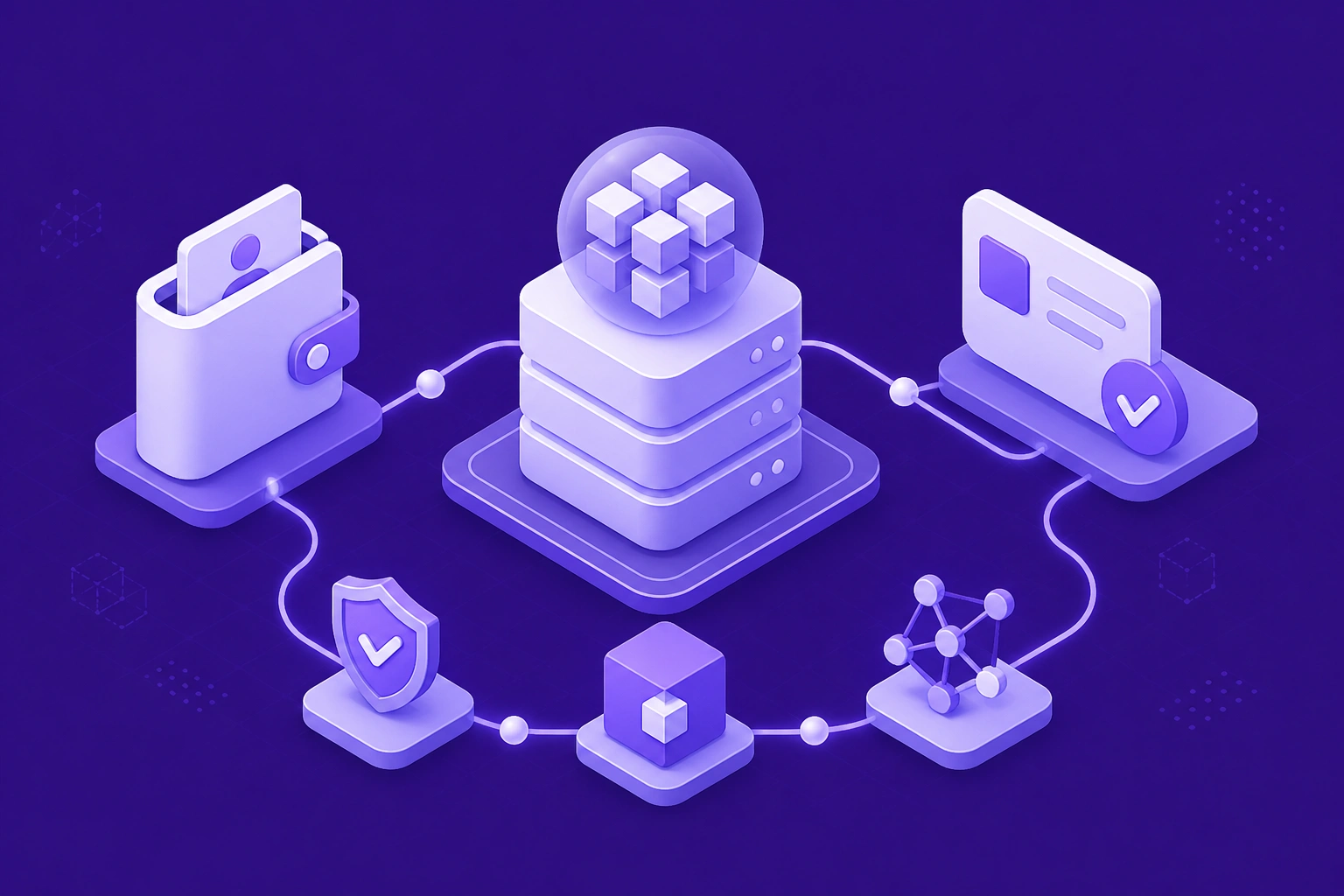
At its simplest, an NFT dApp is a software interface connected to one or more smart contracts on a blockchain. Users interact with the frontend through a crypto wallet, triggering contract functions that mint new tokens, transfer ownership, or execute marketplace trades. No central company processes these transactions. Instead, the blockchain’s consensus mechanism validates each action, making every operation transparent and tamper-proof. For businesses in regulated environments like UK financial services or UAE real estate, this level of verifiable trust is a significant competitive advantage.[1]
Real-World Example
OpenSea, the world’s largest NFT marketplace, is a prominent dApps NFT platform. It connects buyers and sellers globally by interfacing with Ethereum and Polygon smart contracts, processing billions in trade volume without any central clearinghouse handling funds or ownership records.
How NFTs and Decentralized Applications Work Together?
The relationship between NFTs and decentralized applications is symbiotic. NFTs provide the uniqueness and verifiable ownership layer, while dApps provide the interactive infrastructure through which those tokens are created, discovered, and traded. Without smart contracts, NFTs would simply be files with no enforced scarcity. Without a dApp interface, those contracts would be inaccessible to anyone without deep technical knowledge.
In practice, a user visits an NFT dApp, connects their wallet, and the frontend queries the blockchain to retrieve their current token balances, available listings, and transaction history. When they initiate a mint or purchase, the frontend constructs a transaction object, the user signs it in their wallet, and the signed transaction is broadcast to the blockchain network. Miners or validators then include it in a block, at which point the smart contract executes the corresponding logic, and the token ownership is permanently updated on-chain. This end-to-end flow happens in seconds on modern Layer 2 networks.
How NFT dApps Operate on Blockchain Networks??
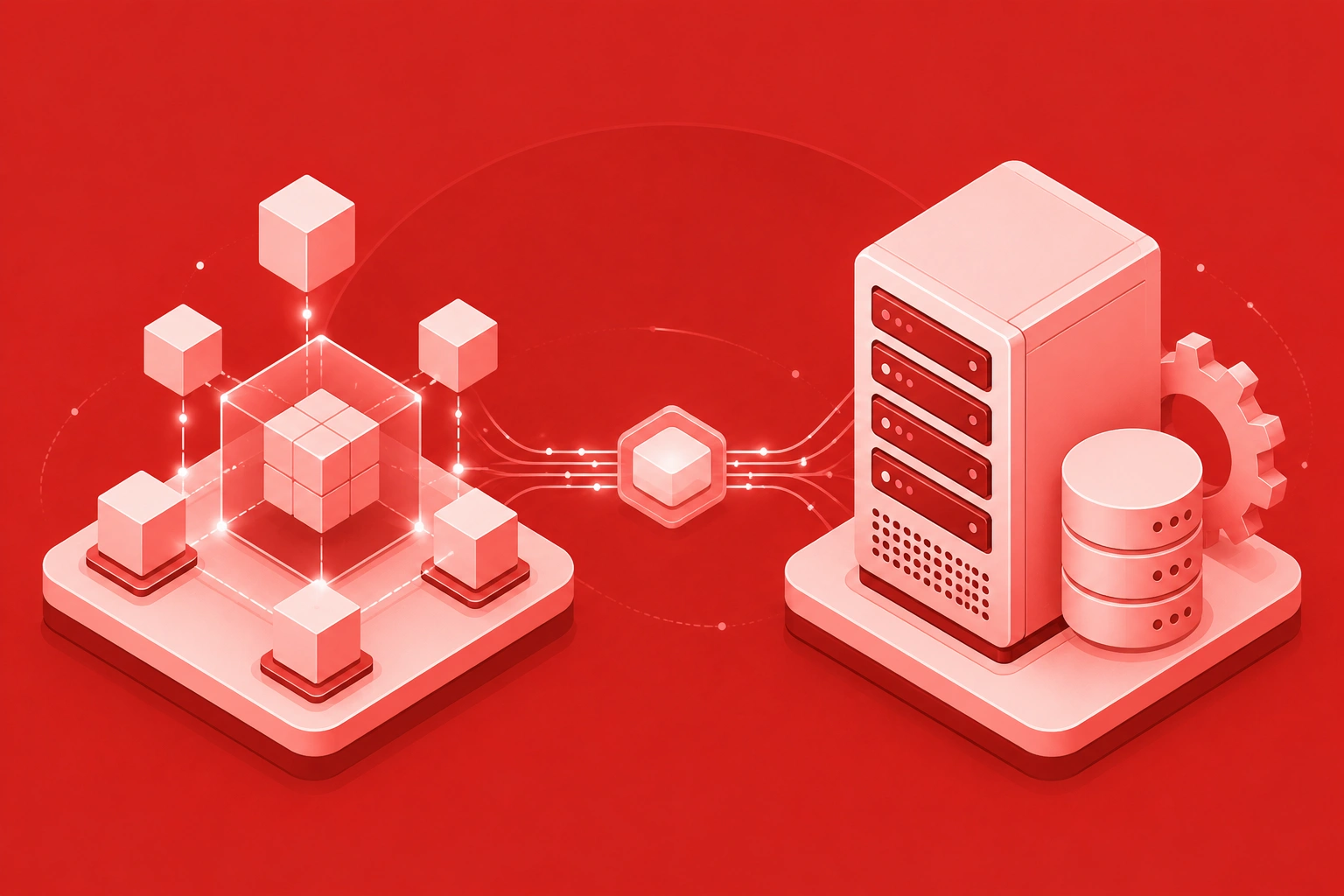
NFT dApps rely on three core operational mechanisms: smart contract execution, on-chain state management, and off-chain data retrieval. Smart contracts store the token registry, tracking which wallet address owns which token ID. Every state change, whether a transfer, approval, or burn, emits a blockchain event that external systems can index and display.
Off-chain data such as NFT images, video, and metadata is stored on decentralized networks like IPFS. The on-chain token record holds only a URI pointing to this metadata, keeping blockchain storage lean and cost-efficient. Indexers like The Graph aggregate on-chain events into queryable APIs, allowing dApp NFT frontends to load transaction histories and marketplace listings rapidly without querying every blockchain node directly.
Key Features That Define NFT dApps
After delivering NFT dApp solutions to clients ranging from independent creators to enterprise-level organizations across the USA and UAE, our team has identified the defining characteristics that separate high-quality platforms from fragile, poorly-designed ones. The most effective NFT dApps share these fundamental attributes.
Immutable Ownership Records
All token ownership data lives on-chain, resistant to alteration or censorship by any single party.
Automated Smart Contracts
Contract logic enforces royalties, transfer rules, and marketplace fees without manual intervention.
Cross-Platform Interoperability
Tokens minted on one NFT dApp can be displayed, traded, or used in compatible third-party dApps.
Non-Custodial Wallet Access
Users retain full control of their assets. The dApp never holds private keys or custodies funds.
On-Chain Provenance
Every creation event, sale, and transfer is permanently timestamped, providing unambiguous provenance.
Programmable Royalties
EIP-2981 standard allows creators to receive automatic royalty payments on every secondary market sale.
Why NFT dApps Are Gaining Popularity?
The rise of NFT dApps is driven by a confluence of technological maturity, shifting cultural attitudes toward digital ownership, and tangible economic opportunity. In the USA, NFT dApp platforms generated billions in secondary market volume during peak periods, demonstrating sustained commercial viability beyond speculative hype. The UK’s creative industry has embraced dApps NFT infrastructure as a direct-to-fan monetization channel. In the UAE, government-backed blockchain initiatives are actively encouraging NFT dApp adoption in real estate and cultural heritage sectors.
Beyond geography, NFT dApps are growing because they solve real problems. Creators no longer need labels, galleries, or publishers to monetize their work globally. Brands can build loyalty ecosystems where digital collectibles unlock real-world benefits. Gaming studios can give players genuine asset ownership that persists across titles. These are not abstract promises. They are active business models generating revenue for thousands of projects across the NFT dApp ecosystem right now.[2]
Benefits of NFT dApps for Creators and Businesses
NFT dApps offer a fundamentally different value proposition compared to traditional digital platforms. For individual creators and enterprise clients alike, the benefits are both structural and financial.
Creator vs. Business Benefits of NFT dApps
| Stakeholder | Key Benefit | Real-World Impact |
|---|---|---|
| Digital Artists | Automated royalties on resales | Ongoing income from secondary market trades without intermediaries |
| Gaming Studios | Player-owned in-game economies | Increased player engagement and new revenue via asset trading fees |
| Real Estate Firms (UAE/Canada) | Property fractionalization | Lower investment thresholds, wider investor base, faster liquidity |
| Music Labels (UK/USA) | Direct fan monetization | NFT album drops generate upfront revenue and build community loyalty |
| Sports Franchises | Digital collectibles & tickets | Anti-counterfeit ticketing and new fan engagement revenue streams |
Different Types of NFT dApps in the Market
The NFT dApp landscape has evolved significantly beyond simple art marketplaces. Today, businesses and developers can choose from or combine several specialized dApp NFT archetypes, each serving distinct market segments and user behaviors.
Types of NFT dApps
NFT Marketplaces
Peer-to-peer trading platforms where users can list, bid on, and purchase NFTs. Examples include OpenSea, Rarible, and Magic Eden. These are the most common form of dApps NFT infrastructure, supporting fixed-price and auction-based sales models.
Play-to-Earn Gaming dApps
Gaming platforms where in-game items, characters, and land parcels exist as NFTs owned by players. Axie Infinity pioneered this model, demonstrating how dApp NFT economies can generate real income for players in developing and developed markets alike.
NFT Minting Platforms
Dedicated platforms allowing creators to mint NFTs without writing any code. These no-code NFT dApp solutions are particularly popular with artists, musicians, and brand marketers who want to enter the NFT space quickly without deep technical expertise.
NFT-Based DeFi dApps
Platforms that allow NFTs to be used as collateral for loans or staked in liquidity pools. These hybrid dApp NFT systems bridge the gap between non-fungible assets and decentralized finance, unlocking liquidity without requiring asset sales.
Social & Membership dApps
NFT dApps where token ownership grants access to exclusive communities, content, events, or physical products. Bored Ape Yacht Club popularized this model, and numerous brands in the USA, UK, and Canada have since adopted NFT-gated membership dApps for customer loyalty programs.
Popular Use Cases of NFT dApps
Across the markets we serve, NFT dApps are finding traction in industries that benefit most from transparent, programmable ownership. Here are the most commercially significant use cases observed across USA, UK, UAE, and Canada.
Real-World Example: UAE Real Estate
A UAE-based property firm launched an NFT dApp enabling investors to purchase fractional ownership tokens in commercial real estate. Each NFT represented a proportional share of rental income and property appreciation, lowering the minimum investment from AED 500,000 to AED 5,000 and attracting over 2,000 investors in the first six months.
In gaming, NFT dApps allow studios to create item economies where players truly own equipment, skins, and characters. This has shifted the monetization model from pay-to-win purchases toward community-driven asset markets. In digital art, dApps NFT platforms give artists direct access to global collectors, with smart contracts enforcing royalty splits on every subsequent sale. In music, UK artists have used NFT dApps to sell limited edition albums with embedded perks. In sports, franchises in Canada and the USA have issued NFT-based tickets and collectibles that verify authenticity and create secondary market revenue. Healthcare records, academic credentials, and supply chain provenance are emerging sectors increasingly exploring NFT dApp infrastructure for immutable record management.
Blockchain Networks Commonly Used for NFT dApps
Selecting the right blockchain is one of the most consequential architectural decisions when building an NFT dApp. Each network offers different trade-offs between security, speed, cost, and ecosystem maturity.
| Blockchain | NFT Standard | Avg. Gas Cost | Best For |
|---|---|---|---|
| Ethereum | ERC-721 / ERC-1155 | $5 – $80 | High-value art, blue-chip collections |
| Polygon | ERC-721 / ERC-1155 | < $0.01 | Consumer apps, gaming, mass-market NFTs |
| Solana | SPL Token (Metaplex) | < $0.002 | High-frequency minting, competitive gaming |
| BNB Chain | BEP-721 / BEP-1155 | $0.10 – $1 | DeFi-NFT hybrid platforms, retail markets |
| Avalanche | ARC-721 | $0.50 – $5 | Enterprise NFT dApps, institutional use cases |
Technology Components Behind NFT dApps
A production-grade NFT dApp is not a single piece of software. It is an interconnected stack of specialized technologies, each responsible for a specific function. Understanding these layers is essential for anyone commissioning or building an NFT dApp platform.
Smart Contract Layer
Solidity (EVM) or Rust (Solana). Handles token minting, transfers, royalties, and access control logic.
Frontend Interface
React or Next.js applications connecting to blockchain via ethers.js, web3.js, or Solana’s web3.js SDK.
Decentralized Storage
IPFS via Pinata or Arweave for permanent, content-addressed NFT media and metadata storage.
Wallet Integration
MetaMask, WalletConnect, Phantom (Solana). Handles user identity, transaction signing, and network switching.
Indexing & APIs
The Graph Protocol or Moralis indexes on-chain events into GraphQL APIs for fast data retrieval.
RPC Node Providers
Alchemy, Infura, and QuickNode provide reliable, scalable access to blockchain nodes without self-hosting.
The Role of Smart Contracts in NFT dApps
Smart contracts are the engine of every NFT dApp. They are self-executing programs deployed on a blockchain that automatically enforce the rules governing token creation, ownership, and transfer without any trusted intermediary. In an NFT dApp context, smart contracts handle a wide range of critical functions.
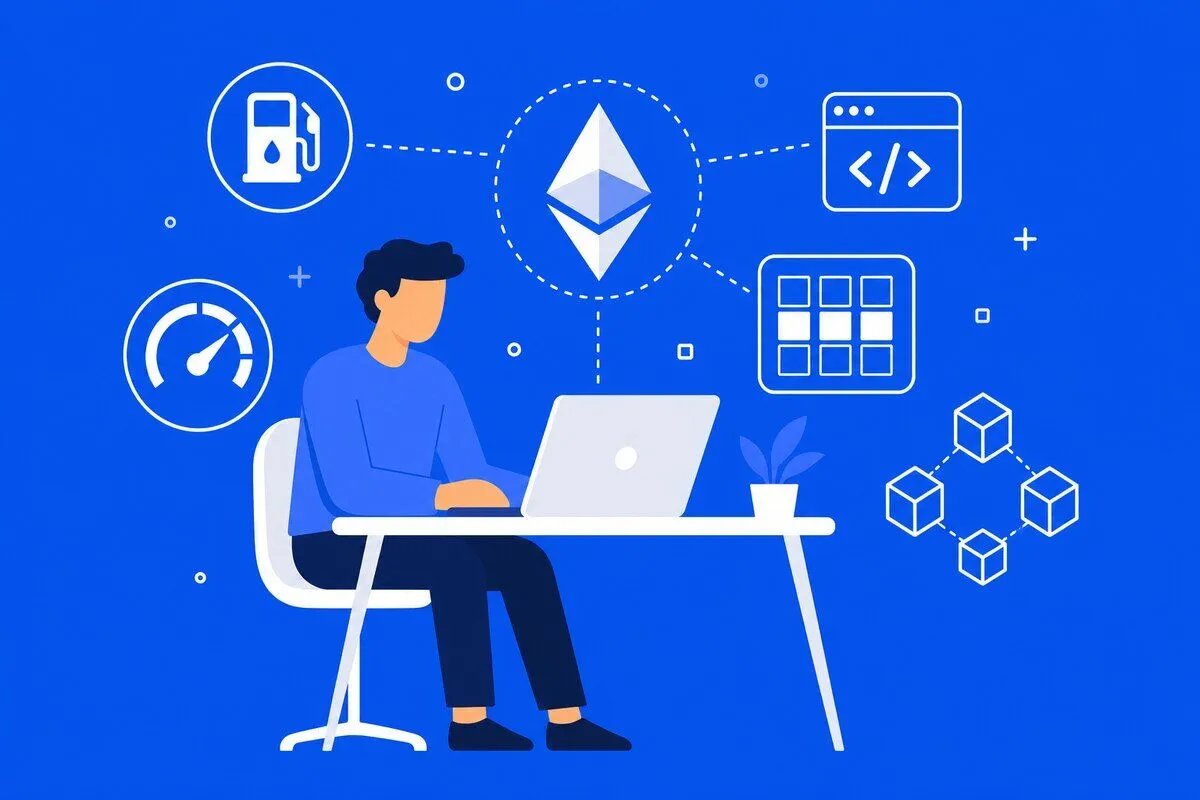
A standard NFT contract implements the ERC-721 interface, which defines the core functions every NFT token must support: minting, transferring, approving, and querying ownership. More advanced NFT dApp contracts add royalty enforcement via EIP-2981, batch minting via ERC-1155, access control via OpenZeppelin’s role-based frameworks, and on-chain metadata generation. Every function call costs gas, so smart contract efficiency directly impacts user experience and operating costs. Businesses deploying NFT dApps in cost-sensitive markets like Canada and the UAE frequently use Layer 2 solutions to reduce these costs by orders of magnitude.
Real-World Example: Smart Contract Royalties
A UK music label deployed an NFT dApp with EIP-2981 royalty enforcement. Every secondary sale on any compatible marketplace automatically distributed 10% to the original artist and 5% to the label, with zero manual processing or payment delays.
Step-by-Step Process to Create an NFT dApp
Creating an NFT dApp requires systematic planning across every technical and business layer. Below is the creation process our agency has refined over eight years of blockchain project delivery.
NFT dApp Creation Process
Define Requirements and Architecture
Establish business objectives, target user segments, supported token standards, monetization model, and blockchain network selection. Document all smart contract functions and frontend user journeys before writing a single line of code.
Smart Contract Design and Coding
Write smart contracts using Solidity (for EVM chains) or Rust (for Solana). Use OpenZeppelin’s audited libraries as a foundation. Implement minting, transfer, royalty, and access control functions. Write comprehensive unit tests using Hardhat or Foundry.
Set Up Decentralized Storage
Upload NFT media and metadata JSON files to IPFS via Pinata or Filecoin, or to Arweave for permanent storage. Structure metadata according to the OpenSea metadata standard to ensure broad marketplace compatibility for your dApp NFT collection.
Frontend Interface Build
Build the user interface using React or Next.js. Integrate ethers.js for blockchain communication, implement wallet connection flows with WalletConnect or MetaMask SDK, and create screens for minting, browsing, and trading NFTs with clear transaction feedback.
Testnet Deployment and QA
Deploy contracts to testnets (Sepolia for Ethereum, Devnet for Solana). Conduct functional QA across all user flows, stress-test minting under concurrent load, and verify royalty mechanics. Gather stakeholder feedback and iterate on UX issues before mainnet release.
Security Audit and Mainnet Launch
Commission a third-party smart contract audit. Resolve all critical and high-severity findings before proceeding. Deploy audited contracts to mainnet, verify on Etherscan or equivalent explorer, and configure monitoring tools to detect anomalous contract activity post-launch.
Designing a User-Friendly NFT dApp Interface
The interface of an NFT dApp is often the deciding factor in user adoption. Even technically flawless smart contracts will fail commercially if users cannot intuitively navigate the minting process, understand gas fee implications, or find assets they are interested in. Our experience working with clients in the USA and UK has shown that NFT dApp interfaces must solve the unique UX challenges of blockchain interaction without exposing unnecessary complexity to end users.
Key interface principles include: prominently displaying wallet connection status and current network, showing real-time gas estimates before transaction confirmation, providing clear success and failure states for every blockchain transaction, implementing progressive disclosure so casual users see simplicity while power users can access advanced options, and ensuring the entire experience is mobile-responsive since a significant portion of dApp NFT users in Canada and UAE access platforms via mobile devices. Loading states must account for the latency of blockchain queries, using skeleton screens rather than blank states to maintain perceived performance.
NFT dApp Blockchain Model Selection Criteria
Criteria 01: Transaction Cost
Choose networks where per-transaction costs align with your token’s value tier. High-value art suits Ethereum mainnet; consumer gaming suits Polygon or Solana.
Criteria 02: Throughput Requirements
If your NFT dApp expects thousands of simultaneous mints, prioritize high-TPS networks. Ethereum mainnet congestion makes high-volume drops impractical without L2 solutions.
Criteria 03: Ecosystem Maturity
Ethereum’s mature tooling, audited library ecosystem, and wallet compatibility reduce risk for enterprise NFT dApp projects requiring long-term maintainability and compliance.
Security Considerations for NFT dApps
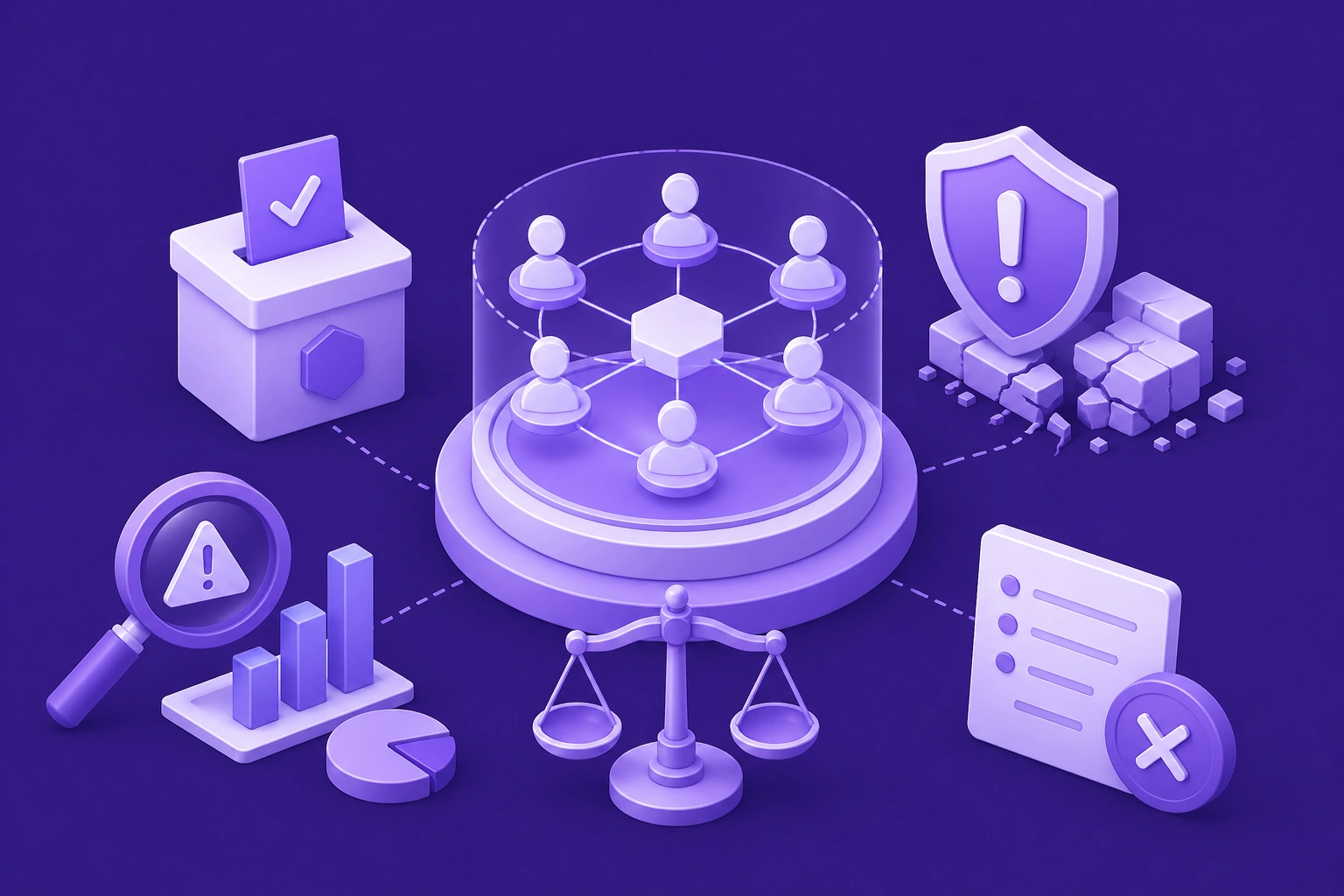
Security in NFT dApps is non-negotiable. Unlike traditional web applications where vulnerabilities can be patched post-deployment, smart contracts are immutable once deployed. A single critical vulnerability can result in permanent, irreversible loss of user funds and NFT assets. Our agency operates under a security-first protocol for every NFT dApp engagement.
Industry Security Standards for NFT dApps
Standard 01: All NFT dApp smart contracts must undergo a formal third-party security audit by a certified firm before mainnet deployment.
Standard 02: Reentrancy guards must be implemented on all payable functions using OpenZeppelin’s ReentrancyGuard library.
Standard 03: Privileged owner functions must be protected by multi-signature wallet requirements, not a single private key.
Standard 04: NFT metadata URIs must point to content-addressed IPFS hashes, not mutable HTTP URLs, to prevent metadata replacement attacks.
Standard 05: Frontend interfaces must implement strict CSP headers and transaction simulation previews to reduce phishing and approval scam risks.
Standard 06: Emergency pause mechanisms should be included in high-value NFT dApp contracts to halt operations in the event of a detected exploit.
Standard 07: All integer arithmetic in Solidity contracts must use SafeMath or Solidity 0.8+ built-in overflow protection to prevent manipulation.
Standard 08: Post-launch monitoring via tools like Tenderly or OpenZeppelin Defender is essential for detecting and responding to contract anomalies in real time.
Common Challenges When Building NFT dApps
Building NFT dApps involves navigating a distinct set of technical and operational challenges that do not exist in traditional web application contexts. Understanding these challenges upfront enables better project planning and significantly reduces costly mid-project pivots.
NFT dApp Compliance and Governance Checklist
| Checkpoint | Requirement | Market Relevance |
|---|---|---|
| KYC/AML | Implement identity verification for high-value NFT trading platforms | USA, UK, UAE (regulated markets) |
| GDPR Compliance | Ensure off-chain user data is handled per data protection regulations | UK, Canada, EU |
| IP Rights | Verify that minted NFT content does not infringe third-party copyrights | All markets |
| Securities Classification | Assess whether NFTs may qualify as securities under local regulations | USA (SEC), UK (FCA), UAE (VARA) |
| Smart Contract Audit | Third-party audit completed with all critical findings resolved | All markets |
| Tax Reporting | Provide transaction records to support capital gains reporting obligations | USA, Canada, UK |
Beyond compliance, common technical challenges include managing gas fee volatility that can create poor user experiences during network congestion, handling failed transactions gracefully in the UI, designing contracts that can be upgraded without compromising immutability guarantees, and synchronizing off-chain databases with on-chain state for features like search and filtering. Multi-chain support adds additional complexity as each blockchain has different wallet interfaces, RPC behaviors, and token standards that must be handled separately in the codebase.
Steps to Successfully Launch an NFT dApp
Launching an NFT dApp is distinct from simply deploying code to a blockchain. A successful launch requires coordinated preparation across technical, marketing, and community-building dimensions. The following framework reflects best practices from our agency’s NFT dApp launch experience across USA, UK, UAE, and Canada.
Post-launch, success depends on active community management, transparent communication about platform updates and security findings, and continuous iteration based on on-chain analytics. NFT dApp platforms that invest in user education and provide clear onboarding for Web3 newcomers consistently outperform those that assume users arrive with existing blockchain knowledge. Monitor contract events continuously, and have an incident response plan in place for the first 72 hours after mainnet deployment, when exploit attempts are most likely to occur.
Final Thoughts
NFT dApps represent one of the most significant shifts in how digital ownership, creator monetization, and value exchange operate across global markets. From digital art platforms in the UK to real estate tokenization systems in the UAE, from gaming economies in the USA to fan engagement tools in Canada, the infrastructure powering these experiences is the NFT dApp. Understanding what NFT dApps are, how they function technically, and how to build and launch them responsibly is now a critical competency for businesses seeking to compete in the digital economy.
The path from concept to a live, production-grade dApp NFT platform requires disciplined execution across smart contract architecture, frontend interface quality, decentralized storage strategy, security practices, and regulatory compliance. With eight-plus years of specialized blockchain experience, our agency has delivered NFT dApp solutions that serve real users, process real transactions, and create lasting value for our clients. Whether you are a creator, an enterprise, or a startup exploring this space, the investment in building NFT dApps correctly from the outset will always yield better outcomes than rushing to market with an underprepared platform.
Ready to Build Your NFT dApp?
Partner with our expert blockchain team to architect, build, and launch a secure, scalable NFT dApp platform tailored to your market.
Frequently Asked Questions
Q1.What are NFT dApps and how do they differ from traditional apps?
NFT dApps, or NFT decentralized applications, are blockchain-based platforms that allow users to mint, trade, and manage non-fungible tokens without central authority control. Unlike traditional apps that rely on centralized servers and intermediaries, NFT dApps run on smart contracts deployed across distributed blockchain nodes. This architecture ensures transparency, immutability, and user ownership of digital assets, making them fundamentally different from conventional web applications used in markets across the USA, UK, UAE, and Canada.
Q2.How do NFT dApps work on a blockchain network?
NFT dApps operate by deploying smart contracts on blockchain networks such as Ethereum, Solana, or BNB Chain. When a user interacts with a dApp NFT platform, the request is processed through these self-executing contracts rather than a central server. Tokens are minted, transferred, or burned according to pre-written contract logic. Every transaction is recorded on-chain, creating an auditable history of ownership. Wallets like MetaMask serve as the user’s identity and signing tool for all blockchain interactions.
Q3.Which blockchain networks are best for building NFT dApps?
Ethereum remains the most widely adopted network for NFT dApp creation due to its mature ecosystem, large developer community, and ERC-721/ERC-1155 token standards. However, Solana is favored for high-throughput applications due to lower gas fees and faster transaction speeds. Polygon offers Ethereum compatibility with reduced costs, making it popular for consumer-facing dApps NFT platforms. BNB Chain and Avalanche are also gaining traction, especially among businesses in the UAE and Canadian markets seeking cost-effective deployment options.
Q4.What are the key components required to build an NFT dApp?
Building an NFT dApp requires several interconnected components: a smart contract layer (written in Solidity or Rust) that governs token logic, a frontend interface (built with React or Next.js) that users interact with, a Web3 provider library such as ethers.js or web3.js for blockchain communication, decentralized storage solutions like IPFS or Arweave for metadata and media, and a wallet integration layer. A reliable RPC node provider such as Alchemy or Infura ensures consistent blockchain connectivity throughout the application lifecycle.
Q5.How long does it take to create and launch an NFT dApp?
The timeline for creating and launching an NFT dApp varies based on complexity. A basic NFT marketplace with standard features can take six to twelve weeks, while a feature-rich platform with custom royalty structures, governance modules, and multi-chain support may require four to six months. Factors influencing the timeline include smart contract auditing, UI/UX design iterations, testnet deployment, and regulatory compliance checks, particularly for businesses operating in regulated markets such as the USA, UK, and UAE financial sectors.
Q6.What security risks should be considered when building NFT dApps?
NFT dApps face several critical security risks including reentrancy attacks, integer overflow vulnerabilities in smart contracts, oracle manipulation, and front-running exploits. Phishing risks exist at the wallet connection layer, while metadata tampering can undermine NFT authenticity. Businesses should conduct thorough third-party smart contract audits with firms like CertiK or Halborn before mainnet launch. Implementing multi-signature wallets for treasury management and adopting OpenZeppelin’s audited contract libraries significantly reduces the attack surface for NFT dApp platforms.
Q7.What are the most popular use cases for NFT dApps today?
NFT dApps are being used across a broad range of industries. In gaming, they power play-to-earn economies where in-game assets carry real-world value. In art and media, they enable creators to tokenize and sell original work with embedded royalties. Real estate tokenization platforms use dApp NFT infrastructure to fractionalize property ownership. In the music industry, artists in the UK and USA use NFT dApps to distribute limited edition albums. Sports franchises in Canada and UAE are issuing fan tokens and collectibles through custom-built NFT dApp platforms.
Explore Services
Related Services
Reviewed by

Aman Vaths
Founder of Nadcab Labs
Aman Vaths is the Founder & CTO of Nadcab Labs, a global digital engineering company delivering enterprise-grade solutions across AI, Web3, Blockchain, Big Data, Cloud, Cybersecurity, and Modern Application Development. With deep technical leadership and product innovation experience, Aman has positioned Nadcab Labs as one of the most advanced engineering companies driving the next era of intelligent, secure, and scalable software systems. Under his leadership, Nadcab Labs has built 2,000+ global projects across sectors including fintech, banking, healthcare, real estate, logistics, gaming, manufacturing, and next-generation DePIN networks. Aman’s strength lies in architecting high-performance systems, end-to-end platform engineering, and designing enterprise solutions that operate at global scale.