Ai Overview
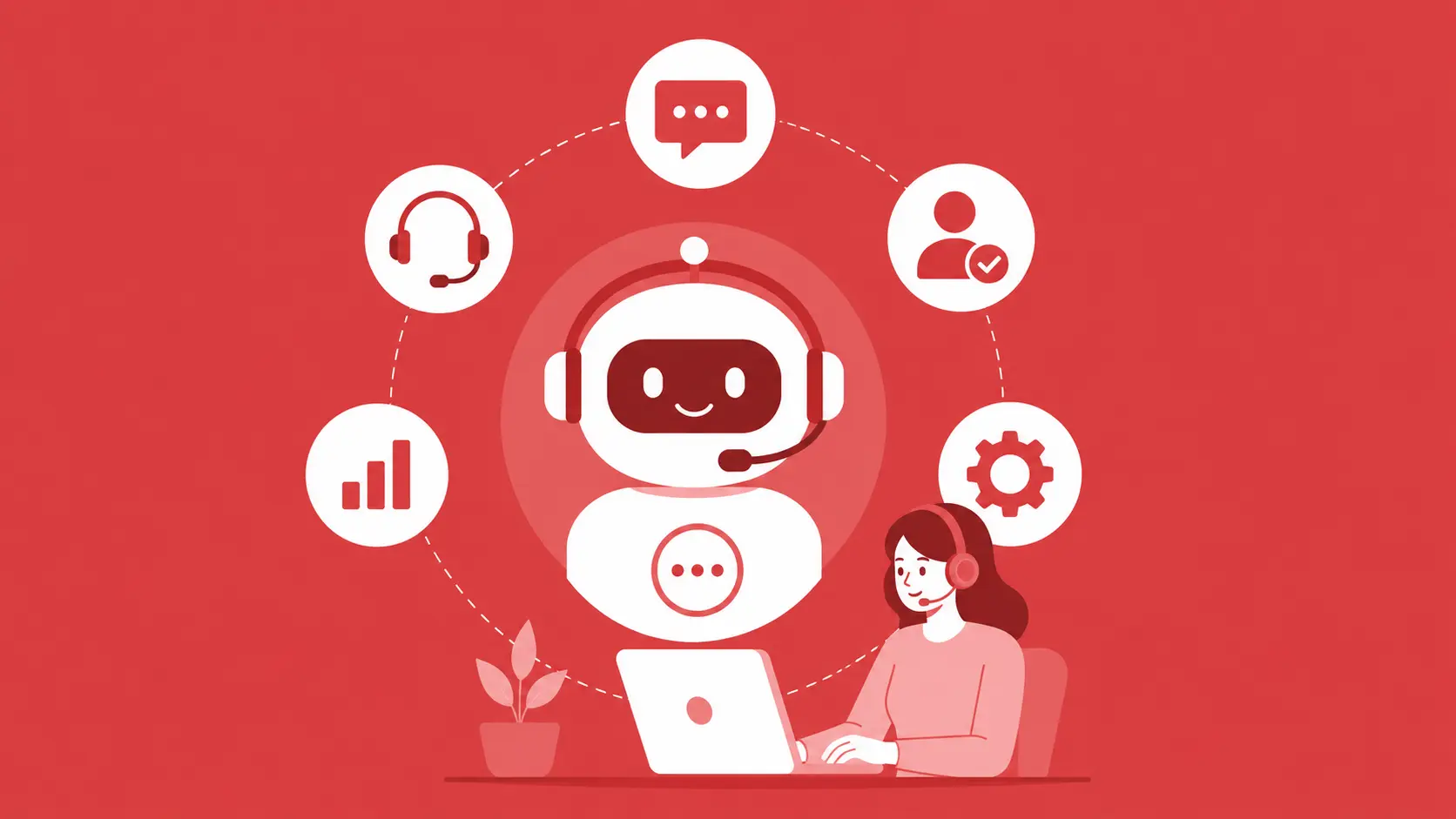
AI chatbot architecture refers to the complete technical blueprint that governs how a conversational AI system is structured, organised, and operated. It defines every component from user-facing interfaces to backend processing engines, and every data flow that connects them.
Key Takeaways
- AI chatbot architecture design defines how every layer of a chatbot system communicates, processes data, and delivers intelligent responses to end users.
- A well-planned NLP pipeline architecture is the foundation of accurate intent recognition, entity extraction, and natural language understanding in chatbot systems.
- Microservices based chatbot architecture improves system resilience, allows independent scaling, and supports continuous integration for enterprise-grade deployments.
- LLM based chatbot architecture combined with retrieval augmented generation architecture dramatically improves response accuracy and contextual relevance.
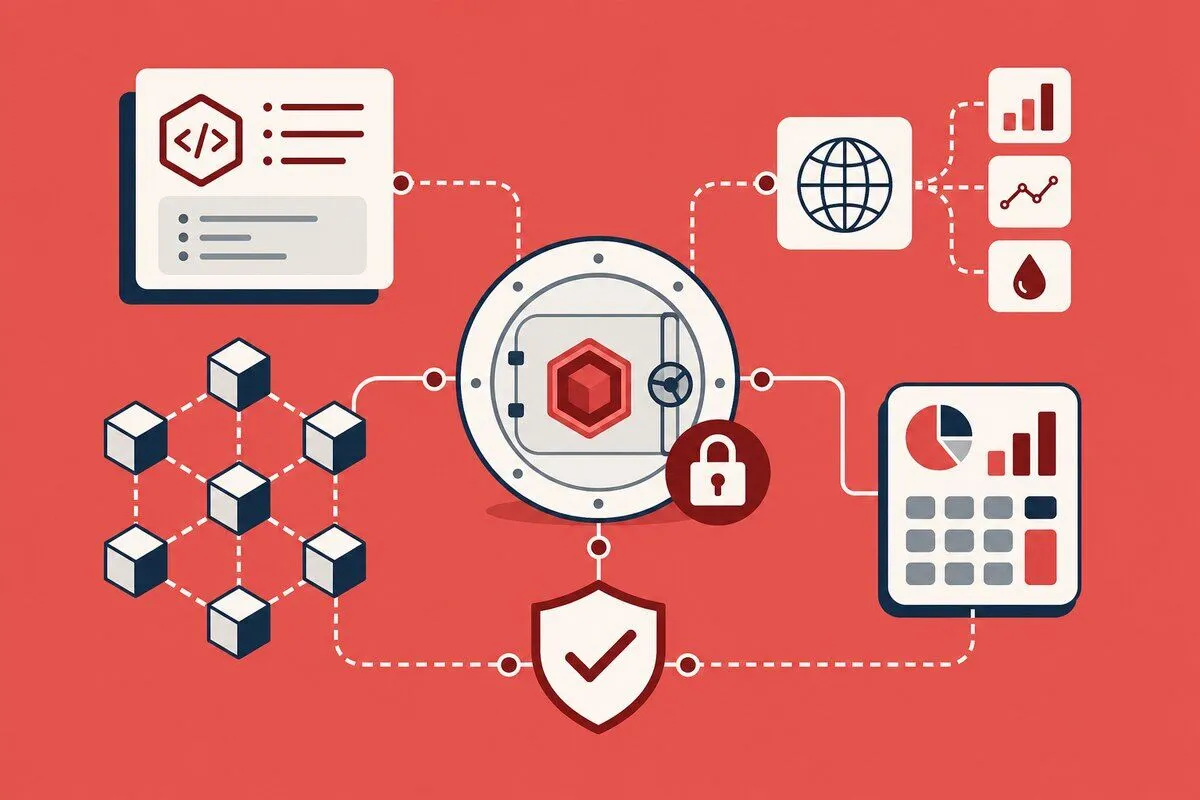
- Secure chatbot system design requires authentication and authorization chatbot layers, encrypted data flows, and compliance with regional data privacy regulations.
- High availability chatbot architecture demands load balancing, auto-scaling, and containerized chatbot architecture for consistent performance under variable traffic loads.
- Chatbot database schema design and chatbot data architecture determine how efficiently a system stores, retrieves, and updates conversational context and user data.
- Cloud native chatbot design using AWS, Azure, or GCP enables global deployments across markets in the UK, USA, UAE, and India with minimal infrastructure overhead.
- Chatbot scalability design patterns such as event-driven queues and caching layers ensure the system handles millions of concurrent conversations without degradation.
- Understanding chatbot architecture patterns across industries helps businesses in Dubai, Bangalore, London, and New York build smarter, future-ready conversational systems.
Over the past eight years, our team has designed and deployed conversational AI systems across some of the most demanding industries in the UK, USA, UAE, and India. One consistent truth we have observed: the success of any chatbot project depends almost entirely on the quality of its underlying ai chatbot architecture. Without a sound structural blueprint, even the most sophisticated AI model will underperform, fail under load, or expose critical security vulnerabilities.
An AI chat assistant is no longer a novelty. From financial services in Dubai to healthcare providers in Mumbai, from e-commerce platforms in London to government portals in New York, organisations everywhere are deploying chatbots at scale. The difference between a chatbot that delights users and one that frustrates them almost always traces back to the architecture that drives it.
This guide covers every critical aspect of AI chatbot architecture design in 2026: core components, chatbot architecture patterns, technology stacks, scalability considerations, security requirements, and real-world use cases. Whether you are a startup in Bangalore, an enterprise in Dubai, or a digital agency in London, this resource is built to give you a complete, actionable understanding of how modern chatbot systems are designed and deployed.
What Is AI Chatbot Architecture?
AI chatbot architecture refers to the complete technical blueprint that governs how a conversational AI system is structured, organised, and operated. It defines every component from user-facing interfaces to backend processing engines, and every data flow that connects them. Just as a building cannot stand without a structural chatbot development framework, a chatbot cannot function reliably without a carefully planned architecture.
At its core, chatbot system design principles establish how the system captures user input, interprets meaning through natural language processing, manages conversation state, queries relevant data sources, and returns coherent, contextually accurate responses. Every layer in this stack plays a specific role, and a weakness in any single layer affects the entire user experience.
Modern AI chatbot architecture has evolved significantly from the rigid, rule-based trees of the early 2010s. Today, architectures incorporate transformer-based language models, vector databases, real-time APIs, and microservices, making them dramatically more intelligent and adaptable.In markets like the UAE and India, where multilingual chatbot support and high concurrency are non-negotiable requirements, architecture quality directly determines commercial viability.
Input Layer
Captures text, voice, or structured data from users across all channels
NLP Engine
Processes language, detects intent, and extracts entities from raw input
Dialogue Manager
Tracks conversation state and decides the next best response action
Response Generator
Produces accurate, contextual replies delivered back to the user
Integration Layer
Connects with CRM, APIs, and databases to fetch or update real-time data
Analytics Dashboard
Tracks conversation history and system performance to improve future user interactions
Why AI Chatbot Architecture Matters in 2026?
In 2026, conversational AI is no longer an experimental technology. It is a primary customer engagement channel for enterprises across every major industry. The global chatbot market has grown at a compound annual rate exceeding 24%, with particularly strong adoption across India’s fintech sector, UAE’s government services, the UK’s retail and banking landscape, and the USA’s healthcare and SaaS ecosystems.
The reason AI chatbot architecture has become so critical is simple: user expectations have risen sharply. Customers in Dubai do not tolerate 10-second response delays. Healthcare users in London require GDPR-compliant data handling embedded into every layer of the system. E-commerce buyers in India expect seamless multilingual support without interruption. None of these outcomes are achievable without a deliberate, well-designed architecture.
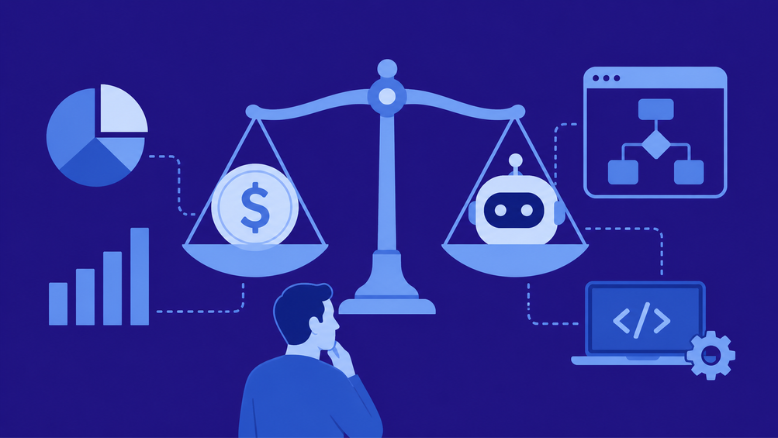
Why Architecture Investment Pays Off
Core Components of AI Chatbot Architecture
Understanding each building block of AI chatbot architecture design is essential before you begin any chatbot project. Over our eight years building systems for clients in London, New York, Dubai, and Mumbai, we have found that teams who deeply understand each component make far better design decisions throughout the project lifecycle. Below is a comprehensive breakdown of the core components that form a production-grade chatbot system.
| Component | Primary Function | Key Technologies | Importance Level |
|---|---|---|---|
| NLP Pipeline | Tokenisation, intent detection, entity recognition | BERT, spaCy, Rasa NLU | Critical |
| Dialogue Manager | Conversation state tracking, turn management | Rasa Core, FSM, LLM prompts | Critical |
| Knowledge Base | Stores FAQs, product info, policy documents | Pinecone, Weaviate, PostgreSQL | High |
| API Gateway | Routes requests, manages authentication, rate limits | Kong, AWS API Gateway, NGINX | High |
| Response Generator | Generates human-like replies from context and data | GPT-4, Claude, Llama 3 | Critical |
| Analytics Engine | Monitors performance, tracks user journeys, flags errors | Kibana, Grafana, Mixpanel | Medium |
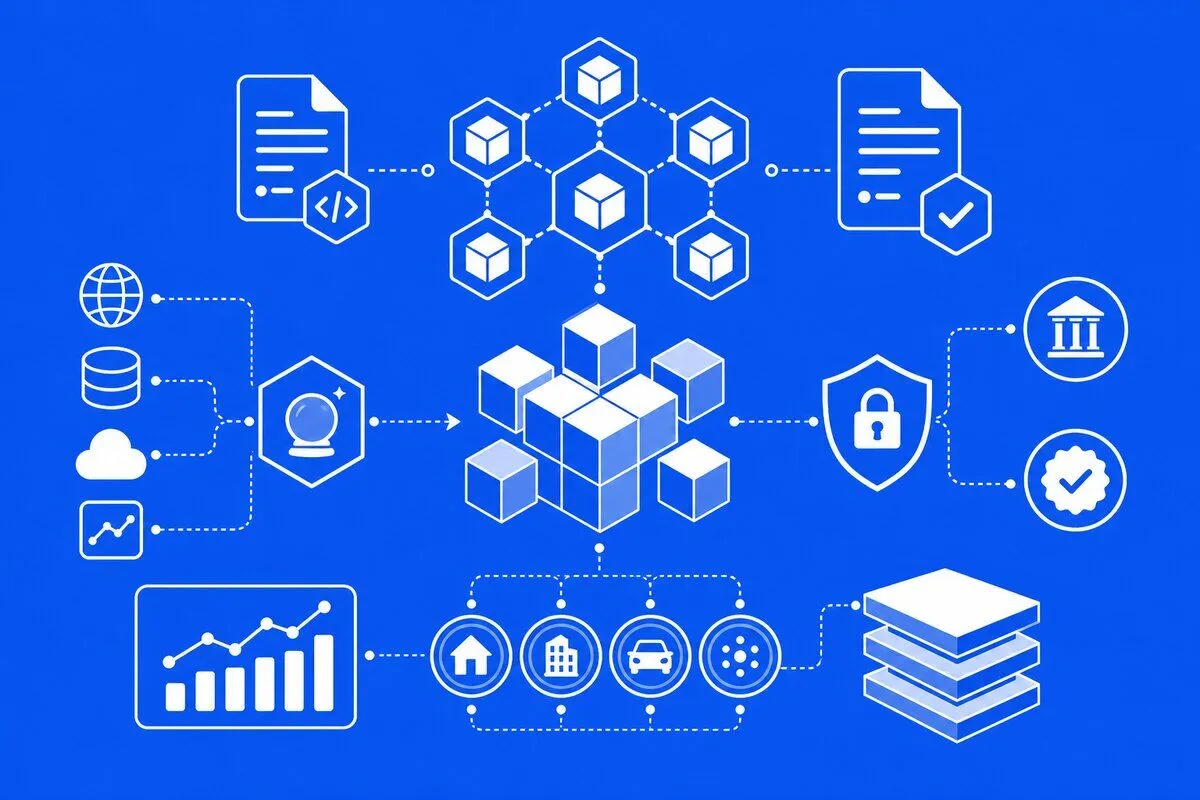
Chatbot data architecture ties all of these components together through a coherent data flow strategy. The chatbot database schema design must account for session storage, user profiles, conversation logs, and knowledge retrieval in a way that supports both real-time performance and long-term analytics.
Types of AI Chatbot Architectures
Not all chatbot systems are built the same way. Over our years of work with clients ranging from Dubai-based government agencies to UK fintech start-ups and Indian healthcare platforms, we have consistently applied different chatbot architecture patterns based on use case complexity, volume requirements, and integration depth. Here are the primary architecture types used in 2026.
Key Technologies Behind AI Chatbots
Choosing the right technology stack is a defining decision in any AI chatbot architecture project. Having worked with companies across Dubai’s smart city initiatives, UK banking compliance requirements, Indian language diversity challenges, and USA’s enterprise SaaS expectations, we have mapped out the most effective technology combinations available in 2026.
| Technology Category | Tools and Frameworks | Best Use Case |
|---|---|---|
| LLM Providers | OpenAI GPT-4o, Anthropic Claude, Meta Llama 3 | Generative responses, reasoning, summarisation |
| Vector Databases | Pinecone, Weaviate, Qdrant, Chroma | RAG retrieval, semantic search, knowledge grounding |
| NLP Frameworks | Rasa, Hugging Face, spaCy, LangChain | NLP pipeline architecture, intent and entity processing |
| Container Orchestration | Kubernetes, Docker, Helm Charts | Containerized chatbot architecture and autoscaling |
| Cloud Platforms | AWS, Microsoft Azure, Google Cloud | Cloud native chatbot design, global deployment |
| Auth and Security | OAuth 2.0, JWT, Auth0, Keycloak | Authentication and authorization chatbot access control |
How AI Chatbot Architecture Works Step by Step?
Understanding the end-to-end flow of a modern AI chatbot architecture is essential for making informed decisions during system design. This step-by-step walkthrough reflects the process we use when architecting production systems, and maps closely to how real chatbot deployments operate across industries in India, the UAE, the UK, and the USA.
User Sends a Message
The user types or speaks a query through any channel: web widget, WhatsApp, Slack, or mobile app. The input is captured by the channel connector and passed to the processing layer.
NLP Pipeline Processes the Input
The NLP pipeline architecture tokenises the input, detects the user’s intent (e.g. “track my order”), and extracts relevant entities (e.g. order ID, date). This processed data is passed to the dialogue manager.
Dialogue Manager Decides Next Action
The dialogue manager architecture evaluates the current conversation state, checks what information has already been gathered, and determines whether to ask a follow-up question, retrieve data, or generate a direct response.
Knowledge Retrieval via RAG
In LLM based chatbot architecture with retrieval augmented generation architecture, the system converts the query into an embedding vector and searches the vector database for the most semantically relevant documents or policies before generating a response.
Response Delivered to User
The LLM generates a contextual, accurate reply based on retrieved data and conversation history. The response is formatted, sent through the channel connector, and logged by the analytics engine for monitoring and improvement.
Designing Scalable AI Chatbot Systems
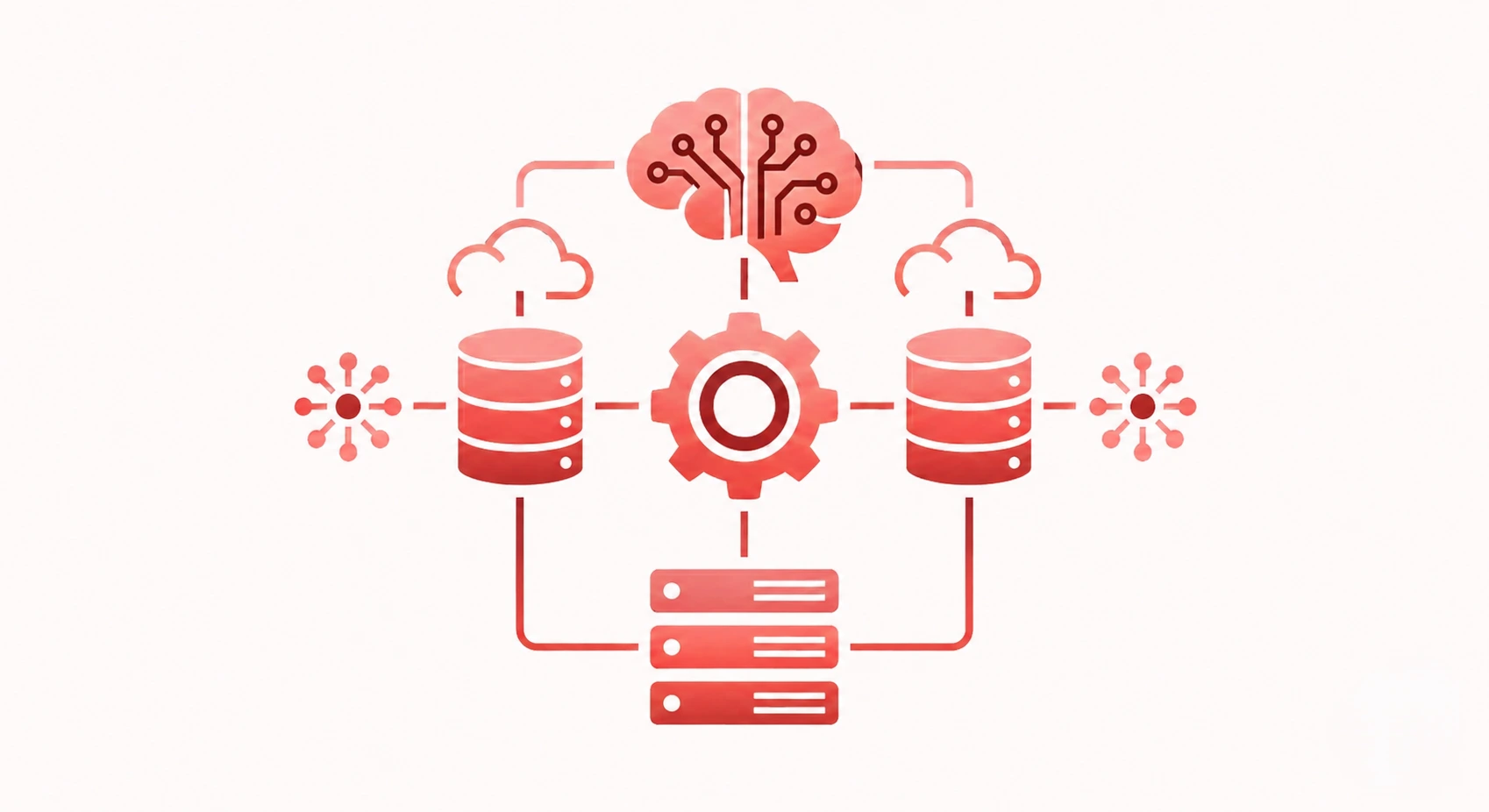
One of the most common failure points we encounter when auditing chatbot projects, particularly in India’s high-volume consumer markets and the UAE’s peak tourism seasons, is inadequate scalability planning. A chatbot that handles 100 concurrent users flawlessly can collapse under 10,000 without the right scalable chatbot architecture in place.
High availability chatbot architecture requires several key design decisions made at the beginning of the project, not retrofitted later. The following patterns form the backbone of any production-grade, scalable chatbot system.
Integration with Modern Platforms and Tools
Chatbot deployment architecture does not exist in isolation. In every enterprise project we have delivered across the UK, UAE, India, and the USA, the chatbot’s real value comes from its ability to connect deeply with existing business systems: CRMs, ERPs, ticketing tools, payment gateways, and communication platforms.
A well-designed AI chatbot architecture treats integration as a first-class concern, not an afterthought. The API gateway layer is responsible for standardising all outbound integration requests, enforcing authentication and authorization chatbot access policies, and handling retries and error management.
Messaging Channels
WhatsApp Business API, Facebook Messenger, Slack, MS Teams, Telegram
CRM Systems
Salesforce, HubSpot, Zoho CRM, Microsoft Dynamics 365
Support Platforms
Zendesk, Freshdesk, Intercom, ServiceNow
Payment Gateways
Stripe, Razorpay (India), PayTabs (UAE), PayPal
Security and Data Privacy in Chatbot Architecture
Secure chatbot system design is not optional. In every market we operate in, from Dubai’s PDPL regulations to India’s DPDP Act, from the UK’s GDPR compliance requirements to HIPAA standards in the USA, security and data privacy must be engineered into the chatbot architecture from day one. A breach or compliance failure can destroy years of brand trust in days.
Security Architecture Checklist
End-to-end TLS 1.3 encryption for all data in transit
Authentication and authorization chatbot using OAuth 2.0 and JWT tokens
PII data masking in conversation logs and analytics pipelines
Role-based access control (RBAC) for all admin and API endpoints
Rate limiting and DDoS protection at the API gateway layer
Data residency compliance: store UAE data in UAE, UK data in EU zones
Audit logging of all chatbot interactions for compliance and forensic review
Prompt injection and adversarial input detection for LLM-powered bots
Common Challenges and How to Solve Them
Having delivered chatbot systems for clients in the financial, healthcare, retail, and government sectors across India, the UAE, the UK, and the USA, we have a clear view of the challenges that arise most frequently in AI chatbot architecture projects. More importantly, we know how to solve them.
Real-World Use Cases of AI Chatbot Architecture
The strength of a well-designed AI chatbot architecture becomes most evident when applied to real-world industry scenarios. Here are use cases we have personally architected or consulted on across the UK, UAE, India, and USA, illustrating how chatbot architecture patterns translate into measurable business outcomes.[1]
| Industry | Market | Architecture Used | Key Outcome |
|---|---|---|---|
| Banking | UK and UAE | LLM based chatbot architecture with RAG and secure auth layers | 72% reduction in support ticket volume |
| E-commerce | India | Microservices based chatbot architecture with multilingual NLP | 38% improvement in cart recovery rate |
| Government Services | UAE (Dubai) | Cloud native chatbot design with high availability architecture | 99.97% uptime across 24 government services |
| Healthcare | USA | Secure chatbot system design with HIPAA compliant data layer | 54% decrease in appointment no-shows |
| SaaS Platforms | USA and UK | Containerized chatbot architecture with RAG and API integrations | 3x increase in self-service resolution rate |
Future Trends in AI Chatbot Architecture (2026 and Beyond)
The pace of change in AI chatbot architecture design shows no signs of slowing. Based on our work with cutting-edge clients across Dubai, Bangalore, London, and New York, and our close tracking of research from major AI labs, we have identified the key architectural trends that will define chatbot systems over the next three to five years.
The organisations that invest in future-ready AI chatbot architecture today, across markets in the UK, USA, UAE, and India, will be best positioned to absorb these advances without disruptive re-architecture. The principles of scalable chatbot architecture, modular microservices based chatbot architecture, and robust chatbot system design principles remain the constant foundation regardless of how rapidly the underlying AI models evolve.
Ready to Build a Smarter Chatbot System?
Our team designs scalable, secure, and high-performance AI chatbot architectures for enterprises across UAE, India, UK, and USA.
Frequently Asked Questions About AI Chatbots
Q1.1. What is AI chatbot architecture in simple terms?
AI chatbot architecture refers to the structural framework that defines how a chatbot receives input, processes language, generates responses, and connects with backend systems. It outlines every technical layer involved in making a chatbot function intelligently and reliably.
Q2.2. What are the main components of a chatbot system?
The core components include an NLP pipeline, dialogue manager, intent recognition engine, response generator, backend APIs, and a database. Together these layers form the chatbot data architecture that drives real conversations at scale.
Q3.3. How is an LLM based chatbot different from a rule based one?
An LLM based chatbot architecture uses large language models to understand context and generate human-like responses, whereas rule based bots follow fixed decision trees. LLM bots are far more flexible, accurate, and capable of handling complex user queries.
Q4.4. Why does chatbot architecture matter for businesses in 2026?
A well designed AI chatbot architecture ensures scalability, security, and performance. Businesses in India, UAE, USA, and UK rely on robust chatbot system design principles to handle high traffic, maintain uptime, and deliver consistent customer experience across all channels.
Q5.5. What is retrieval augmented generation in chatbot design?
Retrieval augmented generation architecture combines a language model with a live knowledge retrieval system. Instead of relying only on trained data, the bot fetches relevant documents in real time, improving accuracy and reducing hallucinations significantly in enterprise use cases.
Q6.6. How do microservices help in chatbot architecture?
Microservices based chatbot architecture breaks the system into independent services for NLP, authentication, session management, and APIs. This approach improves fault isolation, allows faster updates, and supports chatbot scalability design patterns needed for large enterprise deployments.
Q7.7. What cloud platforms are best for chatbot deployment?
Cloud native chatbot design is commonly built on AWS, Azure, or Google Cloud. These platforms offer auto-scaling, managed Kubernetes, and AI services that support containerized chatbot architecture, making it easier to deploy, monitor, and maintain production chatbot systems globally.
Q8.8. How do you make a chatbot secure?
Secure chatbot system design includes end-to-end encryption, authentication and authorization chatbot layers using OAuth 2.0 or JWT, rate limiting, and audit logging. Data residency compliance is especially important for deployments in regulated markets like Dubai and the UK financial sector.
Q9.9. What is a dialogue manager in chatbot architecture?
A dialogue manager architecture is the brain of a chatbot that tracks conversation state, decides the next best action, and manages multi-turn interactions. It ensures the bot responds coherently across long conversations without losing context or repeating irrelevant answers.
Q10.10. Can chatbot architecture support multiple channels at once?
Yes. A modern chatbot deployment architecture is built to be omnichannel, supporting web, mobile, WhatsApp, Slack, and voice platforms simultaneously. APIs and web hook integrations allow the same core chatbot engine to serve multiple front-end touchpoints without duplicating logic.
Explore Services
Related Services
Reviewed by

Aman Vaths
Founder of Nadcab Labs
Aman Vaths is the Founder & CTO of Nadcab Labs, a global digital engineering company delivering enterprise-grade solutions across AI, Web3, Blockchain, Big Data, Cloud, Cybersecurity, and Modern Application Development. With deep technical leadership and product innovation experience, Aman has positioned Nadcab Labs as one of the most advanced engineering companies driving the next era of intelligent, secure, and scalable software systems. Under his leadership, Nadcab Labs has built 2,000+ global projects across sectors including fintech, banking, healthcare, real estate, logistics, gaming, manufacturing, and next-generation DePIN networks. Aman’s strength lies in architecting high-performance systems, end-to-end platform engineering, and designing enterprise solutions that operate at global scale.