Ai Overview
Tokenized diamonds represent a paradigm shift in luxury asset investment, offering a sophisticated method of owning and trading precious gemstones through digital tokens recorded on blockchain networks. A single exceptional diamond worth $500,000 can be divided into 500,000 tokens each representing one-thousandth ownership, enabling investors to participate with amounts as small as $500 or even less.
Key Takeaways
- Tokenized diamonds transform physical gemstones into blockchain-based digital assets, enabling fractional ownership and instant global trading without traditional barriers of high cost and limited liquidity.
- Blockchain technology provides transparent verification of diamond authenticity, provenance, and ownership through immutable ledgers and smart contracts that automate secure transactions without intermediaries.
- Major platforms including Diamond Standard, D1 Coin, and Everledger are pioneering tokenized diamond markets with regulated, auditable, and professionally managed investment solutions.
- Fractional ownership enabled by tokenization dramatically lowers investment thresholds, making high-value diamonds accessible to retail investors who previously couldn’t participate in luxury gemstone markets.
- Regulatory frameworks are evolving globally as jurisdictions including the USA, UK, UAE, and Canada establish compliance requirements for digital asset securities and tokenized commodities.
- Tokenized diamonds offer superior liquidity compared to traditional diamond investments through 24/7 trading on digital platforms and instant settlement via blockchain technology.
- Smart contracts embedded in tokenization platforms automate key processes including ownership transfers, redemption rights, dividend distributions, and compliance verification without manual intervention.
- Physical diamonds backing tokens are stored in secure, insured vaults with regular third-party audits ensuring asset backing integrity and protecting investor interests.
- Investment opportunities span retail investors seeking portfolio diversification, institutional funds requiring stable asset-backed instruments, and crypto enthusiasts wanting tangible value stores.
- The tokenized diamond market represents broader trends in real-world asset digitization, supported by advancing blockchain development services and growing investor appetite for alternative investments.
What Are Tokenized Diamonds?
Tokenized diamonds represent a paradigm shift in luxury asset investment, offering a sophisticated method of owning and trading precious gemstones through digital tokens recorded on blockchain networks. Instead of purchasing physical diamonds and managing the complex challenges of storage, insurance, authentication, and eventual resale, investors can now acquire fractional or complete stakes in verified gemstones through crypto tokens that trade seamlessly on digital platforms. Each token corresponds to a specific, professionally graded diamond with documented characteristics including carat weight, cut quality, color grade, and clarity rating, establishing intrinsic value backed by tangible physical assets. This innovative approach leverages crypto token development platforms to make diamonds dramatically more liquid and accessible to broader audiences spanning institutional investors, retail participants, and cryptocurrency enthusiasts. The concept functions similarly to owning shares in a diamond that can be easily bought, sold, or traded just like cryptocurrencies or traditional securities, but with the added benefit of tangible asset backing that provides stability during market volatility. Markets in the USA, UK, UAE, and Canada have witnessed growing adoption as tokenization infrastructure matures and investor education improves.
The Tokenization Process Explained
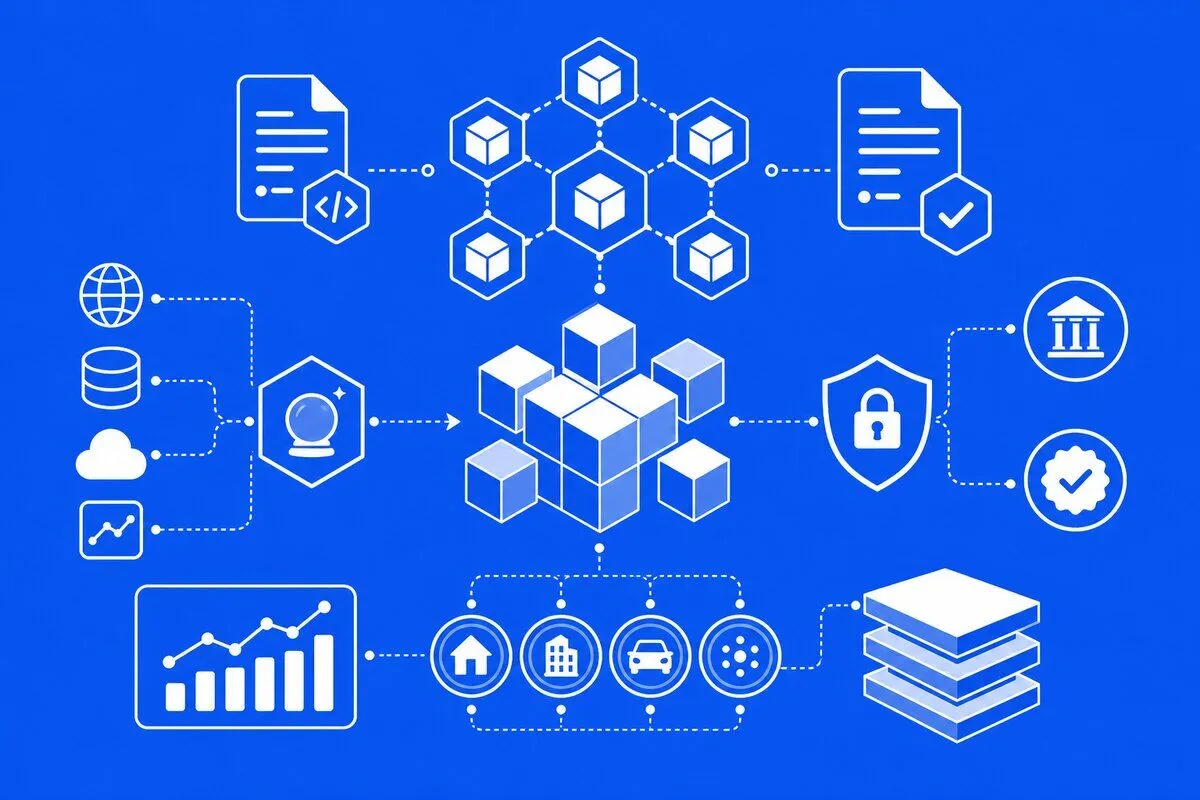
The tokenization process begins with professional diamond acquisition and certification by recognized gemological laboratories such as the Gemological Institute of America or American Gem Society. These institutions provide comprehensive grading reports documenting every relevant characteristic of each diamond, creating objective quality assessments that establish baseline valuations. Once certified, diamonds are secured in specialized vaults operated by professional custodians who maintain insurance coverage and implement stringent security protocols. Blockchain development companies then create unique digital tokens representing ownership rights to specific diamonds or diamond pools, encoding all relevant gemstone data into token metadata stored immutably on distributed ledgers. Smart contracts govern token functionality, automating ownership transfers, enforcing trading rules, managing redemption processes, and distributing any yield or dividends to token holders. The entire system operates transparently with all transactions recorded publicly on the blockchain, enabling anyone to verify ownership chains and confirm that token supplies match physical diamond inventories through regular audits. This technological infrastructure transforms diamonds from illiquid collectibles into tradable financial instruments while preserving their intrinsic value and prestigious heritage.
Benefits of Digital Diamond Ownership
Digital diamond ownership through tokenization provides numerous advantages over traditional physical possession. Investors eliminate personal storage and insurance responsibilities, as professional custodians handle these operational aspects at scale with institutional-grade security and coverage. The fractional ownership model enables participation with capital amounts ranging from hundreds to thousands of dollars rather than requiring six or seven-figure investments for quality gemstones. Instant liquidity represents perhaps the most significant benefit, with tokens tradable 24/7 on global platforms compared to traditional diamonds that might take weeks or months to sell through private dealers or auction houses. Price discovery improves dramatically through continuous trading and transparent order books showing real-time market valuations rather than opaque private negotiations. Portfolio diversification becomes accessible to retail investors who can allocate small percentages to diamond exposure without committing substantial capital. Additionally, the blockchain provides complete transaction histories and provenance tracking, addressing fraud concerns that plague traditional diamond markets where certificates can be forged and stones switched during transactions. These combined benefits explain the rapid adoption among forward-thinking investors seeking alternative assets with tangible backing.
Blockchain – The Backbone of Diamond Tokenization
At the foundation of diamond tokenization lies blockchain technology, the revolutionary distributed ledger system known for its decentralized architecture, cryptographic security, and transparent record-keeping capabilities. Blockchain provides the perfect infrastructure for securely tracking and verifying ownership of physical assets like diamonds, creating immutable records that cannot be altered or forged. With expertise from specialized blockchain development companies, each diamond can be uniquely identified through its gemological characteristics including the four Cs (carat, cut, color, clarity) plus additional factors like fluorescence, symmetry, and polish, all recorded in token metadata. Smart contracts, programmable agreements that execute automatically when predetermined conditions are met, revolutionize the transaction process by eliminating intermediaries, reducing costs, accelerating settlement, and ensuring all parties receive exactly what agreements stipulate. The technology creates unprecedented transparency where every transaction, ownership change, and token movement is recorded permanently on public ledgers accessible to anyone for verification purposes, building trust through radical openness rather than institutional gatekeeping.
Key Blockchain Features for Diamond Tokenization
Blockchain Technology Advantages
Transparency & Traceability
- All transactions recorded on public ledgers
- Complete ownership history visible to participants
- Real-time verification of token-to-asset backing
- Audit trails prevent fraudulent activities
Security & Authentication
- Cryptographic protection prevents tampering
- Decentralized storage eliminates single points of failure
- Digital signatures verify transaction authenticity
- Immutable records cannot be altered retroactively
Liquidity & Accessibility
- Asset-backed tokens trade 24/7 globally
- Fractional ownership lowers entry barriers
- Instant settlement reduces transaction friction
- Programmable tokens enable automated functionality
Smart Contracts in Diamond Tokenization
Smart contracts serve as the programmable logic layer that automates diamond tokenization operations without human intermediaries or centralized authorities. These self-executing programs run on blockchain networks, enforcing predetermined rules encoded into their logic. For tokenized diamonds, smart contracts manage critical functions including ownership transfers that execute instantly when buyers and sellers agree on prices, redemption processes that allow token holders to claim physical diamonds by meeting specified conditions, compliance checks that verify participants meet regulatory requirements before trading, and dividend distributions if platforms generate income from diamond sales or lending. The contracts operate deterministically, meaning identical inputs always produce identical outputs, eliminating discretionary decision-making that introduces bias or fraud risks. Security audits by specialized firms verify that contract code performs as intended without vulnerabilities that could compromise funds. Token development services create customized smart contracts tailored to specific platform requirements, incorporating features like vesting schedules, governance mechanisms, yield farming, or staking rewards. This programmable infrastructure enables sophisticated financial products previously impossible with physical assets.
Fractional Ownership Through Tokenization
Fractional ownership represents one of tokenization’s most transformative features, fundamentally democratizing access to high-value diamonds previously affordable only to ultra-wealthy collectors and institutions. A single exceptional diamond worth $500,000 can be divided into 500,000 tokens each representing one-thousandth ownership, enabling investors to participate with amounts as small as $500 or even less. This granular divisibility creates investment flexibility impossible with physical diamonds, where purchasing a fraction of a gemstone presents obvious practical impossibilities. Token holders receive proportional benefits including price appreciation exposure, potential dividend distributions if platforms generate income, and voting rights in governance decisions affecting platform operations. The fractional model also improves risk management by allowing investors to spread capital across multiple diamonds with different characteristics, geographic sources, or value propositions rather than concentrating funds in single gemstones. Secondary markets develop more efficiently around fractional tokens because smaller denominations attract broader participant bases, creating deeper liquidity and tighter bid-ask spreads. This innovation extends beyond individual investors to enable new institutional products like diamond index funds or exchange-traded products.
Comparing Tokenized Diamonds to Traditional Diamond Investment
Traditional diamond investment methodology has remained largely unchanged for decades, requiring investors to purchase and physically possess gemstones, a process that while prestigious carries numerous significant challenges and limitations. Physical diamonds are inherently illiquid assets where selling often requires substantial time investments, access to specialized dealer networks or auction houses, and acceptance of substantial price discounts from retail valuations. The high capital requirements for quality investment-grade diamonds create steep entry barriers, with exceptional stones routinely costing six or seven figures, effectively limiting this investment class primarily to ultra-high-net-worth individuals and institutional collectors. Verification and valuation complexities add additional friction, as assessing diamond authenticity and determining fair market value requires specialized gemological expertise susceptible to subjective interpretation and outright fraud through certificate forgery or stone substitution. Storage and insurance costs accumulate continuously, with secure safe deposit boxes or private vaults plus comprehensive insurance policies adding ongoing expenses that erode investment returns. Market information asymmetry favors professional dealers who possess pricing knowledge and transaction histories unavailable to individual investors, creating unfavorable negotiating dynamics.
How Tokenization Solves Traditional Challenges
| Aspect | Traditional Diamonds | Tokenized Diamonds |
|---|---|---|
| Liquidity | Weeks to months for sale | Instant trading 24/7 on platforms |
| Minimum Investment | $10,000 to $100,000+ per stone | $100 to $1,000 fractional shares |
| Verification | Requires expert appraisal, fraud risks | Blockchain records with immutable provenance |
| Storage & Insurance | Owner responsibility and costs | Professional custody with institutional coverage |
| Price Discovery | Opaque private negotiations | Transparent order books with real-time pricing |
| Transaction Costs | 10% to 30% dealer markups | 0.1% to 2% platform trading fees |
| Market Access | Limited to business hours and locations | Global 24/7 accessibility via internet |
Democratizing Diamond Investment Access
Tokenized diamonds fundamentally democratize access to luxury gemstone investment by eliminating capital, knowledge, and network barriers that historically restricted participation to wealthy elites. Fractional ownership allows middle-class investors to allocate reasonable portfolio percentages to diamond exposure without requiring six-figure capital commitments. The transparent blockchain infrastructure provides retail participants with the same pricing information, transaction history, and verification capabilities previously available only to professional dealers with decades of industry relationships. Platform interfaces simplify the investment process, removing requirements for specialized gemological knowledge or access to exclusive dealer networks and auction houses. Geographic restrictions disappear as global investors can participate equally from any location with internet connectivity, whether residing in New York, London, Dubai, or Toronto. Educational resources provided by platforms help newcomers understand diamond grading, market dynamics, and investment strategies that would otherwise require years of experience to accumulate. This democratization extends beyond individual investors to enable financial advisors to incorporate diamond allocations into diversified portfolios for ordinary clients, potentially creating massive new demand as awareness grows about these previously inaccessible investment opportunities.
Market Players and Platforms
The emergence of tokenized diamonds has attracted diverse market participants ranging from innovative startups to established financial institutions recognizing the transformative potential of real-world asset digitization. This growing ecosystem includes specialized tokenization platforms focusing exclusively on diamond markets, blockchain infrastructure providers offering token development services to diamond businesses, traditional diamond dealers exploring digital distribution channels, financial institutions creating investment products around tokenized gemstones, and regulatory technology companies ensuring compliance with evolving securities laws. The competitive landscape continues evolving rapidly as platforms differentiate through factors including diamond quality and selection, tokenization technology and security, regulatory compliance and licensing, trading liquidity and market making, custody arrangements and insurance coverage, fee structures and investor economics, plus user experience and educational resources. Early movers have established market positions, but the sector remains young enough that innovative newcomers can capture significant market share by addressing unmet needs or underserved investor segments across key markets in the USA, UK, UAE, and Canada.
Diamond Standard
Diamond Standard pioneered the regulated diamond commodity market by creating standardized, fungible diamond sets represented by blockchain tokens. The company’s innovative approach involves assembling precisely calibrated groupings of natural diamonds with specific total carat weights and quality distributions, creating standardized commodity units analogous to gold bars or oil barrels. Each Diamond Standard coin or bar contains diamonds worth approximately $5,000 to $50,000 depending on the product tier, professionally graded and sealed in tamper-evident packaging. These physical commodity units can be traded directly or represented by digital tokens on blockchain platforms, offering investors flexibility between physical and digital ownership. The standardization eliminates subjective valuation challenges that complicate traditional diamond trading, enabling transparent pricing based on standard units rather than individual stone characteristics. Diamond Standard has pursued regulatory approval as a regulated commodity, distinguishing its offerings from securities and simplifying compliance requirements. The platform provides full auditability with blockchain records verifying token-to-asset backing and regular third-party audits confirming physical inventory. This regulated approach appeals particularly to institutional investors requiring clear legal frameworks and compliance structures for alternative asset allocations.
D1 Coin
D1 Coin combines diamonds with digital currency functionality, offering an asset-backed cryptocurrency designed to provide stability compared to purely speculative tokens. Each D1 token represents ownership in professionally managed diamond reserves consisting of high-quality natural gemstones stored in secure vaults with comprehensive insurance coverage. The platform emphasizes the stable store of value characteristics that diamonds have demonstrated over centuries, positioning D1 as an alternative to volatile cryptocurrencies or fiat currencies subject to inflation erosion. Unlike some tokenization platforms focusing exclusively on investment returns, D1 Coin aims to function as a medium of exchange and value store, enabling users to transact with diamond-backed currency while benefiting from underlying asset appreciation. The company maintains transparency through regular audits verifying that diamond reserves match token supplies, publishing detailed inventory reports including total carat weights, average quality metrics, and independent appraisals. Storage and auditing are handled by established industry partners with expertise in high-value asset custody. D1 Coin has pursued global expansion, targeting markets in the USA, UK, UAE, and Canada where cryptocurrency adoption combines with appreciation for luxury assets and alternative investment opportunities.
Everledger
Everledger pioneered blockchain-based diamond provenance tracking, creating immutable digital records that follow gemstones throughout their lifecycles from mining through retail sale. While not primarily a tokenization platform itself, Everledger’s technology provides critical infrastructure supporting the tokenized diamond ecosystem by ensuring authenticity and ethical sourcing verification. The platform records unique diamond characteristics including laser inscriptions, measurements, and gemological profiles on blockchain networks, creating unforgeable digital identities for individual stones. This combats fraud by making it virtually impossible to substitute lower-quality diamonds for certified stones or to sell stolen gems without detection. The ethical sourcing verification addresses growing consumer concerns about conflict diamonds and environmental impacts by tracking supply chain transparency from responsible mines through legitimate distribution channels. Everledger’s technology integrates with tokenization platforms, providing the verification layer that gives investors confidence in the diamonds backing their tokens. The company has expanded beyond diamonds into other luxury goods and commodities, but its diamond tracking capabilities remain particularly relevant as tokenization grows and investors demand irrefutable proof of asset quality and authenticity.
Custom Blockchain Solutions
Many established diamond businesses and new entrants are partnering with crypto coin development services to build proprietary tokenization platforms tailored to specific business models and target markets. These custom solutions offer advantages over generic tokenization frameworks by incorporating industry-specific features, compliance requirements, and operational workflows that off-the-shelf platforms cannot accommodate. Blockchain development companies provide comprehensive services including smart contract programming, token economics design, wallet integration, exchange connectivity, custody arrangements, regulatory compliance tooling, and ongoing technical support. Custom platforms enable businesses to differentiate through unique features such as specialized diamond selection criteria, innovative redemption mechanisms, integrated marketplace functionality, or gamification elements that engage younger investors. The development process typically involves extensive requirements gathering, technical architecture design, iterative build and testing phases, security audits, regulatory review, and phased rollout starting with private beta testing before public launch. Companies pursuing custom solutions invest substantially more than those using existing platforms, but gain complete control over user experience, branding, feature sets, and strategic direction while building proprietary technology that creates competitive moats in rapidly evolving markets.
Regulatory Landscape and Legal Considerations
The regulatory landscape governing tokenized diamonds remains complex and rapidly evolving as governmental authorities worldwide work to establish appropriate frameworks for digital asset securities and tokenized commodities. Unlike established asset classes with decades of regulatory precedent, tokenized diamonds exist at the intersection of securities law, commodities regulation, cryptocurrency oversight, and luxury goods compliance, creating jurisdictional ambiguities and overlapping authority questions. Regulators in the USA, UK, UAE, and Canada are taking varied approaches with some jurisdictions moving aggressively to establish clear rules while others adopt wait-and-see stances pending market maturation. Platform operators must navigate this uncertainty carefully, balancing innovation speed against regulatory risk while engaging proactively with authorities to shape emerging frameworks. The decentralized, borderless nature of blockchain technology further complicates matters as tokens created in one jurisdiction can trade globally, raising questions about which regulations apply and how enforcement occurs across borders. Legal uncertainty creates both risks and opportunities where compliant first-movers gain competitive advantages while regulatory clarity could unlock institutional capital currently sidelined by compliance concerns.
Key Legal Considerations
Working with Blockchain Development Companies for Compliance
Engaging experienced blockchain development companies proves essential for navigating the complex regulatory landscape surrounding tokenized diamonds. These specialized firms bring expertise across technical implementation, legal compliance, and industry best practices that would take years for individual businesses to accumulate independently. Quality development partners maintain relationships with regulatory authorities, stay current on evolving compliance requirements, and implement proven frameworks that satisfy oversight expectations. Their services typically include regulatory analysis determining which securities laws apply based on token structure and target markets, compliance architecture designing systems that support AML/KYC requirements, audit trails, and reporting obligations, legal smart contract development ensuring programmed terms comply with applicable contract and consumer protection laws, plus ongoing monitoring and updates as regulations evolve. The best blockchain development companies also provide strategic guidance on structuring offerings to minimize regulatory burdens while maximizing investor protections, helping businesses choose between security tokens, utility tokens, or commodity classifications based on specific circumstances and goals. This expertise becomes particularly valuable for companies targeting multiple jurisdictions simultaneously, as navigating USA, UK, UAE, and Canadian regulations concurrently requires sophisticated compliance infrastructure and legal counsel.
Who Should Consider Investing in Tokenized Diamonds?
Tokenized diamonds appeal to diverse investor profiles ranging from retail individuals seeking portfolio diversification to institutional funds requiring uncorrelated assets and crypto enthusiasts wanting tangible value stores beyond speculative tokens. The accessibility improvements enabled by fractional ownership and digital trading remove traditional barriers that restricted diamond investment to ultra-wealthy collectors, potentially creating entirely new investor segments. Understanding which investor types benefit most from tokenized diamond exposure helps platforms tailor products, marketing, and educational resources while helping potential investors assess whether this asset class aligns with their financial goals, risk tolerance, and portfolio construction philosophy. The following profiles represent key target audiences, though individual circumstances vary and professional financial advice should inform significant investment decisions. Markets in the USA, UK, UAE, and Canada show varying investor composition with cultural factors, wealth distributions, regulatory environments, and technology adoption rates all influencing who participates in tokenized diamond markets most actively.
Retail Investors
Retail investors represent perhaps the most transformative opportunity in tokenized diamonds, as fractional ownership enables participation from individuals who could never afford traditional diamond investment. Middle-class savers looking to diversify beyond conventional stocks and bonds can allocate modest amounts to diamond exposure, perhaps 5% to 10% of portfolios, without requiring six-figure capital commitments. This demographic particularly values the tangible asset backing that provides psychological comfort compared to purely digital cryptocurrencies or complex derivative instruments. Younger investors attracted to technology and alternative assets find tokenized diamonds appealing because they combine blockchain innovation with traditional luxury goods that maintain cultural cachet and historical value retention. The educational aspect also attracts curious investors wanting to learn about gemstones, blockchain technology, and alternative investments through hands-on participation with limited downside risk. Platform interfaces designed for retail users simplify the investment process, removing requirements for specialized knowledge while providing educational resources explaining diamond grading, market dynamics, and portfolio construction principles. Many retail investors appreciate the flexibility to start small and scale allocations over time as comfort and knowledge increase, contrasting with traditional diamond investment requiring substantial upfront commitments.
Institutional Investors
Institutional investors including pension funds, endowments, family offices, and hedge funds increasingly explore tokenized diamonds as they seek portfolio diversification beyond traditional asset classes. These sophisticated investors value diamonds’ low correlation with stocks, bonds, and other conventional investments, potentially improving risk-adjusted portfolio returns through diversification benefits. The tangible asset backing appeals to fiduciaries requiring investments with intrinsic value rather than speculative instruments dependent solely on market sentiment. Institutional allocations to alternative assets have grown substantially over recent decades, and tokenized diamonds fit naturally into existing alternative investment programs alongside real estate, private equity, commodities, and infrastructure. The improved liquidity compared to physical diamonds addresses institutional requirements for reasonable exit options, while blockchain transparency facilitates the due diligence and ongoing monitoring that governance frameworks demand. Institutions also appreciate the scalability where they can deploy millions of dollars across diversified diamond portfolios rather than concentrating in individual stones. However, institutional participation requires robust regulatory compliance, professional custody arrangements, comprehensive insurance, and demonstrated operational track records that newer platforms may struggle to provide, explaining why institutional adoption likely accelerates as the market matures.
Crypto Enthusiasts
Cryptocurrency enthusiasts already familiar with blockchain wallets, private keys, and digital asset trading represent natural early adopters of tokenized diamonds. This demographic appreciates the technological innovation while seeking assets more stable than volatile altcoins or speculative NFT projects. Tokenized diamonds provide on-ramps for crypto holders wanting to preserve wealth in tangible assets without completely exiting the cryptocurrency ecosystem or triggering taxable events from converting to fiat currency. The 24/7 trading, global accessibility, and decentralized infrastructure align with crypto community values favoring permissionless access over traditional financial gatekeeping. Many crypto investors pursue diversification after experiencing extreme volatility in purely digital assets, recognizing that tangible backing provides downside protection during cryptocurrency bear markets. The familiar user experience including blockchain wallets, token standards, and decentralized exchange integration reduces friction for crypto natives who might find traditional diamond investment processes foreign and cumbersome. Additionally, some platforms offer yield-generating opportunities through staking or liquidity provision, appealing to DeFi participants accustomed to earning returns on crypto holdings beyond simple price appreciation.
Luxury Collectors
Traditional luxury collectors who value diamond ownership for prestige and aesthetic appreciation increasingly explore tokenization as a complement to physical collections. These individuals recognize diamonds’ cultural significance and enduring appeal while appreciating the practical advantages of digital ownership including elimination of storage burdens, insurance complexities, and security concerns around physical possession of valuable gemstones. Some collectors maintain hybrid approaches where they hold particularly special or sentimental diamonds physically while investing in additional exposure through tokens for pure financial returns. The redemption options offered by many platforms appeal to collectors who might eventually want to claim physical diamonds for personal use, jewelry creation, or display purposes. Token ownership also enables collectors to easily adjust diamond allocations based on market conditions, personal circumstances, or aesthetic preferences without the transaction friction of buying and selling physical stones through dealers. Additionally, tokenization enables collection diversification across more diamonds than physical ownership would practically allow, building portfolios spanning different cuts, colors, and carat weights that showcase gemstone variety while potentially improving investment risk-adjusted returns through diversification benefits.
The Future of Tokenized Diamonds
Tokenized diamonds stand at the early stages of what promises to be transformative growth as real-world asset digitization accelerates and Web3 technologies gain mainstream adoption. The convergence of improving blockchain infrastructure, evolving regulatory frameworks, growing investor sophistication, and expanding platform ecosystems creates favorable conditions for rapid market expansion over coming years. Already, adjacent sectors including real estate, fine art, commodities, and collectibles are embracing tokenization, validating the fundamental concept while building familiarity among investors and regulators. Diamonds represent a natural extension of this trend, combining substantial market size (the global diamond industry exceeds $80 billion annually), established valuation frameworks through gemological grading, cultural significance spanning centuries, and suitability for digital representation. Advances in blockchain development services continue improving the technological foundation, offering greater scalability, enhanced security features, more intuitive user experiences, and seamless integration between traditional finance and decentralized platforms. Despite the promising outlook, challenges including regulatory uncertainty, limited investor awareness, platform fragmentation, and liquidity constraints must be addressed for tokenized diamonds to achieve their full potential.
Market Growth Drivers
Several powerful forces are driving tokenized diamond market growth and positioning this sector for substantial expansion. Generational wealth transfer represents a massive tailwind as trillions of dollars move from baby boomers to millennials and Gen Z inheritors who demonstrate stronger affinity for digital assets and alternative investments compared to traditional stocks and bonds. These younger generations value technology integration, transparency, and accessibility features that tokenization provides. Growing institutional interest in alternative assets continues as traditional portfolio construction struggles to generate adequate returns in low-interest environments, pushing allocators toward uncorrelated assets like diamonds. Regulatory clarity is gradually improving as jurisdictions including the USA, UK, UAE, and Canada establish frameworks that enable compliant tokenization while protecting investors, reducing regulatory risk that has deterred some market participants. Technological improvements in blockchain scalability, interoperability, and user experience remove friction points that previously limited mainstream adoption. Additionally, the broader normalization of cryptocurrency and digital assets through Bitcoin ETF approvals, central bank digital currencies, and corporate treasury adoption creates spillover effects benefiting tokenized real-world assets by increasing overall comfort with blockchain-based investments.
Challenges to Overcome
Despite promising fundamentals, tokenized diamonds face meaningful challenges that must be addressed for the market to reach its full potential. Regulatory uncertainty remains significant with many jurisdictions lacking clear guidelines for digital asset securities and tokenized commodities, creating compliance difficulties for platforms and hesitation among risk-averse institutional investors. The fragmented market with numerous small platforms rather than dominant players limits liquidity and creates confusion for investors evaluating multiple options with different features, fees, and quality standards. Limited investor education means most potential participants remain unaware of tokenized diamonds or unclear about how they function, requiring substantial educational investment from platforms and industry associations. Technology barriers persist for less tech-savvy investors uncomfortable with blockchain wallets, private key management, and digital asset security best practices. Valuation and pricing challenges arise from subjective diamond grading and lack of standardized commodity units (except for standardized products like Diamond Standard), making price discovery more complex than for truly fungible assets. Custody and insurance frameworks continue evolving with questions remaining about best practices for securing physical diamonds while enabling token redeemability. Overcoming these challenges requires coordinated industry efforts, regulatory engagement, investor education initiatives, technology simplification, and establishment of industry standards and best practices.
Long-Term Vision and Potential
The long-term vision for tokenized diamonds extends far beyond current early-stage implementations, potentially transforming how global diamond markets function at fundamental levels. Widespread tokenization could create highly liquid secondary markets with transparent pricing, tight bid-ask spreads, and efficient price discovery benefiting all market participants from miners to retailers to investors. Integration with traditional finance through diamond-backed ETFs, mutual funds, or structured products could bring institutional capital at massive scale, potentially worth billions or tens of billions of dollars. Cross-border trading barriers could dissolve as blockchain enables instant global settlement without currency conversion friction or international wire transfer delays. Fractional ownership might extend beyond investment to enable new consumption models where groups collectively own exceptional diamonds for rotating physical possession or special occasion use. Supply chain transparency could combat unethical mining practices and conflict diamond trafficking through comprehensive provenance tracking from source to consumer. The technology could even enable innovative financial products including diamond-collateralized loans, yield-generating strategies, or derivatives markets that further enhance market sophistication and capital efficiency. Realizing this vision requires continued innovation from blockchain development companies, token development services, and forward-thinking businesses willing to pioneer new approaches while engaging constructively with regulators to ensure appropriate investor protections and market integrity.
Ready to Explore Tokenized Diamond Investing?
Partner with our experienced blockchain development company to navigate the tokenized diamond landscape. Whether you’re an individual investor, startup innovator, or established diamond business, we provide comprehensive crypto coin development services and token development services ensuring your investment journey is secure, compliant, and positioned for success in this revolutionary market.
Frequently Asked Questions
Q1.What are tokenized diamonds and how do they work?
Tokenized diamonds are blockchain tokens representing ownership of real, graded diamonds stored in secure vaults. Each token links to a specific gemstone’s details like carat and clarity. Investors can buy, trade, or redeem tokens for physical diamonds.
Q2.How do tokenized diamonds differ from traditional diamond investments?
Traditional diamond investing involves high costs, physical storage, insurance, and slow resale. Tokenized diamonds enable digital, fractional ownership and 24/7 trading without handling gemstones. Blockchain improves transparency, reduces fraud risk, and makes selling faster through secondary markets.
Q3.Are tokenized diamonds regulated and legally compliant investments?
Tokenized diamonds operate under evolving regulations. Depending on structure, they may be treated as securities or commodity-backed tokens. Platforms must follow KYC/AML rules. Investors should check licensing, legal compliance, custody contracts, audits, and regional regulations before investing.
Q4.What are the main risks of investing in tokenized diamonds?
Main risks include regulatory changes, smart contract bugs, platform insolvency, custody failures, and hacking. Diamond prices can fluctuate, and liquidity may be limited if few traders participate. Valuation differences and redemption complexity can also affect investor returns and protection.
Q5.Which platforms offer tokenized diamond investments?
Platforms offering tokenized diamonds include Diamond Standard, D1 Coin, and infrastructure providers like Everledger for provenance tracking. Many businesses also build custom tokenization platforms. Always evaluate diamond grading, custody security, insurance, audits, fees, and marketplace liquidity before investing.
Q6.How is the value of tokenized diamonds determined and maintained?
Value depends on the underlying diamond’s market price based on carat, cut, color, and clarity. Certifications from labs like GIA support pricing. Audits confirm asset backing. Token prices also change with supply-demand and broader diamond market conditions.
Q7.Can tokenized diamonds be redeemed for physical gemstones?
Many platforms allow redemption, but rules vary. Usually, you must hold enough tokens for a full diamond, complete verification, and pay shipping and insurance fees. Redemption provides certified gemstones but removes trading flexibility and adds personal storage responsibilities.
Explore Services
Related Services
Reviewed by

Aman Vaths
Founder of Nadcab Labs
Aman Vaths is the Founder & CTO of Nadcab Labs, a global digital engineering company delivering enterprise-grade solutions across AI, Web3, Blockchain, Big Data, Cloud, Cybersecurity, and Modern Application Development. With deep technical leadership and product innovation experience, Aman has positioned Nadcab Labs as one of the most advanced engineering companies driving the next era of intelligent, secure, and scalable software systems. Under his leadership, Nadcab Labs has built 2,000+ global projects across sectors including fintech, banking, healthcare, real estate, logistics, gaming, manufacturing, and next-generation DePIN networks. Aman’s strength lies in architecting high-performance systems, end-to-end platform engineering, and designing enterprise solutions that operate at global scale.