Ai Overview
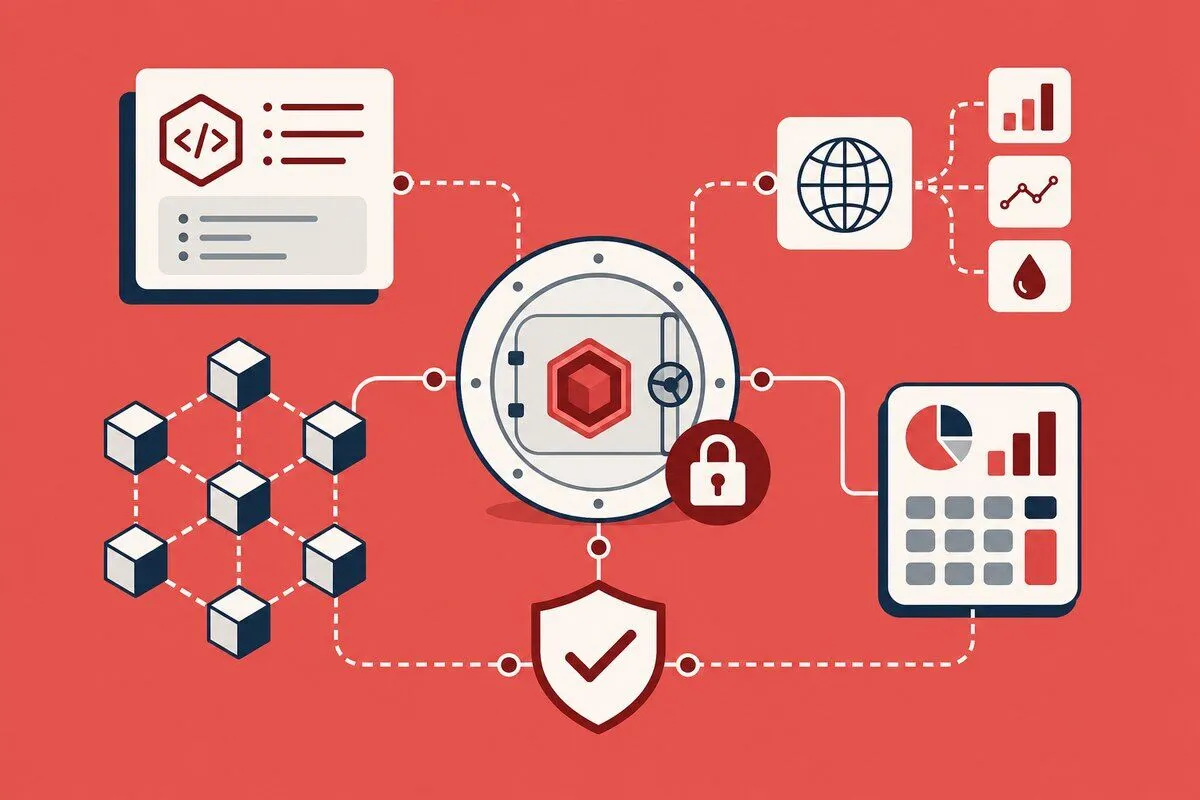
Buying tokenized real estate in 2026 enables investors to access premium US properties with minimum investments starting at $100-$500 through blockchain-based fractional ownership. Regulation A+ amendments increased offering limits to $75 million annually, enabling larger property portfolios to access tokenization benefits while maintaining investor protections.
Everything You Need to Know Before You Invest
10 essential points covering tokenized real estate in 2026
-
01
Buying tokenized real estate in 2026 enables investors to access premium US properties with minimum investments starting at $100-$500 through blockchain-based fractional ownership.
-
02
SEC-regulated platforms ensure legal compliance through Regulation D, A+, and CF frameworks, providing investor protection while democratizing property investment across retail and institutional markets.
-
03
Institutional adoption accelerated in 2026 with major funds allocating $12.8 billion to Buy Tokenized Real Estate, validating the asset class for mainstream investors.
-
04
Smart contracts automate rental income distributions, compliance monitoring, and ownership transfers, reducing administrative costs by 40-60% compared to traditional property investment structures.
-
05
Secondary market liquidity through regulated digital asset exchanges enables token holders to exit positions faster than traditional real estate, though lock-up periods apply.
-
06
Tokenized properties offer 4-12% annual returns combining rental yields and appreciation potential, with transparent on-chain reporting providing real-time performance visibility.
-
07
Fractional ownership eliminates geographic barriers, allowing global investors to diversify across US residential, commercial, industrial, and specialized property sectors.
-
08
Custodial solutions from qualified providers ensure institutional-grade security protecting digital assets through multi-signature wallets, insurance coverage, and regulatory compliance frameworks.
-
09
Tax implications for Buy Tokenized Real Estate follow existing property tax rules, with additional considerations for digital asset reporting and potential capital gains treatment.
-
10
Due diligence requirements mirror traditional real estate investing, including property appraisals, financial analysis, legal structure review, and platform security assessment before purchase decisions.
The United States real estate market is experiencing a fundamental transformation as blockchain technology enables fractional property ownership through digital securities. Traditional barriers including high capital requirements, geographic limitations, and illiquidity have historically restricted Buy Tokenized Real Estate investment to wealthy individuals and institutional funds. In 2026, the opportunity to buy tokenized real estate has democratized access to premium properties, allowing retail investors to participate in assets previously beyond their reach. This shift represents more than technological innovation; it fundamentally restructures property ownership models, investment accessibility, and market efficiency.
Regulatory clarity from the Securities and Exchange Commission combined with institutional adoption has created conditions for mainstream tokenized property investment. Major financial institutions, real estate investment trusts, and asset managers now allocate significant capital to tokenized properties, validating the model while improving liquidity and price discovery. Retail investors benefit from professional-grade due diligence, transparent reporting, and lower minimum investments enabling portfolio diversification previously impossible through traditional channels. As real estate tokenization platforms mature, investors gain access to residential complexes, commercial buildings, industrial facilities, and specialized assets across US markets with unprecedented ease and transparency.
Why 2026 Marks a Turning Point for US Property Investment
The convergence of regulatory frameworks, technological maturation, and institutional participation has positioned 2026 as an inflection point for Buy Tokenized Real Estate adoption. The SEC’s expanded guidance on digital securities clarified compliance pathways for property tokenization platforms, addressing uncertainties that previously deterred mainstream investors. Regulation A+ amendments increased offering limits to $75 million annually, enabling larger property portfolios to access tokenization benefits while maintaining investor protections. Simultaneously, blockchain infrastructure advanced significantly with enterprise-grade custody solutions, regulated digital asset exchanges, and smart contract auditing standards meeting institutional requirements for security and compliance.
Institutional investors allocated $12.8 billion to Buy Tokenized Real Estate in 2026, representing 340% growth from 2024 levels according to industry reports. This capital influx improved market depth, enhanced price discovery, and validated tokenized properties as legitimate investment vehicles worthy of portfolio allocation. Traditional Buy Tokenized Real Estate investment trusts exploring tokenization demonstrated that established players recognize blockchain’s efficiency advantages including reduced transaction costs, automated compliance, and improved liquidity. Retail investor participation expanded as platforms lowered minimum investments to $100-$500, attracting younger demographics seeking property exposure without traditional down payment requirements. The combination of regulatory clarity, institutional validation, and accessible technology created ideal conditions for mainstream adoption of Buy Tokenized Real Estate investment.
Key Market Catalysts Driving 2026 Tokenization Growth
Three forces reshaping property investment
Regulatory Clarity
SEC guidance on digital securities established clear compliance frameworks for tokenized property offerings, reducing legal uncertainty and enabling platforms to operate confidently within established regulatory boundaries while protecting investor interests.
Institutional Entry
Major asset managers, pension funds, and family offices allocated substantial capital to tokenized Buy Tokenized Real Estate, providing market validation, improving liquidity conditions, and demonstrating that blockchain-based property investment meets institutional standards.
Technology Maturation
Enterprise blockchain platforms achieved production-grade reliability with security audits, institutional custody integration, and compliance automation capabilities meeting requirements for regulated securities operations handling billions in tokenized assets.
Blockchain Infrastructure Powering Secure Tokenized Property Transactions
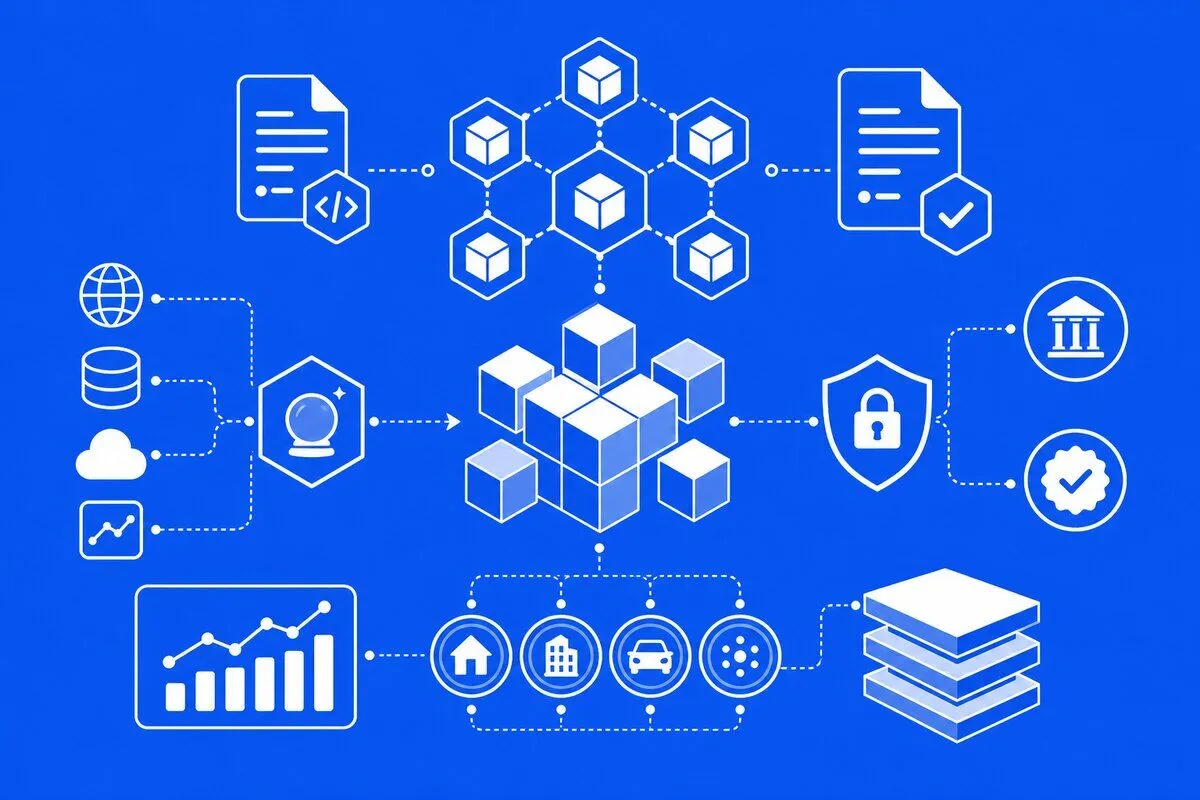
Buy Tokenized Real Estate platforms utilize blockchain networks providing immutable ownership records, programmable smart contracts, and cryptographic security protecting digital assets. Ethereum remains the dominant platform for security token issuance due to established infrastructure, extensive developer ecosystem, and proven smart contract capabilities. Layer-2 scaling solutions including Polygon and Arbitrum reduce transaction costs while maintaining Ethereum’s security guarantees, addressing concerns about high gas fees impacting small transactions. Alternative blockchains like Algorand, Stellar, and Hedera offer purpose-built features for regulated securities including compliance controls, identity management, and enterprise-grade performance.
Token standards like ERC-1400 and ERC-3643 provide frameworks specifically designed for security tokens, incorporating features including transfer restrictions, investor whitelisting, and automated compliance checks. These standards enable programmable securities enforcing regulatory requirements through code, preventing unauthorized transfers while maintaining blockchain’s transparency benefits. Smart contracts govern token issuance, ownership transfers, dividend distributions, and governance rights, automating processes traditionally requiring intermediaries. Institutional custody solutions integrate with blockchain infrastructure through secure APIs, multi-signature wallets, and hardware security modules protecting private keys controlling tokenized assets. This technology stack enables platforms to offer investors institutional-grade security, regulatory compliance, and operational efficiency impossible through traditional property investment channels.
Institutional Adoption Trends Driving Demand to Buy Tokenized Real Estate in 2026
Institutional investors allocated $12.8 billion to Buy Tokenized Real Estate in 2026, representing transformational shift from experimental allocations to meaningful portfolio positions. Major asset managers including BlackRock, Fidelity, and Franklin Templeton launched tokenized real estate funds, providing retail investors with professionally managed exposure to blockchain-based property portfolios. Pension funds in USA explored tokenization for improved liquidity, reduced administrative costs, and enhanced transparency in Buy Tokenized Real Estate holdings. Family offices allocated 3-8% of Buy Tokenized Real Estate portfolios to tokenized properties, seeking diversification benefits and exposure to innovative investment structures offering superior risk-adjusted returns.
Buy Tokenized Real Estate investment trusts examining tokenization for secondary share offerings, property-level financing, and improved shareholder liquidity demonstrated mainstream acceptance. Traditional property operators partnering with tokenization platforms validated business models while accelerating adoption through established distribution channels. Insurance companies allocated capital to tokenized commercial properties, attracted by transparent reporting, automated compliance, and improved liquidity compared to direct property ownership. This institutional participation created virtuous cycle where capital influx improved market conditions, enhanced liquidity attracted additional investors, and mainstream validation encouraged hesitant institutions to explore tokenization. Retail investors benefited from institutional due diligence, professional management, and improved market infrastructure resulting from large-scale capital deployment into tokenized real estate sector.
Why Retail Investors Are Choosing to Buy Tokenized Real Estate Over Traditional REITs
Retail investors increasingly prefer tokenized Buy Tokenized Real Estate over traditional Real Estate Investment Trusts due to fundamental structural differences favoring direct property ownership. REITs pool investor capital into diversified property portfolios managed by professional teams, offering liquidity through stock exchange trading but creating distance between investors and underlying assets. Tokenized real estate provides fractional ownership in specific properties, enabling investors to select individual assets based on location preferences, property types, and risk profiles. This granular control appeals to investors seeking targeted exposure rather than broad diversification inherent in REIT structures.[1]
Transparency represents another key advantage, with blockchain providing real-time visibility into property performance, rental income, occupancy rates, and operational expenses. REIT investors receive quarterly reports with aggregated data across multiple properties, limiting insights into individual asset performance. Lower minimum investments make tokenized properties accessible to investors unable to meet REIT share price requirements or traditional property down payments. Automated dividend distributions through smart contracts eliminate delays associated with traditional payment processing, with some platforms distributing rental income monthly rather than quarterly. Fee structures often favor tokenized Buy Tokenized Real Estate, with platforms charging 0.5-2% annually compared to REIT expense ratios averaging 1-1.5% plus performance fees. These advantages position tokenized properties as compelling alternatives for retail investors seeking direct property exposure with lower barriers, improved transparency, and enhanced control over investment allocations.
Fractional Ownership Explained: Lower Capital Barriers, Higher Accessibility
Fractional ownership through tokenization divides property ownership into small units represented by digital tokens, enabling investors to purchase partial interests matching their investment capacity. A $5 million commercial building might be tokenized into 50,000 tokens valued at $100 each, allowing investors to buy positions ranging from single tokens to thousands depending on capital availability. This divisibility eliminates traditional barriers requiring $20,000-$100,000 minimum investments for property syndications or direct ownership. Investors with $500 budgets can participate in premium properties previously accessible only to wealthy individuals or institutional funds.
Geographic diversification becomes feasible through fractional tokenization, with investors allocating capital across properties in multiple markets, property types, and risk profiles. A retail investor might own fractions of residential complexes in Texas, commercial buildings in New York, industrial facilities in California, and data centers in Virginia, creating diversified portfolios impossible through traditional investment channels. This accessibility democratizes real estate investment, extending opportunities beyond accredited investors to broader population segments. Younger investors building wealth benefit particularly from low minimums enabling early Buy Tokenized Real Estate exposure complementing stock and bond allocations. The fractional model also facilitates dollar-cost averaging, where investors incrementally purchase tokens over time rather than committing large lump sums, reducing timing risk while building property positions systematically.
Key Benefits of Fractional Tokenized Ownership
Five core advantages over traditional real estate investment
Low entry barriers with minimum investments starting at $100-$500, democratizing access to premium properties previously requiring six-figure capital commitments for direct ownership or syndication participation.
Geographic diversification across multiple markets, property types, and risk profiles, enabling portfolio construction strategies impossible through traditional property investment requiring substantial capital for each position.
Proportional income rights with rental distributions automatically calculated and transferred according to ownership percentages, eliminating manual processing and ensuring accurate compensation for all token holders.
Enhanced liquidity through secondary market trading on digital asset exchanges, enabling partial position exits without selling entire property stakes or waiting for property disposition events.
Transparent ownership records on blockchain providing immutable proof of fractional interests, eliminating disputes about ownership percentages and ensuring accurate voting rights allocation for governance decisions.
Smart Contracts, Compliance Automation, and Investor Protection Mechanisms
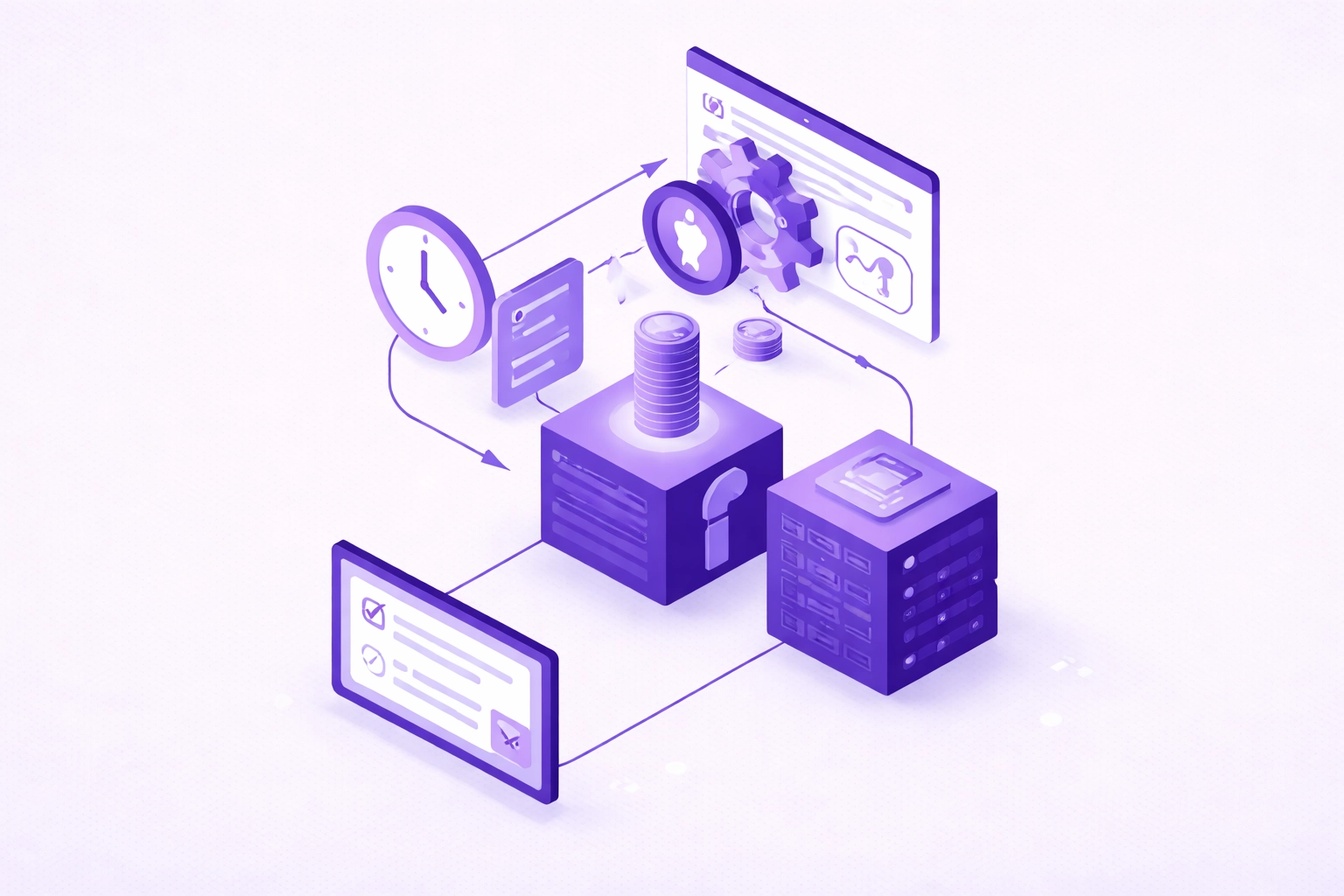
Smart contracts automate critical functions in Buy Tokenized Real Estate ecosystems, reducing operational costs while improving compliance and investor protection. These self-executing programs encode rules governing token transfers, dividend distributions, governance rights, and regulatory restrictions directly into blockchain protocols. Transfer restrictions prevent unauthorized token sales to unverified investors, ensuring platforms maintain compliance with securities regulations requiring investor accreditation or suitability assessments. Whitelisting mechanisms verify investor credentials before allowing token purchases, with automated checks confirming identity verification, accreditation status, and investment limit compliance for non-accredited participants.
Dividend distribution smart contracts calculate rental income allocations based on ownership percentages, deduct operational expenses and platform fees, and automatically transfer payments to token holder wallets on predetermined schedules. This automation eliminates manual processing errors, reduces administrative costs, and ensures timely payments without relying on intermediaries. Governance contracts enable token holders to vote on major decisions including property sales, capital improvements, or management changes, with voting power proportional to ownership stakes. Compliance modules monitor regulatory requirements including holding period restrictions, investment limits, and reporting obligations, programmatically enforcing rules protecting both platforms and investors. These mechanisms create trustless systems where code execution replaces reliance on intermediaries, improving transparency while reducing costs associated with traditional property administration.
Risk Assessment and Due Diligence Before You Buy Tokenized Real Estate
Comprehensive due diligence remains essential before purchasing Buy Tokenized Real Estate despite blockchain’s transparency benefits. Investors should evaluate platform legitimacy by verifying SEC registration, reviewing compliance history, examining management team credentials, and assessing security measures protecting investor assets. Platform financial stability matters, as operational failures could disrupt token trading, dividend distributions, or property management even when underlying assets retain value. Third-party audits of smart contracts validate code security, identifying vulnerabilities that could enable unauthorized access or fund manipulation.
Property-level analysis mirrors traditional Buy Tokenized Real Estate investing, requiring examination of location characteristics, market fundamentals, rental income sustainability, operating expense projections, and competitive positioning. Independent appraisals confirm fair market valuations, preventing overpayment for tokenized assets. Legal structure review ensures proper entity formation, clear ownership rights, and enforceable contracts protecting investor interests. Risk factors including liquidity constraints, regulatory changes, technology failures, and market volatility require careful consideration before capital commitment. Investors should diversify across multiple properties and platforms rather than concentrating capital in single tokens, mitigating platform-specific risks while maintaining real estate exposure. Understanding fee structures, lock-up periods, and exit mechanisms enables informed decisions aligned with investment objectives and liquidity requirements.
Comprehensive Due Diligence Checklist
Eight areas to verify before committing capital
Platform Verification
Confirm SEC registration, review regulatory compliance history, assess management credentials, examine security audit reports, verify custodian qualifications, and evaluate operational track record before account creation.
Property Analysis
Review location characteristics, analyze market fundamentals, examine rental income history, evaluate occupancy trends, assess operating expenses, compare valuation to comparable properties, and review property condition reports.
Legal Structure
Examine entity formation documents, review ownership structure, verify clear title, assess contractual obligations, evaluate governance rights, confirm investor protections, and understand dispute resolution mechanisms.
Financial Projections
Analyze revenue assumptions, scrutinize expense forecasts, review sensitivity analyses, assess financing terms, examine exit strategies, compare projected returns to market benchmarks, and evaluate downside scenarios.
Technology Security
Verify smart contract audits, review blockchain infrastructure, assess wallet security measures, examine custody arrangements, evaluate insurance coverage, and confirm disaster recovery procedures protecting digital assets.
Liquidity Assessment
Understand lock-up periods, evaluate secondary market availability, review historical trading volumes, assess bid-ask spreads, examine platform market-making provisions, and consider exit timeline compatibility with investment horizon.
Tax Implications
Consult tax professionals regarding income treatment, capital gains implications, state tax obligations, reporting requirements, international considerations, and potential deductions available for tokenized property investments.
Risk Evaluation
Identify platform risks, property-specific risks, market risks, regulatory risks, technology risks, and liquidity risks, determining whether potential returns adequately compensate for identified exposures.
Liquidity Solutions: Secondary Markets and Digital Asset Exchanges for Property Tokens
Secondary market liquidity represents significant advantage of Buy Tokenized Real Estate compared to traditional property ownership or private syndications. Regulated digital asset exchanges including tZERO, INX, and Securitize Markets provide platforms for trading security tokens representing property ownership. These venues implement investor verification, comply with securities regulations, and offer order books enabling price discovery through buyer-seller matching. Alternative trading systems registered with the SEC facilitate institutional-scale transactions, connecting qualified investors through dealer networks rather than public exchanges.
Platform-operated internal marketplaces enable peer-to-peer token transfers among verified users, maintaining compliance while providing liquidity mechanisms. Market makers commit capital to provide continuous bid-ask quotes, improving liquidity conditions and reducing price volatility for thinly traded tokens. Lock-up periods imposed by securities regulations restrict immediate resales, with Regulation D offerings typically requiring 12-month holding periods before secondary market transfers. Regulation A+ tokens may trade immediately on approved platforms, offering superior liquidity for retail investors seeking flexible exit options. Liquidity varies significantly across properties based on investor demand, platform trading volume, and market conditions, with premium assets in major markets generally demonstrating better trading activity than secondary market properties. Investors should evaluate secondary market characteristics before purchasing, understanding that theoretical tradability differs from practical liquidity when buyer demand proves insufficient.
Taxation, Reporting, and Cross-Border Implications of Tokenized Real Estate Investments
Tax treatment for Buy Tokenized Real Estate generally follows existing property investment rules, with rental income taxed as ordinary income and appreciation taxed as capital gains upon token sale. Investors receive Form 1099-DIV or 1099-MISC for dividend distributions, reporting rental income on tax returns according to ownership percentages. Pass-through taxation applies when properties are held through partnerships or LLCs, with investors receiving K-1 forms detailing their proportional share of income, deductions, and credits. Depreciation deductions may flow through to token holders depending on legal structure, providing tax benefits offsetting rental income.
Capital gains taxation applies when selling tokens at profits, with holding periods determining whether gains qualify as short-term (ordinary income rates) or long-term (preferential rates). State taxation varies by investor residence and property location, with some states imposing income taxes on rental distributions while others exempt certain property income. International investors face withholding tax obligations on US property income, with treaty provisions potentially reducing rates below standard 30% withholding. Digital asset reporting requirements add complexity, with IRS treating tokens as property subject to cost basis tracking and capital gains calculations. Investors should consult tax professionals familiar with both Buy Tokenized Real Estate and digital asset taxation, ensuring compliance with evolving regulations governing tokenized property investments. Proper record-keeping including acquisition costs, distributions received, and sale proceeds facilitates accurate tax reporting and audit defense.
Comparing Buy Tokenized Real Estate vs REITs vs Direct Property Ownership
Investment Structure Comparison Analysis
Tokenized real estate vs REITs vs direct property ownership
| Feature | Tokenized Real Estate | REITs | Direct Ownership |
|---|---|---|---|
| Minimum Investment | $100-$10,000 | $50-$500 per share | $50,000-$500,000+ |
| Liquidity | Moderate (secondary markets) | High (stock exchanges) | Low (months to sell) |
| Asset Selection | Specific property choice | Portfolio exposure only | Complete control |
| Management | Professional (passive) | Professional (passive) | Self-managed or hired |
| Transparency | High (blockchain verified) | Moderate (quarterly reports) | Complete visibility |
| Typical Returns | 4-12% annually | 3-10% annually | 5-15% annually |
| Fees | 0.5-2% platform fees | 1-1.5% expense ratios | Transaction costs 5-8% |
| Diversification | Easy across properties | Built-in portfolio | Requires substantial capital |
Returns and fees are indicative ranges. Actual results vary by property, platform, and market conditions.
Asset Valuation, Transparency, and On-Chain Auditing Standards
Valuation transparency distinguishes Buy Tokenized Real Estate from traditional investment vehicles, with blockchain enabling real-time visibility into property performance metrics. Platforms publish detailed financial data including rental income, occupancy rates, operating expenses, capital expenditures, and net operating income, updated monthly or quarterly. Independent appraisals establish fair market values using comparable sales analysis, income capitalization, and replacement cost methodologies. These valuations undergo periodic updates reflecting market conditions, property improvements, and lease renewals affecting asset values.
On-chain auditing creates immutable records of all financial transactions, ownership changes, and governance actions related to tokenized properties. Smart contracts log rental income receipts, expense payments, dividend distributions, and token transfers, creating comprehensive audit trails accessible to investors and regulators. Third-party auditors verify financial statements, comparing reported performance to on-chain records and identifying discrepancies requiring investigation. This transparency reduces information asymmetry between property managers and investors, enabling informed decision-making based on verified data rather than selective disclosures. Token pricing reflects real-time market sentiment incorporating available information, with secondary market trades providing continuous valuation signals. Investors can compare platform-reported values to market prices, identifying potential mispricings or valuation concerns warranting further investigation before purchase decisions.
The Role of Custodial and Non-Custodial Wallets in Tokenized Property Holdings
Custodial wallet solutions offer convenience and security for investors unfamiliar with blockchain technology, with qualified custodians managing private keys on behalf of token holders. These providers implement institutional-grade security including multi-signature authentication, hardware security modules, cold storage protocols, and comprehensive insurance coverage protecting against theft or loss. Regulatory compliance features ensure custodians meet SEC, FinCEN, and state securities requirements applicable to digital asset safekeeping. Investors access holdings through user-friendly interfaces without managing private keys, reducing risks of key loss while maintaining regulatory compliance.
Non-custodial wallets provide maximum control, with investors maintaining private keys and assuming responsibility for security. Hardware wallets like Ledger and Trezor store keys offline, protecting against online hacking attempts while requiring physical device access for transactions. Software wallets offer convenience with mobile or desktop applications, though internet connectivity creates potential attack vectors. Self-custody eliminates counterparty risk from custodian failures while requiring technical competence managing keys securely. Most platforms support both custodial and non-custodial options, enabling investors to select arrangements matching their technical capabilities and risk preferences. Institutional investors typically require qualified custodians meeting regulatory standards, while tech-savvy retail investors may prefer self-custody maximizing control over digital assets.
Institutional Case Studies: Major Funds Entering the Tokenized Real Estate Market
BlackRock’s entry into Buy Tokenized Real Estate through its USD Institutional Digital Liquidity Fund demonstrated institutional validation of blockchain-based property investment. While initially focused on money market instruments, the infrastructure enables expansion into tokenized real estate as regulatory frameworks mature. Franklin Templeton tokenized a money market fund on blockchain, proving that traditional asset managers can successfully operate digital securities platforms meeting regulatory requirements. These precedents pave the way for tokenized property funds managed by established institutions with decades of Buy Tokenized Real Estate expertise.
Smaller specialized funds have launched tokenized commercial Buy Tokenized Real Estate products targeting accredited investors, raising capital through Regulation D offerings. These funds acquire properties, tokenize ownership interests, and distribute rental income through smart contracts while maintaining professional management. Pension funds in USA allocated exploratory capital to Buy Tokenized Real Estate managers, testing operational capabilities and regulatory compliance before committing larger allocations. Family offices invested directly in tokenized properties through platforms like RealT and Lofty, building diversified portfolios across residential and commercial sectors. Insurance companies examined tokenization for commercial property holdings, attracted by transparency, liquidity improvements, and operational efficiency compared to traditional ownership structures. This institutional activity validates Buy Tokenized Real Estate as viable investment category worthy of professional capital allocation.
How AI, Data Analytics, and DeFi Are Enhancing Tokenized Real Estate Portfolios
Artificial intelligence enhances Buy Tokenized Real Estate investing through predictive analytics, automated underwriting, and portfolio optimization algorithms. Machine learning models analyze property characteristics, market trends, economic indicators, and demographic data to forecast rental income, appreciation potential, and risk metrics. These insights enable data-driven investment decisions supplementing traditional due diligence with quantitative analysis identifying promising opportunities. Natural language processing extracts information from property documents, lease agreements, and market reports, automating research processes that traditionally required manual review.
Decentralized finance protocols enable innovative applications including tokenized property-backed lending, where investors collateralize holdings to borrow stablecoins without selling tokens. Yield aggregators optimize returns by automatically shifting capital between tokenized properties based on performance metrics and market conditions. Liquidity pools enable token swaps without centralized exchanges, though regulatory considerations limit DeFi integration for security tokens. Data analytics platforms aggregate information across multiple tokenization platforms, providing comprehensive market intelligence, comparative performance metrics, and portfolio tracking tools. These technological enhancements position tokenized Buy Tokenized Real Estate at the intersection of blockchain, artificial intelligence, and financial innovation, creating sophisticated investment tools accessible to retail participants previously limited to basic property exposure.
Emerging Technology Integration Benefits
Four AI and DeFi capabilities transforming property investment
Machine learning algorithms analyze comparable sales, rental trends, and economic indicators to provide real-time property valuations more accurate than traditional appraisal methods.
Smart algorithms assess property risk profiles, tenant creditworthiness, and market conditions, accelerating due diligence while maintaining analytical rigor through data-driven evaluation processes.
AI-driven tools recommend property allocations based on investor risk tolerance, return objectives, and diversification requirements, creating optimized portfolios impossible through manual analysis.
Tokenized property owners access liquidity through collateralized borrowing without selling holdings, enabling capital deployment while maintaining Buy Tokenized Real Estate exposure through decentralized lending protocols.
Will Buy Tokenized Real Estate Become the New Standard for Property Investment?
The trajectory toward mainstream Buy Tokenized Real Estate adoption appears increasingly inevitable as regulatory frameworks solidify, institutional participation expands, and technology matures. Younger demographics entering peak earning years demonstrate strong preferences for digital-native investment platforms offering transparency, accessibility, and flexibility that traditional property investment cannot match. The $280 trillion global Buy Tokenized Real Estate market represents enormous opportunity for tokenization, with even 1% migration to blockchain-based ownership creating $2.8 trillion in tokenized assets. Efficiency advantages including reduced transaction costs, improved liquidity, and automated compliance provide compelling incentives for property owners to explore tokenization alternatives.[2]
However, complete displacement of traditional property ownership remains unlikely given fundamental characteristics favoring direct ownership for certain use cases. Primary residences, owner-occupied commercial properties, and unique assets requiring hands-on management will continue utilizing conventional ownership structures. Tokenization will likely complement rather than replace traditional models, with different structures serving different investor needs. The future probably features hybrid ecosystem where institutional-grade properties offer tokenized fractional ownership alongside direct ownership options, traditional REITs adopt blockchain for operational efficiency, and specialized platforms serve retail investors seeking accessible property exposure. The question shifts from whether tokenization will succeed to how quickly adoption accelerates and which property sectors embrace blockchain-based ownership most enthusiastically. Current trends suggest Buy Tokenized Real Estate will capture significant market share over the next decade, establishing blockchain as legitimate property investment channel alongside traditional alternatives.
Buy Tokenized Real Estate Investment Journey
Partner with experienced tokenization experts to access premium US properties with institutional-grade security, regulatory compliance, and transparent blockchain reporting.
People Also Ask
Q1.1. How can I buy tokenized real estate in the United States?
To buy tokenized real estate in the US, you must first create an account on a regulated tokenization platform, complete KYC verification, and link a digital wallet. Select properties listed on the platform, review offering documents including financial projections and legal structures, then purchase fractional tokens representing ownership shares. Minimum investments typically range from $100 to $10,000 depending on the platform and property type. Transactions settle on blockchain networks within minutes, with ownership recorded as digital tokens in your wallet.
Q2.2. Is buying tokenized real estate legal and safe?
Yes, Buy Tokenized Real Estate is legal in the United States when platforms comply with SEC regulations under Regulation D, Regulation A+, or Regulation CF. Reputable platforms register as broker-dealers or partner with licensed entities, implement investor accreditation verification, and structure tokens as regulated securities. Safety depends on platform security measures including institutional custody, smart contract audits, insurance coverage, and transparent reporting. Investors should verify regulatory compliance and conduct thorough due diligence before purchasing.
Q3.3. What are the minimum investment requirements to buy tokenized real estate?
Minimum investment requirements to buy tokenized real estate vary by platform and property, typically ranging from $100 to $10,000 per transaction. Retail-focused platforms often set minimums at $100-$500 to democratize access, while institutional offerings may require $25,000-$100,000. Some platforms restrict certain offerings to accredited investors with $200,000+ annual income or $1 million+ net worth. Fractional tokenization enables participation in premium properties previously accessible only to wealthy individuals or institutional funds.
Q4.4. Can I sell my tokenized real estate tokens anytime?
Liquidity depends on whether tokens trade on secondary markets and any holding period restrictions imposed by securities regulations. Some platforms offer internal marketplaces enabling peer-to-peer transfers, while others list tokens on regulated digital asset exchanges. Regulation D offerings typically include 12-month lock-up periods before resale. Regulation A+ tokens may trade immediately on approved platforms. Actual liquidity varies by property demand, platform trading volume, and market conditions affecting buyer availability.
Q5.5. What returns can I expect from buying tokenized real estate?
Returns from Buy Tokenized Real Estate investments vary by property type, location, and market conditions, typically ranging from 4% to 12% annually through rental income distributions and potential appreciation. Residential properties average 5-8% yields, commercial properties 6-10%, and specialized assets like data centers 8-12%. Returns depend on occupancy rates, operating expenses, property management efficiency, and economic factors. Platforms distribute rental income quarterly or monthly via smart contracts, with capital appreciation realized upon property sale or token resale.
Explore Services
Related Services
Reviewed by

Aman Vaths
Founder of Nadcab Labs
Aman Vaths is the Founder & CTO of Nadcab Labs, a global digital engineering company delivering enterprise-grade solutions across AI, Web3, Blockchain, Big Data, Cloud, Cybersecurity, and Modern Application Development. With deep technical leadership and product innovation experience, Aman has positioned Nadcab Labs as one of the most advanced engineering companies driving the next era of intelligent, secure, and scalable software systems. Under his leadership, Nadcab Labs has built 2,000+ global projects across sectors including fintech, banking, healthcare, real estate, logistics, gaming, manufacturing, and next-generation DePIN networks. Aman’s strength lies in architecting high-performance systems, end-to-end platform engineering, and designing enterprise solutions that operate at global scale.