Ai Overview
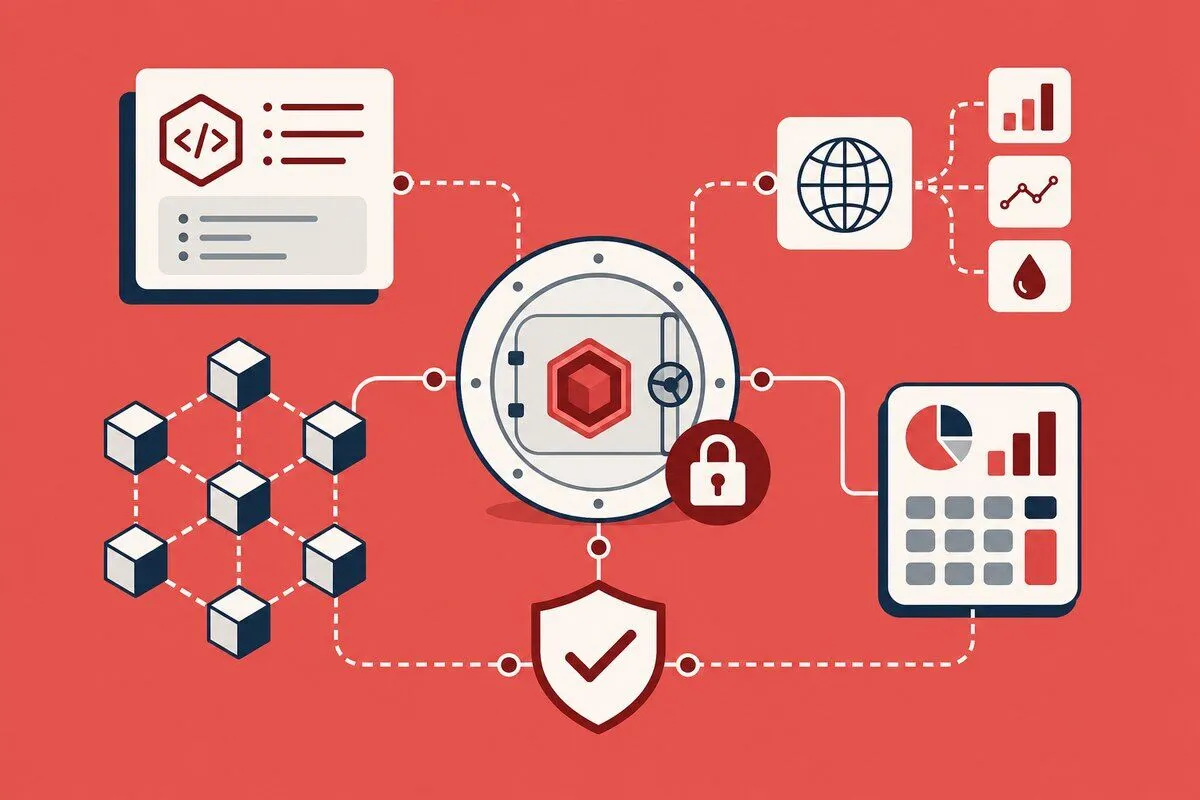
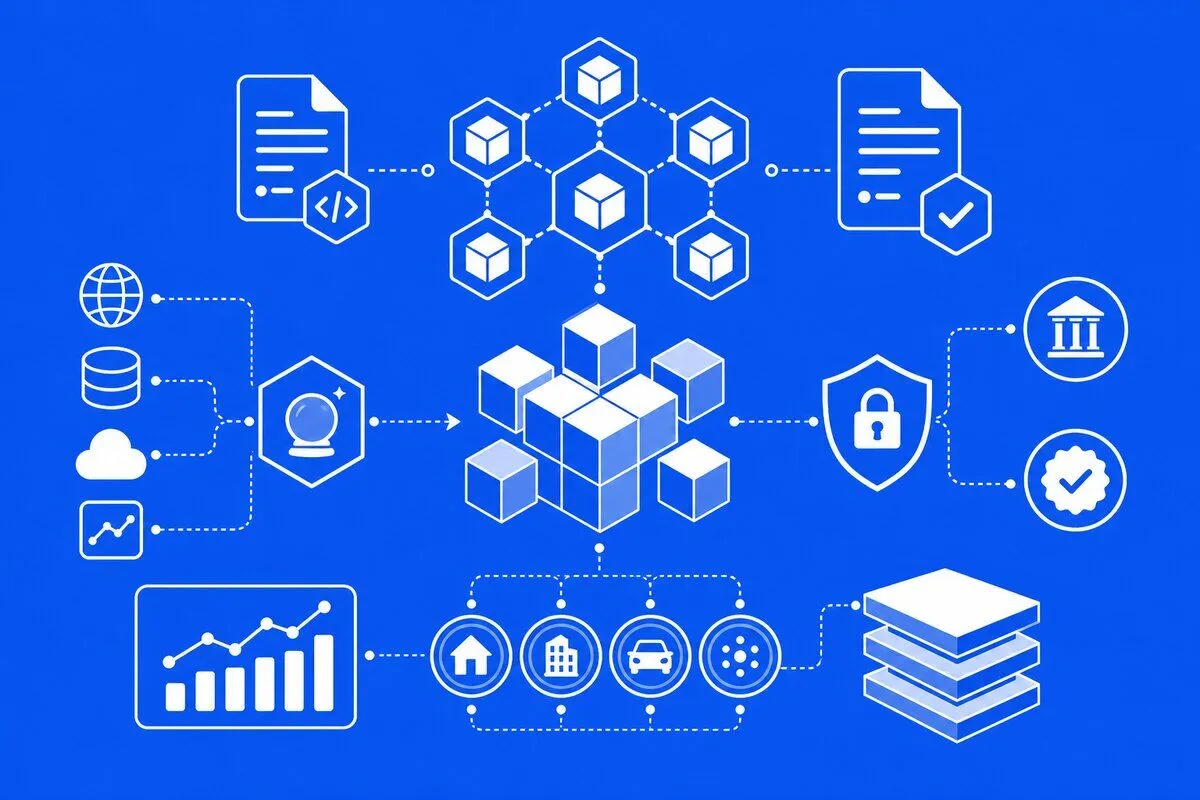
Real Estate Tokenization Platform Pricing architecture encompasses three primary layers: foundational infrastructure, operational services, and transaction-based expenses. Blockchain deployment, smart contract coding, wallet integration, custody systems, and security infrastructure representing 45% to 55% of total platform investment. Standard ERC-20 token contracts cost $5,000 to $15,000 while sophisticated security token implementations range from $30,000 to $75,000 depending on feature requirements.
Key Takeaways
- Real estate tokenization platform pricing varies dramatically based on blockchain infrastructure selection, regulatory compliance scope, and customization requirements ranging from $50,000 to $500,000.
- Smart contract coding costs constitute 25% to 35% of initial setup expenses, with security audits adding another $15,000 to $50,000 depending on complexity.
- Ongoing platform maintenance fees range from $2,000 to $20,000 monthly, covering infrastructure hosting, regulatory updates, investor management, and security monitoring services.
- Transaction fee structures typically charge 0.5% to 3% per trade, with blockchain gas costs varying significantly across networks and congestion periods.
- White-label solutions offer faster deployment at $50,000 to $150,000 versus custom platforms costing $200,000 to $500,000 with greater flexibility and control.
- Multi-chain tokenization architecture doubles infrastructure costs but provides critical diversification and expanded investor accessibility across blockchain ecosystems.
- Legal compliance and regulatory structuring expenses vary by jurisdiction, adding $20,000 to $100,000 per region for proper licensing and documentation frameworks.
- Oracle integration for property valuation and data feeds costs $5,000 to $25,000 initially plus ongoing subscription fees for reliable external information sources.
- ROI calculations show break-even typically achieved within 18 to 36 months through operational cost reductions of 40% to 60% and improved liquidity.
- Revenue-sharing models where platform operators capture 10% to 30% of rental income or appreciation represent common pricing structures for tokenization services.
The financial landscape of real estate tokenization presents complex pricing considerations that significantly impact project feasibility and long-term profitability. Organizations across the USA, UK, UAE, and Canada face critical decisions regarding platform investment structures, operational cost allocation, and revenue optimization strategies. Understanding comprehensive pricing models enables stakeholders to make informed choices about technology partners, infrastructure configurations, and financial projections. This analysis examines detailed cost breakdowns across setup phases, ongoing operational expenses, and return calculations that determine tokenization platform viability. With institutional adoption accelerating and regulatory frameworks maturing, accurate cost assessment becomes essential for competitive positioning in digital asset markets. Enterprise clients require transparent pricing intelligence covering technical infrastructure, legal compliance, security protocols, and scalability considerations. Our eight years of expertise across global tokenization projects provides authoritative insights into realistic budget planning, hidden cost identification, and strategic investment optimization for Real Estate Tokenization Platform Pricing blockchain initiatives.
Understanding Real Estate Tokenization Platform Pricing Cost Architecture
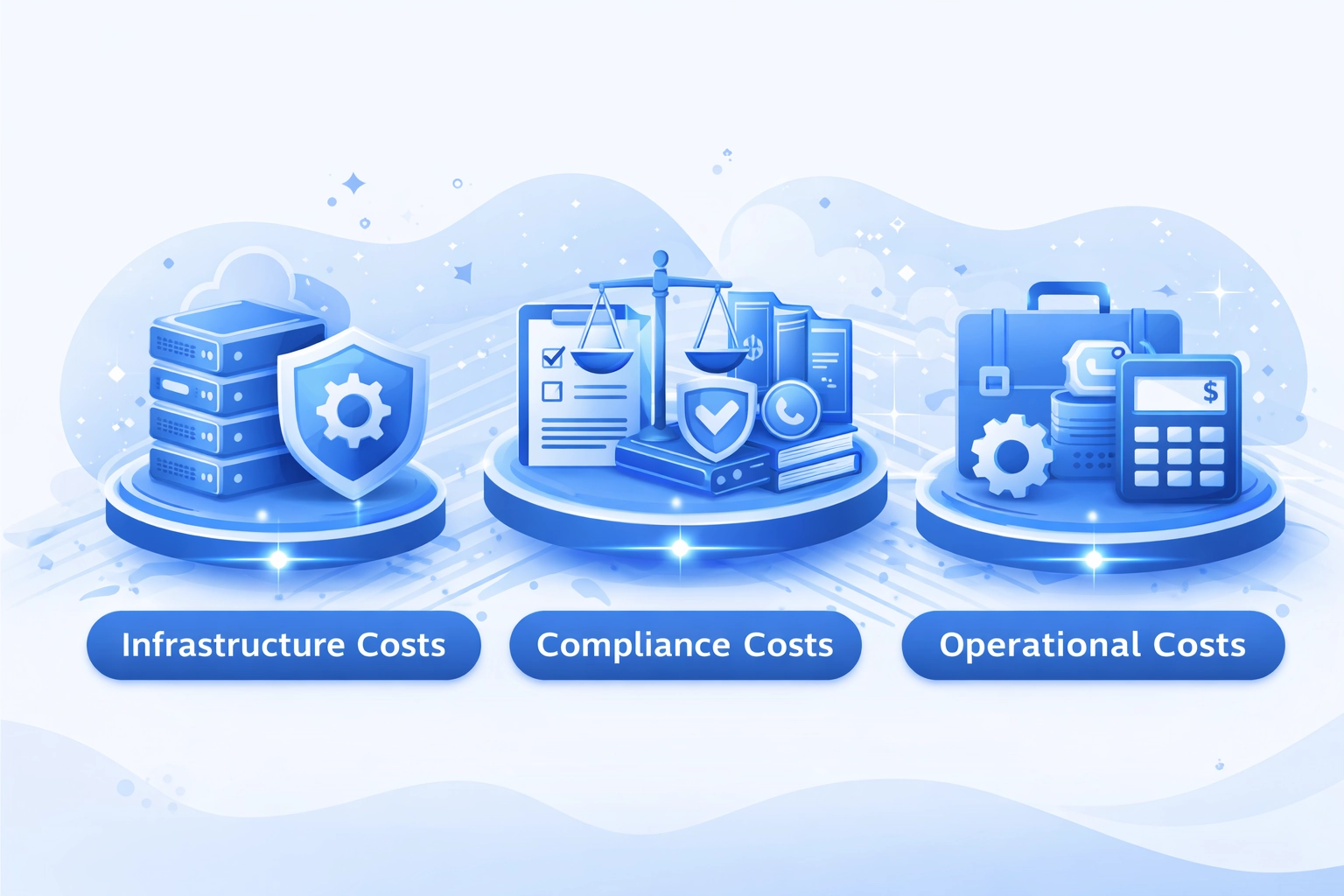
Real Estate Tokenization Platform Pricing architecture encompasses three primary layers: foundational infrastructure, operational services, and transaction-based expenses. Foundational infrastructure includes blockchain network selection, smart contract frameworks, wallet systems, and custody solutions establishing technical capabilities. Operational services cover ongoing platform maintenance, regulatory compliance monitoring, investor management, and customer support functions. Transaction-based expenses consist of blockchain gas fees, settlement costs, and marketplace commissions tied directly to trading activity. Each layer requires distinct budgeting approaches with infrastructure representing significant upfront capital expenditure while operational costs scale with platform maturity and user adoption. Understanding this tripartite structure enables accurate financial modeling across platform lifecycle stages. Organizations must evaluate total cost of ownership beyond initial setup, incorporating long-term operational commitments and variable transaction expenses. Strategic cost architecture planning balances performance requirements, regulatory obligations, and competitive pricing pressures across target markets.
 Core Cost Components
Infrastructure Costs
Blockchain deployment, smart contract coding, wallet integration, custody systems, and security infrastructure representing 45% to 55% of total platform investment.
Compliance Costs
Legal structuring, regulatory licensing, KYC integration, AML protocols, and jurisdictional compliance frameworks accounting for 20% to 30% of expenses.
Operational Costs
Platform maintenance, customer support, oracle subscriptions, monitoring systems, and ongoing security audits comprising 15% to 25% of recurring budget.
How Platform Pricing Models Differ Across Tokenized Property Types
Tokenization platform pricing varies substantially across residential, commercial, and mixed-use property types due to differing regulatory requirements, investor profiles, and operational complexities. Residential property tokenization typically costs 20% to 30% less than commercial assets because of simpler valuation methodologies, standardized legal frameworks, and lower due diligence requirements. Commercial Real Estate Tokenization Platform Pricing require sophisticated cash flow modeling, tenant management integration, and institutional-grade reporting capabilities increasing technical complexity. Mixed-use properties demand hybrid systems supporting multiple asset classes simultaneously, adding 15% to 25% premium over single-property-type platforms. International properties introduce currency conversion mechanisms, cross-border compliance protocols, and multi-jurisdictional legal structures significantly elevating costs. Luxury asset tokenization requires enhanced security measures, high-net-worth investor interfaces, and premium custody solutions. Platform providers adjust pricing models based on property type risk profiles, expected transaction volumes, and regulatory oversight intensity across different Real Estate Tokenization Platform Pricing categories.
Property Type Pricing Comparison
| Property Type | Setup Cost Range | Monthly Maintenance | Complexity Factor |
|---|---|---|---|
| Residential Single-Family | $50,000 – $120,000 | $2,000 – $6,000 | Low |
| Multi-Family Residential | $80,000 – $180,000 | $4,000 – $10,000 | Medium |
| Commercial Office | $120,000 – $280,000 | $6,000 – $15,000 | High |
| Industrial Properties | $100,000 – $250,000 | $5,000 – $12,000 | Medium-High |
| Mixed-Use Developments | $180,000 – $400,000 | $8,000 – $20,000 | Very High |
One-Time Platform Setup Costs and Their Hidden Technical Dependencies
One-time platform setup costs extend far beyond initial blockchain deployment, encompassing numerous interconnected technical dependencies often underestimated during budgeting phases. Core infrastructure expenses include smart contract architecture design, security audit processes, and comprehensive testing environments requiring specialized expertise. Hidden dependencies emerge through third-party integrations such as payment gateways, identity verification services, and property data providers each demanding separate licensing agreements. Database infrastructure supporting off-chain operations, analytics platforms, and backup systems represent additional capital requirements. Custom user interface creation, mobile application coding, and investor portal features add substantial front-end expenses. Technical documentation, training materials, and knowledge base creation consume resources frequently overlooked in preliminary estimates. Migration tooling for legacy system integration and data conversion utilities require dedicated engineering effort. These interconnected dependencies create cost cascades where delays or complications in one component propagate throughout project timelines and budgets.
Smart Contract Development Costs for Asset-Backed Tokenization
Smart contract coding for asset-backed tokenization represents one of the most technically demanding and costly platform components, typically consuming 25% to 35% of total setup budgets. Complexity stems from requirements for automated compliance checking, dividend distribution logic, ownership transfer restrictions, and regulatory reporting mechanisms embedded directly into blockchain code. Standard ERC-20 token contracts cost $5,000 to $15,000 while sophisticated security token implementations range from $30,000 to $75,000 depending on feature requirements. Multi-signature authorization, time-locked transfers, and accredited investor verification add incremental expenses. Testing environments for contract validation require separate investment in simulation tools and testnet deployments. Security audits by reputable firms cost $15,000 to $50,000 based on code complexity and audit depth. Formal verification processes for critical financial functions add another $10,000 to $30,000. Post-deployment monitoring systems and upgrade mechanisms require ongoing technical oversight built into contract architecture from inception.
Blockchain Selection Impact on Tokenization Platform Pricing
Blockchain network selection profoundly impacts tokenization platform pricing across setup costs, transaction fees, and operational expenses throughout platform lifecycle. Ethereum deployments typically cost 30% to 50% more than alternatives due to higher gas fees, extensive audit requirements, and mature but expensive tooling ecosystems. Layer-2 solutions like Polygon offer 70% to 80% cost reductions on transaction fees while maintaining Ethereum compatibility with minimal setup premium. Enterprise-focused blockchains such as Hyperledger Fabric require greater initial investment in permissioned network configuration but deliver lower ongoing costs for private deployments. Multi-chain strategies supporting cross-chain transfers double infrastructure complexity and expenses while providing risk diversification and broader investor access. Smart contract porting across different blockchain architectures adds 40% to 60% additional coding costs when supporting multiple networks. Gas optimization becomes critical on high-fee networks, requiring specialized expertise that increases initial setup investment but reduces long-term operational expenses significantly.[1]
Blockchain Network Cost Analysis
Ethereum Mainnet
Highest security and adoption but premium gas fees averaging $2 to $50 per transaction during peak congestion periods requiring careful optimization.
Layer-2 Solutions
Transaction costs below $0.10 with Ethereum security guarantees making them ideal for high-volume tokenization platforms requiring frequent operations.
Private Networks
Permissioned blockchains eliminate gas fees entirely but require greater setup investment in node infrastructure and governance frameworks.
Legal Structuring and Compliance Costs in Tokenized Real Estate
Legal structuring and compliance frameworks represent substantial platform costs varying dramatically across jurisdictions and regulatory approaches. USA projects require securities registration or exemption filings costing $20,000 to $80,000 depending on offering structure and state-level requirements. UK Financial Conduct Authority compliance adds £15,000 to £60,000 for proper authorization and ongoing reporting systems. UAE tokenization frameworks in Dubai require financial services licensing ranging from AED 75,000 to AED 200,000 with annual renewal fees. Canadian provincial securities regulations demand separate compliance efforts across multiple jurisdictions. Special purpose vehicle creation, trust structures, and custody arrangements add $10,000 to $40,000 in legal entity setup costs. Investor accreditation procedures, anti-money laundering protocols, and know-your-customer systems require integration with third-party services costing $5,000 to $25,000 initially plus per-verification fees. Ongoing legal counsel for regulatory updates, investor communications, and compliance monitoring represents continuing operational expenses beyond initial structuring investment.
Token Issuance and Asset Onboarding Cost Breakdown
Token issuance and asset onboarding processes involve multiple cost components spanning property evaluation, legal documentation, and blockchain deployment. Professional property appraisals cost $3,000 to $15,000 depending on asset complexity and valuation methodology requirements. Title searches, insurance policies, and chain-of-ownership verification add $2,000 to $8,000 per property. Legal document preparation including offering memorandums, subscription agreements, and investor disclosures requires $8,000 to $30,000 in specialized counsel. Due diligence processes examining property condition, environmental compliance, and zoning regulations cost $5,000 to $20,000. Digital asset creation including token economics modeling, distribution structures, and smart contract parameterization demands technical expertise costing $10,000 to $35,000. Marketing materials, investor presentations, and platform listing preparations add $5,000 to $15,000. Ongoing asset management integration, rent collection automation, and expense tracking systems require software configuration expenses. Each additional property onboarded incurs incremental costs though economies of scale reduce per-asset expenses as platforms mature.
Launch Your Tokenization Platform
Partner with experienced specialists to build cost-efficient Real Estate Tokenization Platform Pricing tailored to your market requirements and budget constraints.
Infrastructure Hosting Costs for Scalable Tokenization Platforms
Infrastructure hosting for tokenization platforms encompasses blockchain node operations, database services, application servers, and content delivery networks supporting global investor access. Cloud infrastructure costs range from $1,500 to $8,000 monthly depending on traffic volume, geographic distribution, and redundancy requirements. Dedicated blockchain nodes for direct network interaction cost $500 to $2,500 monthly per network supported. Database hosting for off-chain investor records, transaction history, and analytics requires $400 to $2,000 monthly based on data volume and query complexity. Content delivery networks accelerating global platform access add $200 to $1,000 monthly. Backup systems, disaster recovery infrastructure, and high-availability configurations increase hosting costs 40% to 60% beyond basic deployments. Security monitoring tools, intrusion detection systems, and DDoS protection services cost $300 to $1,500 monthly. Scalability planning must account for traffic spikes during token offerings and secondary market trading peaks requiring elastic infrastructure capacity.
Monthly Infrastructure Cost Matrix
| Infrastructure Component | Basic Tier | Professional Tier | Enterprise Tier |
|---|---|---|---|
| Cloud Hosting | $800 – $1,500 | $2,000 – $4,000 | $5,000 – $8,000 |
| Blockchain Nodes | $500 – $1,000 | $1,500 – $3,000 | $4,000 – $7,000 |
| Database Services | $300 – $600 | $800 – $1,500 | $2,000 – $4,000 |
| Security Tools | $200 – $400 | $500 – $1,000 | $1,200 – $2,500 |
| Total Monthly Range | $1,800 – $3,500 | $4,800 – $9,500 | $12,200 – $21,500 |
Wallet, Custody, and Key Management Pricing Considerations
Wallet infrastructure and custody solutions represent critical security components with pricing varying significantly across self-custody, hybrid, and institutional custody models. Self-custody implementations using hierarchical deterministic wallets cost $8,000 to $25,000 for robust key generation, secure storage, and recovery mechanisms. Hybrid custody solutions balancing user control with platform oversight range from $15,000 to $45,000 for setup plus 0.1% to 0.5% annual custody fees on asset value. Institutional-grade custody through providers like Fireblocks or BitGo costs $20,000 to $60,000 annually with volume-based pricing structures. Multi-signature wallet implementations requiring multiple parties for transaction authorization add complexity and cost. Hardware security module integration for enterprise key management costs $10,000 to $30,000 for initial setup plus ongoing maintenance. Key recovery mechanisms, inheritance planning, and emergency access protocols require careful design balancing security with usability. Regulatory compliance for custody operations demands additional legal structuring and insurance coverage significantly impacting total costs.
Oracle Integration Costs for Property Valuation and Data Feeds
Oracle services providing real-world property data to blockchain smart contracts incur both integration and ongoing subscription expenses. Initial oracle integration costs range from $5,000 to $25,000 depending on data complexity, update frequency, and reliability requirements. Property valuation oracles delivering automated appraisals cost $500 to $3,000 monthly based on update frequency and property types covered. Rental income verification feeds tracking tenant payments and occupancy rates add $300 to $1,500 monthly. Real Estate Tokenization Platform Pricing market data including comparable sales, neighborhood trends, and economic indicators cost $400 to $2,000 monthly from specialized providers. Weather data, environmental monitoring, and property condition sensors for IoT-enabled assets require separate subscriptions. Custom oracle solutions for unique data requirements cost $15,000 to $60,000 for creation plus ongoing maintenance. Decentralized oracle networks providing consensus-based data verification add reliability but increase costs 50% to 100% over centralized alternatives. Data accuracy becomes paramount as oracle information triggers automated smart contract actions affecting investor distributions and asset valuations.
Real Estate Tokenization Platform Pricing Lifecycle
Planning & Requirements
Define property portfolio, target investors, regulatory framework, and technical architecture establishing project scope and budget parameters.
Legal Structuring
Create special purpose vehicles, obtain regulatory approvals, structure securities offerings, and establish compliance frameworks.
Smart Contract Coding
Program token standards, ownership logic, dividend distribution, compliance automation, and investor rights into blockchain contracts.
Platform Integration
Connect wallets, payment gateways, KYC providers, oracles, custody solutions, and investor management systems.
Security Auditing
Conduct comprehensive smart contract audits, penetration testing, and vulnerability assessments by independent security firms.
Token Launch
Deploy smart contracts, onboard initial properties, conduct token sale, and distribute ownership stakes to investors.
Ongoing Operations
Manage properties, distribute dividends, facilitate secondary trading, maintain compliance, and provide investor reporting.
Platform Evolution
Implement feature upgrades, expand to additional properties, optimize operations, and enhance investor experience.
Ongoing Maintenance Fees in Tokenized Real Estate Tokenization Platform Pricing
Ongoing maintenance encompasses technical updates, regulatory compliance monitoring, customer support, and system optimization activities ensuring platform reliability and security. Monthly maintenance fees typically range from $2,000 to $20,000 depending on platform complexity, user base size, and service level agreements. Technical maintenance includes software updates, security patches, blockchain network upgrades, and bug fixes consuming 30% to 40% of ongoing budgets. Regulatory compliance monitoring tracking changing securities laws, tax regulations, and reporting requirements adds $1,000 to $5,000 monthly. Customer support services handling investor inquiries, transaction assistance, and platform navigation cost $800 to $4,000 monthly based on user volume. Performance monitoring, uptime tracking, and incident response systems require dedicated resources. Smart contract upgrades addressing new features or regulatory requirements incur additional costs beyond routine maintenance. Third-party service updates for integrated KYC providers, payment processors, and data feeds create cascading maintenance obligations requiring coordination and testing.
Transaction, Gas, and Settlement Fee Structures Explained
Transaction fee structures in tokenization platforms combine platform commissions, blockchain gas costs, and payment processing charges creating complex pricing models. Platform transaction fees typically range from 0.5% to 3% of trade value covering infrastructure costs and operational overhead. Blockchain gas fees vary dramatically across networks with Ethereum transactions costing $2 to $50 during congestion while Layer-2 solutions charge under $0.10 per transaction. Payment processing fees for fiat currency conversions add 2% to 4% when investors purchase tokens using traditional payment methods. Settlement costs for dividend distributions to token holders scale with recipient count and payment frequency. Automated market maker fees in decentralized exchanges range from 0.3% to 1% split between liquidity providers and protocol operators. Withdrawal fees covering custody operations and blockchain transfer costs range from $5 to $50 per transaction. Fee optimization strategies including batching transactions, choosing optimal gas times, and utilizing Layer-2 networks significantly reduce costs for high-volume operations.
Investor Management and KYC Automation Cost Factors
Investor management systems handling onboarding, verification, communications, and reporting represent substantial operational expenses for tokenization platforms. KYC automation tools cost $5,000 to $20,000 for initial integration plus $3 to $15 per verification depending on depth and jurisdictional requirements. Accredited investor verification services add $50 to $200 per investor for income and net worth documentation review. Investor portal software providing dashboards, transaction history, and reporting capabilities costs $8,000 to $30,000 initially plus $500 to $3,000 monthly for hosting and maintenance. Communication systems including automated notifications, dividend announcements, and compliance updates require email service provider integrations. Document management for subscription agreements, disclosures, and regulatory filings costs $2,000 to $8,000 for setup plus storage fees. Investor support services handling inquiries, onboarding assistance, and technical troubleshooting require staffing or outsourced customer service. Tax reporting automation generating 1099 forms and K-1 statements for investors costs $3,000 to $12,000 annually plus per-investor processing fees.
KYC Integration
Automated identity verification systems connecting to global databases for investor compliance screening and documentation.
Document Management
Secure storage and retrieval systems for subscription agreements, offering documents, and regulatory filing records.
Communication Platform
Automated notification systems delivering transaction confirmations, dividend announcements, and compliance updates to investors.
Reporting Dashboard
Real-time portfolio tracking, transaction history, dividend statements, and performance analytics for investor access.
Tax Automation
Automated generation and distribution of tax forms including 1099s and K-1 statements based on investor transactions.
Support Services
Multi-channel support infrastructure handling investor inquiries, technical assistance, and onboarding guidance.
Secondary Market Trading Fees and Liquidity Infrastructure Costs
Secondary market infrastructure enabling token trading after initial issuance requires significant technical investment and ongoing operational expenses. Order book integration costs $20,000 to $80,000 for professional trading interfaces connecting buyers and sellers. Automated market maker protocols facilitating liquidity pools cost $30,000 to $100,000 for smart contract coding and security auditing. Liquidity provider incentive programs distributing rewards to market makers cost 0.5% to 2% of trading volume annually. Exchange listing fees for centralized platforms range from $50,000 to $500,000 depending on exchange tier and required integrations. Market making services ensuring adequate buy and sell liquidity cost 1% to 3% of average daily trading volume. Price discovery mechanisms including fair value calculations and market data feeds require oracle integration expenses. Regulatory compliance for secondary trading varies across jurisdictions with alternative trading system registration costing $100,000 to $300,000 in regulated markets. Transaction monitoring systems detecting wash trading and market manipulation add compliance overhead.
White-Label vs Custom Platform Pricing Trade-Offs
White-label and custom platform approaches present distinct cost-benefit profiles requiring careful evaluation against project requirements and strategic goals. White-label solutions offer pre-built functionality costing $50,000 to $150,000 with deployment timelines of 2 to 4 months, ideal for standard tokenization needs and faster market entry. Custom platforms range from $200,000 to $500,000 requiring 6 to 12 months but provide complete control over features, user experience, and proprietary innovations. White-label ongoing costs include monthly subscription fees of $3,000 to $15,000 plus revenue sharing arrangements of 10% to 30% on platform fees. Custom platforms incur lower recurring costs after initial investment with maintenance ranging from $2,000 to $8,000 monthly. Customization flexibility differs dramatically with white-label solutions limiting feature modifications while custom builds enable unlimited architectural decisions. Integration capabilities vary as white-label platforms may restrict third-party connections while custom solutions accommodate any required external systems. Long-term total cost of ownership favors custom platforms for high-volume operations despite greater upfront investment.
Platform Approach Comparison
| Factor | White-Label Platform | Custom Platform |
|---|---|---|
| Setup Cost | $50,000 – $150,000 | $200,000 – $500,000 |
| Deployment Time | 2 – 4 months | 6 – 12 months |
| Monthly Fees | $3,000 – $15,000 + revenue share | $2,000 – $8,000 maintenance only |
| Customization | Limited to provider offerings | Complete architectural control |
| Feature Updates | Provider roadmap dependent | Fully controlled timeline |
| Best Suited For | Standard requirements, fast launch | Complex features, unique needs |
Revenue Sharing Models Used by Tokenization Platform Providers
Revenue sharing arrangements between platform operators and technology providers create aligned incentives while distributing financial risk across parties. Common models include percentage-based splits on transaction fees typically ranging from 10% to 30% captured by platform providers. Asset management fees sharing arrangements split 0.5% to 2% annual charges levied on tokenized property values. Performance-based compensation structures allocate 15% to 40% of platform profits to technology partners after covering operational costs. Hybrid models combine fixed monthly subscriptions with variable revenue shares providing baseline stability plus upside participation. Waterfall structures prioritize initial investor returns before profit distributions to operators and technology partners. Exit-focused agreements grant technology providers equity stakes in platform entities creating long-term alignment. Geographic exclusivity arrangements may adjust revenue splits based on market penetration and user acquisition costs across territories. Transparency in revenue reporting and third-party auditing ensures fair distribution calculations maintaining partnership integrity over multi-year engagements.
Cost Implications of Multi-Chain Tokenization Architecture
Multi-chain tokenization strategies supporting assets across multiple blockchain networks substantially increase both initial and ongoing platform expenses. Smart contract porting costs range from $15,000 to $60,000 per additional blockchain as code requires adaptation for different virtual machines and protocol standards. Cross-chain bridge integration enabling asset transfers between networks costs $30,000 to $120,000 depending on security requirements and supported chains. Infrastructure duplication running nodes on multiple networks doubles or triples hosting expenses compared to single-chain deployments. Security auditing multiplies across each blockchain implementation with per-chain audit costs of $15,000 to $50,000. Liquidity fragmentation across networks may necessitate separate market making arrangements for each chain increasing trading costs. User experience complexity from managing multiple wallets and understanding chain-specific characteristics requires enhanced customer support. Benefits include risk diversification, broader investor accessibility, and reduced dependency on single network performance justifying additional investment for institutional-grade platforms.
Multi-Chain Architecture Considerations
Smart Contract Porting: Adapt token logic and compliance mechanisms for different virtual machine architectures requiring specialized expertise per blockchain.
Bridge Security: Cross-chain transfer mechanisms require rigorous auditing as bridges represent high-value attack vectors in blockchain ecosystems.
Liquidity Management: Maintain adequate trading depth across multiple networks balancing capital allocation against transaction volume expectations.
User Experience: Simplified interfaces abstracting blockchain complexity while educating investors on network selection and transfer procedures.
Compliance Consistency: Ensure identical regulatory compliance mechanisms across chains maintaining uniform investor protections and reporting standards.
Cost Optimization: Strategic network selection balancing transaction costs, security, and market access rather than supporting all available blockchains.
Security Audits and Risk Mitigation Cost Allocation
Security auditing represents non-negotiable expense for tokenization platforms given substantial financial assets at risk and regulatory scrutiny. Initial smart contract audits by reputable firms cost $15,000 to $50,000 depending on code complexity, contract count, and audit depth. Comprehensive security reviews examining entire platform stacks including backend systems, APIs, and infrastructure range from $30,000 to $100,000. Penetration testing simulating attack scenarios costs $10,000 to $40,000 for thorough vulnerability assessment. Formal verification providing mathematical proofs of contract correctness adds $20,000 to $80,000 for critical financial functions. Bug bounty programs incentivizing white-hat hacker discoveries cost $50,000 to $200,000 annually in rewards and program management. Ongoing security monitoring systems detecting suspicious activities and potential exploits require $2,000 to $8,000 monthly subscriptions. Insurance coverage protecting against smart contract failures and custody breaches costs 1% to 3% of insured value annually. Security investment demonstrates due diligence to investors and regulators while preventing catastrophic losses substantially exceeding audit expenses.
Data Privacy and Regulatory Reporting Cost Structures
Data privacy compliance and regulatory reporting infrastructure impose significant costs on tokenization platforms handling sensitive investor information. GDPR compliance for European investors requires data protection impact assessments, privacy policy creation, and consent management systems costing $15,000 to $50,000 initially. Data encryption, access controls, and secure deletion capabilities add $8,000 to $30,000 in technical implementation. Regulatory reporting systems generating required filings for securities commissions cost $20,000 to $80,000 for automation frameworks. Transaction monitoring fulfilling anti-money laundering obligations requires specialized software costing $5,000 to $20,000 annually plus per-transaction processing fees. Suspicious activity reporting workflows and compliance officer oversight add $3,000 to $12,000 monthly. Data residency requirements mandating storage in specific jurisdictions may necessitate additional infrastructure deployments. Third-party compliance audits verifying adherence to privacy regulations cost $10,000 to $40,000 annually. Privacy-preserving technologies like zero-knowledge proofs enabling compliant operations without exposing sensitive data represent emerging cost considerations for advanced platforms.
Platform Upgrade and Feature Expansion Pricing Models
Platform evolution through upgrades and feature expansions requires ongoing investment beyond initial deployment budgets. Major version upgrades implementing new regulatory requirements or architectural improvements cost $30,000 to $150,000 depending on scope and complexity. Feature additions like automated dividend reinvestment, governance voting, or fractional NFT integration range from $15,000 to $75,000 per capability. Smart contract upgrades using proxy patterns or migration strategies cost $10,000 to $40,000 including auditing and testing. User interface redesigns enhancing experience or adding mobile applications cost $25,000 to $100,000. Integration with new third-party services like additional payment processors or custody providers adds $5,000 to $25,000 per integration. Blockchain network expansions supporting additional chains cost $20,000 to $80,000 per network. Continuous improvement budgets typically allocate 10% to 20% of initial platform costs annually for evolutionary enhancements maintaining competitive positioning and regulatory compliance as markets mature.
Operational Cost Scaling as Asset Volume Grows
Operational costs scale non-linearly with asset volume as platforms achieve economies of scale while encountering new complexity thresholds. Initial platforms managing 1 to 5 properties incur proportionally higher per-asset costs due to fixed infrastructure requirements. Scaling to 10 to 50 properties reduces per-asset operational expenses 40% to 60% through shared infrastructure and automated processes. Customer support costs scale sub-linearly with user base as self-service tools and documentation reduce per-investor assistance requirements. Transaction processing achieves significant economies with high-volume batch operations reducing per-transaction costs 70% to 85% compared to individual processing. Database and storage costs grow logarithmically rather than linearly as efficient indexing and archival strategies compress historical data. Regulatory compliance costs remain largely fixed regardless of portfolio size creating favorable unit economics at scale. Marketing and user acquisition expenses represent variable costs scaling with growth ambitions independent of existing operations. Strategic platform design anticipating scale enables smooth transitions avoiding expensive architectural refactoring as asset portfolios expand.
Operational Cost Scaling Analysis
| Portfolio Size | Monthly Operating Cost | Per-Asset Cost | Efficiency Gain |
|---|---|---|---|
| 1-5 Properties | $8,000 – $15,000 | $2,000 – $3,000 | Baseline |
| 10-25 Properties | $18,000 – $32,000 | $900 – $1,600 | 40-50% reduction |
| 50-100 Properties | $35,000 – $60,000 | $500 – $800 | 65-75% reduction |
| 100+ Properties | $60,000 – $100,000 | $300 – $600 | 75-85% reduction |
Calculating ROI for Real Estate Tokenization Platform Pricing
ROI calculations for tokenization platforms must account for direct cost savings, revenue generation, and strategic value creation beyond simple financial metrics. Direct cost reductions include 40% to 60% lower operational expenses compared to traditional Real Estate Tokenization Platform Pricing syndication through automated compliance and investor management. Capital raising efficiency improves dramatically with tokenization reducing fees from 5% to 8% in conventional offerings down to 1% to 3% for blockchain-based issuance. Liquidity premiums enable 10% to 20% higher asset valuations as investors pay for improved exit optionality unavailable in illiquid traditional investments. Geographic market expansion accessing international investors previously excluded by regulatory barriers creates substantial value. Time-to-market acceleration compressing capital raising from months to weeks generates opportunity cost savings. Secondary market revenue from trading fees provides ongoing income streams absent in conventional structures. Risk-adjusted returns account for regulatory uncertainty and technology evolution requiring conservative projections. Typical platforms achieve positive ROI within 18 to 36 months when managing portfolios exceeding $50 million in tokenized assets.
Time-to-Market Impact on Overall Platform Cost Efficiency
Deployment timeline significantly influences total platform costs through carrying expenses, opportunity costs, and competitive positioning impacts. Accelerated timelines using white-label solutions minimize holding costs but may require premium pricing or feature compromises. Extended custom builds incur team salaries, infrastructure expenses, and opportunity costs from delayed revenue generation. Project management overhead increases non-linearly with timeline extension as coordination complexity grows. Market timing opportunities like favorable regulatory windows or economic conditions create urgency premium justifying expedited costs. First-mover advantages in emerging markets may warrant 20% to 40% cost premiums for accelerated deployment. Conversely, patient approaches allow technology maturation reducing risk and potentially lowering costs through improved tooling. Phased rollouts balance speed and cost by launching minimum viable products quickly then iteratively enhancing features. Critical path optimization identifying and accelerating bottleneck activities maximizes timeline efficiency without proportional cost increases.
Break-Even Analysis for Tokenized Real Estate Tokenization Platform Pricing
Break-even analysis determines transaction volume and fee revenue required to recover platform investment and ongoing operational costs. Fixed cost recovery including initial setup expenses typically requires $500,000 to $2 million in cumulative transaction fees based on setup investment level. Monthly operational expense coverage needs $50,000 to $200,000 in recurring revenue depending on infrastructure tier and service scope. Transaction volume calculations assume 0.5% to 3% platform fees requiring $10 million to $100 million in annual trading volume for profitability. Asset under management models charging 0.5% to 2% annually need $50 million to $500 million in tokenized property values. Rental income participation structures taking 10% to 30% of distributions require portfolios generating $200,000 to $1 million in monthly rental cash flow. Sensitivity analysis examines break-even impacts from fee adjustments, cost overruns, and market adoption rates. Conservative projections account for market cycles, regulatory changes, and technology evolution affecting revenue assumptions.
Long-Term Cost Optimization Strategies for Tokenization Platforms
Long-term cost optimization requires strategic planning across technology selection, vendor relationships, and operational efficiency improvements. Blockchain network optimization through Layer-2 adoption or alternative chains reduces transaction costs 70% to 90% without sacrificing security. Smart contract gas optimization techniques decrease deployment and execution expenses 30% to 60% through efficient coding practices. Automation expansion replacing manual processes reduces customer support and compliance costs as platforms mature. Strategic vendor negotiations leveraging volume commitments and multi-year contracts achieve 15% to 35% pricing reductions. Open-source tool adoption where appropriate eliminates licensing fees while maintaining security and functionality. Vertical integration bringing critical functions in-house reduces third-party dependency costs long-term despite higher initial investment. Performance monitoring identifying cost inefficiencies enables targeted optimization efforts maximizing return on platform investments. Continuous improvement cultures embedding cost consciousness throughout organizations drive sustainable expense reduction over time.
Transform Real Estate Tokenization Platform Pricing with Tokenization
Partner with tokenization experts delivering comprehensive platform solutions optimized for cost efficiency, regulatory compliance, and market success.
Real Estate Tokenization Platform Pricing encompasses complex multi-layered cost structures requiring comprehensive evaluation across setup, operational, and transaction-based expenses. Organizations must carefully assess white-label versus custom platform trade-offs balancing deployment speed, customization needs, and long-term total cost of ownership. Blockchain selection profoundly impacts both initial investment and ongoing operational expenses through gas fees, audit requirements, and infrastructure complexity. Legal compliance and regulatory structuring represent substantial costs varying dramatically across jurisdictions requiring jurisdiction-specific budgeting. Smart contract coding, security auditing, and ongoing maintenance constitute critical investments protecting platform integrity and investor assets. Multi-chain strategies offer strategic benefits while doubling or tripling technical complexity and associated costs. ROI calculations demonstrating 18 to 36 month payback periods justify platform investments through operational efficiency gains, expanded market access, and enhanced liquidity. Strategic cost optimization across technology choices, vendor relationships, and operational processes enables sustainable competitive positioning. As tokenization markets mature across USA, UK, UAE, and Canadian markets, pricing intelligence becomes essential for platform success and profitability in this transformative real estate paradigm.
People Also Ask
Q1.1: What are the typical costs for setting up a real estate tokenization platform?
Real Estate Tokenization Platform Pricing setup costs range from $50,000 to $500,000 depending on customization needs, blockchain infrastructure, and regulatory requirements. White-label solutions start at the lower end while custom-built platforms with advanced features reach higher price points. Core expenses include smart contract coding, legal compliance frameworks, KYC integration, wallet infrastructure, and security audits. Additional costs cover property valuation oracles, investor management systems, and secondary market interfaces. Platform complexity, multi-chain support, and jurisdictional compliance significantly influence total investment. Organizations must budget for ongoing maintenance, transaction fees, and regulatory reporting alongside initial setup expenses.
Q2.2: How do ongoing fees work in tokenized real estate platforms?
Ongoing fees in tokenized Real Estate Tokenization Platform Pricing typically include monthly platform maintenance charges ranging from $2,000 to $20,000, transaction fees of 0.5% to 3% per trade, and blockchain gas costs varying by network congestion. Service providers charge for investor management, KYC updates, regulatory reporting, and custodial services. Many platforms implement revenue-sharing models where operators take 10% to 30% of rental income or appreciation profits. Infrastructure costs cover node hosting, oracle data feeds, security monitoring, and system upgrades. Fee structures vary between white-label providers using subscription models and custom platforms with usage-based pricing tied to transaction volume and asset value.
Q3.3: What factors most significantly impact tokenization platform pricing?
Blockchain selection drives substantial pricing differences, with Ethereum deployments costing 30% to 50% more than alternatives due to higher gas fees and audit requirements. Regulatory complexity across jurisdictions increases legal expenses by $20,000 to $100,000 per region. Smart contract sophistication for compliance automation, fractional ownership, and dividend distribution adds $15,000 to $75,000 in coding costs. Multi-chain architecture supporting cross-chain asset transfers doubles infrastructure expenses. Security audit depth, custody arrangements, and oracle integration each contribute 10% to 20% of total costs. Customization level, investor capacity, and secondary market liquidity features represent major pricing variables requiring careful evaluation.
Q4.4: How can investors calculate ROI for tokenization platform investments?
ROI calculation for tokenization platforms considers reduced operational costs, expanded investor access, and improved liquidity against total platform investment. Key metrics include cost savings from automated compliance (typically 40% to 60% reduction), increased asset utilization rates, and lower capital raising expenses compared to traditional methods. Break-even analysis examines transaction volume required to offset setup and ongoing fees, usually achieved within 18 to 36 months for actively traded properties. Revenue projections factor platform fees, management charges, and secondary market commissions. Comparative analysis against conventional Real Estate Tokenization Platform Pricing financing costs reveals tokenization often delivers 15% to 25% better returns through operational efficiency and broader market access.
Q5.5: What are the cost differences between white-label and custom tokenization platforms?
White-label tokenization platforms cost $50,000 to $150,000 with faster deployment timelines of 2 to 4 months, offering pre-built compliance frameworks and standardized features. Custom platforms range from $200,000 to $500,000 requiring 6 to 12 months but provide complete control over functionality, branding, and integration capabilities. White-label solutions include ongoing subscription fees of $3,000 to $15,000 monthly while custom platforms incur lower maintenance costs after initial investment. Trade-offs involve flexibility versus speed-to-market, with white-label suited for standard tokenization needs and custom platforms necessary for complex multi-asset portfolios, unique regulatory requirements, or proprietary trading mechanisms.
Explore Services
Related Services
Reviewed by

Aman Vaths
Founder of Nadcab Labs
Aman Vaths is the Founder & CTO of Nadcab Labs, a global digital engineering company delivering enterprise-grade solutions across AI, Web3, Blockchain, Big Data, Cloud, Cybersecurity, and Modern Application Development. With deep technical leadership and product innovation experience, Aman has positioned Nadcab Labs as one of the most advanced engineering companies driving the next era of intelligent, secure, and scalable software systems. Under his leadership, Nadcab Labs has built 2,000+ global projects across sectors including fintech, banking, healthcare, real estate, logistics, gaming, manufacturing, and next-generation DePIN networks. Aman’s strength lies in architecting high-performance systems, end-to-end platform engineering, and designing enterprise solutions that operate at global scale.