Ai Overview
Blockchain is no longer just a finance topic. Brands use it to build trust, reduce waste, protect data, and prove what really happened in a campaign. This matters because digital marketing has a trust problem. Brands often struggle with fake clicks, poor data, hidden fees, and weak visibility across the ad chain.
Blockchain is no longer just a finance topic. It is now becoming a real marketing tool. Brands use it to build trust, reduce waste, protect data, and prove what really happened in a campaign.
This matters because digital marketing has a trust problem. Brands often struggle with fake clicks, poor data, hidden fees, and weak visibility across the ad chain. Customers also want more privacy and more control over their data. Blockchain can help with both.
Key Takeaways
- Blockchain helps bring transparency and trust to digital marketing campaigns
- It reduces ad fraud by verifying real impressions and clicks
- Brands can improve data privacy with better customer consent tracking
- Smart contracts enable automated and fair payment systems
- Blockchain-based loyalty programs create better customer engagement
- The best results come when brands use blockchain for specific problems, not everything
What Is Blockchain in Marketing?
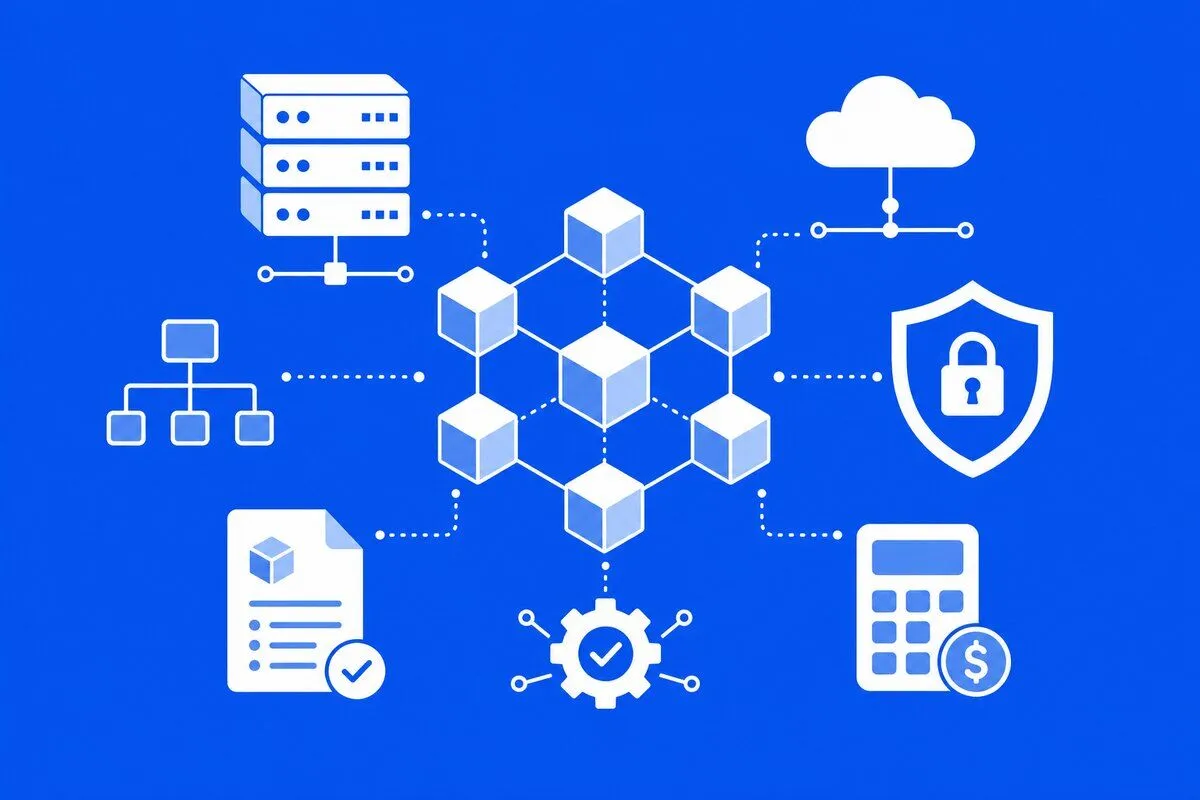
Blockchain is a shared digital record. Once data is added, it is very hard to change. In marketing, that record can track ad activity, customer consent, rewards, product history, and payments.
In simple terms, blockchain helps everyone look at the same record. That can make marketing more open and more reliable.
Why Blockchain Is Rising Now?
Marketing teams face more pressure than ever. They need to prove return on spend. They need to follow privacy rules. They need better data. They also need to earn trust from customers who are tired of vague claims and poor online experiences. Blockchain fits this moment well. It creates a clear trail of actions. It can show where ad money went. It can support better consent records. It can also help brands build direct and honest value with users.
The Main Benefits of Blockchain in Marketing
| Benefit | What It Means | Business Impact |
|---|---|---|
| Trust | Shared and verified data | Higher customer confidence |
| Ad Fraud Reduction | Track real impressions and clicks | Better ROI on ad spend |
| Data Control | Cleaner consent-based data | Stronger compliance |
| Lower Waste | Fewer middle layers | Cost efficiency |
More Trust
Trust is the biggest reason many brands explore blockchain. A shared record can help prove that an ad ran in the right place, a reward was earned fairly, or a product came from the right source. When people can verify the story, trust grows.
Less Ad Fraud
Ad fraud is a major problem in digital marketing. Some clicks are fake. Some views come from bots. Some sites report poor-quality traffic as real traffic. Blockchain can help brands track impressions and clicks in a way that is easier to audit. This does not solve every fraud issue, but it can reduce blind spots.
Better Data Control
Customer data often lives in many tools at once. That creates errors and weak security. Blockchain can support cleaner records and stronger consent tracking. It can also give users more control over how brands use their data. To ensure your marketing content is accessible and easy to share, use a plain text converter to remove any unnecessary formatting.
Lower Waste
Many ad systems involve several middle layers. Each layer can add fees, delays, or confusion. Blockchain can support direct and automatic deals between brands and publishers. That can reduce waste and improve efficiency.
Better Loyalty Programs
Loyalty programs should be simple, clear, and easy to use. In reality, many feel slow and hard to track. Blockchain can help brands create rewards that are easier to issue, track, and redeem. That can improve the customer experience.
Top Use Cases of Blockchain in Marketing
| Use Case | How It Works | Why It Matters |
|---|---|---|
| Ad Verification | Tracks real ad delivery | Reduces fraud |
| Smart Contracts | Auto payment on results | Faster and fair billing |
| Customer Consent | Permission-based data sharing | Better privacy compliance |
| Loyalty Programs | Transparent rewards tracking | Improved engagement |
Ad Verification
This is one of the strongest use cases. Blockchain can help verify impressions, clicks, placements, and payments. That gives marketers a clearer view of campaign quality.
Smart Contracts
Smart contracts are rules stored in code. They can release payment only when agreed results are met. For example, a publisher could be paid only after valid impressions are confirmed. This can save time and reduce billing disputes.
Customer Consent and Identity
Blockchain can support a more permission-based model of marketing. Instead of pulling bits of data from many platforms, brands can work with direct customer approval. This creates a cleaner and more respectful data exchange.
Loyalty and Rewards
Brands can use blockchain to issue points, rewards, or tokens in a way that feels more transparent. Customers can see what they earned and when they earned it. That clarity can increase trust and repeat use.
Product Story and Proof
Blockchain is useful when customers care about where a product came from. A brand can use it to show product origin, movement, and proof of authenticity. This is useful in food, fashion, beauty, luxury, and other trust led sectors.
Content Ownership
Brands and creators can also use blockchain to prove ownership of digital content. This matters in creator campaigns, digital assets, and premium content models.
Real Examples From the Market
Several brands have already tested blockchain in marketing or in trust systems linked to marketing. Unilever has explored blockchain to improve transparency in digital advertising. This shows how large brands want clearer media records and better control over spend.
PepsiCo is one of the best known examples. Reports on Project Proton said its blockchain-based test improved cost efficiency by 28 percent in programmatic advertising. That is important because it links blockchain to a clear business result. Nestle has used blockchain to improve supply chain transparency. That is not only an operations gain. It also helps marketing teams tell a stronger trust story.
Louis Vuitton has used the AURA platform to support product authenticity. This is a strong example of blockchain helping both brand protection and customer trust.
Brave has taken a different path. Its model aims to give users more privacy while creating a more direct exchange between users, publishers, and advertisers. This shows that blockchain can support new marketing models, not just improve old ones.
The Challenges Brands Should Know
| Challenge | Impact |
|---|---|
| Integration сложности | Requires new tools and workflows |
| Scalability | May slow large campaigns |
| Regulation | Legal uncertainty |
| Cost | Initial setup investment |
Blockchain is promising, but it is not a quick fix.
First, integration can be hard. Most marketing systems were not built for blockchain. Teams may need new tools, new partners, and new workflows.
Second, some networks still face speed and scale limits. That can be a problem for brands that run large campaigns.
Third, rules are still evolving. Privacy laws, data rights, and blockchain records do not always fit together in a simple way.
Fourth, adoption can cost money. Brands need time, technical support, and legal review before they see value.
For these reasons, blockchain works best when a brand starts small and focuses on one clear problem.
How Brands Should Start
The best way to start is not to chase hype. Start with one business problem.
If ad fraud is the pain point, test blockchain for ad verification.
If loyalty is weak, build a small reward pilot.
If trust is the issue, use blockchain to support product proof and origin stories.
Then measure results. Track cost savings, fraud reduction, opt in rates, repeat purchases, or faster payment cycles. If the pilot works, expand from there.
The Future of Blockchain in Marketing
Blockchain will not replace every marketing tool. It does not need to. Its value is in fixing key weak points in digital marketing.
It can help brands build better trust. It can make data use more open. It can reduce waste in media buying. It can also create better experiences for customers who want privacy, proof, and control.
As marketing becomes more focused on trust and accountability, blockchain is likely to play a bigger role.
Final Thoughts
The rise of blockchain in marketing is not just about new tech. It is about solving real problems. Brands want cleaner data, less fraud, stronger loyalty, and more trust. Customers want privacy, honesty, and proof.
Blockchain gives marketers a way to move closer to all of those goals. The smart move is to use it where trust matters most and test it with a clear purpose.
Explore Services
Related Services
Reviewed by

Aman Vaths
Founder of Nadcab Labs
Aman Vaths is the Founder & CTO of Nadcab Labs, a global digital engineering company delivering enterprise-grade solutions across AI, Web3, Blockchain, Big Data, Cloud, Cybersecurity, and Modern Application Development. With deep technical leadership and product innovation experience, Aman has positioned Nadcab Labs as one of the most advanced engineering companies driving the next era of intelligent, secure, and scalable software systems. Under his leadership, Nadcab Labs has built 2,000+ global projects across sectors including fintech, banking, healthcare, real estate, logistics, gaming, manufacturing, and next-generation DePIN networks. Aman’s strength lies in architecting high-performance systems, end-to-end platform engineering, and designing enterprise solutions that operate at global scale.