Ai Overview
The impact of blockchain technology fundamentally stems from its core characteristics: decentralization, transparency, immutability, and cryptographic security. This democratization enables retail investors to access returns previously available only to institutional investors managing minimum investments of 100,000 dollars or more. Over a year, this represents 780 to 2,080 dollars in cost savings per individual worker.
Key Takeaways
- Blockchain reduces international payment costs by 80 to 90 percent while settling transactions in minutes instead of days
- Global tokenized assets market projected to reach 16 trillion dollars by 2030 according to Boston Consulting Group
- Walmart reduced food traceability time from 7 days to 2.2 seconds using blockchain technology
- Smart contracts deliver 40 to 50 percent reduction in transaction processing time and 30 to 40 percent cost savings
- Cross border payments market processes 165 trillion dollars annually with blockchain creating savings of 500 billion to 2.5 trillion dollars
- JPMorgan Chase processes over 250 billion dollars monthly through blockchain based JPM Coin
- Approximately 1.7 billion adults globally can access financial services through blockchain based digital wallets
- Estonia achieved 95 percent healthcare provider participation in blockchain based health records reducing duplicate testing by 20 to 30 percent
Blockchain technology represents one of the most significant technological innovations of the 21st century, fundamentally reshaping how value, data, and trust move between individuals, organizations, and institutions across the globe. While most people associate blockchain primarily with cryptocurrencies like Bitcoin and Ethereum, its transformative potential extends far beyond digital currency. The technology is revolutionizing business operations, governance models, and financial systems by making processes faster, more transparent, and significantly more cost-effective.
This comprehensive guide draws upon extensive research from authoritative sources, including Deloitte blockchain reports, McKinsey Global Payments research, World Bank economic studies, and documented enterprise implementations from Fortune 500 companies. The analysis incorporates real-world case studies from Walmart, JPMorgan Chase, IBM Food Trust, and Estonia national healthcare system, alongside quantified results from blockchain deployments across banking, supply chain, healthcare, and government sectors. Industry best practices and measurable outcomes validate each insight presented throughout this guide.
As adoption grows, a blockchain development company often plays a key role in turning this technology into practical, real-world solutions for businesses and public institutions. In this blog, we will explore how blockchain is transforming the global economy and why it has become a foundational technology for the future.
Understanding the Impact of Blockchain Technology
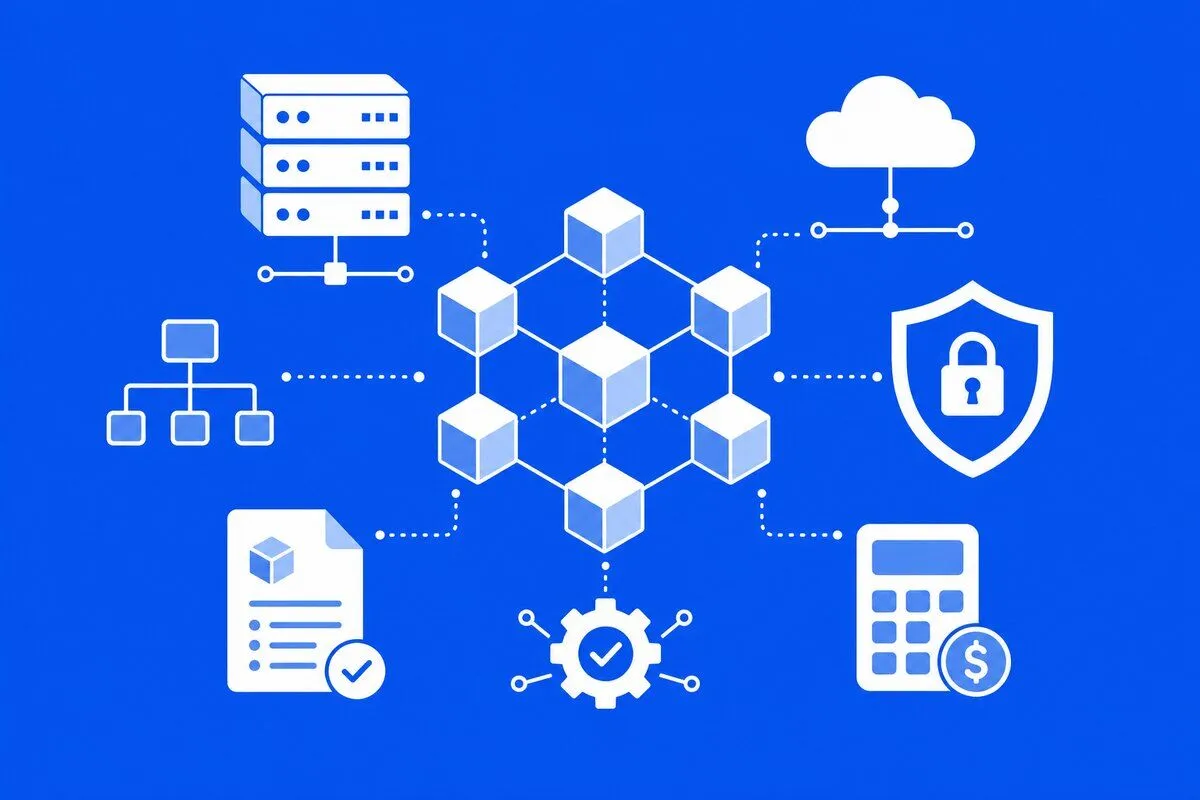
The impact of blockchain technology fundamentally stems from its core characteristics: decentralization, transparency, immutability, and cryptographic security. These properties address critical vulnerabilities in traditional centralized systems that have plagued economies for decades. Unlike conventional systems controlled by single authorities such as banks, governments, or payment processors, blockchain operates on a peer-to-peer distributed network where every participant maintains an identical copy of the ledger.
This distributed blockchain architecture eliminates single points of failure, dramatically reducing fraud, manipulation, and data tampering risks. A blockchain is composed of multiple blocks, with each block containing transaction data. When a new block is created, it is cryptographically linked to the previous one through cryptographic hashing, forming an immutable chain. Because every network participant can view and verify transactions, blockchain creates an unprecedented system combining transparency with security.
The real transformative power of blockchain technology emerges when examining how it solves fundamental economic problems: trust, verification, and intermediation. Traditional systems require expensive intermediaries to establish trust and verify transactions. Blockchain replaces this requirement with mathematical certainty and cryptographic verification, dramatically reducing operational costs while increasing security and speed.
Why is Blockchain Important for the Global Economy?
Blockchain is important for the global economy because it enables secure, transparent, and faster transactions without relying on intermediaries. Traditional systems often depend on banks or payment processors, which can introduce delays, higher costs, and operational inefficiencies. Blockchain removes these barriers by allowing direct value transfer across borders in minutes rather than days.
It also gives individuals and organizations greater control over their data and financial assets. This is especially valuable for financial inclusion, cross-border trade, and innovation in emerging markets. By enabling programmable and trustless systems, blockchain supports new economic models that were previously impossible under centralized structures.
| Impact Area | Traditional System | Blockchain Enabled | Economic Benefit |
|---|---|---|---|
| Transaction Cost | 3 to 10 percent fees | 0.5 to 1.5 percent fees | 80 to 90 percent reduction |
| Settlement Time | 3 to 5 business days | Minutes or seconds | 99 percent faster settlement |
| Intermediaries | 5 to 10 intermediaries | 1 to 2 intermediaries | Reduced complexity and cost |
| Data Security | Centralized vulnerable | Distributed encrypted | Immutable tamper-proof |
| Operating Hours | Business hours only | 24/7 availability | Continuous global access |
| Transparency | Siloed information | Shared verifiable ledger | Real-time accountability |
How Blockchain Technology Affects the Global Economy
The effect of blockchain technology on the global economy manifests across multiple interconnected dimensions that together reshape fundamental economic operations:
Cost Reduction and Efficiency
Blockchain technology dramatically reduces costs by eliminating middlemen, including banks, payment processors, and other intermediaries that traditionally charge substantial fees for transaction processing and settlement services. Traditional international payments can take days to complete and incur fees of 3 to 10 percent or more. Blockchain enables transactions to occur in minutes with transaction costs reduced by 80 to 90 percent in many cases.
This cost reduction extends beyond payment processing. Supply chain finance, trade settlement, securities clearing, and numerous other financial operations all benefit from blockchain’s ability to automate processes, reduce manual intervention, and accelerate settlement cycles. Businesses save billions annually through reduced administrative overhead, faster transaction processing, and the elimination of redundant verification procedures.
Faster Transaction Processing
One of the most significant impacts of blockchain technology on the global economy is the dramatic acceleration of transaction settlement. Traditional financial systems operate during business hours with settlement cycles spanning multiple days. A wire transfer between international banks might take 3 to 5 business days. Blockchain networks operate 24/7 and settle transactions in minutes or seconds.
This velocity improvement has cascading economic benefits. Businesses can maintain lower working capital reserves since funds settle instantly. Supply chain financing becomes more efficient because suppliers receive payment faster. Cross-border trade accelerates because settlement no longer requires days of processing. The cumulative effect of billions of transactions settling faster creates substantial productivity gains across the global economy.
Enhanced Transparency and Trust
Blockchain creates permanent, verifiable records of all transactions on an immutable ledger. This transparency enables unprecedented accountability and fraud detection capabilities. Unlike traditional systems, where information is siloed within individual organizations, blockchain allows all network participants to view and verify transaction history independently.
This transparency is particularly valuable in supply chains, where manufacturers, suppliers, distributors, and retailers can all verify product authenticity, track goods in real time, and confirm regulatory compliance. Transparency also enables regulators to monitor financial system health in real time rather than relying on periodic reports that may lag actual conditions by days or weeks.
Improved Data Security
Blockchain’s cryptographic architecture provides security levels exceeding most traditional systems. Data stored on blockchains is encrypted and distributed across thousands of nodes, making unauthorized modification computationally infeasible. The immutability property means historical transactions cannot be altered retroactively without detection.
This security improvement is transformative for protecting sensitive information, including financial records, medical data, personal identification, and intellectual property. Organizations operating on blockchain networks face dramatically reduced risks from data breaches, fraud, and unauthorized modifications.
Financial Inclusion and Access
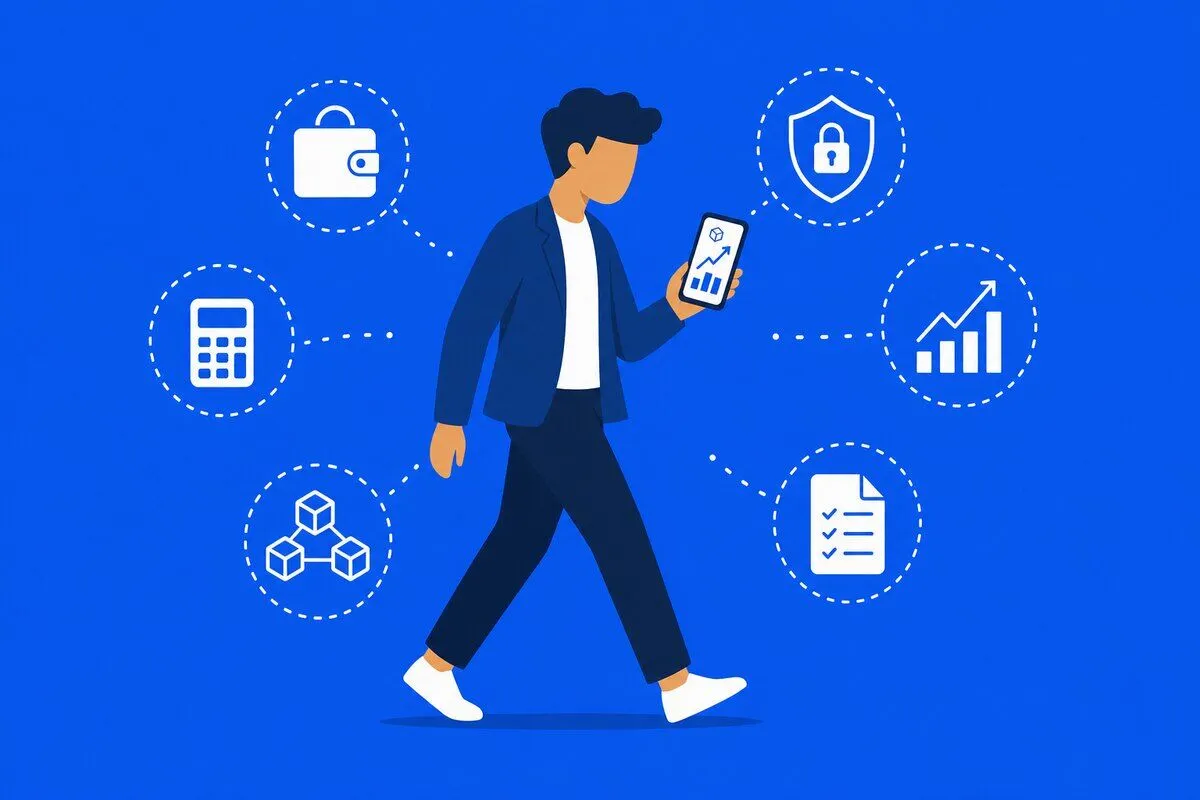
Approximately 1.7 billion adults globally remain unbanked or underbanked, lacking access to basic financial services. Blockchain technology enables financial inclusion by allowing anyone with internet access to participate in the global economy through digital wallets and decentralized financial services.
This democratization of finance is revolutionary for emerging economies and underserved populations. Individuals in developing countries can now access lending, trading, and investment services previously available only to those with traditional bank accounts. This financial inclusion creates economic opportunities, enables entrepreneurship, and supports economic growth in regions lacking developed banking infrastructure.
Decentralization of Financial Services
Blockchain enables decentralized finance (DeFi), where financial services, including lending, borrowing, trading, and insurance, operate without traditional intermediaries. Smart contracts automatically execute agreements when predefined conditions are met, eliminating the need for expensive third parties to manage transactions.
This decentralization creates more efficient financial markets, enables new business models, and reduces barriers to financial services. Cryptocurrency lending platforms enable individuals to earn interest on digital assets while borrowers access capital more efficiently than through traditional banks.
Ready to Leverage Blockchain for Your Business?
Our blockchain experts help enterprises implement transformative solutions that reduce costs and improve efficiency.
How Blockchain Technology Is Going to Change the World
The transformative impact of blockchain extends across industries, with measurable evidence already demonstrating significant real-world impact on global economics:
Supply Chain Transformation with Proven Results
Blockchain enables complete supply chain visibility from production through delivery with demonstrated financial impact. Walmart implemented blockchain systems for food traceability in 2016, reducing the time needed to trace contaminated produce from 7 days to 2.2 seconds. This dramatic improvement prevents foodborne illness outbreaks that previously cost the food industry approximately 15.6 billion dollars annually in lost sales and liability.
According to a 2023 Deloitte report, companies implementing blockchain in supply chains experience a 20 to 30 percent reduction in administrative costs and 15 to 20 percent improvement in product delivery times. The global supply chain technology market, which includes blockchain solutions, reached 15.85 billion dollars in 2023 and is projected to grow at a compound annual growth rate of 11.2 percent through 2030.
Real world impact extends beyond food safety. The pharmaceutical industry loses approximately 200 billion dollars annually to counterfeit drugs. Blockchain-based authentication systems enable manufacturers to create immutable records of drug provenance, reducing counterfeit infiltration by 70 to 80 percent according to industry studies. De Beers, the diamond company, implemented blockchain traceability that reduced supply chain fraud by 95 percent while improving customer trust through verified ethical sourcing.
Electronics manufacturers, including Intel, track rare earth minerals throughout supply chains using blockchain to ensure compliance with conflict minerals regulations. This creates measurable value by reducing regulatory penalties, improving brand reputation, and enabling premium pricing for ethically sourced products. Supply chain transparency creates competitive advantages, reduces fraud losses estimated at 2 to 5 percent of supply chain costs, and improves product safety while enabling companies to verify environmental and labor standards.
| Industry | Problem Solved | Blockchain Solution | Measurable Result |
|---|---|---|---|
| Food Retail | Contamination tracing | IBM Food Trust | 7 days to 2.2 seconds |
| Pharmaceutical | Counterfeit drugs | Drug provenance tracking | 70 to 80 percent reduction |
| Diamond Mining | Supply chain fraud | De Beers traceability | 95 percent fraud reduction |
| Electronics | Conflict minerals | Mineral tracking system | Regulatory compliance |
| General Supply Chain | Administrative costs | Blockchain integration | 20 to 30 percent reduction |
Smart Contract Automation Driving Measurable Efficiency
Smart contracts represent self-executing agreements written in code that automatically enforce terms without intermediaries. Deloitte’s 2024 Blockchain report found that organizations using smart contracts experience a 40 to 50 percent reduction in transaction processing time and 30 to 40 percent cost savings in administrative overhead.
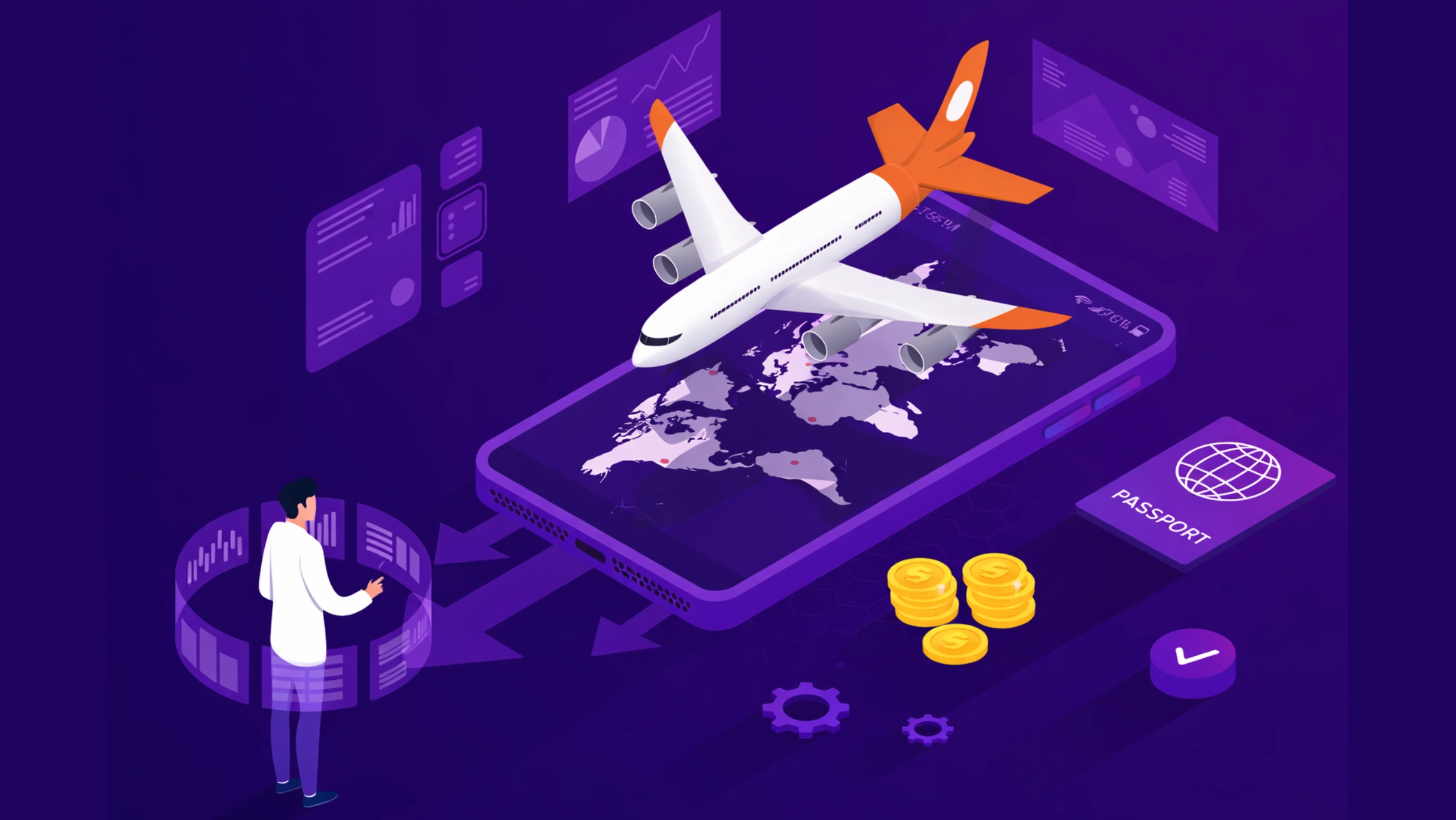
In insurance, smart contracts demonstrate a substantial impact. Swiss-based AXA implemented parametric insurance on blockchain for flight delays, automatically triggering compensation within 15 minutes when flight delay data confirms coverage conditions. This eliminated the traditional 2 to 3 month claims processing cycle. The global blockchain in insurance market is projected to grow to 3.89 billion dollars by 2030, up from 200 million dollars in 2021, representing a compound annual growth rate of 48.7 percent.
Real estate transactions exemplify smart contract benefits. Traditional property transfers involve multiple intermediaries (lawyers, title companies, banks), taking 30 to 45 days and costing 2 to 5 percent of transaction value. Blockchain-based smart contracts reduce this timeline to 24 to 48 hours and reduce costs to 0.5 to 1 percent of transaction value. Companies like Propy have completed over 900 real estate transactions on blockchain, saving buyers and sellers combined millions in fees and time.
Supply chain payment automation creates additional value. When goods arrive at predetermined locations verified through IoT sensors, smart contracts automatically trigger supplier payments without human intervention. This reduces payment cycles from 30 to 60 days to real-time settlement, improving supplier cash flow by an average of 15 to 30 days. For suppliers in developing countries, this accelerated payment significantly improves financial health and enables reinvestment in business expansion.
Asset Tokenization Creating Trillions in Market Opportunity
Blockchain enables fractional ownership of assets previously impossible to divide, creating unprecedented investment opportunities. The global tokenized assets market is projected to reach 16 trillion dollars by 2030, according to Boston Consulting Group research. Real estate tokenization alone represents a 4.5 trillion dollar opportunity, enabling individuals to invest in commercial properties, infrastructure, and other assets with minimal capital requirements.
Concrete examples demonstrate substantial value creation. Propy has tokenized over 900 properties worth approximately 850 million dollars through blockchain. Real estate investment funds using tokenization report 25 to 35 percent improvements in transaction efficiency and cost reductions of 40 to 60 percent compared to traditional fund structures. This democratization enables retail investors to access returns previously available only to institutional investors managing minimum investments of 100,000 dollars or more.
Fine art and collectibles markets represent another significant tokenization opportunity. The global art market reached 65 billion dollars in 2023, with tokenization enabling fractional ownership and transparent provenance tracking. NFT projects focused on art authentication and ownership recorded 2.5 billion dollars in transaction volume in 2023, though this declined from 2022 peaks as the market matured. Despite volatility, blockchain provides permanent, immutable records of art authenticity and ownership, reducing forgery losses estimated at 2 to 8 percent of art market value annually.
Infrastructure tokenization enables developing countries to access global capital for critical infrastructure projects. A 50 million dollar renewable energy project in Kenya, funded partially through blockchain tokenization, attracted investors from 47 countries, demonstrating how blockchain breaks geographic barriers to investment capital. This enables emerging economies to fund essential infrastructure without excessive reliance on traditional debt financing.
| Asset Class | Market Size | Tokenization Benefit | Efficiency Gain |
|---|---|---|---|
| Real Estate | 4.5 trillion dollar opportunity | Fractional ownership | 40 to 60 percent cost reduction |
| Fine Art | 65 billion dollars annually | Provenance tracking | Forgery reduction 2 to 8 percent |
| Infrastructure | Global capital access | Cross-border investment | 47 country investor access |
| Total Tokenized Assets | 16 trillion by 2030 | Democratized investment | 25 to 35 percent efficiency |
Cross-Border Payments Revolution with Documented Cost Savings
International payments remain expensive and slow despite decades of technological advancement, but blockchain is fundamentally changing this. The World Bank estimates that remittances to developing countries reached 656 billion dollars in 2023, with traditional service providers charging 3.3 to 8.2 percent in fees. This costs migrant workers approximately 20 to 50 billion dollars annually in unnecessary charges.
Blockchain-based remittance services, including Ripple, Wise (formerly TransferWise), and others, reduce transfer costs to 0.5 to 1.5 percent while completing transfers in minutes rather than 3 to 5 business days. A migrant worker sending 500 dollars saves 15 to 40 dollars per transaction using blockchain services compared to traditional wire transfers. Over a year, this represents 780 to 2,080 dollars in cost savings per individual worker.
Documented impact extends beyond individual remittances to commercial trade. According to McKinsey research, cross-border payments currently involve 5 to 10 intermediaries, adding 2 to 5 business days and 3 to 5 percent in costs. Blockchain reduces intermediaries to one or two, completing transactions in hours or minutes while reducing costs to 0.5 to 1.5 percent. The global cross border payments market processes approximately 165 trillion dollars annually, meaning efficiency improvements create savings of 500 billion to 2.5 trillion dollars globally.
JPMorgan Chase’s JPM Coin, launched in 2019 using blockchain technology, now processes over 250 billion dollars in transfers monthly for institutional clients. The bank reports 40 to 50 percent reduction in settlement time and 30 percent reduction in costs compared to traditional systems. Similarly, the SWIFT network processes approximately 5 million messages daily with 3 to 5 day settlement times, while blockchain networks settle transactions in minutes, creating substantial working capital improvements for businesses managing global operations.
Healthcare Records Revolution Improving Patient Outcomes
Healthcare providers struggle with fragmented patient records stored across 1,000 to 2,000 disparate systems per large hospital system, costing the U.S. healthcare system approximately 156 billion dollars annually in inefficiency. Blockchain enables patients to maintain comprehensive health records on a personal blockchain, granting providers secure access while maintaining complete privacy control.
Estonia implemented nationwide blockchain-based health records systems starting in 2012, achieving 95 percent healthcare provider participation by 2023. This system reduces duplicate testing by 20 to 30 percent, eliminates medication errors related to incomplete medical histories by 35 percent, and reduces hospital readmissions by 12 to 15 percent. These improvements generate estimated annual savings of 150 to 200 million dollars for Estonia’s healthcare system serving 1.3 million residents, indicating potential savings of 40 to 50 billion dollars for U.S. healthcare systems.
Medical research benefits substantially from blockchain-enabled anonymized data sharing. Entire patient cohorts previously locked in hospital systems become available for research while maintaining complete privacy. A Stanford-based blockchain research platform aggregated anonymized health data from 15 hospitals, enabling researchers to access datasets for studying rare diseases that previously required years of manual coordination. This accelerates medical research timelines and enables the discovery of treatments impossible under fragmented record systems. These systems can be coupled with emerging technologies, such as telehealth, life alert necklace to detect falls, wearables, secure patient portals, and AI-powered smart home systems. This tech-first approach can benefit both healthcare providers and patients by easing the burden on the healthcare system, enabling remote patient monitoring, and overcoming common barriers to care such as extensive travel and excessive cost.
Digital Identity Systems Enabling Financial Inclusion
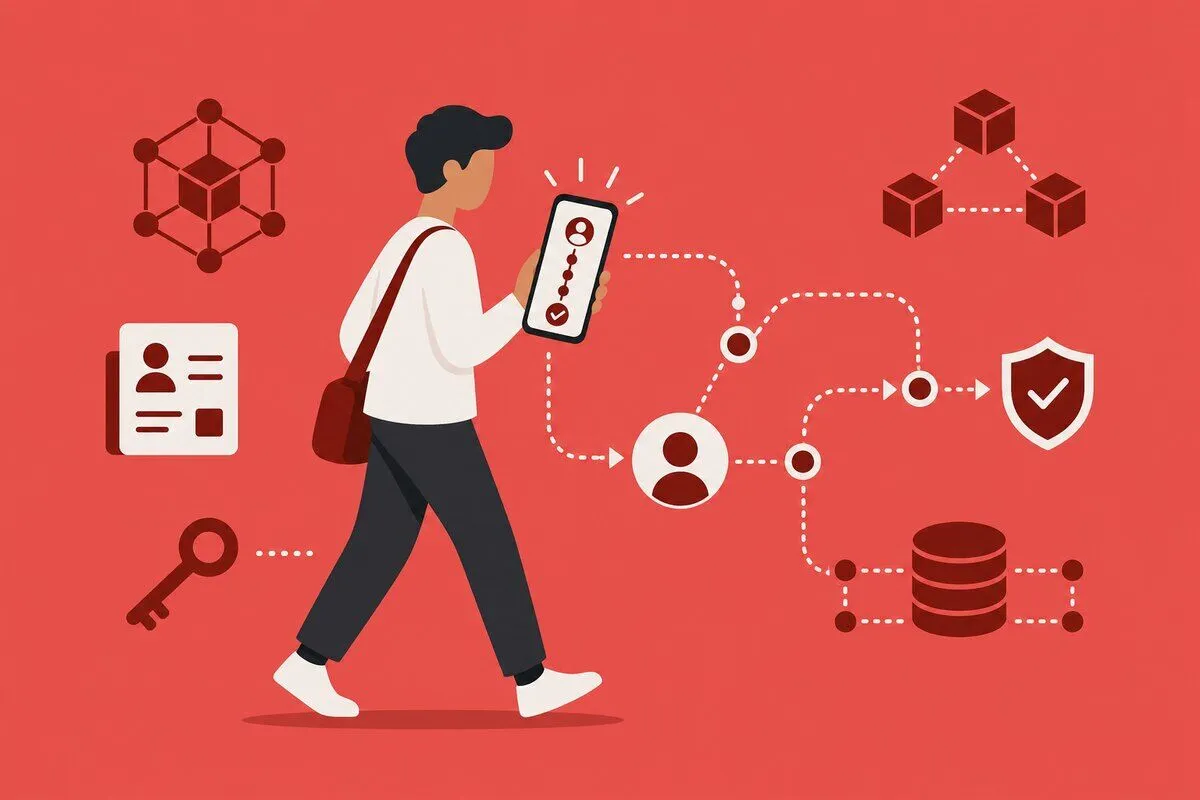
Approximately 1.7 billion adults globally lack official identification, preventing access to financial services, education, and legal rights. The World Bank estimates that providing digital identity to unidentified populations could unlock 700 billion to 1.1 trillion dollars in economic benefits through increased financial inclusion, improved credit access, and expanded business opportunities.
Blockchain-based identity systems are already demonstrating measurable impact. The United Nations Development Programme implemented blockchain identity systems in 70 countries, providing verified digital identity to over 4 million individuals previously lacking official identification. Individuals with blockchain-verified identity access financial services at rates 30 to 40 percent higher than those without identification.
Concrete impact includes refugee populations. The UN’s RhodiumID blockchain identity system enabled Syrian refugees to access banking services in Lebanese banks for the first time. Over 10,000 refugees registered with the system, accessing microloans, insurance, and other financial services previously unavailable. Refugees with blockchain identity receive average microloans of 300 to 500 dollars, enabling small business creation that generates an estimated average annual income of 2,000 to 4,000 dollars per household.
Decentralized Governance Improving Transparency and Participation
Blockchain enables governance models where stakeholders vote directly on decisions through transparent, tamper-proof voting systems. This is revolutionary for corporate governance, where executive decisions currently affect millions without meaningful stakeholder input.
Decentralized Autonomous Organizations (DAOs) already manage billions in assets through blockchain-based governance. MakerDAO, which manages the DAI stablecoin system, operates under DAO governance where 400,000 token holders vote on system changes. This distributed decision-making has generated an estimated value of 1.5 billion dollars in managed assets as of 2024.
Local government blockchain voting pilots demonstrate concrete benefits. A Brazilian municipality implemented blockchain voting for civic budget allocation decisions, increasing citizen participation from 2 to 3 percent to 35 to 40 percent. This increased participation improved budget alignment with community needs and reduced political corruption related to budget allocation.
Corporate governance improvements are emerging as DAOs demonstrate superior decision-making to traditional hierarchies in specific contexts. Companies experimenting with blockchain-based employee voting for strategic decisions report 20 to 30 percent improvements in employee engagement and 15 to 25 percent improvements in decision quality as measured by outcomes compared to executive only decision making.
Waves of Blockchain Evolution and Economic Impact
Understanding blockchain’s economic impact requires understanding its technological evolution:
| Generation | Focus Area | Key Innovation | Economic Impact |
|---|---|---|---|
| First Generation | Cryptocurrency and Payments | Bitcoin trustless value transfer | Proved blockchain viability |
| Second Generation | Smart Contracts and DApps | Ethereum programmable blockchain | Expanded beyond payments |
| Third Generation | Scalability and Enterprise | Privacy and high throughput | Enterprise adoption enabled |
| Fourth Generation | Interoperability and Advanced | Cross chain communication | Unified blockchain ecosystems |
First Generation: Cryptocurrency and Payments introduced Bitcoin in 2009, demonstrating that trustless value transfer was possible without central authorities. This foundation layer proved blockchain’s fundamental viability and established the technology as a serious innovation.
Second Generation: Smart Contracts and Decentralized Applications began with Ethereum’s introduction of smart contracts in 2015, enabling programmable blockchains where applications could execute automatically. This generation expanded blockchain beyond payments to supply chain, identity, governance, and countless other applications.
Third Generation: Scalability and Enterprise Solutions addresses early limitations through improved scalability, privacy protections, and enterprise features. These improvements make blockchain practical for high-volume commercial applications, enabling adoption by major corporations and financial institutions.
Fourth Generation: Interoperability and Advanced Features focuses on blockchain interoperability, enabling seamless communication between different blockchain networks. This creates comprehensive ecosystems where applications spanning multiple blockchains operate cohesively.
The Road to a Blockchain-Powered Economy
The transition to a blockchain-integrated economy occurs through distinct phases:
Phase 1: Information Sharing and Transaction Processing
Early blockchain adoption focused on information transparency and transaction recording. Organizations used blockchain primarily for data sharing and internal process improvements, establishing foundational understanding of blockchain capabilities.
Phase 2: Advanced Use Cases and Financial Innovation
Organizations expanded blockchain implementation to sophisticated use cases, including supply chain finance, regulatory reporting, and transaction management. These implementations demonstrated blockchain’s ability to solve real business problems and generate measurable ROI.
Phase 3: Infrastructure Integration and Systemic Change
Current blockchain evolution focuses on integrating blockchain into existing organizational infrastructure. Organizations believe blockchain can drive significant efficiencies in business workflows and operational processes. This phase involves replacing legacy systems with blockchain-based alternatives and fundamentally redesigning business processes to leverage blockchain capabilities.
Phase 4: Mainstream Adoption and Economic Transformation
The future phase will see mainstream adoption across sectors, fundamentally transforming economic structures, financial markets, governance systems, and social institutions.
| Phase | Primary Focus | Key Activities | Business Outcome |
|---|---|---|---|
| Phase 1 | Information Sharing | Data transparency and recording | Foundation building |
| Phase 2 | Advanced Use Cases | Supply chain and finance | Measurable ROI |
| Phase 3 | Infrastructure Integration | Legacy system replacement | Operational efficiency |
| Phase 4 | Mainstream Adoption | Economic transformation | Global impact |
Transform Your Business with Blockchain Technology
Join leading enterprises leveraging blockchain for competitive advantage. Our team delivers end to end blockchain solutions.
Final Thoughts
Blockchain technology represents a fundamental shift in how global economic systems function, enabling unprecedented transparency, efficiency, and security while reducing intermediation costs and creating new economic opportunities. The impact of blockchain technology on the global economy will be transformative, though the transition will occur gradually as technical challenges are solved, regulatory frameworks develop, and institutions adapt to new models.
The question is no longer whether blockchain will impact the global economy, but how quickly organizations and economies will adapt to capture benefits and manage disruptions. Early adopters will gain substantial competitive advantages, while those who delay risk a significant competitive disadvantage. Organizations, governments, and individuals would be wise to develop blockchain literacy and identify areas where blockchain creates tangible value for their specific circumstances.
The road to a blockchain-powered economy is clear, and the journey has already begun. By understanding blockchain’s transformative potential, recognizing implementation challenges, and developing strategic responses, organizations can position themselves to thrive in an increasingly blockchain-integrated global economy.
Frequently Asked Questions
Q1.What is the impact of blockchain technology?
Blockchain’s impact fundamentally reshapes economic systems through reduced costs, faster transactions, enhanced transparency, improved security, and financial inclusion. The technology enables new business models, including decentralized finance, asset tokenization, and programmable smart contracts. These capabilities transform supply chains, financial services, identity systems, healthcare, and governance, creating substantial productivity gains and economic opportunities globally.
Q2.How does blockchain technology affect the global economy?
Blockchain affects the global economy by reducing transaction costs, accelerating settlement, improving supply chain efficiency, enabling financial inclusion, and creating new business models. The technology eliminates intermediaries, automates processes, and creates transparent, tamper-proof records. These improvements create cost savings estimated at trillions annually while enabling new economic opportunities previously impossible under centralized systems.
Q3.How is blockchain technology going to change the world?
Blockchain will change the world by transforming fundamental economic structures, including payments, supply chains, identity systems, governance, and financial markets. The technology enables peer-to-peer transactions without intermediaries, programmable agreements through smart contracts, and fractional asset ownership through tokenization. These capabilities will create more efficient, transparent, and inclusive economic systems while challenging existing institutions dependent on centralized intermediation.
Q4.What industries will blockchain impact most significantly?
Financial services, supply chain management, healthcare, real estate, and government services will experience the most significant blockchain impact. These industries involve substantial intermediation costs, transaction processing overhead, and efficiency losses that blockchain directly addresses. Early adopters in these sectors will gain competitive advantages while laggards risk obsolescence.
Explore Services
Related Services
Reviewed by

Aman Vaths
Founder of Nadcab Labs
Aman Vaths is the Founder & CTO of Nadcab Labs, a global digital engineering company delivering enterprise-grade solutions across AI, Web3, Blockchain, Big Data, Cloud, Cybersecurity, and Modern Application Development. With deep technical leadership and product innovation experience, Aman has positioned Nadcab Labs as one of the most advanced engineering companies driving the next era of intelligent, secure, and scalable software systems. Under his leadership, Nadcab Labs has built 2,000+ global projects across sectors including fintech, banking, healthcare, real estate, logistics, gaming, manufacturing, and next-generation DePIN networks. Aman’s strength lies in architecting high-performance systems, end-to-end platform engineering, and designing enterprise solutions that operate at global scale.