Ai Overview
Each of these layers must function correctly and integrate with the others for the tokenization platform to work reliably at scale. The choice of blockchain network, whether Ethereum, Polygon, Solana, or a permissioned enterprise blockchain, determines the cost, speed, security profile, and regulatory familiarity of the entire infrastructure stack built on top of it.
Key Takeaways
- RWA infrastructure is the complete technical, legal, and compliance architecture that enables physical and financial assets to be securely represented as regulated digital tokens on blockchain networks.
- The core components of RWA infrastructure include blockchain networks, smart contracts, oracle systems, KYC compliance modules, asset custodians, token standards, secondary market mechanisms, and security layers.
- On-chain infrastructure handles token ownership records and smart contract execution, while off-chain infrastructure manages asset custody, legal documentation, banking connections, and property management operations.
- ERC-3643 is the most widely adopted token standard for regulated RWA infrastructure because it includes native compliance controls for KYC whitelisting, transfer restrictions, and investor eligibility enforcement.
- Oracle networks are the critical bridge between real-world asset data and blockchain smart contracts, supplying valuation, income, and certification data that smart contracts use to manage token holder rights automatically.
- Multi-signature authorisation, hardware security modules, and independent smart contract auditing are non-negotiable security elements of any trustworthy RWA infrastructure stack serving regulated markets.
- Regulatory compliance infrastructure in India through IFSCA, UAE through DFSA, and Singapore through MAS must be built into the RWA infrastructure from day one rather than added as a retrofit after platform launch.
- Secondary market liquidity infrastructure including exchange integration, market-making protocols, and compliant token transfer mechanisms is as important as primary issuance infrastructure for investor confidence and platform success.
- The primary challenges in building RWA infrastructure include regulatory fragmentation across jurisdictions, legacy system integration complexity, oracle reliability, smart contract security, and secondary market depth creation.
- Future RWA infrastructure will integrate AI-powered risk management, CBDC payment rails, cross-chain interoperability, and standardized global compliance frameworks that reduce the current jurisdictional fragmentation burden.
The quality of a tokenization platform is determined almost entirely by the quality of its infrastructure. Building a platform that looks good to investors is straightforward. Building a platform whose underlying technical, legal, and operational architecture can handle millions of transactions, satisfy regulators in India, UAE, and Singapore simultaneously, protect investor assets through market stress, and scale without breaking is an entirely different challenge. With eight years of direct experience designing and building RWA Tokenization systems across these markets, our team has a clear view of what separates robust RWA infrastructure from fragile platforms that look credible until they face real operational pressure. This guide explains every layer of the infrastructure stack that powers modern tokenization platforms, why each component matters, and what investors and builders need to understand about how these systems work together.
What is RWA Infrastructure in Tokenization Platforms
RWA infrastructure refers to the complete ecosystem of technical systems, legal structures, compliance mechanisms, and operational processes that enable real-world assets to be tokenized, managed, traded, and settled on blockchain networks in a way that is secure, legally enforceable, and regulatory compliant. The term encompasses every layer of the technology and operational stack that sits between a physical asset, whether a commercial building in Singapore, a bond issued by a UAE entity, or a gold bar in a London vault, and the digital token that an investor in India purchases through a mobile application. Each of these layers must function correctly and integrate with the others for the tokenization platform to work reliably at scale.
The concept of infrastructure in the RWA context is often misunderstood as referring only to the blockchain network. This is too narrow. The blockchain is one critical component, but equally important are the legal structures that create enforceable ownership rights, the compliance systems that ensure regulatory requirements are met, the oracle networks that bring real-world data onto the chain, the custodial arrangements that protect both physical assets and digital tokens, and the secondary market mechanisms that provide investors with the liquidity they need to manage their positions. Understanding all of these components together is what separates a genuine assessment of a tokenization platform’s capability from a superficial evaluation based only on the marketing materials.
In practical terms, the quality of a platform’s RWA infrastructure is the most important determinant of whether investors’ assets are safe, whether income distributions happen reliably, whether regulatory compliance is maintained under scrutiny, and whether the platform can scale to serve large investor populations without operational failures. Our team has reviewed dozens of tokenization platforms across India, UAE, and Singapore over eight years, and the quality gap between the best and worst infrastructure implementations is substantial and directly consequential for investors.
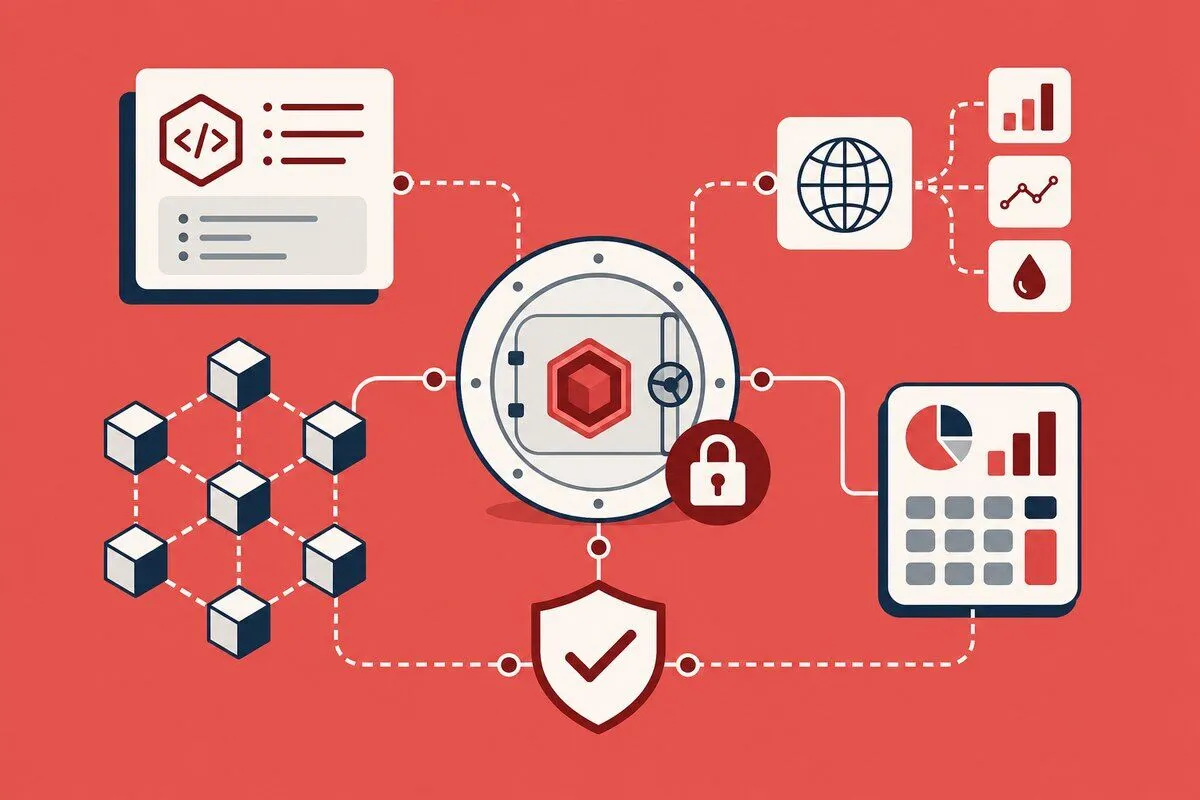
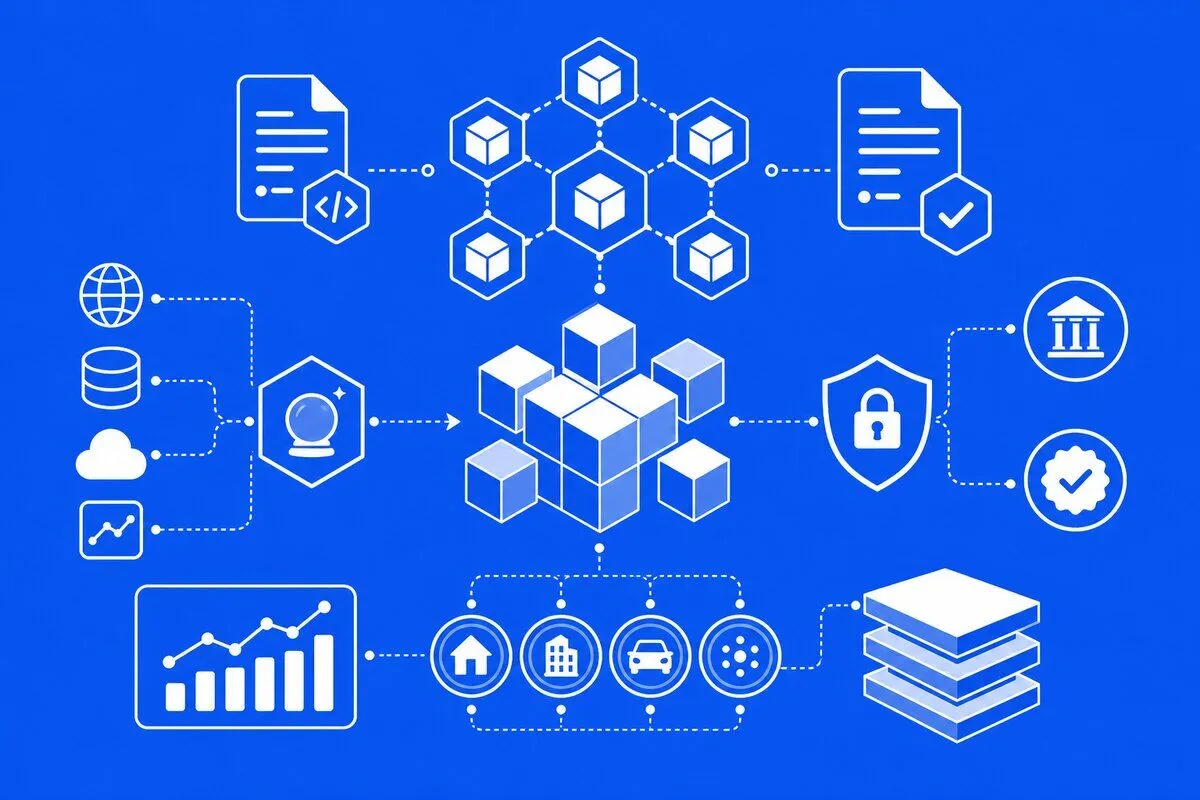
A complete RWA infrastructure system is built from a set of interdependent components, each performing a specific and critical function. The failure or weakness of any single component creates vulnerabilities that can cascade through the entire system, affecting investor safety, regulatory compliance, and operational continuity. Understanding these components individually and as a system is essential for anyone evaluating a tokenization platform or building one. The blockchain network is the foundational component: it provides the immutable ledger where token ownership is recorded, the execution environment where smart contracts run, and the settlement mechanism where token transfers are finalized. The choice of blockchain network, whether Ethereum, Polygon, Solana, or a permissioned enterprise blockchain, determines the cost, speed, security profile, and regulatory familiarity of the entire infrastructure stack built on top of it.
Smart contracts are the second core component. They are the programmable rules engine of the RWA infrastructure, governing every aspect of how tokens behave from issuance through transfer, income distribution, compliance enforcement, and eventual redemption. The legal and custodial infrastructure forms the third component: the Special Purpose Vehicle structure that holds the asset, the custodian agreements that protect physical assets and digital tokens, and the legal documentation that establishes what rights the token represents in each applicable jurisdiction. The compliance module is the fourth component, handling KYC identity verification, AML screening, investor eligibility checking, and ongoing regulatory monitoring. The oracle system is the fifth component, providing the data bridge between real-world events and the blockchain smart contracts that need to respond to those events.
Blockchain Network
Immutable ledger, smart contract execution environment, and settlement mechanism for all token transactions
Smart Contracts
Automated rules engine governing token issuance, transfer restrictions, income distribution, and redemption
Oracle Systems
Real-world data feeds supplying valuation, income, and certification information to on-chain smart contracts
Compliance Module
KYC, AML, and investor eligibility systems integrated directly into token transfer enforcement logic
Legal and Custody
SPV structure, custodian agreements, and documentation establishing token holder rights in each jurisdiction
Secondary Markets
Exchange integration and compliant token trading mechanisms providing liquidity for token holders seeking exit
How Blockchain Supports RWA Infrastructure Systems
Blockchain is the trust engine at the heart of every RWA infrastructure system. Its role is not simply to store data. It fundamentally changes the nature of data in a financial system by making it immutable, publicly verifiable, and not dependent on the continued good faith or financial health of any single institution. In a traditional financial system, the record of who owns what is stored in databases maintained by intermediaries such as registrars, transfer agents, and custodian banks. These databases can be altered by the institutions that maintain them, are vulnerable to operational failure, and are opaque to investors who cannot independently verify the records without requesting information through formal channels. Blockchain replaces this model with a distributed ledger where every ownership record is replicated across thousands of independent nodes simultaneously, making it functionally impossible to alter any record without the consensus of the network.
In the specific context of RWA infrastructure, blockchain provides three essential capabilities. The first is the ownership record: when a token representing a share of a commercial building in Dubai is transferred from one wallet to another, that transfer is recorded on the blockchain as a permanent, time-stamped entry that neither the platform nor any third party can alter. The second is the smart contract execution environment: the rules governing how the token behaves, from transfer restrictions to income distribution, are encoded in smart contracts that run automatically on the blockchain without requiring human approval for each execution. The third is settlement finality: token transfers settle in seconds to minutes on major blockchain networks, compared to the days that traditional financial market settlement requires, enabling near-instant transfer of ownership with certainty of finality.
The choice of blockchain network within the RWA infrastructure stack has significant practical implications. Ethereum provides the deepest smart contract developer ecosystem and the greatest institutional familiarity, making it the preferred choice for institutional-grade RWA infrastructure where regulatory credibility is paramount. Polygon provides Ethereum compatibility at dramatically lower transaction costs, making it suitable for retail-facing platforms where frequent small income distributions must be economically viable. Each blockchain choice involves trade-offs across security, cost, speed, and regulatory recognition that must be evaluated in the context of the specific asset type, investor base, and jurisdictional requirements of the tokenization project.
Role of Smart Contracts in RWA Infrastructure Setup
Smart contracts are not peripheral to RWA infrastructure. They are the operational core that transforms a tokenization concept into a functioning financial product. Without smart contracts, a tokenization platform would simply be issuing digital certificates in a database, with all the centralization risk and operational overhead that implies. With smart contracts, the platform becomes a self-executing financial system that enforces the rules of the investment automatically, without requiring human intervention for routine functions. This automation is what makes RWA infrastructure economically viable at scale: automating functions that would otherwise require significant human capital eliminates costs that would otherwise make tokenized products uncompetitive with traditional alternatives.
In a well-designed RWA infrastructure, smart contracts perform several distinct functions working in coordination. The token contract defines the fundamental properties of the token: its total supply, its divisibility, what standard it follows, and the basic rules for its creation and destruction. The compliance contract maintains the whitelist of wallets that are authorised to hold the token, enforcing KYC and investor eligibility requirements by blocking any attempted transfer to a non-whitelisted wallet. The income distribution contract receives income from the asset’s bank account, calculates each token holder’s proportional entitlement, and executes distributions to all eligible wallets simultaneously. The governance contract, in structures where token holders have voting rights on major decisions, manages the proposal and voting process according to defined governance rules. Each of these contracts must be designed, tested, and audited independently before deployment, because a failure in any one of them can affect the functioning of the entire system.
The upgradeability of smart contracts is a design consideration that deserves careful attention in RWA infrastructure planning. Truly immutable smart contracts that cannot be changed after deployment provide the strongest trust guarantees to investors, because no party can alter the rules of the investment after the fact. However, completely immutable contracts also cannot be updated to fix bugs or adapt to regulatory changes, which creates operational risk. The standard approach in mature RWA infrastructure is to use upgradeable proxy contract patterns that allow code updates but only with multi-signature authorisation from multiple independent parties, creating a balance between adaptability and protection against unilateral manipulation.
How Asset Verification Works in RWA Infrastructure
Asset verification is the process by which the RWA infrastructure confirms that the real-world asset backing the tokens actually exists, has the claimed characteristics, and is properly held in the legal structure that the tokens represent. This verification process is one of the most important differentiators between credible RWA infrastructure and platforms that make tokenization claims without the substance to back them. Without rigorous asset verification, a tokenization platform could issue tokens claiming to represent a real estate asset that does not exist, is encumbered with undisclosed liens, has a disputed title, or is not actually held in the SPV that the smart contract references. The financial history of real estate fraud demonstrates that such scenarios are not hypothetical risks.
In practice, asset verification in RWA infrastructure occurs at multiple stages. At the initial issuance stage, an independent certified appraiser values the asset and an independent auditor reviews the legal ownership documents, the SPV formation records, and the transfer of the asset into the SPV. A legal opinion from qualified counsel in the relevant jurisdiction confirms that the SPV structure creates the ownership rights that the token documentation claims. For real estate assets in India, this involves verification of the property title at the relevant sub-registrar office, confirmation that no encumbrances are registered against the title, and legal opinion on the GIFT City IFSC structural requirements. For properties in Dubai, the Dubai Land Department’s title registry is the primary verification source. For Singapore properties, the Singapore Land Authority’s records provide the definitive title confirmation.
Ongoing verification is equally important in mature RWA infrastructure. The initial verification establishes that the asset exists and is properly held at the point of token issuance. But investors need ongoing confirmation that the situation has not changed: that the property has not been sold without their knowledge, that the SPV has not been reorganized in a way that compromises token holder rights, and that the asset’s value and income characteristics continue to match what was disclosed in the offering documents. This ongoing verification requires a combination of periodic independent audit reports, continuous on-chain monitoring of the SPV’s financial activity, and regular updates from the property manager or asset administrator that are recorded in a transparent and auditable format accessible to token holders.
One of the most important architectural concepts in RWA infrastructure is the distinction between on-chain and off-chain systems and the careful design of how these two worlds interact. On-chain systems are everything that is recorded and executed directly on the blockchain: token ownership records, smart contract logic, transaction history, income distribution records, and any data that has been cryptographically committed to the blockchain. These on-chain records are transparent, immutable, and not dependent on any single organization’s continued operation. Off-chain systems are everything that supports the tokenization but operates outside the blockchain: the physical asset itself, the legal documentation, the custodian’s vault and systems, the property management company’s operations, the bank accounts that receive rental income, and the KYC provider’s identity verification database.
The challenge of RWA infrastructure design is that the on-chain and off-chain worlds must be kept in synchronization, because the tokens derive their value from the real-world asset that exists off-chain, but the token’s behavior is controlled by smart contracts that operate entirely on-chain. If rental income is received in the SPV’s bank account but not correctly transferred to the smart contract’s distribution wallet, token holders will not receive their income. If the property is sold but the smart contract is not notified through the appropriate oracle update, the token will continue to circulate as if it represents a real estate position when the underlying asset has already been liquidated. Designing the bridges between on-chain and off-chain systems is among the most technically and operationally complex aspects of building robust RWA infrastructure.
The oracle system is the primary technical mechanism for connecting off-chain data to on-chain smart contracts. When a bank account receives rental income, an oracle monitors the account and triggers the smart contract’s distribution function when the income arrives. When an independent appraiser produces a new valuation of the underlying property, an oracle records this valuation on-chain so that any dependent calculations, such as LTV ratios for collateralized lending, can be updated automatically. When a green building certification is renewed or lapses, an oracle records this status change on-chain so that investors and the compliance layer can respond appropriately. The reliability, accuracy, and manipulation-resistance of the oracle network is therefore directly consequential for the integrity of the entire RWA infrastructure.
On-Chain vs Off-Chain RWA Infrastructure Components
| Component | Location | Function | Risk if Fails |
|---|---|---|---|
| Token Ownership Record | On-Chain | Records who holds each token immutably | Ownership disputes |
| Smart Contract Logic | On-Chain | Automates all token behavior and rules | Income disruption |
| Physical Asset | Off-Chain | Real property or instrument backing tokens | Token value loss |
| KYC Database | Off-Chain | Stores investor identity verification data | Compliance breach |
| Oracle Data Feed | Bridge | Connects off-chain data to on-chain contracts | Incorrect automation |
| Bank Account | Off-Chain | Collects fiat income for on-chain distribution | Income delay |
Token Standards Used in RWA Infrastructure Platforms
Token standards are the technical specifications that define how a digital token behaves on a blockchain network. They specify the functions the token contract must implement, the events it must emit, and the interfaces it must conform to in order to be compatible with wallets, exchanges, and other infrastructure components in the ecosystem. In RWA infrastructure, the choice of token standard is a foundational architectural decision that determines what compliance features are natively available, how the token interacts with DeFi protocols, what wallets can hold it, and what secondary markets can list it. Using the wrong token standard for a regulated asset creates compliance gaps that regulators in India, UAE, and Singapore will identify and that sophisticated institutional investors will use as grounds for rejection.
ERC-3643, previously known as the T-REX standard, is the most widely adopted token standard for regulated security tokens in RWA infrastructure. It was specifically designed to accommodate the compliance requirements of regulated financial markets, including the ability to whitelist authorised investor wallets, enforce transfer restrictions based on investor eligibility, freeze tokens in compliance-related scenarios, and recover tokens in documented emergency situations such as loss of private keys by verified investors. These compliance capabilities are built natively into the token contract rather than requiring a separate compliance layer to check each transfer externally, making the enforcement more reliable and the gas cost of each compliant transfer more predictable. ERC-20, the oldest and most widely used Ethereum token standard, lacks these native compliance features and is therefore generally unsuitable as the primary standard for regulated RWA tokens, though it may be used for specific components within a more complex RWA infrastructure architecture.
ERC-1400 is another security token standard that provides partitioned token functionality, allowing a single token contract to manage different classes of tokens with different rights and restrictions. This is particularly useful for RWA infrastructure managing assets with multiple investor tranches or different categories of ownership rights. On networks other than Ethereum, equivalent standards exist but with varying levels of ecosystem support and regulatory familiarity. The selection of token standard in RWA infrastructure should be driven by the compliance requirements of the target jurisdictions, the investor types being served, and the secondary market venues on which the tokens are expected to trade, rather than simply defaulting to the most commonly known standard without evaluating its fitness for purpose in the specific context.
The compliance layer of RWA infrastructure is the system that ensures every aspect of the tokenization platform’s operation meets the regulatory requirements of every jurisdiction in which it operates. For a platform serving investors in India, UAE, and Singapore simultaneously, this means maintaining compliance with three different regulatory frameworks simultaneously, each with its own KYC standards, investor eligibility criteria, reporting requirements, and enforcement mechanisms. The compliance layer is not a single system but rather a collection of interconnected components that together ensure the platform operates within its regulatory authorizations at all times.
The identity verification component of the compliance layer handles KYC for new investors. When a new investor registers on the platform, they must provide identity documents, proof of address, and in many cases proof of income or net worth to establish their eligibility as an accredited or qualified investor under the applicable standards. This information is verified by a KYC provider, and the result is stored in the compliance layer’s database. When a KYC-verified investor passes the eligibility check, their wallet address is added to the whitelist maintained in the smart contract’s compliance registry. Any attempted transfer of tokens to a non-whitelisted wallet will be automatically blocked by the smart contract, without requiring human review of each individual transfer. [1]
The AML monitoring component of the compliance layer screens all transactions for suspicious patterns that might indicate money laundering, sanction evasion, or other financial crimes. In regulated RWA infrastructure, this monitoring is typically handled by specialist AML technology providers whose systems analyze transaction patterns against known risk indicators and regulatory watchlists. When a transaction triggers an AML alert, the compliance team reviews the alert and takes appropriate action, which in the most serious cases may involve freezing tokens or reporting to the relevant financial intelligence authority. The ongoing reporting component of the compliance layer generates the regular regulatory reports required by IFSCA in India, DFSA in UAE, and MAS in Singapore, including investor lists, transaction records, and financial statements for the tokenization entities.
How RWA Infrastructure Enables Liquidity and Trading
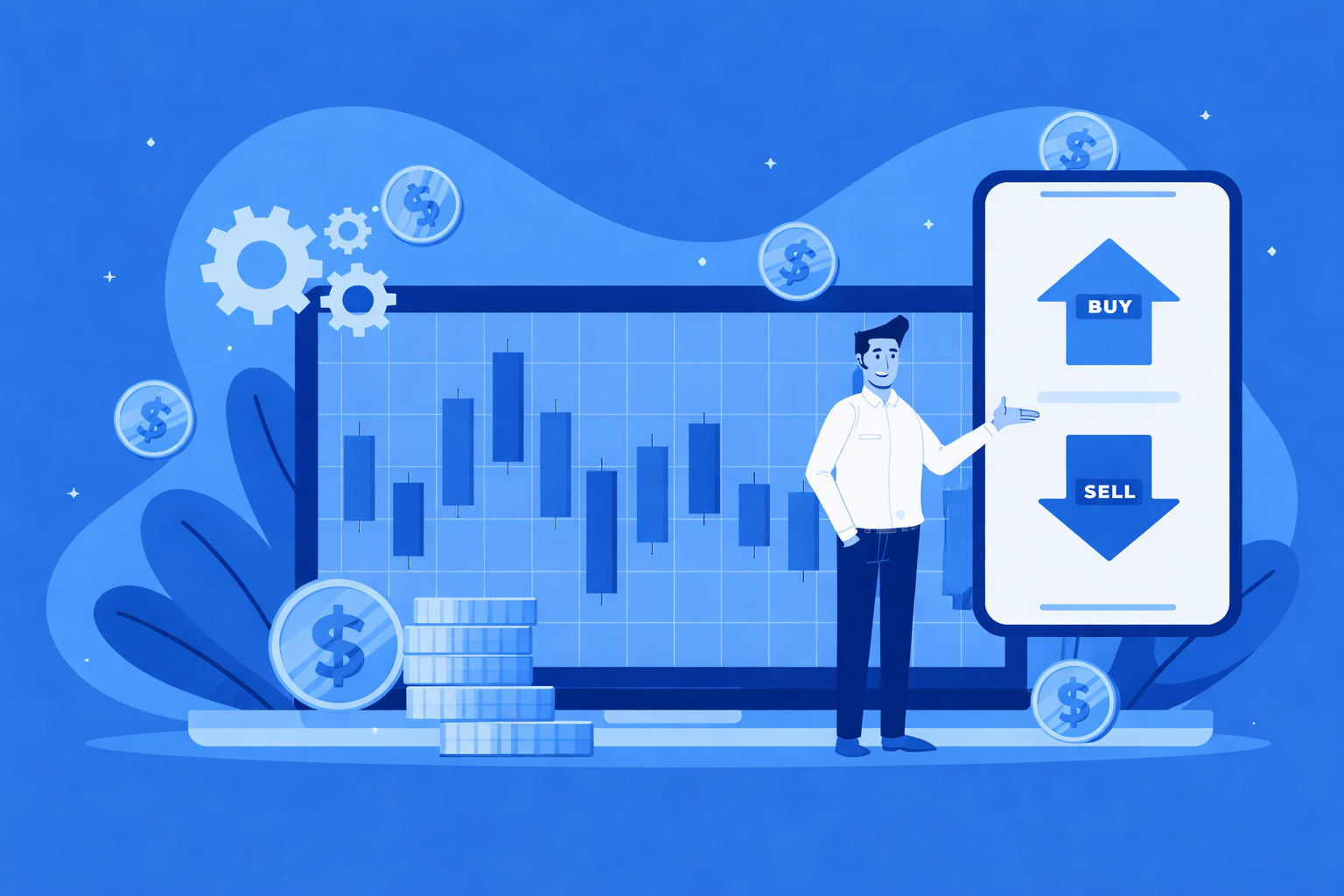
Liquidity is one of the primary value propositions of RWA tokenization, and the infrastructure layer that enables secondary market trading is the component that actually delivers this promise to investors. Without a functional secondary market infrastructure, tokens can be issued and income can be distributed, but investors who need to exit their positions before the underlying asset is liquidated have no mechanism to do so. Building liquidity infrastructure into the RWA platform architecture from the outset is therefore not optional. It is a core design requirement that should shape decisions about token standards, compliance architecture, blockchain network selection, and exchange partnerships from the earliest planning stages.
Secondary market liquidity in RWA infrastructure can be enabled through several different mechanisms, each with different trade-offs. The first is integration with regulated centralized exchanges that are licensed to trade security tokens in the relevant jurisdiction. In Singapore, the MAS-licensed digital securities exchanges provide a regulated venue for secondary trading of tokenized real assets. In Dubai, DIFC-regulated exchanges serve the same function. In India, the GIFT City stock exchanges, NSE IFSC and India INX, are developing frameworks for secondary trading of tokenized securities. These regulated exchange integrations provide the highest level of investor protection and regulatory certainty, but they also have the most significant compliance overhead and the most restricted investor pools.
The second liquidity mechanism is decentralized trading protocols with compliance overlays. Platforms like Uniswap and Curve provide automated market-making functionality that can theoretically provide constant liquidity for any token, but they are not compatible with the transfer restriction requirements of regulated security tokens without significant modification. Compliance-enabled automated market makers, which integrate whitelist checking into the trading logic to ensure that only eligible investors can participate, are being built by several teams in the RWA infrastructure space. A third mechanism is platform-facilitated peer-to-peer matching, where the tokenization platform operates an internal order book that matches buy and sell orders from verified investors within the platform’s closed ecosystem. This approach is simpler from a regulatory standpoint but provides less liquidity depth than open exchange trading.
Security Measures Used in RWA Infrastructure Systems
Security in RWA infrastructure is not a single feature but a comprehensive programme that addresses threats at every layer of the technology and operational stack. The consequences of security failures in RWA infrastructure are severe: they can result in direct financial loss for investors, regulatory sanctions for the platform, and reputational damage that destroys the trust that the entire asset class depends on. Building security measures into the RWA infrastructure from the architecture stage, rather than adding them as a compliance checkbox after the fact, is the only approach that consistently produces robust results. Our team has reviewed platforms where security was added reactively and the results are always the same: gaps that sophisticated attackers eventually find and exploit.
Smart contract security auditing is the most visible and widely discussed security measure in RWA infrastructure. An independent blockchain security firm reviews the smart contract code before deployment, testing for known vulnerability patterns, logical errors, reentrancy attacks, integer overflow risks, access control weaknesses, and a comprehensive range of other potential attack vectors. The audit report documents findings and the development team’s responses, and the final report is published publicly as a demonstration of transparency. But the audit is not the end of smart contract security. Post-deployment monitoring tools continuously scan on-chain activity for unusual patterns that might indicate an attempted exploit, enabling rapid response before material damage occurs.
Multi-signature authorisation is a second essential security measure in RWA infrastructure. For any smart contract function that can affect investor assets significantly, such as upgrading the contract code, pausing token transfers, or initiating a large income distribution, multi-signature requirements mandate that the transaction must be approved by a defined minimum number of separate private keys held by different individuals or entities. A typical multi-sig configuration for RWA infrastructure might require three of five designated signers to approve any critical function, where the five signers include the platform operator, an independent director of the SPV, a legal trustee, and two independent technical validators. This arrangement means no single individual or institution can unilaterally execute a transaction that could harm investors, regardless of whether their motivation is malicious or simply erroneous.
Hardware Security Modules, or HSMs, are specialized physical devices that store private keys in tamper-resistant hardware and perform cryptographic operations without ever exposing the private key to the connected software environment. For RWA infrastructure managing significant asset values, HSM-based key management is the industry standard for protecting the private keys that control smart contract administrative functions and token issuance permissions. Platform security also extends to the web and mobile application layers, where regular penetration testing, secure coding practices, and DDoS protection are standard requirements for any platform handling investor funds.
Common Challenges in Building RWA Infrastructure
Building robust RWA infrastructure is genuinely difficult, and the challenges that practitioners face in the process are worth understanding both for those building platforms and for investors evaluating the credibility of existing ones. Regulatory fragmentation across jurisdictions is the most persistent systemic challenge. A platform serving investors in India, UAE, and Singapore must comply with three different regulatory frameworks, each with different KYC standards, investor eligibility criteria, transaction reporting requirements, and token classification rules. The compliance infrastructure must be designed to apply the correct rules for each investor based on their jurisdiction of residence, creating a multi-dimensional compliance matrix that must be maintained as regulations evolve in all three jurisdictions simultaneously. The cost and complexity of multi-jurisdictional compliance infrastructure is a significant barrier to entry that favours well-capitalized and experienced platform operators over early-stage entrants.
Legacy system integration is a second major challenge in RWA infrastructure. Real-world assets are managed through a variety of legacy systems: property management software that tracks tenant payments and maintenance costs, bank accounts that hold rental income, legal registries that record property ownership, and accounting systems that produce financial statements for the SPV. Connecting these off-chain legacy systems to blockchain smart contracts in a reliable, real-time, and manipulation-resistant way requires custom integration work for each system type and ongoing maintenance as legacy systems are updated or replaced. There is no universal plug-and-play integration layer for RWA infrastructure that works across all the different legacy systems that different asset types and jurisdictions use.
Oracle reliability is a challenge that is technically complex and operationally significant. The smart contracts in RWA infrastructure make automatic decisions based on data provided by oracles, and if the oracle data is inaccurate, manipulated, or delayed, the smart contracts will make incorrect decisions. For example, if an oracle provides a falsely elevated valuation of the underlying asset, a DeFi collateral protocol using the token as collateral would extend an excessive loan that cannot be recovered if the asset value corrects to its true level. Oracle manipulation is a documented attack vector in DeFi, and RWA infrastructure must use oracle designs that include multiple independent data sources, time-averaged prices, and anomaly detection mechanisms to reduce manipulation risk. Building reliable, robust oracle infrastructure for the specific data types required in RWA systems is a specialized engineering challenge that many platform builders underestimate.
Future Scope of RWA Infrastructure in Tokenization
The future evolution of RWA infrastructure will be shaped by several converging technical and regulatory developments that will significantly expand what tokenization platforms can do and how efficiently they can do it. Cross-chain interoperability is the most immediately impactful technical development. Current RWA infrastructure is largely siloed by blockchain network: tokens issued on Ethereum cannot be easily transferred to a buyer whose primary infrastructure is on Polygon or Solana without complex bridging mechanisms that introduce their own security risks. As cross-chain communication protocols mature and become more standardized, the ability to transfer tokenized assets across blockchain networks will become seamless, dramatically expanding the potential secondary market audience for any tokenized asset and deepening liquidity across all platforms simultaneously.
Central bank digital currency integration represents the most transformative long-term evolution of RWA infrastructure. When India, UAE, and Singapore deploy fully operational retail CBDCs, integrating these regulated digital currencies as the primary payment and settlement mechanism for RWA tokenization transactions will create a seamless bridge between the formal monetary system and the blockchain-based asset ownership system. Investors will purchase tokens directly from their CBDC wallets, income distributions will flow automatically back to CBDC accounts, and collateral arrangements will be settled instantaneously in central bank money rather than commercial bank credit or cryptocurrency stablecoins. This CBDC integration will significantly reduce the regulatory risk premium currently applied to blockchain-based financial systems, accelerating institutional adoption of RWA infrastructure globally.
AI-powered risk management and portfolio optimization will become increasingly integrated into RWA infrastructure over the next three to five years. Machine learning models trained on the continuous stream of on-chain transaction data, asset performance metrics, and market condition data that RWA infrastructure generates will enable more sophisticated automated risk management than current rule-based smart contract approaches allow. Dynamic LTV adjustments based on market conditions, automated portfolio rebalancing across tokenized assets, predictive maintenance alerts for physical assets based on IoT sensor data streams, and AI-driven anomaly detection for compliance monitoring are all applications that early-stage teams are already prototyping within the RWA infrastructure space. The convergence of these capabilities with maturing regulatory frameworks in India, UAE, and Singapore will produce RWA infrastructure that is orders of magnitude more capable than what exists today, enabling a financial system where the full universe of real-world assets is accessible, liquid, and transparently managed for any investor anywhere in the world.
RWA Infrastructure Maturity by Component (2026)
RWA Infrastructure Comparison Across Key Jurisdictions
| Infrastructure Dimension | India (GIFT City) | UAE (Dubai) | Singapore |
|---|---|---|---|
| Regulatory Framework | IFSCA Sandbox | DFSA Full | MAS Full |
| KYC Standard | IFSCA prescribed | FATF-aligned DFSA | MAS Notice PSN01 |
| Token Standard | ERC-3643, ERC-1400 | ERC-3643 preferred | ERC-3643, flexible |
| Secondary Market | NSE IFSC, India INX | DIFC exchanges | MAS-licensed venues |
| Infrastructure Maturity | Growing | Advanced | Most Mature |
Frequently Asked Questions
Q1.1. What is RWA infrastructure and why does it matter for tokenization?
RWA infrastructure is the complete technical, legal, and compliance architecture that enables real-world assets to be represented as blockchain tokens. It includes blockchain networks, smart contracts, oracle systems, custodians, compliance modules, and secondary market mechanisms. Without properly built RWA infrastructure, tokenization platforms cannot issue secure, compliant, or liquid digital asset products.
Q2.2. What are the main components of RWA infrastructure?
The core components of RWA infrastructure include the blockchain network for recording ownership, smart contracts for automating token rules, oracle systems for bringing real-world data on-chain, KYC and AML compliance modules, asset custody arrangements, token issuance systems, price discovery mechanisms, and secondary market trading infrastructure. Each layer is interdependent and must be designed to work together securely.
Q3.3. How does blockchain fit into RWA infrastructure?
Blockchain is the foundational trust layer of RWA infrastructure. It provides the immutable ownership ledger, the smart contract execution environment, and the settlement mechanism for token transfers. Without blockchain, RWA tokenization would simply be a traditional centralized database system with all the counterparty risk and opacity that blockchain is designed to eliminate.
Q4.4. What token standards are used in RWA infrastructure?
The most commonly used token standards in RWA infrastructure are ERC-3643 on Ethereum for regulated security tokens with built-in compliance, ERC-1400 for security token frameworks, and ERC-20 for simpler tokenized instruments. Polygon and Solana have their own equivalent standards. The choice of token standard determines what compliance features are natively built into the token’s behavior.
Q5.5. What is an oracle and why is it critical to RWA infrastructure?
An oracle is a system that brings real-world data onto the blockchain, where smart contracts can use it to make automated decisions. In RWA infrastructure, oracles supply asset valuation data, rental income figures, certification status, and credit ratings to smart contracts. Without reliable oracles, smart contracts governing tokenized assets cannot accurately reflect real-world conditions affecting investor returns.
Q6.6. How does the compliance layer in RWA infrastructure work?
The compliance layer in RWA infrastructure enforces investor eligibility rules, transfer restrictions, and regulatory requirements directly at the token level. Smart contracts integrated with KYC providers check that any wallet attempting to receive a token has completed identity verification and meets the applicable investor qualification criteria for the specific asset and jurisdiction, preventing non-compliant transfers automatically.
Q7.7. What is the difference between on-chain and off-chain infrastructure in RWA systems?
On-chain infrastructure refers to everything recorded and executed directly on the blockchain, including token ownership records, smart contract rules, and transaction history. Off-chain infrastructure refers to systems that support the tokenization but operate outside the blockchain, including asset custodians, legal documentation, property management systems, and traditional banking connections for fiat income collection.
Q8.8. How does RWA infrastructure enable liquidity for tokenized assets?
RWA infrastructure enables liquidity by creating secondary market trading mechanisms where token holders can sell their positions without requiring the full underlying asset to be sold. This includes integration with regulated digital asset exchanges, decentralized trading protocols with appropriate compliance modules, and market-making arrangements that provide bid-ask spreads for token trades in markets like Singapore, UAE, and India.
Q9.9. What security measures are built into RWA infrastructure?
Security in RWA infrastructure operates at multiple levels including smart contract security auditing, multi-signature transaction authorisation, hardware security module-based key management, regular penetration testing of platform interfaces, independent third-party custody for both physical assets and digital tokens, and on-chain monitoring systems that detect unusual transaction patterns in real time.
Q10.10. What are the biggest challenges in building RWA infrastructure?
The primary challenges include regulatory fragmentation requiring different compliance systems for India, UAE, and Singapore simultaneously, the complexity of integrating off-chain legacy systems with blockchain networks, ensuring smart contract security across all edge cases, building genuine secondary market liquidity for illiquid underlying assets, and maintaining accurate real-time asset valuation through reliable oracle networks.
Explore Services
Related Services
Reviewed by

Aman Vaths
Founder of Nadcab Labs
Aman Vaths is the Founder & CTO of Nadcab Labs, a global digital engineering company delivering enterprise-grade solutions across AI, Web3, Blockchain, Big Data, Cloud, Cybersecurity, and Modern Application Development. With deep technical leadership and product innovation experience, Aman has positioned Nadcab Labs as one of the most advanced engineering companies driving the next era of intelligent, secure, and scalable software systems. Under his leadership, Nadcab Labs has built 2,000+ global projects across sectors including fintech, banking, healthcare, real estate, logistics, gaming, manufacturing, and next-generation DePIN networks. Aman’s strength lies in architecting high-performance systems, end-to-end platform engineering, and designing enterprise solutions that operate at global scale.