Ai Overview
In the blockchain and digital finance context, the term is used to describe any asset that exists in the physical world or in the traditional financial system and is being represented, recorded, or transferred through blockchain technology. It is a legal, financial, and technological system that creates a new category of digital asset with properties that were previously unavailable in any single investment instrument.
Key Takeaways
- What is RWA stands for? RWA tokenization converts physical and traditional financial assets into blockchain-based digital tokens with legally enforceable ownership rights.
- Any asset with clear legal ownership and measurable value can be tokenized, including real estate, bonds, gold, private credit, art, infrastructure, and intellectual property royalties.
- Smart contracts automate all aspects of What is RWA tokenization including token issuance, income distribution, compliance enforcement, and redemption without requiring human intermediaries.
- Fractional ownership through What is RWA tokenization allows minimum investments from USD 100 in asset classes that previously required USD 100,000 or more to access.
- India’s GIFT City IFSCA, Dubai’s DIFC and ADGM, and Singapore’s MAS are the three most active regulatory frameworks supporting compliant What is RWA tokenization in the Asia-Pacific and Middle East region.
- Real estate is the largest asset category in global What is RWA tokenization, representing approximately 38 percent of total tokenized asset value and growing faster than any other RWA category.
- The key benefits of What is RWA tokenization include increased liquidity, fractional ownership, 24/7 trading, reduced transaction costs, real-time transparency, and automated income distribution.
- Major institutions including BlackRock, Franklin Templeton, DBS Bank, and Goldman Sachs are actively building What is RWA tokenization products, providing powerful validation of the technology and legal model.
- The global What is RWA tokenization market is projected to reach USD 16 trillion by 2030, driven by institutional adoption, regulatory clarity, and retail platform expansion across key markets.
- Businesses seeking to launch What is RWA tokenization projects need experienced legal, technical, and regulatory partners to navigate SPV formation, smart contract auditing, and compliance across multiple jurisdictions.
The financial world is undergoing one of its most fundamental transformations in decades. Physical assets that were once locked behind high capital requirements, complex legal processes, and geographic restrictions are becoming digitally accessible to any investor with a smartphone and a verified wallet. At the centre of this transformation is RWA Tokenization, the process of converting real-world assets into blockchain-based digital tokens that can be bought, sold, and held by investors anywhere in the world. With eight years of direct experience building tokenization infrastructure across India, UAE, and Singapore, our team has developed a comprehensive understanding of how this process works, what assets qualify, what the regulatory landscape looks like, and what opportunities and risks investors and asset owners need to understand. This guide covers every dimension of real world asset tokenization with the depth and honesty the subject demands.
Full Form of RWA in Blockchain
RWA stands for Real World Asset. In the blockchain and digital finance context, the term is used to describe any asset that exists in the physical world or in the traditional financial system and is being represented, recorded, or transferred through blockchain technology. The full form of RWA is simple, but the implications of what it covers are extensive. A real world asset can be a piece of land in Mumbai, a government bond issued by the US Treasury, a bar of gold stored in a Swiss vault, a painting hanging in a London gallery, or a private credit instrument issued by a Singapore-based lender. What all these assets share is that they exist independently of blockchain technology and have economic value that is defined by the physical or contractual world rather than by digital market demand.
The distinction between real world assets and native digital assets is important for understanding What is RWA tokenization is generating so much attention. Native digital assets like Bitcoin or Ether have no backing outside the blockchain. Their value is determined entirely by supply, demand, and perceived utility within digital networks. Real world assets have intrinsic value that exists whether or not a blockchain is involved: the land generates rental income, the bond pays interest, the gold holds commodity value. When these assets are tokenized, their intrinsic value becomes accessible through digital infrastructure while retaining the real-world backing that provides a value floor impossible in purely digital assets. This combination of real-world value and digital-world accessibility is the core proposition of What is RWA tokenization.
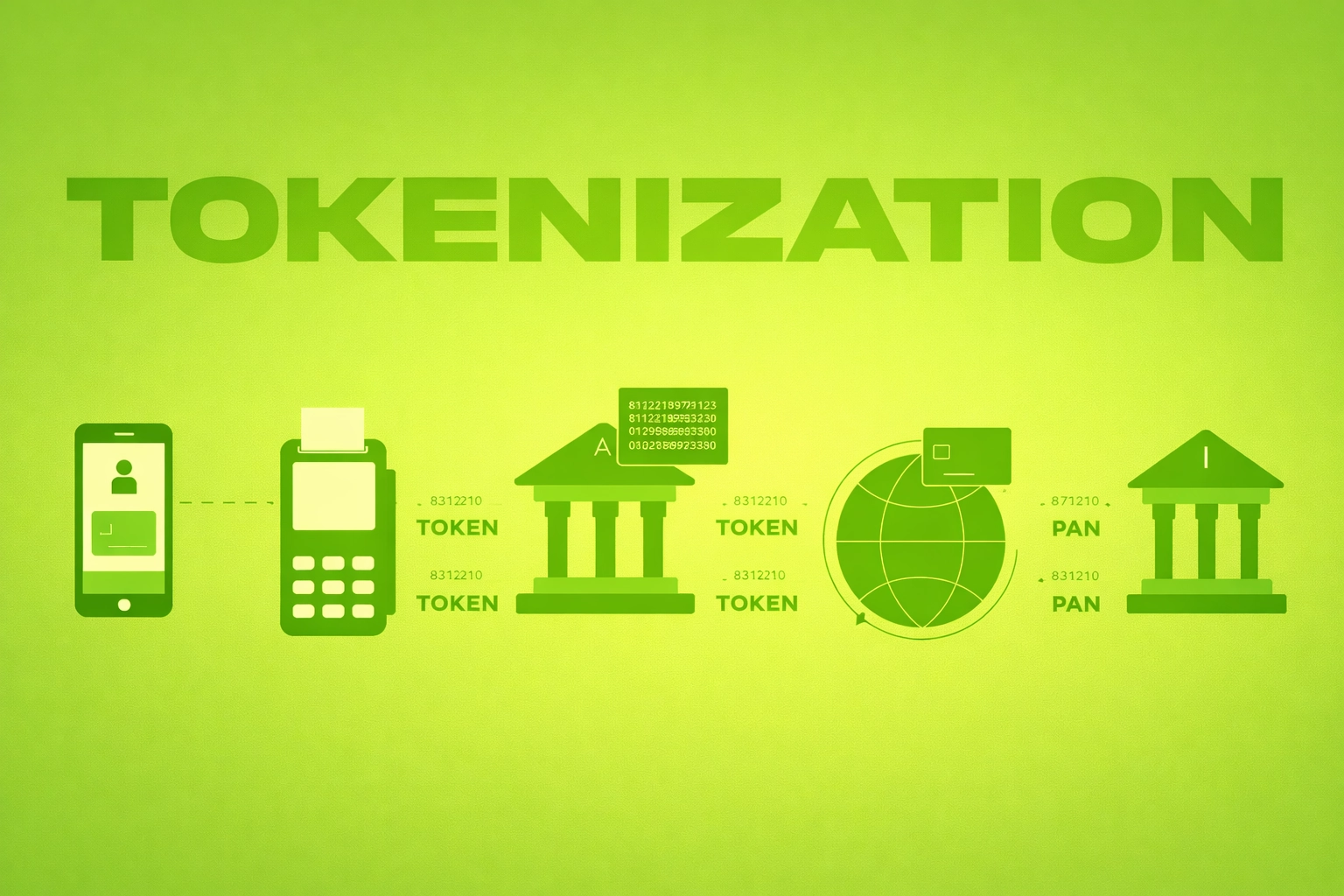
Tokenization is the process of representing ownership rights or economic interests in an asset as digital tokens on a blockchain network. Each token is a programmable digital unit that carries specific information about what it represents: which asset, what proportion of that asset, what rights the token holder has, and what rules govern the token’s behavior including transfer, income distribution, and redemption. Tokenization is not a new concept in finance. The idea of dividing asset ownership into transferable units has been practiced for centuries through shares, units, and certificates. What blockchain tokenization adds to this established concept is automation through smart contracts, transparency through distributed ledgers, settlement speed through blockchain transactions, and accessibility through digital wallets that anyone anywhere can hold.
The technical process of tokenization involves deploying a smart contract on a blockchain network that defines the token’s properties: its total supply, the rules for its transfer, the mechanism for distributing income, and the conditions under which it can be redeemed. When investors purchase tokens, the smart contract records their ownership on the blockchain. This record is immutable: it cannot be altered by the platform, the asset owner, or any third party. The ownership is as real as any other form of financial asset ownership, and in many respects it is more verifiable and more transparent than traditional ownership records maintained in centralized corporate databases.
What is a Real World Asset (RWA)?
A real world asset is any asset that has economic value and exists in the physical world or within the traditional financial system, independent of blockchain technology. The category is intentionally broad because the fundamental characteristic of a real world asset is not its physical nature but its external value: value that comes from contractual obligations, physical properties, or market dynamics that operate outside the blockchain. Real estate is the most intuitive example: a building has value because it can shelter people or businesses, generate rental income from tenants, and appreciate in value as land and construction costs rise. These value drivers exist completely independently of any digital representation. A government bond is another classic example: its value comes from the contractual obligation of a government to repay principal and interest at specified dates, an obligation that exists in legal and financial frameworks far older than blockchain technology.
Other real world assets include commodities like gold, silver, and oil, which have physical supply constraints and industrial demand that determine their value. Private equity and venture capital funds are real world assets because they represent ownership stakes in operating businesses. Art and collectibles are real world assets because their value derives from physical craftsmanship, artistic reputation, and collector market dynamics. Infrastructure assets like toll roads, airports, and power plants are real world assets because they generate cash flows from physical usage. The diversity of real world assets is part of what makes What is RWA tokenization so significant: by creating a universal mechanism for converting any of these assets into digital tokens, blockchain technology is potentially opening every major asset market to a new layer of accessibility, liquidity, and efficiency.
What is Real World Asset (RWA) Tokenization?
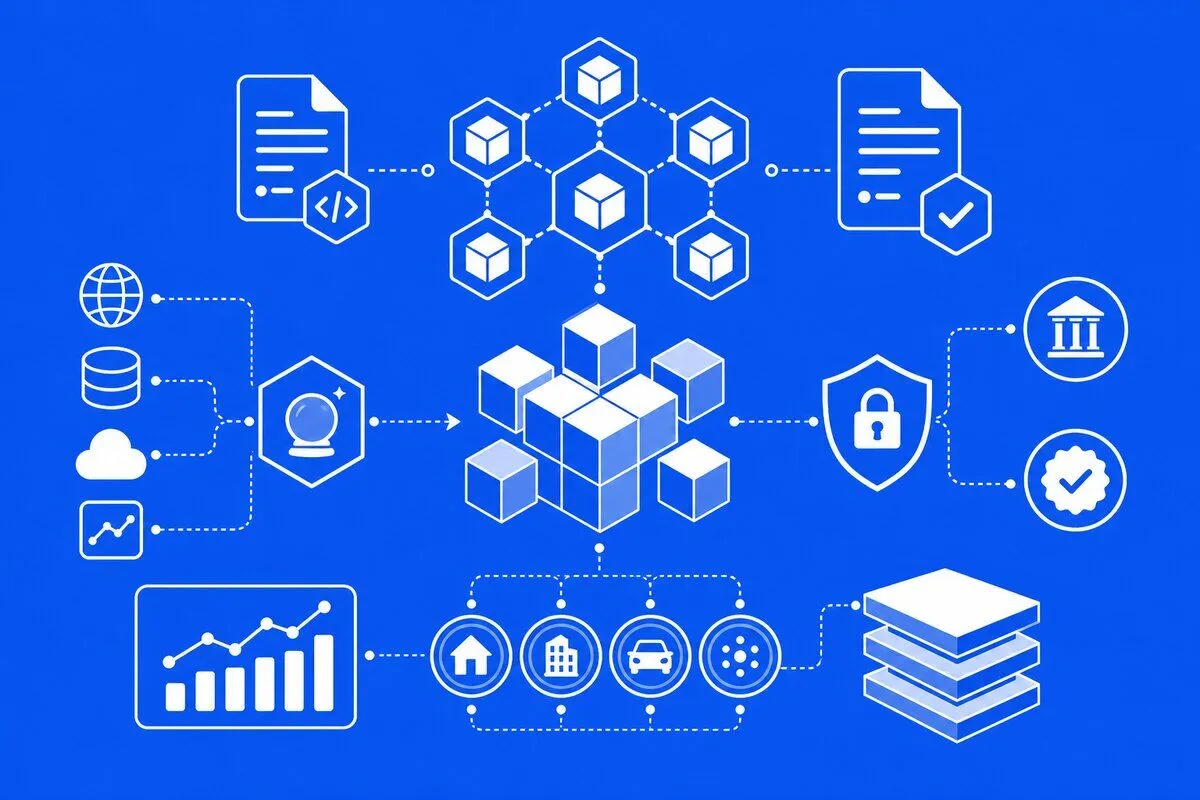
Real world asset tokenization is the complete process of converting the ownership rights or economic interests in a real-world asset into digital tokens on a blockchain, creating a new form of investable instrument that combines the intrinsic value of the physical or financial asset with the operational advantages of blockchain infrastructure. The tokenization process involves legal structuring to properly contain the asset in a way that tokens can represent, technical implementation to create and govern the tokens through smart contracts, compliance infrastructure to ensure only eligible investors can participate, and market infrastructure to allow tokens to be bought, sold, and held through digital platforms accessible to investors globally.
What distinguishes What is RWA tokenization from simply creating a cryptocurrency is the legal and economic substance that backs every token. A token representing a share of a commercial building in Singapore is backed by the building’s physical existence, its legal registration in the land titles system, its rental income from commercial tenants, and the legal framework that defines what the token holder is entitled to receive and claim. This backing is not just a marketing assertion. It is documented through legal agreements, verified by independent auditors, and enforced through smart contracts that operate without requiring the platform or any intermediary to manually approve each transaction. RWA tokenization is therefore not just a technical innovation. It is a legal, financial, and technological system that creates a new category of digital asset with properties that were previously unavailable in any single investment instrument.
For investors in India, UAE, and Singapore, where our team has built tokenization infrastructure, What is RWA tokenization represents a way to access asset classes and geographic markets that were previously difficult or impossible to reach. An Indian investor can hold tokens representing commercial real estate in Dubai. An NRI in Singapore can hold tokens representing technology park office buildings in Bengaluru. A UAE family office can hold tokens in Singapore’s private credit market. Each of these cross-border investments, facilitated through properly structured RWA tokenization platforms, is more accessible, more liquid, and more transparent than equivalent investments made through traditional channels.
How Does RWA Tokenization Work? (Step-by-Step)
What is RWA tokenization process follows a structured sequence of legal, technical, and commercial steps that must be completed in the correct order to create a valid, compliant, and investor-ready tokenized asset. Understanding this sequence is important for both asset owners considering tokenization and investors evaluating whether a specific tokenized asset has been properly structured. Each step in the process adds a layer of legal validity, technical security, or market accessibility that the final token depends on.
What is RWA Tokenization Step-by-Step Process
Step 1: Asset Selection and Feasibility Assessment
Asset owner evaluates tokenization suitability including title clarity, valuation, income profile, and target investor market across India, UAE, or Singapore
Step 2: Legal Structuring and SPV Formation
Special Purpose Vehicle formed to hold the asset legally separate from the owner’s personal liabilities with bankruptcy-remote protections for investors
Step 3: Independent Valuation and Audit
Third-party appraiser values the asset and independent auditor reviews financial statements establishing the foundation for token pricing
Step 4: Smart Contract Development and Security Audit
Blockchain engineers write smart contracts governing all token behavior, followed by independent security audit from recognized blockchain security firm
Step 5: Regulatory Approval and Token Issuance
Offering documents submitted to IFSCA, DFSA, MAS, or relevant regulator, approval received, and tokens minted on chosen blockchain network
Step 6: Investor Onboarding and Secondary Market
KYC-verified investors purchase tokens, receive income distributions automatically, and access secondary market trading for liquidity
The timeline for completing all these steps typically ranges from three to six months for a well-prepared asset with clear legal title and an experienced tokenization team. The legal structuring phase is usually the longest, particularly when cross-border regulatory approvals are required. The smart contract development and audit phase is the most technically sensitive, as the security of every subsequent investor’s holding depends on the quality of the smart contract code deployed in this stage.
The range of assets that can be tokenized through What is RWA tokenization is broader than most people initially assume, and it continues to expand as legal frameworks and technical infrastructure mature. The fundamental requirement for tokenization is that the asset must have clear, transferable legal ownership that can be placed into a structure that blockchain tokens can represent, and the asset must have an independently verifiable economic value. Beyond these two requirements, there are very few absolute barriers to tokenization. The practical limits are more often regulatory, in terms of whether a specific jurisdiction permits the offer of tokenized interests in a particular asset type, and economic, in terms of whether the asset value is large enough to justify the tokenization costs while still delivering attractive returns to token holders.
The most commonly tokenized asset categories today include real estate, financial assets including bonds and funds, commodities including gold and silver, private equity and private credit, infrastructure assets, art and collectibles, and intellectual property. Each of these categories has specific structural requirements, legal frameworks, and investor considerations that make them more or less straightforward to tokenize. Our team has experience across all of these categories, and the insights in the following sections are drawn directly from our work with asset owners and investors in India, UAE, and Singapore across multiple tokenization projects.
Different Types of Real World Assets in Tokenization
The landscape of real world assets being tokenized in 2026 spans a remarkable breadth of categories, each with distinct characteristics, investor profiles, and structural requirements. Understanding the differences between these categories is important for investors choosing where to allocate and for asset owners deciding whether tokenization is appropriate for their specific asset type.
Real Estate
Commercial and residential property, hotels, logistics, and retail. Largest and fastest-growing RWA tokenization category.
Financial Assets
Government and corporate bonds, money market funds, private credit, and structured products with defined income streams.
Commodities
Physical gold, silver, oil, and agricultural commodities stored in regulated facilities with independent audit verification.
Art and Collectibles
Fine art, rare collectibles, and luxury goods with professional valuation and institutional custodial storage arrangements.
Infrastructure
Toll roads, renewable energy, airports, and utilities generating long-duration inflation-linked cash flows for institutional allocators.
Intellectual Property
Music royalties, patent portfolios, film rights, and brand licensing income streams tokenized for fractional investor participation.
Real estate tokenization is the most prominent and most actively growing category within RWA tokenization. It involves placing a property into a Special Purpose Vehicle, dividing the SPV’s ownership interests into digital tokens, and allowing investors to purchase those tokens to become fractional beneficial owners of the property. Each token entitles its holder to their proportional share of the property’s net rental income, distributed automatically through smart contracts, and their proportional share of any capital gain if the property is sold. The token is recorded on the blockchain as an immutable ownership entry, and it can be traded on secondary markets subject to applicable compliance checks.
For investors in India, real estate tokenization through GIFT City’s IFSCA framework provides access to prime commercial properties that would be unaffordable through direct purchase and less transparently managed through traditional property funds. For NRIs in Dubai and Singapore, real estate tokenization of Indian properties removes the legal complexity of NRI property ownership while providing the same economic exposure. For Indian investors seeking international property exposure, platforms listed on GIFT City exchanges allow access to tokenized real estate in Dubai and Singapore within the LRS framework.
The real estate category within RWA tokenization is particularly well-suited to the smart contract model because real estate income is predictable, contractually defined through lease agreements, and regular. A building with ten-year commercial leases has income visibility that allows smart contracts to be programmed with reliable distribution schedules, giving token holders confidence in the income stream they are receiving.
Tokenization of Financial Assets (Bonds, Stocks, Funds)
Financial asset tokenization is the most institutionally developed segment of RWA tokenization and the one where the largest capital volumes are already being processed. Government bond tokenization has been pioneered by BlackRock’s BUIDL fund and Franklin Templeton’s BENJI fund, both of which convert US Treasury securities into blockchain-accessible tokens that settle instantly and are accessible around the clock. These products represent a fundamental improvement in the operational characteristics of government securities: instead of settling in T+2 business days and being accessible only during exchange hours, tokenized treasuries settle in minutes and are tradeable 24/7 through digital platforms accessible globally.
Corporate bond tokenization is gaining traction in Singapore and UAE, where DBS Bank and HSBC have issued tokenized bonds that allow institutional and qualified retail investors to access fixed income instruments with lower minimums and better liquidity than traditional bond markets. Private credit tokenization, where lending instruments are divided into tokens and offered to investors, is growing particularly rapidly because private credit has become one of the most sought-after asset classes among yield-seeking investors in the current interest rate environment, and tokenization makes private credit accessible at ticket sizes and with liquidity profiles that traditional private credit funds cannot match.
Stock tokenization, the process of representing equity shares in public or private companies as blockchain tokens, is more complex from a regulatory perspective because equity ownership carries voting rights and corporate governance implications that must be carefully handled in the smart contract design and legal documentation. Several platforms in Singapore and UAE are working within their regulatory frameworks to enable compliant equity tokenization for private companies, which would significantly expand the investable universe for retail and institutional investors in these markets.
Tokenization of Commodities (Gold, Silver, Oil)
Commodity tokenization has emerged as one of the most practically mature segments of RWA tokenization, partly because the custody infrastructure for physical commodities is well-developed and partly because commodities like gold have a particularly strong appeal in the markets where our team operates. Gold tokenization platforms like Paxos Gold and Tether Gold have established that physical gold held in licensed, audited vaults can be represented as blockchain tokens that are purchased and traded around the clock at sub-gram denomination sizes, solving the minimum investment and storage challenges that have historically limited retail gold investment in India and UAE.
For Indian investors with a deep cultural relationship with gold but concerns about physical storage security, tokenized gold offers a way to accumulate gold savings digitally with the same intrinsic value backing as physical ownership. The DMCC in Dubai has established infrastructure specifically for tokenized gold trading in the UAE market, recognizing the strategic alignment between Dubai’s established role as a global gold trading hub and the new digital asset financial ecosystem. Silver, oil, and agricultural commodity tokenization follow similar structural models but face varying degrees of custody complexity and regulatory treatment across different jurisdictions.
Tokenization of Art, Collectibles and Intellectual Property
Art and collectible tokenization represents one of the more novel applications of RWA tokenization and one where the opportunity is significant but the practical challenges remain substantial. The fundamental appeal is clear: fine art has historically been among the best-performing long-term asset classes globally, but it has been accessible only to the extremely wealthy because individual artworks of investment quality trade at prices from hundreds of thousands to hundreds of millions of dollars. Tokenization theoretically allows anyone to own a fraction of a Picasso or a vintage wine collection, accessing an asset class whose returns have been documented over centuries while investing at a fraction of the direct acquisition cost.
The practical challenges in art tokenization include valuation subjectivity, illiquid underlying markets, custody and insurance complexity, and the difficulty of creating secondary market liquidity for tokens representing assets whose primary markets are dominated by auction houses and private dealers. Several platforms in Singapore and UAE are actively addressing these challenges through partnerships with established art advisors, auction houses, and specialist custodians, but art tokenization remains a less mature segment than real estate or financial asset tokenization. Intellectual property tokenization, particularly music royalty tokenization, is more practically advanced because royalty streams have predictable, contractually defined income that lends itself well to smart contract automation of distributions to token holders.
RWA Asset Type Comparison: Key Investment Characteristics
| Asset Type | Income Type | Liquidity | Maturity Level | Key Market |
|---|---|---|---|---|
| Real Estate | Rental Yield | Medium | High | India, UAE, SG |
| Government Bonds | Interest | High | High | USA, Singapore |
| Private Credit | Interest | Low-Medium | Growing | Singapore, UAE |
| Gold | Price Appreciation | High | High | India, UAE, Global |
| Art and IP | Royalties / Capital | Low | Emerging | Singapore, UAE |
Key Benefits of RWA Tokenization
The benefits of RWA tokenization operate across multiple dimensions simultaneously, which is why the technology is attracting interest from such a diverse range of stakeholders. For investors, the benefits are primarily about access, liquidity, and transparency. Access to previously restricted asset classes at fractional investment sizes is the most democratising benefit: a retail investor in India or a first-time investor in UAE can now hold a position in institutional-grade commercial real estate, private credit, or infrastructure bonds that were previously available only to qualified institutional investors with large minimum tickets. The accessibility benefit is compounded by the 24/7 tradability that blockchain secondary markets enable, removing the market-hours restriction that limits traditional asset markets and allowing investors in different time zones to participate equally.
Liquidity improvement is perhaps the most structurally significant benefit for investors in real assets. Private equity, real estate, and private credit have historically been illiquid investments with lock-up periods of years and limited or no ability to exit before the fund’s scheduled wind-down. RWA tokenization creates secondary market trading for these assets, allowing investors to sell their positions when they need liquidity rather than being forced to wait for fund maturity. While secondary market depth is still developing in most RWA tokenization markets, the direction of travel is clearly toward greater liquidity, and for investors who currently hold illiquid private asset positions, even partial liquidity through token trading represents a meaningful improvement in their portfolio management flexibility.
For asset owners, the benefits of RWA tokenization are primarily about capital access and operational efficiency. Tokenizing a real estate asset or a portfolio of private credit instruments allows the owner to raise capital from a much larger pool of investors than traditional fundraising channels can reach, including retail investors in India, UAE, and Singapore who would previously have been unable to participate in institutional-grade investment products. The operational efficiency benefit comes from the automation of fund administration functions through smart contracts, reducing the headcount and infrastructure cost required to manage investor relationships, process income distributions, and maintain compliance records for large investor pools.
Transparency is the benefit that is perhaps most unique to RWA tokenization compared to any alternative investment model. On a public blockchain, any investor or researcher can verify the total token supply, the history of income distributions, the smart contract’s governing rules, and often the performance data of the underlying asset, all without requiring a report from the fund manager or a meeting with an investor relations team. This radical transparency removes the information asymmetry that has historically disadvantaged retail investors relative to institutional investors in private asset markets and creates a level of accountability for asset managers that traditional fund structures simply cannot replicate.
Challenges and Risks in RWA Tokenization
A complete understanding of RWA tokenization requires an honest assessment of the challenges and risks that characterize the current state of the market, not to discourage participation but to enable informed decision-making by all participants. Regulatory fragmentation is the most persistent systemic challenge. The legal treatment of tokenized assets varies enormously across jurisdictions, and platforms that want to serve investors in multiple countries simultaneously must navigate a complex patchwork of different regulatory requirements. A token that is a fully compliant regulated security in Singapore under MAS rules may require separate regulatory analysis, approval, and compliance infrastructure in India, UAE, or the European Union. This fragmentation adds cost, complexity, and time to every cross-border tokenization project and limits the ability of platforms to build the large, diverse investor pools that would create the deepest secondary market liquidity.
Smart contract security risk is a technical challenge that is being progressively addressed but cannot be eliminated entirely. Smart contract code, regardless of how carefully it is written, can contain vulnerabilities that sophisticated attackers can exploit. The history of blockchain finance includes documented cases of smart contract exploits resulting in significant financial losses, and while the audit and testing standards in the RWA tokenization sector are significantly more rigorous than in earlier phases of blockchain finance, zero risk is not achievable. Investors should always verify that the platform they use has had its smart contracts audited by a recognized and reputable security firm and that the audit report is publicly available.
Secondary market liquidity risk is the challenge that is most practically significant for investors who have already entered the RWA tokenization market. While the technology enables secondary market trading, the actual depth and reliability of secondary markets for most real estate, private credit, and commodity tokens is still limited. A token that cannot find a willing buyer at a fair price when an investor needs to exit is functionally illiquid despite the theoretical availability of a trading mechanism. Building genuine secondary market depth requires a critical mass of investors in each specific token, which takes time to develop as the overall market grows. Investors with shorter investment horizons or liquidity needs should carefully assess secondary market conditions for their specific token before committing capital.
Difference Between Asset Tokenization and RWA Tokenization (Detailed Analysis)
The terms asset tokenization and RWA tokenization are frequently used interchangeably, but there is a meaningful distinction that investors and practitioners should understand. Asset tokenization is the broader category: it refers to the process of representing any asset as a digital token on a blockchain. This includes not only real-world assets but also native digital assets, utility rights, in-game items, and any other category of value that can be expressed as a transferable digital token. RWA tokenization is a specific subset of asset tokenization that focuses exclusively on assets that exist in the physical world or the traditional financial system, independent of the blockchain. All RWA tokenization is asset tokenization, but not all asset tokenization involves real-world assets.
The practical significance of this distinction lies in the regulatory and investor protection implications. RWA tokens are regulated as securities in most jurisdictions because they represent interests in real assets with economic value that comes from outside the blockchain. This means they are subject to securities laws, investor protection requirements, and regulatory oversight that most native digital asset tokens are not. The regulatory burden is higher for RWA tokenization than for purely digital asset tokenization, but so is the investor protection and the legal enforceability of the token holder’s rights. A real estate token issued through a properly structured RWA tokenization process gives its holder legally enforceable rights to income and asset value. A native digital token representing a utility function in a blockchain protocol gives its holder no equivalent legal claim.
The investment risk profile is also fundamentally different. RWA tokens have a value floor defined by the real-world value of the underlying asset: a real estate token cannot go to zero as long as the underlying property retains value, because the token represents a legal claim on that value. A native digital token can go to zero if the utility or demand for the blockchain service it represents disappears, because there is no physical or contractual asset backing the token’s value. This distinction makes RWA tokenization a categorically different risk profile from most cryptocurrency or native digital asset investment, which is one of the primary reasons it is attracting institutional capital that would never be allocated to cryptocurrencies.
Role of Blockchain in RWA Tokenization
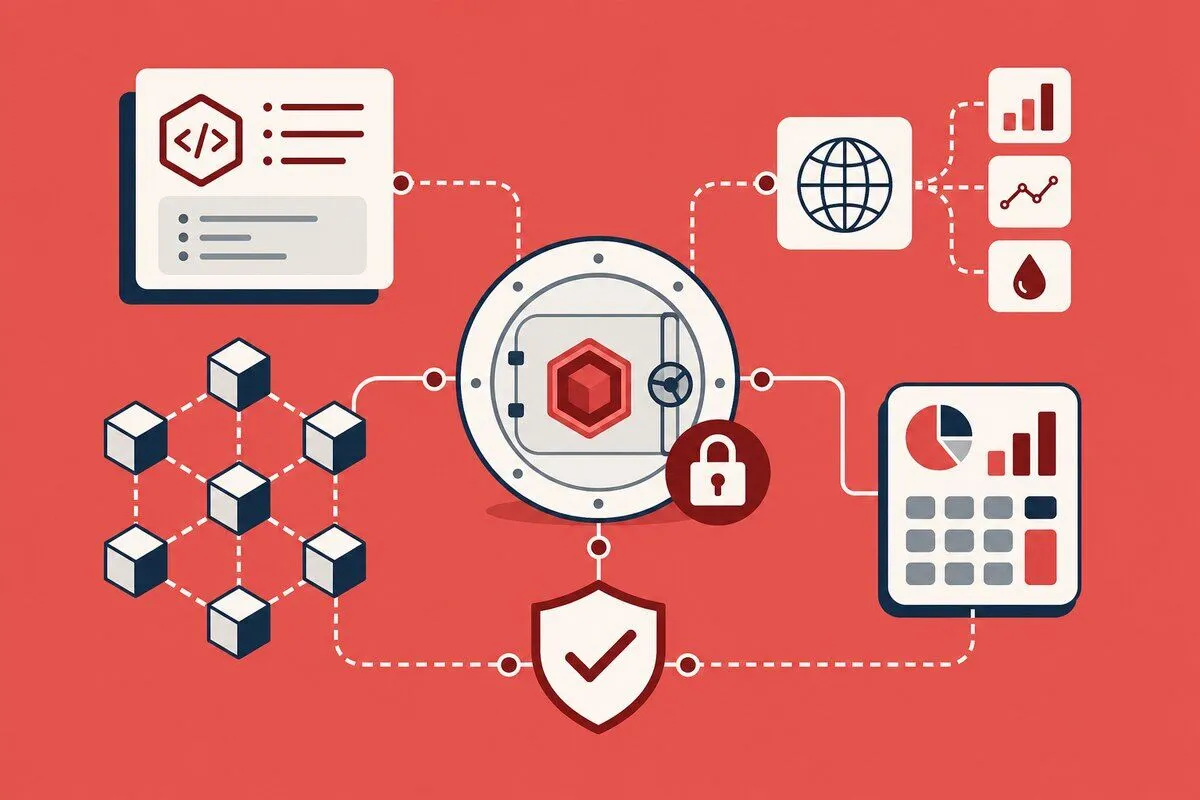
Blockchain technology serves three fundamental roles in RWA tokenization: it provides the ownership record infrastructure, it provides the smart contract execution environment, and it provides the settlement mechanism for token transfers. Each of these roles replaces a function that was previously handled by centralized institutions with significant cost, opacity, and counterparty risk. The ownership record function replaces centralized registrar and transfer agent systems. In traditional financial markets, who owns what is recorded in databases maintained by private companies whose continued operation is required for the records to remain accessible. On a public blockchain, the ownership record is distributed across thousands of independent nodes globally, making it functionally impossible to alter, corrupt, or destroy through any single point of failure.
The smart contract execution environment provides the automated enforcement mechanism that eliminates the need for human intermediaries in the day-to-day management of token-based financial relationships. Instead of a fund administrator manually processing income distributions, a KYC compliance officer manually checking each transfer, or a legal team manually enforcing redemption terms, smart contracts execute all of these functions automatically according to pre-programmed rules that cannot be unilaterally overridden by any party after the contract is deployed. This automation is what makes the operational efficiency advantage of RWA tokenization so significant compared to traditional fund structures.
The settlement mechanism that blockchain provides for token transfers is fundamentally different from traditional financial market settlement in its speed, cost, and finality. Traditional securities settlement typically takes two business days in developed markets and longer in emerging markets, involves multiple intermediaries each adding cost, and carries settlement risk until the process is complete. Blockchain settlement is final within seconds to minutes depending on the network, requires no intermediaries beyond the blockchain protocol itself, and is available 24 hours a day, seven days a week, including holidays and weekends. For cross-border transfers involving investors in India, UAE, and Singapore simultaneously, this settlement capability represents a transformative improvement in the operational efficiency of managing diverse international investor pools.
What are Smart Contracts in Asset Tokenization?
Smart contracts are self-executing programs stored and run on a blockchain network that automatically enforce the terms of a financial agreement without requiring a human intermediary to monitor or execute each provision. The term smart contract is somewhat misleading because it implies a level of artificial intelligence that is not actually present: smart contracts are simply code that runs automatically when predefined conditions are met. What makes them powerful is their combination of automation, immutability, and transparency. Once a smart contract is deployed on a blockchain, its code is publicly visible, its execution is automatic, and its behavior cannot be unilaterally changed by any party unless the code specifically includes a modification mechanism with defined authorisation requirements.
In the specific context of RWA tokenization, smart contracts perform several critical functions. Token issuance control ensures that new tokens are only minted when new underlying asset value has been deposited and verified. Transfer restriction enforcement checks that any attempted token transfer is to a wallet that has passed the required KYC and investor eligibility verification for the specific token’s regulatory requirements. Income distribution automation calculates each token holder’s proportional share of incoming income and distributes it to all holder wallets simultaneously, without requiring manual calculation or individual payment processing. Redemption management handles the process of accepting repayment, verifying completion of all obligations, and releasing any locked collateral or burning redeemed tokens from circulation.
The security of a smart contract is paramount in RWA tokenization because the smart contract controls the economic rights of potentially thousands of investors. A vulnerability in the smart contract code can allow malicious actors to drain funds, manipulate ownership records, or block redemptions. This is why smart contract security auditing by independent blockchain security firms is a non-negotiable requirement for any serious RWA tokenization project. The audit examines the code for known vulnerability patterns, tests edge cases and boundary conditions, and verifies that the contract’s behavior in all scenarios matches the intended design documented in the project specifications.
The legal and regulatory landscape for RWA tokenization is the dimension of the subject that is most dynamic, most jurisdiction-specific, and most consequential for investors and platform operators. A tokenization structure that is fully compliant in one jurisdiction may be legally problematic in another, and the applicable regulatory framework depends on the jurisdiction of the issuer, the jurisdiction where the underlying asset is located, and the jurisdictions in which tokens are offered to investors. Getting this analysis right from the outset is the most important risk management step in any RWA tokenization project, and it is where experienced legal counsel with specific expertise in digital asset securities law in the relevant jurisdictions is essential.
In India, the regulatory framework for RWA tokenization is most developed within GIFT City’s IFSC, where the IFSCA has established a regulatory sandbox programme that allows platforms to test and operate tokenized asset products under supervised conditions. The IFSCA’s framework draws on international best practices from Singapore and UAE and is progressively being expanded to cover additional asset categories and investor types. Outside GIFT City, the Indian domestic regulatory framework for tokenized securities is still evolving, with SEBI engaged in policy development that is expected to produce more specific guidance in the 2026 to 2027 period. [1]
In UAE, the DFSA in DIFC and the FSRA in ADGM have both established comprehensive digital asset regulatory frameworks that explicitly accommodate RWA tokenization. These frameworks require platforms to obtain specific licences for token issuance and secondary market activities, maintain minimum capital requirements, implement AML and KYC procedures, and publish regular audited financial statements. Platforms that operate within these frameworks provide investors with a level of regulatory protection comparable to traditional financial product regulation in established financial centres. Singapore’s MAS licensing regime for digital token service providers and payment service providers covers most aspects of RWA tokenization activity and is considered among the most comprehensive and investor-protective frameworks globally.
Real Use Cases of RWA Tokenization in 2026
The use cases of RWA tokenization in 2026 are no longer theoretical. They are operational, commercially active, and generating real returns for real investors across multiple jurisdictions. BlackRock’s BUIDL fund has demonstrated that tokenized US Treasury securities can be managed at scale within regulatory frameworks, with investors in multiple countries accessing daily liquidity and transparent on-chain reporting. Franklin Templeton’s BENJI fund has shown that retail-accessible tokenized money market products can achieve operational efficiency and compliance standards that match traditional money market funds while delivering the liquidity and accessibility advantages of blockchain infrastructure. DBS Bank’s tokenized bond issuances in Singapore have demonstrated that regulated financial institutions can use blockchain infrastructure for primary issuance of debt securities with institutional investors participating through digital wallets managed by the bank’s custody infrastructure.
In real estate specifically, platforms in Dubai, Singapore, and India’s GIFT City are offering investors tokenized stakes in commercial properties generating rental yields of 6 to 9 percent annually, with monthly income distributions processed automatically through smart contracts and secondary market trading available for investors who need to adjust their positions before maturity. Tokenized gold products from Paxos and Tether are facilitating physical gold investment at gram-level and sub-gram denomination for investors in India and UAE who want the security of gold ownership without the physical logistics. In private credit, platforms including Centrifuge and several UAE-based lending platforms are offering investors tokenized exposure to business loans, trade finance receivables, and real estate mortgage portfolios with yield profiles that are significantly more attractive than equivalent rated bond investments in traditional markets.
Future of Real World Asset Tokenization
The future of RWA tokenization is being shaped by converging trends across technology, regulation, and market structure that all point toward a dramatically larger, more liquid, and more mainstream market within five years. The most significant structural shift will be the progressive regulatory harmonization across major jurisdictions. As Singapore, UAE, India, the European Union, and the United Kingdom each develop more comprehensive and specific frameworks for tokenized real-world assets, the ability of platforms to operate across multiple jurisdictions with reduced compliance friction will improve. This harmonization will enable genuinely global secondary markets for real-world asset tokens, deepening liquidity across all asset categories and making RWA tokenization products comparable in accessibility and liquidity to listed securities markets.
Central bank digital currency integration with RWA tokenization platforms represents a transformative development on the five to ten year horizon. When major economies including India, UAE, and Singapore deploy fully operational CBDCs, the integration of CBDC payment rails with RWA tokenization settlement will create a seamless digital financial infrastructure linking the regulated monetary system with the blockchain-based asset ownership system. Investors will purchase real estate tokens using their CBDC wallet, receive rental income directly to their CBDC account, and use their token portfolio as collateral for CBDC-denominated credit facilities, all within a single integrated digital financial environment. The total addressable market for RWA tokenization, estimated at USD 16 trillion by 2030 by multiple credible research organizations, will be driven primarily by this integration of traditional financial infrastructure with blockchain-based asset management platforms.
RWA Tokenization Market Growth Indicators
How Businesses Can Start with RWA Tokenization
For businesses considering launching an RWA tokenization project, whether as asset owners seeking to tokenize their assets or as platform builders seeking to offer tokenization services to others, the starting point is a thorough feasibility assessment that examines four dimensions simultaneously: the asset’s legal and structural suitability for tokenization, the regulatory environment in the target jurisdictions, the technical requirements of the smart contract and blockchain infrastructure, and the market appetite from potential investors. Rushing to the technical implementation stage before completing this multi-dimensional feasibility analysis is the most common mistake we see in tokenization projects, and it is almost always more costly to fix problems discovered late in the process than to address them in the planning stage.
The legal dimension of the feasibility assessment should engage specialists in securities law, property law, and digital asset regulation in each jurisdiction where the offering is planned. For projects targeting investors in India through GIFT City, UAE through DIFC or ADGM, or Singapore through MAS-licensed platforms, the legal team must include advisors with direct experience in the specific regulatory frameworks of those jurisdictions, not generalist corporate lawyers. The technical dimension requires experienced blockchain engineers who understand not only how to write smart contracts but how to design contract architectures that are secure, gas-efficient, upgradeable where necessary, and compatible with the compliance requirements of regulated markets.
The market dimension requires honest assessment of investor demand for the specific token being structured: what is the target investor profile, what minimum investment makes the product commercially viable, what yield or return profile will attract the target investors, and what secondary market mechanism is most appropriate for the expected investor base. Our team has supported businesses across India, UAE, and Singapore through every stage of this process, from initial feasibility through regulatory approval, technical deployment, investor onboarding, and ongoing platform management. The businesses that achieve the best outcomes are those that treat RWA tokenization as a comprehensive business project requiring multi-disciplinary expertise rather than primarily a technology project or primarily a legal project.
RWA Tokenization Platform Checklist for Businesses
| Component | Requirement | Priority | Timeline |
|---|---|---|---|
| Legal Counsel | Securities and digital asset specialists in target jurisdictions | Critical | Day 1 |
| SPV Formation | Bankruptcy-remote legal entity holding the asset separately | Critical | Month 1-2 |
| Smart Contract Audit | Independent security audit from recognized blockchain firm | Critical | Month 3-4 |
| Regulatory Licence | IFSCA, DFSA, or MAS approval for token issuance in target market | Essential | Month 2-5 |
| KYC and Compliance | Investor identity verification and ongoing AML monitoring | Essential | Month 4-6 |
Frequently Asked Questions
Q1.What does RWA stand for in blockchain and crypto?
RWA stands for Real World Asset. In the blockchain context, RWA refers to any tangible or traditional financial asset that exists in the physical world and is being represented as a digital token on a blockchain network, including real estate, bonds, commodities, art, and private credit instruments.
Q2.What is RWA tokenization and how does it work in simple terms?
RWA tokenization is the process of converting ownership of a real-world asset into digital tokens on a blockchain. Each token represents a fractional ownership stake in the underlying asset. The asset is held in a legal structure, smart contracts govern the token rules, and investors buy, hold, and trade tokens representing their share of the asset.
Q3.Is RWA tokenization the same as NFTs?
No. NFTs represent unique, non-interchangeable digital items and are primarily associated with digital art and collectibles. RWA tokenization produces security tokens that represent ownership stakes in real physical or financial assets. RWA tokens are regulated financial instruments backed by real assets with measurable economic value, while most NFTs are speculative digital collectibles.
Q4.What types of real world assets can be tokenized?
Almost any asset with clear legal ownership and measurable value can be tokenized. Common categories include real estate, government and corporate bonds, gold and other commodities, private equity and credit funds, infrastructure projects, art and collectibles, and intellectual property royalties. The breadth of tokenizable asset types is one of RWA tokenization’s most significant advantages.
Q5.Is RWA tokenization legal in India, UAE, and Singapore?
Yes, within defined regulatory frameworks. In India, platforms operating within GIFT City under IFSCA oversight are legally permitted to issue and manage tokenized real-world assets. In UAE, the DFSA and Abu Dhabi’s FSRA have established digital asset frameworks. In Singapore, MAS licensing covers digital token offerings. Each jurisdiction has specific requirements that compliant platforms must satisfy.
Q6.How do investors make money from RWA tokenization?
Investors earn returns through income distributions from the underlying asset, such as rental income from real estate tokens or interest payments from bond tokens, plus capital appreciation if the underlying asset value increases. Some platforms also enable tokenized assets to be used as DeFi collateral to earn additional yield through lending protocols.
Q7.What is fractional ownership in RWA tokenization?
Fractional ownership means that a high-value asset is divided into thousands or millions of digital tokens, each representing a small percentage ownership stake. This allows multiple investors to collectively own an asset without any single investor needing to purchase the entire thing. A commercial building worth USD 10 million can be divided into one million tokens at USD 10 each.
Q8.What is the difference between asset tokenization and RWA tokenization?
Asset tokenization is the broader technical term for converting any asset into digital tokens. RWA tokenization specifically refers to tokenizing real-world assets that have physical or traditional financial existence outside the blockchain. All RWA tokenization is asset tokenization, but not all asset tokenization involves real-world assets, as some tokens represent purely digital assets or utility rights.
Q9.What role do smart contracts play in RWA tokenization?
Smart contracts are self-executing code deployed on a blockchain that automatically enforce the terms of the token agreement. They handle token issuance, transfer restrictions, income distribution, redemption processes, and compliance checks without requiring human intermediaries. Smart contracts are the operational backbone of RWA tokenization, replacing traditional fund administration with automated, transparent code.
Q10.How much does it cost to tokenize a real-world asset?
The cost of RWA tokenization typically ranges from 2 to 5 percent of the asset value, covering legal structuring and SPV formation, smart contract writing and security auditing, independent property valuation and audit fees, regulatory filing costs, and platform onboarding charges. For a USD 5 million asset, this means USD 100,000 to USD 250,000 in total tokenization costs.
Explore Services
Related Services
Reviewed by

Aman Vaths
Founder of Nadcab Labs
Aman Vaths is the Founder & CTO of Nadcab Labs, a global digital engineering company delivering enterprise-grade solutions across AI, Web3, Blockchain, Big Data, Cloud, Cybersecurity, and Modern Application Development. With deep technical leadership and product innovation experience, Aman has positioned Nadcab Labs as one of the most advanced engineering companies driving the next era of intelligent, secure, and scalable software systems. Under his leadership, Nadcab Labs has built 2,000+ global projects across sectors including fintech, banking, healthcare, real estate, logistics, gaming, manufacturing, and next-generation DePIN networks. Aman’s strength lies in architecting high-performance systems, end-to-end platform engineering, and designing enterprise solutions that operate at global scale.