Ai Overview
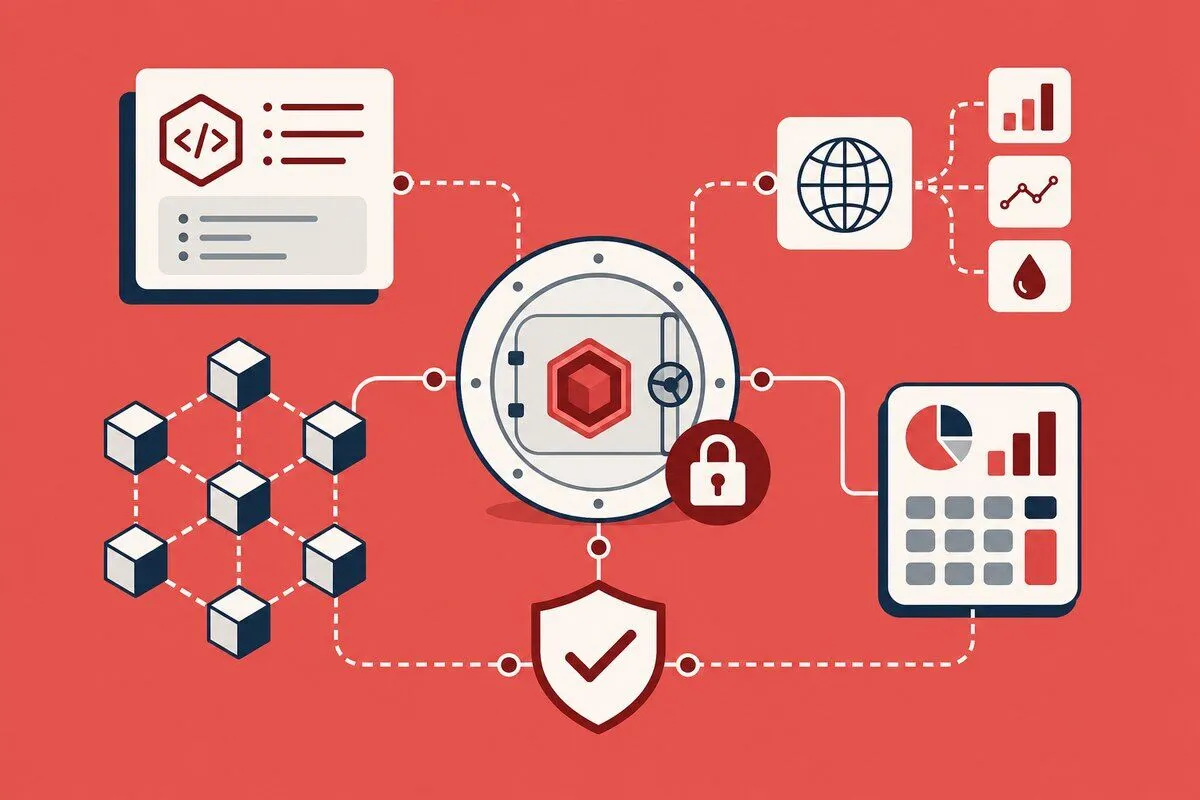
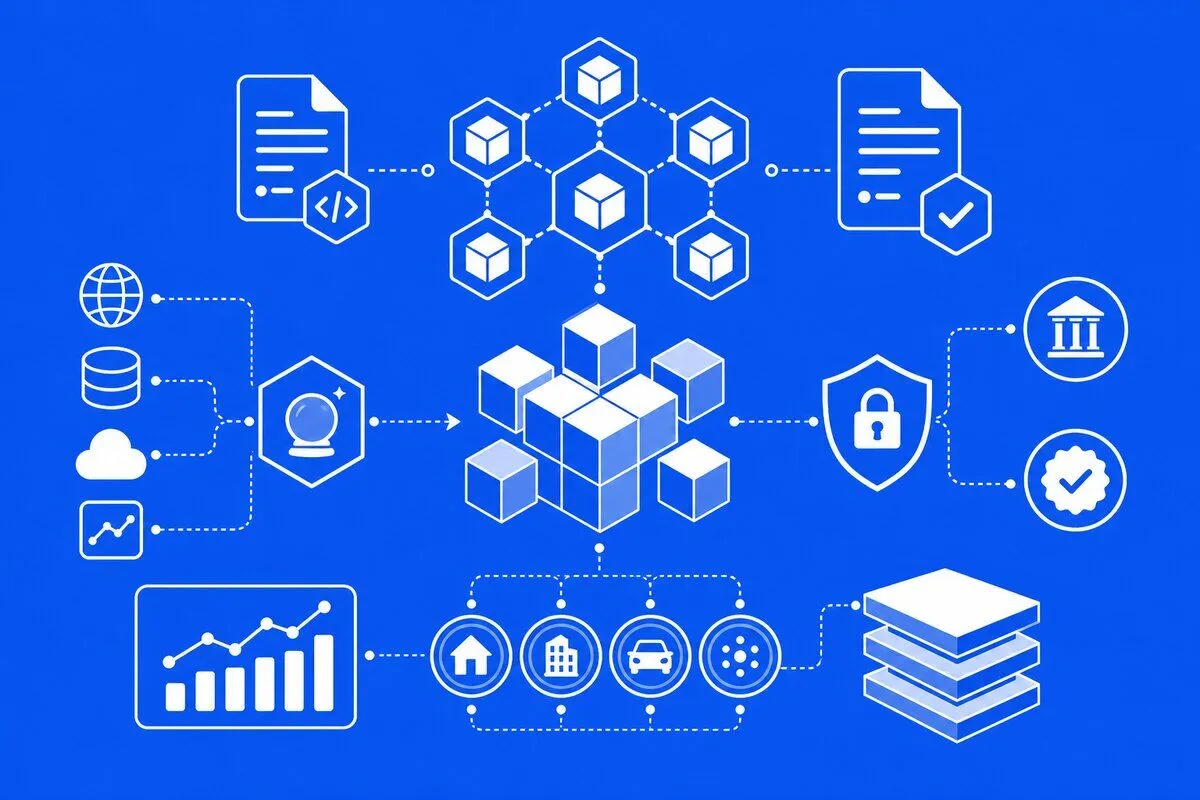
Think of it as the operational layer that sits between a physical building and a global pool of investors. The platform handles the technical minting of tokens, the investor onboarding and KYC process, the distribution of rental income, and in many cases the ongoing management of the investor relationship. Their investment is recorded on a blockchain as an immutable entry that cannot be erased, altered, or overridden.
Key Takeaways
- ✓A real estate token platform is an interface, not the owner of your property. The actual asset is held in a legally separate SPV that continues to exist regardless of platform status.
- ✓Blockchain ownership records are immutable and cannot be deleted or altered by any platform, operator, or third party regardless of the platform’s operational status.
- ✓Smart contracts deployed on blockchain networks continue to execute automatically even when the originating platform is no longer operational, protecting income distribution rights.
- ✓IFSCA regulation in India’s GIFT City and DFSA oversight in Dubai both require platforms to maintain SPV separation and custodian arrangements before receiving operating licences.
- ✓Token holders have legally enforceable ownership rights derived from the SPV structure, not from the platform, making their position comparable to shareholders in a property-holding company.
- ✓Third-party token custodians hold digital assets independently of the platform, ensuring that tokens are not lost or frozen if the platform operator ceases business operations.
- ✓Due diligence before investing includes verifying the platform’s regulatory licence, SPV legal structure, smart contract audit status, and the identity of the independent property manager.
- ✓India’s IFSCA framework and SEBI’s evolving tokenization guidelines are creating a clearer regulatory landscape for real estate token platform operations and investor protections in 2025 and 2026.
- ✓Secondary market listings on independent regulated exchanges allow token holders to exit positions even when the original issuing platform is no longer active or accessible.
- ✓Platforms that lack SPV separation, unaudited smart contracts, or no independent custodian arrangement represent serious investor risk and should be avoided regardless of marketing claims.
This is the question that most investors on a real estate token platform have quietly wondered about but rarely ask out loud. Over eight years of working across India, UAE, and Singapore at the intersection of property, law, and blockchain technology, our team has seen the market mature from a niche experiment into a regulated asset class. And yet the fear of platform failure remains one of the top concerns holding investors back from committing capital. The honest answer is that a well-structured Real Estate Tokenization platform is specifically engineered so that its shutdown does not destroy investor value. But the quality of that engineering varies enormously from one platform to another, and knowing what to look for is what separates informed investors from vulnerable ones. This blog addresses every dimension of this question with the depth and specificity it deserves.
What Is a Real Estate Token Platform and How Does Your Investment Work on It
A real estate token platform is a technology and financial services infrastructure that enables property owners to issue fractional ownership tokens backed by physical real estate assets, and allows investors to purchase, hold, and trade those tokens. Think of it as the operational layer that sits between a physical building and a global pool of investors. The platform handles the technical minting of tokens, the investor onboarding and KYC process, the distribution of rental income, and in many cases the ongoing management of the investor relationship. But critically, the platform does not own the property. It facilitates access to the property through a legal structure called a Special Purpose Vehicle, which holds the asset entirely independently of the platform’s own corporate existence.
When an investor commits capital on a real estate token platform, they are purchasing tokens that represent a legally defined fractional ownership interest in the property held within the SPV. Their investment is recorded on a blockchain as an immutable entry that cannot be erased, altered, or overridden. The income from the property, typically rental yield, flows through the SPV to a smart contract, which automatically distributes it to token holders in proportion to their holdings. This architecture is fundamentally different from depositing money with a company. An investor’s capital is not on the platform’s balance sheet. It is represented by tokens linked to a real asset in a legally protected structure.
However, not all platforms are built to the same standard. Some operate with full legal separation and third-party custody. Others cut corners on SPV structuring, skip smart contract audits, or conflate the platform’s operational wallet with investor assets. This is why understanding the architecture of the specific platform you are considering is the single most important piece of due diligence any investor in India, UAE, or Singapore can perform before committing capital.
Real estate token platforms shut down for a variety of reasons, and understanding them helps investors identify warning signs before committing capital. The most common reason is straightforward: the platform fails to achieve the business volume needed to sustain its operational costs. Running a compliant tokenization platform requires maintaining regulatory licenses, employing legal, technology, and compliance staff, conducting ongoing smart contract maintenance, and managing investor relations. If a platform cannot generate sufficient transaction volume and fee income to cover these costs, it will eventually cease operations. This is a normal business failure and is not unique to the blockchain space, but it has specific implications for property token investors that go beyond what a typical tech company failure would mean.
Regulatory non-compliance is another significant cause. In markets like India, UAE, and Singapore, regulators are actively scrutinizing tokenization platforms, and those that do not meet the required standards for licensing, disclosure, or investor protection face enforcement action that can result in forced shutdown. Fraud and mismanagement, while less common in regulated markets, also occur, particularly on unregulated platforms that marketed themselves aggressively before the current regulatory frameworks were in place.
Insufficient Volume
Platform cannot sustain operational costs without enough transaction fee income
Regulatory Action
Non-compliant platforms face forced shutdown by IFSCA, DFSA, or MAS authorities
Security Breach
Unaudited smart contracts or poor custody expose platforms to exploits and losses
Mismanagement
Poor leadership or conflated investor and operational funds lead to insolvency
Who Actually Owns the Property When You Buy Tokens on a Platform
This is the most important question any investor on a real estate token platform should ask, and the answer should be unambiguous. The property is owned by a Special Purpose Vehicle, a separate legal entity that exists independently of both the platform and the original property owner. The SPV is registered as the legal owner of the property in the land registry or equivalent title authority of the jurisdiction where the property is located. In Dubai, this is the Dubai Land Department. In India, it is the relevant state land registry. In Singapore, it is the Singapore Land Authority. The SPV’s ownership of the property is a matter of public legal record, not a digital entry that can be altered.
Token holders do not own the property directly in the traditional sense of having their names on the title deed. Instead, they own interests in the SPV, represented by blockchain tokens. These interests entitle them to their proportional share of the SPV’s assets and income, which ultimately derive from the physical property. This structure is legally analogous to owning shares in a property-holding company, a model that has been used in institutional real estate investment for decades and is well understood by courts in India, UAE, and Singapore. The critical point is that the platform is not the SPV. The platform operates the technology that allows investors to interact with the SPV, but it has no ownership interest in the property itself. When the platform shuts down, the SPV and its property remain intact.
Where this protection breaks down is when a poorly structured platform fails to properly constitute the SPV, comingles the platform’s operational finances with the SPV’s property income, or uses the SPV structure as a marketing claim without the underlying legal substance to support it. This is why reviewing the actual SPV incorporation documents, the property transfer documentation, and the legal opinion confirming the separation are essential steps before investing.
What Is SPV Protection and How It Keeps Your Investment Safe Even After Shutdown
SPV protection is the cornerstone of investor safety on any real estate token platform, and understanding exactly how it works gives investors the confidence to distinguish between genuinely protected structures and superficially similar ones that carry hidden risks. When a property is tokenized, it is transferred into an SPV that is a bankruptcy-remote vehicle. Bankruptcy-remote means that if any party connected to the transaction, whether the platform, the original property owner, or an associated company, faces financial distress or insolvency, that insolvency cannot pierce the SPV structure and reach the property inside. The property remains an asset of the SPV, and the SPV’s only beneficiaries are its interest holders, which in a tokenized structure are the token holders themselves.
This bankruptcy-remote characteristic is achieved through careful legal drafting. The SPV must have its own bank accounts separate from the platform, its own governance documents that explicitly prevent the platform from withdrawing or redirecting the SPV’s assets, and an independent director or trustee whose fiduciary duty is to the SPV’s beneficial owners rather than to the platform. In practice, this means that when a real estate token platform in India or Dubai shuts down, the SPV continues to hold the property, continues to collect rental income from tenants, and continues to be managed by whatever property management company has been appointed, which should be independent of the platform itself.
The practical implication for token holders is that their financial position does not immediately worsen just because the platform shuts down. The underlying property continues to generate income, the SPV continues to hold the asset, and the token holders’ ownership records remain on the blockchain. What does change is the operational layer, and this is where the quality of the backup and contingency provisions built into the offering documentation becomes critical.
SPV Bankruptcy-Remote Structure
Layer 1: Physical Property
Held in the SPV’s name on official land registry, fully separated from platform balance sheet
Layer 2: SPV Legal Entity
Bankruptcy-remote company with independent directors and separate bank accounts
Layer 3: Smart Contract
Governs token issuance, income distribution, and transfer rules immutably on blockchain
Layer 4: Token Holder Rights
Legally enforceable proportional ownership interest recorded permanently on-chain
How Smart Contracts Protect Your Ownership Without Needing the Platform to Stay Alive
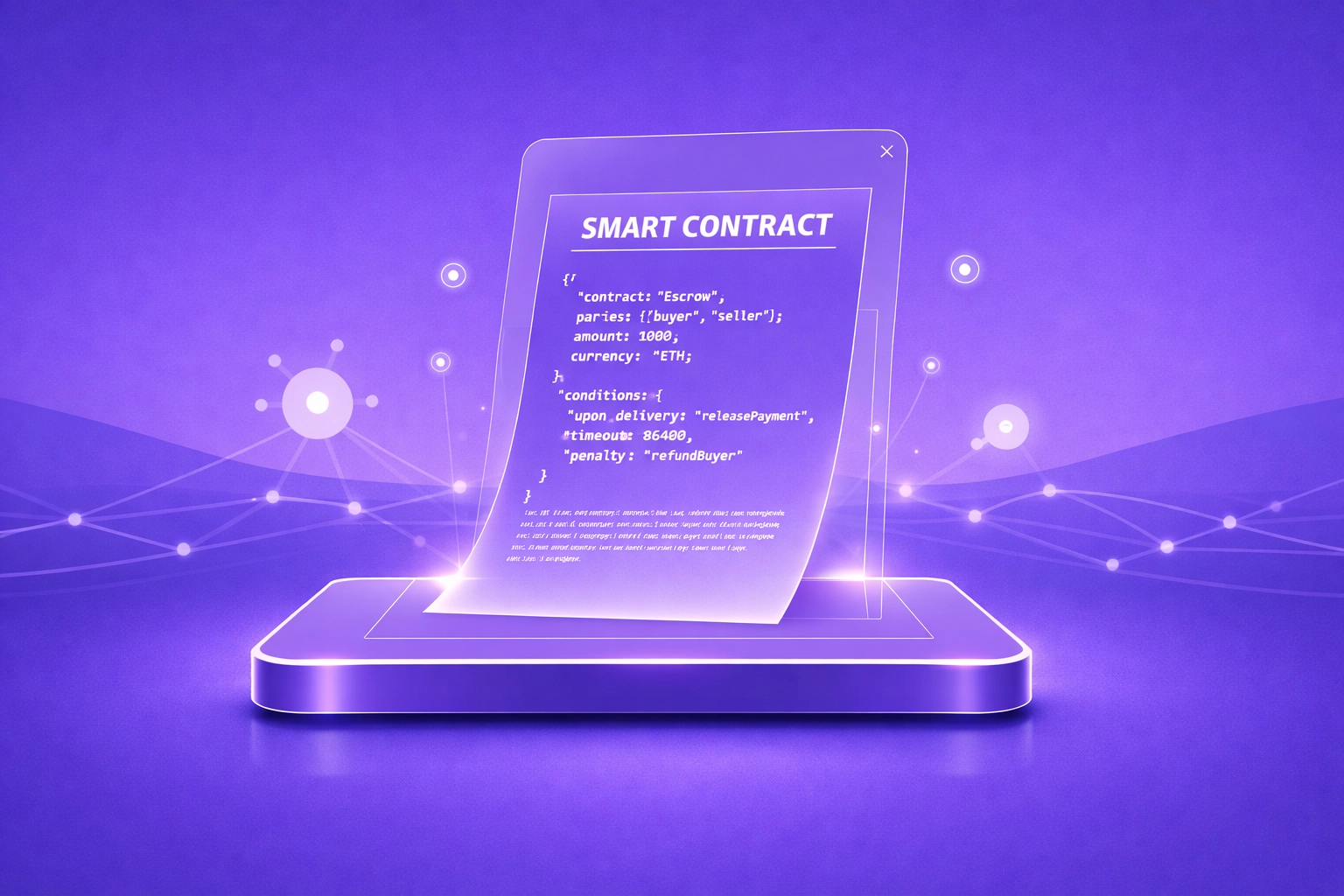
Smart contracts are the most powerful technical protection available to property token investors, and their operation is entirely independent of the platform that originally deployed them. Once a smart contract is deployed on a blockchain network such as Ethereum or Polygon, it runs autonomously according to the code it contains. No person, company, or authority can delete it or stop it from executing unless the code itself contains a pause or termination function and the authorised key to trigger it. A well-designed smart contract for a real estate token platform will not give the platform operator an unconditional kill switch. Instead, any pause or modification function will be subject to multi-signature authorisation requiring approval from multiple independent parties including a trustee and a representative body for token holders.
The specific functions that smart contracts protect for token holders on a real estate token platform include ownership record maintenance, transfer execution between whitelisted wallets, and income distribution. The ownership record function means that the blockchain always knows exactly how many tokens each wallet holds, and this record is accessible to anyone with the wallet address, including courts and regulators. The transfer function means that if an investor wants to sell their tokens on a secondary market, the smart contract processes the transfer without requiring the original platform to approve or facilitate the transaction. The income distribution function means that when rental income enters the smart contract from the SPV’s bank account, it is distributed automatically to all token holders without requiring manual processing by platform staff.
The quality guarantee for all of this is the smart contract security audit. An audited contract has been reviewed by independent blockchain security specialists who have tested it for vulnerabilities, logical errors, and potential exploits. The audit report is a public document in any reputable tokenization. Our team always insists on seeing the audit report and the auditing firm’s identity before recommending any real estate token platform to clients in India, Dubai, or Singapore.
Rental income continuity after a real estate token platform shutdown depends on two things: whether the smart contract handles distributions autonomously, and whether the property management function is independent of the platform. If both conditions are met, rental income can continue flowing to token holders without interruption. The property continues to be occupied by tenants, the property manager continues to collect rent and transfer it to the SPV’s account, and the smart contract continues to distribute the income to token holders automatically. The platform’s shutdown is operationally invisible to the income distribution process in a well-structured tokenization.
The scenario becomes more complicated if the platform was also acting as the property manager, which is a structural risk that investors should watch for. If the platform manages the property, its shutdown means the management function also stops, which interrupts rent collection and ultimately the income stream to token holders. This is a real risk, particularly with smaller platforms that handle multiple functions to reduce costs. A best-practice real estate token platform maintains a completely separate property management arrangement with a professional property management company that has no financial dependency on the platform operator.
Beyond property management, the offering documentation of any serious tokenization includes a contingency plan specifying what happens if the platform ceases operations. This typically involves the appointment of a successor platform or administrator who takes over the operational functions, the transfer of the smart contract’s administrative keys to a trustee, and a defined process for notifying token holders of the change and their options. Investors should check for this section explicitly in any offering memorandum before investing on a real estate token platform. [1]
Platform Shutdown Impact: Protected vs Unprotected Structure
| Investor Concern | Protected Platform | Unprotected Platform |
|---|---|---|
| Property Ownership | SPV holds, safe | Platform holds, at risk |
| Token Custody | Third-party custodian | Platform wallet, frozen |
| Rental Income | Smart contract auto-pays | Platform dependent, stops |
| Secondary Market Access | Independent exchange | Platform only, inaccessible |
| Ownership Record | On-chain, permanent | Database only, deletable |
How Blockchain Proof of Ownership Works and Why Nobody Can Take Your Tokens Away
The blockchain ownership record created when you purchase tokens on a real estate token platform is among the most secure forms of asset ownership documentation that exists in the modern financial system. When your tokens are transferred to your wallet, the blockchain records a transaction entry that includes the sending wallet address, your receiving wallet address, the number of tokens transferred, the timestamp, and a cryptographic hash that links this transaction permanently to the preceding chain of transactions. This entry is replicated across every node in the blockchain network, which in the case of Ethereum means thousands of independent computers worldwide. No single entity, including the platform, the property owner, a regulator, or a court in most jurisdictions, can unilaterally alter or delete this record.
The practical implication is that your proof of ownership is not dependent on the platform maintaining its databases. It is not held in a company’s server that could be wiped or corrupted. It exists across a decentralized network that continues to operate as long as the blockchain itself continues to operate, which in the case of major networks like Ethereum and Polygon is essentially guaranteed for the foreseeable future. This is a qualitatively different level of ownership security compared to owning a position in a traditional real estate fund, where your ownership record is a database entry maintained by the fund administrator and potentially vulnerable to administrative errors, fraud, or insolvency-related disputes.
The one vulnerability in this system is key security. Your tokens are only as secure as the private key that controls your wallet. If you lose your private key or it is compromised, your tokens cannot be recovered. This is why institutional investors and sophisticated individuals typically use professional custodians to hold their private keys rather than managing them personally.
India’s regulatory framework for real estate token platforms is primarily centred on GIFT City’s IFSC, governed by the IFSCA. Within this framework, token holders investing through a regulated real estate token platform have defined legal rights that are enforceable in Indian courts and through IFSCA’s dispute resolution mechanisms. These rights include the right to access their ownership records and transaction history, the right to receive their proportional share of the SPV’s income and assets, the right to be informed of any material changes to the SPV structure or the underlying property, and the right to participate in governance decisions where the token structure provides for it.
If a platform fails, Indian token holders can exercise these rights by engaging directly with the SPV’s directors or trustees, who have a fiduciary duty to the beneficial owners of the SPV regardless of what happens to the platform. They can also approach the IFSCA, which as the regulatory authority over licensed platforms has the power to appoint administrators, investigate potential misconduct, and ensure that investor assets are properly returned or transferred. The IFSCA framework also requires platforms to maintain records that are accessible to regulators, which means that even if the platform’s technology shuts down, the regulatory authority retains access to the information needed to protect investor rights.
Outside the GIFT City framework, Indian investors on unregulated platforms have fewer defined protections and would need to rely on general contract law, consumer protection provisions, and potentially securities law arguments to establish their rights. This is another reason why platform selection based on regulatory status is so important for Indian investors considering real estate token platform investments.
How to Check If a Real Estate Token Platform Is Safe Before You Invest Your Money
Due diligence on a real estate token platform is a structured process, not a feeling. Over eight years of evaluating platforms across India, UAE, and Singapore, our team has refined a checklist of non-negotiable verification steps that every investor should complete before committing capital. The first and most important is regulatory licence verification. The platform must hold a valid, current licence from a recognized financial authority. In India, this is IFSCA for GIFT City-based platforms. In Dubai, it is DFSA or a licence under the Dubai Land Department’s tokenization programme. In Singapore, it is MAS. Licence details are publicly verifiable on the respective authority’s website, and any platform that cannot provide a verifiable licence number should be treated with extreme caution.
Platform Safety Checklist
1
Regulatory Licence: Verify active licence on IFSCA, DFSA, or MAS public registry. No licence means no protection.
2
SPV Documentation: Request and review SPV incorporation documents confirming the property is legally transferred and separated.
3
Smart Contract Audit: Verify an audit report exists from a named, reputable security firm. Check the report is publicly available.
4
Independent Custody: Confirm tokens are held with a third-party custodian, not in the platform’s own operational wallet.
5
Shutdown Contingency: The offering memorandum must contain a specific plan for what happens if the platform ceases operations.
Beyond these structural checks, investors should also evaluate the platform’s track record, the quality and independence of its team, the financial health of the underlying assets including occupancy rates and rental yield history, and the liquidity available on secondary markets for the specific tokens they are considering. A platform can have perfect legal structure but still represent a poor investment if the underlying property is poorly performing.
What Is the Future of Real Estate Token Platform Safety and What Rules Are Coming in India
The regulatory trajectory for real estate token platforms in India is clearly moving toward a more defined and more protective framework. IFSCA has been the pioneer within the GIFT City IFSC, and its sandbox programme has produced meaningful learnings about what works and what needs strengthening in the regulatory approach to tokenized real estate. The next phase, which current policy signals suggest will arrive in the 2026 to 2028 window, involves a comprehensive framework that moves beyond sandbox approvals to full-licence operating standards for real estate token platforms, covering SPV structure requirements, mandatory smart contract audit standards, token custodian qualifications, and investor disclosure obligations in explicit and enforceable terms.
SEBI, which governs capital markets outside the GIFT City perimeter, has also been studying the tokenization of real estate assets in the context of its real estate investment trust framework and the Securities and Exchange Board’s broader digital asset policy thinking. While SEBI has not yet issued a formal framework specifically for real estate token platforms, the direction of travel is toward bringing these instruments within a defined regulatory perimeter that provides investor protections comparable to those available in established securities law. For investors across India, this trajectory is positive: it means the market is moving toward a point where the safety of a regulated real estate token platform will be backed not just by the platform’s own commitments but by statutory legal requirements enforced by a national regulator.
Globally, the convergence of regulatory frameworks across UAE, Singapore, UK, and now India is creating a more interoperable and more secure environment for cross-border real estate tokenization. International investors looking to access Indian real estate through tokenized structures in GIFT City can increasingly rely on a framework that is recognizable and comparable to what they encounter in their home markets, reducing the friction and uncertainty that has historically made cross-border real estate investment complex and costly.
India Real Estate Token Platform Regulation Progress (2026)
Real Estate Token Platform Comparison: Key Safety Criteria
| Safety Criteria | India (GIFT City) | UAE (Dubai) | Singapore |
|---|---|---|---|
| Regulator | IFSCA | DFSA / DLD | MAS |
| SPV Requirement | Mandatory | Mandatory | Mandatory |
| Smart Contract Audit | Required (sandbox) | Required | Required |
| Secondary Market | Emerging (IFSC) | Phase 2 Active | Pilot Active |
| Investor Protections | IFSCA enforcement | DFSA enforcement | MAS enforcement |
Frequently Asked Questions
Q1.1. What actually happens to my investment if a real estate token platform shuts down?
Your investment is protected through the SPV structure and blockchain ownership records. The platform is just a technology interface. The actual property is held in a legally separate Special Purpose Vehicle, and your tokens remain on the blockchain regardless of whether the platform continues to operate or not.
Q2.2. Can someone take away my property tokens if the platform goes bankrupt?
No. Your tokens are recorded on a public blockchain as an immutable ownership record. Platform bankruptcy does not affect the blockchain ledger. Your tokens remain in your wallet, and your ownership rights are derived from the SPV legal structure, not from the platform’s continued existence or financial health.
Q3.3. How is a real estate token platform different from a crypto exchange?
A real estate token platform deals with security tokens backed by physical property held in a legal SPV structure. A crypto exchange deals with utility or currency tokens with no underlying physical asset. This distinction matters enormously for investor protection because security tokens carry enforceable legal ownership rights.
Q4.4. Is investing on a real estate token platform legal in India?
Regulated tokenization platforms operating within India’s GIFT City IFSC framework under IFSCA oversight are fully legal. Outside the IFSC, the regulatory framework is still evolving under SEBI. Investors should verify that any platform they use carries valid regulatory approval from IFSCA or the relevant authority before committing funds.
Q5.5. How do I know if a real estate token platform is trustworthy?
Look for platforms with valid regulatory licences from IFSCA, DFSA, or MAS. Check that they use independently audited smart contracts, hold properties in properly constituted SPVs, provide third-party custody for tokens, and publish audited financial statements for the underlying assets on a regular basis.
Q6.6. What is an SPV and why does it protect my investment on a token platform?
A Special Purpose Vehicle is a separate legal entity that holds the property independently from both the platform and the original owner. Even if the platform shuts down or goes insolvent, the SPV continues to exist and the property inside it continues to generate income and maintain value for the token holders.
Q7.7. Will I still receive rental income if the platform closes?
If the smart contracts are properly structured, rental income distribution does not depend on the platform’s active management. The smart contract continues to execute distributions automatically. However, if the platform was the property manager as well, a replacement manager will need to be appointed, which is why backup management provisions are essential in any well-structured tokenization.
Q8.8. Can I sell my property tokens on a secondary market if the main platform shuts down?
This depends on whether the tokens are listed on a secondary marketplace that operates independently of the primary platform. Well-structured tokenizations list tokens on regulated secondary exchanges in Singapore, UAE, or GIFT City that operate independently, allowing trading to continue even if the originating platform ceases operations.
Q9.9. What due diligence should I do before investing on a real estate token platform in India or Dubai?
Verify the platform’s regulatory licence, review the SPV legal documents, check the smart contract audit report from a reputable firm, confirm the property valuation was conducted by an independent certified appraiser, review the offering memorandum for exit provisions, and check the platform’s track record and team credentials thoroughly.
Q10.10. What are the biggest risks of investing on a real estate token platform?
The primary risks include platform insolvency without proper SPV separation, smart contract vulnerabilities from unaudited code, illiquid secondary markets making exit difficult, regulatory changes in the investor’s jurisdiction, property value decline in underlying markets, and the risk of investing with platforms that lack proper regulatory approval from bodies like IFSCA or DFSA.
Explore Services
Related Services
Reviewed by

Aman Vaths
Founder of Nadcab Labs
Aman Vaths is the Founder & CTO of Nadcab Labs, a global digital engineering company delivering enterprise-grade solutions across AI, Web3, Blockchain, Big Data, Cloud, Cybersecurity, and Modern Application Development. With deep technical leadership and product innovation experience, Aman has positioned Nadcab Labs as one of the most advanced engineering companies driving the next era of intelligent, secure, and scalable software systems. Under his leadership, Nadcab Labs has built 2,000+ global projects across sectors including fintech, banking, healthcare, real estate, logistics, gaming, manufacturing, and next-generation DePIN networks. Aman’s strength lies in architecting high-performance systems, end-to-end platform engineering, and designing enterprise solutions that operate at global scale.