Ai Overview
In Decentralized Finance, there is no bank manager watching your money. Imagine seeing a billboard advertising 500% annual returns. You deposit $5,000 worth of Ethereum and $5,000 worth of USDC (total $10,000) into a liquidity pool. Imagine you have $100,000 locked in a DeFi platform, and you need your money immediately.
Key Takeaways
- Hidden risks in DeFi include smart contract vulnerabilities, rug pulls, impermanent loss, and liquidity risks that can cause total loss of investment.
- Most DeFi investors focus on returns without understanding that decentralized finance operates without traditional regulatory protections or insurance.
- Smart contract risks are the most dangerous because even audited contracts can have hidden bugs that hackers exploit within seconds.
- Rug pulls happen when project developers abandon their projects and steal user funds, leaving investors with worthless tokens.
- Impermanent loss in liquidity pools can cause your cryptocurrency holdings to be worth less than when you initially deposited them.
- Flash loan attacks exploit DeFi protocols in a single transaction, causing millions of dollars in losses without traditional warning signs.
- Oracle manipulation allows hackers to provide false price information to smart contracts, triggering incorrect transactions and financial loss.
- Liquidity risks mean that during market crashes, you may not be able to withdraw your funds quickly due to insufficient available liquidity.
- Counterparty risks in DeFi occur when you depend on external platforms or intermediaries, defeating the purpose of decentralization.
- Understanding these risks helps you make informed investment decisions and build or support only secure DeFi platforms that prioritize user safety.
Decentralized Finance, commonly known as DeFi, has revolutionized how we think about money and financial systems. Billions of dollars flow through DeFi platforms every day, but most people only focus on potential profits while ignoring the hidden risks in DeFi that could wipe out their entire investment. If you are planning to jump into DeFi or are already exploring crypto investments, understanding these risks is not optional, it is essential for your financial survival in the decentralized world.
In this comprehensive guide, we will uncover seven hidden risks in DeFi that most investors and beginners completely overlook. By the end of this article, you will understand exactly how these risks work, why they matter, and most importantly, how you can protect yourself from losing money.
What Are Hidden Risks in DeFi?
Think of traditional finance like a bank. When you deposit money in a bank, there are multiple layers of protection: government regulation, insurance, security systems, and professional staff overseeing every transaction. DeFi is the complete opposite.
In Decentralized Finance, there is no bank manager watching your money. There is no insurance protecting you if something goes wrong. Instead, you are trusting lines of code (smart contracts), anonymous developers, and the mathematics of blockchain technology to keep your funds safe.
Hidden risks in DeFi are the dangers that exist beneath the surface of these platforms. They are not always obvious. Many investors lose money without even realizing what happened to them. A project might look legitimate, the returns might seem incredible, but hidden vulnerabilities could allow hackers to drain your account or developers to vanish with your money overnight.
Key insight: Most DeFi risks are “hidden” because they are technical, not obvious, and deliberately concealed by bad actors. This is why education and awareness are your first line of defense.
Why Are These Risks Often Ignored?
The reality is uncomfortable: people ignore DeFi risks because they are blinded by potential profits. Imagine seeing a billboard advertising 500% annual returns. Your brain immediately calculates how much money you could make, and the voice asking “but what could go wrong?” gets drowned out.
Here are the main reasons investors overlook hidden risks in DeFi:
- FOMO (Fear of Missing Out): When your friends are making money in DeFi and you are not, the psychological pressure to jump in quickly overrides logical risk assessment.
- Lack of Knowledge: Most people do not understand how smart contracts work or what blockchain security actually means, so they cannot evaluate risks properly.
- Complexity: DeFi risks are technical and require understanding of cryptography, code audits, and financial mechanisms that most people have never learned.
- Marketing and Hype: Influencers and projects promote DeFi platforms with beautiful websites and marketing campaigns that highlight only the benefits, never the risks.
- No Historical Context: Since DeFi is new (less than 10 years old), most investors have not experienced a major collapse in this space yet, so the dangers feel abstract.
This combination of human psychology and technical complexity creates a dangerous environment where even intelligent investors can lose everything.
How DeFi Investors Often Miss Hidden Risks
Top 7 Hidden Risks in DeFi Explained
1. Smart Contract Vulnerabilities
A smart contract is the brain of a DeFi platform. It is a program that automatically executes transactions based on certain conditions. The problem: smart contracts are written by humans, and humans write buggy code.
Even if a smart contract has been audited by professional security firms, vulnerabilities can still exist. Here is why:
- Audits review code at one point in time. New vulnerabilities might emerge later.
- Auditors are human and can miss bugs, especially complex ones.
- Some vulnerabilities only appear when multiple smart contracts interact together.
- Hackers constantly find new exploit techniques that auditors have not yet considered.
Real example: The Poly Network hack in 2021 resulted in a $611 million loss despite the code being audited multiple times. Hackers found a single line of vulnerability that nobody caught.
Beginner tip: Just because something is audited does not mean it is 100% safe. Always assume that even audited contracts carry risk.
2. Rug Pulls: When Developers Abandon the Project
A rug pull is when developers of a DeFi project suddenly disappear with all the funds that users deposited. The name comes from the expression “pulling the rug out from under someone,” which means betraying someone when they least expect it.
How a rug pull works:
- Developers create a new DeFi project and launch a token.
- They use marketing and influencers to promote it heavily.
- Thousands of investors rush to deposit their cryptocurrency.
- Once the project has millions of dollars in deposits, developers use their special access to drain all the funds.
- They disappear, leaving investors with worthless tokens.
- There is no authority to report to. The money is gone forever.
Real example: SafeMoon promised incredible returns and grew to billions in value. Many investors later lost money when the project became inactive and the token value collapsed.
Beginner tip: If a project guarantees returns or offers returns that seem impossible, it is probably a rug pull waiting to happen.
3. Impermanent Loss: Hidden Costs of Liquidity Pools
Many DeFi platforms invite users to become “liquidity providers.” You deposit two cryptocurrencies (like Ethereum and USDC) into a pool, and in return, you earn fees from transactions using that pool. Sounds great, right? But there is a hidden cost called impermanent loss.
Here is a simple example:
You deposit $5,000 worth of Ethereum and $5,000 worth of USDC (total $10,000) into a liquidity pool.
You earn 5% in fees over time, so your deposit is now worth $10,500.
But during this time, Ethereum price dropped by 40%.
Due to how liquidity pools rebalance, your Ethereum holding is now less valuable.
Your total position might only be worth $8,500, even though you earned fees.
You lost $1,500 due to impermanent loss, despite earning fees.
This loss is called “impermanent” because it only becomes permanent when you withdraw from the pool.
Beginner tip: Only provide liquidity to pools with very stable assets (like USDC and USDT) unless you deeply understand the risks.
4. Flash Loan Attacks: Exploits Within Seconds
A flash loan is a unique DeFi feature. Anyone can borrow millions of dollars instantly, but they must return it within the same transaction (within seconds). If they do not repay, the entire transaction is reversed as if it never happened.
This sounds safe because funds must be returned. But hackers have found ways to exploit this system.
How a flash loan attack works:
- A hacker takes a flash loan of millions of dollars.
- They use that money to manipulate the price of a cryptocurrency on an exchange.
- This price manipulation triggers a smart contract that sends more funds to the hacker.
- The hacker repays the flash loan and keeps the profit.
- All of this happens in a single transaction, within seconds.
Real example: The Harvest Finance hack in 2020 resulted in $50 million in losses using flash loan attacks. Investors who thought their money was safe lost everything.
Beginner tip: Flash loan attacks are incredibly technical and hard to prevent. This is a reason to only use established, battle tested DeFi protocols.
5. Oracle Manipulation: False Price Information
Smart contracts need to know the current price of cryptocurrencies to make decisions. They get this information from “oracles,” which are data providers that feed price information to blockchain.
The problem: if hackers can manipulate or fake price data, they can trick smart contracts into making incorrect transactions.
Example scenario:
- A lending DeFi platform lets you borrow money by putting up cryptocurrency as collateral.
- An oracle reports that Bitcoin is worth $100 (instead of the real $45,000).
- You can now borrow huge amounts of money by pledging just a tiny bit of Bitcoin.
- You immediately sell that borrowed money and disappear.
- The platform loses millions.
Beginner tip: Platforms using decentralized oracles (like Chainlink) are safer than those relying on single price sources.
6. Liquidity Risks: When You Cannot Withdraw Your Money
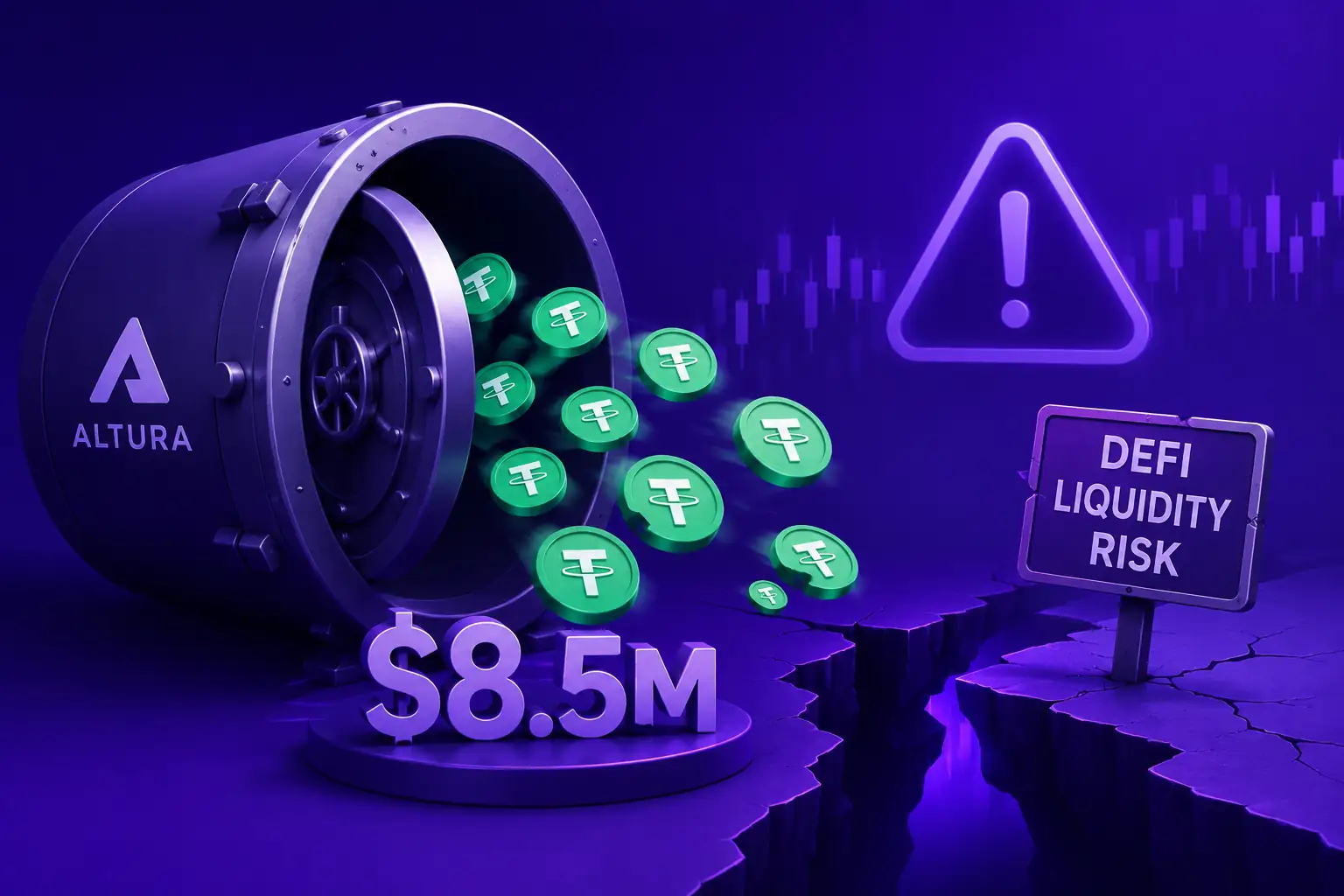
Imagine you have $100,000 locked in a DeFi platform, and you need your money immediately. You go to withdraw, but the platform says “sorry, we do not have enough funds available right now.” This is a liquidity risk.
In traditional banking, banks are required to keep reserves so you can always withdraw your money. In DeFi, platforms have no such requirement.
Why liquidity crises happen:
- Many investors try to withdraw at the same time (like during a market crash).
- The platform has loaned out most of its funds to borrowers.
- There is not enough money to satisfy all withdrawal requests.
- Early withdrawers get their money, but later withdrawers are stuck.
Real example: The Celsius Network collapse in 2022 left hundreds of thousands of users unable to access their funds for months. Many eventually lost money because the platform became insolvent.
Beginner tip: Only deposit money you can afford to lose and do not deposit your entire life savings in any single DeFi platform.
7. Counterparty Risks: Trusting Third Parties Defeats Decentralization
One of the main promises of DeFi is that you do not need to trust any central authority. You trust code, not people. But in reality, many DeFi platforms still require you to trust third parties, which reintroduces the very risks that DeFi was supposed to eliminate.
Examples of counterparty risks:
- Wrapped tokens: You deposit Bitcoin, get a “wrapped Bitcoin” token. You trust a third party to hold your real Bitcoin. If they disappear, your Bitcoin disappears.
- Centralized staking: You stake crypto with a platform that validates it. That platform can be hacked or shut down, and you lose your funds.
- Multi-signature wallets: Multiple people must approve transactions. If enough of them turn bad or go offline, your funds are stuck.
- Custody services: You let a service hold your cryptocurrency while you earn yield. If they get hacked or go bankrupt, your assets are gone.
Real example: FTX, once valued at $32 billion, collapsed in 2022 when the founder misused customer deposits. Millions of users lost billions of dollars because they trusted a centralized exchange to hold their assets.
Beginner tip: The safest DeFi is truly decentralized. If you can hold your own private keys and use protocols that do not require trusting third parties, do that.
Types of DeFi Risks and Their Impact
| Risk Type | What Happens | Severity | Prevention |
|---|---|---|---|
| Smart Contract Bugs | Code vulnerabilities allow hacker theft | Critical | Use audited, established protocols |
| Rug Pulls | Developers steal all user funds | Critical | Research team, check if funds are locked |
| Impermanent Loss | Investment value drops despite earning fees | High | Provide liquidity to stable asset pairs |
| Flash Loan Attacks | Hackers exploit contracts in seconds | Critical | Use protocols with flash loan protection |
| Oracle Manipulation | False price data triggers bad transactions | Critical | Use decentralized oracle networks |
| Liquidity Crises | Cannot withdraw funds when needed | High | Diversify across platforms |
| Counterparty Risk | Third party fails or acts maliciously | High | Hold your own private keys |
Step by Step: How a DeFi Loss Actually Happens
Let us walk through a real scenario showing exactly how DeFi risks play out:
Real World Examples of DeFi Failures
Terra Luna Collapse (2022)
Terra Luna was a DeFi ecosystem valued at $40 billion. It promised to deliver a stable cryptocurrency pegged to the US dollar. When the peg broke, panic selling ensued, and the entire ecosystem collapsed in days. Investors lost over $40 billion.
What went wrong: The stability mechanism relied on a secondary token that had no real value backing it. When the scheme unraveled, there was nothing to prevent total collapse.
Celsius Network Collapse (2022)
Celsius offered high yields to users who deposited their cryptocurrency. The platform suddenly froze all withdrawals, leaving hundreds of thousands of users unable to access their funds. Many lost their life savings.
What went wrong: Celsius took excessive risks with user deposits, loaning them out to bad actors who could not repay. When the loans defaulted, users could not withdraw.
FTX Collapse (2022)
FTX was one of the world’s largest cryptocurrency exchanges, valued at $32 billion. The founder secretly used customer funds to fund risky venture investments. When exposed, the exchange collapsed instantly.
What went wrong: Customers trusted FTX to hold their funds securely, but the company was essentially a fraud. The founder prioritized his own investments over customer safety.
How to Stay Safe in DeFi: Practical Strategies
1. Do Your Own Research (DYOR)
- Read the whitepaper and understand how the protocol actually works.
- Check if smart contracts have been audited by reputable firms.
- Verify the team members and their track record in DeFi.
- Search for any history of hacks or exploits on the platform.
2. Only Invest Money You Can Afford to Lose
- DeFi is experimental. Assume any investment could go to zero.
- Do not borrow money to invest in DeFi.
- Never invest your entire life savings in a single platform or asset.
3. Diversify Across Platforms and Assets
- Spread your investment across multiple protocols and platforms.
- Do not put all your money in a single DeFi platform.
- Mix volatile assets with stable assets.
4. Use Established and Battle Tested Protocols
- Stick to well known platforms that have been operating for years (Uniswap, Aave, Curve, etc.).
- New protocols are exciting but carry much higher risk.
- Check the Total Value Locked (TVL) to see how much confidence other users have.
5. Hold Your Own Private Keys When Possible
- Never leave large amounts of crypto on exchanges or custodial services.
- Use hardware wallets like Ledger or Trezor to store your assets.
- If you control the private keys, hackers cannot steal your funds remotely.
6. Avoid Unrealistic Returns
- If it promises more than 50% annual returns, be extremely skeptical.
- High returns = high risk. There is no magic in finance.
- Returns that beat the stock market year after year are usually scams or will collapse.
7. Monitor Your Investments Regularly
- Check your positions at least weekly.
- Follow DeFi news to stay informed about hacks and exploits.
- Be ready to withdraw funds if you notice red flags.
Benefits of Understanding DeFi Risks
Informed Decision Making: When you understand the risks, you can make rational decisions instead of being driven by FOMO and marketing hype.
Capital Preservation: By avoiding risky protocols, you keep your money safe and available for good opportunities.
Better Returns Long Term: Investors who survive DeFi blow ups are the ones who understand risks. Surviving means you are there to compound gains over years.
Competitive Advantage: Most investors are clueless about DeFi risks. Understanding them gives you an edge over the crowd.
Build Trust in Web3: By supporting secure, well audited protocols, you help build a safer DeFi ecosystem for everyone.
Professional Credibility: If you are a founder or investor, understanding DeFi risks demonstrates that you are serious and knowledgeable about blockchain technology.
The Reality: DeFi Risks vs Rewards
DeFi Rewards
- Potentially high returns on capital
- 24/7 access to financial services
- No KYC requirements (easy to start)
- Transparency (everything on blockchain)
- Composability (mixing and matching protocols)
- True ownership of assets via private keys
DeFi Risks
- Total loss of funds possible
- No regulatory protection
- No insurance on deposits
- Technical complexity (hard to understand)
- Irreversible transactions (no refunds)
- Rapid market changes (no circuit breakers)
The honest truth: DeFi offers real opportunities, but only for people who understand and accept the risks. If you cannot afford to lose your investment, do not put it in DeFi.
Industry Perspective: How Blockchain Solution Providers Build Secure DeFi
As the DeFi industry matures, companies like Nadcab Labs recognize that security and risk mitigation are essential for long term success. Building secure DeFi platforms requires:
1. Multiple Security Audits
Leading platforms engage multiple independent audit firms to review smart contracts before deployment.
2. Bug Bounty Programs
Bug Bounty Platforms pay hackers to find vulnerabilities before bad actors can exploit them.
3. Risk Management Frameworks
Professional risk assessment, position limits, and exposure controls to prevent catastrophic losses.
4. Transparent Governance
Decentralized decision making where token holders vote on protocol changes, reducing single point of failure.
5. Continuous Monitoring
Real time monitoring of smart contract activity to detect and respond to anomalies quickly.
Key takeaway: Enterprises and startups building DeFi applications must prioritize security from day one. The cost of a security breach is far higher than the cost of thorough auditing and testing.
The Future of DeFi Security
As DeFi evolves, we expect to see improvements in security and risk management:
Formal Verification
New tools that mathematically prove smart contracts are correct, eliminating entire categories of bugs.
Insurance Protocols
Emerging insurance platforms that compensate users if exploits occur, similar to traditional finance protection.
Regulatory Clarity
Governments and regulators defining rules for DeFi, which will increase safety and reduce uncertainty.
Improved Tooling
Better development tools and frameworks that make it easier to build secure protocols and harder to introduce vulnerabilities.
Community Driven Security
Open source development where thousands of developers review code, making it much harder to hide malicious code.
The good news is that the DeFi industry is learning from past failures. New projects incorporate lessons learned, and security is no longer an afterthought. Those who build and invest in DeFi today should expect a safer, more mature ecosystem in the future.
Ready to Build or Invest in Secure DeFi?
Understanding DeFi risks is the first step. Taking action is the next. Whether you are a startup looking to launch a DeFi platform or an enterprise seeking blockchain solutions, security must be your foundation.
At Nadcab Labs, we specialize in building secure, audited, and battle tested blockchain solutions for DeFi platforms. Our team of experienced blockchain developers and security experts ensures your platform is protected against the hidden risks we discussed in this article.
Knowledge is Your Best Protection
The seven hidden risks in DeFi we covered in this article represent the biggest threats to your financial security in the decentralized finance space. From smart contract bugs to rug pulls, from impermanent loss to flash loan attacks, these risks are real, they are present, and they are dangerous.
But here is the encouraging part: these risks are all manageable. By educating yourself, doing proper research, and making informed decisions, you can dramatically reduce your exposure to DeFi dangers.
DeFi is not inherently risky. Blindly jumping into DeFi without understanding risks is risky. There is a huge difference.
Start small. Build knowledge. Diversify. Use established platforms. Hold your own keys when possible. Monitor your investments. And remember: if something sounds too good to be true in DeFi, it almost certainly is.
The future of finance is decentralized. Make sure you are prepared to participate safely.
Frequently Asked Questions
Q1.What is the minimum amount I should invest in DeFi?
Start with an amount you are completely comfortable losing entirely. For beginners, this might be $50 to $500. The goal is to learn without financial stress. As your knowledge grows and you build confidence with specific protocols, you can increase allocation. Remember that many successful DeFi investors started small and compounded gains over years.
Q2.Is DeFi safer now than it was in 2021 or 2022?
Yes, but not because all risks disappeared. The ecosystem has matured significantly. Major protocols now have millions in security audits, insurance offerings are emerging, and the community is more cautious about red flags. However, newer DeFi projects still carry high risk. The key is using established protocols that have proven themselves over multiple market cycles.
Q3.Can I get insurance for my DeFi investments?
Yes, DeFi insurance protocols exist (like Nexus Mutual and InsurAce), but they are also risky and do not cover all scenarios. Insurance premiums reduce your returns significantly. Most insurance does not cover user error (like sending to the wrong address) or getting scammed. Use insurance selectively for large positions in riskier protocols, not as a blanket solution.
Q4.How do I know if a DeFi project is a rug pull before investing?
Check if developer tokens are locked (not tradeable) for several years, verify the team is doxxed (publicly identified), look for recent activity in the code repository, see if liquidity is locked in smart contracts, and read through community discussions and warnings. However, sophisticated rug pulls can hide these signs. When in doubt, wait and observe the project for at least 3 to 6 months before investing.
Q5.Should I use a hardware wallet or keep my crypto on an exchange?
For coins you intend to hold long term, a hardware wallet (like Ledger or Trezor) is far safer. Exchanges and DeFi platforms can be hacked, go bankrupt, or be shut down. However, hardware wallets require you to be responsible with backup recovery phrases. For active trading, keeping some funds on an exchange is convenient but accept the counterparty risk. The best approach: hardware wallet for long term holds, exchange for active trading capital.
Q6.What does TVL (Total Value Locked) tell me about a DeFi protocol?
TVL shows how much money is invested in a DeFi protocol. Higher TVL generally indicates more users trust the platform, and it may be more battle tested. However, high TVL is not a guarantee of safety. Protocols with billions in TVL have been exploited. TVL is one factor to consider, not the sole factor. Combine it with other research like audits, team reputation, and time in operation.
Q7.What should I do if my DeFi investment goes to zero?
First, stop and assess. Understand what happened: was it a hack, rug pull, smart contract exploit, or just market loss? Then, report the incident to relevant blockchain monitoring sites. Join community channels to see if others are affected. In some cases (like exploits), developers may compensate users, though this is not guaranteed. For taxes, document the loss as a capital loss on your tax return. Use it as a learning opportunity for future investments.
Q8.Are DeFi risks different across different blockchains (Ethereum, Solana, Polygon, etc.)?
Yes and no. The core DeFi risks (smart contract exploits, rug pulls, impermanent loss) exist on every blockchain. However, different blockchains have different security models. Ethereum is the most battle tested with the most scrutiny. Newer blockchains like Solana and Polygon may have newer code with less time to discover vulnerabilities. Layer 2 blockchains introduce additional risks from the bridge mechanisms that lock funds on the main chain. Research each blockchain separately.
Q9.How often should I check on my DeFi positions to catch problems early?
At minimum, check weekly. Look for sudden drops in value (could indicate an exploit), changes in the protocol (governance updates), or project team changes. Set up alerts for major movements. Follow DeFi security focused accounts on Twitter/X so you hear about exploits immediately. If you notice something unusual, your first instinct should be to withdraw funds and wait for clarity. Better to miss out on gains than lose your capital to an exploit you could have avoided.
Q10.What is the difference between investing in DeFi tokens versus using DeFi protocols?
Using DeFi protocols (like trading on Uniswap or lending on Aave) and holding the actual governance tokens are very different. When you use a protocol, you interact with the smart contract. When you invest in governance tokens, you are betting on the token price appreciation and earning voting power. Token prices can crash even if the protocol remains sound. Many failed projects had worthless tokens. Separate your evaluation: judge the protocol’s security for using it, judge the token’s value separately before investing in it.
Explore Services
Related Services
Reviewed by

Aman Vaths
Founder of Nadcab Labs
Aman Vaths is the Founder & CTO of Nadcab Labs, a global digital engineering company delivering enterprise-grade solutions across AI, Web3, Blockchain, Big Data, Cloud, Cybersecurity, and Modern Application Development. With deep technical leadership and product innovation experience, Aman has positioned Nadcab Labs as one of the most advanced engineering companies driving the next era of intelligent, secure, and scalable software systems. Under his leadership, Nadcab Labs has built 2,000+ global projects across sectors including fintech, banking, healthcare, real estate, logistics, gaming, manufacturing, and next-generation DePIN networks. Aman’s strength lies in architecting high-performance systems, end-to-end platform engineering, and designing enterprise solutions that operate at global scale.