Ai Overview
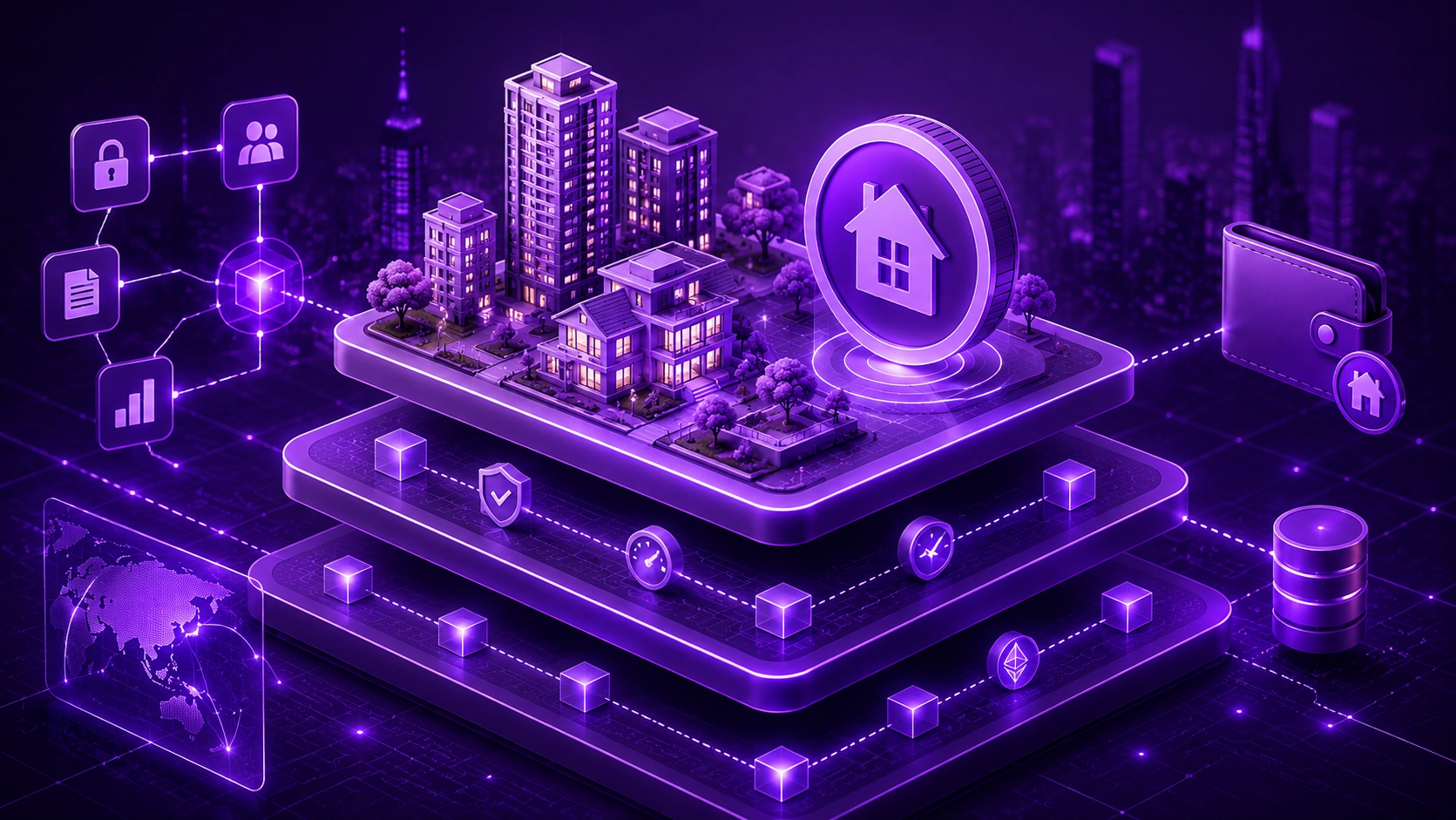
Global Leadership: Dubai real estate tokenization leads due to transparent property laws, strong developer oversight, and clearly defined foreign ownership rights. Major agreements, such as the $1 billion RWA tokenization deal between DAMAC and MANTRA, show that large developers view tokenization as a scalable funding mechanism, combining real estate value with blockchain accessibility.
Key Takeaways – Dubai Real Estate Tokenization in 2026
- Global Leadership: Dubai real estate tokenization leads due to transparent property laws, strong developer oversight, and clearly defined foreign ownership rights.
- Fractional Ownership: High-value residential, commercial, and mixed-use properties are divided into digital tokens, reducing entry barriers for global investors.
- Enhanced Liquidity: Tokenized properties enable compliant secondary market trading, transforming traditionally illiquid real estate into more accessible assets.
- Blockchain Transparency: Smart contracts automate rental income distribution, ownership verification, and compliance, significantly increasing investor trust.
- Regulatory Compliance: Platforms embed KYC, AML, and accredited investor rules, ensuring legal protection, governance, and secure transactions.
- Luxury Real Estate Access: Tokenization opens ultra-luxury developments such as The Ritz-Carlton Residences to high-net-worth and institutional investors.
- Government & Strategic Support: Initiatives like Prypco Mint and DAMAC × MANTRA are government-aligned, reinforcing Dubai’s long-term economic and digital asset strategy.
Overview of Dubai Real Estate Tokenization Market
Dubai real estate tokenization operates within one of the world’s most active and internationally connected property markets. Dubai’s real estate sector has long attracted global investors due to transparent property laws, strong developer regulation, and foreign ownership rights. Tokenization builds on this foundation by digitizing property ownership and investment access through blockchain.[1]
In recent years, Dubai has shifted from traditional off-plan and full-ownership models toward fractional and digitally enabled structures. Tokenization allows high-value residential, commercial, and mixed-use properties to be represented as regulated digital assets, opening participation to a broader pool of global investors while maintaining legal ownership integrity.
This convergence of a mature real estate market with advanced blockchain infrastructure positions Dubai as the most execution-ready environment for Dubai real estate tokenization in 2026.
Dubai Maintains Its Position as a Leading Real Estate Hub
Dubai’s real estate market is supported by clear property ownership laws, government-backed land registries, and strict developer oversight. Foreign investors are allowed to own freehold properties in designated zones, making Dubai one of the most open real estate markets globally.
This regulatory clarity has helped Dubai attract institutional investors, high-net-worth individuals, and cross-border buyers for decades. Dubai real estate tokenization benefits directly from this environment, as tokenized assets still rely on legally recognized property titles and compliant ownership structures.
Transition From Traditional Ownership to Digital Assets
Traditionally, real estate investment in Dubai required large capital commitments and involved lengthy transaction processes. In recent years, the market has begun shifting toward more flexible and technology-driven investment models.
Dubai real estate tokenization enables properties to be converted into blockchain-based tokens that represent ownership or economic rights. These tokens can be structured to allow fractional participation, making premium residential, commercial, and mixed-use assets accessible to a wider investor base without compromising legal ownership.
Fractional Ownership and Global Investor Access
One of the most significant impacts of Dubai real estate tokenization is the expansion of global investor access. Tokenization allows a single property to be divided into smaller digital units, each representing a share of ownership or income rights.
This model lowers entry barriers, improves diversification, and allows international investors to participate in Dubai’s real estate market without the operational complexity of traditional property purchases. Despite this flexibility, ownership rights remain clearly defined and enforceable under existing legal frameworks.
Blockchain Infrastructure Supporting Tokenized Property
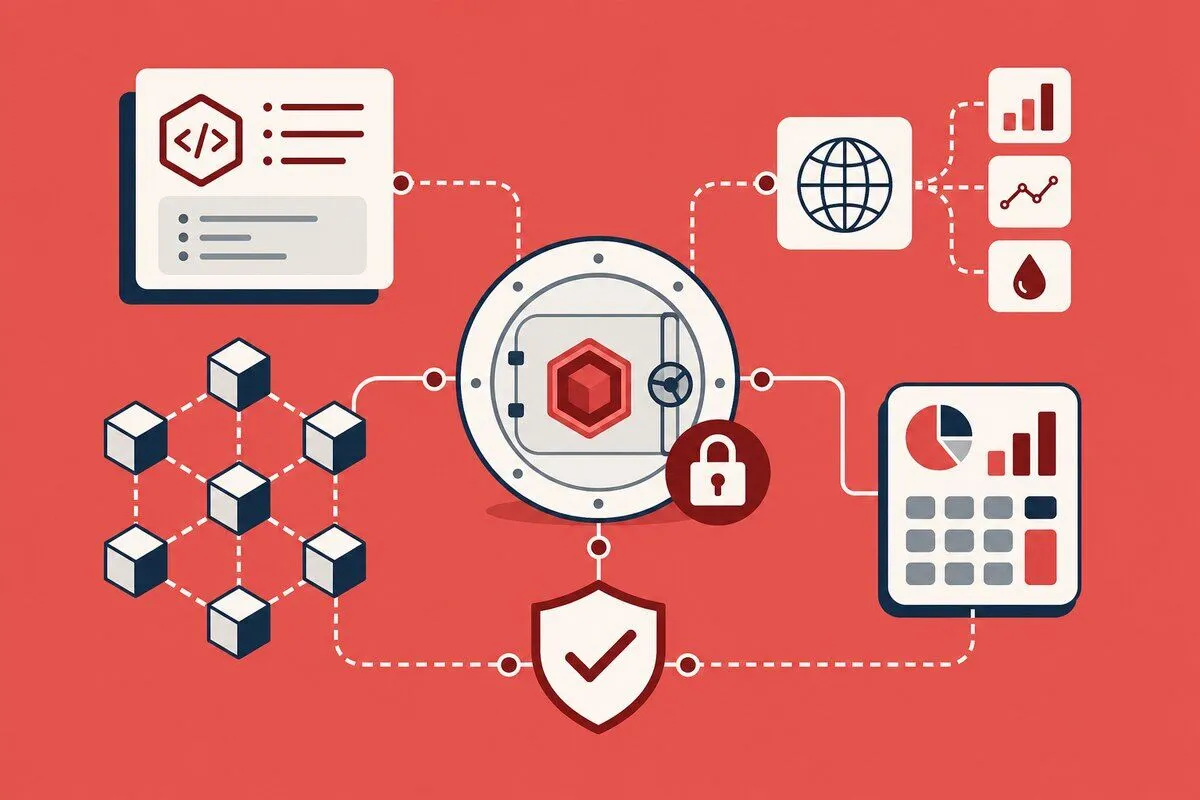
Dubai’s advanced blockchain infrastructure plays a critical role in making Dubai real estate tokenization viable at scale. Smart contracts automate ownership transfers, income distribution, and compliance checks, reducing reliance on manual processes and intermediaries.
Blockchain also ensures transparent transaction records, real-time auditability, and tamper-resistant ownership data. These capabilities enhance investor trust while aligning with Dubai’s broader digital transformation initiatives.
Why Dubai Is Actively Adopting Real Estate Tokenization
Dubai real estate tokenization is driven by strategic economic goals rather than short‑term experimentation. The initiative is part of broader efforts to modernize the property sector, expand global investor participation, and enhance market efficiency through cutting‑edge technologies. Dubai’s regulators and authorities are working together to make this a regulated and scalable investment model that aligns with long‑term economic objectives and global financial trends.
1. Enhancing Market Liquidity and Accessibility
One of the main motivations behind Dubai real estate tokenization is to increase liquidity in the traditionally illiquid property sector. By converting property ownership into digital tokens, investors can trade fractional interests more easily, widening participation beyond large institutional capital to include smaller investors. This approach supports the real estate market’s evolution into a more dynamic and accessible investment space.
2. Opening Doors to Global Investors
Fractionalized token units break down high‑value property into smaller, tradable shares. This structure attracts international investors who may not have the capital or desire to purchase entire properties outright. Dubai’s tokenization projects have already demonstrated cross‑border investor interest, with platforms enabling transactions backed by digital assets infrastructure.
3. Promoting Transparency and Compliance
Dubai’s authorities are making regulatory clarity a priority. The Dubai real estate tokenization Project is implemented in collaboration with the Dubai Land Department (DLD), the Virtual Assets Regulatory Authority (VARA), and the Dubai Future Foundation (DFF), ensuring a secure legal framework for token‑based property transactions. Blockchain’s inherent transparency adds another layer of confidence for participants, while mandated compliance with KYC and AML standards ensures investor protection.
4. Supporting Digital Asset Innovation
The adoption of tokenized property aligns with Dubai’s broader digital economy strategies, such as the Dubai Economic Agenda D33 and the Dubai Real Estate Sector Strategy 2033. Tokenization fits into the emirate’s vision to embrace future technologies, attract global technology firms, and reinforce its position as a hub for innovation and investment in real estate and fintech.
5. Government Commitment to Structural Growth
Unlike markets where Dubai real estate tokenization remains at the concept stage, Dubai’s pilot projects are government‑backed and linked to official strategic goals. These programs are not standalone experiments; they connect to national economic plans that aim to expand investment opportunities, democratize access to property assets, and diversify revenue streams for the future economy.[2]
How Blockchain Technology is Transforming Property Investments in Dubai?
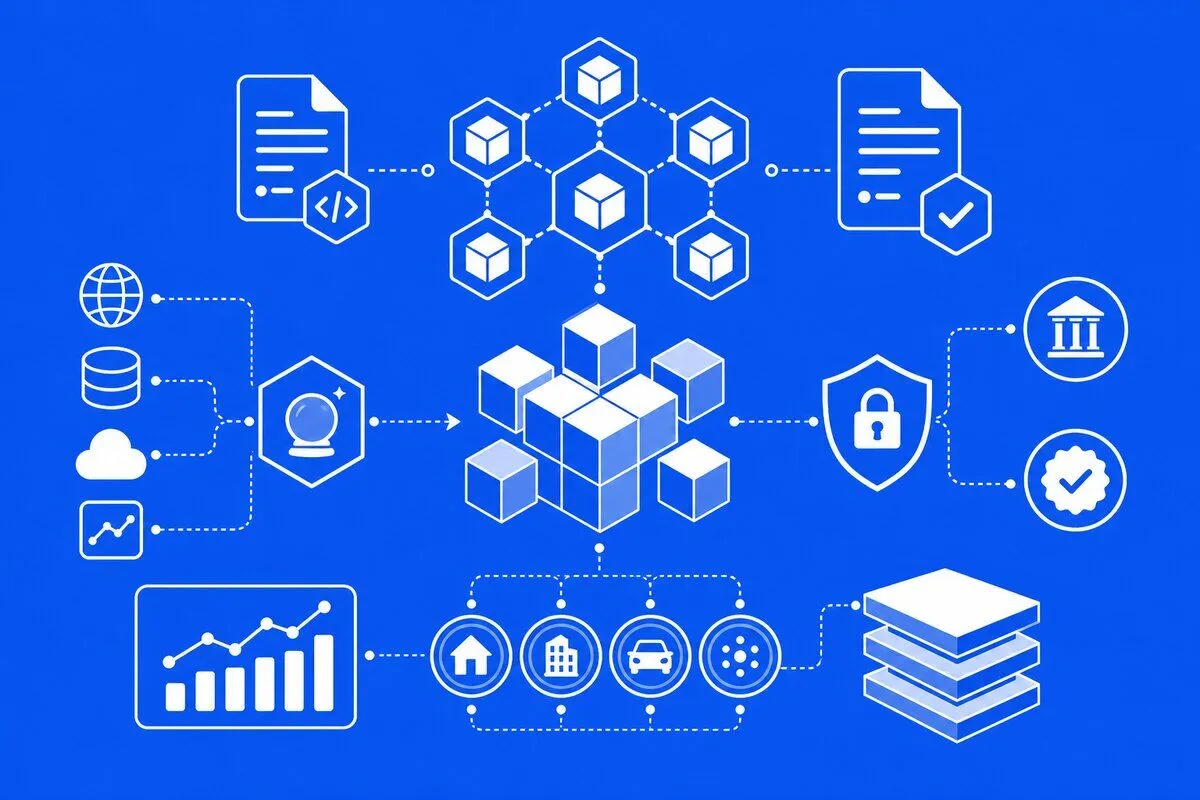
Decentralized Ledger System is fundamentally transforming Dubai’s real estate sector by digitizing ownership, transactions, and compliance processes. Through Dubai real estate tokenization, properties are converted into digital tokens recorded on secure distributed ledgers, enabling efficient, transparent, and globally accessible investment opportunities.
1. Fractional Ownership of High-Value Properties
Tokenization allows expensive residential, commercial, and mixed-use properties to be divided into smaller fractions. Investors can buy tokens representing portions of a property, lowering entry barriers and democratizing access to Dubai’s premium real estate market.
2. Automated Rental Income Distribution
Through blockchain-based smart contracts, rental income from tokenized properties is automatically calculated and distributed to investors. This ensures accuracy, transparency, and timely payouts for all token holders.
3. Cross-Border Investment Opportunities
Dubai real estate tokenization enables foreign investors to participate without needing local residency or complex paperwork. Blockchain simplifies compliance and onboarding for international buyers, expanding the investor base globally.
4. Secure and Immutable Ownership Records
Property titles and transaction histories are recorded on a blockchain ledger, preventing fraud and reducing the need for manual verification. This strengthens trust between developers, regulators, and investors.
5. Regulatory Compliance and Investor Protection
Tokens can embed restrictions such as KYC, AML checks, or accredited investor requirements, ensuring that only eligible investors participate while maintaining legal compliance under Dubai’s property and securities laws.
6. Secondary Market Trading
Tokenized real estate can be traded on compliant secondary markets, providing liquidity to investors. This transforms previously illiquid properties into tradable assets, attracting more institutional participation.
7. Portfolio Diversification
Investors can hold tokens across multiple properties and property types (residential, commercial, retail, or mixed-use), spreading risk and gaining exposure to different segments of Dubai’s real estate market.
8. Crowdfunding and Real Estate Projects
Developers can raise capital through token sales, enabling smaller investors to fund new construction or Initiatives projects. This accelerates project funding and increases transparency for all stakeholders.
| Use Case | Description | Benefits |
|---|---|---|
| Fractional Ownership | High-value properties divided into digital tokens | Low entry barriers, democratizes access to Dubai’s premium real estate |
| Automated Rental Income | Smart contracts distribute rental income automatically | Transparency, accuracy, and timely payouts for investors |
| Cross-Border Investment | Enables global investors to participate | Expands investor base, simplifies compliance and onboarding |
| Immutable Ownership Records | Blockchain records all property ownership and transactions | Prevents fraud, increases investor trust and accountability |
| Regulatory Compliance | Tokens enforce KYC, AML, and investor restrictions | Ensures legal compliance and investor protection |
| Secondary Market Trading | Tokenized properties can be traded | Provides liquidity, attracts institutional investors |
| Portfolio Diversification | Investors can hold multiple property tokens | Reduces risk, provides exposure to different property types |
| Crowdfunding for Initiatives | Token sales fund new projects | Accelerates project funding, improves transparency for investors |
Why More People Are Choosing Tokenized Real Estate in Dubai
Dubai real estate tokenization isn’t just hype, it is being applied in real, practical ways that enhance how property investment works. As Dubai moves from pilot projects to scalable platforms, real‑world asset (RWA) tokenization is unlocking new opportunities for investors, developers, and the broader market.
Fractional Ownership of Dubai Property
One of the most transformative uses of RWA tokenization in Dubai is fractional ownership, where high‑value residential and commercial real estate is divided into smaller digital tokens. These tokens represent legally enforceable ownership shares, allowing investors to participate in premium Dubai properties with lower capital requirements.
The Dubai Land Department’s Prypco Mint platform tokenizes title deeds on the XRP Ledger, enabling fractional property investment starting from modest amounts. This dramatically lowers entry barriers and broadens global participation in Dubai’s real estate market.
Enhanced Market Liquidity
Traditional real estate transactions can be slow and costly, often taking weeks to settle. Tokenization changes this by enabling property tokens to be traded more efficiently on digital platforms. Tokenized assets can be exchanged with greater speed and transparency, potentially reducing settlement times and increasing turnover.
Dubai’s pilot programs envision tokenized real estate becoming a significant portion of the market, projected to reach 7% of total property transactions (about $16 billion) by 2033 demonstrating how RWA tokenization can create new liquidity pathways in an otherwise illiquid market.
Automated Income Distribution Through Digital Contracts
Tokenization enables digital contracts to automate financial processes such as rental income distribution. Instead of manually reconciling payouts, digital contracts can distribute income directly to token holders based on predefined rules. This reduces administrative costs and improves transparency in how income flows to investors.
Automating rental yields and profit sharing is especially valuable in Dubai, where high rental demand and a strong tourism sector generate consistent property income, a key reason global investors are drawn to Dubai real estate tokenization.
Cross‑Border Investment Access
Traditional property investment often restricts foreign participation due to complex legal and banking requirements. With tokenization, international investors can gain exposure to Dubai real estate more easily because ownership and compliance are handled via blockchain and digital identity systems.
While early phases have focused on UAE residents, projects like Prypco Mint indicate plans to expand access globally, which would allow token holders from abroad to participate without needing a physical presence in Dubai.
Efficient Capital Raising for Developers
Tokenization also offers developers a new way to raise capital without traditional financing instruments. By issuing tokens backed by property assets, developers can access capital markets more directly and cost‑effectively.
Major agreements, such as the $1 billion RWA tokenization deal between DAMAC and MANTRA, show that large developers view tokenization as a scalable funding mechanism, combining real estate value with blockchain accessibility.
Greater Transparency and Regulatory Compliance
Dubai’s regulatory environment plays a crucial role in supporting these use cases. Blockchain‑based tokenization platforms are designed to align with local laws, with oversight from the Dubai Land Department and the Virtual Assets Regulatory Authority (VARA), ensuring property tokens reflect actual legal ownership and comply with investor protection standards.
This regulatory clarity makes Dubai real estate tokenization more attractive to institutional investors who require strong governance, transparency, and legal certainty before allocating significant capital.
Platform‑Level Innovation and Market Education
Dubai has become a hub for education and collaboration around RWA tokenization. Events such as RWA tokenization masterclasses bring together experts to discuss practical use cases, technology integration, and institutional readiness, further driving market adoption.
Tokenization of Commercial vs Residential Properties
Residential Property Tokenization
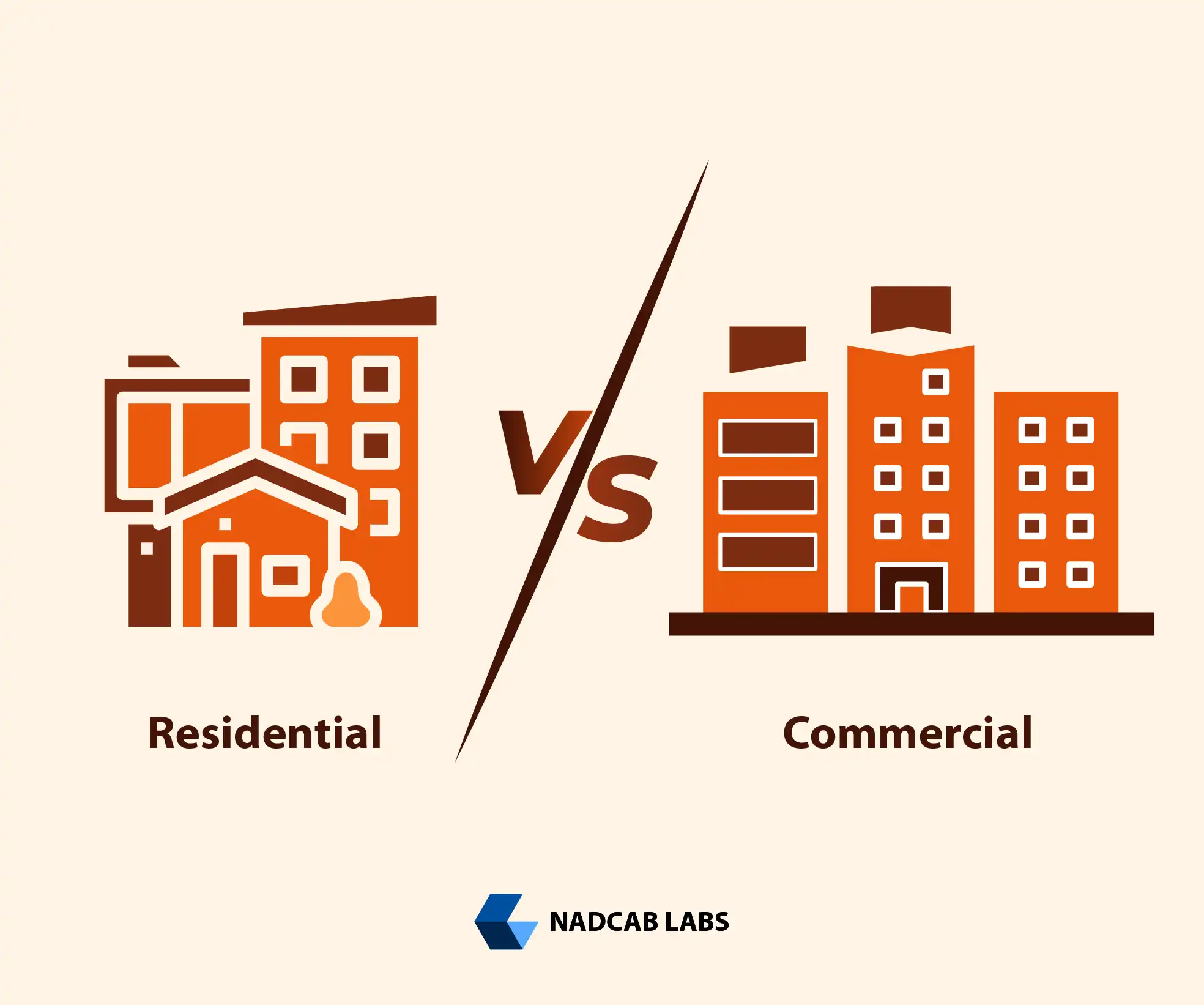
Dubai’s residential property sector has been an early adopter of tokenization because of strong demand from global retail and smaller investors. Fractional ownership allows properties traditionally priced out of reach for many such as villas and high‑end apartments to be broken into digital tokens for investment at much lower capital thresholds.
For example, Prypco Mint, backed by the Dubai Land Department (DLD), enables investors to buy fractional shares of homes starting from as little as AED 2,000 (~US$540) using blockchain‑issued tokens. One tokenized villa valued at Dh1.75 million sold out in under five minutes, proving the market appetite for accessible residential token opportunities.[11]
Residential tokenization is also part of Dubai’s long‑term strategy to digitize up to 7% of its property market (about $16 billion) by 2033, signaling strong growth potential within the sector.
Start Investing in Dubai Real Estate Tokenization!
Join Nadcab Labs to start your journey in Dubai Real Estate Tokenization. Buy property tokens easily, enjoy secure investments, and access fractional ownership of premium properties.
Commercial Property Tokenization
Tokenizing commercial real estate such as office buildings, retail spaces, logistics facilities, and mixed‑use developments is gaining traction but remains in earlier adoption stages compared to residential assets. Commercial assets generally offer predictable rental income streams and longer lease contracts, making them attractive for certain institutional investors when tokenized.[12]
News sources show increasing collaboration between financial firms and developers to bring commercial assets onto blockchain platforms. For instance, MultiBank Group, MAG, and Mavryk are working on large‑scale tokenization projects that include both residential and commercial property portfolios worth $3 billion significantly expanding Dubai real estate tokenization beyond homes alone.[13]
Luxury Real Estate Tokenization in Dubai
Luxury real estate tokenization is one of the most compelling facets of Dubai real estate tokenization, drawing high‑net‑worth and institutional investors to premium assets that were previously reserved for the elite.
| Feature | Description | Benefits for Investors |
|---|---|---|
| Prestige Asset Exposure | Access to world-class luxury developments | Investors can participate in high-value properties without buying the whole asset |
| Fractional Ownership | Single luxury property divided into multiple digital tokens | Lower entry barriers and democratized access to luxury real estate assets |
| Yield-Generating Tokens | Tokens structured to distribute rental income or profits | Regular income streams automated through smart contracts |
| Regulated Marketplace | Token trading on legally compliant platforms | Ensures investor protection, KYC/AML compliance, and legal enforceability |
| Global Investor Access | Fractional tokens tradable internationally | Enables cross-border participation in Dubai luxury real estate |
| Liquidity for Traditionally Illiquid Assets | Secondary market trading of tokenized luxury properties | Faster buying and selling of property fractions than traditional real estate |
See How These RWA Tokenization Projects Are Shaping Dubai’s Real Estate Market
Dubai real estate tokenization ecosystem is rapidly evolving, with both government‑backed platforms and private initiatives driving real‑world asset (RWA) tokenization forward. These platforms not only support fractional property ownership but also serve as blueprints for global digital property markets.
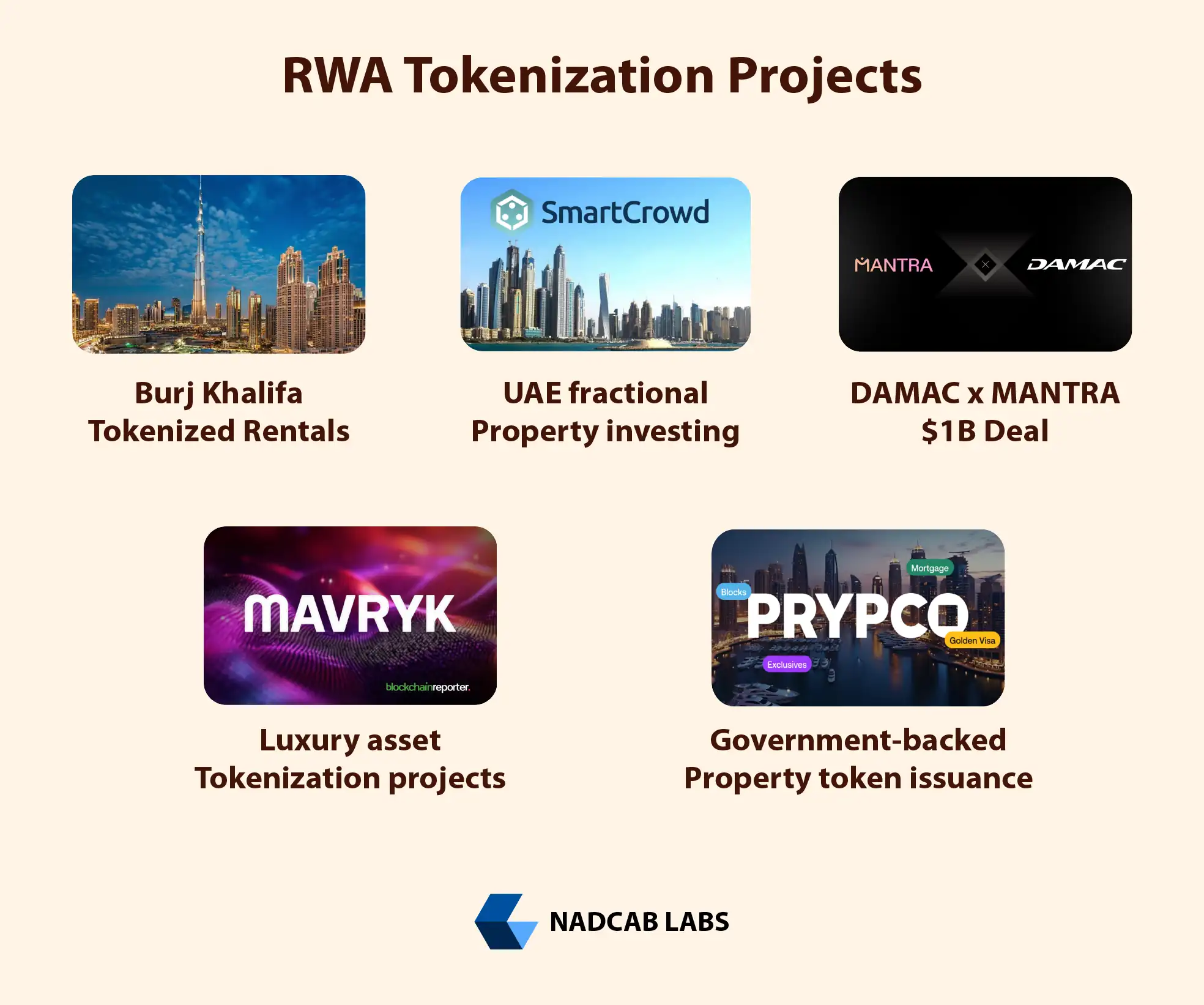
1. Prypco Mint – Government‑Backed Tokenization Platform
Platform Overview:
Prypco Mint is Dubai’s pioneering real estate tokenization platform launched by the Dubai Land Department (DLD) in collaboration with Prypco, VARA, and Ctrl Alt, built on the XRP Ledger. It represents tokenized title deeds and enables fractional ownership starting from as little as AED 2,000 (~US$540).
Why It Matters:
This platform is the first of its kind in the Middle East and is part of Dubai’s long‑term vision to digitize up to 7% of its property market, roughly $16 billion worth of real estate by 2033.
2. DAMAC Group × MANTRA – Institutional‑Scale Asset Tokenization
Project Overview:
Dubai developer DAMAC Group signed a $1 billion deal with blockchain infrastructure provider MANTRA to tokenize a large suite of real‑world tokenized assets, including high‑value real estate and data centers.
Why It Matters:
This initiative signifies a major institutional push into tokenized property offerings, demonstrating how established real estate developers are adopting blockchain to expand liquidity and investor access.
3. SmartCrowd – Fractional Real Estate Crowdfunding
Platform Overview:
SmartCrowd is an early player in UAE fractional property investment, operating under Dubai Financial Services Authority (DFSA) oversight. It provides investors with fractional ownership opportunities in Dubai real estate that generate income.
Why It Matters:
Though not blockchain‑native initially, SmartCrowd illustrates early adoption of digital investment concepts and provides foundational infrastructure for future tokenized offerings.
4. Stake – DIFC‑Level Dubai Real Estate Tokenization Initiative
Platform Overview:
Stake operates within the Dubai International Financial Centre (DIFC) and enables joint investment in selected Dubai properties with rental‑return models representing a bridge between traditional fractional investment and blockchain tokenization.
Why It Matters:
DIFC’s legal framework and financial ecosystem create a secure environment for real estate token offerings that appeal to institutional investors.
5. Tokenizer.Estate – End‑to‑End Token Issuance Platform
Platform Overview:
Tokenizer.Estate helps owners, developers, funds, and investors move tokenized real estate assets from idea to live issuance, with integrated AML/KYC and custody partner workflows, covering routes involving DLD, DIFC, and ADGM.
Why It Matters:
This platform provides infrastructure and legal integration necessary for compliant token issuance, making it useful for institutional and developer‑led tokenization projects. Tokenizer.Estate
6. MultiBank and Mavryk – Luxury Asset Tokenization
Project Overview:
Multibank and Mavryk Network have announced plans to tokenize luxury properties like The Ritz‑Carlton Residences and Keturah Reserve in Dubai via a security‑enhanced blockchain infrastructure.[3]
Why It Matters:
This project underscores how tokenization is not limited to mainstream residential investments but extends to high‑end luxury real estate, expanding the scope of Dubai real estate tokenization.
The Future of Dubai Real Estate Tokenization in 2026 and Beyond
Dubai real estate tokenization is rapidly progressing from early pilot stages to mainstream integration, driven by government programs, strong regulation, and growing investor interest. The emirate’s strategic initiatives position it to become a global model for how blockchain can modernize traditional property markets.
Continued Expansion of Tokenization Infrastructure
Dubai real estate tokenization Project led by the Dubai Land Department (DLD) in collaboration with the Virtual Assets Regulatory Authority (VARA) and the Dubai Future Foundation has already moved into pilot implementation. This initiative is a foundational step toward integrating blockchain with property title deeds and investment activity, enabling fractional ownership and broader market participation.
The government’s pilot and subsequent growth plans suggest that tokenized assets could represent a meaningful portion of Dubai’s property economy. Estimates from the DLD indicate that tokenized real estate could account for nearly 7% of total transactions worth roughly 60 billion dirhams (about $16 billion) by 2033.
Broader Market Participation and Liquidity
As blockchain platforms mature and secondary trading frameworks develop under VARA’s evolving regulatory rulebook, Dubai real estate tokenization will attract more diverse investor profiles. Institutional investors, asset managers, and global capital markets are expected to participate actively once regulatory certainty and market liquidity mechanisms solidify.
Platforms like Prypco Mint, launched on the XRP Ledger, are already enabling fractional ownership of property title deeds on‑chain, demonstrating practical use cases and increasing investor access.
Integration With Global Capital Markets
Beyond local investor participation, Dubai real estate tokenization ecosystem is positioned to integrate with international capital markets. By aligning token issuance and trading with transparent regulatory standards and robust compliance infrastructure, the city can attract cross‑border capital more effectively than markets with unclear frameworks.
Regulatory updates by VARA that explicitly include real‑world assets (RWAs) within the digital asset rulebook create a stronger foundation for regulated issuance and secondary markets. This regulatory clarity is crucial for institutional adoption and helps reduce risk for global investors.[18]
Blockchain Technology Enhancing Transparency and Efficiency
Blockchain’s inherent features such as immutable ledgers, smart contract automation, and transparent transaction history are reshaping how real estate transactions occur in Dubai. With tokenization, processes that were conventionally slow, paper‑based, and opaque can become faster, verifiable, and more accessible.
This technological shift supports a more liquid, transparent, and efficient market, attracting both retail and institutional participants who seek secure and scalable investment infrastructures.
Long‑Term Strategic Vision and Economic Impact
Looking beyond 2026, Dubai’s vision for Dubai real estate tokenization is part of a broader economic strategy to modernize its financial ecosystem and maintain competitive advantage as a global investment hub. The integration of tokenized RWAs into Dubai’s economic framework aligns with broader national goals of innovation, diversification, and capital market activities.
7 Expert Tips to Invest Smartly in Dubai Real Estate Tokenization
- Start with Fractional Investments – Begin with smaller token holdings to understand market dynamics before committing large capital.
- Verify Regulatory Compliance – Ensure platforms are regulated by Dubai Land Department (DLD) and Virtual Assets Regulatory Authority (VARA) for legal ownership security.
- Diversify Across Property Types – Invest in residential, commercial, and luxury tokens to spread risk and access multiple income streams.
- Check Liquidity and Secondary Market Access – Prioritize tokens that can be traded on compliant secondary markets for flexibility and faster exits.
- Leverage Smart Contracts – Choose platforms offering automated rental income distribution and transparent governance for predictable returns.
- Stay Informed About Market Trends – Monitor Dubai’s property sector, new tokenization projects, and regulatory updates to make informed decisions.
- Collaborate with Trusted Partners – Work with verified developers, exchanges, and custodians to ensure secure and smooth investment processes.
People Also Ask
Q1.How does Dubai Real Estate Tokenization handle legal ownership verification?
Ownership is recorded on blockchain, linking each token to an actual property title registered with Dubai Land Department. Smart contracts enforce ownership rights, ensuring transparent transactions while maintaining full compliance with UAE property laws and investor protection standards.
Q2.Can foreign investors participate in tokenized Dubai properties?
Yes, fractional tokens allow international investors to access Dubai’s real estate without residency. Blockchain simplifies compliance, KYC, and AML checks, enabling seamless cross-border investment while maintaining enforceable legal ownership rights under Dubai property and securities regulations.
Q3.How does fractional ownership impact rental income distribution?
Smart contracts automatically calculate and distribute rental income proportionally to token holders. This reduces manual reconciliation, ensures accuracy, and provides a predictable, transparent income stream for investors, making tokenized real estate income more efficient and reliable.
Q4.Are commercial properties suitable for tokenization in Dubai?
Commercial assets, like offices, retail, and logistics hubs, are increasingly tokenized. They offer stable lease-based income and attract institutional investors. Fractionalization allows smaller investors to participate in previously inaccessible high-value commercial real estate, expanding Dubai Real Estate Tokenization beyond residential assets.
Q5.How does tokenization enhance liquidity compared to traditional real estate?
Tokenized assets can be traded on compliant secondary markets, allowing investors to buy or sell property fractions efficiently. This reduces the settlement time, increases market turnover, and provides liquidity options previously unavailable in traditional high-value real estate markets.
Q6.What regulatory frameworks support tokenized real estate in Dubai?
Tokenized real estate operates under Dubai Land Department, Virtual Assets Regulatory Authority (VARA), and Dubai Future Foundation oversight. Regulations include KYC/AML compliance, accredited investor restrictions, and legally enforceable property titles, ensuring secure, transparent, and regulated real estate token transactions.
Q7.How does blockchain improve transparency in property investment?
Blockchain records immutable property ownership, transaction history, and smart contract activity. This reduces fraud risk, enhances accountability, and provides real-time auditability for investors, developers, and regulators, ensuring transparency and trust in Dubai Real Estate Tokenization platforms.
Q8.Can luxury properties be tokenized effectively in Dubai?
Yes, ultra-luxury developments like The Ritz-Carlton Residences are fractionalized into tradable tokens. High-net-worth and institutional investors gain access, while smart contracts enable income distribution, legal compliance, and secondary market trading, making luxury real estate more accessible and liquid.
Q9.How do developers benefit from property tokenization?
Developers access capital markets directly via token issuance, reducing reliance on traditional financing. Tokenization enables fractional sales, broadening investor pools, accelerating project funding, and providing transparency, allowing Dubai Real Estate Tokenization to support both project growth and investor confidence.
Q10.What is the future outlook for Dubai Real Estate Tokenization?
By 2033, tokenized assets could represent ~7% of total property transactions (~$16 billion). Integration with global capital markets, government-backed platforms, and blockchain transparency positions Dubai as a model for scalable, legally compliant, and globally accessible real estate investment.
Explore Services
Related Services
Reviewed by

Aman Vaths
Founder of Nadcab Labs
Aman Vaths is the Founder & CTO of Nadcab Labs, a global digital engineering company delivering enterprise-grade solutions across AI, Web3, Blockchain, Big Data, Cloud, Cybersecurity, and Modern Application Development. With deep technical leadership and product innovation experience, Aman has positioned Nadcab Labs as one of the most advanced engineering companies driving the next era of intelligent, secure, and scalable software systems. Under his leadership, Nadcab Labs has built 2,000+ global projects across sectors including fintech, banking, healthcare, real estate, logistics, gaming, manufacturing, and next-generation DePIN networks. Aman’s strength lies in architecting high-performance systems, end-to-end platform engineering, and designing enterprise solutions that operate at global scale.