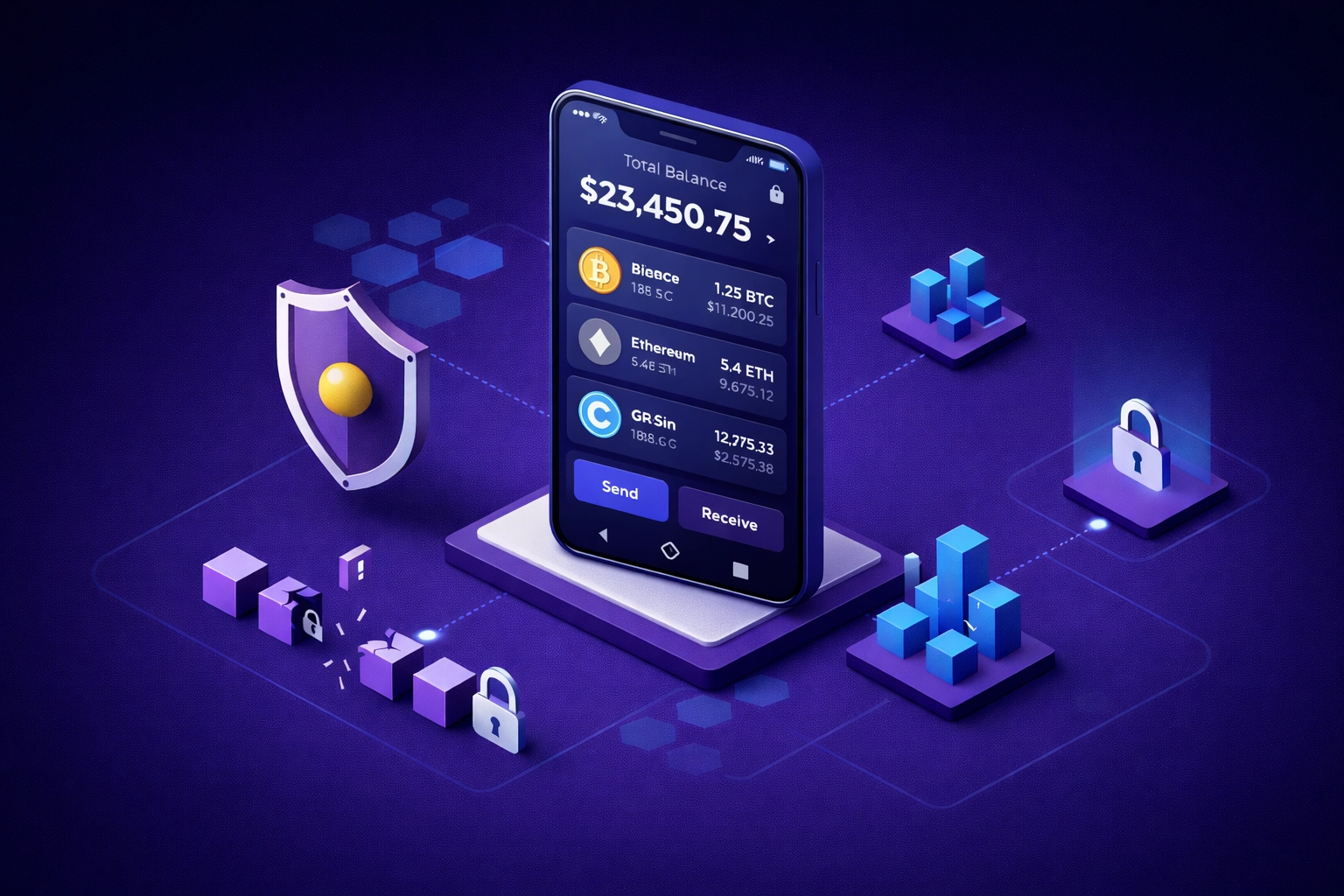
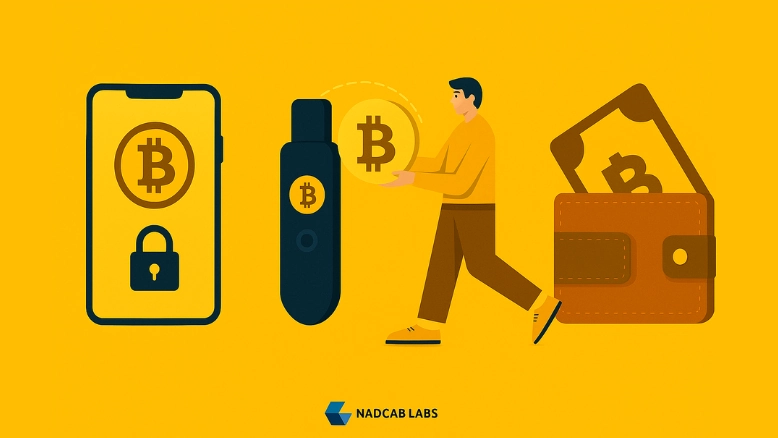
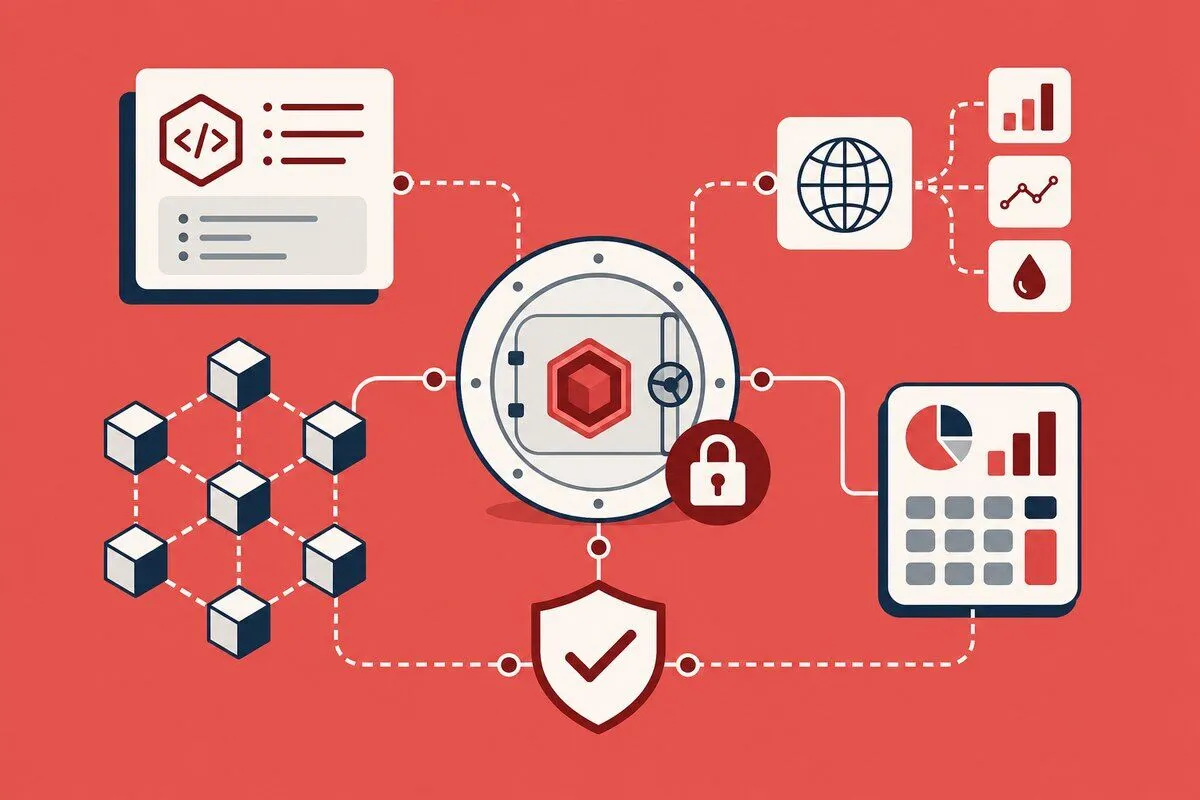
Ai Overview
Ownership of Private Keys Determines Control: Custodial wallets store your private keys with a third party, giving convenience but requiring trust. Non-custodial wallets put you in full control of your keys and crypto assets. Security vs Convenience: Custodial wallets are easier to use and offer account recovery, but you are exposed to platform risks. Non-custodial wallets provide strong security and independence, but you must manage your keys responsibly.
Key Takeaways – Custodial vs Non-Custodial Wallets
- Ownership of Private Keys Determines Control: Custodial wallets store your private keys with a third party, giving convenience but requiring trust. Non-custodial wallets put you in full control of your keys and crypto assets.
- Security vs Convenience: Custodial wallets are easier to use and offer account recovery, but you are exposed to platform risks. Non-custodial wallets provide strong security and independence, but you must manage your keys responsibly.
- Regulatory Differences: Custodial wallets are regulated and usually require KYC verification, while non-custodial wallets are harder to regulate, offering privacy but less legal recourse.
- Use Case Matters: Beginners benefit from custodial wallets for simplicity, long-term holders prefer non-custodial wallets for full ownership, and active traders often use a hybrid strategy combining both.
- Interaction with Blockchain: Non-custodial wallets allow direct interaction with blockchain networks, enabling advanced features like DeFi, NFTs, DAO governance, and Web3 applications.
- Long-Term Financial Independence: Understanding the difference between custodial and non-custodial wallets is essential for long-term asset protection, financial sovereignty, and effective participation in the crypto ecosystem.
As cryptocurrency becomes an increasingly integral part of the global financial landscape, knowing how to safely store and manage your digital assets through a cryptocurrency wallet is more important than ever. While many users focus on which coin to buy or which blockchain to invest in, they often overlook one of the most crucial decisions: choosing the right type of cryptocurrency wallet. The wallet you use determines how much control you have over your funds, the level of security you enjoy, and how freely you can participate in the crypto ecosystem.
On the surface, the difference between custodial and non-custodial cryptocurrency wallets may seem straightforward, one lets a third party manage your funds, while the other puts you in full control. But in reality, the choice goes much deeper. It affects your privacy, regulatory exposure, recovery options, and long-term financial independence. Whether you’re just starting your crypto journey or are a seasoned user exploring DeFi and Web3 applications, understanding the nuances of custodial vs non-custodial cryptocurrency wallets is essential to protecting your assets and making smart decisions.
What Is a Crypto Wallet?
Before comparing Custodial vs Non-Custodial Wallets, it is important to understand what a crypto wallet actually is. A common misconception is that wallets store cryptocurrencies directly. In reality, cryptocurrencies always exist on the blockchain. A wallet stores private keys, which are cryptographic proofs that allow you to access and control those assets on the blockchain. Whoever controls the private keys controls the funds.
Cryptocurrencies are not held in the wallets but private keys representing ownership of assets in a decentralized system. There exist two general categories of crypto wallets: custodial and non‑custodial. The difference lies in who holds the private keys, the user or a third party.[1]
This concept is at the heart of the Custodial vs Non-Custodial Wallets debate. The difference between the two is not about the app design or user interface, but about who owns and manages the private keys. This single factor determines whether you truly own your crypto or are trusting someone else to hold it for you.
What Are Custodial Wallets?
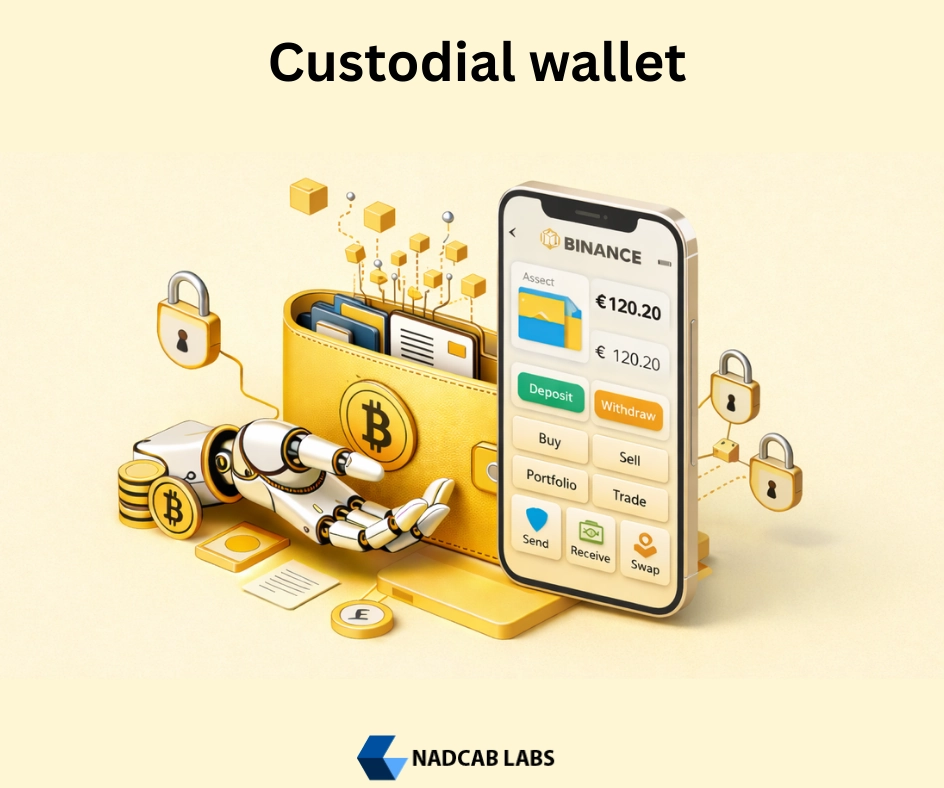
A custodial wallet is a crypto wallet where a third party, usually a centralized exchange or financial service provider, holds and manages your private keys. In a custodial wallet, the private keys are held and managed by a third‑party custodian, such as a cryptocurrency exchange, In contrast, with a non‑custodial wallet, the user fully controls their private keys and is responsible for securely storing and managing their own private keys.[2]
When users create an account on a crypto exchange and deposit funds, they are typically using a custodial wallet, even if they do not realize it. The platform controls the wallet infrastructure, signs transactions on the user’s behalf, and enforces its own rules regarding access and withdrawals.
In the Custodial vs Non-Custodial Wallets comparison, custodial wallets resemble traditional banking systems. Users log in with an email and password, reset credentials if they forget them, and rely on customer support for assistance. This familiarity is one reason custodial wallets are widely adopted, especially among beginners.
How Custodial Wallets Work?
To fully grasp the difference in custodial vs non-custodial wallets, it’s helpful to understand how custodial wallets operate behind the scenes. When a user deposits cryptocurrency into a custodial wallet, the funds are typically stored in pooled wallets that the platform controls. While the user sees an individual account balance, the blockchain itself does not record ownership on a one-to-one basis like it does with non-custodial wallets. Essentially, the platform acts as a trusted intermediary, managing the technical aspects of storing and securing the crypto.
Transactions within custodial wallets are often handled off-chain, meaning they may not immediately touch the blockchain. This allows for faster transfers, lower transaction fees, and smoother user experiences, particularly for trading or frequent transfers. However, this convenience comes with trade-offs. Users are entirely dependent on the platform’s security protocols, operational integrity, and regulatory compliance. Any platform failure, whether due to hacking, insolvency, or regulatory intervention can directly impact users’ access to funds. In short, while custodial wallets make cryptocurrency accessible and easy to use, they also require a high level of trust in the service provider, highlighting the key trade-off between convenience and personal control.
Benefits of Custodial Wallets
Custodial wallets exist for a reason, and they provide real value in many situations. In the Custodial vs Non-Custodial Wallets discussion, custodial wallets are often the easiest entry point into crypto. They remove the technical complexity of managing private keys and seed phrases, making crypto more accessible to mainstream users.
Custodial wallets also offer account recovery options, customer support, and integrated services such as trading, staking, and fiat on-ramps. For users who trade frequently or convert crypto to fiat regularly, custodial wallets provide speed and convenience that non-custodial wallets often cannot match.
Risks and Limitations of Custodial Wallets
Despite their convenience, custodial wallets come with significant risks. The biggest issue in Custodial vs Non-Custodial Wallets is the loss of direct control. Since users do not hold their private keys, they must trust the custodian completely. If the platform is hacked, becomes insolvent, or faces regulatory action, user funds may be frozen or lost.
History has shown multiple cases where custodial platforms failed, leaving users unable to access their assets. Even without extreme events, custodial wallets can impose withdrawal limits, delay transactions, or suspend accounts without warning. These risks make custodial wallets unsuitable for users who prioritize long-term asset security and independence.
What Are Non-Custodial Wallets?
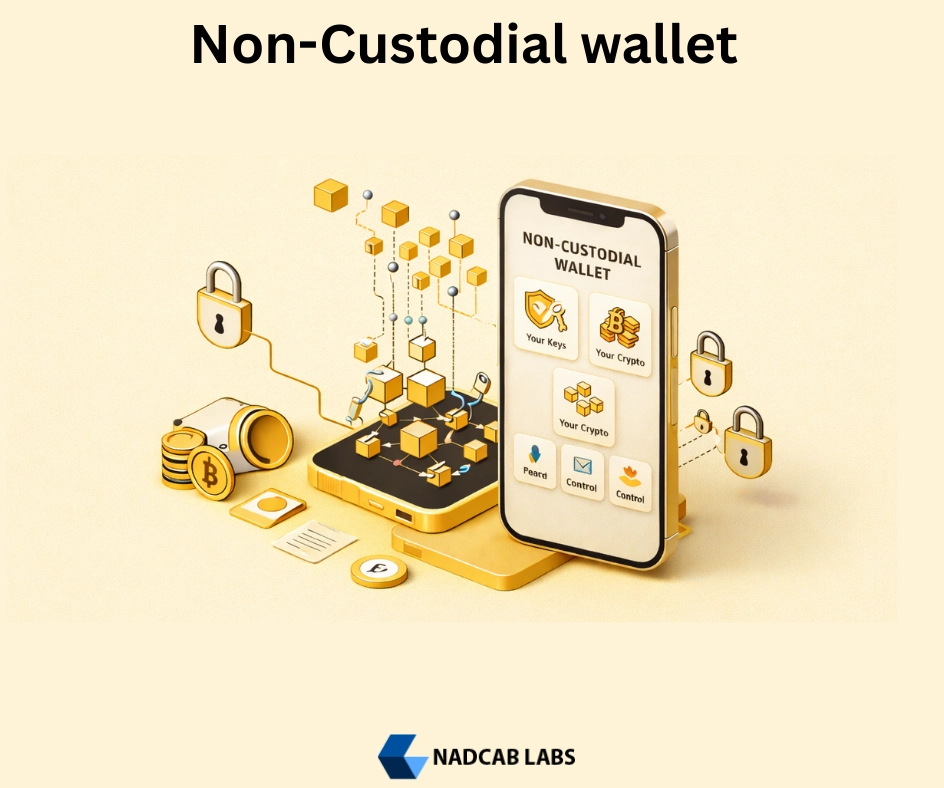
Non-custodial wallets are wallets where the user has full control over their private keys. No third party can access, freeze, or manage the funds on the user’s behalf. When comparing Custodial vs Non-Custodial Wallets, non-custodial wallets represent true ownership and align closely with the original philosophy of blockchain technology.
When a user creates a non-custodial wallet, they receive a seed phrase that acts as a master key. This seed phrase is the only way to recover the wallet. As long as the user controls this phrase, they control the assets, regardless of device loss or external factors.
How Non-Custodial Wallets Function?
In a non-custodial wallet setup, all cryptographic operations take place locally on the user’s device, meaning the private keys never leave your control. Every transaction is signed directly using your private key and then broadcast to the blockchain network, without any intermediaries approving, reviewing, or restricting it. This design ensures that non-custodial wallets are completely permissionless and resistant to censorship, giving users true financial sovereignty. You are fully in control of your assets, and no third party can freeze, block, or manipulate your transactions.
From the perspective of custodial vs non-custodial wallets, this direct interaction with the blockchain sets non-custodial wallets apart. Users are not dependent on any centralized company, exchange, or service, which also means there’s no single point of failure. This freedom allows for advanced use cases beyond simple storage and transfers. You can seamlessly participate in decentralized finance (DeFi) protocols, trade or stake tokens on decentralized exchanges, buy, sell, or mint NFTs in open marketplaces, vote in DAO governance, and authenticate in Web3 wallet applications all while maintaining full control over your private keys. Essentially, a non-custodial wallet transforms your device into your personal bank, giving you complete autonomy over your digital assets and how you interact with the blockchain ecosystem.
Advantages of Non-Custodial Wallets
The primary advantage of non-custodial wallets is complete control. Users are not dependent on any organization to access their funds. This independence is a major reason why experienced users favor non-custodial wallets in the Custodial vs Non-Custodial Wallets debate.
Non-custodial wallets also provide better privacy, as they do not require identity verification. They allow seamless interaction with decentralized applications and give users full transparency over their assets and transaction history. For long-term holders and Web3 participants, non-custodial wallets are often the preferred choice.
Risks and Responsibilities of Non-Custodial Wallets
While non-custodial wallets offer freedom, they also demand responsibility. In Custodial vs Non-Custodial Wallets, this is where many beginners struggle. If a user loses their seed phrase, there is no recovery mechanism. Funds are permanently inaccessible.
Non-custodial wallets also expose users directly to phishing attacks, malicious smart contracts, and malware. Since there is no customer support to reverse transactions, users must be vigilant and well-informed. This learning curve is the price paid for full control and sovereignty.
Custodial vs Non-Custodial Wallets and Regulation
Regulation plays a critical role in the Custodial vs Non-Custodial Wallets discussion, especially as governments and financial authorities around the world continue to shape crypto compliance frameworks. Custodial wallets are typically operated by centralized exchanges or financial service providers, which means they are subject to regulatory oversight. Most custodial wallet providers require users to complete Know Your Customer (KYC) verification, including identity documents and address proof, before allowing full access to their services. This regulatory structure aims to prevent money laundering, fraud, and illicit financial activities, but it also reduces user privacy and increases reliance on centralized authorities.
Non-custodial wallets, on the other hand, are fundamentally harder to regulate because there is no central entity controlling user funds or wallet creation. Users can generate a non-custodial wallet without providing personal information, making these wallets permissionless and privacy-focused. While this aligns closely with the decentralized ethos of blockchain technology, it also creates challenges for regulators attempting to enforce compliance. As a result, regulatory pressure is often applied at the application, on-ramp, or service level rather than the wallet itself. This regulatory contrast further highlights the control and trust differences between custodial vs non-custodial wallets.
Custodial vs Non-Custodial Wallets
| Feature | Custodial Wallet | Non-Custodial Wallet |
|---|---|---|
| Private Key Control | Platform holds keys | User holds keys |
| Asset Ownership | Indirect | Full ownership |
| Account Recovery | Yes | No |
| Risk Exposure | Exchange failure | User error |
| Best For | Beginners, traders | Long-term holders, Web3 |
When comparing Custodial vs Non-Custodial Wallets, the core difference lies in control, risk distribution, and trust. Custodial wallets shift responsibility to a third party, making them easier to use but riskier in systemic failures. Non-custodial wallets place full responsibility on the user, offering unmatched freedom but requiring strong security discipline.
Security models also differ significantly. Custodial wallets rely on centralized infrastructure and institutional safeguards, while non-custodial wallets rely on cryptography and user practices. Neither model is inherently superior; they simply serve different purposes.
Real-World Use Cases for Custodial Wallets
Custodial wallets are particularly well-suited for users who value simplicity, speed, and convenience over complete control. For beginners who are just entering the world of crypto, custodial wallets provide a gentle learning curve, with familiar login systems, password recovery, and customer support that reduce the risk of accidental fund loss. Traders who require instant execution for buying and selling cryptocurrencies also benefit from custodial wallets, as many transactions are handled off-chain, allowing for faster settlement and lower fees compared to non-custodial options.
Users who frequently convert between crypto and fiat, or move assets across exchanges, find custodial wallets convenient because of their integrated trading, staking, and fiat on-ramp services. In regulated environments, these wallets also offer compliance reporting and KYC verification, making them ideal for users who need to adhere to legal and financial regulations. In the broader discussion of custodial vs non-custodial wallets, custodial wallets act as onboarding gateways, helping millions of people safely and efficiently enter the crypto ecosystem without needing to understand complex blockchain mechanics.
Real-World Use Cases for Non-Custodial Wallets
Non-custodial wallets are the choice for users who prioritize ownership, privacy, and full control over their digital assets. They are ideal for long-term crypto storage, as users maintain direct control over their private keys, eliminating reliance on third-party platforms. Non-custodial wallets are essential for participation in decentralized finance (DeFi), allowing users to lend, borrow, or stake assets without intermediaries, and for NFT wallet ownership, providing full control over digital collectibles and assets.
These wallets are also central to Web3 participation, such as interacting with decentralized applications, voting in DAO governance, or authenticating identity on blockchain networks. Because non-custodial wallets do not require KYC or central oversight, they offer greater privacy and censorship resistance, aligning closely with the core principles of decentralization. As Web3 adoption continues to grow, non-custodial wallets are becoming increasingly critical for anyone seeking long-term financial sovereignty and unrestricted access to blockchain ecosystems.
Advanced Strategy, Using Both Wallet Types Together
Many experienced users do not treat custodial vs non-custodial wallets as an either-or decision. Instead, they strategically use different crypto wallet types based on their needs. Custodial wallets are often used for trading, liquidity, and frequent transactions, while non-custodial wallets are preferred for storing long-term holdings securely. This hybrid approach allows users to benefit from the convenience and speed of custodial wallets without compromising the security and control offered by non-custodial wallets. By understanding and combining these crypto wallet types, users can create a practical and balanced strategy that meets both short-term and long-term crypto management goals.
Which Wallet Is Right for You?
Choosing between custodial vs non-custodial wallets ultimately depends on your experience level, risk tolerance, and how you plan to use your crypto assets. For beginners entering the crypto space for the first time, custodial wallets often provide a smoother learning curve. They offer familiar login systems, customer support, and recovery options, which can reduce the risk of accidental fund loss during the early stages of learning.
For long-term holders who prioritize ownership, security, and independence, non-custodial wallets are generally the better choice. By controlling private keys directly, users eliminate reliance on third parties and gain full sovereignty over their assets, which is especially important for long-term storage and participation in decentralized ecosystems.
Active traders and advanced users often adopt a hybrid approach. They use custodial wallets for frequent trading, liquidity, and fiat conversions while storing long-term holdings in non-custodial wallets. This balanced strategy allows users to benefit from convenience without compromising long-term security, making it a practical solution for navigating the custodial vs non-custodial wallets decision.
Build My Crypto wallet Now!
Turn your dream into reality with a powerful, secure crypto wallet built just for you. Start building now and watch your idea come alive!
Final Thoughts on Custodial vs Non-Custodial Wallets
Custodial vs Non-Custodial Wallets is not just a technical comparison; it is a philosophical and practical decision about how you engage with digital finance. As the crypto ecosystem matures, users who understand wallet ownership will be better positioned to protect their assets and take advantage of new opportunities.
The future of crypto belongs to informed users who choose control when it matters and convenience when it helps. Understanding Custodial vs Non-Custodial Wallets is the first step toward that future.
Frequently Asked Questions
Q1.What is the main difference between custodial and non-custodial wallets?
The main difference between custodial vs non-custodial wallets is who controls the private keys. In a custodial wallet, a third party holds and manages your private keys, while in a non-custodial wallet, the user has full control over their private keys and crypto assets.
Q2.Is a custodial wallet safe to use?
A custodial wallet can be safe for everyday use, but it comes with counterparty risk. Since the platform controls the private keys, users must trust the service provider’s security, solvency, and compliance practices. If the platform is hacked or frozen, access to funds may be restricted.
Q3.Are non-custodial wallets safer than custodial wallets?
Non-custodial wallets offer greater control and ownership, but safety depends on the user. While there is no third-party risk, users are fully responsible for securing their seed phrase and avoiding phishing attacks. Security is based on user knowledge rather than institutional protection.
Q4.Can I lose my crypto in a non-custodial wallet?
Yes, crypto can be permanently lost in a non-custodial wallet if the seed phrase is lost or exposed. There is no recovery mechanism, customer support, or password reset option. This is one of the key responsibilities highlighted in custodial vs non-custodial wallets.
Q5.Which wallet is better for beginners: custodial or non-custodial?
Custodial wallets are generally better for beginners because they are easier to use, offer account recovery, and provide customer support. Non-custodial wallets are better suited for users who understand private key management and blockchain security concepts.
Q6.Do custodial wallets own my crypto?
No, custodial wallets do not technically own your crypto, but they control the private keys. This means users rely on the platform to access their funds. In contrast, non-custodial wallets give users direct ownership through private key control.
Q7.What happens if a custodial wallet platform shuts down?
If a custodial wallet platform shuts down or becomes insolvent, users may lose access to their funds temporarily or permanently. This risk has been highlighted in past exchange failures and is a major factor in the custodial vs non-custodial wallets debate.
Q8.Can non-custodial wallets be hacked?
Non-custodial wallets cannot be hacked at the blockchain level, but users can lose funds through phishing attacks, malware, fake apps or malicious smart contracts. The wallet’s security depends on user behavior and device safety.
Q9.Can I use both custodial and non-custodial wallets together?
Yes, many experienced users use both wallet types. Custodial wallets are often used for trading and liquidity, while non-custodial wallets are used for long-term storage and Web3 applications. This hybrid strategy balances convenience and security.
Q10.Which wallet is best for long-term crypto storage?
Non-custodial wallets are generally considered best for long-term storage because users maintain full control over their private keys and assets. This reduces reliance on third parties and aligns with long-term crypto ownership principles.
Explore Services
Related Services
Reviewed by

Aman Vaths
Founder of Nadcab Labs
Aman Vaths is the Founder & CTO of Nadcab Labs, a global digital engineering company delivering enterprise-grade solutions across AI, Web3, Blockchain, Big Data, Cloud, Cybersecurity, and Modern Application Development. With deep technical leadership and product innovation experience, Aman has positioned Nadcab Labs as one of the most advanced engineering companies driving the next era of intelligent, secure, and scalable software systems. Under his leadership, Nadcab Labs has built 2,000+ global projects across sectors including fintech, banking, healthcare, real estate, logistics, gaming, manufacturing, and next-generation DePIN networks. Aman’s strength lies in architecting high-performance systems, end-to-end platform engineering, and designing enterprise solutions that operate at global scale.