Ai Overview
Blockchain technology is no longer just about cryptocurrencies. Over the past few years, we have seen a massive shift toward Web3, where users are not just participants but active stakeholders in digital ecosystems. From decentralized finance to gaming and digital ownership, the way people interact with technology is changing fast. For businesses, utility token development opens doors to new revenue models, stronger user engagement, and decentralized growth.
Blockchain technology is no longer just about cryptocurrencies. Over the past few years, we have seen a massive shift toward Web3, where users are not just participants but active stakeholders in digital ecosystems. From decentralized finance to gaming and digital ownership, the way people interact with technology is changing fast.
In this evolving landscape, utility tokens have become one of the most important building blocks. They are not just digital assets you hold for value. Instead, they unlock access, power transactions, and create meaningful interactions within platforms. Whether it is accessing premium features, paying fees, or earning rewards, utility tokens are shaping how modern digital economies function.
For businesses, utility token development opens doors to new revenue models, stronger user engagement, and decentralized growth. For users, it creates more control, transparency, and incentives to participate.
Key Takeaways
- Utility tokens are digital assets designed to provide access, functionality, and interaction within blockchain-based ecosystems rather than acting as pure currency or ownership.
- They play a crucial role in Web3 by enabling decentralized, user-driven platforms where participants actively contribute and benefit from the ecosystem.
- A strong use case is the foundation of successful utility token development, ensuring real value through payments, rewards, governance, or access to services.
- Choosing the right blockchain platform (such as Ethereum, BNB Chain, or Polygon) directly impacts scalability, transaction costs, and performance.
- Well-designed tokenomics is essential for balancing supply, demand, and incentives to ensure long-term sustainability and user engagement.
- Utility tokens are widely used across industries including gaming, DeFi, SaaS, marketplaces, and content platforms to create decentralized economies.
- Security and compliance are critical challenges, requiring smart contract audits and adherence to evolving regulatory frameworks.
- Common mistakes like unclear utility, weak tokenomics, and lack of user adoption strategies can limit the success of a token project.
- The cost of utility token development varies based on complexity, features, blockchain choice, and marketing, making proper planning essential.
In this utility token development guide, you will learn everything from the basics of what a utility token is to how to create a utility token step by step. We will also cover the utility token development process, real-world use cases, benefits, challenges, and the cost of utility token development so you can make informed decisions.
What Is a Utility Token?
A utility token is a type of digital asset designed to provide access to a product or service within a blockchain-based ecosystem. Unlike traditional cryptocurrencies, which are mainly used as a store of value or medium of exchange, utility tokens have a specific purpose inside a platform.
Think of it like a membership pass or prepaid access key. When users hold a utility token, they can unlock certain features, pay for services, or participate in activities within that ecosystem. For example, a user might use tokens to pay transaction fees, access premium content, or interact with decentralized applications.
It is important to understand how utility tokens differ from other types of tokens. If you want a deeper breakdown, you can explore this guide on different types of crypto tokens.
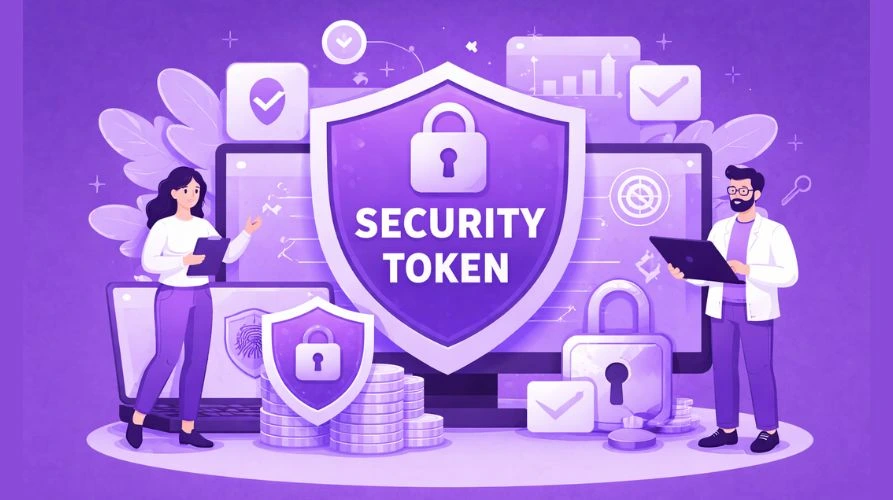
Utility tokens are often confused with cryptocurrencies and security tokens, but there are clear differences. Cryptocurrencies like Bitcoin are primarily used for payments or as digital money. Security tokens, on the other hand, represent ownership in an asset and are subject to regulations. You can learn more about security to understand this distinction better.
Utility tokens sit in the middle. They are not meant to represent ownership or act purely as currency. Their main role is to enable functionality within a platform.
Why Utility Token Development Matters
As Web3 continues to grow, the way digital platforms are built and operated is changing. Traditional systems rely heavily on centralized control, where a single authority manages access, payments, and user data. In contrast, utility token development enables a more open, transparent, and user-driven ecosystem.
One of the biggest reasons utility tokens matter is their role in Web3. These tokens act as the backbone of decentralized applications, allowing users to interact with platforms without relying on intermediaries. Whether it is accessing services, validating transactions, or participating in governance, utility tokens make these processes smoother and more efficient.
Another key advantage is decentralization. By using a utility token, platforms can distribute power among users instead of keeping it centralized. This builds trust, reduces dependency on third parties, and creates a more secure environment. Users feel more involved because they are not just customers, they are contributors to the ecosystem.
From a business perspective, utility tokens bring a completely new model of growth. Instead of relying only on subscriptions or ads, companies can build token-based economies where users actively participate and contribute value. This leads to stronger engagement, better retention, and organic growth through community involvement.
Utility tokens also make it easier to align incentives. When users benefit from holding and using tokens, they are more likely to stay connected with the platform. This creates a win-win situation where both the business and its users grow together.
How Utility Tokens Work
To understand the real value of utility token development, it is important to see how these tokens function within an ecosystem. The process is actually quite simple, but very powerful when applied correctly.
It usually starts when a user buys a utility token. This can happen through an initial offering or via a crypto exchange. Once the user holds the token, it becomes their key to interact with the platform.
After purchasing, the user can use the token inside the ecosystem. This could include paying for services, unlocking premium features, accessing digital products, or participating in platform activities. For example, in DeFi platforms, tokens might be used for transaction fees or staking. If you want to explore this area further, you can check out DeFi tokens.
Utility tokens also allow users to earn, spend, or trade. Users might earn tokens as rewards for contributing to the platform, such as completing tasks, providing liquidity, or engaging with the community. These tokens can then be spent within the platform or traded externally, depending on the project design.
In some ecosystems, tokens can also be integrated with other token types like wrapped token to enable cross-chain functionality, making them even more flexible.
The entire flow creates a continuous cycle where users buy, use, and circulate tokens. This is what makes utility tokens so effective in building sustainable digital economies.
Step by Step Utility Token Development Process
Building a successful utility token is not just about writing code. It requires strategic planning, technical expertise, and a clear understanding of your ecosystem. If you are exploring how to create a utility token, this step by step utility token development process will give you a clear roadmap.
1. Define Use Case
Everything starts with clarity. Before you begin development, you need to define why your token exists. What problem does it solve? How will users benefit from it?
A strong use case ensures your token has real value. Without it, even the most technically advanced token can fail. Your token should have a clear role such as enabling payments, unlocking features, rewarding users, or powering governance.
2. Choose Blockchain
The next step is selecting the best blockchain for utility token development. Your choice will impact speed, cost, scalability, and security.
Popular options include Ethereum, BNB Chain, and Polygon. Each has its own strengths, and your decision should depend on your project requirements, budget, and expected user base.
3. Select Token Standard
Once the blockchain is selected, you need to choose a token standard. This defines how your token will function on that network.
Common standards include ERC20, BEP20, and TRC20. These standards ensure compatibility with wallets, exchanges, and other platforms, making your token easier to adopt and use.
4. Design Tokenomics
Tokenomics is the backbone of your project. It includes total supply, distribution, pricing, and utility.
A well-designed token economy ensures long-term sustainability. It balances demand and supply while creating incentives for users to hold and use the token.
5. Smart Contract Development
This is where the technical part begins. Developers create smart contracts that define how the token behaves.
These contracts handle transactions, rules, and functionalities. Since they are immutable once deployed, it is important to ensure accuracy and security during development.
6. Testing and Security Audit
Before launching, your token must go through rigorous testing. Bugs or vulnerabilities can lead to serious losses.
Security audits help identify weaknesses in smart contracts. This step builds trust and protects both your platform and users.
7. Deployment
After testing, the token is deployed on the chosen blockchain. This makes it live and accessible to users.
Deployment also includes setting up wallets, integrating with platforms, and preparing for user interaction.
8. Post Launch Maintenance
The work does not stop after launch. Continuous updates, monitoring, and improvements are necessary to keep the ecosystem running smoothly.
You also need to focus on community building, partnerships, and marketing to drive adoption.
Choosing the Right Blockchain Platform
Selecting the best blockchain for utility token development is one of the most important decisions you will make. The blockchain you choose directly affects your token’s performance, transaction costs, scalability, and user experience. There is no one size fits all solution, so the right choice depends on your project goals and budget.
Ethereum
Ethereum is one of the most widely used platforms for utility token development. It is known for its strong security, large developer community, and mature ecosystem.
Many popular tokens are built on Ethereum using the ERC20 standard, which ensures compatibility with wallets and exchanges. However, transaction fees can be high, especially during network congestion. This makes it more suitable for projects that prioritize security and ecosystem strength over low costs.
BNB Chain
BNB Chain is a popular alternative for projects looking for faster and cheaper transactions. It offers high performance and lower fees compared to Ethereum, making it ideal for startups and applications with frequent transactions.
It supports the BEP20 token standard and has a growing ecosystem, especially in DeFi and gaming. For many businesses exploring crypto token development, BNB Chain provides a good balance between cost and functionality.
Polygon
Polygon is a Layer 2 scaling solution built to improve Ethereum’s limitations. It offers faster transactions and significantly lower fees while still benefiting from Ethereum’s security.
This makes Polygon a great choice for scalable applications, especially those expecting high user activity. It is widely used in gaming, NFTs, and decentralized applications where performance and cost efficiency are critical.
Choosing the right platform depends on your priorities. If you want maximum security and ecosystem support, Ethereum is a strong option. If you need low fees and speed, BNB Chain works well. If you want scalability with Ethereum compatibility, Polygon is a smart choice.
Practical Use Cases of Utility Tokens in Modern Ecosystems
Utility tokens are incredibly versatile. Their real strength lies in how they can be applied across different industries to create value, improve user experience, and build decentralized ecosystems. If you are exploring utility token development, understanding these use cases will help you identify the right direction for your project.
Gaming
In the gaming industry, utility tokens are widely used to power in-game economies. Players can earn tokens by completing missions, winning battles, or contributing to the game. These tokens can then be used to purchase virtual items, upgrade characters, or unlock new levels.
This play to earn model has changed how users interact with games, turning entertainment into a potential source of income and deeper engagement.
DeFi Platforms
In decentralized finance, utility tokens are used for a wide range of functions such as paying transaction fees, staking, governance, and liquidity provision. Many platforms rely on DeFi tokens to operate efficiently.
These tokens allow users to participate in financial activities without relying on traditional banks, making finance more open and accessible.
SaaS Platforms
Software as a Service platforms are also adopting utility tokens. Instead of traditional subscriptions, users can pay using tokens to access features or services. This creates flexible pricing models and allows global users to access services without currency barriers.
Marketplaces
In online marketplaces, utility tokens can be used as a medium of exchange. Buyers and sellers can transact directly without intermediaries, reducing fees and increasing transparency.
This model is especially useful in decentralized marketplaces where trust and efficiency are key.
Content Platforms
Content platforms use utility tokens to reward creators and engage users. For example, users can earn tokens for creating or sharing content and spend them to support their favorite creators. This creates a fairer ecosystem where value is shared directly between creators and their audience. You can also explore how tokens relate to digital ownership in nft token ecosystems.
These use cases show that utility tokens are not limited to one industry. They can be adapted to almost any platform where value exchange, access control, or user engagement is important.
Real-World Examples of Successful Utility Tokens
Understanding real projects can make utility token development much clearer. Let’s look at a few well-known utility tokens and how they are used in actual ecosystems.
Binance Coin (BNB)
Binance Coin is one of the most successful utility tokens. It was originally created to offer trading fee discounts on the Binance exchange.
Over time, its use expanded across the entire ecosystem. Today, BNB is used for transaction fees, staking, token launches, and even payments. Its growth shows how a utility token can evolve beyond its initial purpose and become a core part of a large ecosystem.
Brave (BAT)
Basic Attention Token powers the Brave browser ecosystem. It is used to reward users for viewing ads and to compensate content creators. This model improves digital advertising by making it more transparent and rewarding both users and creators directly. It is a great example of how utility tokens can solve real world problems.
Filecoin (FIL)
Filecoin is used in a decentralized storage network. Users pay FIL tokens to store data, while storage providers earn tokens by offering space on their systems. This creates a decentralized alternative to traditional cloud storage services, powered entirely by a token-based economy.
Sandbox (SAND)
The Sandbox is a utility token used in a virtual gaming metaverse. Players use SAND to buy land, trade assets, and participate in the ecosystem. It combines gaming, NFTs, and digital ownership, showing how utility tokens can power immersive digital experiences.
These examples highlight an important point. A successful utility token is not just about technology. It is about solving real problems and creating meaningful value for users.
Challenges in Utility Token Development
While utility token development offers many advantages, it also comes with several challenges that businesses must carefully navigate. Ignoring these issues can impact the success and sustainability of your project.
One of the biggest challenges is regulatory uncertainty. The legal status of utility tokens is still evolving in many countries. Sometimes, a token that is intended to be a utility token may be classified differently by regulators, especially if it resembles a security token. This can lead to compliance issues, legal risks, or even restrictions on your project. It is important to stay updated with local and global regulations before launching.
Another major concern is security risks. Since utility tokens rely on smart contracts, any vulnerability in the code can be exploited by attackers. Hacks and exploits have resulted in significant losses in the past. This is why thorough testing and professional security audits are essential parts of the utility token development process.
Adoption challenges are also common. Even if you successfully create a utility token, getting users to actually use it is not easy. Without strong demand, clear utility, and proper incentives, your token may struggle to gain traction. Building a community and educating users plays a big role here.
Poorly designed tokenomics can also harm your project. If supply, demand, and incentives are not balanced, the token may face issues like price volatility, low engagement, or loss of value. This is why planning tokenomics carefully is critical for long-term success.
Common Mistakes to Avoid
When working on utility token development, many projects fail not because of technology, but because of avoidable mistakes. Understanding these pitfalls can save time, money, and effort while increasing your chances of success.
One of the most common mistakes is having no clear use case. If your token does not solve a real problem or provide meaningful value, users will have no reason to use it. A strong foundation always starts with purpose. Without it, even the best marketing cannot sustain long-term growth.
Another issue is creating an overhyped token. Many projects focus too much on promotion without building real utility. This may attract short-term attention, but it often leads to disappointment when the platform fails to deliver. Sustainable growth always comes from real value, not just hype.
Weak or poorly written smart contracts are also a major risk. Since these contracts control how your token works, any flaw can lead to security breaches or financial losses. Skipping proper testing or audits to save costs can become very expensive later.
Ignoring compliance and regulations is another critical mistake. As discussed earlier, regulatory frameworks are still evolving. If your token unintentionally falls under categories like security token, it could create legal complications. Staying compliant from the beginning is always the safer approach.
Crypto Token Development Cost Breakdown
The cost of utility token development depends on multiple factors such as blockchain selection, features, development complexity, and post-launch requirements. Since every project has different goals, there is no fixed price. However, breaking down the cost into key components can help you better understand where your budget will be allocated and how to plan efficiently.
| Cost Component | Description | Estimated Cost Range |
|---|---|---|
| Blockchain Selection | Cost varies based on network fees, scalability, and ecosystem (e.g., Ethereum, BNB Chain, Polygon) | $500 – $10,000+ |
| Token Development (Basic) | Simple token with standard features like transfer, mint, and burn | $1,000 – $5,000 |
| Advanced Features | Includes staking, governance, rewards, DeFi integration, vesting mechanisms | $5,000 – $25,000+ |
| Smart Contract Development | Custom smart contract logic and functionality | $3,000 – $15,000 |
| Security Audit | Professional audit to identify vulnerabilities and ensure safety | $5,000 – $20,000+ |
| Development Team Cost | Freelancers vs experienced blockchain development agency | $5,000 – $50,000+ |
| Wallet Integration | Integration with wallets like MetaMask or Trust Wallet | $1,000 – $5,000 |
| Exchange Listing | Listing token on centralized or decentralized exchanges | $2,000 – $100,000+ |
| Legal & Compliance | Regulatory consultation and legal documentation | $2,000 – $15,000 |
| Marketing & Community Building | Promotion, social media, PR, influencer marketing | $3,000 – $30,000+ |
Final Thoughts
Utility tokens are becoming a core part of the Web3 ecosystem, transforming how digital platforms operate and how users interact with them. From enabling access to services to powering entire economies, their role continues to grow as blockchain adoption increases.
In this utility token development guide, we explored everything from what a utility token is to the complete utility token development process, including benefits, use cases, tokenomics, and challenges. We also looked at real-world examples and broke down the cost of utility token development to help you plan effectively.
The key takeaway is simple. Successful utility token development is not just about creating a token. It is about building a meaningful ecosystem where users find real value. A clear use case, strong tokenomics, the right blockchain, and a solid strategy all work together to determine success. If you are planning to create a utility token or exploring crypto token development, now is the right time to start. As Web3 continues to evolve, businesses that adopt token-based models early will have a strong advantage in building scalable and user-driven platforms.
Frequently Asked Questions
Q1.What is the main purpose of utility tokens?
Utility tokens are designed to provide access, functionality, and interaction within a blockchain ecosystem. They allow users to pay for services, unlock features, earn rewards, and actively participate in decentralized platforms rather than just holding value.
Q2.How are utility tokens different from cryptocurrencies?
Utility tokens serve a specific function within a platform, while cryptocurrencies mainly act as digital money or a store of value. Utility tokens focus on access and engagement rather than being used purely for financial transactions.
Q3.Why is token utility important for success?
A strong utility ensures users have a real reason to use the token. Without meaningful functionality, demand decreases, leading to poor adoption, reduced engagement, and long-term failure of the token ecosystem.
Q4.Which blockchain is best for utility tokens?
The best blockchain depends on your goals. Ethereum offers security, BNB Chain provides low fees, and Polygon ensures scalability. The right choice balances cost, performance, and ecosystem compatibility based on project requirements.
Q5.How do users earn utility tokens?
Users can earn utility tokens by participating in platform activities such as staking, providing liquidity, completing tasks, engaging with content, or contributing to the ecosystem, depending on the platform’s reward structure.
Q6.What is tokenomics in utility token development?
Tokenomics refers to the economic design of a token, including supply, distribution, incentives, and pricing. A well-balanced tokenomics model ensures sustainability, encourages user participation, and maintains long-term value within the ecosystem.
Q7.How much does utility token development cost?
The cost varies based on complexity, blockchain choice, features, and marketing. A basic token may cost a few thousand dollars, while advanced projects with audits, integrations, and promotions can exceed tens of thousands.
Explore Services
Related Services
Reviewed by

Aman Vaths
Founder of Nadcab Labs
Aman Vaths is the Founder & CTO of Nadcab Labs, a global digital engineering company delivering enterprise-grade solutions across AI, Web3, Blockchain, Big Data, Cloud, Cybersecurity, and Modern Application Development. With deep technical leadership and product innovation experience, Aman has positioned Nadcab Labs as one of the most advanced engineering companies driving the next era of intelligent, secure, and scalable software systems. Under his leadership, Nadcab Labs has built 2,000+ global projects across sectors including fintech, banking, healthcare, real estate, logistics, gaming, manufacturing, and next-generation DePIN networks. Aman’s strength lies in architecting high-performance systems, end-to-end platform engineering, and designing enterprise solutions that operate at global scale.