Ai Overview
Infrastructure Evolution: Web3 wallets have evolved from simple crypto storage into core infrastructure for DeFi, NFTs, gaming, and digital identity. In 2025, approximately 198 million wallets interacted with DeFi protocols worldwide, accounting for nearly 24% of all crypto wallet growth. By 2025, NFT-linked wallets had reached approximately 294 million, reflecting a year-over-year growth rate of nearly 33%.
Key Takeaways – Web3 Wallet Growth Trends
- Infrastructure Evolution: Web3 wallets have evolved from simple crypto storage into core infrastructure for DeFi, NFTs, gaming, and digital identity.
- Mainstream Adoption: Wallet usage has entered the mainstream, with hundreds of millions of active users globally across retail and institutional segments.
- DeFi as a Growth Engine: Decentralized finance continues to drive wallet adoption, as wallets act as mandatory gateways for lending, trading, staking, and yield strategies.
- NFT-Driven Expansion: NFTs have broadened wallet adoption beyond finance by enabling verifiable digital ownership of art, collectibles, virtual land, and in-game assets.
- Blockchain Gaming Impact: Gaming is transforming wallets into persistent player accounts that store assets, identities, and rewards, increasing daily engagement.
- Usability Innovations: Smart contract wallets, account abstraction, embedded wallets, and cross-chain compatibility are reducing onboarding friction for new users.
- Security Advancements: Features such as biometric authentication, multi-signature approvals, and real-time risk alerts are critical to sustaining trust.
- Regional Adoption Patterns: Emerging markets lead grassroots wallet usage, while developed regions prioritize regulatory clarity and institutional integration.
- Institutional Momentum: Enterprise and institutional wallet adoption signals a shift from experimentation to long-term commercial deployment.
- 2035 Outlook: Web3 wallets are expected to function as universal digital identity layers and gateways to decentralized finance, social, and governance platforms.
Web3 wallets have evolved from niche digital storage tools into indispensable infrastructure for the decentralized internet, and this rapid web3 wallet growth highlights how quickly user behavior is shifting toward decentralized ownership. In the early years of cryptocurrency, wallets were simply used to store and move coins like Bitcoin and Ethereum. Today, however, they serve as digital identities, asset management tools, and secure gateways to decentralized finance (DeFi), non-fungible tokens (NFTs), and blockchain gaming. This transformation reflects a broader shift in how users engage with digital technology, moving from centralized platforms and intermediaries to systems where control and ownership rest directly with users.
As DeFi platforms have matured, NFTs have created new avenues for digital ownership, and blockchain gaming has introduced play-to-earn models and self-sustaining digital economies, wallets have become the centerpiece of user engagement across these ecosystems. The phrase Web3 Wallet Growth and Trends Across DeFi, NFTs, and Gaming captures not only technological innovation but also the accelerating pace of web3 wallet growth driven by real-world utility and mainstream adoption. In 2025 alone, global cryptocurrency wallet ownership surpassed 820 million active users, representing around 15% of the global internet population, a remarkable milestone for a technology that is still in an active growth phase.
Understanding how wallets have grown, why they matter, and where they are headed is essential to any discussion about the future of decentralized systems, digital identity, and user autonomy. This blog explores the journey of Web3 wallets from basic definitions to advanced trends, supported by statistical data and future projections through 2035.
What Is a Web3 Wallet and Why It Matters for Web3 Adoption
At its simplest, a Web3 wallet is a digital application that stores cryptographic keys and lets users interact directly with blockchain networks. Unlike traditional bank accounts, Web3 wallets allow individuals to control their own assets, without relying on centralized intermediaries. They can manage cryptocurrencies, sign transactions, interface with decentralized applications (dApp), and hold programmable digital assets like NFTs.
A Web3 wallet functions as both a key manager and a gateway to Web3 services. Private keys secure access to assets and must be managed responsibly, as losing a key often means losing access to all assets within the wallet. Over time, wallet developers have introduced usability improvements like social recovery, gasless transactions, and integrated digital identity features to address the complexity that once only enthusiasts could navigate.
In 2025, retail users accounted for approximately 82% of all crypto wallet holders, while institutional wallet ownership saw a 51% year‑over‑year increase, exceeding 31 million institutional wallets globally. These figures show how Web3 wallets are moving beyond hobbyist territory into mainstream financial and tech adoption.
Web3 wallets matter because they underpin the entire decentralized ecosystem. Without them, participation in DeFi, trading NFTs, joining decentralized autonomous organizations (DAOs), or engaging with gaming economies would not be possible.
Web3 Wallet Adoption as Digital Identity Infrastructure
Beyond asset storage and transaction signing, Web3 wallet adoption is increasingly driven by their role as decentralized digital identity infrastructure. In the Web3 ecosystem, wallets function as self-sovereign identity tools that allow users to authenticate, sign messages, and interact with decentralized applications without relying on centralized usernames or passwords. This shift is redefining how identity works on the internet, moving from platform-controlled accounts to user-owned cryptographic identities.
As decentralized social platforms, DAO governance systems, and blockchain-based authentication models continue to mature, wallets are becoming the foundational identity layer of Web3. A single wallet address can represent a user’s reputation, asset ownership, governance participation, and access rights across multiple ecosystems. This growing reliance on wallets for identity verification is accelerating web3 wallet adoption far beyond financial use cases.
By 2025, more than 40% of active decentralized applications integrated wallet-based authentication as their primary login mechanism, highlighting how wallets are replacing traditional Web2 identity systems. As self-sovereign identity standards evolve, Web3 wallets are expected to become universal digital passports for decentralized platforms, further reinforcing long-term web3 wallet growth.
Historical Web3 Wallet Growth and Adoption Trends
Web3 wallet growth has been remarkable. In the early 2010s, the concept of a wallet was limited to simple software programs used by a few thousand crypto traders. As blockchain technology matured and new use cases emerged, the number of wallets multiplied.
By 2025, around 1.68 billion blockchain wallets had been created across multiple chains including both active and dormant addresses showcasing the sheer scale of infrastructure built around these tools. Many of these wallets are non‑custodial, where the user retains control over private keys, while others are linked to custodial services provided by exchanges or integrated wallet solutions.
Wallet adoption is not uniform across regions or demographics, and patterns of web3 wallet growth vary significantly across global markets. In emerging economies such as Nigeria, South Africa, and Vietnam, Web3 adoption rates have exceeded 60% of the online population, largely driven by mobile-first internet access, limited traditional banking infrastructure, and strong demand for alternative financial systems. In more developed markets, adoption tends to be shaped by regulatory clarity, institutional participation, and enterprise use cases, even though overall penetration rates may remain lower compared to rapidly growing emerging regions.
The demographic profile of wallet users is also shifting alongside sustained web3 wallet growth. Young adults between the ages of 18 and 34 continue to represent a significant share of wallet adoption, reflecting their openness to digital finance and decentralized platforms. At the same time, female participation is rising steadily, with wallet ownership among women increasing year over year. This expanding and more diverse user base indicates that Web3 wallets are moving beyond early crypto adopters and becoming accessible, practical tools for a much broader global audience.
DeFi, A Primary Engine for web3 wallet Growth
Decentralized finance, or DeFi, has been one of the primary drivers of Web3 wallet adoption, playing a crucial role in accelerating overall web3 wallet growth across global blockchain ecosystems. DeFi systems enable financial services such as lending, borrowing, trading, and yield farming without centralized intermediaries. To interact with these protocols, users must connect their wallets, positioning wallets as the primary gateway into decentralized financial markets and reinforcing their importance within the Web3 economy.
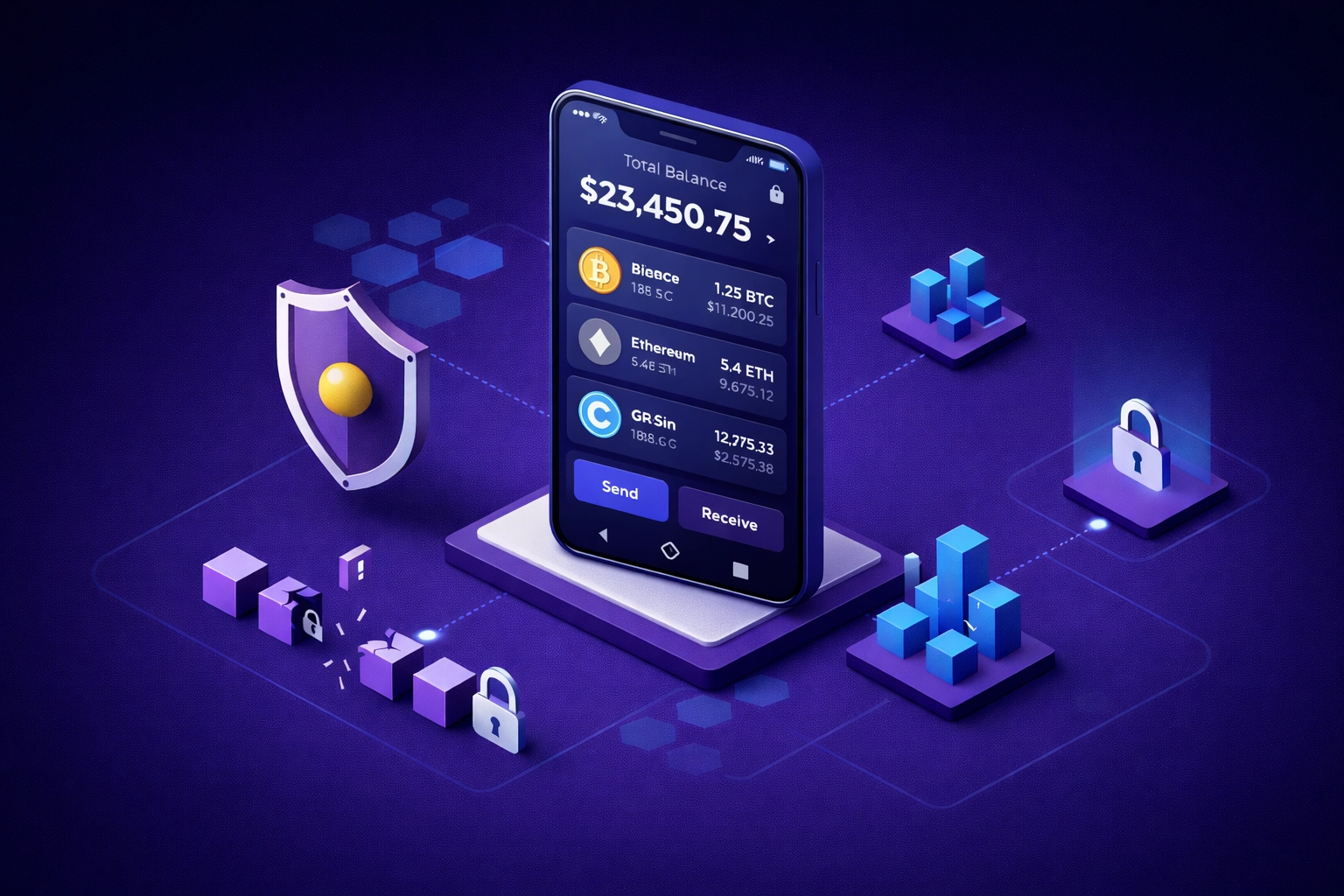
In 2025, approximately 198 million wallets interacted with DeFi protocols worldwide, accounting for nearly 24% of all crypto wallet growth. This scale of participation underscores how web3 wallet growth is directly tied to the expanding utility of decentralized finance. Within the DeFi ecosystem, wallets are no longer passive storage tools; they function as comprehensive financial dashboards that allow users to monitor portfolio values, approve smart contract transactions, track yields, and manage assets across multiple blockchain networks.
DeFi wallet users are also becoming increasingly sophisticated, with many supporting five or more tokens and engaging with multiple blockchain networks through a single wallet interface. Advancements such as Layer 2 scaling solutions and cross-chain integrations have significantly reduced transaction costs and improved transaction speeds, making DeFi more accessible, efficient, and user-friendly for a growing global audience.
NFTs, Driving Wallet Utility Beyond Currency
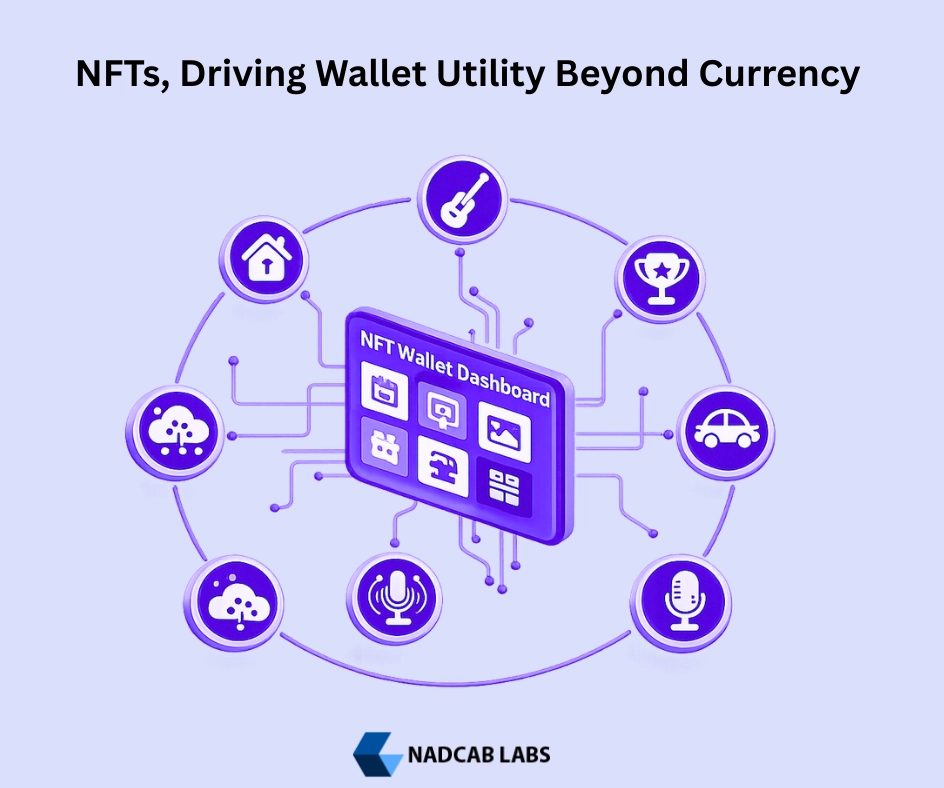
Non-fungible tokens (NFTs) have opened a new realm of digital ownership and have become a major contributor to overall web3 wallet growth. Unlike fungible assets such as Bitcoin or Ether, NFTs represent unique digital items including artwork, collectibles, music, virtual land, and in-game assets. To own, display, trade, or transfer NFTs, users must connect a Web3 wallet, making wallets a foundational layer of NFT participation and ownership.
By 2025, NFT-linked wallets had reached approximately 294 million, reflecting a year-over-year growth rate of nearly 33%. This expansion demonstrates that NFTs have driven web3 wallet growth beyond financial speculation into creative, expressive, and social use cases, attracting artists, gamers, brands, and everyday users alike. Wallets are no longer limited to storing tokens; they have become personal vaults for digital identity and ownership.
Gaming wallets, a specialized segment within the NFT ecosystem, are particularly noteworthy. In 2025, around 61% of all NFT wallet interactions were tied to gaming NFTs, highlighting how digital collectibles and in-game assets are redefining user engagement. For players, wallets are essential not just for holding currency but for owning, trading, and transferring assets across interconnected virtual worlds and metaverse environments.
The rise of NFTs has also pushed wallet providers to enhance user experience, leading to the integration of features such as built-in NFT galleries, rich metadata visualization, and seamless marketplace connectivity directly within wallet interfaces. These improvements further reinforce the wallet’s role as a central hub for digital ownership in the evolving Web3 ecosystem.
Sector-Wise Impact on Web3 Wallet Growth
| Web3 Sector | Role of Web3 Wallets | Impact on Web3 Wallet Growth |
|---|---|---|
| DeFi | Asset management, lending, staking, trading | Drives high-value wallet adoption and frequent usage |
| NFTs | Ownership, transfer, and identity representation | Expands wallet adoption beyond financial users |
| Blockchain Gaming | Player accounts, in-game asset storage | Increases daily active wallet interactions |
| Digital Identity | Authentication and access control | Accelerates long-term Web3 wallet adoption |
Blockchain Gaming, Wallets as Player Accounts
Blockchain gaming, often referred to as GameFi, is another fast-growing sector significantly contributing to overall web3 wallet growth. Unlike traditional games where in-game assets are owned and controlled by publishers, blockchain gaming allows players to truly own their digital items and trade them freely using NFTs stored directly in wallets. In this ecosystem, wallets function as a player’s profile, asset vault, reward collector, and decentralized identity, all combined into a single interface.
According to industry data, blockchain gaming ecosystems recorded approximately 4.66 million daily active wallets in Q3 2025, reflecting rising participation from gamers engaging with decentralized, player-driven economies. This surge further reinforces web3 wallet growth as gaming wallets move beyond basic storage to become active tools that track ownership of avatars, skins, virtual land, and other in-game NFT assets.
Gaming wallets frequently support multichain interactions, enabling users to manage assets across multiple blockchain networks without switching applications. This level of interoperability encourages deeper engagement and supports ecosystems where digital scarcity, ownership, and portability hold real economic value. Unlike passive cryptocurrency holding, blockchain gaming is driven by continuous interaction and gameplay activity, resulting in higher wallet usage frequency and repeated on-chain transactions.
In gaming ecosystems, wallets are no longer simple storage interfaces; they operate as interactive gaming accounts where financial, social, and identity layers are tightly integrated. This evolution highlights how wallets are becoming central to immersive digital experiences in the broader Web3 landscape.
Key Web3 Wallet Trends Shaping User Behavior
Several emerging web3 wallet trends are redefining how users interact with decentralized ecosystems. One of the most impactful developments is the rise of smart contract wallets enabled by account abstraction. These wallets allow features such as programmable security rules, transaction batching, and social recovery, significantly improving usability and reducing the risk of permanent asset loss.
Another major trend is the growth of embedded Web3 wallets within applications. Instead of requiring users to install separate wallet apps, many platforms now integrate wallet functionality directly into their interfaces. This approach reduces onboarding friction and supports mass-market web3 wallet adoption by making decentralized interactions feel seamless and familiar.
Cross-chain wallet compatibility is also gaining traction, allowing users to manage assets across multiple blockchains through a single interface. Together, these web3 wallet trends signal a transition from niche crypto tools to mainstream digital infrastructure designed for everyday users.
Security Challenges and Trust Building
As Web3 wallet usage expands, security concerns have become increasingly prominent, emerging as a critical factor influencing web3 wallet growth. Users who hold valuable digital assets, ranging from cryptocurrencies to NFTs, are exposed to risks such as phishing attacks, smart contract vulnerabilities, and social engineering exploits. In 2025, security remained the top concern for approximately 35% of crypto wallet users, highlighting how trust wallet and protection play a central role in sustained adoption.
To address these risks, wallet providers have introduced advanced security innovations including biometric authentication, hardware wallet integration, multi-signature approvals, and real-time risk alerts for suspicious transactions. Alongside technical safeguards, many platforms now emphasize user education, encouraging best practices such as avoiding unknown links, verifying smart contract permissions, and reviewing transaction details before approval. These combined efforts are essential for supporting long-term web3 wallet growth by reducing fear of asset loss and improving user confidence.
Despite significant improvements, wallet security challenges have not been completely eliminated. A strong understanding of available protective measures remains essential for both new and experienced users, reinforcing the idea that security awareness is a shared responsibility between wallet providers and the individuals who rely on them.
Regional Adoption Patterns, A Global Perspective
Web3 wallet adoption varies across regions due to different socio‑economic factors, regulatory environments, and technological infrastructure. Emerging markets like Nigeria, South Africa, and Vietnam have seen wallet usage rates exceeding 60% of their online populations in 2025, driven by mobile accessibility, economic volatility, and demand for alternatives to traditional financial systems.
In contrast, adoption rates in regions like North America and Europe are influenced by regulatory clarity and institutional participation, although overall penetration remains comparatively lower than in some emerging markets. Data shows roughly 350 million active wallets in Asia‑Pacific, around 134 million in North America, and 140 million in Europe as of 2025.
These patterns illustrate that while developed regions might lead in institutional investment and enterprise usage, emerging markets are often at the forefront of grassroots adoption and mainstream user engagement.
Enterprise and Institutional Drivers of Web3 Wallet Growth
While early Web3 wallet growth was primarily fueled by retail users and crypto-native communities, enterprise and institutional adoption has emerged as a powerful growth catalyst. Financial institutions, fintech platforms, gaming studios, and global brands are increasingly integrating Web3 wallets into their infrastructure to enable asset custody, tokenized payments, and blockchain-based user engagement.
Enterprise-grade wallets differ from retail wallets by emphasizing compliance, multi-signature controls, role-based access, and enhanced security frameworks. In 2025, institutional crypto wallet adoption grew by more than 50% year over year, reflecting rising demand for secure, scalable wallet solutions capable of handling large transaction volumes and regulated assets.
As enterprises adopt tokenized loyalty programs, blockchain-based supply chains, and decentralized identity systems, wallets are becoming embedded components of business operations. This institutional momentum is a critical driver of web3 wallet market growth and signals a shift from experimental use cases toward long-term commercial integration.
Web3 Wallet Growth Forecast and Adoption Trends Through 2035
Looking ahead, the Web3 Wallet Growth and Trends Across DeFi, NFTs, and Gaming landscape is projected to expand significantly by 2035. Multiple industry research reports show strong long‑term growth expectations for the crypto wallet and Web3 wallet markets.
According to Future Market Insights, the crypto wallet market, a proxy for the broader Web3 wallet ecosystem, is estimated to grow from USD 1.8 billion in 2025 to USD 4.2 billion by 2035, registering a compound annual growth rate (CAGR) of approximately 8.9% over the decade.[1] Future Market Insights Another widely cited forecast anticipates even more substantial expansion, estimating that the crypto wallet industry could grow from around USD 17.02 billion in 2025 to USD 135.98 billion by 2035, at a CAGR of roughly 23.1%.[2]
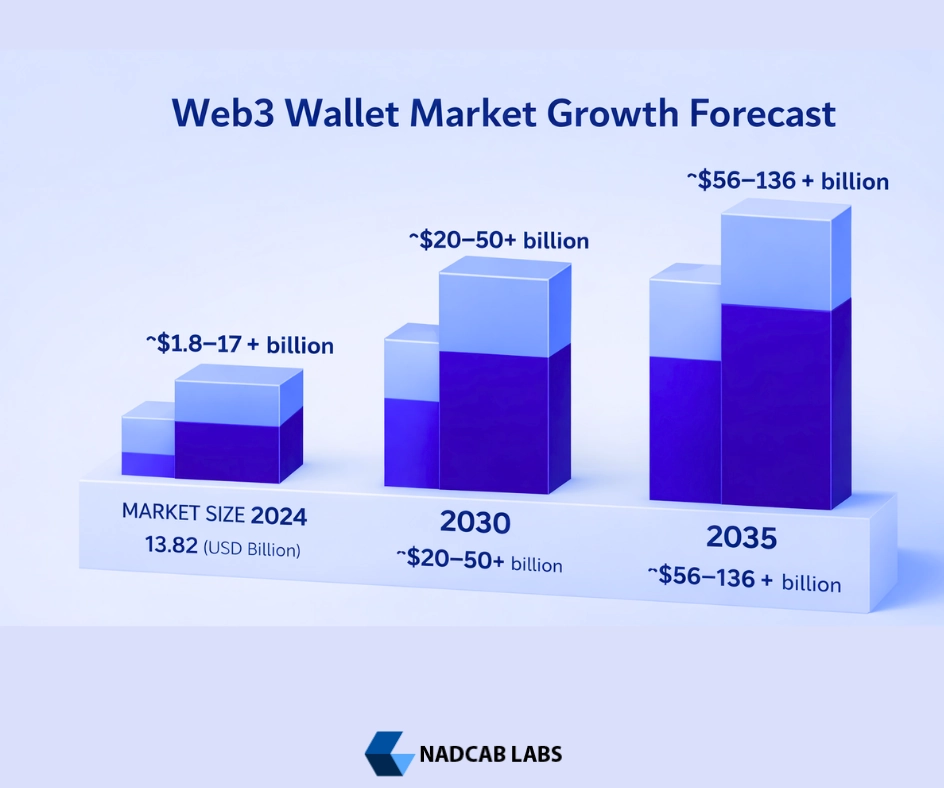
These projections reflect not just increased transactional usage but also the integration of wallets with broader digital ecosystems, ranging from decentralized identity to embedded services in Web2 platforms.
By 2035, wallets are expected to be present not only in financial interactions but also as digital identity systems, secure login mechanisms, and gateways to decentralized social and governance platforms. Wallets that offer seamless cross‑chain support, biometric security, and integrated digital identity features will likely dominate user preference and market share.
Challenges Ahead for Web3 Wallet growth Adoption
Despite strong growth forecasts, several challenges remain. Regulatory uncertainty continues to influence wallet development and institutional participation, as compliance frameworks vary widely across regions. Security concerns, although mitigated through technological advances, still represent a significant barrier for many potential users.
Additionally, wallet fragmentation where users hold multiple wallets across different chains and web3 applications can complicate the user experience and limit long‑term adoption. Addressing these challenges will require continued innovation in wallet design, stronger security protocols, and clearer regulatory paths that balance user protection with technological advancement.
Build My Crypto wallet Now!
Turn your dream into reality with a powerful, secure crypto wallet built just for you. Start building now and watch your idea come alive!
Wallets at the Core of the Web3 Future
The journey of Web3 Wallet Growth and Trends Across DeFi, NFTs, and Gaming reveals a remarkable evolution of digital tools from simple cryptographic storage to foundational elements of decentralized life. Wallets are not only keeping digital assets secure; they are enabling financial freedom, digital ownership, and interactive economies across gaming, art, and decentralized finance.
From hundreds of millions of users in 2025 to projections forecasting billions of wallets by 2035, this technology is steadily becoming embedded into everyday digital experiences. With continued innovation in user experience, security, and cross‑chain interoperability, wallets are poised to remain at the heart of the Web3 revolution guiding individuals, communities and businesses into a new decentralized era.
Frequently Asked Questions (FAQs)
Q1.What is driving web3 wallet growth globally?
Web3 wallet growth is being driven by increasing participation in decentralized finance, NFTs, and blockchain gaming. As users seek greater control over digital assets and identities, wallets have become essential tools for interacting with decentralized applications, accelerating global adoption.
Q2.How fast is web3 wallet adoption increasing?
Web3 wallet adoption is growing rapidly, with hundreds of millions of active users worldwide. The expansion of mobile-friendly wallets, simplified onboarding, and real-world use cases such as payments, gaming, and digital identity are contributing to this accelerated adoption.
Q3.What are the most important web3 wallet trends in 2025?
Key web3 wallet trends include the rise of smart contract wallets, account abstraction, embedded wallets within applications, and improved cross-chain compatibility. These trends are making wallets more user-friendly and accessible to non-technical users.
Q4.How does DeFi contribute to web3 wallet growth?
Decentralized finance platforms require users to connect Web3 wallets to access lending, trading, and yield opportunities. This direct dependency makes DeFi one of the strongest drivers of web3 wallet growth and ongoing wallet usage.
Q5.Why are NFTs important for web3 wallet adoption?
NFTs expand web3 wallet adoption beyond financial transactions by enabling digital ownership of art, collectibles, and in-game assets. Wallets act as vaults for NFTs, making them central to identity, creativity, and community participation.
Q6.How is blockchain gaming influencing web3 wallet trends?
Blockchain gaming is shaping web3 wallet trends by turning wallets into player accounts that store in-game assets, rewards, and identities. This leads to higher daily wallet activity and stronger user engagement compared to passive crypto holding.
Q7.Are Web3 wallets only used for cryptocurrency storage?
No, modern Web3 wallets support much more than asset storage. They enable identity verification, governance participation, NFT ownership, and access to decentralized applications, which is a major factor behind rising web3 wallet adoption.
Q8.What role do institutions play in web3 wallet growth?
Institutions are contributing significantly to web3 wallet growth by adopting enterprise-grade wallets for custody, compliance and blockchain-based services. Their participation signals growing trust and long-term stability in the Web3 ecosystem.
Q9.What challenges could slow web3 wallet adoption?
Security concerns, regulatory uncertainty, and fragmented user experiences can slow web3 wallet adoption. However, ongoing innovations in usability, security, and regulatory clarity are helping overcome these barriers.
Q10.What is the future outlook for web3 wallet growth and trends?
The future of web3 wallet growth looks strong, with wallets expected to become core digital identity tools and gateways to decentralized services. Emerging web3 wallet trends point toward seamless onboarding, cross-chain functionality, and mainstream integration by 2035.
Explore Services
Related Services
Reviewed by

Aman Vaths
Founder of Nadcab Labs
Aman Vaths is the Founder & CTO of Nadcab Labs, a global digital engineering company delivering enterprise-grade solutions across AI, Web3, Blockchain, Big Data, Cloud, Cybersecurity, and Modern Application Development. With deep technical leadership and product innovation experience, Aman has positioned Nadcab Labs as one of the most advanced engineering companies driving the next era of intelligent, secure, and scalable software systems. Under his leadership, Nadcab Labs has built 2,000+ global projects across sectors including fintech, banking, healthcare, real estate, logistics, gaming, manufacturing, and next-generation DePIN networks. Aman’s strength lies in architecting high-performance systems, end-to-end platform engineering, and designing enterprise solutions that operate at global scale.