Ai Overview
The intersection of Web3 technologies and Internet of Things ecosystems represents one of the most transformative shifts in how connected devices communicate, transact, and operate autonomously. Organizations implementing Web3 IoT solutions report significant improvements in data security, operational efficiency, and cost structures compared to legacy systems.
Key Takeaways
- Web3-enabled IoT networks eliminate centralized control points, creating autonomous device ecosystems that enhance security, transparency, and operational efficiency across industries.
- Blockchain integration provides IoT devices with cryptographic identities and immutable transaction records, significantly reducing vulnerabilities associated with traditional centralized architectures.
- Smart contracts automate device-to-device interactions and enable self-executing agreements, reducing operational costs and eliminating intermediaries in IoT ecosystems.
- Decentralized IoT platforms allow device owners to maintain complete data sovereignty while participating in transparent marketplaces for sensor information and services.
- Web3 IoT integration faces challenges including computational constraints, energy consumption concerns, and the need for standardized interoperability protocols across heterogeneous networks.
- Smart cities, supply chain management, and healthcare sectors demonstrate the most compelling real-world applications of Web3-enabled IoT networks today.
- The convergence of edge computing, artificial intelligence, and Web3 protocols will drive the next generation of intelligent, autonomous IoT networks.
- Markets in the USA, UK, UAE, and Canada are leading adoption of Web3 IoT platforms, driven by regulatory clarity and enterprise investment.
- Organizations implementing Web3 in IoT report improved data privacy, reduced infrastructure costs, and enhanced system resilience compared to legacy centralized approaches.
- Future Web3 IoT innovation will focus on cross-chain interoperability, layer-2 scaling solutions, and integration with emerging 5G and satellite connectivity infrastructure.
Introduction to Web3 and IoT Convergence
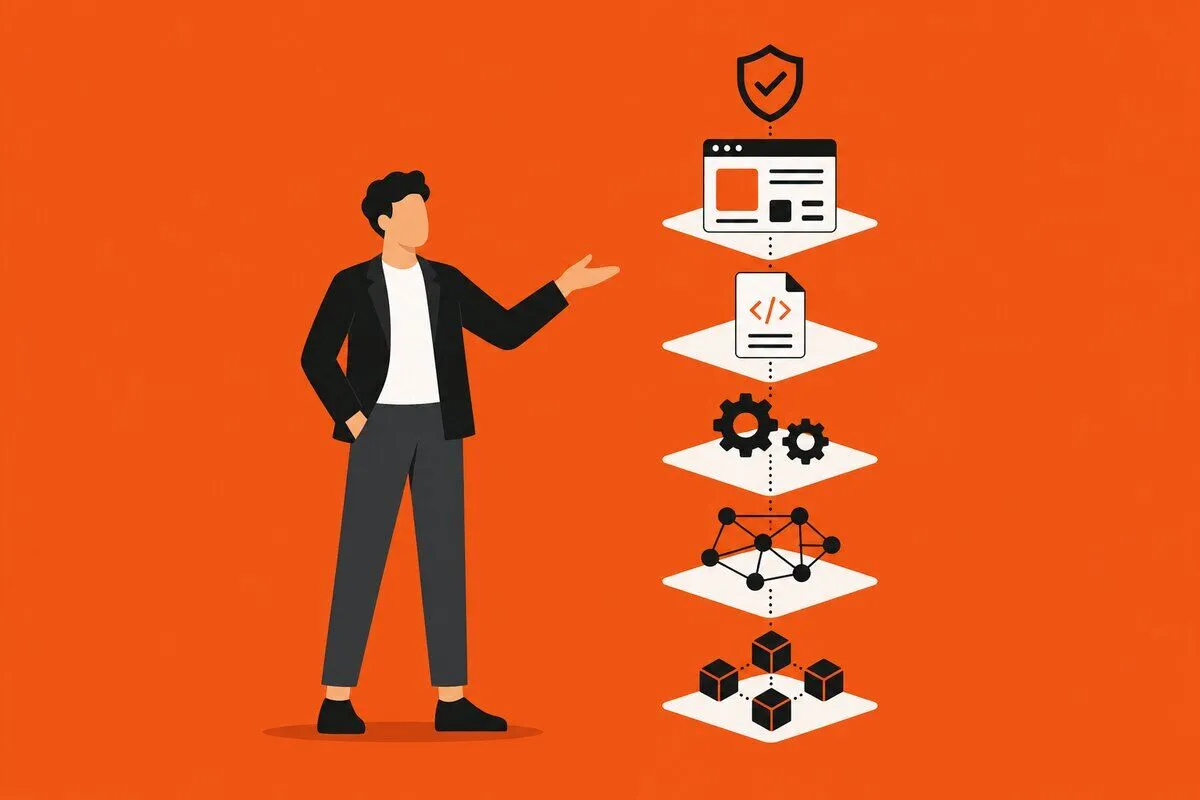
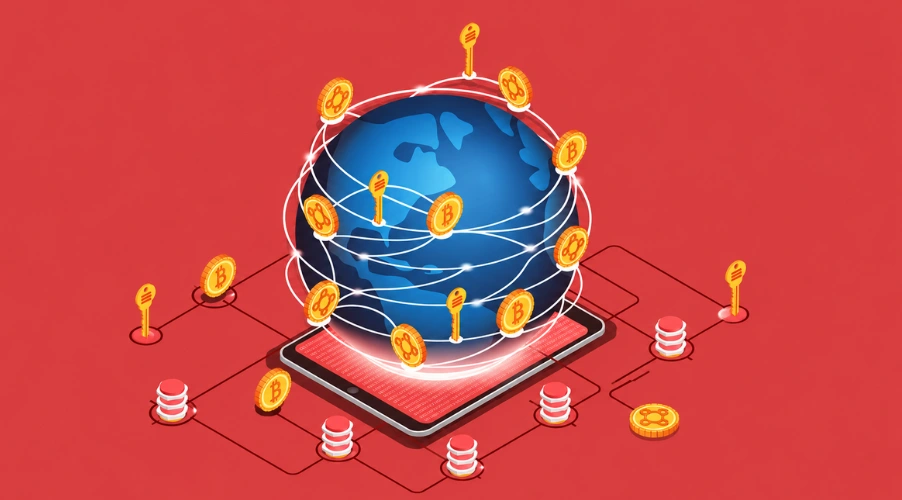
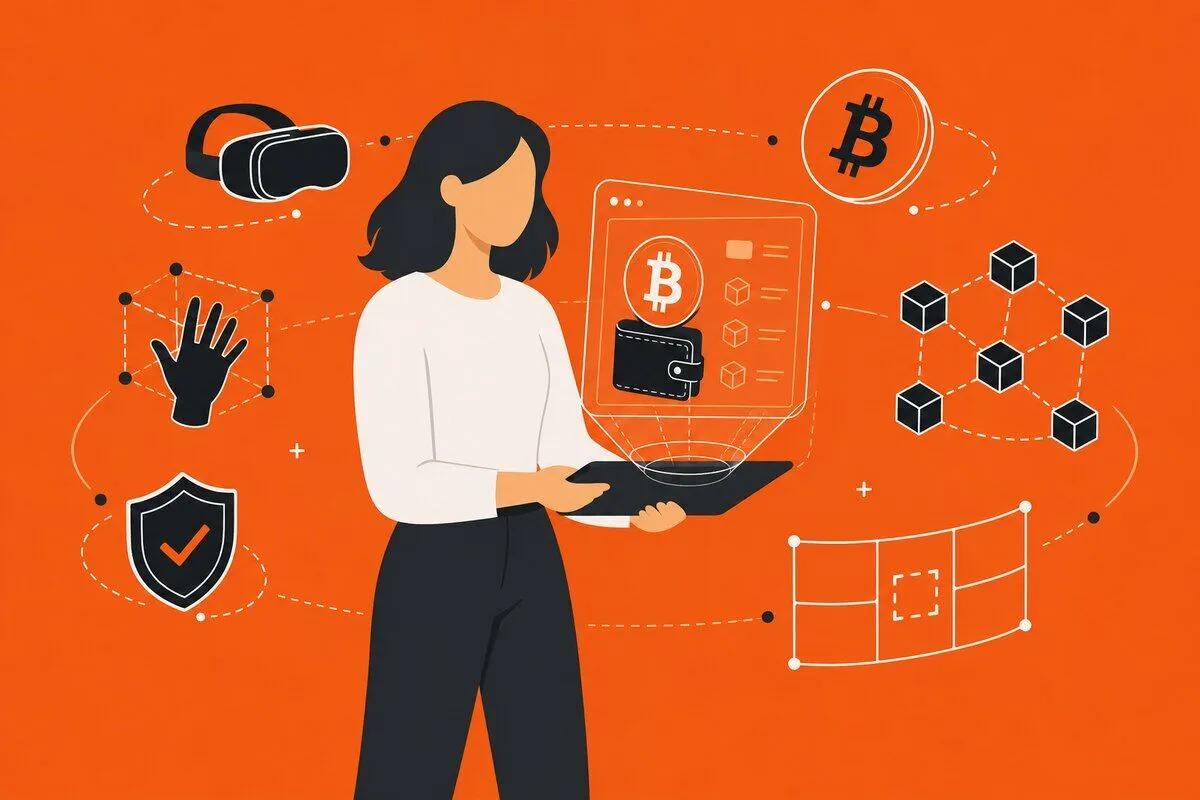
The intersection of Web3 technologies and Internet of Things ecosystems represents one of the most transformative shifts in how connected devices communicate, transact, and operate autonomously. As organizations across the USA, UK, UAE, and Canada seek to overcome limitations inherent in centralized IoT architectures, the integration of blockchain protocols, decentralized storage, and smart contract automation offers compelling solutions to longstanding challenges. This convergence enables device networks to function without single points of failure while maintaining verifiable records of all interactions through distributed ledgers. The evolution from centralized cloud-based IoT platforms to decentralized, Web3-enabled networks fundamentally changes the economics of device ownership, data monetization, and system security. Understanding this technological synergy requires examining both foundational concepts and their practical implications for enterprises implementing next-generation connected infrastructure.
What is Web3?
Web3 represents the third evolution of internet architecture, transitioning from static web pages to interactive platforms and now to decentralized, user-owned networks built on blockchain technology. Unlike Web2 platforms controlled by centralized corporations, Web3 distributes power across network participants through cryptographic protocols and consensus mechanisms. This paradigm shift enables users to own their data, verify transactions without intermediaries, and participate in governance through tokenized voting systems. The technical foundation rests on distributed ledger technology, peer-to-peer networking, and cryptographic security that ensures transparency while protecting privacy. Smart contracts execute predetermined logic autonomously, creating trustless environments where agreements self-enforce based on coded conditions rather than relying on third-party verification. For IoT applications, these characteristics translate into device networks that operate independently, maintain data integrity, and execute transactions without human intervention or centralized oversight.
Understanding IoT Ecosystems
Internet of Things ecosystems comprise interconnected physical devices embedded with sensors, actuators, and network connectivity that collect and exchange data to automate processes and inform decision-making. Traditional IoT architectures rely on centralized cloud platforms where devices transmit information to remote servers for processing, storage, and analysis before receiving instructions. This hub-and-spoke model creates dependencies on proprietary platforms, raises privacy concerns about data collection, and introduces latency in time-sensitive applications. Modern IoT networks span industrial manufacturing, smart home automation, agricultural monitoring, healthcare devices, and urban infrastructure management. The proliferation of connected devices has created massive data streams requiring robust security, efficient processing, and reliable communication protocols. However, centralized control points represent vulnerabilities to cyberattacks, service disruptions, and vendor lock-in that limit innovation. As IoT deployments scale to billions of devices, the limitations of traditional architectures become increasingly apparent, driving interest in decentralized alternatives that Web3 technologies enable.
Why Web3 and IoT Work Better Together?
The synergy between Web3 protocols and IoT networks addresses fundamental weaknesses in both technologies while amplifying their respective strengths. Web3 provides IoT with decentralized infrastructure that eliminates single points of failure, reduces reliance on proprietary platforms, and enables direct peer-to-peer device communication. Blockchain’s immutable ledgers create auditable records of device interactions, enhancing accountability and trust in automated systems. Conversely, IoT devices generate the real-world data streams that give blockchain applications practical utility beyond purely digital transactions. Smart contracts gain operational relevance when connected to physical sensors that trigger automated actions based on measurable conditions. The combination enables new economic models where devices autonomously participate in marketplaces, selling excess capacity or purchasing services without human intermediaries. Cryptographic identities protect device authentication while distributed storage ensures data availability without centralized control. Together, these technologies create resilient, autonomous networks capable of self-organization, self-optimization, and self-healing, representing a fundamental advancement over traditional centralized IoT architectures that struggle with scalability, security, and interoperability challenges.
How Web3 is Transforming IoT Networks?
Web3 technologies fundamentally restructure IoT network architecture by replacing centralized coordination with distributed consensus mechanisms and autonomous device interactions. This transformation manifests across multiple dimensions including network topology, data ownership models, security paradigms, and economic incentive structures. Decentralized networks eliminate the need for trusted intermediaries to validate transactions or coordinate device behavior, instead relying on cryptographic proofs and consensus algorithms. Smart contracts automate complex workflows that previously required manual intervention or centralized orchestration, enabling devices to negotiate agreements, execute transactions, and resolve disputes independently. The shift from cloud-centric to edge-focused processing reduces latency while improving privacy by keeping sensitive data localized. Tokenization creates new mechanisms for incentivizing network participation, rewarding device owners for contributing computational resources or valuable data. These architectural changes enable IoT networks to scale more efficiently, operate more securely, and deliver greater value to participants compared to legacy centralized approaches.
Decentralized IoT Networks Explained
Decentralized IoT networks distribute control and data processing across multiple nodes rather than concentrating authority in centralized servers or cloud platforms. Each device maintains its own cryptographic identity verified through blockchain consensus, eliminating the need for centralized authentication authorities. Communication occurs peer-to-peer through distributed protocols, with devices discovering and connecting to each other without intermediary coordination. Data storage utilizes distributed file systems like IPFS where information fragments across multiple nodes, ensuring availability even if individual nodes fail. This architecture provides inherent resilience since no single point of failure can compromise the entire network. Device owners retain sovereignty over their data, deciding what information to share and under what conditions through programmable smart contracts. The decentralized model also enables new business models where device capacity becomes tradeable assets in autonomous marketplaces. For enterprises in the USA and UK implementing large-scale IoT deployments, decentralization reduces infrastructure costs while improving system reliability and regulatory compliance around data protection.
Enhancing IoT Security with Blockchain
Blockchain technology addresses critical security vulnerabilities plaguing traditional IoT networks through cryptographic verification, immutable audit trails, and elimination of centralized attack vectors. Each device possesses unique cryptographic keys that prove identity during network interactions, making impersonation attacks exponentially more difficult. All device communications and transactions record on distributed ledgers where tampering becomes immediately detectable through consensus verification. The decentralized architecture removes single points of compromise that hackers target in centralized systems, requiring attackers to simultaneously breach majority network nodes to manipulate data. Smart contracts enforce security policies consistently across all devices, preventing human errors that often create vulnerabilities in manual configuration processes. Distributed denial-of-service attacks become less effective when network resources distribute across many nodes rather than concentrating on centralized servers. For critical infrastructure in sectors like energy distribution and healthcare monitoring, blockchain-enhanced security provides the robustness necessary for protecting sensitive operations and patient data while maintaining regulatory compliance in jurisdictions like the UAE and Canada.
Smart Contracts in IoT Automation
Smart contracts revolutionize IoT automation by embedding business logic directly into blockchain protocols that execute automatically when predefined conditions are met by sensor data. These self-executing agreements eliminate intermediaries in device-to-device transactions, reducing costs and latency while increasing reliability. A temperature sensor detecting freezer malfunction can automatically trigger smart contracts that alert maintenance teams, order replacement parts, and compensate customers for spoiled products without human intervention. Supply chain applications use smart contracts to release payments automatically when GPS sensors confirm delivery to specified locations, eliminating disputes over shipment completion. Energy management systems employ contracts that optimize building climate control based on occupancy sensors and weather forecasts while automatically purchasing electricity when prices fall below thresholds. The programmable nature allows complex conditional logic that adapts to multiple variables simultaneously, creating responsive systems that continuously optimize performance. Immutability ensures contract terms remain unchanged after deployment, providing predictable behavior that builds confidence in automated operations for enterprises managing critical infrastructure across international markets.
Web3 IoT Integration Implementation Steps
Device Identity Management
- Generate unique cryptographic key pairs for each IoT device
- Register device identities on blockchain networks
- Implement secure key storage mechanisms within device firmware
- Establish identity verification protocols for network authentication
Smart Contract Deployment
- Design contract logic defining device interactions and transactions
- Deploy contracts to appropriate blockchain networks
- Configure contract parameters for specific use cases
- Test contract execution under various operational scenarios
Network Integration
- Connect devices to decentralized communication protocols
- Implement data routing through distributed storage systems
- Establish consensus mechanisms for network coordination
- Monitor network performance and optimize configurations
Key Benefits of Web3-Enabled IoT
The integration of Web3 technologies into IoT ecosystems delivers measurable advantages that address fundamental limitations of centralized architectures while creating new opportunities for innovation and value creation. Organizations implementing Web3 IoT solutions report significant improvements in data security, operational efficiency, and cost structures compared to legacy systems. Enhanced privacy protections satisfy increasingly stringent regulatory requirements in markets like the UK and Canada while empowering end users with control over personal information. Transparent, verifiable transactions build trust between parties who lack established relationships, enabling new forms of collaboration and commerce. Elimination of intermediaries reduces transaction costs and settlement times, improving economic viability of microtransactions between devices. The resilient, distributed architecture ensures continuous operation even during network disruptions or component failures, critical for applications requiring high availability. These benefits compound as networks scale, creating positive network effects that increase value for all participants as adoption grows.
Improved Data Privacy and Ownership
Web3 IoT networks fundamentally restructure data ownership by giving device operators complete control over what information they share, with whom, and under what conditions. Unlike centralized platforms where user data becomes corporate assets, decentralized systems maintain data sovereignty at the edge with cryptographic access controls. Smart contracts programmatically enforce privacy preferences, ensuring data sharing occurs only when predetermined conditions are met and compensation is received. Zero-knowledge proofs enable verification without revealing underlying data, allowing devices to prove compliance or share insights while protecting sensitive details. Distributed storage encrypts and fragments data across multiple nodes, preventing any single entity from accessing complete information sets. For healthcare IoT devices monitoring patient vitals, this architecture satisfies HIPAA requirements while enabling secure sharing with authorized medical professionals. Enterprises in privacy-conscious markets appreciate the alignment with GDPR and similar regulations that impose strict controls on personal data collection and usage, reducing compliance risks and potential penalties.
Transparent and Trustless Communication
Blockchain-based IoT networks eliminate the need for trusted third parties to verify device communications or validate transactions, replacing trust with cryptographic proof and transparent verification mechanisms. All interactions record on immutable ledgers visible to authorized network participants, creating accountability that deters malicious behavior. Consensus algorithms ensure agreement on transaction validity without requiring participants to trust each other’s honesty or competence. This trustless architecture enables collaboration between organizations with competing interests or no prior relationship, expanding possibilities for data sharing and resource pooling. Supply chain applications demonstrate particular value where multiple independent entities must coordinate without centralized oversight. A pharmaceutical company can verify that temperature-controlled shipments maintained proper conditions throughout transport by checking blockchain records from refrigeration unit sensors, trusting the cryptographic proofs rather than shipper attestations. The transparency also facilitates audits and compliance verification, with regulators able to inspect immutable records without requiring access to centralized databases that create privacy and security concerns.
Reduced Operational Costs
Web3-enabled IoT networks deliver substantial cost reductions through elimination of intermediaries, automation of manual processes, and optimization of resource utilization. Organizations no longer pay subscription fees to centralized cloud platforms for data storage and processing, instead leveraging distributed networks where costs distribute among participants. Smart contract automation reduces labor expenses associated with monitoring systems, processing transactions, and coordinating device behavior. The peer-to-peer architecture eliminates markup fees charged by intermediaries facilitating device communications or data exchanges. Energy consumption decreases when edge processing handles routine tasks locally rather than transmitting all data to distant cloud servers. Maintenance costs decline as decentralized systems prove more resilient to failures, with automatic failover mechanisms preventing expensive downtime. For enterprises operating thousands of IoT devices, these savings compound significantly. A logistics company deploying Web3 IoT platforms for fleet management in the USA reported thirty percent reduction in operational expenses within the first year, primarily from automated route optimization, predictive maintenance, and elimination of manual tracking processes that smart contracts now handle autonomously.
Real-World Use Cases of Web3 in IoT
The practical applications of Web3-enabled IoT networks extend across diverse industries where decentralization, transparency, and automation deliver measurable improvements over traditional approaches. Early adopters in the USA, UK, UAE, and Canada demonstrate compelling return on investment through reduced costs, enhanced security, and new revenue opportunities. Smart city initiatives leverage Web3 IoT platforms to optimize traffic flow, reduce energy consumption, and improve citizen services while protecting privacy. Supply chain operators achieve unprecedented visibility into product journeys from manufacture to consumer, reducing fraud and improving quality control. Healthcare providers deploy remote monitoring devices that maintain patient data sovereignty while enabling secure sharing with authorized medical professionals. Energy sector participants create peer-to-peer trading markets where households with solar installations sell excess production directly to neighbors through automated smart contracts. These implementations validate the technological maturity of Web3 IoT integration while revealing best practices and common pitfalls that inform future deployments across additional sectors and use cases.
Smart Cities and Infrastructure
Web3-enabled IoT platforms transform urban infrastructure management by creating transparent, efficient systems for traffic control, waste management, energy distribution, and public safety. Cities implementing decentralized IoT networks achieve coordination across multiple independent entities without requiring centralized control that raises privacy concerns. Traffic sensors record vehicle flows on blockchain ledgers, enabling real-time optimization of signal timing while creating auditable records for urban planning. Smart streetlights adjust brightness based on pedestrian activity detected by IoT sensors, reducing energy consumption while maintaining safety, with usage data stored on distributed networks rather than municipal databases. Waste collection optimizes routes using fill-level sensors in public bins that trigger smart contracts dispatching trucks only when necessary, cutting fuel costs and emissions. Dubai’s smart city initiatives leverage Web3 IoT for building management systems where environmental sensors automatically adjust climate control, lighting, and security based on occupancy patterns while maintaining tenant data privacy through encrypted distributed storage. The decentralized architecture enables rapid deployment of new services without extensive integration with existing municipal systems, accelerating innovation in urban services.
Supply Chain and Logistics
Supply chain management represents one of the most mature Web3 IoT applications, with blockchain-connected sensors providing end-to-end visibility and verification throughout product journeys. Temperature-sensitive pharmaceuticals travel with IoT devices that continuously log environmental conditions to blockchain ledgers, creating tamper-proof records proving compliance with cold chain requirements. GPS trackers on shipping containers update location data that triggers smart contracts releasing payments upon delivery confirmation, eliminating disputes and accelerating settlements. Agricultural exporters use Web3 IoT to verify organic certification by recording soil quality, pesticide application, and handling procedures at every stage from farm to retail. Luxury goods manufacturers combat counterfeiting by embedding NFC chips in products that interact with blockchain registries, allowing consumers to verify authenticity while retailers track inventory without centralized databases. A major UK logistics provider reported forty percent reduction in cargo insurance premiums after implementing Web3 IoT tracking that provides insurers with verifiable proof of proper handling, demonstrating the economic value of transparent, auditable supply chains enabled by decentralized technologies.
Healthcare and Remote Monitoring
Healthcare providers deploy Web3 IoT devices for patient monitoring that maintain data sovereignty while enabling secure sharing with authorized medical professionals, addressing stringent privacy regulations and patient concerns. Wearable devices tracking vital signs store encrypted data on distributed networks where only patients and their designated physicians possess decryption keys. Smart contracts automate alert protocols when sensors detect dangerous conditions like irregular heartbeats or blood sugar levels, notifying emergency contacts and dispatching medical assistance without human intervention. Pharmaceutical compliance improves through smart pill bottles that record medication adherence on blockchain ledgers, providing doctors with reliable information while maintaining patient privacy. Remote surgery applications use Web3 IoT to ensure surgical robot commands remain tamper-proof and verifiable, creating audit trails for quality assurance and liability purposes. Canadian telemedicine providers leverage decentralized IoT platforms to extend care to remote communities where reliable internet connectivity remains challenging, with edge processing enabling local operation and periodic synchronization when connectivity permits, ensuring continuous care regardless of network conditions.
Limitations and Challenges
Despite compelling advantages, Web3 IoT integration confronts significant technical, economic, and organizational challenges that temper adoption rates and limit deployment scenarios. The computational demands of blockchain operations exceed the processing capabilities of many existing IoT devices, requiring hardware upgrades that increase implementation costs. Energy consumption associated with certain consensus mechanisms conflicts with power constraints common in battery-operated sensors and remote deployments. Lack of standardized protocols creates interoperability problems when devices from different manufacturers attempt to communicate across heterogeneous blockchain networks. Transaction fees on public blockchains make microtransactions between devices economically unfeasible for high-frequency data exchanges. Regulatory uncertainty around decentralized systems creates compliance concerns for enterprises operating in heavily regulated industries. Organizations must carefully evaluate these limitations against potential benefits when determining whether Web3 IoT platforms suit their specific requirements, often finding hybrid approaches that combine decentralized and traditional architectures deliver optimal results during transition periods.
Infrastructure Requirements
Web3 IoT deployment requires substantial infrastructure investments that exceed traditional centralized IoT implementations, creating barriers for organizations with limited technical resources or capital budgets. Devices need sufficient processing power to generate cryptographic signatures, verify blockchain transactions, and execute smart contract logic, necessitating more capable hardware than simple sensors transmitting data to cloud platforms. Network bandwidth requirements increase when devices maintain peer-to-peer connections and synchronize distributed ledgers rather than communicating through efficient centralized hubs. Organizations must operate blockchain nodes or pay service providers for node access, adding ongoing operational expenses. Distributed storage systems require redundant capacity across multiple locations to ensure data availability, increasing storage costs compared to centralized databases. Development teams need specialized expertise in blockchain protocols, cryptography, and distributed systems that command premium salaries in competitive labor markets. These infrastructure demands disproportionately impact smaller organizations and resource-constrained deployments in developing markets, potentially exacerbating digital divides if not addressed through accessible platforms and affordable entry points.
Interoperability Issues
The absence of universal standards for Web3 IoT integration creates fragmentation where devices using different blockchain protocols cannot communicate effectively, limiting network effects and creating vendor lock-in risks. Each blockchain network implements unique consensus mechanisms, transaction formats, and smart contract languages that require specific integration approaches. IoT devices designed for one blockchain ecosystem cannot easily migrate to alternatives if business requirements change or better technologies emerge. Cross-chain communication protocols remain immature, with limited support for atomic transactions spanning multiple blockchain networks. Legacy IoT devices lack the capability to integrate with Web3 systems without gateway devices that translate between traditional and decentralized protocols, adding complexity and potential points of failure. Industry consortia working on standardization face challenges achieving consensus among competing interests with different technical approaches and business models. Organizations deploying Web3 IoT platforms in the USA and Canada increasingly demand interoperability guarantees before committing to specific technologies, driving development of abstraction layers and multi-chain architectures that accommodate diverse blockchain ecosystems while maintaining functional coherence.
Cost and Implementation Barriers
The total cost of Web3 IoT ownership includes hardware upgrades, software licenses, blockchain transaction fees, specialized personnel, and extended implementation timelines that challenge traditional return-on-investment calculations. Organizations must replace or retrofit existing IoT devices with more capable hardware supporting cryptographic operations and blockchain connectivity, representing significant capital expenditure. Transaction fees on public blockchains can exceed the value transferred in microtransactions between devices, making some use cases economically unfeasible without layer-2 scaling solutions. Development costs multiply when teams lack blockchain expertise, requiring extended learning curves or expensive consultants to design and deploy smart contracts correctly. Testing and auditing demands increase due to the immutability of deployed smart contracts where bugs cannot be simply patched like traditional software. Integration with existing enterprise systems requires custom middleware and API development that extends project timelines beyond initial estimates. These financial and temporal costs deter adoption particularly among small and medium enterprises that lack resources to experiment with emerging technologies, concentrating early implementations among well-capitalized organizations capable of absorbing higher risks and longer payback periods.
| Challenge Category | Specific Issues | Mitigation Strategies |
|---|---|---|
| Technical Complexity | Steep learning curve for blockchain protocols and cryptography | Adopt managed Web3 platforms with simplified interfaces |
| Scalability Limits | Transaction throughput insufficient for high-frequency device data | Implement layer-2 solutions and off-chain data aggregation |
| Energy Consumption | Proof-of-work consensus incompatible with battery-powered devices | Select energy-efficient proof-of-stake or DAG-based networks |
| Regulatory Uncertainty | Unclear legal status of decentralized networks in many jurisdictions | Engage legal counsel and participate in industry standardization efforts |
| Legacy Integration | Existing IoT infrastructure lacks blockchain compatibility | Deploy gateway devices and middleware for protocol translation |
Future of Web3-Driven IoT Innovation
The evolution of Web3-enabled IoT networks will accelerate as technological limitations diminish and enterprise adoption validates business models across diverse sectors. Integration with artificial intelligence and edge computing creates intelligent, autonomous device ecosystems capable of self-optimization and predictive maintenance without centralized oversight. Layer-2 scaling solutions and more efficient consensus mechanisms address current throughput and energy consumption constraints that limit deployment scenarios. Cross-chain interoperability protocols enable seamless communication between devices using different blockchain networks, eliminating fragmentation and vendor lock-in concerns. Regulatory frameworks mature as governments in the USA, UK, UAE, and Canada establish clear guidelines for decentralized systems, reducing compliance uncertainty that currently deters risk-averse enterprises. The convergence of 5G connectivity, satellite internet, and Web3 protocols extends decentralized IoT capabilities to remote locations previously underserved by traditional infrastructure. These trends combine to create conditions for exponential growth in Web3 IoT adoption, fundamentally transforming how organizations implement connected device strategies.
Role of AI and Edge Computing
Artificial intelligence integration with Web3 IoT networks enables devices to make intelligent decisions autonomously while maintaining transparency through blockchain audit trails. Machine learning models running on edge devices analyze sensor data locally, identifying patterns and anomalies without transmitting raw information to centralized servers, improving privacy and reducing bandwidth requirements. AI-powered smart contracts adapt their behavior based on historical patterns and predictive analytics, optimizing resource allocation and anticipating maintenance needs before failures occur. Federated learning allows IoT devices to collectively train AI models while keeping training data decentralized, creating shared intelligence without compromising individual privacy. Edge computing processes routine operations locally while recording significant events and decisions on blockchain ledgers, balancing performance with verifiability. These capabilities create autonomous device networks that continuously improve through experience while maintaining the transparency and accountability that Web3 protocols provide. Organizations implementing AI-enhanced Web3 IoT platforms report substantial improvements in operational efficiency and cost reduction compared to either technology deployed independently.
Growth of Decentralized IoT Platforms
The proliferation of Web3 IoT platforms creates ecosystems where devices from diverse manufacturers interoperate seamlessly through open protocols and standardized interfaces. These platforms provide the foundational infrastructure for device discovery, authentication, data exchange, and transaction settlement without vendor-specific requirements. Tokenization mechanisms incentivize network participation by rewarding device owners who contribute computational resources, bandwidth, or valuable data to the ecosystem. Data marketplaces emerge where IoT devices autonomously sell information to interested buyers through smart contracts, creating new revenue streams for device operators. Governance tokens enable platform participants to vote on protocol upgrades and operational policies, distributing control among stakeholders rather than concentrating power with platform operators. The open-source nature of many Web3 IoT platforms accelerates innovation as developers worldwide contribute improvements and extensions. Major technology firms and startups alike invest in building these platforms, recognizing that interoperability and decentralization will define competitive advantage in future IoT markets as users demand greater control over their data and devices.
Emerging Trends and Opportunities
Several emerging trends promise to accelerate Web3 IoT adoption and expand application domains beyond current implementations. Zero-knowledge proofs enable devices to verify compliance and share insights without revealing underlying data, addressing privacy concerns that limit data sharing in sensitive applications. Quantum-resistant cryptography prepares IoT networks for future computational threats that could compromise current security mechanisms. Integration with digital twin technologies creates virtual representations of physical devices that simulate scenarios and optimize configurations using blockchain-verified real-world data. Decentralized identity solutions provide portable credentials that devices carry across networks, eliminating repeated registration and authentication processes. Energy harvesting technologies combined with low-power blockchain protocols enable completely autonomous devices that operate indefinitely without battery replacement. These innovations unlock use cases previously constrained by technical limitations, driving growth in sectors like environmental monitoring, precision agriculture, and autonomous vehicles where Web3 IoT delivers unique advantages over traditional approaches. Organizations monitoring these trends position themselves to capitalize on opportunities as technologies mature and costs decline.
Final Thoughts
Web3-enabled innovation fundamentally transforms IoT networks by replacing centralized control with distributed consensus, enhancing security through cryptographic verification, and enabling autonomous device economies through smart contract automation. Organizations implementing these technologies report measurable improvements in data privacy, operational efficiency, and system resilience while creating new revenue opportunities through data monetization and service marketplaces. Real-world deployments across smart cities, supply chains, and healthcare demonstrate the practical viability of Web3 IoT integration, validating business models and revealing best practices that accelerate subsequent implementations.
The challenges of infrastructure requirements, interoperability limitations, and implementation costs require careful evaluation when assessing Web3 IoT suitability for specific applications. However, ongoing technological advances in scaling solutions, energy efficiency, and cross-chain protocols address current limitations while expanding viable use cases. The convergence with artificial intelligence, edge computing, and emerging connectivity standards positions Web3 IoT networks as foundational infrastructure for the next generation of autonomous, intelligent device ecosystems. Organizations in the USA, UK, UAE, and Canada that develop expertise in these technologies gain competitive advantages in markets increasingly demanding transparency, privacy protection, and decentralized control over connected infrastructure.
Ready to Transform Your IoT Infrastructure with Web3?
Partner with experienced professionals to implement secure, decentralized IoT networks that enhance privacy, reduce costs, and unlock new revenue opportunities through blockchain integration.
Frequently Asked Questions
Q1.What are Web3 platforms and how do they differ from traditional internet infrastructure?
Web3 platforms represent the third evolution of internet architecture, built on distributed ledger technology and cryptographic protocols rather than centralized servers. Unlike Web2, where data is controlled by large corporations, Web3 platforms distribute ownership, governance, and data storage across decentralized networks. This means no single company can unilaterally alter records or restrict access, making Web3 fundamentally more transparent and censorship-resistant for enterprises and individuals operating.
Q2.How does Web3 IoT integration work in practice?
Web3 IoT integration connects physical devices to blockchain networks through middleware layers called oracles, which translate real-world sensor data into on-chain transactions. Devices can authenticate one another via cryptographic identities, execute smart contracts automatically based on sensor triggers, and store critical event records immutably on distributed ledgers. In practice, this means a temperature sensor can automatically trigger an insurance payout when a threshold is breached without any human involvement, all governed by transparent, pre-agreed smart contract logic.
Q3.What security advantages do decentralized IoT networks offer?
Decentralized IoT networks eliminate the single-point-of-failure vulnerability that makes centralized architectures attractive targets for cyberattacks. By distributing device data across blockchain nodes, each with cryptographic validation, attackers must compromise a majority of the network simultaneously, which is computationally and economically prohibitive. Additionally, blockchain-based device identity prevents impersonation attacks, while immutable audit logs make unauthorized data manipulation immediately detectable by any network participant with read access.
Q4.What industries benefit most from Web3 in IoT?
Supply chain and logistics, healthcare, smart city infrastructure, energy management, and industrial manufacturing benefit most from Web3 IoT platforms. These industries share common requirements: cross-party data trust without a central authority, immutable record-keeping for regulatory compliance, and automated conditional workflows that reduce manual processing overhead. Enterprises in the UK, USA, UAE, and Canada operating across organizational and jurisdictional boundaries find that Web3 IoT integration resolves persistent challenges around data sovereignty and multi-party accountability.
Q5.What are the main challenges in adopting Web3-enabled IoT networks?
The primary challenges include infrastructure readiness (legacy IoT devices often lack the computational power for blockchain interactions), interoperability between competing blockchain protocols and IoT standards, upfront architectural redesign costs, and evolving regulatory frameworks around distributed data storage. However, these challenges are mitigated by phased adoption strategies, edge computing proxy architectures for legacy devices, Blockchain-as-a-Service platforms that reduce infrastructure costs, and working with experienced Web3 IoT integration specialists from the outset.
Q6.How do smart contracts enhance IoT automation?
Smart contracts replace manual, human-mediated workflows in IoT systems by executing predefined actions automatically when sensor-verified conditions are met. For example, a logistics IoT network can use smart contracts to release payment to a supplier the moment GPS data confirms goods have been delivered to the agreed location, with temperature compliance verified throughout transit. This eliminates invoice disputes, reduces payment cycles from weeks to minutes, and creates a tamper-proof record of all transaction conditions without requiring any party to trust the others.
Explore Services
Related Services
Reviewed by

Aman Vaths
Founder of Nadcab Labs
Aman Vaths is the Founder & CTO of Nadcab Labs, a global digital engineering company delivering enterprise-grade solutions across AI, Web3, Blockchain, Big Data, Cloud, Cybersecurity, and Modern Application Development. With deep technical leadership and product innovation experience, Aman has positioned Nadcab Labs as one of the most advanced engineering companies driving the next era of intelligent, secure, and scalable software systems. Under his leadership, Nadcab Labs has built 2,000+ global projects across sectors including fintech, banking, healthcare, real estate, logistics, gaming, manufacturing, and next-generation DePIN networks. Aman’s strength lies in architecting high-performance systems, end-to-end platform engineering, and designing enterprise solutions that operate at global scale.