Ai Overview
✓ NFT wallet use cases now span gaming, real estate, DeFi, supply chain, and entertainment across the USA, UK, and UAE markets. ✓ Multi-chain NFT wallets enable users to manage assets across Ethereum, Solana, and Polygon from a single unified interface. For organizations building NFT wallet solutions, supporting the top five or six chains covers over 95% of the active NFT market.
★
Key Takeaways
- ✓NFT wallet use cases now span gaming, real estate, DeFi, supply chain, and entertainment across the USA, UK, and UAE markets.
- ✓Multi-chain NFT wallets enable users to manage assets across Ethereum, Solana, and Polygon from a single unified interface.
- ✓Play-to-earn gaming economies depend on NFT wallets for storing in-game characters, weapons, skins, and virtual land assets.
- ✓Tokenized real estate deeds stored in NFT wallets are transforming property ownership verification in Canada and Dubai.
- ✓DeFi protocols leverage NFT wallets for collateralized lending, fractional ownership, staking, and yield generation strategies effectively.
- ✓Entertainment and media industries use NFT wallets to manage music royalties, exclusive fan content, and event ticketing systems.
- ✓Enterprise supply chain applications rely on NFT wallets for product authenticity verification and digital certificate management globally.
- ✓Security best practices for NFT wallets include hardware integration, multi-signature approval, biometric authentication, and encrypted backups.
- ✓Regulatory compliance varies significantly across the USA, UK, UAE, and Canada, requiring region-specific wallet configuration approaches.
- ✓Future NFT wallets will integrate AI-powered asset management, Web3 identity, and seamless cross-chain interoperability for all users.
1. Introduction to NFT Wallets
The digital asset landscape has experienced a profound transformation over the past several years, and NFT wallets have emerged as one of the most critical pieces of infrastructure powering this shift. As an agency with over eight years of hands-on experience building blockchain solutions for clients across the USA, UK, UAE (Dubai), and Canada, we have witnessed firsthand how NFT wallet use cases have evolved from simple collectible storage into comprehensive platforms that serve industries ranging from real estate to healthcare. An NFT wallet, at its core, is a digital application that enables users to securely store, manage, send, and receive non-fungible tokens. These wallets interact with blockchain networks through smart contract protocols, ensuring that every transaction is verifiable, transparent, and immutable.
Unlike traditional cryptocurrency wallets that focus primarily on fungible tokens like Bitcoin or Ethereum, NFT wallets are designed to handle unique, indivisible assets. Each NFT carries distinct metadata, provenance history, and ownership records that demand specialized wallet architecture. In markets like the UAE and Canada, where regulatory frameworks are rapidly maturing, NFT wallets are being designed with compliance features that meet regional requirements. The expanding scope of NFT wallet use cases signals a fundamental shift in how individuals and organizations manage digital ownership, making these tools indispensable for anyone participating in the Web3 economy.[1]
What an NFT Wallet Is and How It Works
An NFT wallet functions as a secure gateway between the user and the blockchain. It does not physically store NFTs on the device itself; rather, it stores the cryptographic private keys that prove ownership of tokens recorded on the distributed ledger. When a user purchases or receives an NFT, the blockchain ledger updates to reflect the new ownership, and the wallet provides an interface to view, transfer, or interact with that asset. This architecture ensures that even if a wallet application is compromised, the underlying assets remain on the blockchain, recoverable through seed phrases or backup mechanisms.
The operational mechanics involve public-private key cryptography. The public key serves as the wallet address that others can use to send NFTs, while the private key remains secret and is used to authorize outgoing transactions. In the USA and UK, where institutional adoption is growing, custodial wallets managed by regulated entities are becoming popular alongside self-custodial options. Understanding this fundamental architecture is essential because it underpins every NFT wallet use case, from simple art collection to complex DeFi integrations. The reliability and security of this system have made NFT wallets a trusted standard across global markets.
Also Read: Cryptocurrency Wallet Explained
Why NFT Wallet Use Cases Are Expanding Beyond Collectibles
When NFTs first gained mainstream attention, the conversation centered almost exclusively around digital art and collectible trading cards. However, the industry has matured significantly, and NFT wallet use cases now extend into virtually every sector of the digital economy. The reason for this expansion is straightforward: NFTs represent verifiable, unique digital ownership, and virtually any asset that benefits from proof of authenticity or provenance can be tokenized. From property deeds in Dubai to music royalties in the UK, the applications are vast and growing.
Several converging factors are driving this expansion. First, blockchain infrastructure has become more scalable and cost-effective, with Layer 2 solutions and alternative chains reducing gas fees that once made small-value NFT transactions impractical. Second, regulatory clarity in markets like Canada and the UAE has given institutional players the confidence to explore tokenization. Third, consumer awareness of digital ownership rights has grown substantially, creating demand for wallets that serve more than just collectors. Our experience building solutions for enterprise clients confirms that organizations now view NFT wallets as operational tools, not just novelties. The shift from speculative collectibles to utility-driven applications represents one of the most important trends in the Web3 space today.
Market Maturation
Infrastructure Advancement
- • Layer 2 scaling reduced transaction costs by 90%+
- • Cross-chain bridges enable multi-network wallet usage
- • Improved UX lowering technical barriers for adoption
Regulatory Clarity
Compliance Frameworks
- • UAE VARA framework enables institutional NFT adoption
- • Canadian OSC guidelines provide tokenization clarity
- • UK FCA oversight building consumer trust in wallets
Enterprise Demand
Business-Grade Solutions
- • Fortune 500 companies exploring tokenized asset management
- • Supply chain NFTs require enterprise wallet infrastructure
- • Custodial solutions serving institutional investor needs
◆
Core Features of an NFT Wallet
The effectiveness of any NFT wallet depends on its feature set, and understanding these core capabilities is crucial for anyone evaluating NFT wallet use cases for personal or business applications. At the foundation, every NFT wallet must provide secure storage of non-fungible tokens, which involves not just displaying asset thumbnails but preserving the full metadata, provenance chain, and transaction history associated with each token. Modern wallets in markets like the USA and UK are expected to support rich media previews, enabling users to view high-resolution artwork, 3D models, and interactive content directly within the wallet interface.
Private key management remains the single most important feature. Whether a wallet is custodial (where a third party manages the keys) or non-custodial (where the user retains full control), the security of private keys determines the safety of all stored assets. Multi-chain compatibility has become non-negotiable, as users in Dubai and Canada frequently hold NFTs across Ethereum, Solana, Polygon, and BNB Chain. Additional essential features include transaction history tracking, marketplace integration, gas fee estimation, and support for token standards like ERC-721, ERC-1155, and SPL tokens. The best wallets also include built-in swap functionality, allowing users to trade NFTs without leaving the application.
Secure Storage of NFTs
Secure storage is the foundational promise of any NFT wallet, and the mechanisms employed vary significantly between wallet types. Hot wallets, which remain connected to the internet, offer convenience for frequent traders and active participants in NFT marketplaces. They allow instant access to assets for buying, selling, and transferring tokens. However, this connectivity introduces attack vectors that sophisticated hackers have exploited, resulting in millions of dollars in losses across the industry.
Cold storage solutions, including hardware wallets from manufacturers like Ledger and Trezor, provide offline protection that eliminates remote hacking risks. For high-value collections, combining hot and cold wallet strategies is considered industry best practice. In our work with clients across the USA and UAE, we consistently recommend a tiered storage approach: keep frequently traded NFTs in a hot wallet for liquidity, while storing valuable or irreplaceable pieces in cold storage. This hybrid strategy addresses the full spectrum of NFT wallet use cases, from active trading to long-term preservation. Encrypted cloud backups of seed phrases, stored separately from the wallet device, add another recovery layer that protects against physical loss or damage.
Also Read: 8 Best NFT Wallets
🔑
Private Keys and Ownership Control
The blockchain mantra “not your keys, not your tokens” encapsulates a fundamental truth about NFT wallet use cases. Private keys are the cryptographic credentials that grant absolute control over wallet contents. When a user signs a transaction with their private key, it creates an irreversible cryptographic proof that authorizes the transfer of ownership on the blockchain. This mechanism ensures that no central authority, government, or corporation can seize, freeze, or modify NFT ownership without the holder’s consent, a feature that resonates strongly with users in all four of our target markets.
Self-custody wallets like MetaMask, Trust Wallet, and Phantom place private key management entirely in the user’s hands. This provides maximum sovereignty but also maximum responsibility. If a private key or seed phrase is lost, there is no customer support helpline that can recover the assets. Institutional users in the UK and Canada often prefer custodial solutions from regulated providers that implement multi-signature authorization, role-based access controls, and insurance coverage. The choice between custodial and non-custodial approaches depends on the specific use case, risk tolerance, and regulatory requirements of the user. For enterprise NFT wallet use cases, multi-signature wallets requiring approval from multiple authorized parties have become the gold standard for asset protection.
Compatibility with Multiple Blockchains
The NFT ecosystem is inherently multi-chain, and wallet compatibility across multiple blockchain networks is a critical feature that determines the breadth of NFT wallet use cases a user can access. Ethereum remains the dominant chain for high-value NFT collections, but Solana has captured significant market share in the gaming and generative art sectors. Polygon offers cost-effective minting and trading, while BNB Chain and Avalanche serve specific niches in the NFT landscape. Users in the USA and Dubai, where diverse NFT marketplaces thrive, require wallets that seamlessly manage assets across all these networks.
Cross-chain interoperability is achieved through several mechanisms, including bridge protocols, wrapped tokens, and chain-abstraction layers. Leading wallets like MetaMask allow users to add custom RPC networks, while newer solutions like Phantom have expanded from Solana-only to multi-chain support. The technical challenge lies in maintaining consistent security standards across chains with different consensus mechanisms, token standards, and smart contract languages. For organizations building NFT wallet solutions, supporting the top five or six chains covers over 95% of the active NFT market. Our experience in the Canadian and UK markets confirms that multi-chain support is now a baseline expectation, not a premium feature.
Blockchain Compatibility Metrics
Also Read: TON Compatible Wallets
NFT Wallet Use Cases in Digital Art and Collectibles
Digital art remains the most recognized among NFT wallet use cases, and for good reason. The ability to store, showcase, and trade unique digital artwork through a dedicated wallet has created an entirely new economy for creators and collectors. Platforms like OpenSea, Rarible, and Foundation have facilitated billions of dollars in art transactions, all powered by NFT wallets that serve as the bridge between buyers and blockchain-verified ownership. In the USA, artists like Beeple and Pak have demonstrated the extraordinary value that digital art NFTs can command, with individual works selling for tens of millions of dollars.
Beyond storage, NFT wallets enable provenance tracking that solves one of the art world’s oldest problems: authenticity verification. Every time an NFT changes hands, the transaction is permanently recorded on the blockchain, creating an unbroken chain of ownership from the artist’s original mint to the current holder. This feature has attracted traditional art institutions in the UK and Canada that are exploring NFT-based cataloging for physical collections. Artist royalties, enforced through smart contracts, ensure that creators receive a percentage of every secondary sale, a revolutionary mechanism that traditional galleries cannot match. The sophistication of these NFT wallet use cases demonstrates how the technology has matured far beyond simple “JPEG ownership.”
🎮 NFT Wallet Applications in Gaming and Metaverse
The gaming industry represents one of the fastest-growing categories of NFT wallet use cases, driven by the rise of play-to-earn (P2E) models and immersive metaverse environments. In-game assets such as character skins, weapons, armor sets, vehicles, and virtual land are now minted as NFTs, granting players true ownership of items they acquire or earn through gameplay. This paradigm shift means that a sword earned in one game can potentially be traded on an open marketplace, used across compatible platforms, or held as a long-term investment, all managed through the player’s NFT wallet.
Games like Axie Infinity, The Sandbox, and Decentraland pioneered this model, creating thriving virtual economies where in-game NFTs carry real financial value. In Dubai and the USA, gaming studios are increasingly incorporating NFT wallet integrations to attract the growing Web3-native audience. Virtual land ownership in metaverse environments has become a particularly compelling use case, with parcels in premium virtual locations selling for hundreds of thousands of dollars. The NFT wallet serves as both the player’s inventory system and their financial interface, seamlessly connecting gameplay with economic activity. As the metaverse concept expands, the role of NFT wallets as the primary asset management tool for virtual environments will only grow more central.
Also Read: Best Wallet for Web3 Gaming Platform
NFT Wallet Use Cases in DeFi and Financial Services
Decentralized finance (DeFi) has opened a new frontier for NFT wallet use cases, transforming non-fungible tokens from passive collectibles into active financial instruments. NFT-backed lending protocols allow holders to use their NFTs as collateral to borrow cryptocurrencies, unlocking liquidity without sacrificing ownership. Platforms operating in the USA and UK enable users to deposit high-value NFTs into lending vaults and receive loans based on floor price valuations. This has created entirely new financial strategies for NFT collectors who previously had to sell assets to access capital.
Fractional NFT ownership is another transformative use case that democratizes access to high-value assets. By splitting a single NFT into thousands of fungible tokens, fractional protocols enable investors with modest budgets to own a share of premium digital art or virtual real estate. Staking mechanisms allow NFT holders to earn yield by locking their tokens in protocol-specific pools, providing rewards in governance tokens or platform revenue. In Canadian and UAE markets, financial institutions are exploring NFT wallets as the infrastructure for tokenized bonds, structured products, and insurance policies. The convergence of NFTs and DeFi is creating sophisticated financial instruments that rely entirely on wallet infrastructure for custody, execution, and settlement.
| DeFi Use Case | How NFT Wallet Is Used | Key Markets | Risk Level |
|---|---|---|---|
| NFT-Backed Lending | Collateralize NFTs to borrow crypto | USA, UK | Medium |
| Fractional Ownership | Hold fractional tokens of premium NFTs | USA, Canada | Medium-High |
| NFT Staking | Lock NFTs to earn yield rewards | Global | Medium |
| Tokenized Bonds | Store bond NFTs in compliant wallets | UK, UAE | Low |
| Insurance NFTs | Manage policy tokens via wallet | Canada, UAE | Low |
Also Read: Cryptocurrency Wallet Use Cases in DeFi
Industry Applications of NFT Wallets in Real Estate
Real estate tokenization represents one of the most transformative NFT wallet use cases currently being explored by forward-thinking markets. Dubai has positioned itself as a global leader in this space, with the Dubai Land Department actively implementing blockchain-based property registration systems. By representing property titles, lease agreements, and ownership shares as NFTs, the real estate industry can dramatically reduce the time, cost, and friction involved in property transactions. An NFT stored in a wallet serves as a legally recognized proof of ownership that can be transferred in minutes rather than weeks.
In the USA and Canada, tokenized real estate investment trusts (REITs) are enabling retail investors to purchase fractional property ownership through NFTs held in their wallets. A commercial building worth $50 million can be divided into thousands of NFT shares, each representing a proportional claim on rental income and capital appreciation. The NFT wallet in this context functions as both a property deed holder and an investment portfolio manager. Legal frameworks in the UK are evolving to accommodate these innovations, with law firms specializing in digital asset law crafting new structures that bridge traditional property law with blockchain-native ownership models. The efficiency gains from eliminating intermediaries like title companies and escrow agents make real estate one of the most promising verticals for NFT wallet adoption.
NFT Wallet Use Cases in Entertainment and Media
The entertainment and media industries have embraced NFT wallet use cases with remarkable creativity, opening new revenue streams for artists, musicians, filmmakers, and content creators. Music NFTs allow musicians to sell albums, individual tracks, or exclusive unreleased content directly to fans, bypassing traditional record label distribution models. Platforms like Sound.xyz and Catalog have demonstrated that fans will pay premium prices for limited-edition music NFTs that include perks such as backstage access, revenue sharing, or governance rights in the artist’s creative direction. These NFTs live in the buyer’s wallet, serving as both a collectible and a functional access credential.
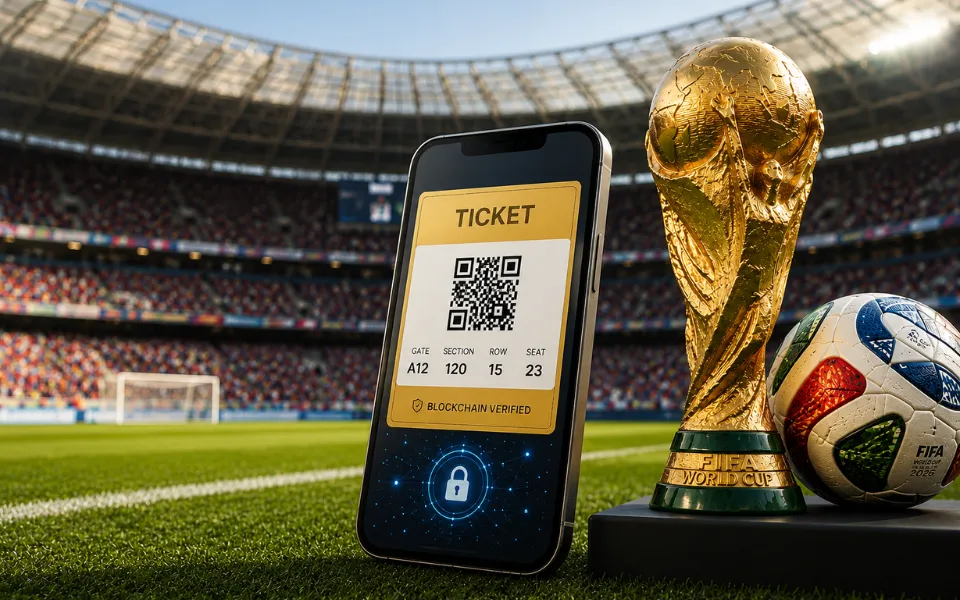
Ticketing is another high-impact application. Traditional event tickets are plagued by counterfeiting, scalping, and resale fraud. NFT-based tickets stored in wallets eliminate these problems entirely, as each ticket is a unique, verifiable token on the blockchain. Event organizers in the UK and USA are adopting NFT ticketing systems that also enable post-event utility: a concert ticket NFT can transform into a commemorative collectible after the show. Fan memberships, exclusive content drops, and loyalty programs are additional entertainment NFT wallet use cases gaining traction. In Dubai, luxury entertainment venues are pioneering NFT-based VIP membership programs that grant holders ongoing access to exclusive events and experiences.
Also Read: USDT Wallets for Digital Assets
Enterprise and Supply Chain Applications
Enterprise adoption of NFT wallet use cases is accelerating across supply chain management, manufacturing, and luxury goods industries. NFTs are uniquely suited to tracking the provenance, authenticity, and chain of custody for physical products. A luxury handbag manufacturer can mint an NFT for each product, encoding details like materials, production date, factory location, and quality certifications. The NFT travels alongside the physical product through the supply chain, with each handler updating the blockchain record via their enterprise wallet. This creates an immutable history that consumers can verify at the point of purchase.
In the pharmaceutical industry, NFT wallets are being explored for drug authentication and cold chain monitoring in the USA and UK. Each batch of medication can be represented by an NFT that records temperature data, handling transfers, and regulatory approvals throughout the distribution process. Digital certificates, including educational credentials, professional licenses, and compliance attestations, are another growing use case. Universities in Canada are experimenting with NFT-based diplomas that graduates store in their wallets, providing instant, tamper-proof verification for employers. The versatility of these enterprise NFT wallet use cases demonstrates that non-fungible token technology is far more than a consumer novelty; it is becoming essential infrastructure for industries that rely on trust, verification, and transparency.
⚙
NFT Wallet Selection Criteria
Choosing the right NFT wallet requires a structured evaluation process. Based on our experience serving clients across four continents, we recommend the following three-step criteria model to ensure the selected wallet aligns with both current needs and future growth in NFT wallet use cases.
Security, Privacy, and Compliance Considerations
Security is the non-negotiable foundation upon which all NFT wallet use cases are built. A single security breach can result in the permanent, irrecoverable loss of valuable digital assets. The most critical security measure is proper private key management, which includes generating keys from high-entropy random sources, encrypting them with strong passwords, and storing backup seed phrases in physically secure, geographically distributed locations. Multi-signature wallets add an additional layer by requiring multiple authorized parties to approve transactions, which is particularly important for enterprise and institutional NFT wallet use cases.
Privacy considerations vary significantly across jurisdictions. In the EU and UK, GDPR compliance requires that wallet providers implement data minimization, user consent mechanisms, and the right to be forgotten (within the constraints of blockchain immutability). In the USA, CCPA provides similar protections for California residents. The UAE’s data protection framework and Canada’s PIPEDA legislation each impose additional requirements. Compliance with anti-money laundering (AML) and know-your-customer (KYC) regulations is mandatory for custodial wallet providers in all four target markets. The challenge lies in balancing the privacy-preserving nature of blockchain technology with the transparency requirements of financial regulators.
| Compliance Area | USA | UK | UAE (Dubai) | Canada |
|---|---|---|---|---|
| KYC Required | Yes (FinCEN) | Yes (FCA) | Yes (VARA) | Yes (FINTRAC) |
| AML Compliance | BSA / FinCEN | MLR 2017 | VARA Rules | PCMLTFA |
| Data Privacy | CCPA / State Laws | GDPR / UK DPA | PDPL | PIPEDA |
| NFT Classification | Case-by-case (SEC) | Unregulated (mostly) | Virtual Asset | Case-by-case (OSC) |
| Licensing Needed | State MSB licenses | FCA Registration | VARA License | MSB Registration |
Also Read: Identity Wallets
Wallet Security Best Practices
Implementing robust security practices is essential for protecting the full range of NFT wallet use cases, from casual collecting to institutional asset management. The first and most important practice is to never share private keys or seed phrases with anyone, under any circumstances. Phishing attacks targeting NFT wallet users have become increasingly sophisticated, with attackers creating convincing replicas of popular wallet interfaces and marketplace websites. Users in the USA and UK report thousands of such incidents annually, with losses running into hundreds of millions of dollars collectively.
Hardware wallet usage for high-value NFTs is strongly recommended. Devices from Ledger and Trezor keep private keys offline, meaning that even if a user’s computer is fully compromised by malware, the NFT assets remain safe. Regular wallet software updates, enabling biometric authentication on mobile wallets, using dedicated devices for crypto transactions, and avoiding public Wi-Fi when accessing wallets are all fundamental practices. For enterprise users in the UAE and Canada, implementing role-based access controls, transaction limits, time-delayed approvals, and comprehensive audit trails provides the governance layer that institutional NFT wallet use cases demand. We also recommend regular security audits by third-party firms to identify vulnerabilities before they can be exploited.
⚖
Regulatory Challenges Across Industries
The regulatory landscape for NFT wallets varies dramatically across jurisdictions, creating a complex compliance environment that organizations must navigate carefully when deploying NFT wallet use cases at scale. In the USA, the Securities and Exchange Commission (SEC) has taken a case-by-case approach to NFT classification, leaving considerable ambiguity about when an NFT might be considered a security. This uncertainty affects wallet providers who must determine whether to implement securities-grade compliance features for certain types of NFTs. The lack of clear federal legislation means that state-level regulations create a patchwork of requirements that national providers must simultaneously satisfy.
The UK’s Financial Conduct Authority (FCA) has begun incorporating crypto assets into its regulatory framework, though NFTs specifically remain largely unregulated unless they meet the criteria for specified investments. The UAE has taken a more progressive stance through VARA (Virtual Assets Regulatory Authority), which provides clear licensing and compliance requirements for virtual asset service providers, including NFT wallet operators in Dubai. Canada’s approach through the Ontario Securities Commission (OSC) and FINTRAC has created a balanced framework that encourages innovation while maintaining consumer protections. For organizations building cross-border NFT wallet solutions, achieving simultaneous compliance across all four markets requires careful architectural planning, modular compliance engines, and ongoing legal monitoring as regulations continue to evolve.
NFT Wallet Integration Testing Lifecycle
Requirements Analysis
Define all functional and non-functional requirements for the NFT wallet integration, including supported chains, token standards, security protocols, and compliance requirements specific to target markets.
Unit Testing
Test individual wallet functions in isolation including key generation, transaction signing, NFT metadata parsing, and balance retrieval to verify basic logic and state changes work correctly.
Integration Testing
Verify that multiple wallet modules interact properly, including blockchain node connections, marketplace APIs, and external oracle services function as designed across all supported networks.
End-to-End Testing
Validate complete user workflows from wallet creation through NFT minting, transferring, and marketplace interaction to backend settlement systems on testnet environments.
Security Audit
Conduct comprehensive security assessments including penetration testing, vulnerability scanning, private key encryption validation, and threat modeling for all wallet integration points.
Load and Performance Testing
Test system performance under heavy transaction loads, simulate peak usage scenarios, and verify wallet responsiveness during high-traffic events like popular NFT drops.
Compliance Validation
Verify that KYC/AML integrations, data privacy controls, and regulatory reporting mechanisms function correctly for all target jurisdictions including USA, UK, UAE, and Canada.
User Acceptance and Deployment
Conduct user acceptance testing with real stakeholders, gather feedback, finalize configurations, and deploy to mainnet with monitoring dashboards and incident response procedures in place.
Authoritative Industry Standards for NFT Wallet Security
Standard 1: Always use hardware-based key management for wallets holding assets valued above $10,000.
Hardware security modules (HSMs) and hardware wallets provide air-gapped protection that software-only solutions cannot match, making them essential for high-value NFT wallet use cases in institutional settings.
Standard 2: Implement multi-signature authorization for all enterprise wallet transactions exceeding predefined thresholds.
Multi-sig wallets require consensus from multiple authorized signers before executing transactions, preventing unauthorized transfers and reducing single-point-of-failure risks in organizational contexts.
Standard 3: Conduct quarterly third-party security audits for all production wallet systems handling user assets.
Regular audits by reputable security firms identify emerging vulnerabilities and ensure that wallet infrastructure remains resilient against evolving attack vectors targeting NFT ecosystems.
Standard 4: Encrypt all seed phrase backups using AES-256 or equivalent encryption and store in geographically distributed locations.
Geographic distribution of encrypted backups ensures recovery capability even in catastrophic scenarios like natural disasters or regional infrastructure failures affecting primary storage locations.
Standard 5: Validate all transaction parameters on the hardware device display before signing, never rely solely on software confirmation.
Display verification on hardware devices prevents “blind signing” attacks where malicious software presents false transaction details to trick users into authorizing unintended transfers.
Standard 6: Implement real-time transaction monitoring with automated alerts for anomalous wallet activity patterns.
Behavioral analytics and anomaly detection systems provide early warning of unauthorized access attempts, enabling rapid response before significant asset losses occur across NFT Wallet Use Cases portfolios.
Standard 7: Maintain comprehensive audit logs of all wallet interactions for a minimum of seven years to satisfy regulatory requirements.
Long-term audit trails support regulatory compliance, dispute resolution, and forensic investigation needs that are mandatory for wallet providers operating across the USA, UK, UAE, and Canada.
Standard 8: Require formal penetration testing for all wallet systems managing assets exceeding $1 million in combined value.
Professional penetration testing simulates real-world attacks against wallet infrastructure, identifying exploitable vulnerabilities that automated scanning tools may miss in complex system architectures.
Future of NFT Wallet Use Cases Across Industries
The future trajectory of NFT wallet use cases points toward deeper integration with emerging technologies and broader mainstream adoption. Web3 identity is perhaps the most transformative evolution on the horizon. NFT wallets are increasingly being positioned as universal digital identity containers, where users store verifiable credentials, educational certificates, professional licenses, and government-issued identification as non-fungible tokens. The concept of “soulbound” tokens, which are non-transferable NFTs tied to an individual’s identity, adds another dimension to this vision. In the UAE and Canada, government agencies are actively exploring blockchain-based identity systems that would interface directly with citizens’ NFT Wallet Use Cases.
Artificial intelligence integration is set to enhance NFT wallets with predictive analytics, automated portfolio rebalancing, price alert systems, and personalized investment recommendations. Cross-chain interoperability protocols are maturing rapidly, promising a future where NFTs can move seamlessly between blockchains without bridges or wrapped tokens. The metaverse expansion will create demand for wallets that manage not just flat images and videos but 3D objects, virtual environments, and interactive experiences. As these technologies converge, NFT wallets will evolve from asset storage tools into comprehensive digital life management platforms that serve as the primary interface between individuals and the decentralized internet.
Integration with Web3 Identity
Web3 identity represents a paradigm shift in how individuals prove who they are online, and NFT wallets are positioned as the central infrastructure for this transformation. Today, digital identity is fragmented across hundreds of platforms, each maintaining separate databases of user credentials. Web3 identity consolidates this into a self-sovereign model where users control their own identity data through their NFT Wallet Use Cases. Verifiable credentials issued by trusted institutions, such as universities, employers, and government agencies, are stored as NFTs that the user can selectively share with third parties without exposing unnecessary personal information.
The practical implications are significant across all target markets. In the USA, decentralized identity wallets could streamline everything from age verification to professional licensing. In the UK, NHS health records stored as encrypted NFTs could give patients portable, interoperable medical histories. Dubai’s smart city initiatives already incorporate blockchain-based identity components that align with this vision. Canadian immigration and education sectors are exploring NFT-based credential verification to combat fraud and accelerate processing. These NFT wallet use cases in identity management represent a massive growth opportunity, as every individual and organization will eventually need a secure, interoperable digital identity solution. The wallets that successfully integrate identity features alongside traditional asset management will likely dominate the next generation of Web3 infrastructure.
Frequently Asked Questions
Q1.What is an NFT wallet?
An NFT wallet is a digital wallet designed to store, manage, send, and receive non-fungible tokens (NFTs). Unlike traditional crypto wallets that mainly hold cryptocurrencies, NFT wallets also store unique digital assets such as artwork, gaming items, virtual land, and digital certificates. They securely manage private keys, which prove ownership of NFTs on the blockchain.
Q2.What are the main NFT wallet use cases?
NFT wallet use cases include storing digital art and collectibles, managing in-game assets, holding metaverse land, enabling NFT-based financial services, and securing tokenized real-world assets. These wallets allow users to easily interact with NFT marketplaces, decentralized applications, and Web3 platforms.
Q3.How do NFT wallets work?
NFT wallets work by storing cryptographic private keys that link users to their NFTs on the blockchain. When a user buys, sells, or transfers an NFT, the wallet signs the transaction using these keys. The NFT itself remains on the blockchain, while the wallet provides secure access and control over ownership.
Q4.Which industries use NFT wallets the most?
NFT wallets are widely used in industries such as digital art, gaming, DeFi, real estate, entertainment, supply chain, and enterprises. Artists use them to protect ownership, gamers use them for in-game assets, and businesses use NFT wallets for asset tracking, licensing, and digital identity management.
Q5.Are NFT wallets safe to use?
NFT wallets are generally safe when proper security measures are followed. Safety depends on how users protect their private keys, use trusted wallet providers, enable security features, and avoid phishing attacks. Hardware wallets and non-custodial NFT wallets offer higher security compared to online custodial options.
Q6.Can NFT wallets be used in DeFi platforms?
Yes, NFT wallets are actively used in DeFi platforms. Users can connect their wallets to DeFi protocols to use NFTs as collateral, earn yields, stake NFTs, or participate in NFT-based lending and borrowing. This expands NFT wallet use cases beyond storage into financial utility.
Q7.Do NFT wallets support multiple blockchains?
Most modern NFT wallets support multiple blockchains, allowing users to manage NFTs across networks like Ethereum, Polygon, BNB Chain, Solana, and others. Multi-chain support makes it easier to store, trade, and interact with NFTs from different ecosystems in one wallet.
Q8.How are NFT wallets used in gaming and the metaverse?
In gaming and metaverse platforms, NFT wallets store digital characters, skins, weapons, virtual land, and collectibles. They allow players to truly own in-game assets, trade them freely, and carry them across compatible platforms, supporting play-to-earn and immersive virtual economies.
Q9.Can businesses use NFT wallets?
Yes, businesses use NFT wallets for enterprise-level applications such as tokenized assets, digital certificates, intellectual property protection, and supply chain verification. NFT wallets help organizations securely manage ownership records and interact with blockchain-based systems efficiently.
Q10.What is the future of NFT wallet use cases?
The future of NFT wallet use cases includes deeper integration with Web3 identity, AI-powered asset management, cross-chain interoperability, and enterprise adoption. NFT Wallet Use Cases are expected to evolve into all-in-one digital identity and asset management tools across industries.
Explore Services
Related Services
Reviewed by

Aman Vaths
Founder of Nadcab Labs
Aman Vaths is the Founder & CTO of Nadcab Labs, a global digital engineering company delivering enterprise-grade solutions across AI, Web3, Blockchain, Big Data, Cloud, Cybersecurity, and Modern Application Development. With deep technical leadership and product innovation experience, Aman has positioned Nadcab Labs as one of the most advanced engineering companies driving the next era of intelligent, secure, and scalable software systems. Under his leadership, Nadcab Labs has built 2,000+ global projects across sectors including fintech, banking, healthcare, real estate, logistics, gaming, manufacturing, and next-generation DePIN networks. Aman’s strength lies in architecting high-performance systems, end-to-end platform engineering, and designing enterprise solutions that operate at global scale.