Ai Overview
Market Growth Trajectory: The global healthcare mobile application market was valued at USD 114. 17 billion in 2024 and is projected to reach USD 1,070. Data Protection Challenges: In 2024, 721 healthcare data breaches were reported with over 275 million patient records compromised, and the average cost per healthcare data breach reached $10.
Key Takeaways – Mobile Apps in Healthcare for Enhancing Patient Engagement
- Market Growth Trajectory: The global healthcare mobile application market was valued at USD 114.17 billion in 2024 and is projected to reach USD 1,070.58 billion by 2030, growing at a compound annual growth rate of 45.2%, reflecting massive industry transformation.[1]
- Patient Preference for Digital Tools: More than 55% of U.S. consumers prefer using mobile applications to manage healthcare appointments, prescriptions, and medical records, according to the 2024 Healthtech Perspectives Report.[2]
- Improved Health Behaviors: Research shows that 78% of mHealth app users reported better adherence to health-promoting behaviors such as medication compliance and physical activity, demonstrating a tangible impact on patient outcomes.[3]
- Telemedicine Adoption Rates: According to Deloitte’s 2024 survey, 44% of patients had a virtual visit in the previous 12 months, and 94% of those who used telemedicine expressed willingness to use it again, indicating high satisfaction and sustained demand.[4]
- Chronic Disease Management Benefits: Over 129 million people in the United States have at least one major chronic disease, and mHealth apps have been shown to reduce inpatient readmission rates and decrease hospital length of stay for these patients.
- Enhanced Health Literacy: Research indicates that 65% of participants using mHealth apps reported increased health literacy, showing that these tools effectively educate patients about their health conditions and treatments.[5]
- Broad Demographic Adoption: While 74% of millennials prefer telehealth, 76% of adults over 55 have also used telemedicine services, with telemedicine adoption increasing by 12% among individuals over 55, demonstrating appeal across age groups.[6]
- Data Protection Challenges: In 2024, 721 healthcare data breaches were reported with over 275 million patient records compromised, and the average cost per healthcare data breach reached $10.93 million, highlighting the critical importance of robust protection measures.[7]
- Competitive Advantage: One survey found that 35% of U.S. consumers would be likely to switch healthcare providers based on better digital services and enhanced patient experience, making mobile apps strategic differentiators.[8]
- Time and Cost Savings: Telemedicine can save patients an average of 121 minutes per in-person visit by reducing travel and waiting times by approximately 31%, delivering significant convenience benefits.[9]
The Evolution of Patient-Centered Healthcare
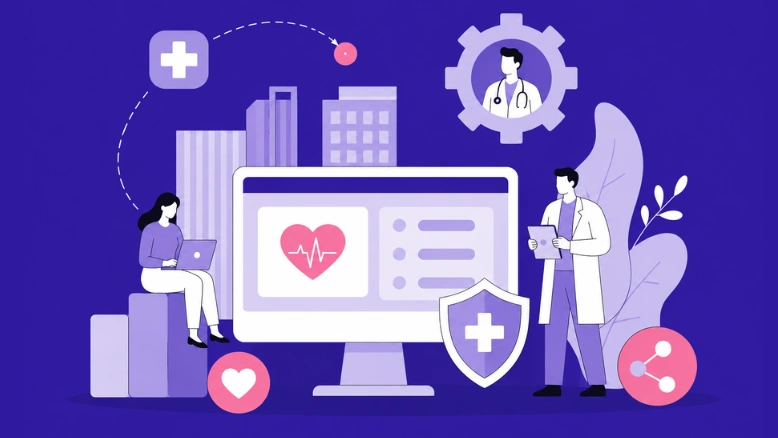
The transformation of healthcare through technology continues to accelerate, and mobile applications have emerged as powerful tools reshaping how patients interact with their health providers. These digital platforms are fundamentally changing the patient experience, creating more connected, informed, and engaged healthcare consumers.
The Rise of Mobile Health Apps in the Healthcare Industry
The healthcare industry stands at the intersection of technology and patient care, where mobile health apps are becoming indispensable tools for both providers and patients. According to market research, the global healthcare mobile application market was valued at USD 114.17 billion in 2024 and is projected to reach USD 1,070.58 billion by 2030, growing at a compound annual growth rate of 45.2%. This extraordinary growth reflects the increasing dependence on digital health solutions across all demographics.
More than 55% of U.S. consumers now prefer using mobile applications to manage healthcare appointments, prescriptions, and medical records, according to the 2024 Healthtech Perspectives Report. This preference signals a fundamental shift in patient expectations, with convenience and accessibility becoming primary drivers of healthcare delivery models.
The healthcare mobile solutions market encompasses various categories, from telemedicine platforms and remote patient monitoring tools to fitness trackers and chronic disease management applications. There are currently over 350,000 mHealth apps available across major app stores, catering to diverse health needs and medical specialties. These applications often leverage cloud computing to store patient data and enable real-time access across devices. This abundance of options demonstrates both the market demand and the industry’s response to patient needs.
Understanding Patient Engagement Apps and Their Impact
Patient engagement represents the degree to which individuals take an active role in managing their health and healthcare decisions. Mobile health apps facilitate this engagement by providing tools, information, and communication channels that empower patients to become partners in their care rather than passive recipients.
Research published in the Journal of Population Therapeutics and Clinical Pharmacology found that 78% of users reported better adherence to health-promoting behaviors such as medication compliance and physical activity after using mHealth applications. Furthermore, 65% of participants reported increased health literacy, demonstrating the educational value these platforms provide.
Breaking Down Barriers to Healthcare Access
Mobile apps in healthcare address several longstanding barriers that have historically prevented optimal patient engagement. Geographic distance, scheduling conflicts, and time constraints often prevent patients from accessing necessary care. Telemedicine features integrated into patient engagement apps have proven transformative, with telehealth adoption reaching 80% overall usage among consumers who have accessed these services at least once.
According to Deloitte’s 2024 survey, 44% of patients had a virtual visit in the previous 12 months, and 94% of those who used telemedicine services expressed willingness to use them again. The convenience factor proves decisive, with patients citing better appointment times, shorter wait times, and improved scheduling as primary advantages over traditional in-person visits.
Chronic Disease Management Through Mobile Platforms
The management of chronic conditions represents one of the most impactful applications of mobile health technology. Chronic diseases account for 71% of all global deaths according to the World Health Organization, with more than 129 million people in the United States living with at least one major chronic disease such as heart disease, cancer, diabetes, obesity, or hypertension.
Mobile apps designed for chronic disease management provide patients with tools to track symptoms, monitor vital signs, manage medications, and maintain direct communication with healthcare providers. A study examining the myCOPD app for chronic obstructive pulmonary disease management found that 60.3% of users engaged frequently with the platform, while 18.4% showed transitional engagement patterns, becoming more active immediately before experiencing acute worsening of their condition.
The gamification elements incorporated into apps like Mango Health have demonstrated particular effectiveness in improving medication adherence. Research published in the Journal of Medical Internet Research found that patients using such apps were more likely to adhere to medication regimens and achieve better health outcomes compared to those who did not use the application.
Core Features of Effective Healthcare Mobile Solutions
The most successful mobile health apps share common characteristics that contribute to their effectiveness in driving patient engagement. Understanding these features helps healthcare organizations make informed decisions about app development and implementation.
- Appointment Management and Scheduling- Patients no longer need to spend time on hold waiting to schedule appointments. Modern healthcare mobile solutions allow users to book, reschedule, and cancel appointments with a few taps on their smartphones. This functionality extends to receiving automated reminders, reducing no-show rates, and improving clinic efficiency.
- Telemedicine and Virtual Consultations- Integrated video consultation capabilities enable patients to connect with healthcare providers from anywhere. The COVID-19 pandemic accelerated telemedicine adoption, with usage increasing by 154% in the first quarter of 2020 in the United States. While rates have normalized since the pandemic peak, telehealth visits remain 28% higher than pre-pandemic levels, indicating sustained preference for virtual care options. Mental health services have particularly benefited from telemedicine integration. In 2019, 39.4% of outpatient mental health care utilized telehealth, which jumped to 88.1% during the pandemic. This expansion has continued, with 96% of telepsychiatry patients reporting satisfaction with virtual mental healthcare services, including access to specialized reading trauma service programs that help individuals process emotional experiences remotely.
- Medication Management and Adherence Tools- Medication non-adherence represents a significant challenge in healthcare, leading to poor health outcomes and increased healthcare costs. Patient engagement apps address this through medication reminders, refill notifications, and educational content about prescribed treatments. These features have proven effective, with digital health interventions showing measurable improvements in medication adherence across various chronic conditions, including diabetes, hypertension, and heart failure.
- Health Records Access and Information Sharing- Mobile apps provide patients with 24/7 access to their medical records, test results, and visit summaries. This accessibility promotes informed decision-making and ensures patients actively participate in their health management. The integration with electronic health record systems creates a transparent, patient-centric environment that builds trust and loyalty between patients and healthcare providers.
- Remote Patient Monitoring Capabilities- Remote patient monitoring through mobile apps enables healthcare providers to track patients’ vital signs and health data without requiring in-person visits. This proves especially valuable for individuals with chronic conditions who need regular monitoring. Patients can transmit data such as blood pressure, blood glucose levels, heart rate, and other metrics directly to their care teams, allowing for timely interventions when concerning patterns emerge. According to research, mHealth apps have been shown to reduce inpatient readmission rates and decrease the length of hospital stays, delivering significant cost savings while improving patient outcomes.
Top Features Patients Value in Healthcare Mobile Solutions
| Feature Category | Specific Functionality | User Value | Adoption Rate |
|---|---|---|---|
| Appointment Management | Schedule, reschedule, cancel appointments | Convenience, time savings | 55% of patients prefer mobile booking |
| Telemedicine | Video consultations with providers | Access to care from home | 44% had a virtual visit in the past 12 months |
| Medical Records Access | View test results, visit summaries, and health history | Information transparency, shared decision-making | Used by 30% of adults regularly |
| Medication Management | Reminders, refill requests, and drug information | Improved adherence, safety | 61% prefer for prescription management |
| Protected Messaging | Direct communication with the care team | Quick answers, reduced phone calls | Used by 36% for provider communication |
| Symptom Checkers | AI-powered assessment tools | Self-care guidance, triage support | 69% use for common illnesses |
| Health Tracking | Monitor vitals, symptoms, and activities | Self-management, pattern identification | 74% report improved condition management |
| Billing and Payments | View bills, make payments, check insurance | Financial transparency, payment convenience | Growing rapidly post-pandemic |
| Educational Resources | Condition-specific information, wellness content | Health literacy, empowerment | 65% report increased health literacy |
| Remote Monitoring | Share device data with providers | Proactive care, early intervention | Reduces readmissions and hospital stays |
The Business Case for Healthcare Mobile Solutions
Healthcare organizations investing in mobile health apps realize tangible benefits extending beyond patient satisfaction. The data support strong business justifications for these investments.
- Competitive Differentiation:
One survey found that 35% of U.S. consumers would be likely to switch healthcare providers based on better digital services and an enhanced patient experience. In an increasingly competitive healthcare market, mobile health apps serve as differentiators that attract and retain patients who value convenient, technology-enabled care. - Operational Efficiency Gains:
Mobile apps reduce administrative burdens by automating routine tasks such as appointment scheduling, prescription refills, and patient communications. According to healthcare professionals surveyed, 66% report losing time to mundane tasks that could be automated. By streamlining these processes, healthcare organizations free staff to focus on higher-value activities that directly impact patient care quality. - Revenue Optimization:
Improved patient engagement through mobile apps correlates with better treatment adherence and health outcomes, which in turn affects reimbursement rates under value-based care models. Additionally, reduced no-show rates through automated reminders directly impact revenue by maximizing provider schedules and clinic utilization. - Data-Driven Insights:
Patient engagement apps generate valuable data about patient behaviors, preferences, and health trends. Healthcare organizations can analyze this information to identify patterns, predict needs, and personalize care delivery. Machine learning models integrated with mHealth apps can predict periods of increased health risk, enabling proactive interventions.
Regional Perspectives on Mobile Health Adoption
North America Leads Innovation and Adoption
North America dominated the healthcare mobile application market with a revenue share of 36.5% in 2024, with the United States representing the largest single market. The U.S. healthcare mobile application market is projected to grow from USD 12.75 billion in 2024 to USD 37.53 billion by 2034, reflecting robust adoption fueled by high smartphone penetration, chronic disease prevalence, and integration of artificial intelligence-driven tools.
The advanced digital health ecosystem in the United States fosters innovation and investment across various sectors, including fitness tracking apps, chronic disease management tools, and telemedicine platforms. High consumer awareness regarding health issues, coupled with expanding insurance coverage for telehealth services, contributes significantly to market growth.
Asia Pacific Emerging as Fastest-Growing Market
The Asia Pacific healthcare mobile application market is expected to grow at the highest compound annual growth rate through 2030. Factors driving this growth include increasing smartphone adoption rates across developing nations such as India and Indonesia, improved internet connectivity enabling broader access to digital health services, and substantial government investments in digital health initiatives.
China dominated the Asia Pacific region in 2024, driven by rapid urbanization and technological advancements that have led to a surge in mobile app usage for health-related services. With a vast population increasingly reliant on smartphones for daily activities, including health management, Chinese consumers are turning toward digital platforms that offer convenience and accessibility.
Europe’s Regulatory Framework Supporting Growth
Europe’s healthcare mobile application market is experiencing significant growth due to increasing investments in digital health initiatives across various European countries aimed at improving patient care quality through technology integration. Rising consumer demand for innovative health solutions, such as remote monitoring tools and mental wellness apps, drives developers toward creating applications specifically tailored for European markets.
Demographic Patterns in Mobile Health Usage
Understanding who uses patient engagement apps and how they use them provides insights for targeting development efforts and marketing strategies.
Age-Related Adoption Patterns
Contrary to assumptions that younger demographics exclusively drive mobile health adoption, data reveal broad usage across age groups. While 74% of millennials prefer telehealth over in-person visits, 76% of adults over 55 have used telemedicine services. Telemedicine adoption increased by 12% among individuals over 55, demonstrating that older adults embrace digital health tools when they provide clear value.
The key differentiator lies not in willingness to adopt but in feature preferences and usage patterns. Younger users may prioritize fitness tracking and preventive health features, while older demographics often focus on chronic disease management and medication adherence tools.
Gender Differences in Engagement
Research indicates that women show higher telemedicine usage rates compared to men, with 42% of women versus 31.7% of men reporting telemedicine use within the past year. This pattern suggests opportunities for healthcare organizations to develop targeted engagement strategies that address gender-specific preferences and health concerns.
Income and Healthcare Access
Telehealth use correlates with income levels, with usage highest among lower-income individuals and declining as income rises. This pattern suggests that mobile health apps successfully address healthcare access barriers for economically disadvantaged populations who may face transportation challenges or time constraints that prevent traditional healthcare visits.
Security, Privacy, and Regulatory Compliance
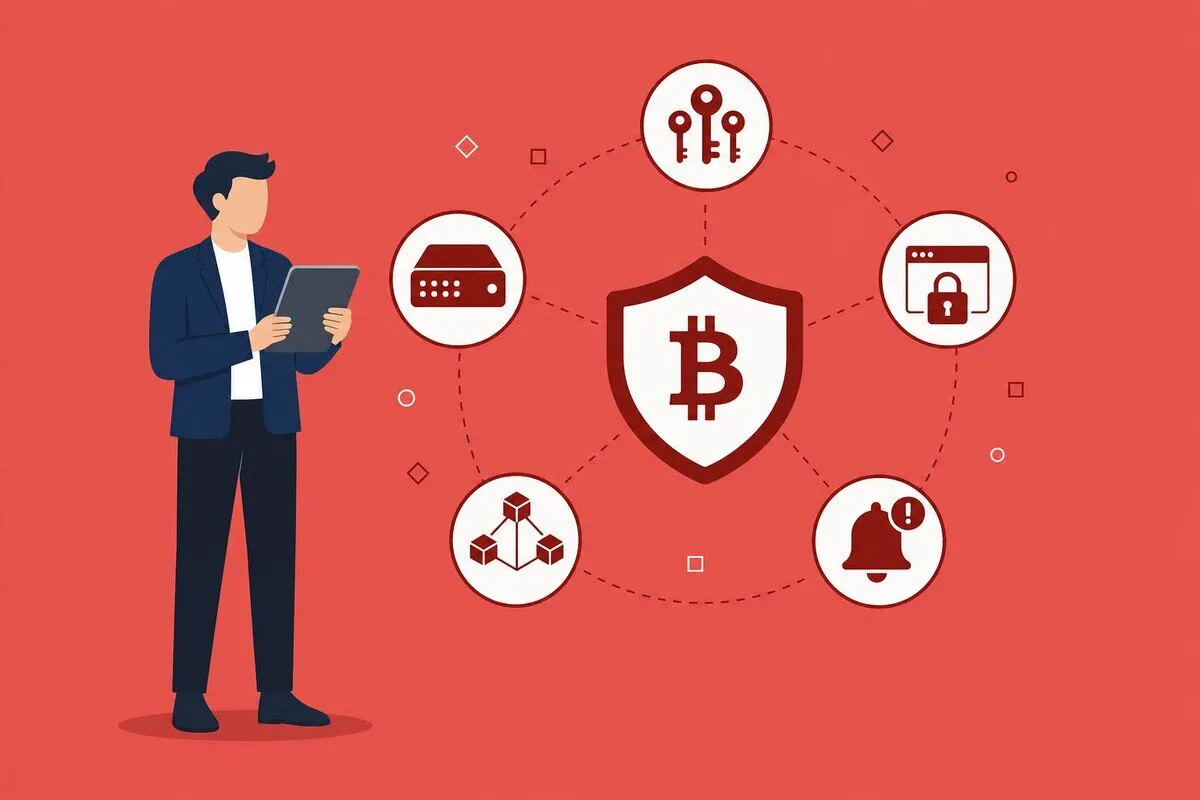
The sensitive nature of health information demands rigorous attention to security and privacy protections in mobile health apps. Regulatory frameworks, particularly the Health Insurance Portability and Accountability Act (HIPAA) in the United States, establish minimum standards for protecting patient data.
HIPAA Compliance Requirements
HIPAA establishes three primary rules governing healthcare data: the Privacy Rule, the Security Rule, and the Breach Notification Rule. The Privacy Rule establishes standards for protecting all protected health information (PHI), making it easier for patients to access their information while restricting access to unauthorized users. The Security Rule applies specifically to electronic PHI, requiring covered entities to implement administrative, physical, and technical safeguards. As healthcare organizations increasingly adopt mobile health apps hosted on cloud platforms, HIPAA cloud security compliance becomes essential to protect patient data stored and transmitted through these digital systems.
In 2024, 721 healthcare data breaches were reported to the Office for Civil Rights, with over 275 million patient records compromised. The largest healthcare data breach in history occurred during the Change Healthcare ransomware attack, affecting approximately 190 million individuals. The average cost per healthcare data breach reached $10.93 million in 2024, the highest of any industry.
Essential Security Measures
HIPAA-compliant mobile apps must implement several core security measures:
- Encryption: Data must be encrypted both at rest and in transit. Only 30% of mHealth apps analyzed in comprehensive security studies properly implemented authorization to access sensitive resources, a required HIPAA technical safeguard. Even popular apps with millions of downloads sometimes use weak encryption methods such as MD5 hash functions, which fail to provide adequate protection.
- Access Controls: Strong authentication mechanisms, including multi-factor authentication, help ensure that only authorized individuals access protected health information. Healthcare mobile solutions should avoid email-only login systems, instead requiring strong passwords or PIN authentication.
- Audit Logging: Comprehensive logging of all access to and modifications of protected health information enables organizations to detect and investigate potential security incidents. These logs must be retained and regularly reviewed.
- Regular Security Testing: Quarterly vulnerability scans, annual risk assessments, and periodic penetration testing help identify and remediate security weaknesses before they can be exploited.
Recommended Reading:
Challenges and Considerations in Implementation
While mobile health apps offer tremendous benefits, healthcare organizations face several challenges in successful implementation.
User Adoption and Engagement Sustainability
Getting users to download an app represents only the first step. Maintaining long-term engagement proves more challenging. Research on mHealth app engagement reveals that many users abandon apps shortly after download. Factors influencing sustained engagement include ease of use, perceived value, personalization, and integration with existing workflows.
User adoption is influenced by affordability, strong data security, ease of use, personalization, and features providing 24/7 access to information, symptom checking, or chronic disease tracking. Healthcare professional endorsement also strongly influences adoption rates.
Integration with Existing Systems
For maximum effectiveness, patient engagement apps must integrate smoothly with electronic health record systems, practice management software, and other healthcare IT infrastructure. Enhancing Care Delivery with CureMD Mobile EHR Solutions supports this integration by enabling better connectivity and workflow efficiency. This integration presents technical challenges, yet it remains essential for delivering a seamless user experience and ensuring healthcare providers can access complete patient information.
Digital Divide Considerations
While smartphone penetration continues to grow, disparities in access to technology persist. Rural populations, lower-income individuals, and certain demographic groups may face barriers to accessing mobile health apps due to limited smartphone ownership, inadequate internet connectivity, or low digital literacy. Healthcare organizations must consider these factors when implementing mobile health strategies and ensure alternative access methods remain available.
Balancing Features with Simplicity
Healthcare mobile solutions must strike a delicate balance between providing comprehensive functionality and maintaining intuitive, user-friendly interfaces. Complex operations or steep learning curves often lead to quick abandonment. Evidence shows that users favor clean, intuitive design, with practical concerns like data consumption and phone storage also influencing adoption decisions.
Future Trends Shaping Healthcare Mobile Solutions
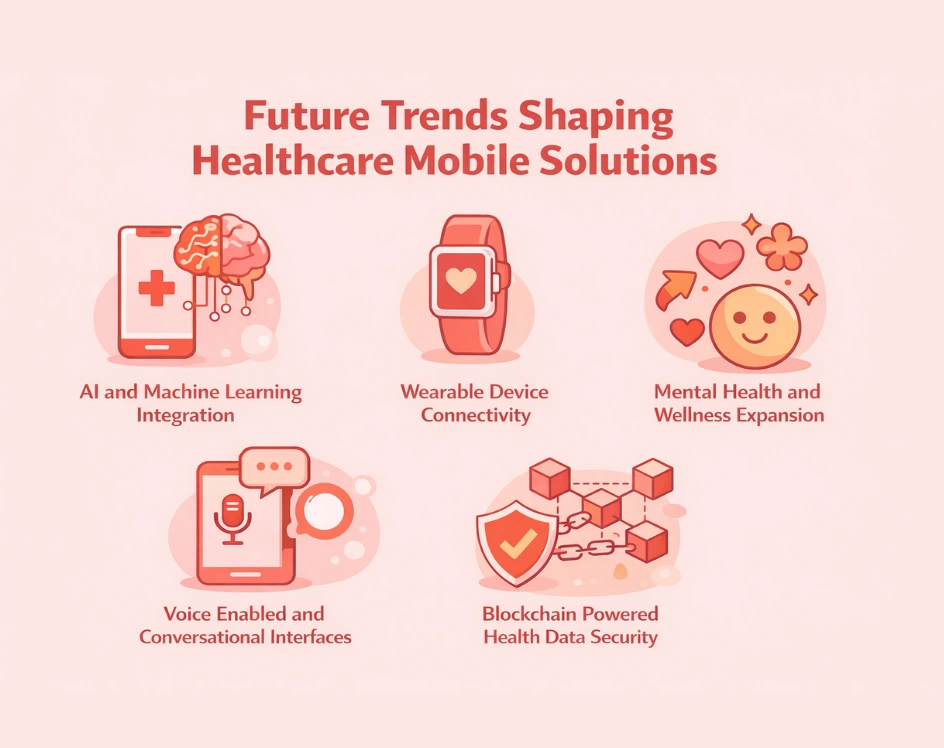
The mobile health landscape continues to evolve rapidly, with several emerging trends poised to shape the next generation of patient engagement apps.
Artificial Intelligence and Machine Learning Integration
AI-powered healthcare apps are transforming how medical data is analyzed and how treatment recommendations are made. These technologies can process vast datasets to identify patterns, predict disease outcomes, and offer personalized health advice. In July 2025, Samsung Electronics announced plans to roll out a beta version of an AI-powered health coach within the Samsung Health app, exemplifying this trend.
AI enables more personalized, accurate, and efficient healthcare solutions through machine learning algorithms and data analytics. AI-powered apps development can offer tailored health recommendations, predictive diagnostics, and early detection of medical conditions, enhancing patient engagement and supporting proactive disease management.
Wearable Device Integration
The integration of health monitoring apps with wearable devices represents another significant trend. Smartwatches and fitness trackers can monitor vital signs, track activity, and collect health data continuously. When combined with mobile apps, this data collection provides a real-time, comprehensive picture of patient health, allowing for timely and precise interventions. This integration promotes proactive healthcare, especially for individuals managing chronic conditions.
In 2020, the global telehealth systems market for wearable devices was valued at $16.6 billion, with an expected compound annual growth rate of 26.8% from 2021 to 2028, indicating strong growth in connected health devices.
Expanded Mental Health and Wellness Support
The expansion of mental health services through mobile apps continues to accelerate. In September 2024, Magellan Health launched a Teen Mental Wellbeing app for ages 13-22, powered by BeMe Health’s digital platform, promoting self-understanding and building resilience using science-backed tools and evidence-based methods.
The sustained growth in mental health app usage reflects increasing awareness of mental health issues and the convenience of accessing support through digital platforms. With 96% of telepsychiatry patients expressing satisfaction with virtual mental healthcare, this trend shows no signs of slowing.
Voice-Activated and Conversational Interfaces
As voice recognition technology improves, healthcare apps are beginning to incorporate voice-activated features and conversational interfaces. These capabilities can improve accessibility for individuals with visual impairments or limited dexterity while enabling hands-free interaction for busy healthcare providers.
Blockchain for Health Data Management
Working with a trusted blockchain development company offers potential solutions for secure, decentralized health data management. While still in early stages of healthcare adoption, blockchain could enable patients to maintain greater control over their health information while facilitating secure sharing with authorized providers.
Measuring Success and Return on Investment
Healthcare organizations implementing mobile health apps need clear metrics to evaluate success and demonstrate return on investment.
Key Performance Indicators
- Adoption Rate: The percentage of eligible patients who download and actively use the app provides a fundamental measure of reach and acceptance.
- Engagement Metrics: Active users, session duration, feature utilization, and retention rates indicate how effectively the app maintains user interest and delivers ongoing value.
- Clinical Outcomes: Improvements in health metrics such as blood pressure control, glucose management, medication adherence, and disease symptom control demonstrate the app’s impact on patient health.
- Operational Efficiency: Reductions in no-show rates, decreased call center volume, improved clinic utilization, and staff time savings quantify operational benefits.
- Patient Satisfaction: Net promoter scores, app ratings, and patient survey responses reveal how patients perceive the app and their overall healthcare experience.
- Financial Performance: Cost savings from reduced readmissions, avoided emergency department visits, and improved chronic disease management contribute to return on investment calculations.
Mobile Apps vs. Traditional Healthcare Engagement Methods
| Aspect | Mobile Health Apps | Traditional Methods |
|---|---|---|
| Accessibility | You can access healthcare services 24/7 from anywhere using your smartphone | You’re limited to office hours and must physically visit the healthcare facility |
| Appointment Scheduling | Book appointments instantly with real-time availability shown on your screen | Call during business hours and potentially wait on hold to schedule |
| Communication | Send protected messages, get instant notifications, and have video consultations with your doctor | Rely on phone calls, physical mail, and limited contact after office hours |
| Health Information Access | View your medical records, test results, and educational content right away whenever you need them | Request records from the office, then wait for them to arrive by mail or through a patient portal |
| Medication Management | Receive automated reminders to take medicines, request refills with a tap, and get warnings about drug interactions | Use paper reminders, track medications manually, and call the pharmacy for refills |
| Cost to Patient | Save approximately 121 minutes per visit by eliminating travel time and reducing wait times | Pay for travel costs, parking fees, and take time off work for appointments |
| Provider Efficiency | Healthcare staff benefit from automated workflows and reduced paperwork | Staff must handle manual scheduling, paper forms, and play phone tag with patients |
| Data Collection | Your health data is tracked continuously and automatically | Health information is collected periodically only during appointments and relies on what you remember to report |
| Engagement Level | You actively participate in your healthcare and use self-management tools | You passively receive care without much involvement between visits |
| Capacity to Serve Patients | Healthcare providers can serve thousands of patients at the same time | Limited by physical space, staff availability, and appointment slots |
Best Practices for Healthcare Organizations
Organizations looking to implement or improve mobile health apps should consider several evidence-based strategies:
-
Start with User Research
Understanding patient needs, preferences, and pain points through surveys, focus groups, and user testing ensures that app development addresses real problems rather than perceived ones. Patient engagement in the design process, as demonstrated in research on cardiac surgery apps, leads to features that truly serve user needs.
-
Prioritize Security from Day One
Building security and privacy protections into the app from the beginning proves far more effective and cost-efficient than retrofitting security measures later. Working with experienced HIPAA-compliant developers ensures regulatory requirements are met throughout the development process.
-
Design for Simplicity and Usability
Complex interfaces drive users away. Successful apps feature intuitive navigation, clean design, and streamlined workflows that make common tasks easy to complete. Regular usability testing with actual patients helps identify and address friction points.
-
Ensure System Integration
Apps that function as isolated tools provide limited value. Integration with electronic health records, practice management systems, and other healthcare IT infrastructure creates seamless experiences for both patients and providers.
-
Provide Comprehensive Training and Support
Both patients and healthcare staff need training and ongoing support to use mobile health apps effectively. Clear onboarding processes, in-app guidance, and responsive customer support contribute to successful adoption.
-
Monitor, Measure, and Iterate
Continuous monitoring of usage data, user feedback, and clinical outcomes enables organizations to identify opportunities for improvement. Regular updates that add features, fix bugs, and respond to user needs keep apps relevant and valuable over time.
-
Communicate Value Clearly
Patients need to understand the benefits of using mobile health apps. Clear communication about time savings, improved care access, better health outcomes, and convenience helps drive adoption and sustained engagement.
Final Thoughts
Mobile apps in healthcare have transformed from experimental novelty to essential infrastructure supporting patient engagement and care delivery. The data demonstrates overwhelming patient preference for digital health tools, with 55% of consumers choosing mobile apps for healthcare management, and market values projected to exceed $1 trillion by 2030. The healthcare industry stands at a pivotal moment where organizations that embrace healthcare mobile solutions position themselves to meet evolving patient expectations, improve clinical outcomes, and operate more efficiently. Patient engagement apps serve as bridges connecting patients to their healthcare providers, their health information, and their wellness goals, empowering individuals to take active roles in their health journeys.
The future of healthcare is undeniably mobile. As artificial intelligence, wearable devices, and advanced analytics continue to integrate into mobile health platforms, the possibilities for improving patient outcomes and experiences will only expand. Success in this digital health revolution requires attention to user needs, commitment to privacy, integration with existing systems, and continuous improvement based on data and feedback. The evidence is clear: mobile apps in healthcare are not just enhancing patient engagement—they are redefining what patient engagement means in the modern healthcare industry. The question is no longer whether to invest in healthcare mobile solutions but how to implement them most effectively to serve patients and advance organizational goals.
Frequently Asked Questions
Q1.What are mobile apps in healthcare?
Mobile apps in healthcare are software applications designed for smartphones and tablets that help patients manage their health, communicate with providers, access medical records, schedule appointments, and monitor chronic conditions. These apps include telemedicine platforms, fitness trackers, medication reminders, and remote patient monitoring tools.
Q2.How do patient engagement apps improve healthcare outcomes?
Patient engagement apps improve healthcare outcomes by increasing medication adherence by 78%, enhancing health literacy in 65% of users, enabling continuous health monitoring, facilitating direct communication with providers, and empowering patients to take active roles in managing their health conditions.
Q3.Are healthcare mobile apps protected and HIPAA compliant?
Not all healthcare apps are HIPAA compliant. Apps that handle protected health information (PHI) must comply with HIPAA regulations, implementing encryption, access controls, audit logging, and other technical safeguards. Patients should verify that apps used for medical purposes are HIPAA compliant before sharing sensitive health data.
Q4.What is the difference between telemedicine and mobile health apps?
Telemedicine refers specifically to virtual consultations between patients and healthcare providers via video or phone. Mobile health apps are broader, encompassing telemedicine features plus medication management, health tracking, appointment scheduling, medical records access, and wellness monitoring tools.
Q5.How much does it cost to develop a HIPAA-compliant healthcare app?
HIPAA-compliant healthcare app development costs range from $45,000 to $300,000, depending on features, complexity, and platform requirements. Additional annual maintenance costs typically range from $4,000 to $12,000 for updates, monitoring, and compliance maintenance.
Q6.Can older adults use healthcare mobile apps effectively?
Yes, 76% of adults over 55 have used telemedicine services, and adoption among this age group increased by 12%. While older adults may prefer different features than younger users, properly designed apps with intuitive interfaces can serve all age groups effectively.
Q7.What are the most valued features in patient engagement apps?
The most valued features include appointment scheduling (preferred by 55% of patients), medication management (61% preference), health tracking (74% report improved condition management), telemedicine consultations, medical records access, and protected messaging with healthcare providers.
Q8.How do mobile health apps help manage chronic diseases?
Mobile health apps help manage chronic diseases by providing medication reminders, tracking vital signs and symptoms, enabling remote patient monitoring, facilitating communication with care teams, offering personalized care plans, and reducing hospital readmissions through early intervention alerts.
Q9.What are the main challenges in implementing healthcare mobile apps?
Main challenges include ensuring HIPAA compliance and data protection, integrating with existing electronic health record systems, maintaining long-term user engagement, addressing digital divide issues among underserved populations, balancing comprehensive features with user-friendly design, and managing implementation costs.
Q10.How is artificial intelligence changing mobile health apps?
Artificial intelligence is enabling personalized health recommendations, predictive diagnostics, early disease detection, automated symptom checking, pattern recognition in health data, and AI-powered health coaching. Machine learning algorithms can predict health risks and suggest proactive interventions to improve patient outcomes.
Explore Services
Related Services
Reviewed by

Aman Vaths
Founder of Nadcab Labs
Aman Vaths is the Founder & CTO of Nadcab Labs, a global digital engineering company delivering enterprise-grade solutions across AI, Web3, Blockchain, Big Data, Cloud, Cybersecurity, and Modern Application Development. With deep technical leadership and product innovation experience, Aman has positioned Nadcab Labs as one of the most advanced engineering companies driving the next era of intelligent, secure, and scalable software systems. Under his leadership, Nadcab Labs has built 2,000+ global projects across sectors including fintech, banking, healthcare, real estate, logistics, gaming, manufacturing, and next-generation DePIN networks. Aman’s strength lies in architecting high-performance systems, end-to-end platform engineering, and designing enterprise solutions that operate at global scale.