Ai Overview
The healthcare industry has witnessed tremendous transformation over the past decade, with HIPAA cloud security for healthcare and cloud computing becoming central to modern medical operations. Our eight years of implementing healthcare IT solutions have shown that organizations face unique challenges when migrating sensitive patient information to cloud platforms. Organizations must compare the total cost of ownership between cloud solutions and traditional on-premise infrastructure over relevant timeframes.
Key Takeaways
- Cloud service providers that create, receive, maintain, or transmit ePHI are treated as HIPAA business associates and require a compliant agreement with the covered entity.[1]
- Healthcare organizations must conduct risk analysis and enter into HIPAA-compliant business associate agreements before using cloud services to store or process PHI.[2]
- A business associate agreement holds cloud providers contractually responsible for implementing required safeguards and notifying covered entities of security incidents or breaches.[3]
- Implementing robust technical safeguards such as access controls and encryption is a fundamental best practice for HIPAA-compliant cloud systems.[4]
- Even if the cloud provider does not hold the encryption key, it is still considered a business associate and must comply with HIPAA safeguards when handling ePHI.[5]
- Security incidents involving ePHI in cloud environments may trigger breach notification obligations, depending on whether PHI is unsecured under HIPAA rules.[6]
Introduction to HIPAA Requirements in Cloud Computing
The healthcare industry has witnessed tremendous transformation over the past decade, with HIPAA cloud security for healthcare and cloud computing becoming central to modern medical operations. Our eight years of implementing healthcare IT solutions have shown that organizations face unique challenges when migrating sensitive patient information to cloud platforms. The Health Insurance Portability and Accountability Act establishes strict guidelines that govern how electronic protected health information moves, stores, and processes across digital systems. Alongside secure cloud adoption, many providers also rely on administrative support roles like a Virtual Medical Assistant to help streamline scheduling, patient coordination, and documentation workflows while staying aligned with HIPAA requirements.
Cloud infrastructure offers healthcare systems improved accessibility, enhanced collaboration capabilities, and reduced hardware maintenance burdens. However, these advantages come with heightened responsibility for protecting patient privacy. Organizations must understand that HIPAA regulations apply equally whether data resides on physical servers or virtual cloud instances.
Understanding Protected Health Information (PHI) in Cloud Environments
Protected Health Information encompasses any individually identifiable health data that healthcare providers, health plans, or healthcare clearinghouses create, receive, maintain, or transmit electronically. This definition extends beyond obvious medical records to include billing information, appointment schedules, insurance details, and even patient photographs.
When healthcare organizations move to cloud platforms, every piece of PHI becomes subject to stringent protection requirements. Through our extensive work with medical facilities, we’ve identified that organizations often overlook certain data types. Email communications containing patient information, temporary files generated during system processes, and metadata attached to medical images all qualify as PHI requiring protection.
Common PHI Data Types in Cloud Systems:
| Data Category | Examples | Protection Priority |
|---|---|---|
| Medical Records | Diagnoses, treatment plans, and lab results | Critical |
| Financial Information | Billing codes, insurance claims, and payment records | High |
| Demographic Data | Names, addresses, social security numbers | Critical |
| Communication Logs | Email threads, patient portals messages | Medium |
| Appointment Data | Scheduling information, visit histories | Medium |
| Research Data | Clinical trial information, study results | High |
Technical Safeguards for Cloud Infrastructure
The HIPAA Security Rule outlines technical safeguards such as unique user identification, emergency access procedures, automatic logoff, and audit controls. These safeguards are designed to prevent unauthorized access while allowing healthcare professionals to retrieve patient data when required for treatment or operations. Cloud platforms must support these controls to meet regulatory expectations.
Emergency access procedures represent another crucial technical safeguard. Healthcare operations cannot pause for technical difficulties. Systems must allow authorized personnel to access critical patient information during emergencies while maintaining complete audit trails of these activities.
Automatic logoff mechanisms prevent unauthorized access when workstations remain unattended. Based on our implementation experience, setting these timeouts between 5 and 15 minutes balances security needs with clinical workflow requirements. Too short, and healthcare providers face constant interruptions; too long, and security risks increase substantially.
Administrative Controls and Documentation
Administrative safeguards establish the framework governing how organizations manage workforce interactions with PHI. Security management processes form the foundation, requiring healthcare entities to identify risks, implement protective measures, document actions, and maintain security protocols continuously.
Organizations must designate a security official responsible for developing and implementing security policies. This individual coordinates security efforts across departments, ensures policy adherence, and serves as the primary contact for security-related issues. Through our AI consulting and implementation work, we’ve observed that organizations with dedicated security leadership demonstrate significantly better protection outcomes than those distributing these responsibilities across multiple roles.
Workforce security procedures determine how organizations authorize, supervise, and eventually terminate employee access to PHI. These procedures must account for various workforce categories, including full-time employees, contractors, volunteers, and temporary staff. Each category requires tailored access controls reflecting their specific responsibilities and duration of engagement.
Physical Security Measures
Physical safeguards protect the tangible computer systems housing PHI and the buildings containing those systems. While cloud infrastructure might seem entirely virtual, physical security remains vital. Cloud providers maintain data centers where information actually resides, and healthcare organizations must verify these facilities meet rigorous security standards.
Facility access controls limit physical entry to authorized personnel only. Modern data centers employ multiple authentication layers, including biometric scanners, security badges, and mantrap entry systems that prevent tailgating. Workstation security extends these protections to devices accessing PHI, requiring organizations to position terminals away from public view and implement privacy screens where necessary.
Device and media controls govern how organizations handle equipment containing PHI throughout its lifecycle. This includes secure disposal procedures ensuring no data remains recoverable after equipment retirement. Our experience shows that organizations frequently overlook mobile devices and removable media, creating potential security gaps.
Data Encryption Standards and Implementation
Encryption transforms readable data into a coded format, rendering it useless to unauthorized parties. HIPAA regulations strongly encourage encryption for PHI at rest and in transit, though technically it remains an addressable rather than required specification. However, practical implementation demands treating encryption as mandatory, given the severe consequences of data breaches.
Advanced Encryption Standard (AES) with 256-bit keys represents the current industry benchmark for data at rest. This encryption strength provides robust protection while maintaining reasonable system performance. For data in transit, Transport Layer Security (TLS) 1.2 or higher ensures secure communication channels between systems.
Recommended Reading:
Encryption Implementation Lifecycle:
- Assessment of all data storage locations and transmission pathways.
- Selection of appropriate encryption algorithms and key strengths.
- Implementation of encryption across identified systems.
- Establishment of key management procedures.
- Regular testing of encryption effectiveness.
- Updates to encryption methods as vulnerabilities emerge.
- Documentation of all encryption implementations.
- Training the workforce on the importance of encryption and procedures.
Key management presents unique challenges in healthcare environments. Organizations must maintain the ability to decrypt information when clinically necessary while preventing unauthorized decryption. Hardware security modules (HSMs) provide dedicated encryption key storage, separating keys from encrypted data for enhanced protection.
Access Control Mechanisms
Access controls ensure only authorized individuals can view or modify PHI. Role-based access control (RBAC) systems assign permissions according to job functions rather than individual identities. A nurse receives different access rights than a billing specialist, even though both interact with patient records.
The principle of least privilege dictates that users receive only the minimum access necessary for their job duties. This approach limits potential damage from compromised credentials or malicious insiders. Regular access reviews verify that permission levels remain appropriate as job responsibilities evolve.
Multi-factor authentication (MFA) adds security layers beyond simple passwords. Healthcare organizations implementing MFA typically combine something users know (password), something they have (security token or smartphone), and sometimes something they are (biometric identifier). Our implementations have shown MFA reduces unauthorized access incidents by over 90% compared to password-only systems.
Audit Controls and Monitoring Systems
Audit controls create detailed records of system activities involving PHI. These logs capture who accessed what information, when they accessed it, what actions they performed, and from which location or device. Comprehensive logging enables organizations to detect suspicious activities, investigate security incidents, and demonstrate regulatory adherence during audits.
Security Information and Event Management (SIEM) systems aggregate logs from multiple sources, apply analytical rules, and alert administrators to potential security events. These platforms identify patterns that individual log reviews might miss, such as unusual access times, excessive failed login attempts, or access from unexpected geographic locations.
Log retention periods must balance storage costs against investigative needs and regulatory requirements. Most healthcare organizations maintain detailed logs for at least six years, aligning with general HIPAA documentation requirements. Critical security events and audit findings warrant indefinite retention.
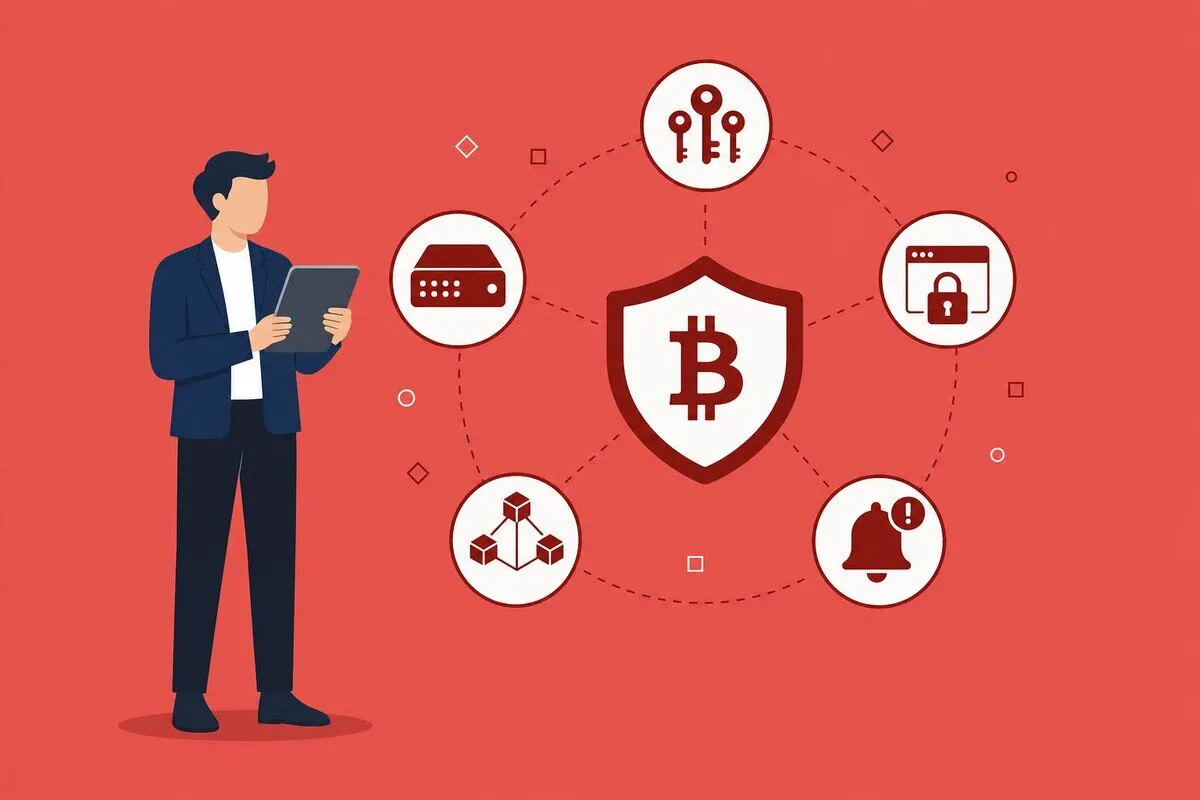
Forward-thinking healthcare organizations are also partnering with a blockchain application development company to store audit logs on immutable ledgers, making it virtually impossible for bad actors to alter or delete access records after a security incident.
Disaster Recovery and Business Continuity
Healthcare operations cannot tolerate extended downtime. Disaster recovery planning ensures organizations can restore critical systems and data following catastrophic events. Business continuity planning maintains essential healthcare services during disruptions.
Recovery Time Objective (RTO) defines the maximum acceptable downtime for systems. Healthcare applications supporting direct patient care typically require RTOs measured in minutes rather than hours. Recovery Point Objective (RPO) specifies the maximum acceptable data loss, usually expressed as a time interval between backups.
Disaster Recovery Comparison:
| Approach | RTO | RPO | Cost Level | Best For |
|---|---|---|---|---|
| Backup and Restore | 24-72 hours | 24 hours | Low | Non-critical systems |
| Pilot Light | 4-12 hours | 1-4 hours | Medium | Important applications |
| Warm Standby | 1-4 hours | Minutes | High | Critical clinical systems |
| Hot Site | Minutes | Near-zero | Very High | Emergency departments, ICUs |
Vendor Selection and Business Associate Agreements
Healthcare organizations rarely build cloud infrastructure independently. They engage cloud service providers who become business associates under HIPAA regulations. These vendors must sign Business Associate Agreements (BAAs) acknowledging their responsibilities for protecting PHI and agreeing to specific safeguards.
Not all cloud providers offer BAA-ready services. Organizations must select healthcare-oriented cloud offerings with necessary security controls and compliance certifications. The Office for Civil Rights emphasizes that covered entities remain responsible for ensuring their business associates implement appropriate safeguards.
Security certifications provide third-party validation of vendor practices. HITRUST CSF certification demonstrates comprehensive security controls aligned with HIPAA standards. SOC 2 Type II reports detail control effectiveness over time. ISO 27001 certification indicates mature information security management systems
Due diligence extends beyond initial vendor selection. Organizations must regularly review vendor security practices, assess vulnerabilities, and verify continued BAA adherence through ongoing security assessments.
Network Security Architecture
Network architecture determines how data flows between systems and users. Proper segmentation isolates PHI-containing systems from general networks, limiting potential exposure during security incidents. Virtual Private Clouds (VPCs) create logically isolated network sections within cloud environments.
Firewalls control traffic between network segments based on predetermined security rules. Next-generation firewalls add deep packet inspection, intrusion prevention, and application awareness beyond basic port and protocol filtering. Healthcare organizations should implement both perimeter firewalls protecting entire networks and host-based firewalls on individual servers.
Virtual Private Networks (VPNs) create encrypted tunnels for remote access, essential as healthcare workers increasingly access systems from home or satellite facilities. Split-tunneling configurations allow general internet traffic to bypass VPN connections while routing PHI access through protected channels. Remote workers should use VPNs to protect sensitive data when accessing both professional and personal accounts from the same device. For added security, consider using a strong VPN for Facebook to prevent unauthorized access while maintaining encrypted connections.
Intrusion Detection Systems (IDS) and Intrusion Prevention Systems (IPS) monitor network traffic for suspicious patterns. IDS alerts administrators to potential attacks, while IPS actively blocks detected threats. Machine learning capabilities help these systems identify novel attack patterns that signature-based detection might miss.
Data Backup and Retention Policies
Data backup procedures protect against data loss from technical failures, human errors, or malicious activities. Healthcare organizations must implement backup strategies addressing both routine data protection and long-term retention requirements. Blockchain technology creates immutable backup records, ensuring data integrity verification.
The 3-2-1 backup rule provides a simple yet effective framework: maintain three copies of data, store copies on two different media types, and keep one copy offsite. Cloud environments facilitate this approach through automated backup services and cross-region replication.
Backup testing verifies that recovery procedures actually work when needed. Organizations should perform regular restoration drills, attempting to recover data from backups and validating the integrity of restored information. Untested backups provide false confidence that often fails during actual emergencies.
Data retention policies specify how long organizations maintain different information types. Medical records typically require retention for six years after creation or the patient’s last treatment, whichever is longer. State laws sometimes mandate longer periods, and pediatric records often require retention until patients reach specific ages.
Incident Response Procedures
Security incidents will occur despite the best preventive efforts. Incident response procedures define how organizations detect, contain, investigate, and recover from security events. Rapid, organized responses minimize damage and facilitate regulatory reporting when required.
Incident classification systems categorize events by severity, enabling appropriate resource allocation. A low-severity incident like a single failed login attempt requires different response than a high-severity incident involving mass data exfiltration. Clear classification criteria help responders make quick, consistent decisions during stressful situations.
HIPAA breach notification rules require organizations to notify affected individuals, the Department of Health and Human Services, and potentially media outlets when breaches affect 500 or more people. Notifications must occur within 60 days of breach discovery, demanding efficient investigation and documentation processes.
Forensic capabilities preserve evidence during security investigations. Organizations must balance the need to resume operations quickly against the importance of understanding how incidents occurred and preventing recurrence. Cloud environments complicate forensics by abstracting underlying infrastructure, requiring specialized tools and expertise.
Why Healthcare Organizations Are Moving to HIPAA-Compliant Cloud Infrastructure?
Discover how healthcare systems are safeguarding patient records, enforcing strict access controls, ensuring data encryption, maintaining audit readiness, improving operational efficiency, and reducing compliance risks across cloud platforms.
Training and Workforce Management
Workforce training ensures employees understand their PHI protection responsibilities. Initial training introduces new workforce members to security policies, while ongoing training addresses evolving threats and regulatory changes. Our experience indicates that organizations providing quarterly security awareness updates demonstrate fewer security incidents than those with annual training cycles.
Training content should address real scenarios employees encounter. Phishing simulations teach staff to recognize suspicious emails, which remain the primary attack vector in healthcare. Role-specific training ensures clinical staff, administrative personnel, and IT professionals receive relevant information for their responsibilities.
Sanctions policies establish consequences for security policy violations. While organizations prefer education over punishment, sanctions demonstrate a serious commitment to PHI protection. Progressive discipline approaches typically begin with warnings for minor infractions, escalating to termination for severe or repeated violations.
Cost Considerations and ROI Analysis
Cloud infrastructure investments require careful financial analysis. While cloud services eliminate upfront hardware purchases, ongoing operational costs demand attention. Organizations must compare the total cost of ownership between cloud solutions and traditional on-premise infrastructure over relevant timeframes.
Security incident costs far exceed prevention investments. The average healthcare data breach costs over $10 million when accounting for regulatory fines, legal expenses, notification costs, remediation efforts, and reputation damage. Organizations spending hundreds of thousands annually on robust security measures achieve substantial returns by avoiding even a single major breach.
Efficiency gains from cloud infrastructure often offset security investment costs. Automated backup procedures reduce IT staff time, while cloud-based collaboration tools improve clinical workflow. Reduced downtime from improved disaster recovery capabilities preserves revenue and prevents patient care disruptions.
Cost-Benefit Analysis Framework:
- Direct costs: cloud service fees, security tools, and staff training.
- Indirect costs: compliance documentation, audit support, consultant fees.
- Risk mitigation value: potential breach cost reduction.
- Operational benefits: improved efficiency, reduced downtime.
- Strategic advantages: enhanced patient care capabilities, competitive positioning.
Final Thoughts
Implementing HIPAA-compliant cloud infrastructure requires a comprehensive understanding of technical, administrative, and physical safeguards protecting patient data. Healthcare organizations must balance security requirements with operational efficiency, ensuring encryption, access controls, and audit mechanisms work seamlessly within clinical workflows.
The investment in robust cloud security infrastructure delivers substantial returns through breach prevention, operational efficiency, and enhanced patient care capabilities while maintaining the highest standards of patient privacy and data security. With proper planning and execution, cloud infrastructure becomes a powerful enabler of modern healthcare delivery.
Frequently Asked Questions
Q1.What makes cloud storage HIPAA-ready for healthcare data?
Cloud storage becomes appropriate for healthcare use when providers implement encryption, access controls, audit logging, and sign Business Associate Agreements. The cloud service must offer technical safeguards meeting HIPAA Security Rule requirements, including unique user identification, emergency access procedures, and automatic logoff capabilities. Organizations cannot use standard consumer cloud services for PHI without proper security configurations and formal agreements.
Q2.Do all cloud providers offer Business Associate Agreements?
No, only cloud providers specifically serving healthcare markets typically offer BAAs. Consumer-oriented services like basic file storage rarely provide the legal frameworks and security controls necessary for PHI. Healthcare organizations must explicitly seek cloud services marketed for healthcare use and verify BAA availability before migrating any patient information.
Q3.How often should healthcare organizations audit their cloud security?
Organizations should conduct comprehensive security assessments annually at a minimum, with continuous monitoring between formal audits. Quarterly vulnerability scans help identify emerging threats, while annual penetration testing validates security control effectiveness. Major system changes or new cloud service implementations warrant immediate security reviews rather than waiting for scheduled audit cycles.
Q4.What encryption strength meets HIPAA requirements for patient data?
While HIPAA does not mandate specific encryption algorithms, AES-256 represents current industry standards for data at rest, and TLS 1.2 or higher protects data in transit. Organizations using weaker encryption methods risk criticism during audits and may struggle to demonstrate adequate PHI protection. Encryption key management matters as much as algorithm strength, requiring secure key storage separate from encrypted data.
Q5.Can healthcare organizations use multiple cloud providers simultaneously?
Yes, multi-cloud strategies offer advantages, including vendor independence and specialized service access. However, each cloud provider handling PHI requires a separate BAA and security assessment. Organizations must ensure consistent security controls across all cloud environments and maintain comprehensive audit trails spanning multiple platforms. Complexity increases with each additional provider, demanding robust management capabilities.
Q6.How long must healthcare organizations retain cloud-stored medical records?
Federal regulations require medical record retention for six years from creation or last patient encounter. State laws often mandate longer periods, sometimes 10 years or more. Pediatric records frequently require retention until patients reach age 21 or longer. Organizations must research applicable state requirements and implement retention policies meeting the longest applicable timeframe.
Q7.What happens if a cloud provider experiences a data breach?
When breaches occur at cloud providers, healthcare organizations remain ultimately responsible for PHI protection under HIPAA. The covered entity must investigate the breach, determine whether notification requirements apply, and report to regulators if necessary. Strong BAAs should include breach notification obligations requiring cloud providers to alert healthcare organizations promptly about security incidents affecting their data.
Q8.Are mobile devices accessing cloud-stored PHI subject to HIPAA requirements?
Yes, any device accessing PHI must implement appropriate safeguards. Mobile devices require encryption, password protection, remote wipe capabilities, and mobile device management systems. Healthcare organizations must establish policies governing personal device use for work purposes, often prohibiting PHI access from unmanaged devices or requiring specific security controls before allowing access.
Q9.How does HIPAA apply to cloud-based telemedicine platforms?
Telemedicine platforms transmitting patient consultations, storing visit records, or processing health information qualify as business associates requiring BAAs. These platforms must implement end-to-end encryption, secure video transmission, protected message storage, and comprehensive audit logging. Organizations should verify that telemedicine vendors specifically design their platforms for healthcare use rather than adapting general video conferencing tools.
Q10.What documentation must organizations maintain for cloud HIPAA adherence?
Required documentation includes security policies and procedures, risk assessments, BAAs with all cloud providers, workforce training records, access control listings, audit logs, incident response reports, and disaster recovery plans. Organizations must maintain these records for a minimum of six years. Documentation demonstrates good faith efforts to protect PHI and provides evidence during regulatory audits or breach investigations.
Reviewed by

Aman Vaths
Founder of Nadcab Labs
Aman Vaths is the Founder & CTO of Nadcab Labs, a global digital engineering company delivering enterprise-grade solutions across AI, Web3, Blockchain, Big Data, Cloud, Cybersecurity, and Modern Application Development. With deep technical leadership and product innovation experience, Aman has positioned Nadcab Labs as one of the most advanced engineering companies driving the next era of intelligent, secure, and scalable software systems. Under his leadership, Nadcab Labs has built 2,000+ global projects across sectors including fintech, banking, healthcare, real estate, logistics, gaming, manufacturing, and next-generation DePIN networks. Aman’s strength lies in architecting high-performance systems, end-to-end platform engineering, and designing enterprise solutions that operate at global scale.