Ai Overview
The blockchain revolution has transcended cryptocurrency speculation to deliver genuine business value through decentralized applications that transform how enterprises operate. Enterprises eliminate intermediary fees, reduce infrastructure costs, and automate manual processes, achieving 30-40% operational expense reductions through smart contract automation and decentralized processing.
Key Takeaways
- Enterprise dApps eliminate intermediaries and reduce operational costs by 30-40% through automated smart contract execution across business processes
- Decentralized applications provide mathematically guaranteed data integrity and security through distributed ledger technology and cryptographic verification mechanisms
- Major financial institutions in USA, UK, and UAE have deployed blockchain-based applications for cross-border payments and trade finance operations
- Healthcare enterprises leverage dApps for secure patient data sharing while maintaining HIPAA compliance and regulatory requirements across jurisdictions
- Supply chain transparency improves dramatically as dApps enable real-time tracking and verification of goods throughout global distribution networks
- Smart contracts automate complex business workflows, reducing processing time from days to minutes while eliminating manual reconciliation errors
- Enterprise adoption accelerates as layer-2 scaling solutions address throughput limitations, enabling millions of transactions per second capabilities
- Regulatory frameworks in Canada and progressive markets establish clearer guidelines, reducing compliance uncertainty for enterprise blockchain implementations
- Real estate tokenization platforms built on dApp infrastructure democratize property investment and streamline transaction settlements globally
- Hybrid blockchain architectures balance transparency requirements with confidentiality needs, making dApps viable for sensitive enterprise applications
Introduction to Enterprise dApps
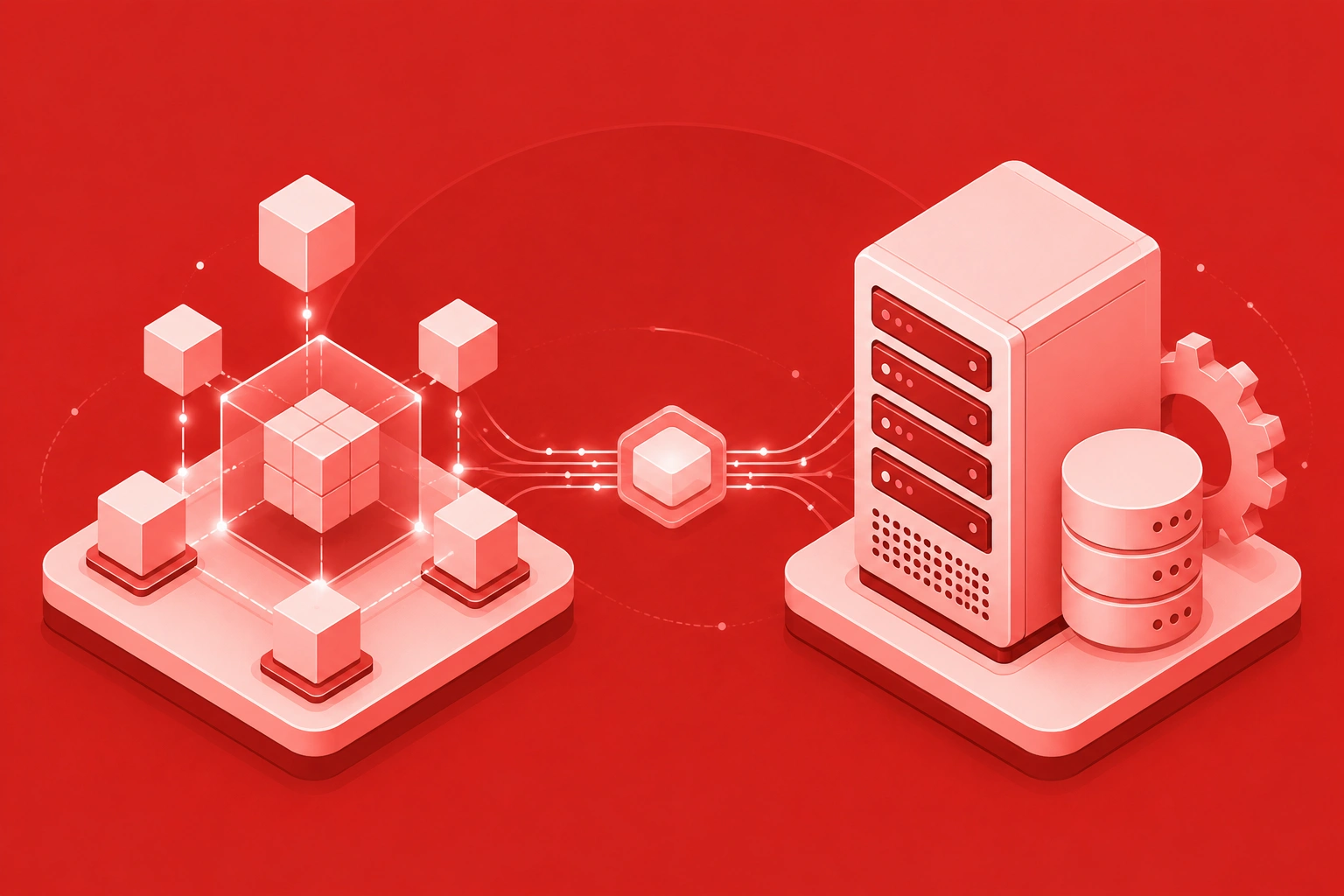
The blockchain revolution has transcended cryptocurrency speculation to deliver genuine business value through decentralized applications that transform how enterprises operate. Organizations worldwide recognize that what is dapp technology represents more than a trendy innovation but rather a fundamental shift in digital infrastructure architecture. Enterprise dApps eliminate traditional intermediaries, reduce costs, enhance security, and create transparent ecosystems where trust is established through code rather than institutional reputation.
Understanding what are dapps and their enterprise applications requires examining how these systems differ fundamentally from conventional software. Unlike centralized platforms controlled by single entities, decentralized application frameworks distribute control across network participants, creating resilient systems resistant to manipulation, censorship, and single-point failures. This architectural paradigm proves particularly valuable for multinational corporations operating across USA, UK, UAE, and Canada, where regulatory requirements, data sovereignty concerns, and operational complexity demand robust solutions.
The transition toward decentralized infrastructure reflects growing enterprise dissatisfaction with traditional cloud providers and centralized platforms. Data breaches, service outages, vendor lock-in, and escalating costs drive organizations to explore blockchain-based alternatives. What makes a decentralized app truly decentralized is its ability to operate without depending on any single authority, ensuring business continuity even when individual components fail. This reliability, combined with enhanced transparency and security, positions enterprise dApps as critical infrastructure for the digital economy’s next evolution.
What Makes dApps Enterprise-Ready?
Enterprise-grade decentralized applications must meet rigorous standards that consumer-focused dApps often ignore. Scalability requirements differ dramatically between applications serving millions of retail users and enterprise systems processing thousands of high-value transactions. Key components of a DApp suitable for enterprise deployment include permissioned access controls, regulatory compliance mechanisms, disaster recovery protocols, and service level agreements that guarantee uptime and performance.
Security considerations extend beyond basic cryptographic protections to encompass comprehensive threat modeling, penetration testing, and continuous monitoring. Enterprise dApps require sophisticated identity management integrating with existing corporate directories while maintaining privacy and audit capabilities. Data confidentiality mechanisms must protect sensitive business information even while leveraging blockchain’s transparency for verification purposes. This balance between openness and privacy distinguishes enterprise implementations from public blockchain applications.
Performance benchmarks for enterprise systems demand transaction throughput exceeding traditional database capabilities, with latency measured in milliseconds rather than seconds. Features of blockchain-based apps targeting enterprise markets include configurable consensus mechanisms, modular architectures allowing component upgrades without system-wide disruptions, and comprehensive APIs enabling integration with legacy enterprise resource planning systems. Governance frameworks must accommodate complex organizational structures while preserving decentralization benefits that justify blockchain adoption initially.
Key Drivers Behind Industry-Wide dApp Adoption
Multiple converging factors accelerate enterprise migration toward decentralized application frameworks across industries. Technological maturation addresses early-stage limitations that prevented mainstream adoption, with throughput improvements, enhanced privacy mechanisms, and sophisticated development tools making dapp blockchain implementations practical for production workloads. The emergence of enterprise-focused blockchain platforms offering permissioned networks, configurable governance, and regulatory compliance features removes technical barriers previously restricting adoption.
Economic pressures intensify as organizations seek competitive advantages through operational efficiency and cost reduction. What are decentralized applications offering that traditional systems cannot is the elimination of rent-seeking intermediaries extracting value without adding proportional benefits. Financial institutions particularly recognize how smart contracts reduce settlement times from days to minutes while slashing reconciliation costs. This economic logic proves compelling across industries facing margin compression and digital transformation imperatives.
Cultural shifts toward transparency, accountability, and distributed authority align with decentralized architecture principles. Younger executives entering leadership positions bring blockchain familiarity and willingness to challenge legacy infrastructure assumptions. Successful pilot projects demonstrate tangible benefits, creating positive feedback loops encouraging broader experimentation. Collaborative industry consortia sharing knowledge and establishing standards accelerate adoption by reducing uncertainty and development costs associated with pioneering implementations.
Enterprise dApps vs Traditional Centralized Applications
The difference between centralized and decentralized apps extends beyond technical architecture to encompass fundamental operational, economic, and governance distinctions. Understanding these differences helps enterprises make informed decisions about when blockchain solutions deliver genuine advantages versus situations where traditional systems remain more appropriate. The comparison reveals that dapps in blockchain offer unique value propositions but also introduce complexity requiring careful consideration.
| Aspect | Enterprise dApps | Traditional Applications |
|---|---|---|
| Control Structure | Distributed across network participants through consensus mechanisms | Centralized under single organizational authority |
| Data Storage | Replicated across multiple nodes with cryptographic verification | Stored in centralized databases controlled by operator |
| Transaction Validation | Multiple independent validators confirm through consensus | Single authority validates and approves transactions |
| Transparency Level | Auditable by authorized participants with selective disclosure | Opaque operations visible only to system administrators |
| Failure Resilience | Continues operating despite individual node failures | Vulnerable to single-point failures requiring redundancy |
| Governance Model | Community-driven through token voting or consortium agreement | Top-down decisions by owning organization |
| Trust Mechanism | Cryptographic proof and game-theoretic incentives | Institutional reputation and legal agreements |
These architectural distinctions create practical implications for deployment strategies, operational costs, and user experiences. Enterprises must evaluate whether decentralization benefits justify the additional complexity and different operational paradigms that dApp implementation requires compared to familiar centralized approaches.
Security Advantages of Enterprise dApps
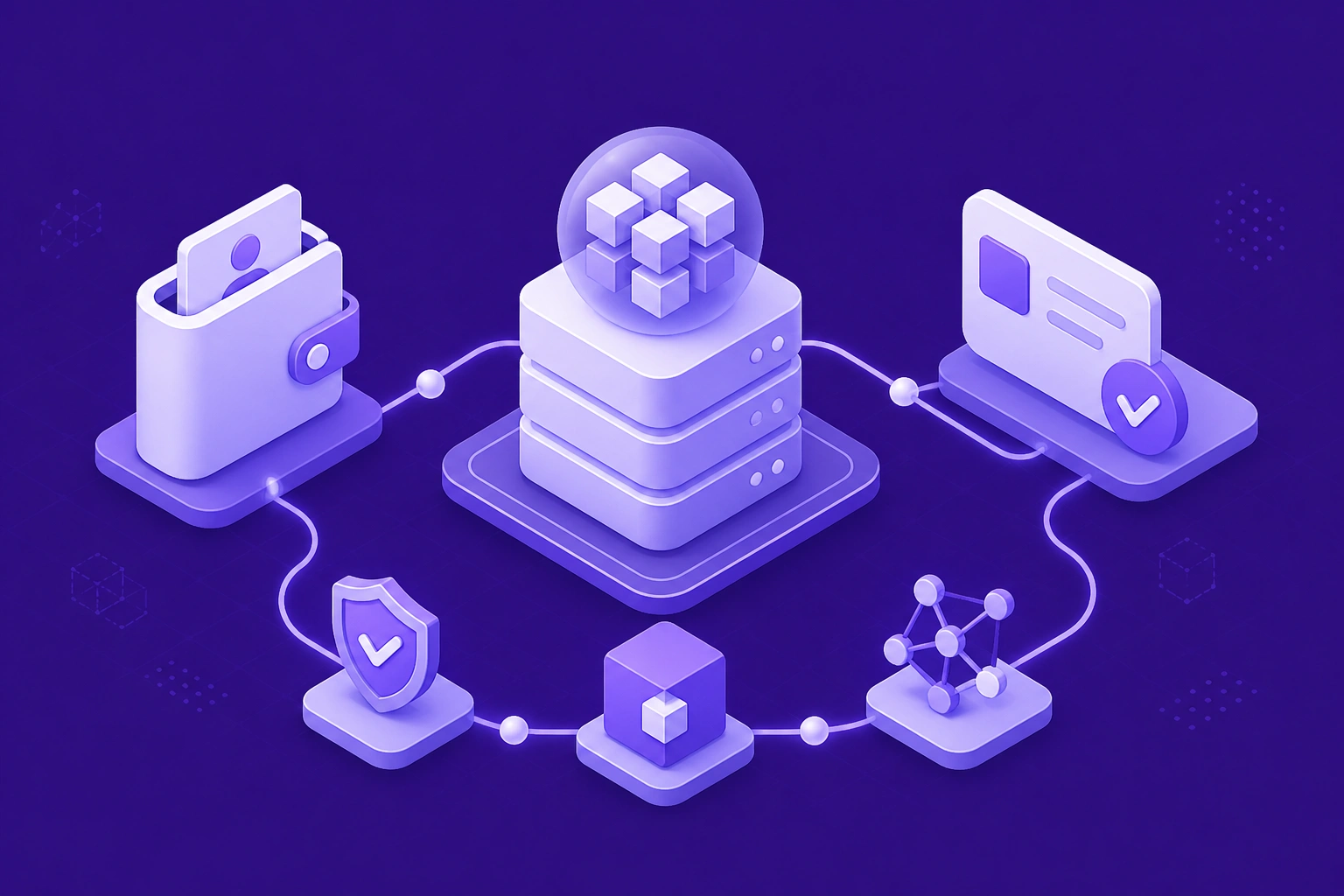
Security considerations rank among the most compelling reasons enterprises adopt decentralized application architectures. Traditional centralized systems concentrate valuable data and functionality in locations vulnerable to coordinated attacks, insider threats, and catastrophic failures. The distributed nature of dapp crypto infrastructure eliminates these single-point vulnerabilities, requiring attackers to compromise majority control across multiple independent nodes simultaneously rather than breaching one centralized database.
Cryptographic verification mechanisms embedded in blockchain protocols ensure data integrity automatically without relying on trusted administrators who might maliciously or accidentally compromise information. Every transaction undergoes mathematical validation before acceptance, creating tamper-evident records where any alteration becomes immediately apparent to all network participants. This inherent auditability proves invaluable for enterprises in regulated industries where proving data provenance and maintaining chain-of-custody documentation represents ongoing compliance burden.
Smart contract code executes identically across all nodes, preventing selective enforcement or preferential treatment that characterizes centralized systems where administrators possess override capabilities. While smart contract vulnerabilities can introduce security risks requiring rigorous auditing, the transparent nature allows comprehensive community review before deployment. Organizations operating across USA, UK, UAE, and Canada particularly benefit from consistent security postures across jurisdictions without adapting to varying local infrastructure reliability or trustworthiness concerns.
Critical Security Components in Enterprise dApps
Consensus Mechanism Security
Byzantine fault tolerance ensures network remains secure even when some validators act maliciously or fail, maintaining integrity through mathematical proofs rather than institutional trust.
Cryptographic Key Management
Hardware security modules and multi-signature schemes protect private keys controlling access and transactions, preventing unauthorized actions even if individual keys become compromised.
Smart Contract Auditing
Formal verification tools and professional security audits identify vulnerabilities before deployment, ensuring contract logic executes as intended without exploitable flaws that could compromise funds or data.
Transparency and Trust in Enterprise Ecosystems
Transparency represents both a philosophical principle and practical requirement distinguishing decentralized applications from traditional enterprise software. What is dapp transparency fundamentally about is creating verifiable business processes where all authorized participants can independently confirm operations without trusting intermediary institutions. This capability transforms industries where multiple parties collaborate but lack complete mutual trust, enabling cooperation previously impossible due to information asymmetries and verification costs.
Selective disclosure mechanisms balance transparency requirements with confidentiality needs essential for competitive enterprises. Zero-knowledge proofs allow parties to prove facts about data without revealing the underlying information itself, enabling compliance verification without exposing sensitive business details. Permissioned blockchain architectures restrict visibility to authorized participants while maintaining cryptographic integrity ensuring even privileged viewers cannot manipulate historical records without detection.
The trust implications extend beyond technical verification to reshape business relationships and governance structures. When contracts execute automatically based on observable conditions rather than discretionary interpretation, disputes decrease dramatically while execution certainty increases. Suppliers, partners, regulators, and customers gain confidence from transparent audit trails demonstrating compliance and proper execution. This enhanced trust reduces friction costs, accelerates transaction velocity, and enables new business models requiring coordination among parties who might otherwise struggle to establish working relationships.
Real-World Example: Trade Finance Transparency
A consortium of banks across USA, UK, and UAE implemented a blockchain-based trade finance platform processing over $2 billion in transactions monthly. All participating institutions verify shipping documents, payment releases, and compliance checks through the shared ledger, reducing fraud by 80% and cutting processing time from 7 days to 24 hours. The transparency allows regulatory bodies to monitor transactions in real-time without disrupting business operations, demonstrating how decentralized applications enhance oversight while improving efficiency.
Cost Optimization Through Decentralized Systems
Financial considerations drive enterprise technology adoption decisions, making cost optimization through decentralized application deployment a critical evaluation factor. Organizations achieve substantial savings by eliminating intermediary fees that extract value without proportional contribution to business outcomes. Payment processors, clearinghouses, escrow services, and various middlemen charging percentage-based fees disappear when smart contracts execute transactions directly between parties without requiring trusted third-party facilitation.
Infrastructure costs decline as distributed networks leverage participant computing resources rather than requiring enterprises to provision and maintain dedicated data centers. While node operation incurs expenses, sharing these across multiple stakeholders typically proves more economical than each organization independently maintaining equivalent centralized infrastructure. Transaction fees on established blockchain networks, though variable, often undercut traditional payment networks particularly for high-value or international transfers where percentage-based fees compound.
Operational efficiency gains compound these direct cost reductions through automation eliminating manual reconciliation, error correction, and compliance reporting processes. Dapps examples from financial services demonstrate settlement time reduction from T+3 days to near-instantaneous finality, dramatically decreasing working capital requirements and counterparty risk. Insurance companies automate claims processing through parametric smart contracts, reducing administrative costs by 40% while accelerating payouts from weeks to minutes when triggering conditions like flight delays or natural disaster thresholds get met.
Scalability Challenges and Enterprise Solutions
Scalability limitations historically prevented blockchain technology from supporting enterprise-grade transaction volumes required by major corporations processing millions of operations daily. Early public blockchains achieved only 15-20 transactions per second, orders of magnitude below centralized database capabilities handling thousands of transactions per second. This throughput constraint created bottlenecks incompatible with enterprise requirements, particularly during peak demand periods when transaction costs skyrocketed and confirmation times extended unacceptably.
Layer-2 scaling solutions address these limitations by processing transactions off the main blockchain while anchoring security to the underlying layer-1 network. Payment channels, state channels, and rollup technologies batch multiple transactions into single on-chain commitments, achieving throughput improvements exceeding 10,000 transactions per second while maintaining security guarantees. These solutions prove particularly effective for applications like supply chain tracking where high transaction volumes don’t all require immediate settlement finality.
Alternative consensus mechanisms optimized for permissioned enterprise networks sacrifice some decentralization to achieve dramatic throughput improvements. Practical Byzantine Fault Tolerance and similar algorithms enable transaction finality in seconds rather than minutes, meeting latency requirements for real-time applications. Sharding techniques partition network state across multiple parallel chains, allowing linear scalability as more nodes join without degrading per-chain performance. These technological advances make what is dapp scalability a solved problem for most enterprise use cases requiring private or consortium blockchain deployments.
Enterprise dApps in the Financial Services Industry
Financial institutions pioneered enterprise blockchain adoption, recognizing how decentralized applications address long-standing industry pain points around settlement delays, reconciliation costs, and counterparty risks. Major banks in USA, UK, and UAE operate blockchain networks processing billions in daily transaction volume for cross-border payments, trade finance, securities settlement, and syndicated lending. These implementations demonstrate that what are dapps capabilities extend well beyond cryptocurrency speculation into core infrastructure supporting global financial markets.
Cross-border payment applications showcase blockchain’s transformative potential most dramatically. Traditional international transfers traverse multiple correspondent banking relationships, incurring fees at each hop while taking 3-5 days for final settlement. Blockchain-based payment networks complete equivalent transfers in minutes with flat fee structures regardless of transaction value or destination. Ripple, Stellar, and similar enterprise-focused platforms process millions of transactions monthly, with financial institutions increasingly adopting these systems to remain competitive as customer expectations shift toward real-time settlement capabilities.
Securities tokenization represents another frontier where decentralized application development creates new market structures. Traditional securities trading involves multiple intermediaries including broker-dealers, clearinghouses, and custodians, each adding cost and settlement delay. Tokenized securities trade peer-to-peer with instant settlement, fractional ownership capabilities, and programmable compliance rules embedded in smart contracts. This infrastructure enables 24/7 trading, reduces capital requirements, and democratizes access to previously illiquid asset classes like private equity and commercial real estate.
Real-World Example: Digital Bond Issuance
The European Investment Bank issued €100 million in digital bonds using blockchain technology, reducing issuance costs by 90% compared to traditional processes. Smart contracts automatically handle interest payments, coupon distributions, and maturity settlements without manual intervention. The transparent ledger allows real-time regulatory reporting while secondary market trading occurs instantly rather than requiring T+2 settlement. This success inspired similar issuances across Canada and other progressive markets, establishing decentralized applications as viable infrastructure for sovereign and corporate debt markets.
Healthcare Industry Adoption of dApps
Healthcare organizations face unique challenges around data privacy, interoperability, and patient consent that blockchain-based solutions address elegantly. Patient medical records stored across multiple providers create fragmentation hindering care coordination while raising security concerns around centralized health databases attractive to hackers. Decentralized health information exchanges allow patients to control access permissions through cryptographic keys, granting specific providers temporary access to relevant records without exposing complete medical histories.
Clinical trial management represents another application where transparency and immutability prove valuable. Blockchain-based systems record patient enrollment, protocol amendments, and outcome data in tamper-evident ledgers, addressing concerns about data integrity and selective reporting that plague traditional trial registries. Smart contracts automate patient compensation, ensuring timely payments when participation milestones get met while maintaining compliance with regulatory requirements across different jurisdictions.
Pharmaceutical supply chain verification tackles counterfeit medication problems costing the industry billions annually. Each drug package receives a unique blockchain identifier recorded at manufacturing, with subsequent custody transfers logged automatically as products move through distribution networks. Healthcare providers and patients verify authenticity by checking the blockchain before administration, dramatically reducing counterfeit penetration while enabling rapid recall execution when safety issues emerge. They often collaborate with the best reputation management companies to monitor public perception, address emerging risks proactively and maintain consistent communication across international markets.
Supply Chain and Logistics Transformation with dApps
Global supply chains involve numerous parties including manufacturers, logistics providers, customs authorities, and retailers, each maintaining separate record systems leading to information silos and reconciliation difficulties. Blockchain-based supply chain platforms create single shared truth sources where all participants record events in real-time, eliminating discrepancies and enabling end-to-end visibility previously impossible. This transparency proves particularly valuable for complex products like electronics or automobiles containing thousands of components sourced globally.
Provenance tracking ensures product authenticity and ethical sourcing compliance increasingly demanded by conscious consumers and regulatory bodies. Luxury goods manufacturers combat counterfeiting by recording each item’s journey from raw materials through manufacturing to final sale on blockchain ledgers. Customers verify authenticity by scanning unique identifiers, while secondary markets confirm genuine articles before resale. Similar applications track conflict-free mineral sourcing, organic certification maintenance, and fair trade compliance throughout complex international supply networks.
Automated customs clearance through smart contracts dramatically accelerates international shipments while reducing error rates. Required documentation, tariff calculations, and compliance checks execute automatically based on blockchain-recorded product attributes and shipping data. Customs authorities in UAE and other progressive jurisdictions pilot these systems, reducing average clearance times from days to hours while improving accuracy and reducing fraud. The efficiency gains compound as more trading partners adopt compatible blockchain standards, creating network effects incentivizing broader participation.
Enterprise dApps in Real Estate and Asset Tokenization
Real estate markets suffer from illiquidity, high transaction costs, and limited access for smaller investors unable to afford whole property purchases. Asset tokenization through blockchain platforms addresses these constraints by representing property ownership as divisible digital tokens tradeable on secondary markets. Investors purchase fractional interests in commercial buildings, residential developments, or real estate investment portfolios, diversifying exposure while maintaining liquidity previously impossible with direct property ownership.
Smart contracts automate rental income distribution, property expense allocation, and governance voting among fractional owners without requiring property management company intermediation. Transparent ledgers record all financial transactions and ownership changes, simplifying tax reporting while providing comprehensive audit trails for regulatory compliance. This automation reduces administrative costs by 60-70% compared to traditional real estate investment trust structures while providing greater transparency to investors monitoring their holdings.
Cross-border real estate investment becomes practical when blockchain infrastructure handles currency conversion, compliance verification, and ownership transfer automatically. International investors from USA, UK, UAE, and Canada access property markets globally without navigating complex local regulations or engaging expensive intermediaries. The 24/7 trading capability and instant settlement finality transform real estate from an illiquid long-term hold into a liquid asset class suitable for portfolio rebalancing and tactical allocation strategies previously reserved for stocks and bonds.
Selection Criteria for Enterprise Blockchain Platform
Performance Requirements
Evaluate transaction throughput, latency characteristics, and scalability potential against current and projected workload demands, ensuring the platform handles peak loads without degradation or prohibitive cost increases.
Governance Model
Assess whether permissionless, permissioned, or hybrid governance aligns with enterprise control requirements, regulatory obligations, and collaboration needs with external partners across different jurisdictions.
Ecosystem Maturity
Consider developer community size, available tooling, professional service providers, and existing enterprise implementations reducing pioneering risks and accelerating time-to-production deployment timelines.
The Role of Smart Contracts in Enterprise Automation
Smart contracts represent the execution layer enabling decentralized applications to automate business processes without human intervention or trusted intermediaries. How smart contracts enable decentralization fundamentally relates to their deterministic nature, executing identically across all network nodes based solely on observable conditions rather than discretionary interpretation. This predictability allows enterprises to codify complex business logic, compliance rules, and multi-party workflows into transparent agreements that execute automatically when triggering conditions get met.
Insurance claims processing demonstrates smart contract automation potential dramatically. Traditional claims require manual review, documentation verification, and approval workflows consuming weeks while introducing opportunities for disputes and fraud. Parametric insurance smart contracts trigger automatic payouts when external data feeds confirm insured events like flight delays, earthquakes, or crop failures. Claimants receive compensation within hours without filing paperwork or waiting for adjusters, while insurers reduce administrative costs and improve customer satisfaction simultaneously.
Supply chain finance applications automate invoice factoring and working capital provision based on smart contracts monitoring delivery confirmations and payment obligations. Small suppliers receive immediate payment upon delivery verification rather than waiting 60-90 days for buyer payment, improving cash flow while reducing financing costs. The transparency allows financial institutions to assess default risks accurately, expanding credit availability to suppliers previously excluded from traditional factoring arrangements due to insufficient credit history or collateral.
Real-World Example: Automated Royalty Distribution
A music streaming platform implemented smart contract-based royalty distribution, replacing manual calculations and payments that previously took months with automated settlements executing within 24 hours of streaming events. Artists receive payments directly to their wallets based on streaming metrics recorded on blockchain, with full transparency into calculation methodology. The system handles complex rights splits among multiple stakeholders automatically, reducing administrative overhead by 85% while improving artist satisfaction through faster, more transparent compensation.
Regulatory and Compliance Considerations for Enterprises
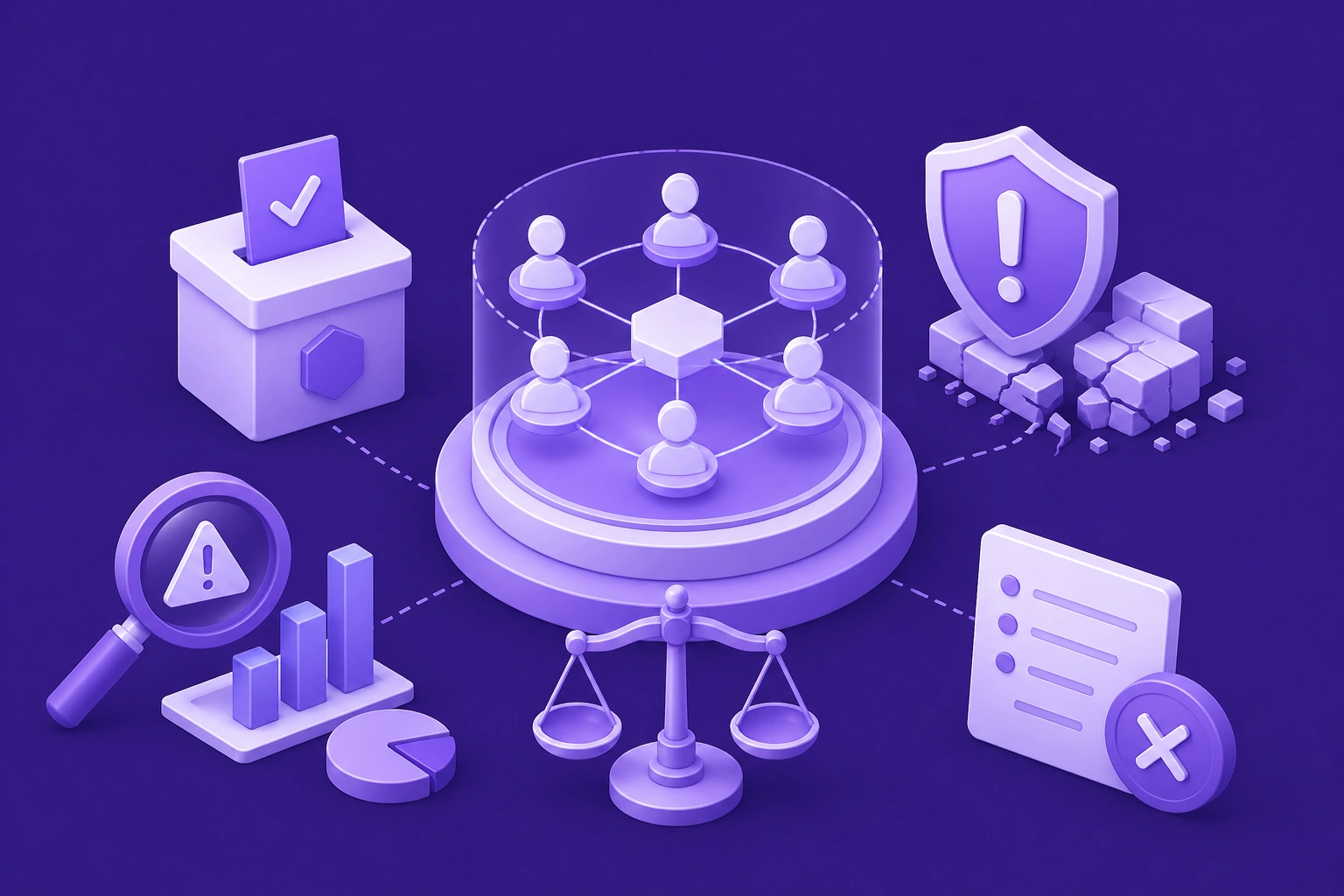
Navigating regulatory frameworks represents one of the most significant challenges enterprises face when implementing decentralized applications. Different jurisdictions approach blockchain technology with varying degrees of clarity and receptiveness, creating complexity for multinational organizations operating across USA, UK, UAE, Canada, and other markets. Understanding what is dapp compliance requires examining how traditional regulations apply to novel technological architectures that lawmakers didn’t anticipate when drafting existing rules.
| Regulatory Area | Key Requirements | Enterprise Implementation |
|---|---|---|
| Data Protection | GDPR right to erasure, data minimization, consent management | Off-chain storage with on-chain pointers, encryption keys as deletion mechanism |
| Financial Services | KYC/AML verification, transaction monitoring, suspicious activity reporting | Identity verification layer before blockchain access, automated compliance checks in smart contracts |
| Securities Regulation | Registration requirements, investor accreditation, disclosure obligations | Token structure analysis, regulatory sandbox participation, qualified custodian engagement |
| Tax Treatment | Transaction classification, capital gains tracking, reporting procedures | Comprehensive transaction logging, cost basis calculations, automated tax reporting integration |
| Cross-Border Operations | Conflicting jurisdictional requirements, data localization laws | Jurisdiction-specific smart contract logic, selective node deployment by geography |
Progressive regulatory approaches in jurisdictions like UAE and Canada establish innovation-friendly frameworks balancing consumer protection with technological advancement encouragement. Regulatory sandboxes allow enterprises to test blockchain applications under supervisor observation, developing best practices informing broader rule-making. These collaborative approaches prove more effective than rigid prohibition or premature regulation based on incomplete understanding of decentralized technology’s capabilities and limitations.
Future Outlook: The Next Phase of Enterprise dApp Evolution
Enterprise dApp adoption stands at an inflection point where technological maturation, regulatory clarity, and demonstrated business value converge to drive mainstream acceptance. The next five years will witness exponential growth as conservative enterprises overcome initial skepticism and pilot programs transition into production deployments handling critical business operations. Understanding what is dapp potential requires examining emerging trends that will shape the technology’s trajectory and expand its applicability across industries and use cases.
Interoperability solutions will eliminate current fragmentation where different blockchain networks operate as isolated silos unable to communicate directly. Cross-chain bridges, atomic swaps, and standardized messaging protocols enable seamless value and data transfer between diverse platforms, allowing enterprises to leverage multiple blockchain’s strengths simultaneously rather than committing exclusively to single ecosystems. This connectivity amplifies network effects, making each platform more valuable as participants access broader liquidity pools and expanded partner networks regardless of underlying blockchain choices.
Integration with artificial intelligence and Internet of Things technologies creates autonomous systems executing complex workflows without human intervention. Smart devices automatically purchase services, verify quality, and settle payments through blockchain infrastructure while machine learning algorithms optimize parameters based on historical performance data. Supply chains become self-orchestrating networks where sensors monitor conditions, smart contracts trigger actions, and AI systems predict disruptions before they occur, revolutionizing operational efficiency across manufacturing, logistics, and distribution industries.
The convergence of private and public blockchain infrastructure through hybrid architectures balances transparency requirements with confidentiality needs essential for competitive enterprises. Organizations execute sensitive operations on permissioned chains while anchoring proofs to public blockchains for immutability and censorship resistance. This best-of-both-worlds approach addresses enterprise concerns about exposing proprietary information while maintaining decentralization benefits that justify blockchain adoption over traditional databases. As these technologies mature and adoption accelerates across USA, UK, UAE, Canada, and globally, decentralized applications will fundamentally reshape digital infrastructure supporting modern economic activity.
Ready to Transform Your Enterprise with Decentralized Applications?
Partner with our experienced team to design, build, and deploy enterprise-grade dApps that deliver measurable business value. With over 8 years of blockchain expertise, we help organizations across USA, UK, UAE, and Canada harness decentralized technology for competitive advantage.
Frequently Asked Questions
Q1.What is a dApp and how does it differ from traditional applications?
A dApp, or decentralized application, operates on blockchain networks rather than centralized servers, eliminating single points of control and failure. Unlike traditional applications that rely on company-owned infrastructure, dApps utilize distributed ledger technology to process transactions and store data across multiple nodes. The fundamental distinction lies in governance and ownership. Traditional apps grant complete control to their operators, while dApps distribute authority among network participants through consensus mechanisms. This architectural difference ensures that no single entity can manipulate data, censor users, or unilaterally change application rules. The transparency inherent in blockchain-based apps allows anyone to verify operations and transactions, creating unprecedented accountability in digital ecosystems.
Q2.What makes a decentralized app truly decentralized?
True decentralization in dApps requires several critical components working in harmony. The application must run on a distributed blockchain network where multiple independent nodes validate transactions without central coordination. Smart contracts, which are self-executing code stored on the blockchain, must govern all core functionalities to prevent human interference or manipulation. Data storage should utilize decentralized solutions rather than centralized databases, ensuring information remains accessible even if some nodes fail. Token governance mechanisms allow community members to propose and vote on protocol changes, distributing decision-making power. The absence of administrative backdoors or override functions further ensures genuine decentralization. Additionally, the source code should be open and verifiable, allowing anyone to audit the application’s operations and confirm its decentralized nature.
Q3.How do smart contracts enable decentralization in enterprise applications?
Smart contracts serve as the foundational technology enabling enterprise dApps to operate without centralized intermediaries. These self-executing programs automatically enforce business logic and agreements when predetermined conditions are met, eliminating the need for trusted third parties. In enterprise contexts, smart contracts handle complex workflows like payment processing, supply chain verification, and compliance checks with complete transparency and immutability. Once deployed on a blockchain, these contracts cannot be altered by any single party, ensuring all participants follow the same rules. This automation reduces operational costs significantly while increasing transaction speed and accuracy. For multinational enterprises operating across USA, UK, UAE, and Canada, smart contracts provide consistent execution regardless of jurisdiction, time zones, or local business practices, creating truly borderless operational frameworks.
Q4.What are the key advantages of enterprise dApps over centralized systems?
Enterprise dApps deliver transformative benefits that centralized systems cannot match. Security improvements arise from distributed architecture, where compromising one node doesn’t jeopardize the entire system, unlike centralized databases vulnerable to single-point attacks. Transparency allows all authorized parties to verify transactions and data in real-time, building trust among business partners and regulatory bodies. Cost reductions emerge from eliminating intermediaries, reducing infrastructure expenses, and automating manual processes through smart contracts. Data integrity becomes mathematically guaranteed through cryptographic hashing, making fraud and tampering virtually impossible. Operational resilience increases dramatically as the network continues functioning even when individual nodes experience downtime. Finally, enterprises gain complete data sovereignty, controlling their information without dependence on third-party cloud providers who might access, analyze, or restrict access to sensitive business data.
Q5.Which industries are leading enterprise dApp adoption?
Financial services pioneered enterprise dApp adoption, utilizing blockchain for cross-border payments, trade finance, and digital asset custody. Healthcare organizations increasingly deploy dApps for secure patient data sharing, clinical trial management, and pharmaceutical supply chain verification. Supply chain and logistics companies leverage decentralized applications to track goods globally, verify authenticity, and streamline customs processes. Real estate firms embrace tokenization platforms built on dApp infrastructure to fractionally divide property ownership and automate transaction settlements. Insurance companies implement smart contract-based claims processing and parametric insurance products. Energy sectors utilize dApps for peer-to-peer electricity trading and renewable energy certificate management. Government agencies in progressive jurisdictions pilot blockchain-based identity management and public records systems. Manufacturing industries employ dApps for quality assurance tracking and intellectual property protection across global operations.
Q6.What regulatory challenges do enterprises face when implementing dApps?
Regulatory compliance represents the most significant hurdle for enterprise dApp adoption across different jurisdictions. Financial regulations like KYC (Know Your Customer) and AML (Anti-Money Laundering) requirements often conflict with blockchain’s pseudonymous nature, forcing enterprises to implement identity verification layers. Data protection laws such as GDPR in the UK and similar frameworks in USA and Canada create challenges since blockchain’s immutability contradicts the right to data deletion. Securities regulations apply when dApps involve token offerings or digital asset trading, requiring careful legal structuring. Cross-border operations face complexity as different countries classify cryptocurrencies and blockchain applications inconsistently. Smart contract legal enforceability remains uncertain in many jurisdictions, creating potential disputes over automated execution outcomes. Tax treatment of blockchain transactions varies significantly, complicating accounting and reporting. Enterprises must navigate this fragmented landscape carefully, often working with regulators to establish compliant frameworks.
Q7.What does the future hold for enterprise dApp adoption?
Enterprise dApp adoption will accelerate dramatically over the next five years as technology matures and regulatory frameworks solidify. Interoperability solutions will enable seamless communication between different blockchain networks, allowing enterprises to leverage multiple platforms simultaneously. Layer-2 scaling solutions will address current throughput limitations, enabling dApps to process millions of transactions efficiently. Traditional enterprises increasingly recognize blockchain’s strategic value beyond cryptocurrency, driving mainstream adoption across industries. Hybrid models combining private and public blockchains will emerge, balancing transparency needs with confidentiality requirements. Integration with emerging technologies like artificial intelligence and Internet of Things will create sophisticated autonomous systems. Regulatory clarity in major markets including USA, UK, UAE, and Canada will reduce compliance uncertainty, encouraging conservative enterprises to explore decentralized solutions. Standardization efforts will establish best practices and technical specifications, simplifying implementation. The convergence of these factors positions enterprise dApps to fundamentally reshape global business infrastructure.
Explore Services
Related Services
Reviewed by

Aman Vaths
Founder of Nadcab Labs
Aman Vaths is the Founder & CTO of Nadcab Labs, a global digital engineering company delivering enterprise-grade solutions across AI, Web3, Blockchain, Big Data, Cloud, Cybersecurity, and Modern Application Development. With deep technical leadership and product innovation experience, Aman has positioned Nadcab Labs as one of the most advanced engineering companies driving the next era of intelligent, secure, and scalable software systems. Under his leadership, Nadcab Labs has built 2,000+ global projects across sectors including fintech, banking, healthcare, real estate, logistics, gaming, manufacturing, and next-generation DePIN networks. Aman’s strength lies in architecting high-performance systems, end-to-end platform engineering, and designing enterprise solutions that operate at global scale.