Ai Overview
NFT wallets are essential tools for owning, managing, and interacting with NFTs in a fully decentralized way. NFTs are stored on the blockchain, while NFT wallets securely hold the private keys that prove ownership. Hot wallets offer speed and convenience, while cold wallets provide maximum protection for high-value NFT assets. Seed phrases are critical security elements and must be stored offline to prevent permanent asset loss.
Key Takeaways – Best NFT Wallets in 2026
- NFT wallets are essential tools for owning, managing, and interacting with NFTs in a fully decentralized way.
- NFTs are stored on the blockchain, while NFT wallets securely hold the private keys that prove ownership.
- Hot wallets offer speed and convenience, while cold wallets provide maximum protection for high-value NFT assets.
- Seed phrases are critical security elements and must be stored offline to prevent permanent asset loss.
- NFT wallets allow direct interaction with marketplaces, games, metaverse platforms, and Web3 applications.
- Strong security practices such as avoiding phishing, verifying transactions, and using hardware wallets are non-negotiable.
- The future of NFT wallets includes cross-chain compatibility, advanced security layers, and deeper Web3 integration.
- As Web3 adoption grows, NFT wallets will become the foundation of digital ownership and decentralized participation.
NFTs, or Non-Fungible Tokens, are unique digital assets that represent ownership of specific items such as digital art, music, videos, gaming assets, virtual land, event tickets, and other digital collectibles. Unlike normal digital files, which can be copied, downloaded, or shared without limitation, NFTs are stored on a blockchain. This blockchain record makes each NFT verifiable, traceable, and impossible to duplicate in terms of ownership. Because of this, NFTs have created a new way for people to own, trade, and prove authenticity of digital items.
Over the past few years, NFTs have moved beyond simple digital art and have become part of gaming ecosystems, metaverse platforms, brand loyalty programs, and digital identity systems. As adoption increases, the importance of securely storing and managing NFTs has grown significantly. This is where an NFT wallet becomes essential. An NFT wallet allows users to control their digital assets directly, without relying on centralized platforms that can be hacked, restricted, or shut down.
This guide is written to be practical, realistic, and easy to understand. It begins with the most basic concepts and slowly moves toward more advanced ideas. Even if you have never used cryptocurrency wallet or blockchain before, this guide will help you understand what an NFT wallet is, how it works behind the scenes, how to create one step by step, and how NFT wallets will evolve in the future.
What is an NFT Wallet?
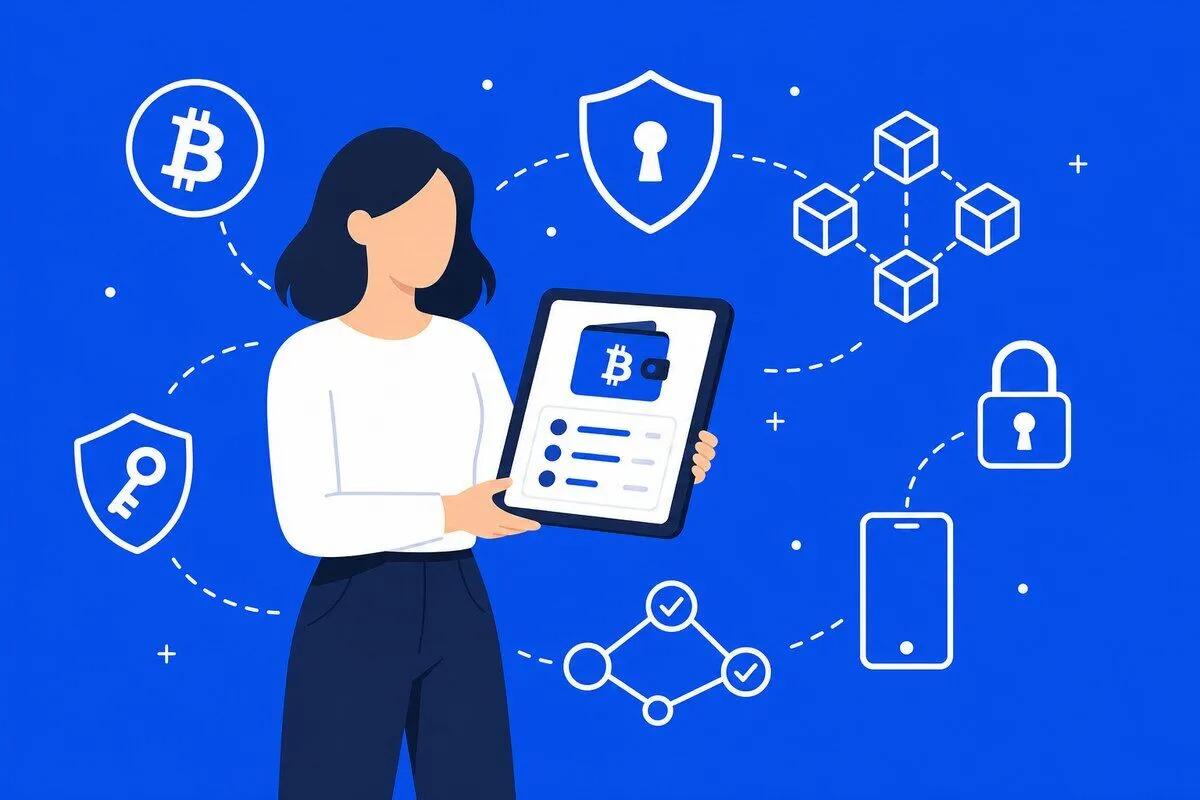
An NFT wallet is a digital wallet designed specifically to store, manage, and interact with non-fungible tokens. While many people think a wallet stores NFTs directly, this is not exactly how it works. NFTs themselves live on the blockchain. The NFT wallet stores the cryptographic keys that prove you are the rightful owner of those NFTs.
According to Wikipedia, non-fungible tokens (NFTs) are cryptographic assets recorded on a blockchain that represent unique items and cannot be exchanged on a one-to-one basis like cryptocurrencies, which makes ownership verifiable and traceable.[1]
Every NFT is linked to a blockchain address. Your NFT wallet controls that address. Whoever controls the private keys of that address controls the NFTs associated with it. This is why NFT wallets are so important. If you lose access to your wallet or private keys, you lose access to your NFTs permanently.
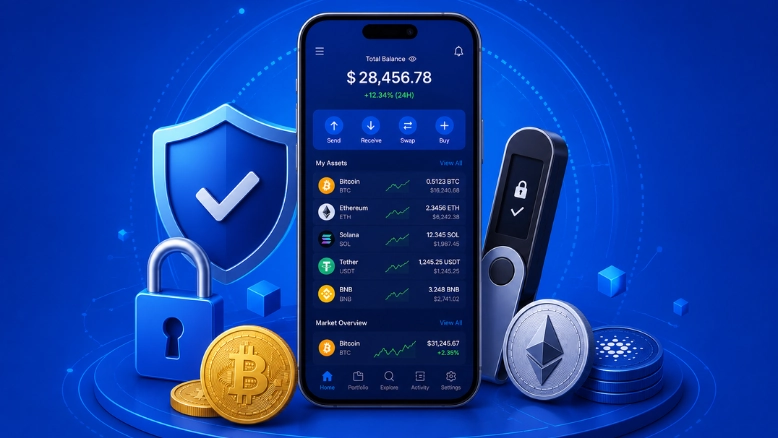
NFT wallets allow users to view their NFT collections in one place, organized by blockchain and category. They also make it possible to send NFTs to other wallets, receive NFTs from creators or marketplaces, and interact with decentralized applications such as NFT marketplaces, blockchain games, and metaverse platforms. In addition, many NFT wallets also support cryptocurrencies, allowing users to pay transaction fees, mint NFTs, or trade assets directly.
NFT wallets are designed to support NFT standards such as ERC-721 and ERC-1155 on Ethereum, as well as similar standards on blockchains like Polygon, Binance Smart Chain, Solana, and Tezos. A well-built NFT wallet focuses on security, usability, and compatibility so users can manage digital assets without confusion or risk.
How Does an NFT Wallet Work?
An NFT wallet is a digital wallet that helps you store and manage your NFTs, which are special digital items that are unique and kept on a blockchain. When you set up an NFT wallet, it connects to a blockchain network. This connection lets you handle your digital assets easily. Unlike a regular wallet that holds money, an NFT wallet doesn’t keep the actual NFTs inside it. Instead, it keeps secret keys that show you own the NFTs. When you want to buy, sell, or send an NFT to someone, your crypto wallet helps you by updating the blockchain with your ownership details.
NFT wallet creation is the process of creating these wallets. Developers build software that makes it easy for people to see and manage their NFTs. They design a simple and user-friendly interface and ensure the wallet works with different NFT types. They also add safety features to keep your NFTs secure, like two-factor authentication (2FA) and SOC 2 Compliant[2] encryption to protect against hackers In short, an NFT wallet is a safe and easy way to manage your digital collectibles. Good development makes it easier for everyone to enjoy the world of NFTs without any worries.
How to Make an NFT Wallet for Beginners?
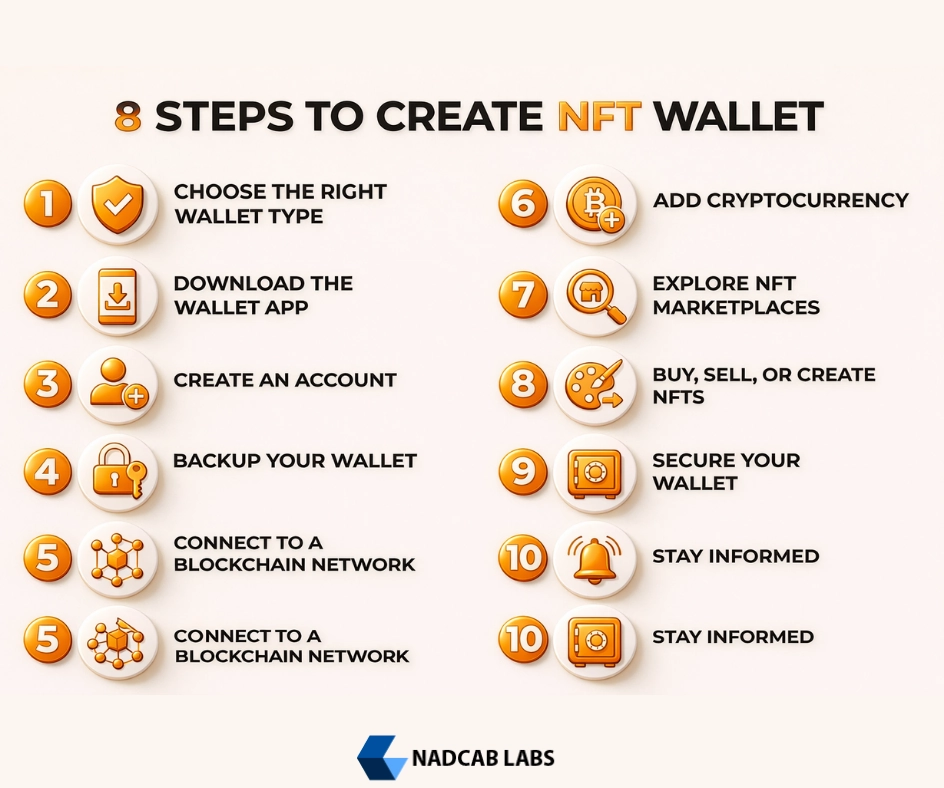
Creating an NFT wallet can seem daunting for beginners, but it’s a straightforward process once you understand the steps. Below is a detailed guide to help you create your NFT wallet and get started in the world of digital collectibles.
Before you dive into creating your wallet, it’s essential to choose the type that suits your needs. There are two main types of wallets:
-
Choose the Right Wallet Type
Before you dive into creating your wallet, it’s essential to choose the type that suits your needs. There are two main types of wallets:
Hot Wallets:
These are online wallets that are connected to the internet, making them very convenient for daily use. Hot wallets are user-friendly and allow you to quickly buy, sell, or trade NFTs. Popular options include MetaMask, Trust Wallet, and Coinbase Wallet. However, being online makes them slightly less secure, so it’s essential to practice safe habits.Cold Wallets:
Cold wallets are offline storage solutions, such as hardware wallets like Ledger and Trezor. They provide an extra layer of security because they are not connected to the internet, making them more resistant to hacks. However, they can be less convenient for frequent transactions, so choose based on your comfort level and needs. -
Download the Wallet App
Once you’ve decided on the type of wallet you want to use, the next step is to download the wallet app: For hot wallets, visit the official app store on your smartphone (Google Play Store for Android or the App Store for iPhone) or the wallet’s official website. Look for the app that matches the wallet you’ve chosen and download it. Make sure you’re downloading the official version to avoid scams.
-
Create an Account
After installing the wallet app, open it and follow these steps to create a new account: Select the option to create a new wallet. This option is usually prominently displayed on the welcome screen. You will be asked to create a strong password. Choose a password that is unique and hard to guess, ideally combining letters, numbers, and special characters. Remember that this password is your first line of defense.
-
Backup Your Wallet
One of the most critical steps in creating your nft wallet is backing it up: After you create your wallet, the app will provide you with a seed phrase. This is typically a set of 12 to 24 random words. Write down this seed phrase on paper and store it in a secure place, such as a safe or a locked drawer. This phrase is crucial because it allows you to recover your wallet if you forget your password or lose access to your device. Never share your seed phrase with anyone, as it gives them access to your wallet.
-
Connect to a Blockchain Network
Next, you’ll need to connect your wallet to a blockchain network: Most NFTs are built on specific blockchains, with Ethereum being the most popular. Other options include Binance Smart Chain, Polygon, and Tezos. Check the wallet settings to ensure it is set to the right blockchain. Some wallets allow you to switch between networks, while others may be dedicated to a specific one.
-
Add Cryptocurrency
To purchase NFTs, you’ll need some cryptocurrency in your wallet: You can buy cryptocurrency from exchanges like Binance, Coinbase, or Kraken. These platforms allow you to purchase popular cryptocurrencies like Ethereum (ETH) or BNB (Binance Coin), which you will use to buy NFTs. After purchasing cryptocurrency, you can transfer it to your NFT wallet. Make sure to double-check the wallet address before sending funds to avoid any mistakes.
-
Explore NFT Marketplaces
With your wallet set up and funds added, you can now explore NFT marketplaces: Popular NFT marketplaces include OpenSea, Rarible, and Mintable. These platforms allow users to buy, sell, and trade NFTs. Visit the marketplace of your choice and connect your wallet by following the instructions provided on the site. Typically, there will be a “Connect Wallet” button that lets you link your wallet to the marketplace.
-
Buy, Sell, or Create NFTs
Now that your wallet is connected to a marketplace, you can start engaging with NFTs:
Buying NFTs: Browse the marketplace for NFTs you’d like to buy. When you find one, click on it and follow the prompts to complete your purchase.
Selling NFTs: If you already own NFTs, you can list them for sale. Click on the “Sell” option, set your price, and follow the instructions to put your NFT on the market.
Creating NFTs: Many marketplaces also allow you to mint your NFTs. You can upload digital art or collectibles and follow the steps to create a new NFT. This process typically involves providing details about your NFT, setting a price, and confirming the transaction with your wallet.
-
Secure Your Wallet
Keeping your NFT wallet secure is essential to protect your assets: Regularly update your wallet app to ensure you have the latest security features and fixes. Be cautious of phishing scams. Always verify the URLs you visit and avoid clicking on suspicious links. Never share your private keys or seed phrases with anyone, as this information can give them access to your wallet.
-
Stay Informed
The NFT space is constantly evolving, so it’s essential to stay updated: Join online communities, read articles, and watch videos about NFTs and blockchain technology. Engage with social media platforms and forums to connect with other NFT enthusiasts and learn from their experiences.
Using an NFT Wallet With Marketplaces
Once the NFT wallet is funded, users can connect it to NFT marketplaces. This process usually involves clicking a “Connect Wallet” button on the marketplace and approving the connection in the wallet app. After connecting, the marketplace can display NFTs owned by the wallet and allow transactions.
Through the marketplace, users can browse NFTs, filter collections, check creator details, and view price history. When buying an NFT, the wallet prompts the user to approve the transaction, showing details such as price and gas fees. Selling NFTs involves listing them at a fixed price or auction and confirming the listing through the wallet.
Many platforms also allow users to create or mint NFTs. Minting involves uploading a digital file, adding metadata, choosing a blockchain, and confirming the transaction using the NFT wallet. Once minted, the NFT appears in the wallet and can be traded or displayed.
Security Best Practices for NFT Wallets
Security is one of the most critical aspects of using an NFT wallet. Because blockchain transactions are irreversible, even a small mistake can lead to permanent loss. Users should always keep wallet software updated to receive the latest security patches.
Phishing is one of the biggest threats in the NFT space. Scammers often create fake websites, social media accounts, and emails that look legitimate. Users should always verify URLs, avoid clicking unknown links, and never approve wallet transactions they do not fully understand.
Private keys and seed phrases should never be shared. Legitimate wallet providers and marketplaces will never ask for this information. For valuable NFTs, using a hardware wallet adds an extra layer of protection by keeping private keys offline.
Staying Informed and Growing With NFTs
The NFT ecosystem evolves rapidly. New marketplaces, blockchains, and wallet features are introduced frequently. Staying informed helps users avoid risks and take advantage of new opportunities. Reading trusted blogs, following industry leaders, and joining NFT communities can provide valuable insights.
Understanding basic blockchain concepts, transaction fees, and security practices also helps users make better decisions. Over time, users become more confident in managing their NFT wallets and exploring advanced features.
Future of Web3 NFT Wallet Development
The future of Web3 NFT wallet creation is closely tied to the growth of digital ownership and decentralized technologies. As more users enter the space, NFT wallets will become simpler, more intuitive, and more accessible to non-technical audiences.
Advanced security features such as biometric authentication, real-time fraud detection, smart contract risk alerts, and account abstraction will become standard. Cross-chain compatibility will allow users to manage NFTs from multiple blockchains within a single NFT wallet, eliminating the need for multiple apps.
As decentralized finance and NFTs continue to merge, NFT wallets may enable users to stake NFTs, earn passive income, or use NFTs as collateral for loans. In the metaverse, NFT wallets will act as digital identity hubs, storing avatars, virtual assets, access rights, and credentials.
In conclusion, NFT wallets are the foundation of digital ownership in the Web3 era. As technology evolves, they will play an even greater role in how users interact with digital assets, manage value, and participate in decentralized ecosystems.
Frequently Asked Questions
Q1.What is an NFT wallet and why do I need one?
An NFT wallet is a digital wallet that allows you to store, manage, send, receive, and interact with NFTs on the blockchain. You need an NFT wallet because it gives you full ownership and control of your digital assets without relying on centralized platforms that may restrict access or face security risks.
Q2.Does an NFT wallet actually store NFTs?
No, NFT wallets do not store NFTs directly. NFTs exist on the blockchain. The wallet stores your private keys, which prove ownership and allow you to access and manage NFTs linked to your blockchain address.
Q3.Is an NFT wallet different from a crypto wallet?
Technically, an NFT wallet is a type of crypto wallet. The main difference is that NFT wallets are designed to display NFT collections visually and support NFT standards like ERC-721 and ERC-1155, while basic crypto wallets may focus only on sending and receiving cryptocurrencies.
Q4.Which NFT wallet is best for beginners?
For beginners, hot wallets such as MetaMask, Trust Wallet, or Coinbase Wallet are popular choices. They are easy to set up, user-friendly, and widely supported by NFT marketplaces and Web3 applications.
Q5.What is a seed phrase and why is it important?
A seed phrase is a set of 12 to 24 random words generated when you create an NFT wallet. It is the master key to your wallet. If you lose your device or forget your password, the seed phrase is the only way to recover your NFTs. Losing it means losing access permanently.
Q6.Can I recover my NFT wallet if I lose my phone or computer?
Yes, as long as you have your seed phrase. You can reinstall the wallet on a new device and restore access using the recovery phrase. Without it, recovery is not possible.
Q7.Are NFT wallets safe to use?
NFT wallets are generally safe if used correctly. Security depends largely on user behavior, such as protecting the seed phrase, avoiding phishing links, using official apps, and enabling extra security features like hardware wallets or biometric authentication.
Q8.What are gas fees in NFT wallets?
Gas fees are transaction fees paid to blockchain networks for processing actions like buying, selling, transferring, or minting NFTs. These fees vary depending on the blockchain and network congestion.
Q9.Can I use one NFT wallet on multiple marketplaces?
Yes. Most NFT wallets can connect to multiple marketplaces. Once connected, you can buy, sell, mint, and manage NFTs across different platforms using the same wallet address.
Q10.Do NFT wallets support multiple blockchains?
Many modern NFT wallets support multiple blockchains such as Ethereum, Polygon, Binance Smart Chain, Solana, and Tezos. However, supported networks depend on the wallet you choose.
Explore Services
Related Services
Reviewed by

Aman Vaths
Founder of Nadcab Labs
Aman Vaths is the Founder & CTO of Nadcab Labs, a global digital engineering company delivering enterprise-grade solutions across AI, Web3, Blockchain, Big Data, Cloud, Cybersecurity, and Modern Application Development. With deep technical leadership and product innovation experience, Aman has positioned Nadcab Labs as one of the most advanced engineering companies driving the next era of intelligent, secure, and scalable software systems. Under his leadership, Nadcab Labs has built 2,000+ global projects across sectors including fintech, banking, healthcare, real estate, logistics, gaming, manufacturing, and next-generation DePIN networks. Aman’s strength lies in architecting high-performance systems, end-to-end platform engineering, and designing enterprise solutions that operate at global scale.