Ai Overview
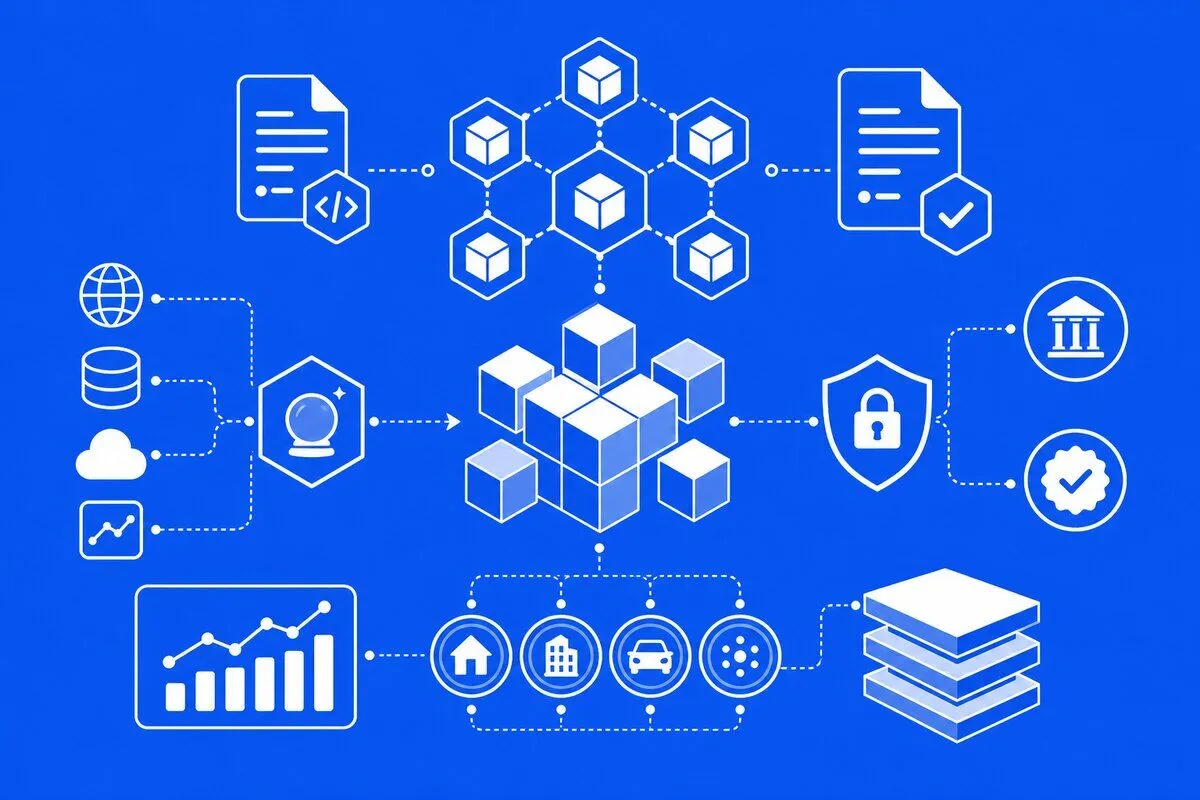
Real Estate Tokenization is reshaping how investors across India, Singapore, UAE, and beyond access high-value property assets. From Tokyo skyscrapers to Singapore commercial hubs and Mumbai residential towers, blockchain-powered fractional ownership is making Asian property investment accessible at a scale never seen before. This guide ranks the top 10 companies driving this transformation across Asia in 2026 and gives you everything you need to choose the right platform for your investment goals.
Key Takeaways
- Real estate tokenization in Asia is projected to surpass multi-billion dollar valuations by 2027, driven by Singapore, Japan, India, and Hong Kong regulatory advancement.
- Nadcab Labs, founded in 2017 in India with offices in UAE, USA, UK, Canada, and Australia, ranks among Asia’s top real estate tokenization firms for RWA and smart contract expertise.
- Singapore’s MAS regulatory framework is the most mature in Asia for digital property token issuance, making it the preferred base for global tokenization companies entering Asian markets.
- Fractional property ownership through Asian blockchain platforms allows investors from India, UAE, and the UK to access high-value Asian real estate with significantly lower capital requirements.
- Smart contract real estate in Asia automates rental income distribution, ownership transfers, and compliance enforcement without manual intermediary involvement across cross-border transactions.
- Japan and South Korea are emerging as Asia’s next major tokenization markets, with government-backed digital asset frameworks creating new opportunities for property token investment in 2026.
- Choosing the right Asian tokenization company requires verifying smart contract audit records, multi-jurisdiction licensing, KYC/AML capability, and proven cross-border investor management experience.
- Digital real estate investment Asia platforms now support multi-chain architecture enabling seamless investment flows between India, Singapore, UAE, and other global capital markets.
- Security token offerings for Asian real estate are gaining institutional traction, with sovereign wealth funds and family offices from Singapore and UAE allocating capital to tokenized property assets.
- Real estate tokenization in Asia offers early-mover investors from India, USA, and UK exposure to one of the world’s most valuable and fast-growing property markets at accessible entry points.
Frequently Asked Questions
Q1.1. What is real estate tokenization and how does it work in Asia?
Real estate tokenization converts physical property ownership into digital tokens on a blockchain. In Asia, this enables investors from India, Singapore, UAE, and globally to buy fractional shares of high-value properties with full legal transparency and automated income distribution.
Q2.2. Which Asian country is best for real estate tokenization investment in 2026?
Singapore leads Asia in real estate tokenization regulation and infrastructure in 2026, followed closely by Japan and Hong Kong. Each market offers distinct advantages in terms of regulatory clarity, property asset availability, and cross-border investor accessibility for global participants.
Q3.3. Is real estate tokenization legal in Asia?
Yes, in most major Asian markets. Singapore’s MAS, Japan’s FSA, and Hong Kong’s SFC have all established regulatory frameworks for digital asset issuance covering tokenized real estate. India and UAE are also progressing rapidly with blockchain property regulation in 2026.
Q4.4. How much can I invest in Asian tokenized real estate?
One of the biggest advantages of real estate tokenization in Asia is the low entry barrier. Fractional ownership through digital property tokens allows investors from India, UAE, and Singapore to participate with amounts significantly lower than direct property purchases in Tokyo or Singapore.
Q5.5. Can investors from India or UAE invest in Asian tokenized real estate?
Absolutely. Real estate tokenization in Asia is specifically designed for cross-border investment. Platforms operating across Singapore, Japan, and Hong Kong actively target investors from India, UAE, UK, and USA, providing KYC-compliant onboarding and multi-currency payment options.
Q6.6. What blockchain is used for real estate tokenization in Asia?
Most Asian real estate tokenization platforms use Ethereum, Polygon, or enterprise-grade private blockchains. Singapore-based firms often deploy multi-chain architectures to serve their diverse investor base across India, UAE, and Western markets with maximum liquidity and accessibility.
Q7.7. How long does it take to tokenize a property in Asia?
Tokenizing a property in Asia typically takes 8 to 20 weeks depending on jurisdiction, legal structuring, smart contract auditing, and regulatory approvals. Singapore projects often move faster due to MAS sandbox programs and established digital asset legal infrastructure.
Q8.8. What is the difference between real estate tokenization and traditional REITs in Asia?
Asian real estate tokens offer direct fractional ownership on blockchain with programmable income distribution and 24/7 trading potential, while REITs are fund-based instruments with limited transparency. Tokenization gives investors from India and UAE more granular control over their property investments.
Q9.9. Which companies are leading real estate tokenization in Asia in 2026?
Several firms are dominating real estate tokenization in Asia in 2026, including Nadcab Labs with its India headquarters and global presence across UAE, USA, UK, Canada, and Australia, alongside Singapore-native platforms and Japan-focused blockchain property firms.
Q10.10. What risks should I know before investing in tokenized real estate in Asia?
Key risks include regulatory changes across different Asian jurisdictions, smart contract vulnerabilities, secondary market liquidity gaps, and cross-border tax implications. Always verify that your chosen tokenization company holds proper licenses and has completed independent smart contract audits before committing capital.
Explore Services
Related Services
Reviewed by

Aman Vaths
Founder of Nadcab Labs
Aman Vaths is the Founder & CTO of Nadcab Labs, a global digital engineering company delivering enterprise-grade solutions across AI, Web3, Blockchain, Big Data, Cloud, Cybersecurity, and Modern Application Development. With deep technical leadership and product innovation experience, Aman has positioned Nadcab Labs as one of the most advanced engineering companies driving the next era of intelligent, secure, and scalable software systems. Under his leadership, Nadcab Labs has built 2,000+ global projects across sectors including fintech, banking, healthcare, real estate, logistics, gaming, manufacturing, and next-generation DePIN networks. Aman’s strength lies in architecting high-performance systems, end-to-end platform engineering, and designing enterprise solutions that operate at global scale.