Ai Overview
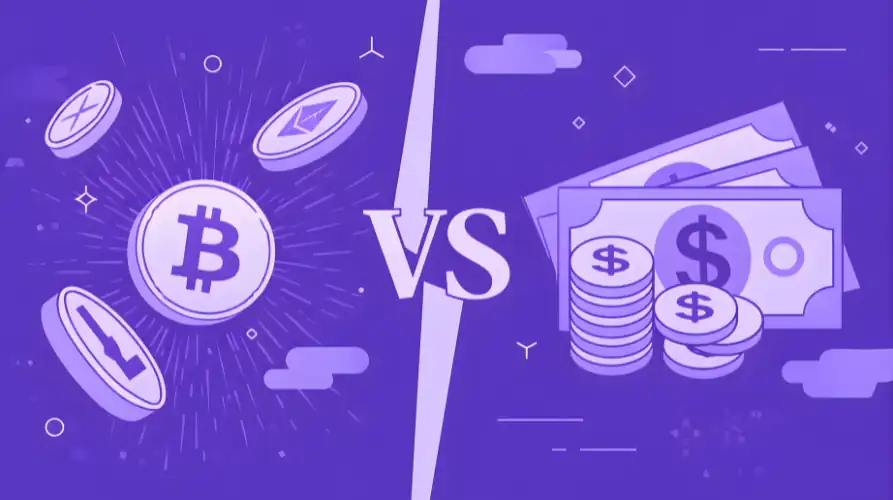
Digital coins and digital tokens are blockchain-based digital assets, but they are created and used in different ways. Both exist only because of blockchain technolog y, yet their roles in the blockchain ecosystem are not the same. Understanding this difference is very important before learning how blockchain creates them. In simple terms, digital coins are built into a blockchain, while digital tokens are built on top of a blockchain.
Key Takeaways
- Digital Coins vs Tokens: Digital coins are native to their blockchain and used for transactions and security, while tokens are created on top of existing blockchains using smart contracts.
- Genesis Block: Every blockchain starts with a genesis block that sets initial parameters, introduces the native coin, and activates network rules.
- Consensus Mechanisms: Blockchain uses Proof of Work, Proof of Stake, or Proof of Authority to decide who can create new blocks and earn coins.
- Smart Contracts: Tokens are built using smart contracts that define token name, supply, transfer conditions, minting rules, and ownership permissions.
- Token Standards: Predefined technical rules like ERC-20 ensure tokens are compatible with wallets, exchanges, and decentralized applications.
- Immutable Security: Blockchain protects assets using cryptographic hashing, decentralized validation, and distributed consensus making fraud extremely difficult.
- Token Minting: New tokens are created according to smart contract rules with fixed, dynamic, or controlled supply models based on project requirements.
- Transparent Ownership: Every token transfer is publicly verifiable, cryptographically secured, and immutably recorded on the blockchain.
Blockchain is the core technology behind digital coins and tokens, and the foundation of modern custom blockchain development services. Whenever we talk about cryptocurrency, NFTs, or digital assets, blockchain is the system that makes their creation and movement possible. But how does blockchain actually create digital coins and tokens? Many people think blockchain and crypto are the same thing, but that is not true. Blockchain is the technology, while coins and tokens are digital assets created using that technology. In this blog, we will clearly explain how blockchain creates digital coins and tokens step by step, in way.
Before understanding the creation process, it is important to know what blockchain really is.
What Are Digital Coins and Tokens?
Digital coins and digital tokens are blockchain-based digital assets, but they are created and used in different ways. Both exist only because of blockchain technology, yet their roles in the blockchain ecosystem are not the same. Understanding this difference is very important before learning how blockchain creates them.
In simple terms, digital coins are built into a blockchain, while digital tokens are built on top of a blockchain.
Digital Coins
Digital coins are native cryptocurrencies of a blockchain network. This means they are created as a core part of the blockchain when the network is launched. Every blockchain that supports cryptocurrency has its own digital coin, which is used to operate and secure the network.
Digital coins play a very important role in how a blockchain functions. They are not just used for payments but also help keep the network active and secure.
Examples of digital coins include:
- Bitcoin on the Bitcoin blockchain
- Ether on the Ethereum blockchain
- SOL on the Solana blockchain
Digital coins are mainly used to:
- Pay transaction fees required to process blockchain transactions
- Secure the network through mining or staking
- Reward miners or validators for verifying blocks
- Transfer value directly between users without intermediaries
Because coins are part of the blockchain itself, they cannot exist without that blockchain.
Digital Tokens
Digital tokens are blockchain-based assets created using smart contracts on an existing blockchain. Unlike coins, tokens do not have their own blockchain. Instead, they rely on another blockchain’s infrastructure to function.
Tokens are more flexible than coins because they can be created for many different purposes. Their rules and behavior are fully controlled by smart contracts written by developers.
Digital tokens are commonly used for:
- Utility purposes inside applications or platforms
- Governance rights, allowing users to vote on decisions
- NFTs representing unique digital items
- Reward and loyalty systems
- Digital representations of real or virtual assets
Since tokens are created through smart contracts, blockchain ensures that their supply, transfers, and ownership remain transparent and secure. By using crypto token services, businesses can efficiently manage token creation and deployment for real-world applications.
How Digital Coins Are Created Inside a Blockchain
Digital coins are native assets of a blockchain. This means they are built directly into the blockchain protocol itself. Coins are not added later; they are part of the network’s design from the beginning. Let us understand the full process in detail.
1. Blockchain Network Setup
When a blockchain is created, developers first define the core rules of the network. These rules decide how the blockchain will operate and how coins will be generated.
This includes:
- Maximum coin supply
- Block creation time
- Transaction validation rules
- Reward structure
- Security algorithms
Once these rules are fixed, they cannot be easily changed. This is why creating a blockchain requires careful planning and expert guidance.
2. Genesis Block Creation
Every blockchain starts with a genesis block, which is the first block of the chain. This block officially starts the blockchain network.
The genesis block:
- Contains no previous block reference
- Sets the initial parameters
- Introduces the native coin
- Activates the network rules
Without the genesis block, coin creation cannot begin.
3. Consensus Mechanism Decides Coin Creation
Blockchain uses a consensus mechanism to decide who can create new blocks and earn coins. This is a crucial part of coin creation.
Common mechanisms include:
- Proof of Work (PoW): Coins are created as rewards for miners who solve cryptographic puzzles.
- Proof of Stake (PoS): Coins are distributed to validators who stake existing coins to secure the network.
- Proof of Authority (PoA): Pre-approved validators create blocks and receive rewards.
The consensus mechanism directly controls:
- Coin issuance speed
- Network security
- Decentralization level
4. Block Rewards and Coin Minting
Each time a new block is added to the blockchain, new coins are minted as block rewards.
This process ensures:
- Controlled coin supply
- Incentives for network participants
- Continuous network operation
Coins are automatically generated by the blockchain protocol, not by humans.
5. Transaction Fees Strengthen Coin Utility
Coins are also used to pay transaction fees. These fees:
- Prevent spam transactions
- Reward validators or miners
- Maintain network health
This makes the coin essential for blockchain usage.
6. Node Participation and Network Validation
After coins are minted through block rewards, blockchain nodes play a continuous role in validating and maintaining the network. Nodes are computers that store copies of the blockchain and verify every transaction and block.
This step ensures that:
- No fake coins are introduced
- Transactions follow blockchain rules
- The network remains decentralized
Without active node participation, digital coins cannot function securely or transparently.
7. Coin Circulation and Market Adoption
Once digital coins are created and distributed through rewards, they enter active circulation. Users can send, receive, trade, or store these coins using wallets and exchanges.
This stage is important because:
- Coins gain real-world utility
- Market demand determines value
- Coins become part of the blockchain economy
A digital coin becomes meaningful only when it is actively used within and outside the blockchain network.
How Blockchain Builds and Manages Digital Tokens
Unlike digital coins, tokens are not native to a blockchain. Instead, tokens are created on top of an existing blockchain using smart contracts. The blockchain provides a secure and decentralized environment, while smart contracts control how the token behaves, moves, and interacts with users.
This combination allows tokens to function without any central authority and ensures transparency and trust. By leveraging custom token solutions, developers can create tokens that meet specific business and community needs.
1. Smart Contract as the Token Blueprint
A smart contract works like a digital rulebook that defines every aspect of a crypto token. It is a self-executing program stored on the blockchain, and once deployed, it operates automatically without manual control.
The smart contract decides how the crypto token will function across the blockchain network. Blockchain ensures that the contract follows the exact rules written in the code and cannot be altered later.
Smart contracts define:
- Token name and symbol
- Total supply
- Decimal units
- Transfer conditions
- Minting and burning rules
- Ownership and permissions
Because the logic is on-chain, no one can secretly change how the crypto token works.
2. Token Standards Ensure Compatibility
Token standards are predefined technical rules that make crypto tokens compatible with the blockchain ecosystem. These standards allow tokens to work smoothly with wallets, exchanges, block explorers, and decentralized applications.
By following a standard, tokens can be easily recognized and supported across multiple platforms. Without these standards, each token would behave differently, creating confusion and technical problems.
Token standards define:
- How token balances are stored
- How transfers happen
- How approvals work
- How tokens interact with other smart contracts
Standards play a crucial role in making tokens simple to use, trade, and integrate across platforms. This consistency is essential for businesses adopting blockchain solutions, as it streamlines processes and enhances interoperability. As a result, crypto token development becomes more efficient, scalable, and aligned with industry requirements.
3. Token Deployment on Blockchain
After writing the smart contract, the next step is deploying it to the blockchain. Deployment means publishing the contract permanently on the network so that it becomes publicly accessible.
Once deployed, the crypto token officially comes into existence and can be tracked by anyone on the blockchain. The blockchain stores the contract data in a tamper-proof way, ensuring transparency and trust.
Token deployment ensures:
- The contract gets a permanent blockchain address
- The crypto token officially exists on-chain
- All transactions and changes are recorded immutably
This step is crucial for businesses that want to launch custom token solutions tailored to their project.
4. Token Minting Process
Token minting is the process of creating new tokens according to the smart contract rules. Minting only occurs as defined by the contract, ensuring fairness and preventing unauthorized token creation.
Different projects adopt different minting models based on their requirements:
- Fixed supply: All crypto tokens are created at once
- Dynamic supply: Tokens are minted gradually over time
- Controlled minting: Only approved addresses can mint new tokens
Blockchain validates every minting action, keeping the supply secure and predictable. This is why businesses rely on crypto token services to handle minting efficiently.
5. Token Transfers and Ownership Tracking
Every time a crypto token is transferred, the blockchain records the transaction permanently. Ownership changes are verified by multiple nodes and cannot be altered or reversed.
This system allows anyone to check who owns which tokens at any time, eliminating the need for a trusted intermediary.
Token transfers are:
- Publicly verifiable
- Cryptographically secured
- Immutable
These features ensure secure, transparent, and reliable movement of digital assets.
6. Token Governance and Rule Management
Many blockchain-based tokens include governance mechanisms that allow holders to participate in decision-making. Governance rules are often built directly into smart contracts.
This helps in:
- Voting on protocol upgrades
- Adjusting supply rules
- Managing community decisions
Governance ensures that token ecosystems evolve transparently and democratically over time.
7. Token Updates and Smart Contract Upgrades
Although smart contracts are immutable, developers often plan upgrade mechanisms using proxy contracts or new contract versions. This allows improvements without breaking the system.
Token upgrades may include:
- Security improvements
- Feature enhancements
- Performance optimizations
This step is crucial for long-term sustainability, especially for projects offering custom token solutions.
How Blockchain Keeps Tokens and Coins Secure
Security is one of the biggest reasons blockchain is trusted for digital assets.
Blockchain protects tokens and coins using:
- Cryptographic hashing
- Decentralized validation
- Immutable transaction records
- Distributed consensus
Every transaction is verified by multiple nodes, making fraud extremely difficult. Once data is recorded, it cannot be altered without network approval. This security system makes blockchain ideal for handling digital value.
Build Your Digital Assets on Blockchain
Understanding how blockchain creates and secures digital coins and tokens is essential for launching successful blockchain projects. Expert guidance ensures optimal implementation.
Role of Wallets and Block Explorers
Blockchain allows users to interact with tokens and coins through wallets and explorers.
Wallets
Wallets store private keys that give users control over their tokens and coins. They allow users to:
- Send and receive assets
- Check balances
- Interact with smart contracts
Block Explorers
Block explorers provide transparency by showing:
- Transaction history
- Token transfers
- Block details
- Smart contract data
Together, wallets and explorers make blockchain systems user-friendly and trustworthy.
Final Thoughts
Blockchain acts as the foundation that enables the creation and movement of digital coins and tokens in a secure and decentralized way. While coins are built directly into blockchain networks, crypto tokens are developed using smart contracts that define their behavior, supply, and ownership. This structure allows digital assets to operate transparently without relying on centralized systems or intermediaries.
As blockchain technology continues to mature, the demand for reliable crypto token services and flexible custom token solutions is increasing across industries. From decentralized finance and NFTs to enterprise-level applications, crypto tokens are becoming a key part of modern digital systems, helping businesses innovate and scale in a decentralized ecosystem.
Frequently Asked Question - Crypto Token
Q1.How does blockchain create cryptocurrency?
Blockchain technology records and confirms cryptocurrency exchanges, like a digital ledger. It collects and stores information about buying, selling, or exchanging digital assets. This information is placed on the blockchain in the exact order it was received to ensure its accuracy and security.
Q2.What is a digital token in blockchain?
The FSB defines a digital token as “any digital representation of an interest, which may be of value, a right to receive a benefit or perform specified functions, or may not have a specified purpose or use.
Q3.Can a digital token exist without a blockchain?
No, Digital tokens cannot exist without a blockchain. They depend on a blockchain network to store data, execute smart contracts, and verify ownership and transactions in a secure and decentralized way.
Q4.Are smart contracts necessary for creating crypto tokens?
Yes, Smart contracts are essential for creating crypto tokens. They define the token’s rules, such as supply, transfer logic, ownership, and minting or burning conditions, and they automatically enforce these rules on the blockchain.
Q5.What happens if a smart contract has an error?
If a smart contract has an error, it can lead to unexpected behavior or security vulnerabilities. Since smart contracts are immutable once deployed, fixing errors usually requires deploying a new contract, which is why testing and auditing are critical.
Explore Services
Related Services
Reviewed by

Aman Vaths
Founder of Nadcab Labs
Aman Vaths is the Founder & CTO of Nadcab Labs, a global digital engineering company delivering enterprise-grade solutions across AI, Web3, Blockchain, Big Data, Cloud, Cybersecurity, and Modern Application Development. With deep technical leadership and product innovation experience, Aman has positioned Nadcab Labs as one of the most advanced engineering companies driving the next era of intelligent, secure, and scalable software systems. Under his leadership, Nadcab Labs has built 2,000+ global projects across sectors including fintech, banking, healthcare, real estate, logistics, gaming, manufacturing, and next-generation DePIN networks. Aman’s strength lies in architecting high-performance systems, end-to-end platform engineering, and designing enterprise solutions that operate at global scale.