Ai Overview
It does not store your NFTs or coins the way a physical wallet stores cash. Gaming NFTs account for about 25% of all NFT trading volume, and for that use case, low fees matter because a USD 15 gas fee makes no sense when selling a USD 20 in-game item. Solana processes transactions much faster and at a fraction of Ethereum’s cost. In 2024, there was a 20% rise in crypto scams targeting wallet users, which makes user education a genuine part of platform responsibility.
Key Takeaways
- The global NFT market was valued at USD 43.08 billion in 2024 and climbed to USD 61.01 billion in 2025, with projections pointing toward USD 247.41 billion by 2029, making robust wallet and payment infrastructure critical for platforms built today.[1]
- The global crypto payment gateways market was valued at USD 1.5 billion in 2024 and is expected to reach USD 3.5 billion by 2030, growing at a compound annual rate of 15.6%, driven heavily by NFT marketplace activity.[2]
- MetaMask remains the most widely integrated wallet for NFT marketplaces in 2025, offering browser extension and mobile app compatibility across both Ethereum-based and multi-chain NFT platforms.[3]
- EIP-721 defines the standard interface for unique NFT tokens on Ethereum, EIP-1155 supports semi-fungible tokens and batch minting for gaming platforms, and ERC-2981 is the royalty standard that allows smart contracts to automatically send creator royalties on every secondary sale.[4]
- Blur recorded roughly USD 135 million in 30-day trading volume in August 2025, and Magic Eden reached USD 6.39 billion in cumulative trading volume with a 37% market share at its 2024 peak, showing how wallet integration choices directly influence trading volume and platform loyalty.
- Gaming NFTs account for about 25% of all NFT trading volume in 2025, and gaming-focused blockchains like Solana and Immutable X are often preferred over Ethereum for high-frequency in-game transactions because of significantly lower fees.[5]
- Ethereum powers around 62% of all NFT contracts, maintaining its position as the primary NFT blockchain, while Polygon, Solana, and BNB Chain have gained ground by offering lower transaction costs for specific use cases.[6]
- Fiat on-ramp providers like MoonPay serve 160+ countries and support 170+ cryptocurrencies, allowing users to buy NFTs with credit cards and Apple Pay, which is a key step in bringing non-crypto users onto NFT platforms.[7]
Building an NFT marketplace is not just about creating a place where people can buy and sell digital art. It is about making sure money can actually move, that users can prove what they own, and that every transaction gets recorded on the blockchain without errors. Two things sit at the very center of making all that happen: wallet integration and payment gateway integration.
Without a working wallet connection, there is no way to identify who is using the platform, what they own, or whether they have the funds to buy anything. Without a payment gateway, there is no way to move money from one person to another, whether that money is in crypto or a regular bank card. This blog by an experienced NFT marketplace development company explains how both systems work, what choices you have when building an NFT platform, and what it all costs.
Recommended Reading:
What Is NFT Wallet Integration and Why Does It Matter
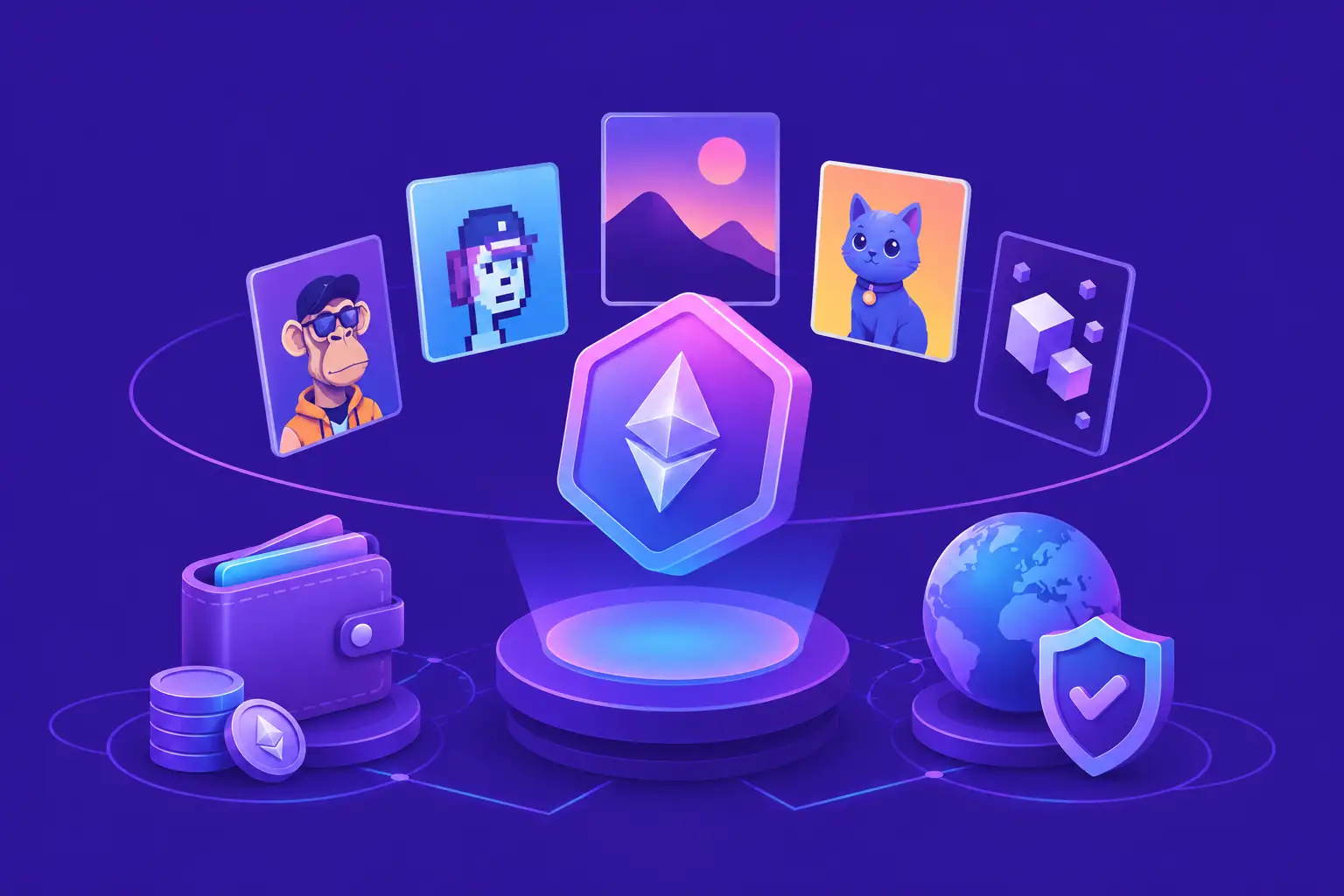
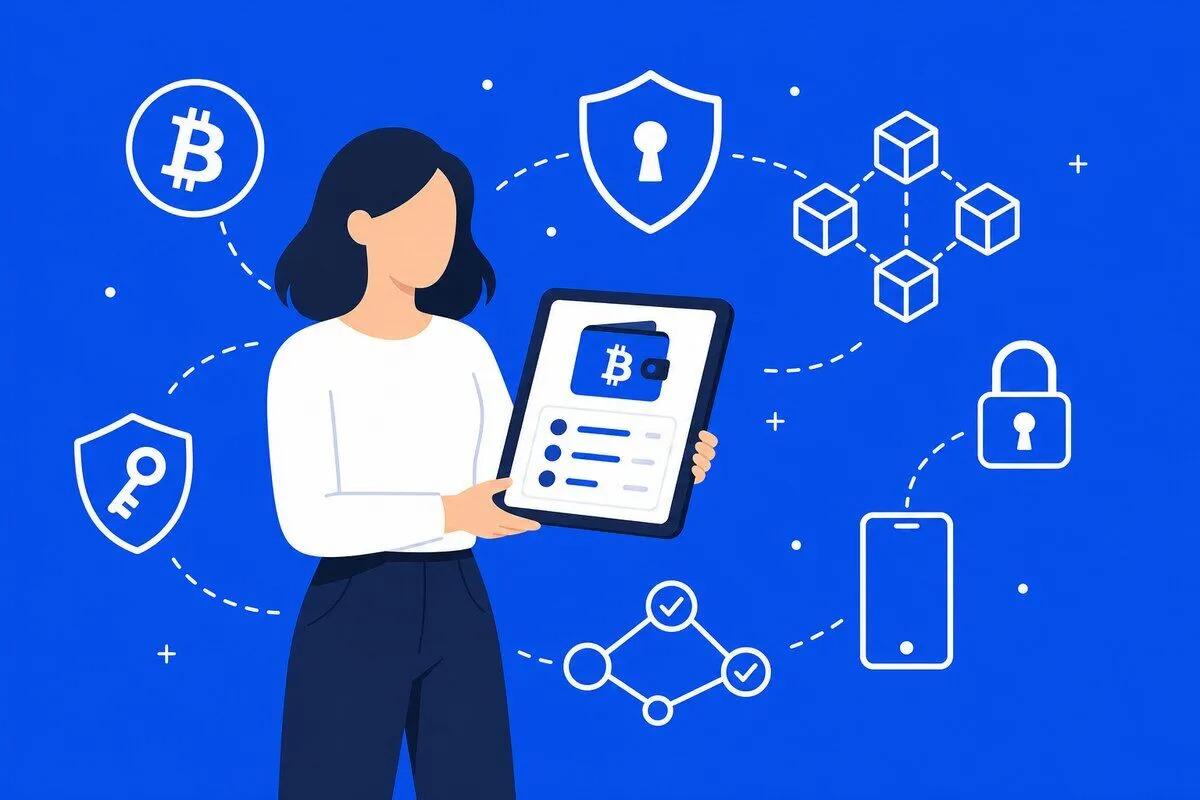
Think of a crypto wallet as a digital key ring. It does not store your NFTs or coins the way a physical wallet stores cash. Your digital assets live on the blockchain. The wallet holds the private key that proves you have the right to access and move those assets.
When a user opens an NFT marketplace and clicks “Connect Wallet,” a short but important chain of events happens. The platform detects which wallet is installed, the user approves the connection, the platform reads the user’s public wallet address, and from that point on, that address works like their account username. Every time they buy, sell, or transfer an NFT, their wallet signs the transaction. That signature is the proof that they authorized it. The private key never leaves the wallet itself.
This matters for several reasons. First, no username and password system is needed. Second, ownership is verifiable by anyone on the blockchain. Third, payments are processed through smart contracts rather than a company’s internal database. The wallet is both the user’s identity and their payment tool at the same time.
The NFT market reached USD 61.01 billion in 2025 and is projected to grow to USD 247.41 billion by 2029. With numbers like that, how users connect and interact with platforms becomes a business-critical question, not just a technical detail.
Types of Crypto Wallets Used in NFT Marketplaces
Not all wallets work the same way. Different wallet types serve different users, and understanding these differences helps you decide which ones to support on your platform.
1. Hot Wallets (Browser Extensions and Mobile Apps)
These wallets are connected to the internet at all times. They are easy to use and integrate directly with NFT platforms through browser extensions or mobile apps. MetaMask is the most widely used example. It works as a browser extension and as a mobile app for Android and iOS. Trust Wallet is another popular option, known for its simple user interface and support for multiple blockchains. Phantom is the wallet of choice for Solana-based NFT platforms. Hot wallets are convenient but carry more risk than cold storage because they are always online.
2. Cold Wallets (Hardware Wallets)
Hardware wallets like Ledger and Trezor store private keys on a physical device that is not connected to the internet. They are far harder to attack remotely. Many serious NFT collectors use hardware wallets for long-term storage and connect them to platforms only when needed. Phantom wallet supports integration with Ledger, making it easier for users who want cold-storage security without giving up access to Solana-based NFT platforms.
3. Custodial Wallets
With a custodial wallet, a third party holds the private keys on behalf of the user. Coinbase Wallet works this way by default, though it also offers a self-custody version. Custodial wallets are easier for beginners because the user does not need to save a recovery phrase themselves. The trade-off is that they depend on the provider to stay in business and keep their systems secure.
4. Non-Custodial Wallets
Non-custodial wallets give the user full control of their private keys. MetaMask, Phantom, and Trust Wallet all operate this way. If the user loses their seed phrase, there is no way to recover the wallet. For NFT platforms, non-custodial wallets are the standard because they align with the ownership principles that make blockchain technology meaningful in the first place.
5. WalletConnect Protocol
WalletConnect is not a wallet itself. It is an open protocol that lets users connect a wide range of mobile wallets to desktop platforms by scanning a QR code or using a deep link. It uses end-to-end encryption and Transport Layer Security to protect all communication between the wallet and the marketplace. If you want your NFT platform to work with wallets that users already have on their phones, WalletConnect is the bridge that makes it possible across different devices.
What Popular NFT Marketplaces Actually Use for Wallet Integration
Looking at how existing platforms handle wallet integration gives a clear picture of what works in practice.
OpenSea, the largest NFT marketplace by trading volume, supports MetaMask, Coinbase Wallet, and WalletConnect as primary connection methods. OpenSea allows over 80 million NFTs to be listed and supports Ethereum, Polygon, and other chains.
Blur is built for professional traders. Its wallet integration is optimized for speed and gas efficiency, which matters when a trader is making many transactions quickly. Blur recorded roughly USD 135 million in 30-day trading volume in August 2025, catering to a high-frequency trading audience that needs fast wallet interactions with minimal delays.
Magic Eden started as a Solana-focused marketplace and uses Phantom Wallet as its primary connection. After expanding to Ethereum and Polygon, it also added support for MetaMask and WalletConnect. Magic Eden reached USD 6.39 billion in cumulative trading volume, showing how a platform built around one wallet type can scale by adding support for others as the user base grows.
Recommended Reading:
NFT Payment Gateway Integration: How Money Actually Moves
A payment gateway is the system that processes the financial side of a transaction. In a traditional online store, it is what connects the checkout page to your bank. In an NFT marketplace, it does something similar but with a few important differences because you are dealing with crypto, blockchain confirmations, and sometimes the need to support people who do not own any cryptocurrency at all.
The global crypto payment gateways market was valued at USD 1.5 billion in 2024 and is projected to reach USD 3.5 billion by 2030 at a compound annual growth rate of 15.6%. A big part of that growth is coming from NFT marketplace activity and the broader metaverse and gaming sectors.
There are three main types of payment integration that NFT platforms need to think about:
1. Crypto-to-Crypto Payments
This is the most common type on blockchain-native platforms. A user pays for an NFT using ETH, SOL, BNB, or another supported cryptocurrency. The transaction goes directly from the buyer’s wallet to the smart contract, which then transfers the NFT and sends the payment to the seller. There is no third-party processor involved. The blockchain confirms everything. Fees here are gas fees charged by the network, not a payment company.
2. Fiat On-Ramp (Card Payments for NFTs)
This is where NFT platforms lose a huge portion of potential users if they do not get it right. Many people are interested in NFTs but do not own cryptocurrency. If they cannot pay with a credit card or Apple Pay, they leave. Fiat on-ramp providers solve this by converting a user’s local currency into the required cryptocurrency instantly, so the transaction can go through on-chain while the user simply paid with their debit card.
MoonPay serves over 160 countries and supports 170+ cryptocurrencies, letting NFT marketplaces accept credit cards, Apple Pay, Google Pay, and regional methods like SEPA. Transak supports 136+ cryptocurrencies across 125+ countries with customizable SDKs that embed directly into NFT marketplaces and decentralized apps. Venly Payments offers a unified API that combines fiat-to-crypto transactions and NFT purchases, available in 150+ countries with minimal development time required for integration.
3. Cross-Chain Payment Gateways
As NFT platforms start supporting multiple blockchains, payments need to work across those chains. A user might have funds on Solana but want to buy an NFT that lives on Ethereum. Cross-chain gateways handle the conversion and settlement automatically. Kima Network, for example, accepts payments from multiple blockchains including Ethereum and Binance Smart Chain and converts them into the right currency for the transaction. Its built-in AML and KYT protocols also help platforms stay compliant with financial regulations across different countries.
4. Stablecoin Payments
Stablecoins like USDC and USDT are pegged to fiat currencies. They allow users to pay for NFTs without worrying about price swings between when they initiate a purchase and when it confirms. For marketplace operators, accepting stablecoins is also simpler from an accounting perspective. Some platforms automatically convert crypto payments to stablecoins to protect both buyers and sellers from price volatility during high-traffic sales events.
Popular NFT Wallets Compared
| Wallet Name | Type | Best For | Chain Support |
|---|---|---|---|
| MetaMask | Non-Custodial Hot Wallet | Ethereum NFT marketplaces, dApps | Ethereum, Polygon, BSC, Custom RPCs |
| Phantom | Non-Custodial Hot Wallet | Solana-based NFT platforms | Solana, Polygon, Ethereum |
| Trust Wallet | Non-Custodial Mobile Wallet | Beginners, multi-chain users | 70+ blockchains including ETH, BSC, Solana |
| Coinbase Wallet | Custodial / Self-Custody Option | Users coming from centralized exchanges | Ethereum, Polygon, Solana, BNB |
| WalletConnect | Protocol (Not a Wallet) | Cross-device wallet connections | Works with any WalletConnect-compatible wallet |
| Ledger (Hardware) | Non-Custodial Cold Wallet | Long-term collectors, high-value NFT holders | Ethereum, Solana, and 5,500+ assets |
How Smart Contracts Handle NFT Transactions Automatically
Smart contracts are the invisible engines behind every NFT transaction. When a buyer clicks “Buy Now” on an NFT marketplace, a smart contract takes over. It checks that the buyer’s wallet has enough funds, transfers the cryptocurrency from the buyer, sends the NFT to the buyer’s wallet address, distributes the royalty percentage to the original creator if this is a secondary sale, records the ownership change on the blockchain, and does all of this without any human involvement.
The main token standards that smart contracts use for NFTs on Ethereum are:
- EIP-721 defines the standard for unique, one-of-a-kind NFT tokens. Each token is different from every other. This is the standard most art and collectible NFTs use.
- EIP-1155 supports both fungible and semi-fungible tokens in the same contract. It also allows batch minting, which is useful for gaming platforms where you might mint thousands of identical items at once.
- EIP-6963 is a newer standard that helps marketplaces detect multiple wallets installed on the same browser without conflicts. Before this standard, if a user had both MetaMask and Coinbase Wallet installed, only one might show up correctly.
- ERC-2981 is the royalty standard. It makes it straightforward for smart contracts to automatically send a percentage of every secondary sale back to the original creator.
About 70% of Solidity smart contracts have vulnerabilities because of poor testing practices. Before any NFT marketplace contract goes live, a formal security audit using tools and frameworks like Truffle, Hardhat, or professional audit firms is not optional. It is the step that protects both the platform and its users from losing real money.
Blockchain Choice and What It Means for Wallet and Payment Integration
The blockchain your platform runs on determines which wallets you can support, what transaction fees look like, and how fast payments confirm. There is no single right answer. The best choice depends on your target audience and use case.
1. Ethereum
Ethereum is the most established platform for NFTs and has the largest developer community. ERC-721 and ERC-1155 tokens originate here. The main downside is gas fees, which can be very high during busy periods. Wallets like MetaMask, Coinbase Wallet, and WalletConnect all support Ethereum natively. Payment gateway integration on Ethereum is straightforward because most providers prioritize it.
2. Solana
Solana processes transactions much faster and at a fraction of Ethereum’s cost. Gaming NFTs and high-frequency trading platforms often choose Solana for this reason. Phantom is the primary wallet for Solana-based NFTs. Gaming NFTs account for about 25% of all NFT trading volume, and for that use case, low fees matter because a USD 15 gas fee makes no sense when selling a USD 20 in-game item.
3. Polygon
Polygon runs alongside Ethereum as a Layer 2 network. It offers much lower fees while still being compatible with Ethereum wallets and tools. Many platforms that started on Ethereum have added Polygon support to make smaller transactions practical. MetaMask supports Polygon by default.
4. Binance Smart Chain (BSC)
BSC offers low fees and compatibility with Ethereum development tools, making it easier to port existing smart contracts. Trust Wallet integrates natively with BSC. The trade-off is a more centralized validator set compared to Ethereum or Solana.
Recommended Reading:
Wallet-as-a-Service: Making Blockchain Simple for Regular Users
One of the biggest barriers to NFT adoption is the requirement to manage a crypto wallet. Most internet users have never set up MetaMask, saved a seed phrase, or bought cryptocurrency. Wallet-as-a-Service (WaaS) is the solution that brings Web3 to people who have no background in blockchain.
WaaS providers offer what is sometimes called an “invisible wallet” experience. A user signs up with their email address or Google account. The WaaS system creates a wallet for them in the background. They never see a seed phrase or a private key. From their perspective, they just have an account. But behind the scenes, they have a real blockchain wallet that can hold NFTs, sign transactions, and interact with smart contracts.
This matters enormously for NFT platforms that want to attract mainstream audiences. An art buyer who has never used crypto should be able to purchase an NFT with their credit card and have it appear in their account, without understanding anything about blockchain. WaaS makes that possible. Platforms that integrate WaaS alongside traditional wallet options like MetaMask give themselves access to two very different user groups: experienced crypto users and complete beginners.
WaaS solutions also support compliance features like KYC (Know Your Customer) and AML (Anti-Money Laundering) checks, which are increasingly important as regulators around the world pay more attention to digital asset transactions.
NFT Marketplace Development Costs
| Development Component | Cost Range | Key Considerations |
|---|---|---|
| Basic Platform Features | $30,000 – $50,000 | User authentication, NFT minting, buying/selling functionality, basic wallet integration |
| Advanced Platform Features | $100,000 – $150,000+ | Custom smart contracts, multi-chain support, advanced analytics, decentralized storage, royalty management |
| UI/UX Design | $5,000 – $20,000 | Simple interface vs. custom-branded design with intricate elements |
| Blockchain Integration | $10,000 – $20,000 | Ethereum most common, alternatives like Solana or BSC may vary |
| Smart Contract Development | Included in platform costs | Token standards (ERC-721, ERC-1155), security audits, testing |
| Security Implementation | $5,000 – $15,000 | Encryption, multi-factor authentication, and regular security audits |
| Ongoing Maintenance | $1,000 – $5,000/month | Server hosting, updates, customer support, security monitoring |
Common Problems in NFT Wallet and Payment Integration
Even experienced development teams run into issues when building wallet and payment integration for NFT platforms. Knowing these problems in advance makes planning much easier.
1. Wallet Compatibility Issues
Different wallets sign transactions in different ways. A marketplace that works perfectly with MetaMask might have display problems or signing errors with Trust Wallet or Phantom. The solution is to test every supported wallet thoroughly and follow updated standards like EIP-6963, which helps detect multiple installed wallets without conflicts.
2. High Gas Fees Blocking Transactions
If gas fees on Ethereum spike during a popular NFT drop, users may abandon their purchase. Platforms that only support Ethereum face this regularly. Solutions include adding Polygon support, implementing lazy minting (where the NFT is only recorded on-chain when it actually sells, not when it is created), or using Layer 2 scaling solutions.
3. Phishing Attacks on Wallet Users
A legitimate NFT marketplace will never ask users for their private key or seed phrase. The wallet handles all signing internally and the marketplace only receives the signed transaction output. Any platform or pop-up asking for a private key is a phishing attempt. Platforms should educate users on this clearly and make sure their wallet connection UI cannot be easily spoofed. In 2024, there was a 20% rise in crypto scams targeting wallet users, which makes user education a genuine part of platform responsibility.
4. Fiat Payments Require Regulatory Compliance
Accepting credit cards and bank transfers on an NFT platform is not as simple as adding a Stripe integration. Payment service providers need licenses under financial services regulations, and they will require KYC verification from your platform before processing fiat payments. Working with an established fiat on-ramp provider like MoonPay or Transak is usually faster than trying to build this yourself, because they already hold the necessary licenses and handle KYC on your behalf.
5. Multi-Wallet Conflicts
Users who have more than one wallet extension installed in their browser can run into problems when only one wallet gets recognized. The EIP-6963 standard was introduced specifically to solve this, allowing marketplace front-ends to discover and display all installed wallets simultaneously without one overriding another.
NFT Wallet and Payment Integration in Real Projects
The following projects show how NFT wallet and payment integration decisions get made in real development work. Each one reflects the technical choices that were made based on the specific needs of the platform, whether that meant high-speed trading, lending against NFT assets, or creating an entirely new blockchain layer.
🏦
BendDAO: NFT Lending with Integrated Wallet Flow
Nadcab Labs developed BendDAO, a decentralized NFT marketplace that combined digital asset trading with NFT lending features. The project required a robust wallet integration flow supporting ownership verification and collateral management, showing how wallet infrastructure goes beyond simple buying and selling when NFTs are used as financial instruments.
🎮
RoninChain: Layer-1 Blockchain Built for NFT Gaming Payments
Nadcab Labs built RoninChain, a specialized Layer-1 blockchain for Web3 gaming using Delegated Proof of Stake consensus. The network processes millions of NFT trades with instant finality and minimal fees, directly solving the problem of Ethereum’s high gas costs for high-frequency in-game NFT transactions, where wallet interactions need to happen dozens of times per session.
Build Your NFT Marketplace with Proper Wallet and Payment Integration:
Our blockchain development team handles everything from smart contract creation and multi-wallet integration to fiat on-ramp setup and cross-chain payment support. Whether you are building an art marketplace, a gaming NFT platform, or a multi-chain trading hub, we deliver platforms built around the way real users transact.
Final Thoughts
Wallet and payment gateway integration are not features you add after building everything else. They are the foundation that everything else depends on. Without a working wallet connection, users cannot prove ownership or make transactions. Without a payment gateway, money cannot move, whether that money is in crypto or a regular bank card.
The NFT market has grown from a niche interest into a USD 61 billion industry in 2025, with projections pointing toward USD 247 billion by 2029. The platforms that will capture meaningful market share in the years ahead are those that get the basics right: wallets that connect without friction, payments that work in multiple currencies, smart contracts that run correctly and have been audited, and user experiences that do not require a blockchain background to navigate.
Getting these systems right takes planning, the right technology choices for your specific audience, and a development team that has built these kinds of integrations before. The gap between a platform that users trust and return to, and one they abandon after a single confusing transaction, often comes down to the quality of the wallet and payment work underneath.
Frequently Asked Questions
Q1.What is NFT wallet integration?
NFT wallet integration is the process of connecting a blockchain wallet like MetaMask, Phantom, or Trust Wallet to an NFT platform. Once connected, the wallet acts as the user’s identity and payment tool, allowing them to buy, sell, and transfer NFTs without a traditional username and password system. Every transaction is signed by the wallet using the user’s private key, which never leaves the wallet itself.
Q2.What is an NFT payment gateway?
An NFT payment gateway is a system that processes the financial side of NFT transactions. It may handle crypto-to-crypto payments directly through smart contracts, convert fiat currency like USD or EUR into cryptocurrency so users can pay with a credit card, or route payments across different blockchains. Payment gateways take care of invoice generation, transaction confirmation, compliance checks, and settlement.
Q3.Which wallets should an NFT marketplace support?
At minimum, an Ethereum-based NFT marketplace should support MetaMask, Coinbase Wallet, and WalletConnect. If the platform includes Solana, Phantom is essential. Trust Wallet covers a wide range of chains and is popular among mobile users. The specific wallets you prioritize should reflect where your target users already are. EIP-6963 support allows users to connect to whichever wallet they have installed without conflicts.
Q4.How do smart contracts automate NFT payments?
When a purchase happens on an NFT marketplace, a smart contract automatically checks the buyer’s funds, transfers the cryptocurrency, delivers the NFT to the buyer’s wallet, sends the royalty to the original creator if applicable, and records the ownership change on the blockchain. This entire process runs without any manual involvement from the platform operator. The buyer and seller interact only with the smart contract.
Q5.Can users buy NFTs with a credit card?
Yes, through fiat on-ramp providers like MoonPay, Transak, and Venly. These services convert the user’s credit card payment into the required cryptocurrency instantly, so the on-chain transaction goes through normally while the user simply pays with their card. This is important for reaching users who are interested in NFTs but do not own cryptocurrency. MoonPay, for example, operates in over 160 countries and supports 170+ cryptocurrencies.
Q6.What does it cost to build NFT wallet and payment integration?
A basic NFT marketplace with standard wallet integration and a single blockchain costs between USD 30,000 and USD 50,000. Advanced platforms with custom smart contracts, multi-chain support, cross-chain payment gateways, and fiat on-ramp integration typically cost USD 100,000 to USD 150,000 or more. Ongoing maintenance runs USD 1,000 to USD 5,000 per month, covering server costs, security updates, and monitoring.
Explore Services
Related Services
Reviewed by

Aman Vaths
Founder of Nadcab Labs
Aman Vaths is the Founder & CTO of Nadcab Labs, a global digital engineering company delivering enterprise-grade solutions across AI, Web3, Blockchain, Big Data, Cloud, Cybersecurity, and Modern Application Development. With deep technical leadership and product innovation experience, Aman has positioned Nadcab Labs as one of the most advanced engineering companies driving the next era of intelligent, secure, and scalable software systems. Under his leadership, Nadcab Labs has built 2,000+ global projects across sectors including fintech, banking, healthcare, real estate, logistics, gaming, manufacturing, and next-generation DePIN networks. Aman’s strength lies in architecting high-performance systems, end-to-end platform engineering, and designing enterprise solutions that operate at global scale.