Ai Overview
Definition: A smart contract is a self-executing computer program stored on a blockchain that automatically carries out rules without needing a middleman. Simple analogy: Imagine a car odometer that reads 999,999 miles. Front running is when an attacker sees your pending transaction and submits their own transaction with a higher fee so that miners process theirs first, allowing them to profit at your expense. Final Word: Smart Contract Security Is the Foundation of Every Real Estate Token Investment.
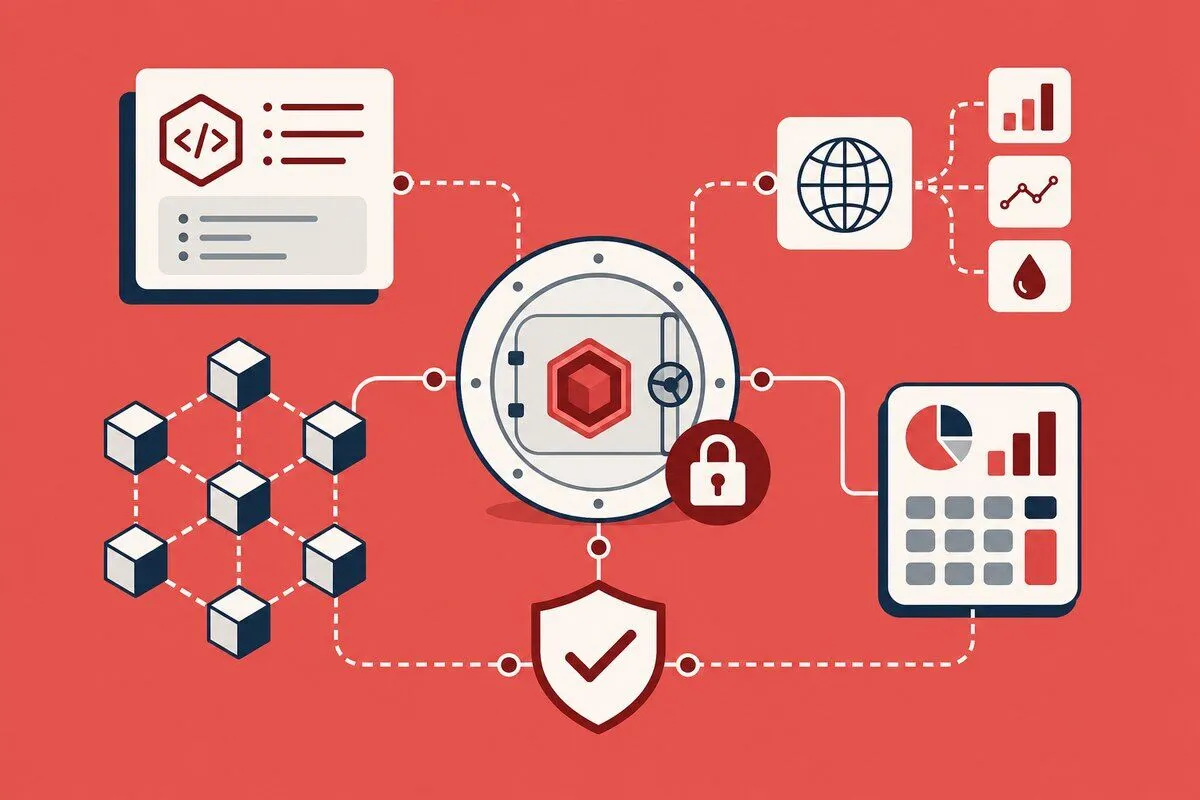
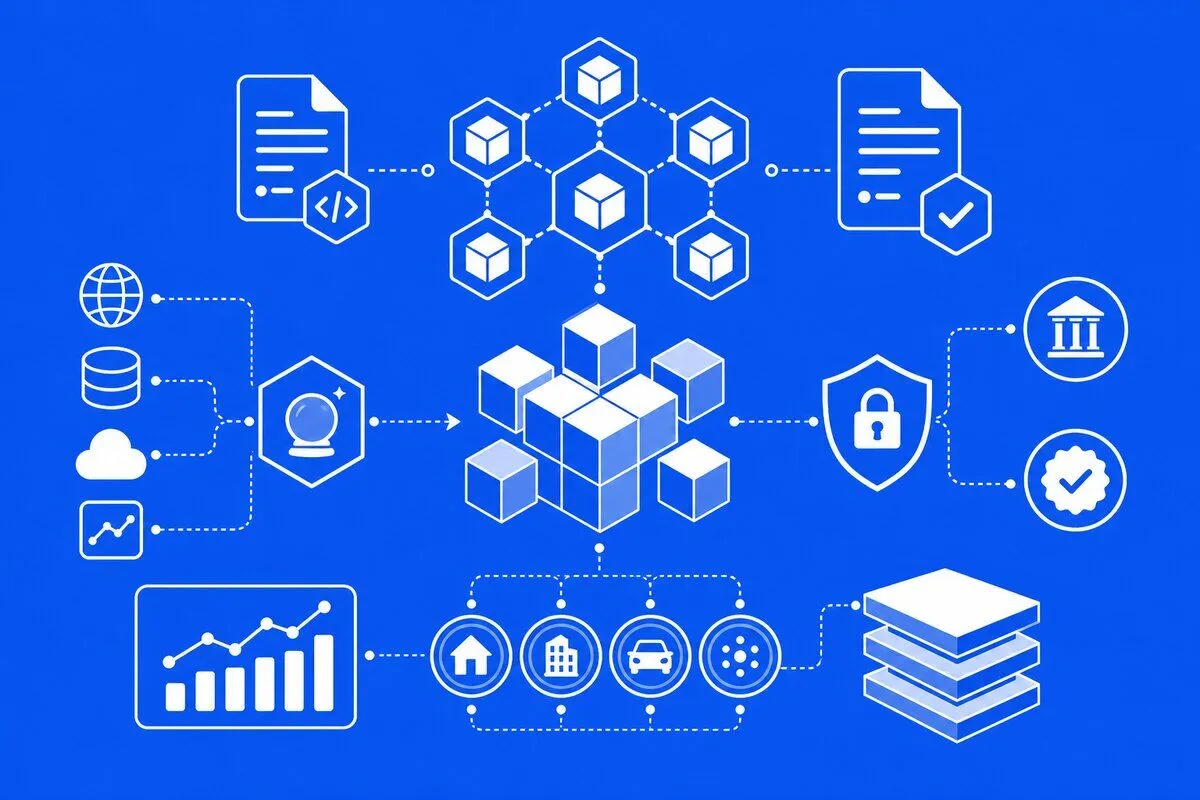
If you are investing in tokenized real estate, you are not just trusting a property. You are trusting the code that manages that property. That code is called a smart contract, and when it has a bug, the consequences can be permanent and irreversible. This guide explains every major type of smart contract bug in plain language, shows you real examples of what went wrong in actual platforms, and gives you practical questions to ask before investing a single dollar, dirham, or rupee into any real estate token platform.
With over eight years of experience building and auditing blockchain infrastructure for clients across India, Singapore, and the UAE, our agency has seen both platforms done right and platforms done very wrong. Real Estate Tokenization is a genuine opportunity, but only on platforms where the code has been built and verified with the same seriousness as the legal and financial structure behind it.

Real World Examples of Smart Contract Bugs That Cost Real Estate Investors Millions of Dollars
| Incident | Year | Bug Type | Amount Lost | Recovery |
|---|---|---|---|---|
| The DAO | 2016 | Reentrancy | $60 million | Partial via hard fork only |
| Parity Wallet | 2017 | Access Control | $150M frozen | None, permanently locked |
| Mango Markets | 2022 | Oracle Bug | $114 million | Partial via negotiation |
| Nomad Bridge | 2022 | Logic Error | $190 million | 36% returned voluntarily |
| Ronin Network | 2022 | Access Control | $625 million | Partial platform compensation |
| Euler Finance | 2023 | Logic Error | $197 million | Most recovered via negotiation |
The common thread across every incident in this table is that recovery was either incomplete, negotiated, or impossible. For retail investors in India, Singapore, or the UAE, there is no compensation fund, no deposit protection, and no court order that can retrieve blockchain assets once they have been drained through an exploited smart contract bug. Prevention is the only real protection available to you as an investor.
What Questions You Must Ask a Real Estate Tokenization Platform About Their Smart Contract Security Before Investing
| Question to Ask | Good Answer | Red Flag Answer |
|---|---|---|
| Has your smart contract been audited? | Yes, report is publicly accessible on our website and GitHub | It is in progress or available on request only |
| Which firm performed the audit? | Named firm like CertiK, Trail of Bits, or OpenZeppelin | An internal team or unnamed third party |
| Were all critical issues resolved before launch? | Yes, all critical and high issues resolved with documentation | Some issues are known but will be fixed post-launch |
| Do you have a bug bounty program? | Yes, active on Immunefi or HackerOne with published rewards | No, we rely on our internal team for ongoing security |
| What oracle do you use for price data? | Chainlink or another decentralized multi-source oracle network | A single API or our own internal price calculation |
| Are admin functions protected by multisig? | Yes, 3-of-5 multisig with keyholders across separate jurisdictions | Admin functions are controlled by the founding team only |
| Is there an emergency pause function? | Yes, platform can be paused immediately if an exploit is detected | No, the contract runs autonomously once deployed |
| Do you have an incident response plan? | Yes, it is published and includes investor communication and compensation steps | We handle incidents on a case by case basis as they arise |
People Also Ask
Q1.1. What exactly is a smart contract bug and should I be worried about it as an investor?
A smart contract bug is a coding mistake baked into the blockchain program that controls your investment. Once deployed, nobody can easily fix it. If a hacker finds that bug before the platform does, your funds can be taken permanently with no bank or government able to reverse the transaction.
Q2.2. Can I lose my entire real estate investment because of a smart contract bug?
Yes, and this has already happened to real investors. The DAO hack in 2016 drained $60 million. Nomad Bridge lost $190 million in 2022. Real estate platforms running on unaudited smart contracts carry the same risk. If the contract is broken, your tokens and rental income can disappear completely and irreversibly.
Q3.3. How do I know if the real estate token platform I am using has safe smart contracts?
Look for a published audit report from a reputable firm like CertiK, Trail of Bits, or Quantstamp. The report should be dated within the past 12 months and should show zero unresolved critical or high severity issues. If a platform cannot show you an audit report, treat that as a serious red flag before investing.
Q4.4. What is a reentrancy bug and why does it keep coming up in crypto hacks?
A reentrancy bug lets an attacker call a withdrawal function over and over before the contract updates your balance, draining the entire pool. The DAO hack used exactly this technique. Despite being discovered in 2016, reentrancy bugs still appear in newly deployed contracts because developers rush to launch without thorough testing or security review.
Q5.5. What is an oracle bug and how does it affect my property investment?
An oracle is the data feed that tells a smart contract what something is worth. If that feed gets manipulated or sends wrong data, the contract makes wrong decisions like paying out incorrect rental yields, mispricing tokens, or triggering false liquidations. Oracle bugs have caused hundreds of millions in losses across DeFi protocols since 2020.
Q6.6. Are smart contract bugs covered by any kind of insurance?
Some DeFi platforms offer smart contract insurance through providers like Nexus Mutual or InsurAce. However coverage limits are often much lower than total platform value, premiums can be expensive, and claims processes are not always straightforward. Insurance is a useful risk mitigation layer but it should not be the primary reason you feel confident in a platform.
Q7.7. Is the real estate tokenization space in India, UAE or Singapore safer than other crypto investments?
Regulated platforms in Dubai under DIFC and DFSA oversight and in Singapore under MAS licensing are required to demonstrate technical security standards including smart contract audits. This makes them comparatively safer than unregulated DeFi protocols. India is still building its framework but SEBI is actively studying smart contract security standards for tokenized assets.
Q8.8. What is an access control bug in simple terms?
An access control bug is when the smart contract does not properly check who is allowed to do what. It is like a building where the master key accidentally works on every room because the locksmith made an error. A hacker who finds this bug can give themselves admin rights, withdraw all funds, or change the rules of the contract entirely.
Q9.9. What should I do if the platform I invested in gets hacked through a smart contract bug?
Act immediately by stopping any new deposits or approvals to that platform. Revoke token approvals using a tool like Revoke.cash. If the platform has an emergency fund or insurance coverage, file a claim through their official channels. Document all transaction records for potential legal action or tax loss claims in your jurisdiction including India, UAE or Singapore.
Q10.10. How often do new smart contract bugs get discovered on real platforms?
According to blockchain security research firms, over 200 significant smart contract vulnerabilities were publicly disclosed in 2025 alone, representing billions in at-risk funds across active protocols. New bugs are discovered weekly because contract complexity increases faster than audit capacity. This is precisely why ongoing security monitoring matters as much as the initial pre-launch audit.
Explore Services
Related Services
Reviewed by

Aman Vaths
Founder of Nadcab Labs
Aman Vaths is the Founder & CTO of Nadcab Labs, a global digital engineering company delivering enterprise-grade solutions across AI, Web3, Blockchain, Big Data, Cloud, Cybersecurity, and Modern Application Development. With deep technical leadership and product innovation experience, Aman has positioned Nadcab Labs as one of the most advanced engineering companies driving the next era of intelligent, secure, and scalable software systems. Under his leadership, Nadcab Labs has built 2,000+ global projects across sectors including fintech, banking, healthcare, real estate, logistics, gaming, manufacturing, and next-generation DePIN networks. Aman’s strength lies in architecting high-performance systems, end-to-end platform engineering, and designing enterprise solutions that operate at global scale.