Ai Overview
SEC (Securities and Exchange Commission) has approved a Nasdaq rule change that allows stocks and ETFs to be traded as tokenized securities on the blockchain. This is the first time traditional Wall Street assets have been officially allowed to live on a blockchain in the U. Securities and Exchange Commission (SEC), the government body that controls stock markets and investment rules in the United States, has approved a new rule change for Nasdaq, one of the world’s largest stock exchanges.
Key Takeaway
The U.S. SEC (Securities and Exchange Commission) has approved a Nasdaq rule change that allows stocks and ETFs to be traded as tokenized securities on the blockchain. This is the first time traditional Wall Street assets have been officially allowed to live on a blockchain in the U.S.
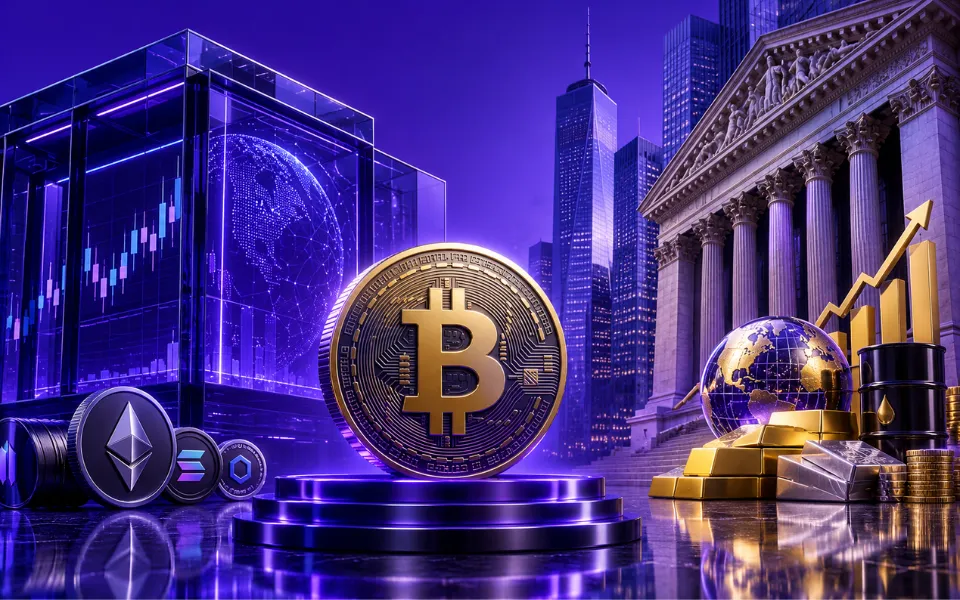
Washington, D.C. — March 18, 2026 — In a historic step, the U.S. Securities and Exchange Commission (SEC), the government body that controls stock markets and investment rules in the United States, has approved a new rule change for Nasdaq, one of the world’s largest stock exchanges. This rule allows certain stocks and ETFs (Exchange-Traded Funds) to be bought and sold in tokenized form on a blockchain.
In simple words, this means that for the first time ever, you could own a share of a company like a digital token on a blockchain, just like you own Bitcoin or Ethereum, while still having all the same rights as a normal shareholder.
What Exactly Happened?
Nasdaq first submitted this proposal to the SEC in September 2025. After two rounds of revisions and review, the SEC gave its final approval on March 18, 2026.
Under this new rule, eligible securities — meaning stocks in the Russell 1000 Index and ETFs (Exchange-Traded Funds) that track major benchmarks like the S&P 500 and Nasdaq 100 — can now be represented as tokenized assets and traded on the Nasdaq exchange.
A tokenized security is simply a digital version of a stock or ETF stored on a blockchain. It carries all the same value, rights, and legal standing as the original share. The only difference is that it exists as a token on a blockchain network instead of in a traditional electronic record.
You can read the full official approval details on the SEC official newsroom.
When Did This Happen and Who Is Involved?
How Does It Work? A Simple Explanation
Here is a simple step-by-step picture of how tokenized securities will work on Nasdaq:
- A Nasdaq participant (like a broker or institution) decides to settle a trade in token form instead of the traditional way.
- They set their preference in the system — choosing token settlement and providing their blockchain wallet address.
- Nasdaq passes this preference to the DTC (Depository Trust Company), which is the main settlement body for U.S. stock markets.
- The DTC settles the trade on the blockchain and the buyer receives a tokenized version of the share in their digital wallet.
- If tokenization requirements are not met at the time of settlement, the trade falls back to the traditional settlement process automatically.
One important thing: tokenized shares and traditional shares trade on the same order book. This means they have the same price, the same ticker symbol, the same CUSIP number (a unique identifier for securities), and the same rights. There is no separate market for tokenized stocks — they are completely merged with the existing market. For more context on how this fits into the broader blockchain regulatory picture.
Also Read: SEC Makes It Official: Bitcoin, Ethereum, and Solana Are Not Securities
What Rights Do You Keep as a Token Holder?
Many people wonder — if I hold a tokenized share, do I still get the same benefits as a normal shareholder? The answer is yes. Here is what you keep:
- Voting rights in company decisions
- Dividend payments when the company distributes profits
- Claims on assets if the company is ever wound up
- Same legal protections under U.S. securities law
The SEC confirmed that all standard investor protections apply equally to tokenized securities. No rights are reduced or changed simply because the share is on a blockchain.
What Changes and What Does Not?
What Are the Benefits? Why Does This Matter?
This approval is a big deal for several reasons. Here is what changes for different groups of people:
For Investors
- You will be able to hold traditional stocks and ETFs as digital tokens in a blockchain wallet.
- This opens the door to 24/7 trading of tokenized securities in the future, since blockchain does not close like a traditional exchange.
- It makes securities easier to transfer, fractionalize, and manage through smart contracts.
For Institutions and Brokers
- They can settle trades on blockchain instead of through slow, paper-heavy traditional systems.
- Blockchain settlement reduces counterparty risk and increases transparency.
- It lowers the cost and time involved in post-trade processing.
For the Blockchain and Crypto Industry
- This is the first official bridge between traditional Wall Street assets and blockchain infrastructure.
- It gives blockchain technology direct legitimacy in the heart of U.S. financial markets.
- It builds on the broader momentum created by the SEC token taxonomy framework announced on March 17, 2026, which classified Bitcoin, Ethereum, and Solana as non-securities.
What Happens Next?
This approval is part of a larger DTC (Depository Trust Company) tokenization pilot program. The full pilot is expected to launch in the second half of 2026. As the pilot grows, more assets and more participants are expected to join the tokenized trading ecosystem.
Nasdaq has also confirmed that additional tokenization methods are under discussion and will require separate filings with the SEC. This means the current approval is just the beginning of a much larger shift toward blockchain-based finance in the United States.
The Bottom Line
The SEC’s approval of the Nasdaq tokenized securities rule is one of the most significant steps toward merging traditional finance and blockchain technology in U.S. history. For the first time, stocks and ETFs can officially live on a blockchain while retaining all their legal protections and market rights.
This does not mean crypto and stocks are the same thing. But it does mean that the wall between traditional finance and blockchain is starting to come down — and the SEC has officially opened the door.
Stay updated on all blockchain regulation news, development trends, and how these changes affect Web3 projects worldwide at Nadcab.com.
Real also from nadcab
Reviewed by

Aman Vaths
Founder of Nadcab Labs
Aman Vaths is the Founder & CTO of Nadcab Labs, a global digital engineering company delivering enterprise-grade solutions across AI, Web3, Blockchain, Big Data, Cloud, Cybersecurity, and Modern Application Development. With deep technical leadership and product innovation experience, Aman has positioned Nadcab Labs as one of the most advanced engineering companies driving the next era of intelligent, secure, and scalable software systems. Under his leadership, Nadcab Labs has built 2,000+ global projects across sectors including fintech, banking, healthcare, real estate, logistics, gaming, manufacturing, and next-generation DePIN networks. Aman’s strength lies in architecting high-performance systems, end-to-end platform engineering, and designing enterprise solutions that operate at global scale.