Ai Overview
Solana smart contracts, known as programs, operate fundamentally differently from their Ethereum counterparts. Trading platforms in London and investment protocols serving UAE clients cannot afford the network instability that has historically affected Solana during high-demand periods. While processing 65,000 transactions per second sounds impressive, this throughput becomes meaningless when network congestion causes widespread transaction failures.
Key Takeaways
- Solana’s account-based architecture creates unique security vulnerabilities requiring specialized expertise for high-value contract audits and proper validation.
- Network outages have historically disrupted mission-critical applications, making Solana unsuitable for operations requiring guaranteed uptime and transaction finality.
- Limited availability of experienced Rust auditors creates security gaps for enterprise-grade deployments managing substantial capital across global markets.
- Validator centralization poses governance risks and limitations of Solana smart contracts that may conflict with regulatory requirements in the USA, UK, UAE, and Canada for decentralized systems.
- Upgrade authority mechanisms introduce trust assumptions that contradict the immutability expectations of high-value blockchain applications requiring censorship resistance.
- Cross-program invocation complexity increases attack surfaces exponentially when building interconnected DeFi protocols or enterprise solutions on Solana.
- Runtime constraints including compute unit limits can cause unexpected transaction failures during volatile market conditions affecting time-sensitive operations.
- Ecosystem maturity gaps limit enterprise tooling availability compared to Ethereum, requiring additional investment in custom infrastructure solutions.
- Memory safety risks in Rust-based contracts require specialized knowledge that many blockchain teams currently lack for secure implementation.
- Regulatory compliance frameworks remain underdeveloped for Solana-specific applications, creating legal uncertainties for institutional deployments in regulated markets.
1. Understanding Solana Smart Contracts in High-Value Blockchain Environments
Solana smart contracts, known as programs, operate fundamentally differently from their Ethereum counterparts. Built primarily using Rust programming language with the Anchor framework, these programs execute on a high-throughput blockchain capable of processing thousands of transactions per second. For enterprises in the USA and UK exploring blockchain solutions, this performance advantage initially appears attractive for high-frequency trading applications and large-scale DeFi protocols.
Solana has emerged as one of the fastest blockchain platforms, attracting significant attention from enterprises and investors across the USA, UK, UAE, and Canada. However, when deploying smart contract solutions for high-value applications, understanding the inherent risks and limitations of Solana smart contracts and limitations becomes crucial for protecting substantial capital investments. With over 8 years of experience in blockchain consulting, our agency has witnessed numerous projects encounter unexpected challenges on Solana that could have been mitigated through proper risk assessment. This comprehensive guide explores the critical risks and limitations of Solana smart contracts that every enterprise and investor must understand before committing significant resources to this platform.
However, the risks and limitations of Solana smart contracts become apparent when examining the unique architectural decisions underlying this performance. Unlike Ethereum’s account model where contracts store their own state, Solana separates program logic from data storage across multiple accounts. This separation introduces complexity that enterprises must carefully evaluate before deploying capital-intensive applications. Financial institutions in Dubai and Canadian fintech companies have encountered unexpected challenges when migrating Ethereum-based logic to Solana’s programming paradigm.
The high-value blockchain environment demands reliability, security, and predictability that Solana’s architecture may not consistently deliver. Understanding these foundational differences helps organizations make informed decisions about platform selection for mission-critical applications requiring guaranteed execution and asset protection.
2. Why High-Value Applications Face Unique Risks on Solana
High-value applications managing millions or billions in assets require infrastructure that minimizes every possible failure point. The risks and limitations of Solana smart contracts become magnified when substantial capital is at stake. Trading platforms in London and investment protocols serving UAE clients cannot afford the network instability that has historically affected Solana during high-demand periods.[1]
The fundamental challenge lies in Solana’s optimization for speed over resilience. While processing 65,000 transactions per second sounds impressive, this throughput becomes meaningless when network congestion causes widespread transaction failures. Institutional investors and enterprise applications require consistent performance regardless of network conditions, a guarantee Solana has struggled to provide during critical market moments.
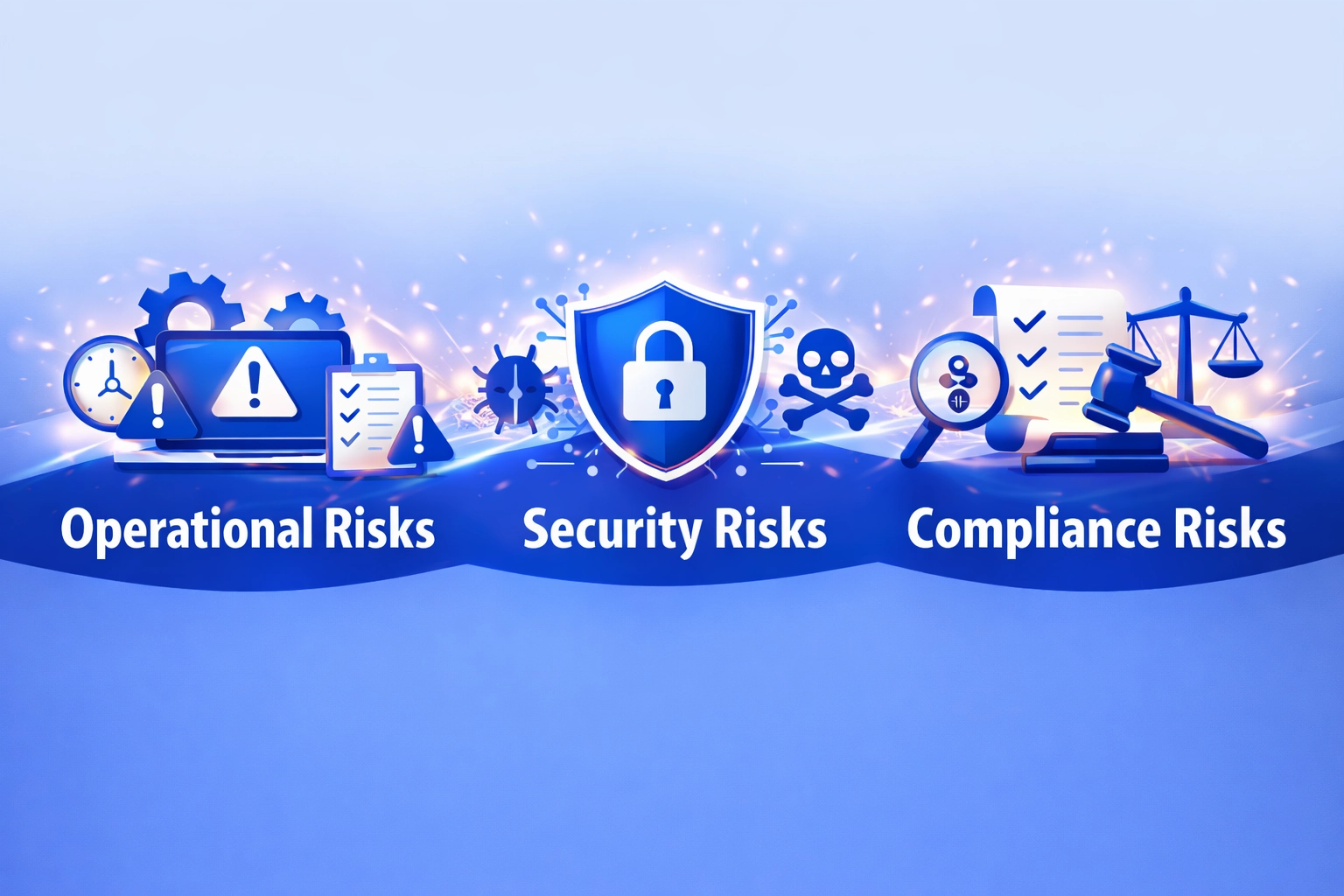
High-Value Application Risk Categories
Operational Risks
- Network outage exposure
- Transaction failure rates
- Congestion vulnerabilities
- Validator dependencies
Security Risks
- Account validation exploits
- Upgrade authority attacks
- CPI vulnerabilities
- Memory safety issues
Compliance Risks
- Regulatory uncertainty
- Audit trail limitations
- Governance concerns
- Jurisdiction conflicts
3. Account-Based Architecture: A Double-Edged Sword for Smart Contract Security
Solana’s account-based architecture represents one of the most significant risks and limitations of Solana smart contracts for high-value applications. Unlike Ethereum where contracts encapsulate their own state, Solana programs must interact with separate data accounts that store application state. This design enables parallel transaction processing but introduces complex security considerations that have led to numerous exploits.
Every program invocation requires explicit account validation to ensure the calling context provides legitimate accounts. Developers must manually verify account ownership, check program derivation addresses, and validate account relationships. Missing or incorrect validation has caused catastrophic losses in DeFi protocols, with some exploits draining hundreds of millions of dollars from supposedly secure platforms.
For enterprises in Canada and the UK building financial infrastructure, this validation complexity creates substantial audit burden. Each account interaction point becomes a potential vulnerability that auditors must carefully examine. The Anchor framework provides some guardrails, but sophisticated attacks continue exploiting subtle validation gaps that even experienced teams overlook during code review processes.
4. Complexity of Solana’s Programming Model and Developer Error Risk
The risks and limitations of Solana smart contracts extend significantly into the programming model complexity that increases developer error potential. Rust, while providing memory safety benefits, presents a steep learning curve for developers accustomed to Solidity or other high-level languages. The borrowing and ownership concepts fundamental to Rust require specialized expertise that remains scarce in the blockchain industry.
Beyond language complexity, Solana’s programming model requires understanding concepts like Program Derived Addresses, Cross-Program Invocations, and account serialization patterns. Each concept introduces potential error vectors that attackers actively exploit. Teams building high-value applications in the USA and UAE markets must invest substantially in specialized training or hire scarce Solana experts at premium rates.
The Anchor framework attempts to simplify common patterns, but introduces its own abstraction layer that can obscure underlying security considerations. Developers may rely on framework conveniences without fully understanding the generated code, creating blind spots that sophisticated attackers exploit in production environments managing real capital.
5. Memory Safety Risks in Rust-Based Solana Smart Contracts
While Rust’s memory safety guarantees provide advantages over languages prone to buffer overflows, the risks and limitations of Solana smart contracts include subtle memory-related vulnerabilities. Unsafe Rust blocks, sometimes necessary for performance optimization, bypass compiler protections and introduce potential exploits. High-value applications cannot afford the consequences of memory corruption affecting asset custody or transaction logic.
Account data deserialization presents particular challenges where incorrect type assumptions can lead to memory interpretation errors. Attackers have exploited type confusion vulnerabilities to manipulate program state in ways developers never anticipated. The binary nature of Solana account data requires precise handling that leaves little room for error in high-stakes financial applications.
Organizations in the UK financial sector and Canadian banking industry face strict requirements around memory safety in financial software. Demonstrating compliance with these requirements becomes challenging when core contract logic relies on low-level memory manipulation patterns that traditional financial software auditors may not fully understand or be able to verify effectively.
6. Limited Battle-Testing Compared to Ethereum for Large-Scale Capital
One of the most significant risks and limitations of Solana smart contracts involves the platform’s relatively limited operational history compared to Ethereum. Since 2015, Ethereum has secured hundreds of billions in value through countless attack attempts that have informed security best practices. Solana’s shorter history means fewer battle-tested patterns and less collective knowledge about potential vulnerabilities.
Institutional investors and enterprises evaluating blockchain platforms for high-value applications rightfully question whether Solana has undergone sufficient real-world testing to warrant substantial capital deployment. The exploits affecting Solana DeFi protocols demonstrate that the ecosystem continues discovering fundamental vulnerabilities that more mature platforms have already addressed.
| Comparison Factor | Ethereum | Solana |
|---|---|---|
| Mainnet Launch | July 2015 | March 2020 |
| Years of Operation | 9+ Years | 4+ Years |
| Total Value Secured (Peak) | $180+ Billion | $15+ Billion |
| Security Auditors Available | 100+ Firms | 20+ Firms |
| Known Vulnerability Patterns | Well Documented | Still Emerging |
7. Runtime Constraints and Their Impact on High-Value Transactions
Solana imposes strict compute unit limits on transactions that create unexpected constraints for complex operations. The risks and limitations of Solana smart contracts become particularly evident when sophisticated financial logic requires more computation than allowed within single transactions. High-value applications often require complex calculations, multiple validations, and extensive state updates that may exceed these limits.
Transaction size limits further constrain what operations can execute atomically. Enterprise applications in the USA requiring complex multi-party settlements or sophisticated derivative calculations may find Solana’s constraints incompatible with their business logic. Breaking operations across multiple transactions introduces failure points and potential race conditions that undermine the atomic guarantees blockchain technology should provide.
These runtime constraints force architectural compromises that may introduce security vulnerabilities. Developers must optimize aggressively, sometimes sacrificing code clarity for gas efficiency. This optimization pressure creates opportunities for subtle bugs that auditors may miss when reviewing heavily optimized contract code designed primarily to fit within Solana’s computational constraints.
8. Transaction Parallelism Risks in Capital-Intensive Smart Contracts
Solana’s parallel transaction execution model, while enabling high throughput, introduces unique risks and limitations of Solana smart contracts for applications requiring strict ordering guarantees. The Sealevel runtime processes transactions concurrently when they access different accounts, but this parallelism can create race conditions in complex DeFi protocols where transaction ordering significantly impacts outcomes.
Front-running and sandwich attacks become particularly sophisticated on Solana due to parallel execution. Attackers can exploit the parallelism model to insert transactions that manipulate state between user operations, extracting value through MEV strategies. High-value trading applications in Dubai and London markets face significant exposure to these extraction techniques that can erode returns systematically.
Account locking mechanisms provide some protection but introduce their own complexity. Programs must carefully manage which accounts they access to avoid unnecessary serialization while preventing race conditions. This balancing act requires deep understanding of Solana’s execution model that many teams lack, creating implementation risks and limitations of Solana smart contracts for capital-intensive applications.
9. State Management Challenges for Large Asset Holdings on Solana
Managing substantial asset holdings on Solana presents unique state management challenges that exemplify the risks and limitations of Solana smart contracts. Account rent requirements mean that storing large amounts of data becomes expensive, forcing design tradeoffs between data availability and cost efficiency. High-value applications managing complex positions or extensive user data face ongoing rent obligations that complicate economic models.
Account size limitations constrain how much data single accounts can store, requiring applications to shard data across multiple accounts. This sharding introduces complexity in maintaining consistency and creates potential vulnerabilities where attackers might exploit inconsistencies between related accounts. Enterprises in Canada building asset management platforms must carefully architect their data models to accommodate these constraints.
State rent exemption thresholds mean programs must maintain minimum balances to avoid account deletion. For high-value applications, ensuring critical accounts remain rent-exempt requires capital allocation that might otherwise generate returns. These economic considerations compound the technical challenges of building reliable asset custody solutions on Solana.
10. Network Congestion and Failed Transactions During Peak Load
Network congestion represents one of the most operationally significant risks and limitations of Solana smart contracts for high-value applications. During periods of intense activity, such as popular NFT mints or volatile market conditions, transaction failure rates spike dramatically. Applications requiring guaranteed execution face unacceptable reliability risks and limitations of Solana smart contracts when network performance degrades unpredictably.
Trading platforms serving clients in the USA, UK, and UAE cannot accept transaction failures during critical market moments. When prices move rapidly, failed transactions mean missed opportunities or, worse, partially executed trades that leave positions exposed. The economic impact of congestion-related failures can far exceed transaction fees, potentially causing significant losses for high-frequency trading operations.
Priority fee mechanisms exist to improve transaction inclusion probability, but create unpredictable cost structures. During congestion events, fees can spike orders of magnitude above normal levels, making certain operations economically unviable. Enterprises building cost-sensitive applications must factor in worst-case fee scenarios that may render their business models unprofitable during high-demand periods.
11. Validator Centralization Risks and Their Effect on Asset Security
Validator centralization creates governance and security concerns that compound the risks and limitations of Solana smart contracts for enterprise deployments. The substantial hardware requirements for running Solana validators concentrate validation power among well-capitalized operators. This centralization contradicts the decentralization principles that make blockchain technology valuable for censorship-resistant applications.
High-value applications in regulated markets face particular challenges when validators can theoretically collude to censor transactions or manipulate ordering. Financial regulators in the UK and Canada increasingly scrutinize the decentralization claims of blockchain platforms used for regulated activities. Demonstrating adequate decentralization becomes challenging when validator economics favor concentration.
Geographic concentration of validators in specific jurisdictions creates additional risks and limitations of Solana smart contracts. If majority validator capacity operates in countries with restrictive regulations, entire applications could face operational disruption through coordinated regulatory action. Enterprises must evaluate validator distribution when assessing platform suitability for mission-critical financial infrastructure.
12. Network Outages and Downtime Risks for Mission-Critical Applications
Solana’s history of network outages represents perhaps the most visible demonstration of the risks and limitations of Solana smart contracts for high-value applications. Multiple extended outages have halted all network activity for hours, sometimes days. For applications managing substantial capital, these outages create unacceptable operational risks and limitations of Solana smart contracts that no amount of contract security can mitigate.
Financial services applications require near-perfect uptime to meet service level agreements and regulatory expectations. Banks and investment firms in Dubai and the USA operate under strict availability requirements that Solana’s historical performance cannot satisfy. Even applications without formal SLA requirements face reputation damage and customer losses when network unavailability prevents critical operations.
The cascading effects of outages extend beyond immediate unavailability. Price discovery mechanisms fail, liquidation systems cannot operate, and time-sensitive operations miss their windows. DeFi protocols have suffered significant losses when network outages prevented liquidations during volatile market conditions, leaving positions underwater when the network resumed.
13. Upgrade Authority Risks in Solana Smart Contracts
Upgrade authority mechanisms introduce significant trust assumptions that represent critical risks and limitations of Solana smart contracts. Unlike truly immutable contracts, most Solana programs deploy with upgrade authority that allows authorized parties to modify program logic. While enabling bug fixes, this authority creates potential for malicious upgrades that could steal user funds.
High-value applications face particular exposure to upgrade authority risks and limitations of Solana smart contracts. Users depositing substantial capital must trust that upgrade authority holders will not abuse their power. Even well-intentioned teams represent single points of failure if their keys become compromised. Sophisticated attacks have exploited upgrade authorities to drain protocol treasuries, sometimes months after initial deployment.
Multisig arrangements and timelocks provide partial mitigation but add operational complexity. Enterprise applications must implement governance processes around upgrades that satisfy both security requirements and operational agility needs. Finding this balance proves challenging for organizations in Canada and the UK building financial infrastructure with strict change management requirements.
Critical Security Standards for Upgrade Authority Management
Standard 1: Implement multisignature requirements with minimum 3-of-5 threshold for all upgrade authority operations.
Standard 2: Enforce minimum 48-hour timelocks between upgrade proposal and execution for all program modifications.
Standard 3: Require independent security audit of all upgrade proposals before execution authorization is granted.
Standard 4: Distribute key holders across different geographic jurisdictions to prevent coordinated coercion attacks.
Standard 5: Establish clear upgrade authority revocation procedures for programs reaching stability milestones.
Standard 6: Maintain comprehensive audit trails of all upgrade authority actions for regulatory compliance purposes.
14. Smart Contract Immutability Limitations on Solana
The flexibility that enables upgrades also creates immutability limitations representing significant risks and limitations of Solana smart contracts. True immutability, where deployed code cannot change under any circumstances, provides strong guarantees that users can verify contract behavior will remain constant. Solana’s upgrade mechanisms fundamentally compromise these guarantees.
Applications requiring trustless operation face challenges when users must trust upgrade authority holders. DeFi protocols competing for institutional capital from the USA and UAE markets struggle to demonstrate the immutability guarantees sophisticated investors expect. The ability to upgrade, while operationally convenient, creates trust requirements that undermine blockchain’s core value proposition.
Programs can renounce upgrade authority to achieve immutability, but this decision is irreversible and removes the ability to fix bugs. Teams must carefully evaluate the tradeoff between immutability guarantees and operational flexibility. High-value applications often require both properties simultaneously, a combination Solana’s architecture cannot easily provide.
15. Tooling and Debugging Limitations for High-Value Contract Audits
The maturity of tooling and debugging capabilities significantly impacts the risks and limitations of Solana smart contracts for enterprise deployments. Compared to Ethereum’s extensive tooling ecosystem, Solana’s tools remain relatively immature. Security researchers and auditors face limitations that can leave vulnerabilities undiscovered until exploitation occurs in production.
Formal verification tools, which mathematically prove contract properties, remain limited for Solana programs. Ethereum contracts benefit from multiple formal verification frameworks that can prove absence of entire vulnerability classes. Solana’s Rust-based programs lack equivalent tooling, forcing auditors to rely on manual review for properties that could otherwise be mechanically verified.
Debugging deployed contracts presents particular challenges. When issues arise in production, developers have limited visibility into contract state and execution flow. This opacity complicates incident response and root cause analysis, extending the time between vulnerability discovery and remediation. High-value applications cannot afford extended vulnerability windows that immature tooling creates.
Solana Smart Contract Security Audit Lifecycle
1. Code Review Preparation
Gather documentation, architecture diagrams, and previous audit reports for comprehensive context establishment.
2. Static Analysis
Run automated tools to identify common vulnerability patterns and code quality issues systematically.
3. Manual Code Review
Expert auditors examine logic, access controls, and account validation for vulnerabilities automated tools miss.
4. CPI Analysis
Evaluate all cross-program invocations for potential reentrancy and privilege escalation vulnerabilities.
5. Exploit Development
Attempt to exploit identified vulnerabilities to confirm severity and demonstrate realistic attack scenarios.
6. Report Generation
Document findings with severity ratings, remediation recommendations, and verification procedures.
7. Remediation Review
Verify implemented fixes properly address vulnerabilities without introducing new security issues.
8. Final Certification
Issue audit certification with scope limitations and residual risks and limitations of Solana smart contracts acknowledgments for stakeholder communication.
16. Ecosystem Maturity Risks for Enterprise-Grade Deployments
Ecosystem maturity directly impacts the risks and limitations of Solana smart contracts for organizations requiring enterprise-grade reliability. The Solana ecosystem, while growing rapidly, lacks the depth of service providers, infrastructure options, and institutional support that Ethereum has developed over nearly a decade. This maturity gap creates operational risks and limitations of Solana smart contracts for high-value deployments.
Custody solutions meeting institutional requirements remain limited for Solana assets. Banks and asset managers in the UK and Canada require custody providers with specific regulatory approvals and insurance coverage. The smaller number of qualified Solana custodians limits options and potentially increases concentration risks and limitations of Solana smart contracts for institutional holdings.
Insurance coverage for Solana-based applications faces availability and pricing challenges. Insurers have less actuarial data for Solana-specific risks and limitations of Solana smart contracts, leading to higher premiums or coverage exclusions. Enterprise applications requiring comprehensive insurance protection may find Solana deployments more expensive to insure than equivalent Ethereum implementations.
17. Cross-Program Invocation (CPI) Risks in Complex Contract Systems
Cross-Program Invocation enables Solana programs to call other programs, creating powerful composability but also significant risks and limitations of Solana smart contracts in complex systems. Each CPI introduces potential attack vectors where malicious or compromised programs can affect the calling program’s execution. High-value DeFi protocols with multiple integrations face exponentially increasing attack surfaces.
Reentrancy-style attacks through CPI have caused significant losses in Solana protocols. When programs invoke external programs before completing state updates, attackers can exploit the intermediate state to drain funds or manipulate outcomes. The complexity of auditing CPI chains makes these vulnerabilities difficult to detect before exploitation.
Dependency on external programs introduces reliability risks and limitations of Solana smart contracts beyond security concerns. If a critical dependency program upgrades in incompatible ways or experiences bugs, dependent applications suffer cascading failures. Enterprise applications in the USA and UAE requiring high availability must carefully evaluate and monitor all CPI dependencies to maintain operational resilience.
18. Security Audit Gaps and Limited Auditor Availability
The limited availability of qualified Solana auditors creates significant risks and limitations of Solana smart contracts for projects requiring thorough security review. While dozens of firms specialize in Ethereum audits, far fewer have deep expertise in Rust and Solana’s unique architecture. This scarcity leads to longer audit timelines, higher costs, and potentially less thorough reviews.
Audit quality varies significantly among available providers. Some firms applying Ethereum audit methodologies to Solana programs miss platform-specific vulnerabilities. High-value applications require auditors with demonstrated Solana expertise and track records of identifying platform-specific issues before they cause production exploits.
| Audit Consideration | Ethereum Ecosystem | Solana Ecosystem |
|---|---|---|
| Qualified Auditors | 100+ Specialized Firms | 20-30 Firms |
| Average Audit Timeline | 2-4 Weeks | 4-8 Weeks |
| Cost Range (Medium Project) | $30K-$80K | $50K-$150K |
| Formal Verification Tools | Multiple Options | Limited |
| Known Vulnerability Database | Comprehensive | Growing |
19. Regulatory and Compliance Risks for High-Value Solana Applications
Regulatory uncertainty creates substantial risks and limitations of Solana smart contracts for applications operating in regulated industries. Financial regulators in the USA, UK, UAE, and Canada have not issued specific guidance for Solana-based financial services, creating compliance ambiguity. Organizations must interpret general blockchain guidance and risks and limitations of Solana smart contracts regulatory action if interpretations prove incorrect.
Network outage history complicates regulatory compliance for applications requiring continuous operation. Regulators may view unreliable infrastructure as incompatible with operational resilience requirements for critical financial services. Demonstrating adequate business continuity becomes challenging when the underlying network has documented availability issues.
Audit trail requirements for financial applications face challenges on Solana. While blockchain provides transaction records, the complexity of account-based architecture can complicate regulatory reporting. Producing clear audit trails showing fund flows and custody chains may require additional infrastructure investment beyond standard Solana tooling.
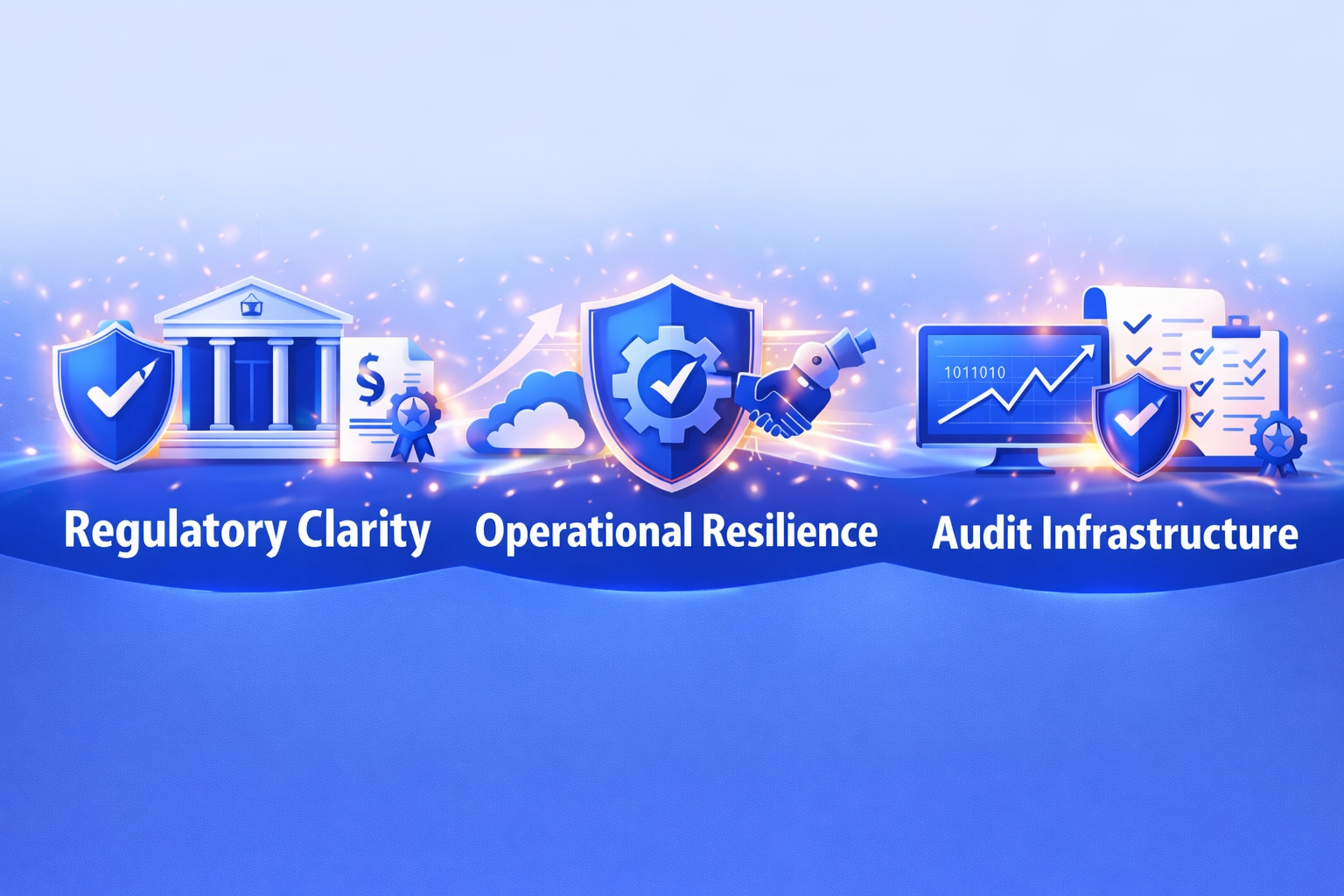
Platform Selection Criteria for Compliance
Regulatory Clarity
- Jurisdiction-specific guidance
- Precedent rulings available
- Clear licensing pathways
- Regulatory sandbox access
Operational Resilience
- Documented uptime history
- Incident response procedures
- Business continuity planning
- Disaster recovery capability
Audit Infrastructure
- Transaction traceability
- Reporting tool availability
- Third-party verification
- Record retention support
20. When Solana Smart Contracts May Not Be Suitable for High-Value Use Cases
Understanding when to avoid Solana helps organizations make appropriate platform decisions. The accumulated risks and limitations of Solana smart contracts suggest certain use cases should consider alternative platforms. Applications requiring guaranteed uptime, such as payment processing systems or critical financial infrastructure, face unacceptable risks and limitations of Solana smart contracts exposure from Solana’s outage history.
Highly regulated financial services in the USA, UK, and Canada may find compliance challenges insurmountable. When regulators require demonstrated operational resilience and comprehensive audit trails, Solana’s current maturity may not satisfy requirements. Organizations should evaluate regulatory expectations thoroughly before committing to Solana for regulated activities.
Applications requiring true immutability should carefully consider upgrade authority implications. If trustless operation represents a core requirement, the prevalence of upgradeable programs on Solana may conflict with project goals. Teams must decide whether accepting upgrade authority risks and limitations of Solana smart contracts aligns with their security model and user expectations.
Organizations with limited Rust expertise face significant execution risks and limitations of Solana smart contracts. Building secure Solana programs requires specialized skills that may not exist within current teams. The cost and time required to develop this expertise or hire qualified personnel should factor into platform selection decisions alongside technical considerations.
Compliance and Governance Checklist for High-Value Deployments
| Requirement Category | Checklist Item | Priority |
|---|---|---|
| Security | Complete third-party audit by qualified Solana auditor | Critical |
| Security | Implement multisig upgrade authority with timelock | Critical |
| Operations | Document business continuity procedures for network outages | High |
| Compliance | Establish regulatory reporting infrastructure | High |
| Governance | Define upgrade approval process with stakeholder sign-off | High |
| Monitoring | Deploy real-time contract monitoring and alerting | Medium |
| Insurance | Obtain appropriate coverage for contract vulnerabilities | Medium |
| Documentation | Maintain comprehensive technical and process documentation | Medium |
Final Risk Assessment Recommendations
Organizations evaluating Solana for high-value applications must conduct thorough risks and limitations of Solana smart contracts assessments that account for the platform-specific challenges outlined in this guide. While Solana offers compelling performance advantages, the risks and limitations of Solana smart contracts demand careful consideration before deploying substantial capital.
Our agency recommends engaging qualified Solana security experts, implementing robust operational procedures, and maintaining realistic expectations about platform limitations. With proper risk management, Solana can serve appropriate use cases, but organizations must enter with clear understanding of the tradeoffs involved.
Frequently Asked Questions
Q1.1. What are the main risks of using Solana smart contracts for high-value applications?
The primary risks include network outages causing transaction failures, validator centralization threatening decentralization, limited battle-testing compared to Ethereum, and complex programming models increasing developer error potential. High-value applications face additional exposure due to upgrade authority vulnerabilities and insufficient auditor availability for Rust-based contract reviews.
Q2.2. Why is Solana's account-based architecture considered risky for smart contracts?
Solana separates program logic from data storage across multiple accounts, creating complex permission management challenges. This architecture requires developers to manually validate account ownership and relationships, increasing attack surface areas. Improper account validation has caused significant exploits in DeFi protocols operating on Solana networks.
Q3.3. How does Solana's network congestion affect smart contract reliability?
During peak trading periods, Solana experiences transaction failures and delayed confirmations affecting time-sensitive operations. High-value transactions may fail or execute at unfavorable conditions during congestion events. This unreliability poses significant risks for applications requiring guaranteed execution within specific timeframes or price parameters.
Q4.4. Are Solana smart contracts less secure than Ethereum contracts?
Solana contracts face different security challenges rather than being inherently less secure. The Rust programming language offers memory safety benefits, but fewer experienced auditors and limited tooling create gaps. Ethereum’s longer operational history provides more battle-tested patterns and comprehensive security resources for high-value deployments.
Q5.5. What compliance risks exist for Solana smart contracts in regulated markets?
Regulatory frameworks in the USA, UK, UAE, and Canada require specific compliance measures that Solana’s architecture may complicate. Network outages affecting transaction finality, upgrade authority concerns, and limited audit trails create challenges for meeting regulatory requirements in financial services and securities applications.
Q6.6. Can Solana handle enterprise-grade smart contract deployments safely?
Enterprise deployments face ecosystem maturity challenges including limited institutional tooling, fewer experienced service providers, and nascent governance frameworks. Organizations in regulated industries should carefully evaluate whether Solana’s current infrastructure meets their operational resilience and compliance requirements before committing significant capital.
Q7.7. What are cross-program invocation risks in Solana smart contracts?
Cross-program invocations enable contracts to call other programs, creating complex dependency chains. These interactions can introduce unexpected behaviors, reentrancy-like vulnerabilities, and cascading failures across interconnected protocols. High-value applications must carefully audit all CPI relationships to prevent exploitation through malicious or compromised external programs.
Explore Services
Related Services
Reviewed by

Aman Vaths
Founder of Nadcab Labs
Aman Vaths is the Founder & CTO of Nadcab Labs, a global digital engineering company delivering enterprise-grade solutions across AI, Web3, Blockchain, Big Data, Cloud, Cybersecurity, and Modern Application Development. With deep technical leadership and product innovation experience, Aman has positioned Nadcab Labs as one of the most advanced engineering companies driving the next era of intelligent, secure, and scalable software systems. Under his leadership, Nadcab Labs has built 2,000+ global projects across sectors including fintech, banking, healthcare, real estate, logistics, gaming, manufacturing, and next-generation DePIN networks. Aman’s strength lies in architecting high-performance systems, end-to-end platform engineering, and designing enterprise solutions that operate at global scale.