Ai Overview
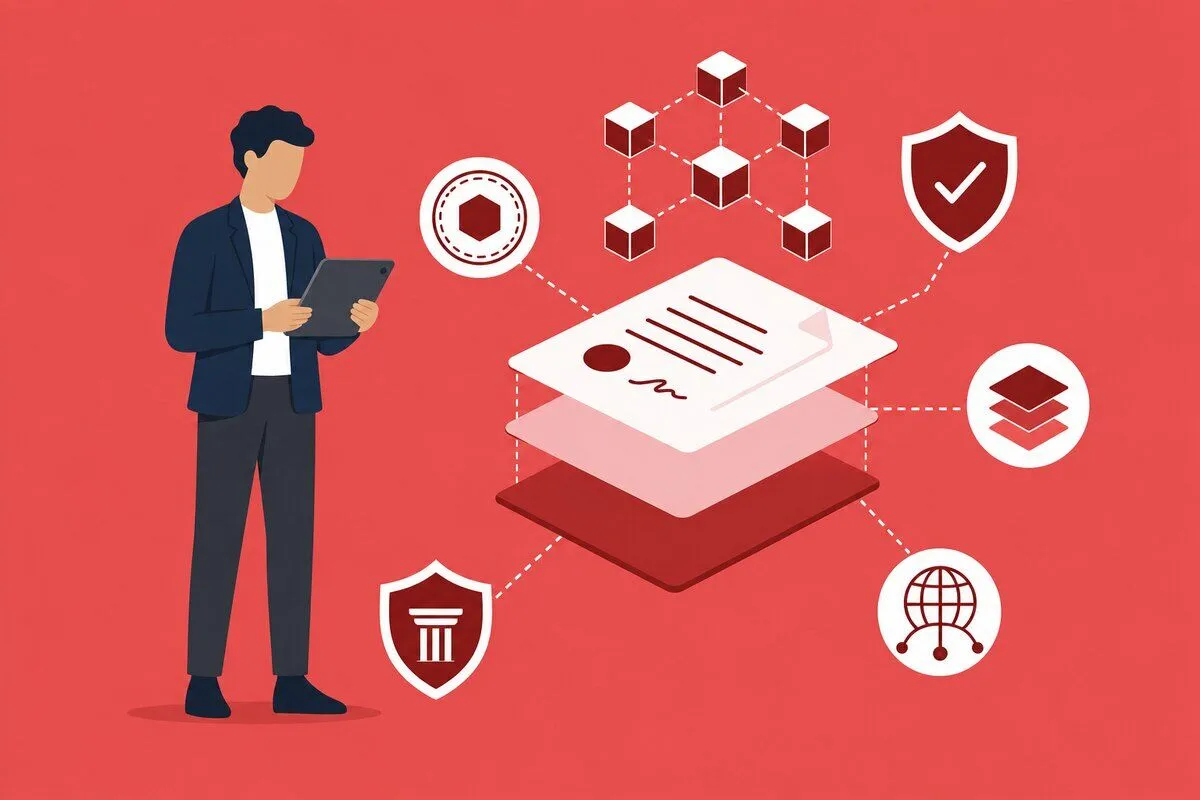
Smart contracts have revolutionized how we think about financial transactions. After spending over eight years building decentralized finance systems, I’ve witnessed firsthand how these self-executing programs transform safe transactions in DeFi from a theoretical concept into practical reality. They eliminate the need to trust intermediaries by encoding agreement terms directly into immutable code. Each intermediary adds cost, delay, and counterparty risk.
Key Takeaways
- ✓Smart contracts enable safe transactions in DeFi by automating execution without intermediaries, eliminating human error and counterparty risk.
- ✓Immutable code ensures transaction terms cannot be altered after deployment, providing users with guaranteed execution of agreed conditions.
- ✓Transparent blockchain records allow anyone to verify and audit all DeFi transactions, creating unprecedented accountability in financial systems.
- ✓Teams across USA, UK, UAE, and Canada require multiple independent audits and formal verification before deploying production contracts.
- ✓Security mechanisms including timelocks, multi-sig controls, and emergency pauses protect billions of dollars locked in DeFi protocols.
- ✓Flash loan attacks and oracle manipulation represent ongoing threats that well-designed smart contracts actively mitigate through proper patterns.
- ✓Users maintain custody of funds throughout DeFi transactions, eliminating risks associated with centralized custodians and exchanges.
- ✓The future of safe transactions in DeFi includes cross-chain security, AI-powered monitoring, and formal verification becoming standard practice.
Introduction to Smart Contracts in DeFi
Smart contracts have revolutionized how we think about financial transactions. After spending over eight years building decentralized finance systems, I’ve witnessed firsthand how these self-executing programs transform safe transactions in DeFi from a theoretical concept into practical reality. They eliminate the need to trust intermediaries by encoding agreement terms directly into immutable code.
Traditional finance requires banks, brokers, and clearinghouses to facilitate transactions. Each intermediary adds cost, delay, and counterparty risk. Smart contracts remove these layers entirely. When you interact with a DeFi protocol, you’re interacting directly with code that executes exactly as written, every single time.
Teams across USA, UK, UAE, and Canada now manage billions of dollars through smart contract services. The technology has matured from experimental projects to critical financial infrastructure. Understanding how smart contracts enable safe transactions in DeFi is essential for anyone participating in the decentralized economy.
This guide explores the mechanisms that make DeFi transactions secure, the risks that remain, and the best practices that protect user funds. Whether you’re building protocols or using them, these insights will help you navigate the DeFi landscape safely.
Trustless Execution
Code executes automatically without requiring trust in any intermediary or counterparty.
Full Transparency
Every transaction is publicly verifiable on the blockchain for complete accountability.
Instant Settlement
Transactions settle in minutes rather than days, reducing exposure to market volatility.
Role of Smart Contracts in DeFi Transactions
Smart contracts serve as the backbone of safe transactions in DeFi by replacing human intermediaries with deterministic code. When you swap tokens on a decentralized exchange, lend assets on a money market, or provide liquidity to a pool, smart contracts handle every step of these operations automatically.
The role extends beyond simple fund transfers. Smart contracts enforce complex financial logic including interest rate calculations, collateralization ratios, liquidation thresholds, and reward distributions. They maintain accurate accounting across millions of users without any central database or administrator.
What makes this remarkable is the elimination of trust requirements. In traditional finance, you trust banks to honor withdrawals and brokers to execute trades fairly. With smart contracts, the code’s behavior is verifiable by anyone. The same inputs always produce the same outputs, creating predictable and reliable financial operations.
Smart Contract Responsibilities in DeFi
- Custody and transfer of digital assets between parties
- Enforcement of collateralization and liquidation rules
- Calculation and distribution of yields and rewards
- Price discovery through automated market maker formulas
- Governance execution based on token holder votes
How Smart Contracts Ensure Transaction Security
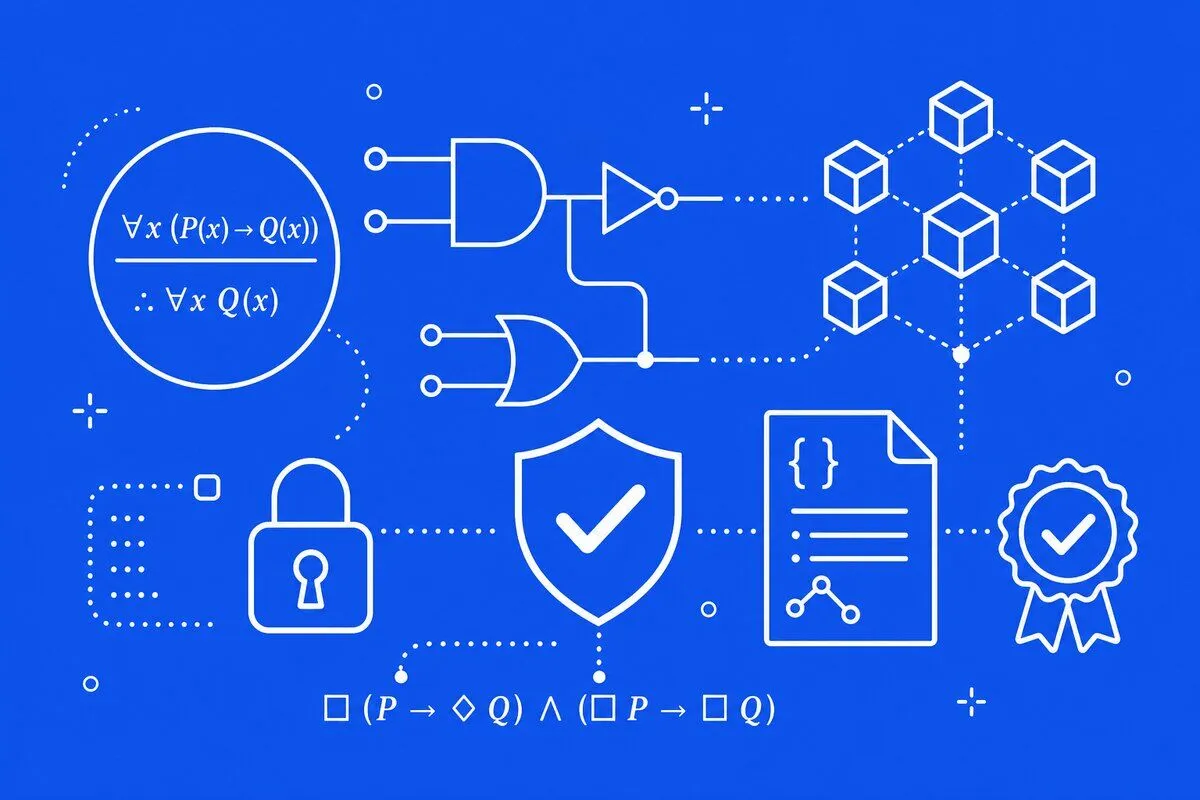
Multiple mechanisms work together to enable safe transactions in DeFi through smart contracts. Understanding these security layers helps users evaluate protocol safety and builders design robust systems.
| Security Mechanism | How It Works | Protection Provided |
|---|---|---|
| Immutability | Code cannot be changed after deployment | Prevents unauthorized modifications |
| Atomic Execution | All operations succeed or all fail together | Eliminates partial execution risks |
| Access Controls | Role-based permissions for functions | Restricts sensitive operations |
| Cryptographic Verification | Digital signatures authorize transactions | Ensures only owners control funds |
Automated Execution Without Human Intervention
One of the most powerful features enabling safe transactions in DeFi is automated execution. Once conditions are met, smart contracts execute immediately without requiring human approval. This automation eliminates delays, errors, and the possibility of subjective decision-making that could disadvantage users.
Consider a lending protocol where borrowers must maintain collateral above a certain ratio. According to Hedra Insights, In traditional finance, margin calls require human intervention, phone calls, and manual liquidation. With smart contracts, liquidation happens automatically the moment collateral falls below threshold. This protects lenders instantly while giving borrowers clear, predictable rules.
Transparency and Trust in DeFi Smart Contracts
Transparency forms the foundation of safe transactions in DeFi. Unlike traditional financial systems where operations happen behind closed doors, every DeFi transaction is recorded on public blockchains. Anyone can verify what happened, when it happened, and exactly how much value moved between addresses.
This transparency extends to the smart contract code itself. Open-source protocols allow security researchers, auditors, and users to examine every line of code. Teams in Dubai and Canada can verify that protocols behave exactly as documented before committing significant capital.
The combination of transparent code and transparent execution creates a new paradigm of trustless trust. You don’t need to trust the protocol developers because you can verify their code. You don’t need to trust transaction records because they’re cryptographically secured on the blockchain.
Smart Contracts and Fund Protection
Protecting user funds is the primary objective of safe transactions in DeFi. Smart contracts employ multiple mechanisms to ensure assets remain secure throughout all operations. Understanding these protections helps users evaluate protocol safety.
🔐 Self-Custody
Users maintain control of private keys. Funds never leave user custody during most DeFi operations.
⏱️ Timelocks
Administrative actions require waiting periods, giving users time to exit before changes take effect.
🛡️ Insurance
Many protocols offer or integrate insurance coverage for smart contract failures and exploits.
Real Example: Aave Safety Module
Aave maintains a Safety Module where AAVE token holders can stake tokens as backstop insurance. In case of a shortfall event, these staked tokens can be slashed to cover losses. This mechanism has protected billions in user deposits and demonstrates how protocols create multiple layers of fund protection beyond basic smart contract security.
Preventing Fraud and Manipulation in DeFi
Smart contracts incorporate multiple mechanisms to prevent fraud and ensure safe transactions in DeFi. These protections address both technical exploits and economic manipulation attempts.
| Attack Type | How It Works | Smart Contract Defense |
|---|---|---|
| Reentrancy | Recursive calls drain funds | Checks-effects-interactions pattern |
| Oracle Manipulation | Fake price feeds exploit protocols | TWAP oracles, multiple sources |
| Flash Loan Attacks | Borrowed funds manipulate prices | Flash loan guards, delayed pricing |
| Front-Running | Miners reorder transactions | Commit-reveal schemes, private pools |
Common DeFi Use Cases Powered by Smart Contracts
Smart contracts enable safe transactions in DeFi across numerous applications. Each use case demonstrates how automated, trustless execution creates financial services previously impossible without intermediaries.
Major DeFi Applications
Decentralized Exchanges
- Token swaps without intermediaries
- Automated market makers (AMMs)
- Liquidity provider rewards
Lending Protocols
- Collateralized borrowing
- Interest rate markets
- Automated liquidations
Yield Aggregators
- Automated yield optimization
- Strategy vaults
- Compound interest farming
Safe DeFi Transaction Lifecycle
1. User Initiates Transaction
User signs transaction with private key, specifying action and parameters for the smart contract.
2. Signature Verification
Network verifies cryptographic signature to confirm user authorized the transaction.
3. Input Validation
Smart contract checks all inputs meet requirements and user has sufficient funds.
4. State Updates
Contract modifies balances and state variables according to programmed logic.
5. External Calls
Contract interacts with other protocols if needed, following secure patterns.
6. Event Emission
Contract emits events for frontends to track and display transaction results.
7. Block Confirmation
Transaction is included in a block and confirmed by network validators.
8. Finality Achieved
Transaction becomes permanent and immutable on the blockchain.
Security Risks and How Smart Contracts Reduce Them
While smart contracts enable safe transactions in DeFi, understanding remaining risks helps users make informed decisions. Teams across USA and UK evaluate these factors when selecting protocols.
| Risk Category | Description | Mitigation Strategy |
|---|---|---|
| Code Vulnerabilities | Bugs that attackers can exploit | Multiple audits, formal verification |
| Economic Attacks | Market manipulation for profit | TWAP oracles, flash loan guards |
| Governance Attacks | Malicious proposal execution | Timelocks, voting thresholds |
| Dependency Risks | External protocol failures cascade | Diversification, circuit breakers |
Protocol Selection for Safe Transactions
Choosing secure protocols is essential for safe transactions in DeFi. Teams in Dubai and Canada follow structured evaluation criteria before committing capital.
Step 1: Verify Audits
Check for multiple independent audits from reputable firms. Review audit findings and ensure critical issues were resolved.
Step 2: Assess Track Record
Evaluate time in production, total value locked history, and any past security incidents or how they were handled.
Step 3: Review Governance
Understand who controls protocol upgrades, timelock durations, and emergency response procedures.
Best Practices for Secure DeFi Smart Contracts
Standard 1: Conduct multiple independent security audits from recognized firms before mainnet deployment.
Standard 2: Implement timelocks on all administrative functions with minimum 48-hour delays for critical changes.
Standard 3: Use battle-tested libraries like OpenZeppelin for standard functionality rather than custom implementations.
Standard 4: Establish bug bounty programs with meaningful rewards to incentivize responsible vulnerability disclosure.
Standard 5: Implement emergency pause functionality with multi-sig controls for rapid incident response.
Standard 6: Require formal verification for protocols managing assets exceeding $50 million in total value locked.
DeFi Security Compliance Checklist
| Security Requirement | Priority | Status |
|---|---|---|
| Multiple independent security audits completed | Critical | ☐ / ☑ |
| Timelock implemented on admin functions | Critical | ☐ / ☑ |
| Emergency pause mechanism active | High | ☐ / ☑ |
| Bug bounty program established | High | ☐ / ☑ |
| Oracle manipulation protections deployed | Medium | ☐ / ☑ |
| Insurance coverage arranged | Medium | ☐ / ☑ |
Future of Safe DeFi Transactions Using Smart Contracts
The future of safe transactions in DeFi looks increasingly promising as technology matures and security practices evolve. Teams across USA, UK, UAE, and Canada are pioneering innovations that will make DeFi safer and more accessible for mainstream users.
Cross-chain security represents a major frontier. As protocols operate across multiple blockchains, ensuring safe transactions in DeFi requires new approaches to bridge security and cross-chain message verification. Emerging standards and battle-tested bridge designs will reduce risks that have caused significant losses.
Artificial intelligence and machine learning are being integrated into security monitoring. These systems can detect anomalous behavior patterns and potential attacks in real-time, enabling faster response than human-only monitoring. Combined with formal verification becoming more accessible, the security posture of DeFi protocols continues improving.
Our Commitment to Safe DeFi
After 8+ years building DeFi systems, we’ve learned that security isn’t a feature you add at the end. It’s a mindset that must permeate every design decision. Safe transactions in DeFi require combining proven smart contract patterns, multiple layers of protection, and continuous vigilance. The protocols that prioritize security from day one are the ones that stand the test of time.
Build Secure DeFi Protocols with Expert Guidance
Our team helps you create smart contracts that protect user funds and enable safe transactions across all DeFi operations.
8+ Years Experience • 500+ Smart Contracts • DeFi Security Specialists
Frequently Asked Questions
Q1.How do smart contracts enable safe transactions in DeFi?
Smart contracts enable safe transactions in DeFi by automating financial operations through self-executing code that eliminates intermediaries and human error. Once deployed on the blockchain, these contracts execute exactly as programmed when predefined conditions are met. This immutability ensures that funds transfer only when all parties fulfill their obligations, creating trustless environments where users maintain complete control over their assets.
Q2.What makes DeFi transactions safer than traditional finance?
Safe transactions in DeFi offer advantages over traditional finance through transparency, immutability, and elimination of counterparty risk. Every transaction is recorded on public blockchains, allowing anyone to verify and audit activities. Smart contracts execute automatically without requiring trust in centralized institutions. Users maintain custody of their funds throughout transactions, reducing the risk of institutional failures. Additionally, the open-source nature of DeFi protocols allows security researchers worldwide to identify and report vulnerabilities before exploitation occurs.
Q3.Can smart contracts be hacked in DeFi?
While smart contracts provide safe transactions in DeFi, they can contain vulnerabilities if poorly designed or inadequately audited. Historical exploits like the DAO hack and various flash loan attacks demonstrate that coding errors create security risks. However, properly audited contracts from reputable protocols maintain excellent security records. Teams in Dubai and Canada now require multiple independent audits, formal verification, and bug bounty programs before deployment. Following established security patterns and using battle-tested code libraries significantly reduces exploitation risk.
Q4.How do DeFi protocols protect user funds?
DeFi protocols protect user funds and ensure safe transactions in DeFi through multiple mechanisms including smart contract audits, timelocks, multi-signature controls, and insurance coverage. Most protocols implement emergency pause functions allowing administrators to halt operations if anomalies are detected. Decentralized governance enables token holders to vote on security upgrades. Many protocols also maintain treasury reserves or partner with insurance providers like Nexus Mutual to cover potential losses from smart contract failures or exploits.
Q5.What security features should I look for in DeFi protocols?
When evaluating safe transactions in DeFi protocols, look for multiple independent security audits from reputable firms, active bug bounty programs, transparent team identities, decentralized governance mechanisms, and proven track records. Check whether the protocol uses timelocks for administrative actions, implements emergency pause functionality, and maintains adequate liquidity reserves. Review the protocol’s incident response history and how quickly they addressed any past vulnerabilities. Open-source code that security researchers can freely analyze indicates commitment to transparency.
Q6.Are decentralized exchanges safer than centralized ones?
Decentralized exchanges offer different safety profiles for safe transactions in DeFi compared to centralized platforms. DEXs allow users to maintain custody of funds throughout trades, eliminating risks of exchange hacks or insolvency that have plagued centralized platforms. However, DEXs face smart contract risks and potential manipulation through flash loans. Teams across USA and UK often recommend using well-audited DEXs for significant trades while understanding that both exchange types carry distinct risk profiles requiring appropriate security practices.
Q7.How do I verify a smart contract is safe before using it?
Verify safe transactions in DeFi by checking audit reports from recognized security firms like Trail of Bits, OpenZeppelin, or Certik. Review the contract’s source code verification on blockchain explorers. Check the protocol’s security documentation, bug bounty program details, and community reputation. Look for time in production without incidents, as longer operation periods indicate reliability. Use tools like DeFi Safety scores and examine whether the contract uses established patterns from OpenZeppelin or other trusted libraries.
Q8.What happens if a DeFi smart contract fails?
When smart contracts fail, safe transactions in DeFi may be compromised, potentially resulting in fund losses. Response depends on failure type and protocol governance. Some protocols maintain insurance funds or partner with coverage providers for user compensation. Governance mechanisms may enable community voting on recovery actions. Certain failures can be mitigated through emergency functions or protocol upgrades. Teams in Canada and UAE recommend using only protocols with clear incident response procedures, insurance coverage, and established governance processes for handling emergencies.
Explore Services
Related Services
Reviewed by

Aman Vaths
Founder of Nadcab Labs
Aman Vaths is the Founder & CTO of Nadcab Labs, a global digital engineering company delivering enterprise-grade solutions across AI, Web3, Blockchain, Big Data, Cloud, Cybersecurity, and Modern Application Development. With deep technical leadership and product innovation experience, Aman has positioned Nadcab Labs as one of the most advanced engineering companies driving the next era of intelligent, secure, and scalable software systems. Under his leadership, Nadcab Labs has built 2,000+ global projects across sectors including fintech, banking, healthcare, real estate, logistics, gaming, manufacturing, and next-generation DePIN networks. Aman’s strength lies in architecting high-performance systems, end-to-end platform engineering, and designing enterprise solutions that operate at global scale.