Ai Overview
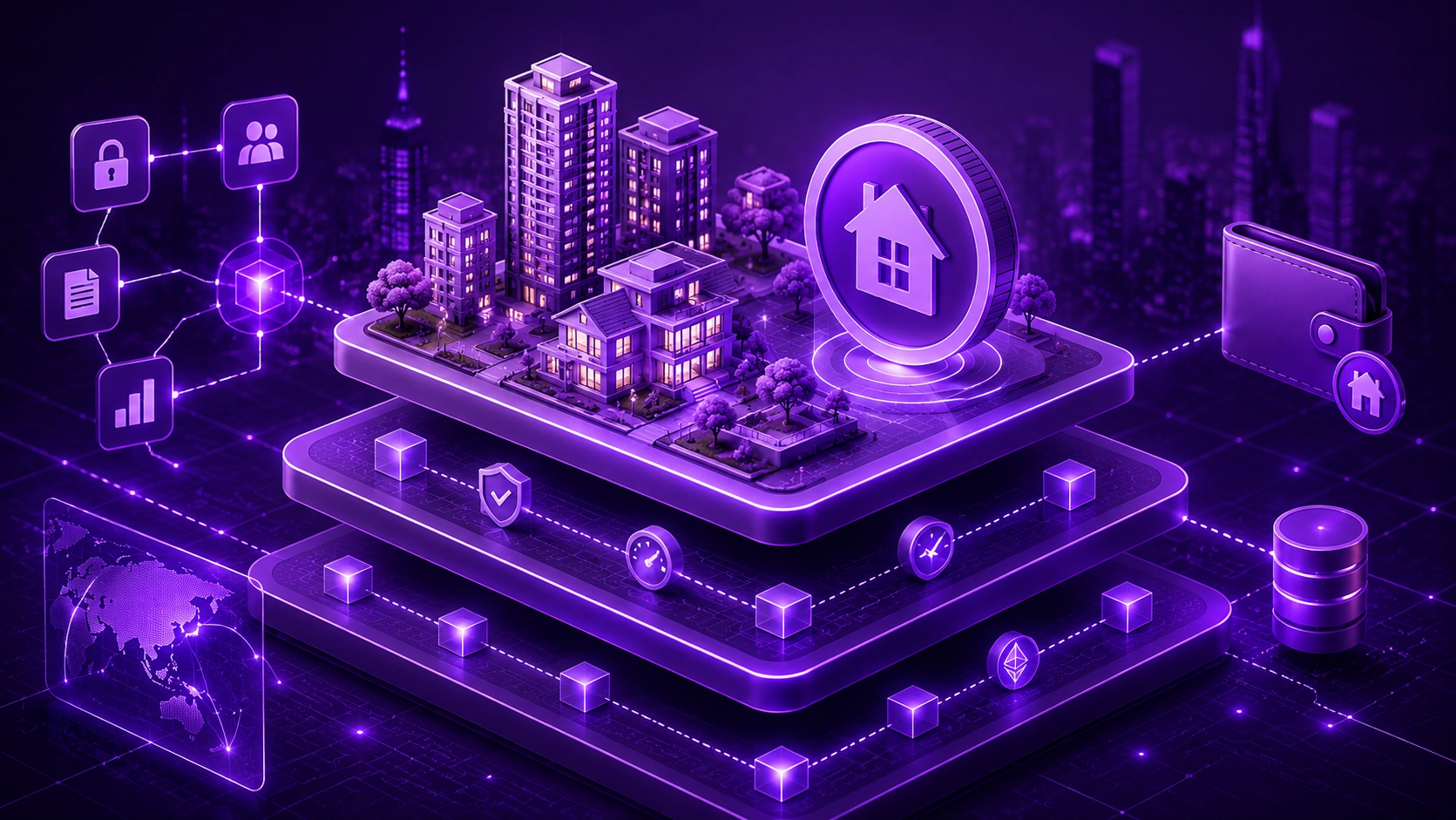
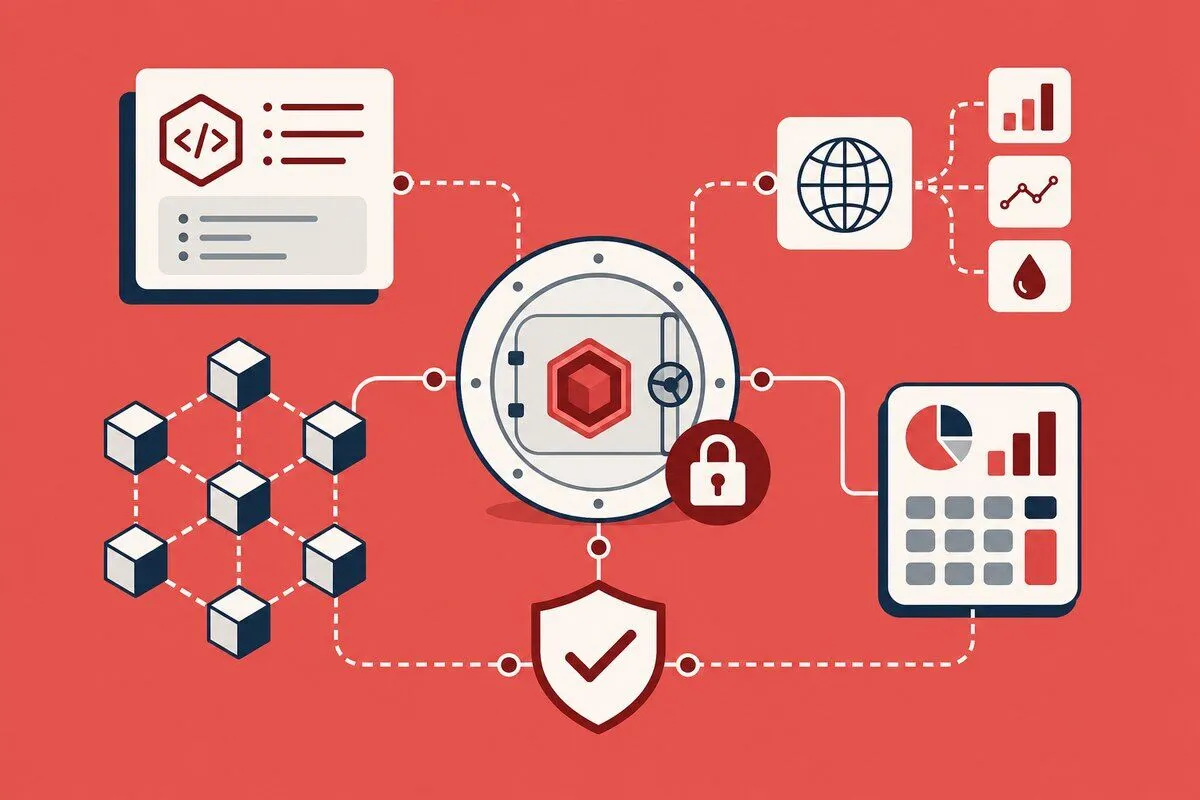
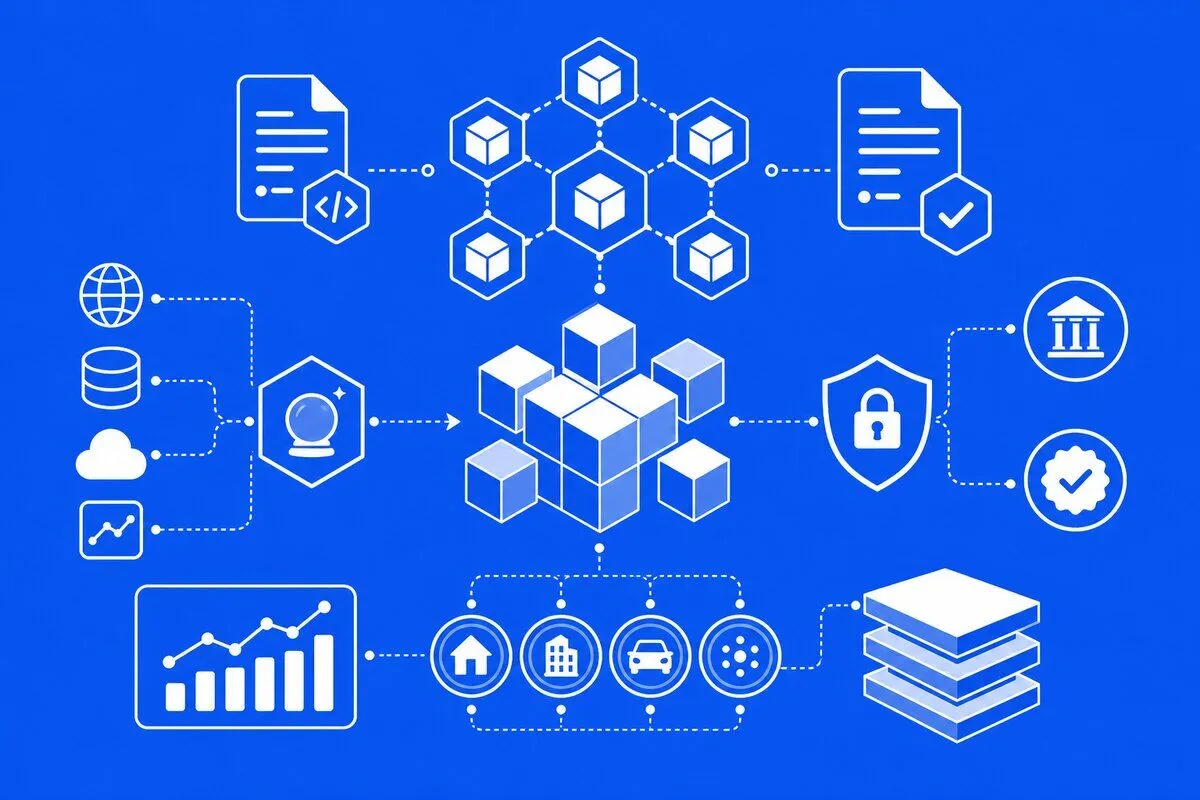
A blockchain platform is the underlying network on which smart contracts are deployed, tokens are minted, and ownership records are stored. The trade-off is cost: gas fees on Ethereum can be significant for high-frequency operations like monthly income distributions. For large asset values where security and regulatory credibility outweigh transaction cost concerns, Ethereum remains the clear first choice.
Key Takeaways
- ✓Ethereum leads institutional real estate tokenization globally due to its security, smart contract maturity, and regulatory familiarity across India, UAE, and Singapore markets.
- ✓Polygon’s near-zero transaction fees make it the practical choice for retail-facing platforms that need to distribute rental income to thousands of small token holders monthly.
- ✓Solana’s sub-second transaction finality is driving secondary market trading platforms for property tokens, particularly in Singapore and UAE where liquidity speed is prioritized.
- ✓XRP Ledger’s native asset tokenization and fast settlement make it increasingly popular for cross-border real estate token projects in Dubai and India’s GIFT City IFSC.
- ✓The right blockchain platform depends on your project’s investor profile, transaction volume, regulatory jurisdiction, and whether institutional credibility or transaction cost efficiency is the priority.
Choosing the right blockchain is one of the most consequential technical decisions in any Real Estate Tokenization project. With eight years of experience guiding property tokenization across India, UAE, and Singapore, we have worked on all the major blockchain platforms and understand exactly where each one excels and where it falls short. Here is our definitive guide to the five platforms that matter most in 2026.
What Is a Blockchain Platform and Why It Matters for Real Estate Tokenization
A blockchain platform is the underlying network on which smart contracts are deployed, tokens are minted, and ownership records are stored. It is the technical foundation of every blockchain platform for real estate tokenization project. Your choice determines transaction costs, security, regulatory acceptance, secondary market compatibility, and the long-term resilience of your token infrastructure. The wrong choice can result in prohibitive operational costs, poor investor experience, or a token that no regulated secondary market will list. The right choice creates a scalable, auditable, and investor-trusted product that operates efficiently across the full lifetime of the asset.
What to Look for Before Choosing a Blockchain Platform for Real Estate Tokenization
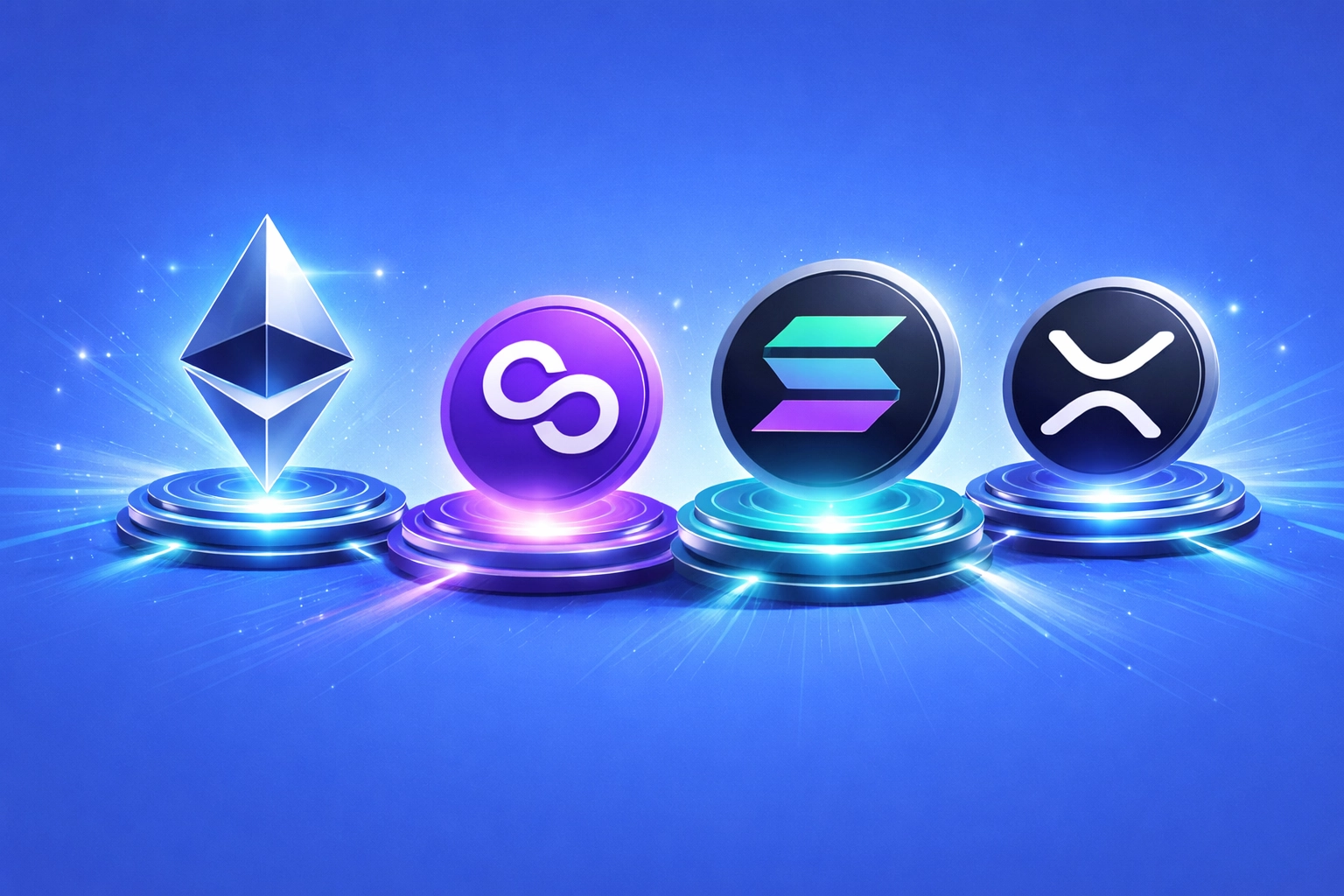
Before evaluating individual platforms, establish your selection criteria. The four factors that matter most are: smart contract audit availability, which determines how easily you can verify the security of your token code; transaction cost structure, which affects the economics of income distribution at scale; regulatory recognition, which determines whether your tokens will be accepted on licensed secondary markets in India, Dubai, or Singapore; and network stability, which determines whether your token infrastructure will function reliably over a multi-year investment horizon. Apply these four filters to every platform you evaluate, and the right choice for your specific project will become clear.
Platform Comparison: Blockchain Platforms for Real Estate Tokenization
| Platform | Tx Cost | Speed | Best For | Market Fit |
|---|---|---|---|---|
| Ethereum | USD 20-100+ | 12-15 sec | Institutional issuance | Dubai, Singapore |
| Polygon | 0.001 USD | 2-3 sec | Retail income distribution | India GIFT City |
| Solana | 0.00025 USD | Sub-second | Secondary market trading | Singapore, UAE |
| XRP Ledger | 0.0002 USD | 3-5 sec | Cross-border settlement | India, Dubai, SG |
Which Blockchain Platform Is the Best Choice for Real Estate Tokenization in India in 2026
For most Indian real estate tokenization projects in 2026, the practical answer is Polygon for operational infrastructure and Ethereum for regulatory credibility. If your project is issuing institutional-grade security tokens for high-net-worth or international investors, build on Ethereum using the ERC-3643 standard, which provides the compliance framework that IFSCA-regulated platforms require. If your project is targeting retail investors with frequent income distributions, Polygon’s operational cost advantage is decisive. If your project involves significant cross-border activity between India and Dubai or Singapore, XRP Ledger’s settlement speed and regional regulatory relationships offer a compelling advantage. Solana is the right choice if secondary market liquidity and high-frequency trading are central to your token’s value proposition.
The reality is that the leading platforms in 2026 are not mutually exclusive. Several sophisticated real estate token platforms use Ethereum for primary issuance and compliance while using Polygon or Solana for secondary trading and income distribution, bridging between networks to get the best of both. Whatever your project requires, the blockchain platform decision should be made with your full technical, legal, and commercial picture in view, ideally with advisors who have built on multiple networks and understand their real-world trade-offs from practical experience.
Frequently Asked Questions
Q1.1. Which blockchain is best for real estate tokenization in 2026?
Ethereum remains the most trusted for regulated security token offerings due to its institutional adoption and smart contract maturity. Polygon is preferred for cost-sensitive projects. Solana suits high-frequency transaction platforms. The best choice depends on your target market, transaction volume, and regulatory jurisdiction.
Q2.2. Can Indian real estate be tokenized on a blockchain platform?
Yes. Indian real estate tokenization is most structured through GIFT City’s IFSCA framework, where platforms built on Ethereum, Polygon, and XRP Ledger are operating under sandbox approvals. Outside GIFT City, the regulatory framework is evolving but several platforms are already tokenizing Indian commercial assets.
Q3.3. Is Ethereum still relevant for real estate tokenization or are faster blockchains better?
Ethereum remains the gold standard for institutional real estate tokenization because of its security, smart contract audit ecosystem, and regulatory familiarity. Faster alternatives like Polygon and Solana are better suited for retail-facing platforms where low transaction costs and speed matter more than institutional credibility.
Q4.4. What is the transaction cost difference between Ethereum and Polygon for property tokens?
Ethereum gas fees for complex smart contract interactions can range from USD 20 to over USD 100 per transaction during peak periods. Polygon transactions for the same operations typically cost fractions of a cent. For platforms distributing rental income monthly to thousands of token holders, this cost difference is operationally decisive.
Q5.5. Is XRP Ledger being used for real estate tokenization in India or Dubai?
Yes. XRP Ledger has been adopted by several tokenization projects in Dubai and is gaining traction in India’s GIFT City ecosystem due to its native asset tokenization capability, fast settlement times, and Ripple’s active engagement with regulators in the UAE and Singapore markets.
Q6.6. What makes Solana attractive for real estate token platforms in 2026?
Solana’s combination of sub-second transaction finality, very low fees, and growing institutional wallet ecosystem makes it attractive for real estate platforms targeting high transaction volumes. Several platforms in the UAE and Singapore are piloting Solana-based real estate token infrastructure specifically for secondary market trading.
Q7.7. Do I need to understand blockchain technology to invest in tokenized real estate?
No. Investors access tokenized real estate through platform interfaces that abstract the blockchain layer entirely. You interact with a familiar investment dashboard, complete KYC, transfer funds, and receive tokens to a managed wallet without needing any technical blockchain knowledge.
Q8.8. Can a real estate tokenization platform switch from one blockchain to another?
Switching blockchains after token issuance is technically complex and legally sensitive because existing token holder records and smart contract terms are recorded on the original chain. Most platforms make their blockchain choice carefully at the outset. Some newer platforms use cross-chain bridge technology to maintain presence on multiple blockchains simultaneously.
Q9.9. Are blockchain platforms for real estate tokenization regulated?
The blockchain network itself is not regulated. What is regulated is the platform that issues and manages the tokens, and the tokens themselves as securities. Platforms operating in India’s GIFT City, Dubai’s DIFC, or Singapore under MAS must comply with the applicable financial regulations regardless of which blockchain they build on.
Q10.10. How do I verify that a real estate token is genuinely on the blockchain and not just claimed?
Every legitimate token issued on a public blockchain has a contract address that can be verified on a blockchain explorer such as Etherscan for Ethereum or Solscan for Solana. Any platform that cannot provide a verifiable on-chain contract address for their tokens should be treated with serious caution before investing.
Explore Services
Related Services
Reviewed by

Aman Vaths
Founder of Nadcab Labs
Aman Vaths is the Founder & CTO of Nadcab Labs, a global digital engineering company delivering enterprise-grade solutions across AI, Web3, Blockchain, Big Data, Cloud, Cybersecurity, and Modern Application Development. With deep technical leadership and product innovation experience, Aman has positioned Nadcab Labs as one of the most advanced engineering companies driving the next era of intelligent, secure, and scalable software systems. Under his leadership, Nadcab Labs has built 2,000+ global projects across sectors including fintech, banking, healthcare, real estate, logistics, gaming, manufacturing, and next-generation DePIN networks. Aman’s strength lies in architecting high-performance systems, end-to-end platform engineering, and designing enterprise solutions that operate at global scale.