Ai Overview
Imagine a world where smart contracts could automatically execute financial transactions based on real-world stock prices, settle insurance claims when weather events occur, or transfer supply chain shipments when goods arrive at their destination. This vision depends entirely on blockchain oracles, the critical infrastructure that bridges the gap between immutable, self-contained blockchains and the dynamic external world.
Imagine a world where smart contracts could automatically execute financial transactions based on real-world stock prices, settle insurance claims when weather events occur, or transfer supply chain shipments when goods arrive at their destination. This vision depends entirely on blockchain oracles, the critical infrastructure that bridges the gap between immutable, self-contained blockchains and the dynamic external world. Without oracles, smart contracts would be trapped in a closed ecosystem, unable to access the real-world data necessary for sophisticated applications.
The oracle problem represents one of the most significant challenges in blockchain technology. Oracles must reliably deliver accurate, tamper-proof data from external sources without introducing a centralized point of failure or manipulation. The total value locked in DeFi protocols exceeds $50 billion, and nearly every one of those applications depends on oracles to function correctly. Leading oracle solutions, such as Chainlink, process billions of dollars in transactions daily, demonstrating the mission-critical importance of this technology for the entire blockchain ecosystem.
This comprehensive guide explains what blockchain oracles are, how they solve the oracle problem, the differences between centralized and decentralized oracle architectures, real-world use cases across DeFi and insurance, and how to select the right oracle solution for your needs. You will understand why oracles are essential infrastructure for blockchain applications and explore how organizations are building more sophisticated blockchain development company by integrating oracle services.
Key Takeaways
- Blockchain oracles are third-party services that supply external data to smart contracts, enabling them to access real-world information and execute complex transactions.
- The oracle problem refers to the challenge of reliably delivering accurate external data without introducing centralized vulnerabilities or opportunities for data manipulation.
- Centralized oracles rely on single data sources and are simpler to implement but create single points of failure, while decentralized oracles aggregate data from multiple sources for improved reliability.
- Inbound oracles bring external data onto the blockchain, while outbound oracles send blockchain data to external systems, enabling bidirectional communication.
- DeFi applications generate the largest oracle demand by requiring real-time price data for accurate lending, borrowing, and trading operations.
- Insurance, supply chain, and gaming industries increasingly rely on oracles to automate claims processing, track goods, and enable blockchain-based experiences.
What is a Blockchain Oracle?
Definition
A blockchain oracle is a third-party service that retrieves external data from off-chain sources and delivers it to on-chain smart contracts. Oracles act as trusted intermediaries that bridge the gap between immutable blockchain networks and dynamic external information sources, enabling smart contracts to execute based on real-world conditions while maintaining the integrity and security of the blockchain.
Blockchains are designed to be deterministic, self-contained systems where every transaction can be independently verified by all network participants. This architecture guarantees security and prevents fraud, but creates a fundamental problem: blockchains cannot directly access external data. Smart contracts require external information to function in real-world scenarios, from financial market prices to weather conditions to supply chain status updates.
Oracles solve this problem by acting as data intermediaries. They fetch information from external sources, validate its accuracy and authenticity, and transmit it to the blockchain, where smart contracts can consume it. Without oracles, smart contracts would be limited to simple logic operations within the blockchain, unable to respond to real-world events or facilitate transactions dependent on external conditions.
The Oracle Problem Explained
The oracle problem represents a fundamental challenge in blockchain architecture. If a single oracle provides data that smart contracts rely on, that oracle becomes a centralized point of failure and manipulation. A malicious or compromised oracle could supply false data, causing smart contracts to execute incorrectly and potentially resulting in significant financial losses.
For example, if a single oracle provides the price of Bitcoin to a lending protocol, and that oracle supplies an inflated price, users could borrow excessive amounts based on false collateral values. Conversely, if the oracle supplies artificially low prices, legitimate borrowers might be liquidated unfairly. This centralized trust requirement contradicts the decentralization principles that make blockchain valuable in the first place.
Solving the oracle problem requires robust consensus mechanisms, multiple independent data sources, cryptographic verification, and incentive structures that reward honest reporting and punish dishonest behavior. Modern oracle networks address this through decentralization, redundancy, and economic security models.
Read Also
How Does Blockchain Work? Understanding the Technology Step-by-Step→
Explore the 4 Types of Blockchain – Public, Private, Consortium & Hybrid→
How Do Blockchain Oracles Work?
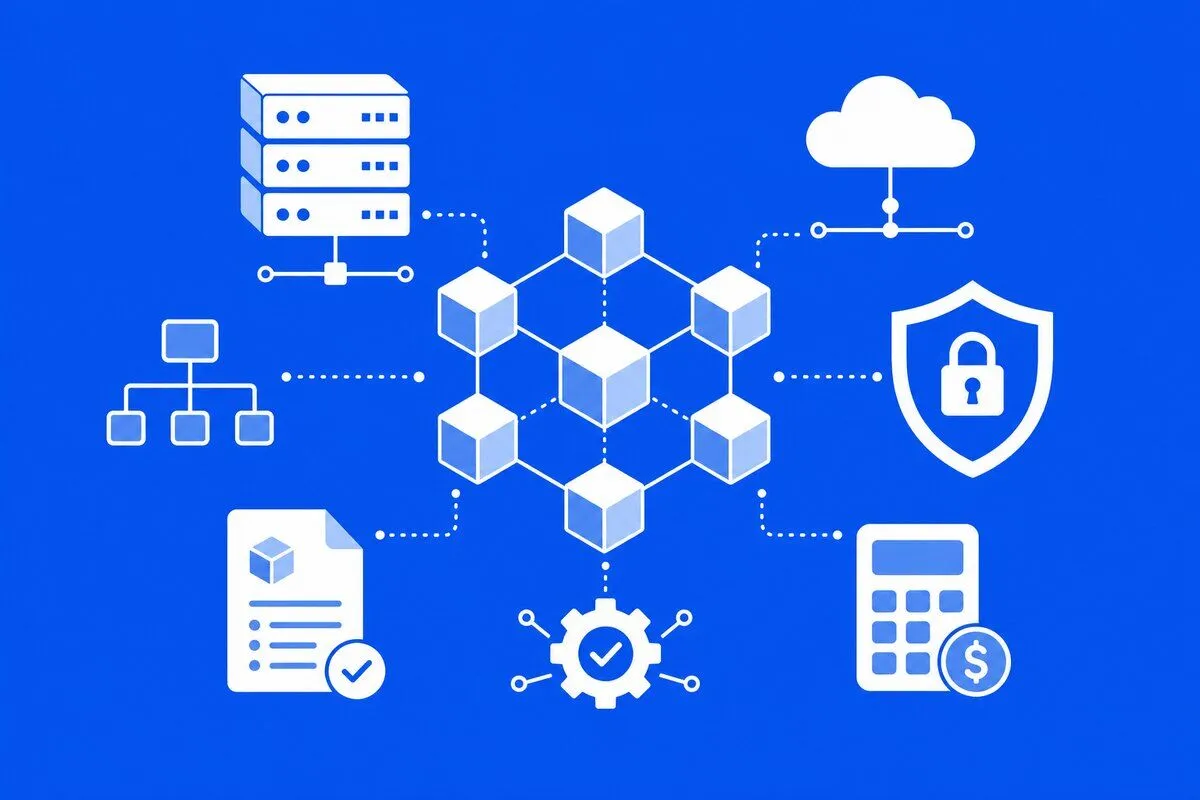
Understanding Oracle architecture requires examining the complete data flow from external sources to on-chain smart contract execution. Here is how modern oracle networks function:
Step 1: Smart Contract Requests Data
A smart contract requires external data that it cannot access directly, such as current stock prices or weather conditions. The contract creates a data request specifying what information it needs and the Oracle service it trusts to provide it.
Step 2: Oracle Network Receives Request
The Oracle network receives the data request and broadcasts it to multiple independent Oracle nodes. Each node independently fetches the required data from external APIs, databases, and data providers.
Step 3: Data Collection and Verification
Each oracle node independently retrieves data from multiple sources and performs validation checks to ensure accuracy and detect manipulation. This redundancy prevents any single data source from corrupting the entire result.
Step 4: Consensus and Aggregation
Oracle nodes transmit their collected data to an aggregation layer that applies mathematical functions (median, weighted average) to combine results. This process removes outliers and produces a single, reliable data point.
Step 5: Data Transmission to Blockchain
The aggregated data is cryptographically signed and transmitted to the blockchain network. Multiple oracle nodes submit this data to ensure redundancy and enable consensus verification.
Step 6: Smart Contract Execution
The smart contract receives the oracle-provided data, validates the cryptographic signatures, and executes its logic based on the real-world information. The contract’s state changes and transactions are recorded permanently on the blockchain.
Types of Blockchain Oracles
Different oracle architectures serve different needs, and understanding the distinctions helps organizations select appropriate solutions for their applications.
Centralized vs Decentralized Oracles
| Characteristic | Centralized Oracles | Decentralized Oracles |
|---|---|---|
| Data Sources | Single entity or source | Multiple independent sources |
| Failure Risk | High (single point of failure) | Low (redundant architecture) |
| Manipulation Risk | High (single source vulnerability) | Low (aggregation makes manipulation expensive) |
| Implementation Complexity | Simple and straightforward | Complex with multiple nodes and layers |
| Cost | Lower operational costs | Higher operational costs |
| Trust Model | Requires trust in a single operator | Trust is distributed across the network |
Inbound vs Outbound Oracles
Inbound Oracles: Also called “input oracles,” these bring external data into the blockchain. They query APIs and data providers to retrieve information like cryptocurrency prices, sports scores, weather data, or election results. Inbound oracles enable smart contracts to respond to real-world events.
Outbound Oracles: These send blockchain data to external systems, enabling applications like payment processing, API calls, and integration with traditional backend systems. Outbound oracles allow decentralized applications to trigger actions in the external world, such as disbursing insurance payouts to external bank accounts.
Specialized Oracle Types
- Software Oracles: Retrieve data from internet-accessible databases and APIs, ideal for price feeds and web-based information sources.
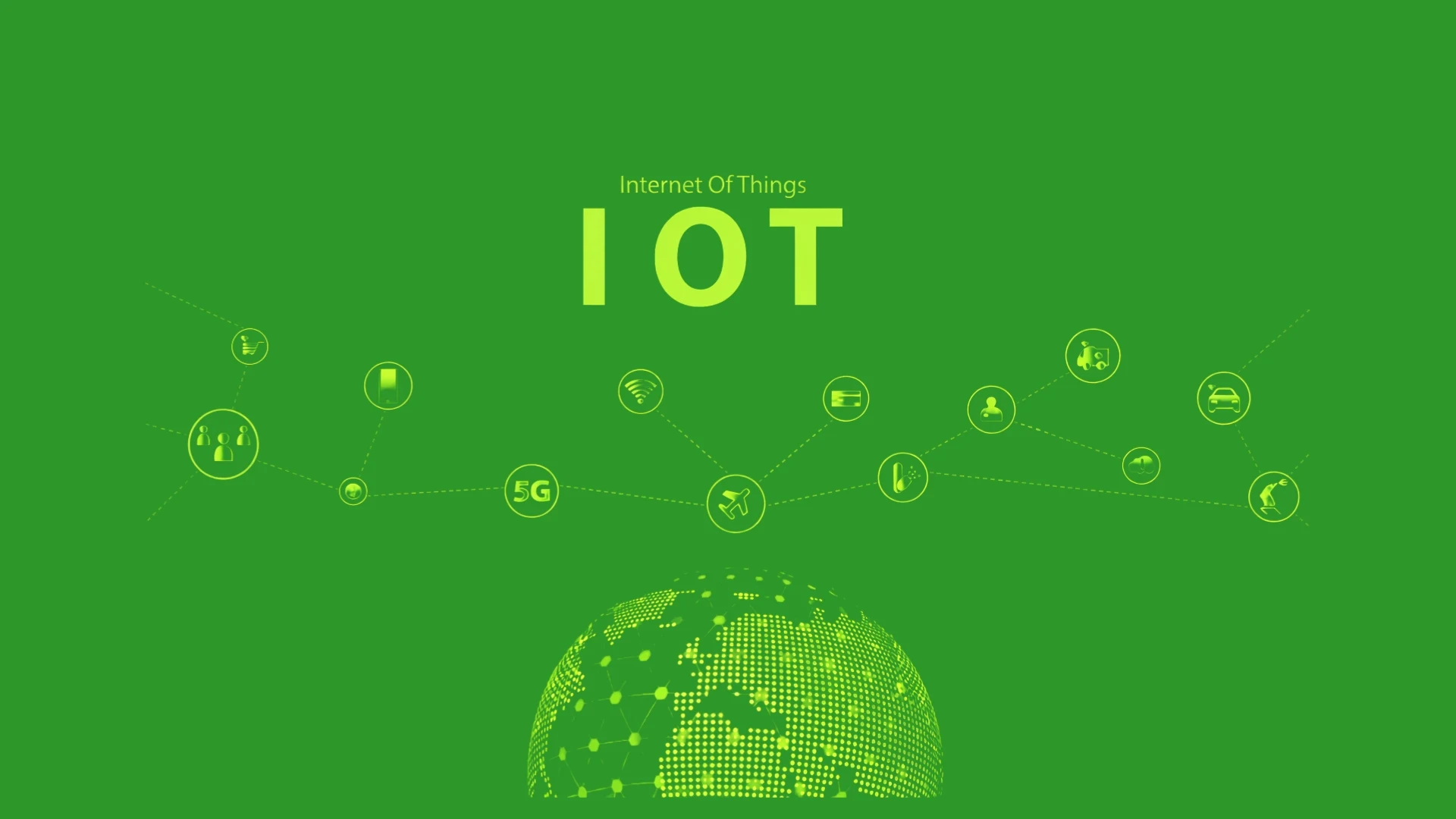
- Hardware Oracles: Connect physical sensors and IoT devices to blockchains, enabling supply chain tracking, environmental monitoring, and real-world asset verification.
- Hybrid Oracles: Combine multiple oracle types and data sources to provide comprehensive, redundant data delivery.
Real-World Use Cases for Blockchain Oracles
1. Decentralized Finance (DeFi)
DeFi represents the largest use case for blockchain oracles. Decentralized lending protocols require accurate, real-time price data to determine collateral values, calculate interest rates, and execute liquidations. For example, if a user deposits 10 Bitcoin as collateral for a loan, the protocol must know Bitcoin’s current price to determine the borrowing limit. Oracles provide this critical pricing information, enabling billions of dollars in DeFi transactions daily.
Key DeFi Oracle Uses: Price feeds for trading, collateral valuation, interest rate calculations, liquidation triggers, and cross-chain bridges that enable asset transfers between blockchains.
2. Blockchain Insurance Applications
Oracles enable fully automated insurance claim processing. Parametric insurance uses oracles to deliver data about insured events. For instance, a flight delay insurance contract can automatically pay claims when an oracle confirms a flight was delayed more than two hours. Weather-indexed insurance uses weather oracles to automatically trigger payouts when rainfall exceeds certain thresholds, eliminating the need for manual claim adjudication and enabling faster payouts.
Oracle Benefits in Insurance: Instant claim processing, reduced fraud, elimination of middlemen, and transparent, deterministic claims criteria.
3. Supply Chain and Logistics
Supply chain oracles aggregate data from IoT sensors, GPS trackers, and logistics providers to create immutable records of product movement. Smart contracts can automatically release payment when goods arrive at their destination, trigger quality inspections at specific locations, or initiate recalls if temperature sensors indicate improper storage conditions.
Supply Chain Oracle Benefits: Real-time transparency, automated payment release, proof of provenance, quality assurance automation, and counterfeit prevention.
4. Gaming and Gambling
Blockchain gaming uses oracles to deliver random numbers, sports outcomes, and player performance data. Esports tournaments use oracles to automatically distribute prize pools based on match outcomes. Prediction markets use oracles to determine events’ final outcomes and settle bets without centralized arbiters.
5. Cross-Chain Bridges and Asset Transfers
Oracles enable Layer 1 blockchains and different blockchain networks to communicate with each other. Cross-chain bridges use oracles to verify that assets were locked on one chain before releasing equivalent wrapped assets on another chain, enabling seamless multi-chain applications.
Leading Blockchain Oracle Solutions
Chainlink
Architecture: Decentralized oracle network with independent node operators
Scale: Processes billions in daily transaction value across multiple blockchains
Features: Extensive price feeds, verifiable randomness, cross-chain messaging, automation capabilities
Band Protocol
Architecture: Decentralized oracle network with blockchain-based governance
Focus: Cross-chain oracle services with emphasis on data integrity
Pyth Network
Specialization: Low-latency price feeds optimized for DeFi applications
Architecture: Combines centralized data from exchanges with decentralized verification
Selecting the Right Oracle Solution
Data Accuracy and Source Quality
Evaluate Oracle solutions based on their data source reputation, update frequency, and historical accuracy. Mission-critical applications require oracles with robust redundancy and verification mechanisms that catch data anomalies before they reach smart contracts.
Decentralization vs Cost Trade-offs
Centralized oracles offer lower costs and simpler implementation but introduce trusted third parties. Decentralized oracles provide better security and trustlessness but cost more and require more complex integration. Balance these trade-offs based on your application’s security requirements and budget.
Blockchain Compatibility and Integration
Ensure the Oracle solution supports your target blockchain platform and integrates smoothly with your existing smart contracts. Check for compatibility with your development environment and review the available documentation and developer support.
Customization and Scalability
Consider whether the oracle solution can be customized for your specific data requirements. Verify that it can scale to handle your application’s growing data volume and transaction throughput without excessive cost increases.
Oracle Security Considerations
Flash Loan Attacks
Attackers can borrow large amounts of cryptocurrency instantly, manipulate prices, and exploit vulnerable oracle feeds within a single transaction. Oracles must aggregate data from multiple sources and detect price anomalies to resist these attacks.
Sybil Attacks
Attackers could create multiple Oracle nodes to influence data aggregation. Robust oracle networks require reputation systems, economic security deposits, and slashing mechanisms that penalize malicious behavior.
Data Source Compromise
If all Oracle nodes rely on the same underlying data source, attackers could compromise that source and corrupt all oracle feeds simultaneously. Diversification across independent data providers is essential.
Build Oracle-Powered Blockchain Solutions with Expert Teams
Whether you need custom DeFi applications, parametric insurance smart contracts, or supply chain automation, our blockchain consulting services integrate optimal oracle solutions tailored to your requirements.
Final Take
Blockchain oracles represent essential infrastructure that unlocks the full potential of smart contracts. By reliably delivering real-world data to decentralized applications, oracles enable sophisticated use cases across DeFi, insurance, supply chain, and gaming industries. The oracle problem remains one of blockchain’s most significant technical challenges, requiring ongoing innovation in decentralization, security, and cost efficiency.
Modern oracle networks like Chainlink demonstrate that the oracle problem can be solved through decentralized architectures, economic incentives, and redundant data sources. As blockchain technology matures, oracle infrastructure will continue improving, expanding the boundaries of what decentralized applications can achieve. Organizations building sophisticated blockchain solutions should carefully evaluate oracle options and select solutions that balance their specific needs for security, cost, and functionality.
The future of blockchain depends on a robust oracle infrastructure that maintains the security and decentralization principles that make blockchain valuable. Whether developing DeFi protocols, insurance applications, or supply chain solutions, oracle selection represents a critical architectural decision that impacts application security, user experience, and long-term viability.
For organizations seeking to implement Oracle-powered solutions, professional blockchain consulting services can provide expertise in Oracle architecture design, security considerations, and integration best practices. By partnering with experienced blockchain developers, organizations can ensure their applications benefit from the security and functionality that modern oracle networks provide.
FAQ: Common Oracle Questions
Q1.What is the oracle problem in blockchain?
The oracle problem is the challenge of reliably delivering accurate external data to smart contracts without introducing centralized vulnerabilities. Using a single oracle creates a centralized point of failure and manipulation. Solving this problem requires decentralized architectures, redundancy, and economic security models.
Q2.Can oracles manipulate smart contract execution?
Yes, oracles can manipulate smart contracts if they supply false data. This is why decentralized oracle networks with multiple independent sources and aggregation mechanisms are preferred over centralized alternatives. Economic incentives through token rewards and slashing penalties discourage dishonest oracle behavior.
Q3.How do decentralized oracles prevent data manipulation?
Decentralized oracles aggregate data from multiple independent sources and apply mathematical functions (median, weighted average) that remove outliers and statistical anomalies. Attacking a decentralized oracle network would require controlling the majority of independent nodes simultaneously, which is economically infeasible.
Q4.What data do DeFi oracles typically provide?
DeFi oracles primarily provide real-time price data for cryptocurrencies and traditional assets, enabling accurate collateral valuation, interest rate calculations, and automated trading. They also supply data for liquidation triggers, yield farming calculations, and cross-chain bridge operations.
Q5.What is the cost of using oracle services?
Oracle costs vary based on data frequency, update latency, number of data sources, and decentralization level. Basic centralized oracles might cost minimal fees, while comprehensive decentralized services feeding high-value smart contracts can cost hundreds or thousands of dollars monthly.
Explore Services
Related Services
Reviewed by

Aman Vaths
Founder of Nadcab Labs
Aman Vaths is the Founder & CTO of Nadcab Labs, a global digital engineering company delivering enterprise-grade solutions across AI, Web3, Blockchain, Big Data, Cloud, Cybersecurity, and Modern Application Development. With deep technical leadership and product innovation experience, Aman has positioned Nadcab Labs as one of the most advanced engineering companies driving the next era of intelligent, secure, and scalable software systems. Under his leadership, Nadcab Labs has built 2,000+ global projects across sectors including fintech, banking, healthcare, real estate, logistics, gaming, manufacturing, and next-generation DePIN networks. Aman’s strength lies in architecting high-performance systems, end-to-end platform engineering, and designing enterprise solutions that operate at global scale.