Ai Overview
DeFi, short for decentralized finance, is a way to use financial services without relying on traditional banks or financial institutions. Normally, you might go through a bank or a payment app that acts as a middleman. With DeFi, you can do this directly using a smart contract based finance system on the blockchain. You put in your money, press a button, and the machine gives you what you asked for.
Key Takeaways
- DeFi stands for decentralized finance and focuses specifically on financial services like lending, borrowing, and trading without banks.
- Web3 finance is a broader concept that includes DeFi along with digital identity, token based economies, NFTs, DAOs, and more.
- DeFi runs on smart contracts that automatically execute transactions when conditions are met.
- Web3 finance aims to give users full ownership and control over their data, assets, and online interactions.
- You do not need a bank account or middleman to use most DeFi platforms, making them accessible to anyone with internet access.
- Web3 financial applications include everything from decentralized exchanges to creator tipping tools and blockchain based voting systems.
- Both DeFi and Web3 finance are built on blockchain technology but serve different scopes and purposes.
- Risks such as smart contract bugs, market volatility, and regulatory uncertainty exist in both spaces.
- DeFi is one of the most important building blocks inside the larger Web3 ecosystem.
- Nadcab Labs works at the intersection of DeFi and Web3, helping businesses build secure and scalable blockchain based financial systems.
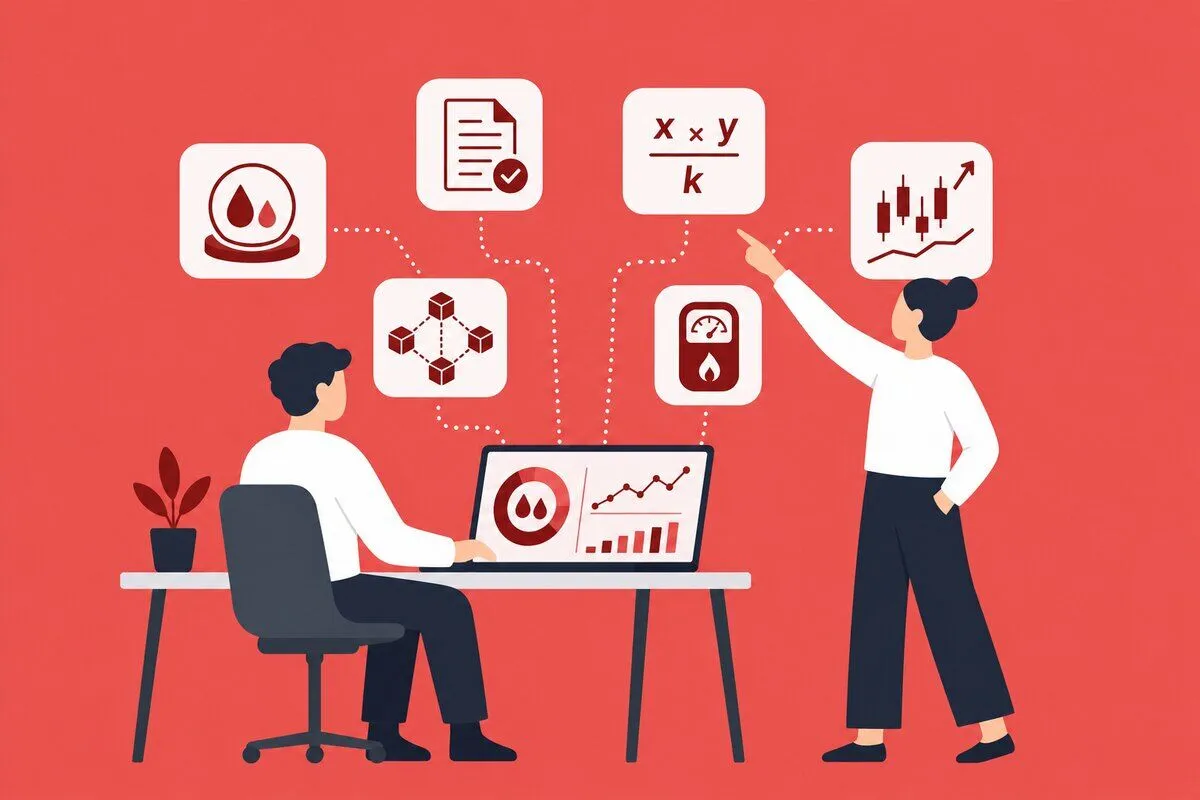
DeFi (Decentralized Finance) is a subset of Web3 focused on financial services like lending, borrowing, and trading using blockchain. Web3 finance is broader and includes DeFi along with NFTs, DAOs, token economies, and decentralized applications.
If you have been exploring the world of blockchain and crypto, you have probably come across two big terms: DeFi and Web3 finance. They sound similar, and people sometimes use them interchangeably. But they are not the same thing. Understanding how DeFi differs from Web3 finance is important because it helps you see where the future of money and digital ownership is heading. In this article, we will break everything down in plain and simple language so that even if you are brand new to this space, you will walk away with a clear picture. Think of this as your friendly guide to two of the most talked about concepts in the crypto financial ecosystem.
Whether you want to invest, build, or simply learn, knowing the difference between DeFi and Web3 will give you a strong foundation. Let us get started.
What is DeFi?
DeFi, short for decentralized finance, is a way to use financial services without relying on traditional banks or financial institutions. Imagine you want to lend some money to a friend. Normally, you might go through a bank or a payment app that acts as a middleman. With DeFi, you can do this directly using a smart contract based finance system on the blockchain.
Here is a simple analogy. Think of DeFi like a vending machine. You put in your money, press a button, and the machine gives you what you asked for. There is no cashier, no manager, and no waiting in line. The machine (which is the smart contract) handles everything automatically. That is exactly how decentralized finance platforms work. They replace banks and brokers with code that runs on a blockchain.
Some popular things you can do with DeFi include:
- Lending and borrowing crypto without a bank
- Trading tokens on decentralized exchanges
- Earning interest by providing liquidity to a pool
- Buying insurance through decentralized protocols
The beauty of DeFi is that it is non custodial finance. This means you hold your own assets in your own wallet. No one else can freeze your account or block your transactions. You are in charge.
What is Web3 Finance?
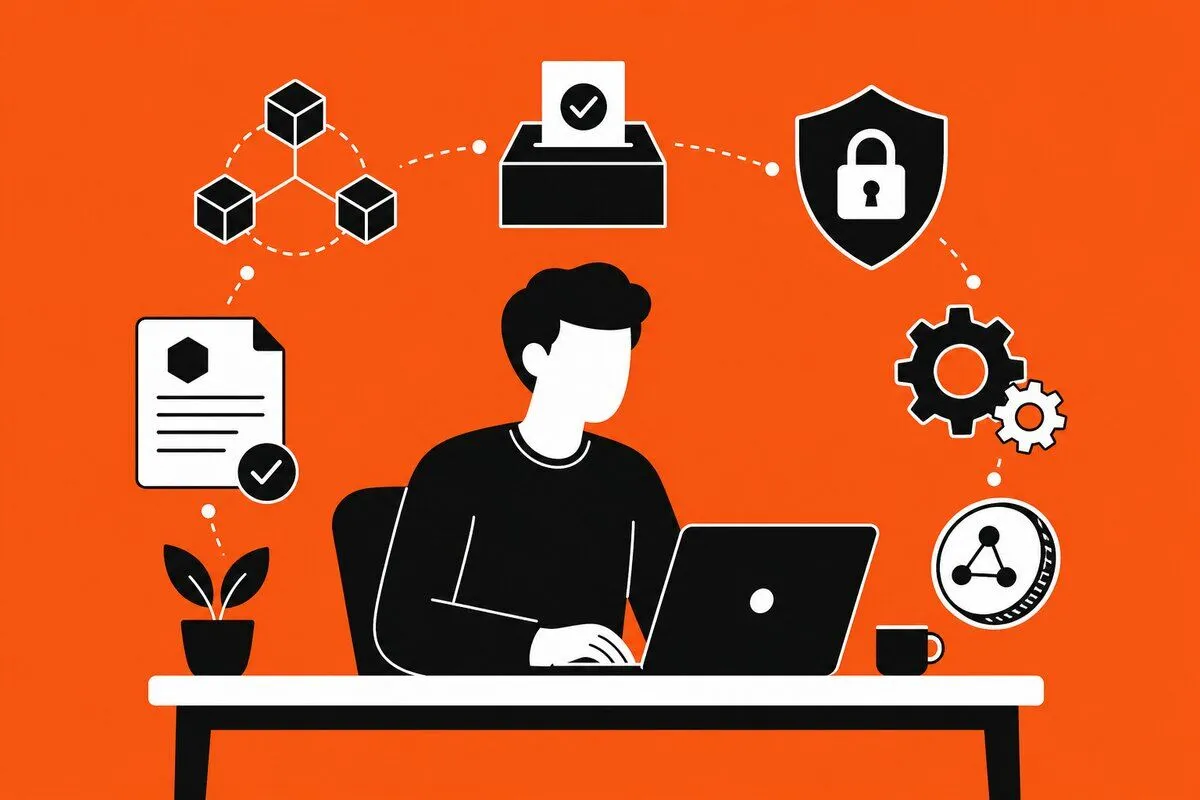
Now let us talk about Web3 finance. If DeFi is a vending machine, then Web3 finance is the entire shopping mall that contains the vending machine along with many other stores, services, and experiences.
Web3 refers to the next generation of the internet where users own their data, their digital identity, and their assets. Web3 financial applications go beyond just lending and borrowing. They include things like:
- Token based economies where communities create and manage their own currencies
- NFTs (non fungible tokens) that represent ownership of digital art, music, or real estate
- DAOs (decentralized autonomous organizations) where people vote on financial decisions together
- Decentralized apps in finance (dApps) that let you do everything from pay for coffee to invest in startups
- Creator economy tools that allow fans to tip, subscribe, or invest in their favorite artists directly
Think of it like this. You walk into a cafe and instead of just paying for your coffee with cash, you also earn loyalty tokens that you actually own. You can trade those tokens, vote on what new drinks the cafe should offer, or even sell them to someone else. That is the spirit of Web3 finance. It is about making every digital interaction more open, more fair, and more user controlled.
According to Ethereum.org, Web3 represents a new vision for the internet built on blockchain technology, decentralization, and token based economics. Finance is a major part of this vision, but it is not the only part.
DeFi vs Web3 Finance: Key Differences Explained
Now that you know what each term means on its own, let us put them side by side. Understanding the difference between DeFi and Web3 becomes much easier when you compare them directly. Here is a clear comparison table.
| Feature | DeFi (Decentralized Finance) | Web3 Finance |
|---|---|---|
| Scope | Focused on financial services only | Covers finance, identity, governance, data, and more |
| Core Function | Lending, borrowing, trading, insurance | Ownership, participation, token economies, dApps |
| Technology | Smart contracts on blockchain | Blockchain, decentralized storage, wallets, tokens |
| User Role | User acts as lender, borrower, or trader | User is an owner, voter, creator, and participant |
| Middleman | No banks or brokers needed | No centralized platforms or corporations needed |
| Examples | Uniswap, Aave, Compound, MakerDAO | Decentralized social media, NFT marketplaces, DAOs, DeFi |
| Analogy | A vending machine for financial services | An entire digital city where you own everything |
| Relationship | A subset of Web3 | The bigger picture that includes DeFi |
As you can see, when we talk about DeFi vs Web3, the key point is that DeFi is a part of Web3, not a separate thing. It is like asking the difference between a kitchen and a house. The kitchen is inside the house, but the house has many other rooms too.
Step by Step: How DeFi Works
Let us walk through what is DeFi in Web3 by looking at how it actually works in practice. Suppose you want to lend some of your crypto to earn interest.
Step 1: You connect your crypto wallet (like MetaMask) to a DeFi platform such as Aave or Compound.
Step 2: You choose which token you want to lend. For example, you might lend USDC (a stablecoin).
Step 3: The DeFi platform uses a smart contract to pool your tokens with tokens from other lenders.
Step 4: Borrowers come to the platform and borrow from that pool. They pay interest on their loans.
Step 5: The smart contract automatically distributes the interest earned back to you and the other lenders.
Step 6: You can withdraw your tokens at any time because you always remain in control of your assets. This is the essence of non custodial finance.
Notice that at no point did a bank approve your transaction. No human sat at a desk reviewing your application. The entire process was handled by code running on the blockchain. That is the power of smart contract based finance.
Here is another quick analogy. Imagine you have a prepaid wallet on your phone. You load money onto it, and you can instantly send that money to anyone, anywhere, without calling your bank. DeFi works in a similar way but goes even further because you can also earn interest, trade, and access insurance using the same wallet.
Step by Step: How Web3 Finance Works
Web3 finance vs decentralized finance becomes clearer when you see how Web3 works as a whole. Let us walk through a day in the life of a Web3 user.
Step 1: You wake up and log into a decentralized social media platform using your crypto wallet. Your wallet is your identity. No email, no password, no personal data stored on a company server.
Step 2: You see a post from your favorite artist who just launched an NFT collection. You buy one using tokens in your wallet. Now you own a piece of digital art that you can keep, sell, or display.
Step 3: You head over to a DeFi platform and check your lending position. Your crypto has earned some interest overnight. You collect your rewards.
Step 4: A DAO you belong to is voting on whether to fund a new community project. You cast your vote using governance tokens you hold in your wallet.
Step 5: Later in the day, you tip a content creator on a decentralized video platform directly from your wallet. No platform takes a cut.
Step 6: Before bed, you use a blockchain based game where you earn tokens by playing. These tokens have real value and can be traded or spent.
As you can see, DeFi was just one stop on your Web3 journey. Web3 finance touches everything from social media to gaming to governance. It is a complete token based economy where every interaction can carry financial value.
Real World Use Cases
Let us make this even more real with some everyday examples.
Buying Coffee
Imagine you walk into your favorite coffee shop. In a DeFi world, you could pay for your coffee using a stablecoin directly from your crypto wallet. The payment goes straight to the shop owner with no credit card company taking a fee. In a Web3 finance world, you might also earn loyalty tokens with that purchase, and those tokens could be traded, used for voting on new menu items, or even transferred to a friend.
Sending Money to a Friend
Suppose your friend lives in another country and needs money urgently. With DeFi, you open a decentralized app, enter your friend’s wallet address, and send the funds. It arrives in minutes, not days, and costs a fraction of what a traditional wire transfer would. With Web3 finance, your friend might also receive a verifiable receipt on the blockchain and use that as proof of income for a decentralized lending platform later.
Tipping a Creator Online
You love watching videos from an independent creator. On a traditional platform, your subscription fee gets split, and the creator gets a fraction. In the Web3 crypto financial ecosystem, you can tip the creator directly using tokens. The creator keeps 100% of the tip. They might also offer exclusive NFTs to their top supporters, giving you ownership of special content.
Risks and Limitations
No technology is perfect, and it is important to be honest about the challenges. Both DeFi and Web3 finance come with risks that every user should be aware of.
Risks in DeFi
- Smart contract bugs: Since DeFi relies on code, a bug in a smart contract can lead to lost funds. Several major exploits have happened in the past due to coding errors.
- Market volatility: Crypto prices can swing wildly, which means the value of your holdings can change quickly.
- Lack of customer support: If you make a mistake (like sending tokens to the wrong address), there is usually no one to call for help.
- Regulatory uncertainty: Governments around the world are still figuring out how to regulate DeFi, which creates some unpredictability.
Risks in Web3 Finance
- Complexity for new users: The Web3 experience can feel overwhelming. Managing wallets, understanding tokens, and navigating decentralized apps in finance requires a learning curve.
- Scams and fraud: The openness of Web3 also means bad actors can launch fake projects. Always do your own research before investing.
- Scalability issues: Some blockchain networks struggle with high traffic, leading to slow transactions and higher fees during busy periods.
- Interoperability challenges: Different blockchains do not always communicate well with each other, which can limit the user experience.
The World Economic Forum has noted that while decentralized finance holds tremendous promise, the industry must prioritize security, education, and responsible innovation to reach its full potential.
How DeFi Fits Inside the Web3 Ecosystem
One of the most common questions people ask is: what is DeFi in Web3? The simplest answer is that DeFi is the financial layer of Web3.
Think of Web3 as a city. In this city, you have:
- Roads and infrastructure (blockchain networks like Ethereum, Polygon, and Solana)
- Banks and financial centers (this is DeFi: lending platforms, exchanges, insurance protocols)
- Art galleries and museums (NFT marketplaces)
- Town halls (DAOs where communities make decisions)
- Shops and markets (token based marketplaces and creator platforms)
- Entertainment venues (blockchain games and metaverse spaces)
DeFi is essential to this city because every other part of Web3 depends on financial tools. An NFT marketplace needs payment systems. A DAO needs a treasury. A blockchain game needs a way to trade in game tokens. DeFi provides all of these blockchain based financial systems that keep the Web3 city running.
Without DeFi, Web3 would be a city without banks. And without Web3, DeFi would just be a collection of financial tools without a bigger purpose. They need each other.
Future of Web3 and Decentralized Finance
The future looks bright for both DeFi and Web3 finance. Here are some trends that experts and industry leaders are watching closely.
- Mainstream adoption: As wallets become easier to use and regulations become clearer, more everyday people will start using decentralized finance platforms for savings, payments, and investments.
- Integration with traditional finance: Banks and fintech companies are already experimenting with blockchain technology. We may soon see a world where traditional finance and DeFi work together seamlessly.
- Better user experiences: Right now, Web3 can feel complicated. But developers are working hard to make Web3 financial applications as simple as using your favorite app on your phone.
- Cross chain solutions: New technologies are emerging that will allow different blockchains to communicate smoothly, making the entire ecosystem more connected and efficient.
- Stronger security: Audit firms, bug bounty programs, and improved coding practices are making smart contracts safer every year.
The crypto financial ecosystem is still young, but the progress made in just a few years is remarkable. Companies like Nadcab Labs are playing an important role in building the tools, platforms, and infrastructure that will power this next generation of finance.
Looking to build secure and scalable decentralized finance platforms?
Whether you are looking to launch a decentralized finance platform, create a token based economy, or develop secure Web3 financial applications, expert guidance makes all the difference. Nadcab Labs brings deep expertise in blockchain development, smart contract engineering, and end to end Web3 solutions to help you build with confidence and clarity.
Final Thoughts
So, how DeFi differs from Web3 finance really comes down to scope. DeFi is the financial engine: it is all about lending, borrowing, trading, and earning without intermediaries. Web3 finance is the entire vehicle: it encompasses DeFi along with digital ownership, community governance, creator economies, and much more.
Think of it this way. If someone asks you about DeFi vs Web3, you can tell them: “DeFi is one of the most important rooms in the Web3 house. You cannot have the house without the room, and the room is more powerful when it is part of the house.”
As blockchain technology continues to grow and evolve, both DeFi and Web3 finance will become more accessible, more secure, and more useful for people everywhere. The difference between DeFi and Web3 may seem subtle at first, but once you understand it, you can navigate the crypto world with much more confidence.
We hope this guide has helped you understand these two important concepts clearly. At Nadcab Labs, we believe that education is the first step toward building a better decentralized future, and we are here to help you take that step.
Frequently Asked Questions
Q1.What is the main difference between DeFi and Web3 finance?
DeFi focuses specifically on financial services like lending, borrowing, and trading without banks. Web3 finance is a broader concept that includes DeFi along with digital identity, NFTs, DAOs, token economies, and more. In simple terms, DeFi is one piece of the larger Web3 finance puzzle.
Q2.Is DeFi a part of Web3?
Yes. DeFi is one of the most important building blocks inside the Web3 ecosystem. It serves as the financial layer that powers transactions, lending, trading, and other money related activities across Web3 platforms and decentralized apps.
Q3.Can I use DeFi without understanding Web3?
Absolutely. Many people use DeFi platforms for lending or trading without diving deep into the full Web3 world. All you really need is a crypto wallet and a basic understanding of how decentralized finance platforms work. However, learning about Web3 will give you a much richer picture of the possibilities available.
Q4.Do I need a bank account to use DeFi or Web3 finance?
No. One of the biggest advantages of both DeFi and Web3 finance is that they are non custodial. You only need a crypto wallet and an internet connection to get started. There is no paperwork, no credit check, and no bank approval required.
Q5.What are some popular examples of DeFi platforms?
Some well known decentralized finance platforms include Uniswap (for token swapping), Aave (for lending and borrowing), Compound (for earning interest on crypto), and MakerDAO (for creating stablecoins). These platforms run on smart contracts and do not require any middleman.
Q6.What are Web3 financial applications beyond DeFi?
Beyond DeFi, Web3 financial applications include NFT marketplaces where you can buy and sell digital assets, DAOs where communities vote on how to spend funds, play to earn blockchain games, creator tipping platforms, and token gated communities. Essentially, any digital interaction that involves value exchange can become a Web3 financial application.
Q7.How do smart contracts play a role in DeFi and Web3 finance?
Smart contracts are self executing programs that live on the blockchain. In DeFi, they handle tasks like processing loans, distributing interest, and swapping tokens automatically. In the broader Web3 finance world, smart contracts also power NFT sales, DAO voting, royalty payments for creators, and much more. They are the backbone of both ecosystems.
Q8.Will DeFi replace traditional banks in the future?
It is unlikely that DeFi will completely replace banks anytime soon, but it is already offering strong alternatives. Many experts believe the future will involve a blend of traditional finance and decentralized finance, where banks adopt blockchain technology and DeFi platforms become more user friendly and regulated.
Q9.How can Nadcab Labs help with DeFi and Web3 development?
Nadcab Labs specializes in building secure and scalable blockchain based financial systems. Whether you need a custom DeFi protocol, a token based economy, smart contract development, or a full Web3 financial application, Nadcab Labs provides expert guidance and end to end development support to bring your vision to life.
Explore Services
Related Services
Reviewed by

Aman Vaths
Founder of Nadcab Labs
Aman Vaths is the Founder & CTO of Nadcab Labs, a global digital engineering company delivering enterprise-grade solutions across AI, Web3, Blockchain, Big Data, Cloud, Cybersecurity, and Modern Application Development. With deep technical leadership and product innovation experience, Aman has positioned Nadcab Labs as one of the most advanced engineering companies driving the next era of intelligent, secure, and scalable software systems. Under his leadership, Nadcab Labs has built 2,000+ global projects across sectors including fintech, banking, healthcare, real estate, logistics, gaming, manufacturing, and next-generation DePIN networks. Aman’s strength lies in architecting high-performance systems, end-to-end platform engineering, and designing enterprise solutions that operate at global scale.