Ai Overview
Over the past few years, FIFA has steadily expanded its blockchain strategy to support long-term digital innovation. The organization launched FIFA Collect, its official digital collectibles platform, allowing football fans to own authenticated digital moments from FIFA competitions. More recently, FIFA introduced FIFA Blockchain, a dedicated blockchain network designed to improve scalability, transaction speed, and overall user experience.
Key Takeaways
- The FIFA World Cup 2026 is the largest football tournament ever organized — 48 teams, three host nations, and millions of supporters — making it the most significant stage yet for blockchain technology to prove its value in global sports.
- FIFA has already built dedicated blockchain infrastructure through FIFA Blockchain, a purpose-built network, and migrated its digital collectibles platform FIFA Collect onto it, demonstrating a serious, multi-year strategic commitment to Web3 technology rather than a short-term marketing experiment.
- Blockchain’s most immediate practical application in football is ticket security. By recording every ticket on an immutable blockchain ledger, organizers can eliminate counterfeit tickets, duplicate QR codes, unauthorized reselling, and scalping — problems that have damaged fan experiences at previous major tournaments.
- FIFA has already introduced Right-to-Ticket and Right-to-Buy blockchain initiatives through FIFA Collect, connecting digital collectible ownership to event access opportunities a clear signal that blockchain and ticketing are converging within FIFA’s ecosystem, even if a fully on-chain ticketing system has not yet been formally announced for 2026.
- The narrative around FIFA World Cup Crypto extends well beyond digital payments. Today’s blockchain ecosystem in football covers authenticated collectibles, fan reward programs, transparent digital ownership, and community participation cryptocurrency is just one component of a much broader transformation.
- FIFA Collect gives supporters verifiable, scarce digital ownership of officially licensed football moments. Unlike traditional digital files that can be copied endlessly, blockchain collectibles carry permanent on-chain ownership records that cannot be duplicated or forged creating a new generation of football memorabilia with genuine provenance.
- Fan tokens blockchain-based digital assets that allow supporters to participate in club polls, access exclusive content, and unlock unique experiences are already active across major European clubs and represent the most visible example of how blockchain is shifting fans from passive spectators to active community participants.
- FIFA’s blockchain partnerships demonstrate institutional momentum: Crypto.com was an official FIFA World Cup Qatar 2022 sponsor and Algorand served as FIFA’s official blockchain provider, establishing a clear precedent for deeper and more integrated blockchain partnerships at the 2026 tournament.
- Decentralized prediction markets powered by smart contracts offer a more transparent alternative to traditional betting, with automated payouts and fully verifiable on-chain transaction records though they remain subject to local regulations and FIFA has not endorsed an official platform for 2026.
- FIFA’s approach to blockchain is deliberate and layered not an overnight replacement of existing systems but a gradual expansion of verified, secure digital infrastructure that will make the 2026 World Cup safer, more engaging, and more digitally connected than any tournament that has preceded it.
The FIFA World Cup 2026 is expected to be the biggest football tournament ever organized, bringing together 48 national teams and millions of supporters across the United States, Canada, and Mexico. As preparations continue for this historic event, technology has become just as important as the action on the pitch. Among the innovations shaping the future of sports, blockchain is emerging as one of the most influential technologies. From enhancing digital ticket security to powering collectibles and fan engagement, FIFA blockchain initiatives are redefining how global sporting events interact with supporters.
Unlike previous tournaments, the conversation surrounding the FIFA World Cup 2026 extends far beyond stadiums and match schedules. Fans are increasingly interested in secure ticketing, exclusive digital experiences, and transparent ownership of digital assets. To support this evolution, FIFA has already taken major steps by launching FIFA Collect, introducing its own blockchain infrastructure, and expanding blockchain-powered experiences that connect football enthusiasts worldwide. These developments highlight FIFA World Cup 2026 Ticketing commitment to building a modern digital ecosystem while creating safer and more engaging experiences for millions of fans.
FIFA Integrates Blockchain to Strengthen Its Digital Ecosystem
From FIFA Collect to FIFA Blockchain A Strategic Investment in Web3
Over the past few years, FIFA has steadily expanded its blockchain strategy to support long-term digital innovation. The organization launched FIFA Collect, its official digital collectibles platform, allowing football fans to own authenticated digital moments from FIFA competitions. More recently, FIFA introduced FIFA Blockchain, a dedicated blockchain network designed to improve scalability, transaction speed, and overall user experience.
The migration of FIFA Collect to FIFA Blockchain represents more than a technical upgrade. It demonstrates how FIFA is investing in Web3 technologies that give supporters greater control over their digital assets while preparing the foundation for future innovations. Rather than viewing blockchain simply as cryptocurrency technology, FIFA is using it to build a secure digital infrastructure capable of supporting collectibles, digital ownership, fan rewards, and future blockchain-based experiences.
This strategic move reflects a broader trend across global sports organizations that are embracing blockchain to create stronger relationships with fans while improving transparency and trust. For an event of the World Cup’s scale one that will attract more than a billion viewers globally building that infrastructure now, before the tournament begins, is exactly the right approach. The work being done today on FIFA’s blockchain network will determine how smoothly millions of fan interactions run during the tournament itself.
How Blockchain Could Transform FIFA World Cup 2026 Ticketing
Fraud, Scalping, and the Problem Blockchain Was Built to Solve
Every FIFA World Cup attracts enormous demand for tickets, and with that demand comes significant challenges. Counterfeit tickets, unauthorized reselling, duplicate QR codes, and ticket scalping have affected supporters during previous international sporting events. These issues not only create financial losses but also damage the overall fan experience. A supporter who travels thousands of miles to watch their national team, only to discover at the stadium gate that their ticket is fake, does not simply lose money they lose an experience they may have planned for years.
This is where blockchain ticketing has the potential to make a meaningful difference. By recording every ticket on a secure and immutable blockchain ledger, organizers can create a transparent ownership history that is extremely difficult to manipulate or duplicate. Every transaction can be verified in real time, giving fans confidence that the ticket they purchase is authentic. Unlike a traditional PDF ticket or barcode that can be screenshotted and shared across dozens of devices, a blockchain-issued ticket is tied to a specific wallet and ownership record that cannot be forged without altering the entire chain of records behind it.
FIFA has already begun connecting blockchain with ticket-related experiences through Right-to-Ticket and Right-to-Buy initiatives available via FIFA Collect. These blockchain-powered features allow eligible users to receive access opportunities for selected FIFA events through digital collectibles. Although FIFA has not announced that every FIFA World Cup 2026 ticketing transaction will operate entirely on blockchain, these initiatives clearly demonstrate that blockchain technology is becoming part of FIFA’s broader digital engagement strategy. If blockchain continues to expand within FIFA’s ecosystem, it could help reduce fraud, improve ticket verification, simplify secure transfers, and create a smoother purchasing experience for millions of football supporters around the world.
FIFA World Cup Crypto Is Expanding Beyond Digital Payments
Why the Blockchain Story in Football Is Much Bigger Than Cryptocurrency
The phrase FIFA World Cup Crypto has become increasingly popular as blockchain adoption continues to grow across the sports industry. However, cryptocurrency is only one part of the broader transformation taking place. Today’s blockchain ecosystem focuses on creating trusted digital experiences that extend beyond simple payments. Sports organizations are using blockchain to authenticate digital collectibles, reward loyal supporters, improve fan participation, and create transparent digital ownership. These innovations allow supporters to interact with football in entirely new ways while giving organizations additional opportunities to build long-term engagement.
FIFA’s investment in blockchain infrastructure reflects this changing landscape. Rather than concentrating solely on cryptocurrencies, the organization is developing technologies that support secure digital ecosystems capable of serving millions of fans before, during, and after international tournaments. The distinction matters because it positions FIFA not as an organization dabbling in speculative digital assets but as one that is systematically building the infrastructure for a next-generation supporter relationship one where digital ownership, verified access, and community participation are as natural as buying a replica jersey or watching a match on television.
Digital Collectibles Are Creating a New Generation of Football Memorabilia
How FIFA Collect Is Changing the Way Fans Own Football History
Collecting football memorabilia has always been part of fan culture. Traditionally, supporters collected jerseys, match tickets, signed footballs, and photographs to preserve memories of unforgettable tournaments. Blockchain has introduced a new generation of collectibles by making digital ownership both verifiable and secure. Through FIFA Collect, supporters can purchase officially licensed digital collectibles that celebrate iconic football moments. Every collectible is authenticated through blockchain technology, giving fans confidence in its originality and ownership.
Unlike traditional digital files that can be copied endlessly, blockchain collectibles provide verifiable scarcity and ownership records that remain permanently recorded on the blockchain. A collector who owns a FIFA Collect moment of a match-winning goal does not simply hold a video file they hold a verified record on the blockchain that proves they own the official, authenticated version of that moment, in the same way a physical certificate of authenticity works for signed memorabilia, but with infinitely stronger proof of legitimacy.
These digital assets are not intended to replace traditional memorabilia but instead offer football fans another way to celebrate historic moments while participating in FIFA’s expanding digital ecosystem. As the FIFA World Cup 2026 creates new memorable moments goals, saves, penalties, celebrations the potential volume of collectible content available through FIFA Collect could dwarf anything seen at previous tournaments, particularly given the expanded 48-team format that will generate significantly more matches and more moments worth preserving.
Fan Tokens Continue to Transform Football Communities
From Passive Spectators to Active Participants — How Blockchain Is Changing Fan Relationships
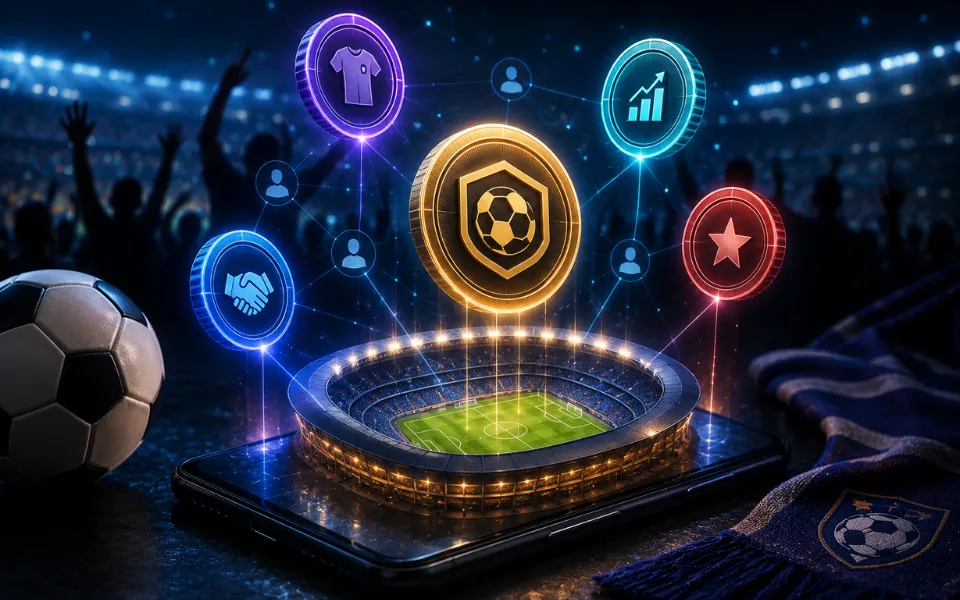
Another major blockchain innovation gaining momentum across football is the rise of fan tokens. These blockchain-based digital assets allow supporters to interact more directly with clubs by participating in selected polls, accessing exclusive content, receiving special rewards, and unlocking unique fan experiences. Leading football clubs across Europe have already introduced fan token programs that strengthen engagement between clubs and supporters. Instead of remaining passive spectators, fans can become active participants within digital communities powered by blockchain technology.
Although FIFA has not introduced an official World Cup fan token, the growing popularity of fan tokens demonstrates how blockchain is changing the relationship between sports organizations and their global audiences. The concept is straightforward in principle but powerful in practice give supporters a digital stake in the conversation, and they become more invested in what happens next. They are no longer simply watching a club or a tournament they are participating in it, making decisions alongside other supporters, and receiving recognition for their loyalty in ways that go beyond wearing the right shirt on match day.
As Web3 technologies continue evolving, fan engagement is likely to become increasingly personalized, interactive, and community-driven. The World Cup stage with its unparalleled global audience would represent the most significant opportunity yet for a fan token program to demonstrate what blockchain-based supporter participation can look like at international scale.
Crypto Exchange Partnerships Are Expanding Football’s Digital Economy
How Sponsorships and Blockchain Alliances Are Reshaping Sports Partnerships
Blockchain adoption in football is no longer limited to ticketing and digital collectibles. Over the past few years, several leading cryptocurrency companies have entered the sports industry through sponsorships, fan engagement campaigns, and blockchain-powered digital experiences. These collaborations have helped introduce millions of football supporters to Web3 technologies while demonstrating how blockchain can create new opportunities beyond traditional marketing.
One of the most notable examples was Crypto.com, which became an official sponsor of the FIFA World Cup Qatar 2022. The partnership highlighted how cryptocurrency platforms are becoming part of major sporting events by promoting blockchain awareness and engaging football fans through exclusive campaigns. Similarly, FIFA partnered with Algorand as its official blockchain provider, helping strengthen its digital ecosystem and laying the foundation for blockchain-powered initiatives such as FIFA Collect. These partnerships show that the relationship between football and blockchain is evolving rapidly, with technology companies playing an increasingly important role in shaping the future of fan engagement.
As preparations continue for the FIFA World Cup 2026, many industry analysts believe blockchain companies will continue investing in global sporting events. While FIFA has not announced every partnership for the tournament, previous collaborations demonstrate the organization’s long-term commitment to digital innovation and blockchain technology. The precedent set by Qatar 2022 makes it reasonable to expect that 2026 will see even deeper and more sophisticated blockchain partnerships ones that extend beyond branding into genuine product integration with the tournament experience.
Prediction Markets and Blockchain Betting Could Transform Fan Participation
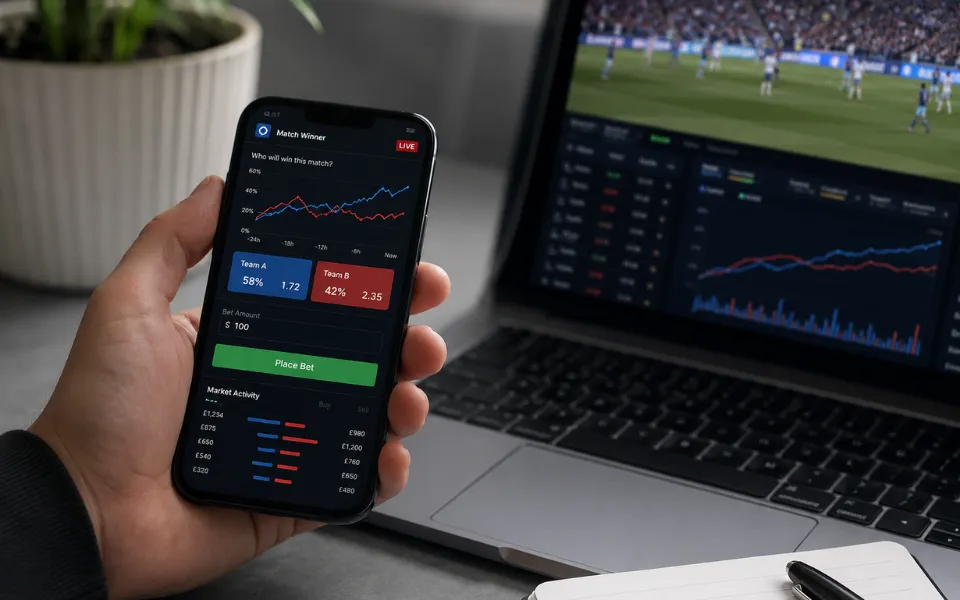
Smart Contracts, Decentralized Platforms, and the Future of Sports Prediction
The evolution of blockchain is also creating new opportunities for football fans to interact with matches through decentralized prediction platforms. Unlike conventional betting systems that rely on centralized operators, blockchain-based prediction markets use smart contracts to record transactions transparently and automatically distribute rewards based on predefined conditions. This creates a more transparent environment where every transaction can be verified on the blockchain.
As interest in blockchain betting continues to grow, sports enthusiasts are exploring platforms that offer decentralized prediction experiences while giving users greater visibility into how results are processed. The appeal is not simply about the potential to win. It is about the transparency of a system where the rules are written into code, the payouts are automatic, and no central operator can alter the outcome after the event. For many users who have experienced opaque or disputed outcomes on traditional platforms, the blockchain alternative represents a meaningful improvement in trust.
Although blockchain betting remains subject to local regulations and FIFA has not endorsed or announced an official blockchain prediction platform for the FIFA World Cup 2026, the technology continues to gain attention across the sports industry because of its transparency, automation, and security. Many experts believe decentralized prediction markets could become an important part of future sporting ecosystems, particularly as blockchain adoption expands and regulatory frameworks become more mature across different countries.
Why FIFA World Cup Blockchain Matters for the Future of Sports
Security, Transparency, and a New Model for Global Fan Engagement
The discussion surrounding FIFA World Cup blockchain extends far beyond digital currencies. Today, blockchain is increasingly recognized as a technology capable of improving security, transparency, and trust across every stage of a sporting event. From protecting digital identities and verifying ticket ownership to enabling authenticated collectibles and interactive fan experiences, blockchain is creating entirely new possibilities for global sports organizations.
For fans, these innovations mean greater confidence when purchasing tickets, stronger protection against fraud, and access to exclusive digital experiences that continue long after the final whistle. For organizers, blockchain offers an opportunity to reduce operational risks, improve transparency, and build stronger relationships with supporters through secure digital ecosystems. The two benefits are connected: when fans trust the system, they engage more deeply with it, and when they engage more deeply, the value of that ecosystem for both the fans and the organization grows.
FIFA’s continued investment in blockchain infrastructure indicates that digital innovation will remain a priority as international football evolves. Rather than replacing existing systems overnight, blockchain is gradually becoming another layer of technology that enhances how major tournaments operate and how supporters engage with the game. That layered approach is actually appropriate. A technology that is being asked to serve hundreds of millions of fans simultaneously needs to be introduced carefully, tested thoroughly, and expanded progressively. The groundwork being laid now for the FIFA World Cup 2026 is exactly how that responsible expansion looks in practice.
The Future of FIFA World Cup 2026 Ticketing
What Fans Can Expect as Blockchain Becomes Part of How the World Cup Works
As the countdown to the FIFA World Cup 2026 continues, fans around the world are eagerly waiting for ticket sales and official tournament updates. At the same time, blockchain technology is becoming an increasingly important part of conversations about the future of sports. FIFA’s recent investments in blockchain infrastructure, digital collectibles, and ticket-related blockchain experiences demonstrate that the organization is actively exploring innovative ways to improve fan engagement.
Although the full scope of blockchain’s role in FIFA World Cup 2026 ticketing will become clearer as the tournament approaches, FIFA has already shown its willingness to embrace Web3 technologies that improve transparency, security, and digital ownership. Whether through authenticated digital collectibles, blockchain-enabled ticket experiences, or future fan engagement initiatives, blockchain is helping shape a more connected and secure football ecosystem. What is clear from the steps already taken is that whatever form the final system takes, it will be more digitally integrated, more verifiable, and more fraud-resistant than anything a FIFA World Cup has offered before.
For the supporter sitting in a stadium in Los Angeles or Toronto or Mexico City watching their country play in the World Cup blockchain may never be a word that crosses their mind. But the fact that their ticket cannot be faked, that their digital collectible is genuinely theirs, and that their club’s fan token gave them a real say in something will be the direct result of the blockchain infrastructure being built right now. That is how good technology works: when it does its job properly, the people it serves never need to think about how it works. They just notice that things are better.
Final Thought
The FIFA World Cup 2026 is expected to set new records for participation, attendance, and global viewership. Alongside the excitement on the field, blockchain technology is emerging as one of the tournament’s most significant digital innovations. Through FIFA Blockchain, FIFA Collect, and blockchain-powered ticket initiatives such as Right-to-Ticket and Right-to-Buy, FIFA is building a modern digital ecosystem that enhances security, ownership, and fan engagement.
Beyond ticketing, blockchain is influencing digital collectibles, fan tokens, crypto partnerships, and even decentralized prediction markets, demonstrating how Web3 technologies are reshaping the future of football. While some innovations are already live and others continue to develop, one thing is becoming increasingly clear: blockchain is no longer just associated with cryptocurrencies. It is becoming an integral part of how global sporting events connect with millions of fans.
As football enters a new digital era, the FIFA World Cup 2026 could serve as one of the strongest examples of how blockchain technology can transform the fan experience, making it safer, more interactive, and more transparent than ever before. The technology will not dominate the headlines the goals, the saves, and the celebrations will do that. But it will quietly make everything around those moments more trustworthy, more accessible, and more meaningful for the hundreds of millions of supporters who experience the tournament from stadiums, living rooms, and screens across every corner of the world
Frequently Asked Questions
Q1.What is FIFA Blockchain?
FIFA Blockchain is FIFA’s dedicated blockchain infrastructure designed to support digital collectibles, future fan experiences, and blockchain-powered services within FIFA’s digital ecosystem.
Q2.Is FIFA using blockchain technology for the FIFA World Cup 2026?
FIFA has introduced its own blockchain ecosystem through FIFA Blockchain and FIFA Collect. While blockchain is already being used for digital collectibles and ticket-related experiences, FIFA has not announced that all World Cup 2026 tickets will be issued entirely on blockchain.
Q3.What is FIFA Collect?
FIFA Collect is FIFA’s official digital collectibles platform where football fans can buy, own, and trade officially licensed digital moments secured by blockchain technology.
Q4.Which blockchain companies have partnered with FIFA?
FIFA has previously partnered with companies such as Algorand as its official blockchain partner and Crypto.com as an official sponsor during the FIFA World Cup Qatar 2022, helping expand blockchain-based fan engagement.
Q5.What are the benefits of blockchain ticketing?
Blockchain ticketing offers greater transparency, enhanced security, reduced ticket fraud, verified ownership, and a safer ticket purchasing experience for football fans.
Explore Services
Related Services
Reviewed by

Aman Vaths
Founder of Nadcab Labs
Aman Vaths is the Founder & CTO of Nadcab Labs, a global digital engineering company delivering enterprise-grade solutions across AI, Web3, Blockchain, Big Data, Cloud, Cybersecurity, and Modern Application Development. With deep technical leadership and product innovation experience, Aman has positioned Nadcab Labs as one of the most advanced engineering companies driving the next era of intelligent, secure, and scalable software systems. Under his leadership, Nadcab Labs has built 2,000+ global projects across sectors including fintech, banking, healthcare, real estate, logistics, gaming, manufacturing, and next-generation DePIN networks. Aman’s strength lies in architecting high-performance systems, end-to-end platform engineering, and designing enterprise solutions that operate at global scale.