Ai Overview
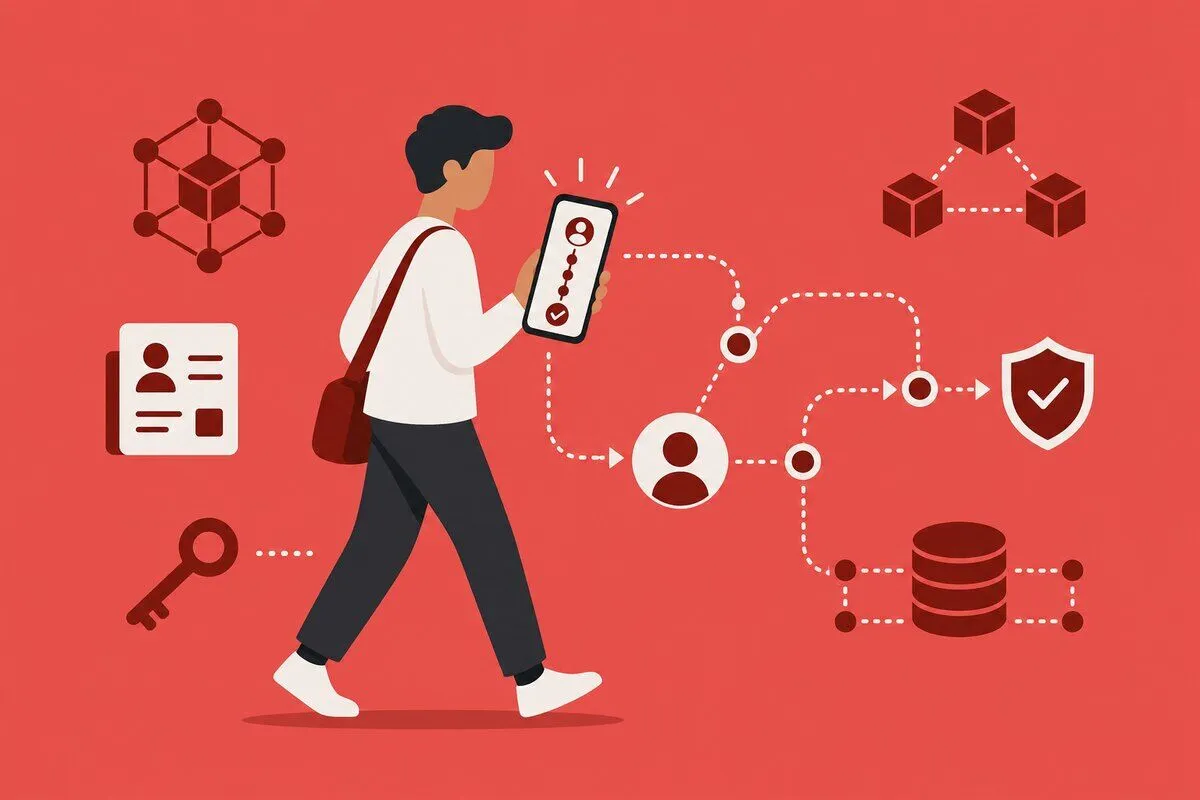
A blockchain payment system is a decentralized digital infrastructure that enables the transfer of value directly between parties using blockchain technology. However, price volatility can make cryptocurrencies impractical for pricing goods and services, as a payment worth $100 at checkout might be worth $95 or $105 by the time it settles. A payment in 100 USDC today will still be worth approximately $100 tomorrow, making them ideal for business transactions and cross-border trade.
Key Takeaways
- Blockchain payment systems can reduce cross-border transaction costs by up to 80% compared to traditional banking methods.
- The global blockchain payment market is projected to reach $393.42 billion by 2032, growing at a CAGR of 43.65%.
- Transactions on blockchain networks settle in minutes rather than the 3 to 5 days required by traditional banking systems.
- Blockchain payments operate 24 hours a day, 7 days a week, 365 days a year without cut-off times or banking holidays.
- Every transaction is cryptographically secured, timestamped, and recorded on an immutable distributed ledger for complete transparency.
- Stablecoins provide the speed of blockchain with price stability, making them ideal for business payments without volatility concerns.
- Smart contracts enable automated payment execution when predefined conditions are met, reducing manual processing and errors.
- Over 560 million people worldwide owned cryptocurrency in 2024, demonstrating massive global adoption of blockchain payments.
Traditional cross-border payments take an average of 3 to 5 business days to settle, costing businesses billions of dollars annually in fees and lost productivity. The global blockchain technology market reached $31.28 billion in 2024 and is projected to exceed $1.43 trillion by 2030 as organizations discover faster, safer alternatives to legacy payment infrastructure. Blockchain payment systems are revolutionizing how money moves across borders, enabling settlements in minutes rather than days while reducing transaction costs by up to 80 percent.
Understanding what a blockchain payment system is has become essential for businesses, financial institutions, and individuals seeking to optimize their payment operations. Whether you are a multinational corporation processing thousands of international transactions or an individual sending money to family overseas, blockchain technology offers unprecedented speed, security, and cost efficiency. This comprehensive guide explains everything about blockchain payment systems, how they work, their benefits and challenges, and why they represent the future of global finance.
What is a Blockchain Payment System?
Definition
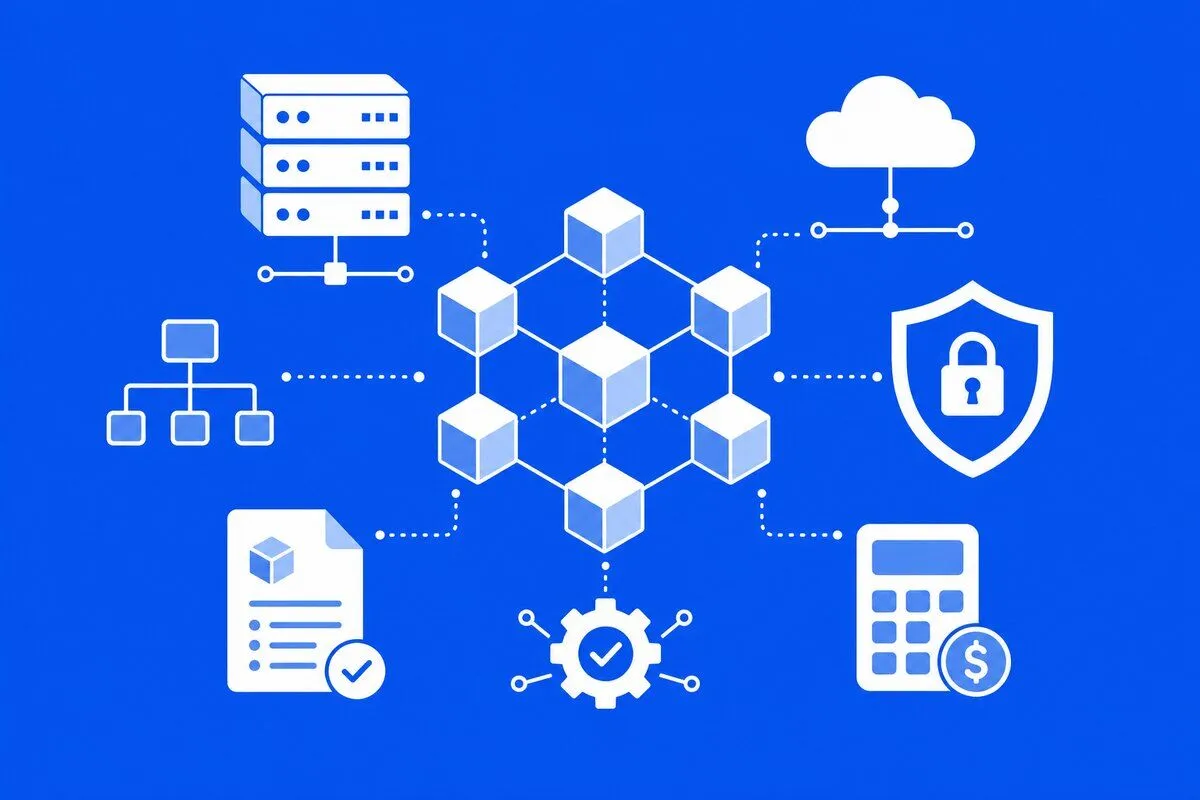
A blockchain payment system is a decentralized digital infrastructure that enables the transfer of value directly between parties using blockchain technology. Instead of relying on traditional intermediaries such as banks, clearinghouses, or payment processors, these systems record every transaction on a secure, distributed ledger that is transparent, tamper-resistant, and permanently accessible to all network participants.
Think of blockchain payment systems as a digital highway for money that operates without toll booths or traffic controllers. In traditional payment systems, when you send money internationally, your transaction passes through multiple banks, each taking a fee and adding processing time. With blockchain, your payment travels directly from your digital wallet to the recipient, verified by a global network of computers rather than centralized institutions.
The blockchain itself is a digital ledger that records transactions in groups called blocks. Each block contains transaction data, a timestamp, and a cryptographic hash linking it to the previous block, forming an unbreakable chain. This structure ensures that once a transaction is recorded, it cannot be altered or deleted without changing every subsequent block, which would require overwhelming computational power and would be immediately detected by the network.
Many cryptocurrencies, including Bitcoin and Ethereum, use blockchain technology for payments. However, the ecosystem has expanded to include stablecoins, central bank digital currencies (CBDCs), and enterprise blockchain solutions designed specifically for business transactions. These payment systems are becoming increasingly popular for both online and in-person transactions because they can significantly reduce fees, eliminate processing delays, and increase operational efficiency.
How Blockchain Payment Systems Work
Understanding the mechanics of blockchain payment systems helps clarify why they offer such significant advantages over traditional payment methods. The process involves several coordinated steps that ensure security, accuracy, and finality.
Step 1: Payment Initiation
The sender initiates a transaction from their digital wallet by entering the recipient’s public address and the amount to send. The wallet generates a digital signature using the sender’s private key, which proves ownership of the funds and authorizes the transaction. This signature is unique to each transaction and cannot be forged or reused.
Step 2: Network Broadcasting
Once signed, the transaction is broadcast to the blockchain network, where it enters a pool of pending transactions called the mempool. The transaction data includes the sender address, recipient address, amount, timestamp, and digital signature. This information is visible to all nodes on the network.
Step 3: Transaction Verification
Network nodes independently verify that the sender has sufficient balance and has not attempted to double-spend the same funds. Each node checks the transaction against the current state of the blockchain ledger. Invalid transactions are automatically rejected by the network, preventing fraudulent transfers.
Step 4: Block Formation
Validated transactions are grouped together into a block by miners or validators. Each block contains a reference to the previous block hash, creating the chain structure that gives the blockchain its name. The block also includes a timestamp and other metadata that ensure chronological ordering.
Step 5: Consensus and Confirmation
The block is confirmed through the network consensus mechanism. In Proof of Work systems like Bitcoin, miners compete to solve complex mathematical puzzles. In Proof of Stake systems like Ethereum, validators are selected based on the amount of cryptocurrency they have staked. Once confirmed, the block becomes a permanent part of the blockchain.
Step 6: Settlement and Finality
The updated blockchain ledger is distributed across all network nodes, reflecting the completed payment in both the sender and recipient wallets. Settlement typically occurs within minutes, and once confirmed, the transaction cannot be reversed or altered. This finality eliminates chargeback risks and settlement uncertainty.
Types of Blockchain Payment Systems
Blockchain payment systems come in multiple forms, each with unique characteristics, advantages, and use cases. Understanding these different types helps businesses and individuals choose the right solution for their specific needs.
| Payment Type | Description | Best For |
|---|---|---|
| Cryptocurrencies | Digital currencies like Bitcoin and Ethereum that operate on public blockchains | Peer-to-peer payments, investment, store of value |
| Stablecoins | Digital currencies pegged to fiat currencies like USD (USDC, USDT) | Business payments, cross-border transfers, stable value transactions |
| CBDCs | Central Bank Digital Currencies issued by governments on blockchain or DLT | Government-backed digital payments, regulated transactions |
| Layer 2 Networks | Secondary networks built on top of base blockchains for faster, cheaper transactions | High frequency payments, micropayments, and retail transactions |
| Enterprise Solutions | Private or permissioned blockchains designed for business use (Hyperledger) | B2B payments, supply chain finance, institutional settlements |
Cryptocurrencies
Cryptocurrencies are the original blockchain payment vehicles, starting with Bitcoin in 2009. Payments are broadcast to a decentralized network, validated through consensus mechanisms, and recorded permanently on the public blockchain. Once confirmed, cryptocurrency transactions are irreversible, providing finality that traditional payment systems cannot match. However, price volatility can make cryptocurrencies impractical for pricing goods and services, as a payment worth $100 at checkout might be worth $95 or $105 by the time it settles.
Stablecoins
Stablecoins are a newer category built specifically to solve cryptocurrency volatility problems. These digital currencies are pegged to stable assets, typically fiat currencies like the US dollar or euro. Popular examples include USDC, USDT, and DAI. Stablecoins maintain consistent value while preserving blockchain speed, low cost, and global reach. A payment in 100 USDC today will still be worth approximately $100 tomorrow, making them ideal for business transactions and cross-border trade.
Central Bank Digital Currencies (CBDCs)
CBDCs are government-issued digital currencies that may be built on blockchain or other distributed ledger technology. They offer quick, secure transfers backed by central bank authority and combine the reliability of fiat currency with the efficiency of digital rails. As of 2025, more than 130 countries and currency unions are exploring CBDCs. Nigeria, the Bahamas, and Jamaica have launched live retail CBDCs, though widespread adoption in major economies remains years away.
Layer 2 Networks
Layer 2 networks are secondary systems that operate on top of base blockchains to improve speed and reduce costs. They are ideal for high-frequency, low-value payments that would be too expensive or slow on the main chain. For example, the Lightning Network for Bitcoin processes transactions off-chain and then settles the final balance on the main blockchain, enabling nearly instant payments with minimal fees.
Benefits of Blockchain Payment Systems for Faster and Safer Payments
Despite certain challenges, blockchain payment systems offer numerous benefits that make them increasingly attractive for users and businesses alike. These advantages address fundamental limitations of traditional payment infrastructure.
Speed and Real Time Settlement
Blockchain enables payments to be completed in minutes rather than days. Unlike traditional banks that can take 3 to 5 business days to process international transactions, blockchain payments settle almost instantly. This speed is transformative for businesses that need to send or receive money quickly, improving cash flow and operational efficiency. Blockchain networks operate continuously without cut off times or banking holidays, enabling true 24/7 payment capabilities.
Lower Transaction Costs
One of the most significant advantages of blockchain payment systems is the dramatic reduction in costs. Eliminating intermediaries such as correspondent banks and payment processors removes the fees they charge. Cross border remittance costs can be reduced by up to 80 percent compared to traditional methods. For businesses processing high volumes of international payments, these savings can amount to millions of dollars annually.
Enhanced Security
Security is paramount in payment systems, and blockchain offers robust protection. Every transaction is encrypted using advanced cryptographic algorithms and linked to previous transactions, creating a secure chain that is extremely difficult to hack or manipulate. The decentralized nature of blockchain means there is no single point of failure that attackers can target. Additionally, users do not need to share sensitive financial information like bank account numbers, reducing identity theft risks.
Transparency and Traceability
With blockchain, all transactions are recorded on a public or shared ledger that authorized participants can view. This transparency builds trust because everyone can verify transactions without relying on a central authority. The complete audit trail of every transaction helps with compliance, financial reporting, and dispute resolution. Organizations can monitor payment flows in real time without waiting for third party reports.
Decentralization and Independence
In traditional payment systems, banks and financial institutions control everything. Blockchain is different because it does not have a central authority. This decentralization means no single entity can manipulate the system, censor transactions, or freeze accounts arbitrarily. Users gain more control over their money and can transact freely without depending on third party approval or being subject to banking hours and policies.
Global Accessibility
Blockchain payments can be accessed from anywhere with an internet connection. This accessibility is particularly beneficial for the unbanked and underbanked populations in regions where traditional banking infrastructure is limited or unavailable. Over 560 million people owned cryptocurrency globally in 2024, and stablecoins are seeing significant adoption in emerging markets, where they account for approximately 43 percent of crypto transaction volume in sub Saharan Africa.
Transaction Finality and Reduced Chargebacks
Once a blockchain payment is confirmed, it cannot be reversed. This finality eliminates chargeback fraud, which costs merchants billions of dollars annually. Businesses gain certainty that completed transactions will not be disputed or reversed weeks later. While this irreversibility requires users to verify transactions carefully before sending, it provides merchants with unprecedented payment security.
Programmability with Smart Contracts
Smart contracts enable programmable payments that execute automatically when predefined conditions are met. For example, escrow payments can release funds automatically upon delivery confirmation, revenue can be split instantly among multiple parties, or subscription payments can process automatically on schedule. This automation reduces manual processing, eliminates errors, and creates possibilities that traditional payment rails cannot match.
| Feature | Traditional Payments | Blockchain Payments |
|---|---|---|
| Settlement Time | 3 to 5 business days | Minutes to seconds |
| Operating Hours | Business hours only | 24/7/365 |
| Cross-Border Fees | 5% to 10% or more | Less than 1% |
| Intermediaries | Multiple banks and processors | Peer to peer direct |
| Chargeback Risk | High | None |
| Transparency | Limited visibility | Full audit trail |
Challenges of Blockchain Payment Systems
While blockchain payment systems offer significant advantages, they also present challenges that organizations must address for successful implementation. Understanding these obstacles helps businesses develop strategies to overcome them.
Scalability Limitations
As more people use blockchain networks, transaction volumes can overwhelm capacity, leading to slower processing times and higher fees. During periods of high demand, users may experience delays and increased costs. Bitcoin, for example, can process only about 7 transactions per second compared to Visa which handles thousands. Layer 2 solutions and newer blockchain architectures are addressing these limitations, but scalability remains an ongoing challenge for mainstream adoption.
Price Volatility
Cryptocurrencies like Bitcoin and Ethereum can fluctuate dramatically in value, sometimes by 10 percent or more in a single day. This volatility creates uncertainty for businesses trying to price goods and services and for users making payments. Stablecoins address this issue by maintaining peg to fiat currencies, and many businesses use instant conversion services to eliminate volatility exposure entirely.
Regulatory Uncertainty
Many governments are still developing regulatory frameworks for cryptocurrencies and blockchain payments. Rules vary significantly by jurisdiction, from permissive approaches to outright bans. This uncertainty can make businesses hesitant to adopt blockchain payment solutions due to potential legal and compliance risks. Working with licensed payment providers helps organizations navigate regulatory requirements and maintain compliance across different markets.
User Experience and Technical Complexity
Managing wallet addresses, securing private keys, and understanding blockchain mechanics can be intimidating for users unfamiliar with the technology. Mistakes such as sending to the wrong address or losing private keys can result in permanent, irreversible loss of funds. Improved wallet interfaces, custodial services, and user education are helping address these barriers, but the learning curve remains steeper than traditional payment methods.
Security Concerns
While blockchain technology itself is highly secure, the surrounding ecosystem can be vulnerable. Hackers have stolen significant amounts from cryptocurrency exchanges, wallets, and smart contracts with vulnerabilities. Users must implement strong security practices, including hardware wallets, two-factor authentication, and careful verification of all transaction details. Blockchain development companies play a crucial role in auditing code and implementing security best practices.
Integration Challenges
Implementing blockchain payment systems requires technical expertise and integration with existing business systems. Companies need to connect blockchain solutions with accounting software, ERP systems, and customer facing applications. This integration complexity can increase implementation costs and timelines. Experienced blockchain development services can help businesses overcome these challenges and achieve seamless integration.
Use Cases for Blockchain Payment Systems
Blockchain payment systems are being deployed across numerous industries and applications. Understanding these use cases helps illustrate the practical value blockchain brings to different payment scenarios.
Cross-Border Remittances
International money transfers represent one of the most impactful applications for blockchain payments. Traditional remittance services charge fees averaging 6 to 7 percent, and transfers can take days to complete. Blockchain enables near instant transfers at a fraction of the cost, particularly benefiting migrant workers sending money to families in their home countries. Juniper Research estimates that blockchain will help banks save $10 billion in cross-border settlement costs by 2030.
E-Commerce and Retail Payments
Online merchants are increasingly accepting cryptocurrency and stablecoin payments to reduce processing fees, eliminate chargebacks, and access global customers without currency conversion complications. QR code based blockchain payments are also gaining traction in physical retail environments. Major payment providers now offer crypto payment processing services that convert digital assets to fiat currency instantly, allowing merchants to avoid volatility exposure.
Business-to-Business Payments
B2B transactions, particularly across international borders, benefit significantly from blockchain speed and cost advantages. Supply chain payments, vendor settlements, and intercompany transfers can be executed in real time rather than waiting for banking windows. Smart contracts enable automated payment release based on delivery confirmations or milestone completions, streamlining accounts payable and receivable processes.
Trade Finance
International trade involves complex documentation, multiple parties, and significant payment delays. Blockchain enables tamper resistant records and full traceability of financial obligations among trading partners. Smart contracts can automatically enforce payment terms, releasing funds upon verified delivery or customs clearance. This automation reduces disputes, accelerates settlement, and lowers the cost of trade financing.
Payroll and Contractor Payments
Companies with international workforces can use blockchain to pay employees and contractors worldwide without the delays and fees of traditional wire transfers. Remote workers receive payments in their preferred currency within minutes, improving satisfaction and reducing administrative burden. Stablecoins are particularly popular for payroll applications because they provide predictable value.
Micropayments and Content Monetization
Traditional payment systems are impractical for small-value transactions due to fixed processing fees. Blockchain and Layer 2 solutions enable micropayments of fractions of a cent, opening new possibilities for content monetization, pay-per-use services, and machine-to-machine transactions. Content creators can receive direct payments from audiences without platform intermediaries taking large percentages.
Key Features of Blockchain Payment Solutions
Enterprise-grade blockchain payment systems typically include a comprehensive set of features designed to meet business requirements for security, compliance, and operational efficiency.
| Feature | Description |
|---|---|
| Real Time Processing | Near instant processing of domestic and international payments without cut-off times or banking holidays |
| Automated Recordkeeping | All transactions are automatically validated, timestamped, and recorded on an immutable distributed ledger |
| Multi-Currency Support | Support for multiple cryptocurrencies, stablecoins, and fiat currency conversion |
| Smart Contract Automation | Programmable payment rules that execute automatically when predefined conditions are met |
| KYC/AML Compliance | Automated identity verification and anti-money laundering checks with full audit trails |
| Transaction Signing | Cryptographic digital signatures for secure transaction authorization and ownership verification |
The Future of Blockchain Payment Systems
The future of blockchain payment systems looks increasingly promising as technology matures and adoption accelerates. Several trends are shaping the evolution of blockchain payments.
Mainstream Enterprise Adoption
Major financial institutions are moving beyond experimentation to production deployment of blockchain payment infrastructure. Visa and Mastercard, which together hold more than 70 percent of the card network market, have launched significant blockchain initiatives. JPMorgan Chase operates its JPM Coin for institutional settlements. This mainstream adoption is accelerating infrastructure development and regulatory clarity.
Central Bank Digital Currency Expansion
Government-backed digital currencies are moving from research to implementation. CBDCs could bridge blockchain payments with traditional banking, providing the benefits of digital rails with the stability and regulatory compliance of fiat currency. As more countries launch retail and wholesale CBDCs, blockchain payment infrastructure will become increasingly integrated with existing financial systems.
Improved Scalability and User Experience
Technological advances are addressing blockchain limitations. Layer 2 solutions, sharding, and new consensus mechanisms are dramatically increasing transaction throughput while reducing costs. User interfaces are becoming more intuitive, with wallet applications that abstract away blockchain complexity. These improvements are removing barriers to mainstream adoption.
Regulatory Framework Development
Governments worldwide are developing clearer regulatory frameworks for blockchain payments. The EU Markets in Crypto Assets (MiCA) regulation provides comprehensive rules for crypto asset service providers. Similar frameworks are emerging in other jurisdictions. Clear regulations reduce uncertainty and encourage business adoption while protecting consumers.
Interoperability Solutions
Cross-chain interoperability protocols are enabling seamless value transfer between different blockchain networks. This interoperability reduces fragmentation and allows users to transact across multiple platforms without friction. Multi-chain architectures make it easier to leverage the unique strengths of different blockchains for specific use cases.
Integration with Traditional Finance
The boundary between blockchain payments and traditional finance is blurring. Banks are offering crypto custody and payment services. Payment processors are integrating stablecoin rails alongside card networks. This convergence allows businesses to access blockchain benefits while maintaining connections to existing financial infrastructure and customer preferences.
How Businesses Can Accept Blockchain Payments
Implementing blockchain payment systems requires careful planning and the right approach for your business needs. Several implementation methods exist, each with different trade offs.
Direct Wallet Acceptance
Businesses can set up their own cryptocurrency wallets and share addresses with customers for payment. This approach provides full control over funds and avoids processor fees. However, businesses must handle wallet security, blockchain monitoring, and volatility risk themselves. This method works best for organizations comfortable with crypto custody or wanting to hold digital assets.
Payment Processor Integration
Third party payment processors handle blockchain transactions and settle in your preferred currency. The provider manages wallet security, compliance, and instant conversion to fiat. This approach eliminates volatility risk and simplifies integration through APIs and plugins for popular e-commerce platforms. It is ideal for businesses wanting blockchain benefits without technical complexity.
Stablecoin Only Acceptance
Limiting acceptance to stablecoins like USDC and USDT provides predictable value while maintaining blockchain speed advantages. Businesses can hold stablecoins for future payments or periodically convert to fiat. This approach is popular for cross-border settlements, freelance payments, and B2B transactions where price stability is essential.
Hybrid Implementation
Many businesses combine multiple acceptance methods to serve different customer preferences and use cases. For example, accepting Bitcoin directly for some transactions while using a processor for stablecoins. This flexibility allows optimization based on transaction types, customer segments, and treasury management requirements.
Build Secure Private Blockchain Solutions with Expert Developers
Our blockchain development services help businesses design, develop, and deploy secure private blockchain networks, smart contracts, and enterprise-grade decentralized applications. From architecture consulting to scalable implementation, our blockchain experts deliver tailored solutions that align with your business goals and regulatory requirements.
Final Thoughts
Blockchain payment systems are fundamentally transforming how money moves around the world. By eliminating intermediaries, reducing settlement times from days to minutes, and cutting transaction costs by up to 80 percent, blockchain technology addresses the core limitations of traditional payment infrastructure. The security provided by cryptographic verification and immutable record keeping delivers confidence that was previously impossible to achieve.
Understanding what a blockchain payment system is is no longer optional for businesses and individuals who want to remain competitive in the evolving financial landscape. From cross-border remittances to e-commerce payments, from B2B settlements to payroll processing, blockchain offers practical solutions to real-world payment challenges. The technology continues to mature, with improving scalability, better user experiences, and clearer regulatory frameworks accelerating mainstream adoption.
As major financial institutions, governments, and businesses worldwide embrace blockchain payments, the technology is moving from experimental to essential. Whether you are looking to reduce international payment costs, improve cash flow with faster settlements, or access new markets and customer segments, blockchain payment systems provide the tools to achieve these goals. The future of payments is digital, decentralized, and dramatically more efficient than what came before.
Frequently Asked Questions
Q1.What is a blockchain payment system?
A blockchain payment system is a decentralized digital infrastructure that enables direct transfer of value between parties using distributed ledger technology. Instead of relying on banks or payment processors, transactions are verified by a network of computers and recorded permanently on a shared, tamper-resistant ledger. This approach enables faster settlement, lower costs, and greater transparency compared to traditional payment methods.
Q2.Are blockchain payments secure?
Yes, blockchain payments are highly secure. Every transaction is verified by multiple nodes on a distributed network and recorded on an immutable ledger using advanced cryptographic algorithms. Once confirmed, a payment cannot be altered or reversed, reducing fraud and chargeback risks. However, users must also implement proper security practices for their wallets and private keys.
Q3.How long do blockchain payments take?
Blockchain payment times vary by network. Bitcoin transactions typically confirm within 10 to 60 minutes. Ethereum transactions settle in about 12 to 15 seconds. Faster networks like Solana can confirm transactions in under a second. Layer 2 solutions enable nearly instant payments. This is dramatically faster than traditional cross-border transfers that can take 3 to 5 business days.
Q4.What is the difference between cryptocurrency and stablecoin payments?
Cryptocurrencies like Bitcoin and Ethereum have values that fluctuate based on market conditions, sometimes significantly within hours. Stablecoins are designed to maintain a stable value by pegging to assets like the US dollar. One USDC is always worth approximately one dollar. This stability makes stablecoins more practical for business payments and everyday transactions where price predictability is important.
Explore Services
Related Services
Reviewed by

Aman Vaths
Founder of Nadcab Labs
Aman Vaths is the Founder & CTO of Nadcab Labs, a global digital engineering company delivering enterprise-grade solutions across AI, Web3, Blockchain, Big Data, Cloud, Cybersecurity, and Modern Application Development. With deep technical leadership and product innovation experience, Aman has positioned Nadcab Labs as one of the most advanced engineering companies driving the next era of intelligent, secure, and scalable software systems. Under his leadership, Nadcab Labs has built 2,000+ global projects across sectors including fintech, banking, healthcare, real estate, logistics, gaming, manufacturing, and next-generation DePIN networks. Aman’s strength lies in architecting high-performance systems, end-to-end platform engineering, and designing enterprise solutions that operate at global scale.