Ai Overview
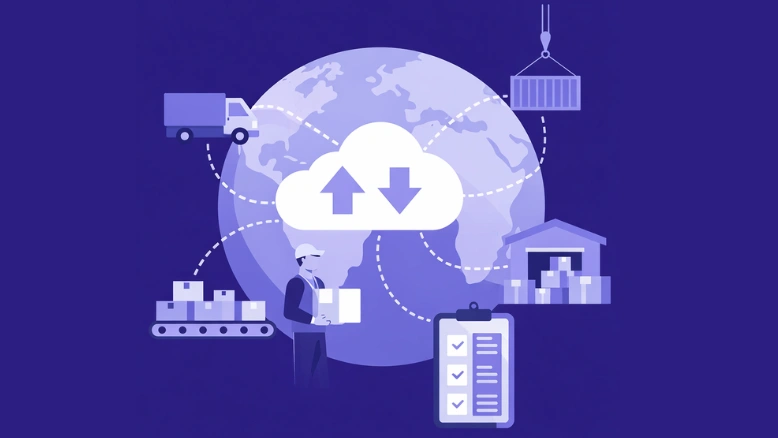
Manufacturing supply chains include many steps, such as sourcing raw materials, production, storage, transportation, and final delivery. Each of these steps depends on data being shared between different companies like suppliers, manufacturers, and distributors. In many cases, this data is stored in separate systems, which makes it difficult to maintain accuracy. This often leads to delays, missing information, and confusion between different parties involved in the process.
Key Takeaways
- Blockchain in manufacturing supply chains improves product traceability by recording each step of material movement in a shared ledger.[1]
- Manufacturing supply chains face delays due to disconnected systems, and blockchain helps reduce manual record errors through shared data updates.[2]
- Blockchain-based tracking improves transparency between suppliers, manufacturers, and distributors by giving a single version of transaction history. [3]
- Manufacturing and supply chain systems benefit from blockchain-based audit trails that help verify product origin and handling steps.
- Blockchain applications in supply chain management support faster recall processes by quickly identifying affected product batches. [4]
- Shared blockchain records help reduce disputes between partners by keeping all supply chain actions time-stamped and visible to participants.[5]
- Blockchain in supply chain improves compliance tracking by storing certification and inspection records in one system accessible to all parties. [6]
- Manufacturing supply chains using blockchain can improve coordination between multiple vendors by removing data mismatch issues. [7]
Introduction to Blockchain in Manufacturing Supply Chains
Manufacturing supply chains include many steps, such as sourcing raw materials, production, storage, transportation, and final delivery. Each of these steps depends on data being shared between different companies like suppliers, manufacturers, and distributors. In many cases, this data is stored in separate systems, which makes it difficult to maintain accuracy. This often leads to delays, missing information, and confusion between different parties involved in the process. To overcome these issues, many businesses are now adopting supply chain software development solutions that help connect systems and improve data flow across all stages of the supply chain.
Blockchain in manufacturing supply chains helps solve this issue by creating a shared record system where every transaction is stored in one place and cannot be changed later. This allows all participants in manufacturing and supply chain operations to access the same information at the same time, improving coordination and reducing errors.
Instead of depending on multiple disconnected systems, blockchain brings all supply chain updates into a single platform. This makes it easier to track materials, monitor product movement, and manage supplier activities more effectively across the entire supply chain.
How Blockchain Works in Manufacturing Supply Chains
Blockchain in supply chain systems works as a digital ledger shared across all participants.
1. Shared Data System
In traditional manufacturing supply chains, each participant often stores data in separate systems, which can lead to confusion and mismatched records. With blockchain, all participants add data to a single shared system that is accessible to everyone involved. This ensures that suppliers, manufacturers, and distributors are working with the same information. It reduces duplication of records and helps improve coordination across the entire manufacturing and supply chain process.
2. Time Stamped Records
Blockchain records every action in the supply chain with exact time details. This means each transaction, movement, or update is logged with a clear timeline. In manufacturing supply chains, this helps businesses track when a product was created, shipped, or delivered. It also makes it easier to identify delays or issues at specific stages. Time-stamped records improve accountability and provide a clear history of product movement across the supply chain.
3. Data Consistency
Once information is added to a blockchain system, it cannot be changed or removed. This helps maintain consistent data across manufacturing and supply chain networks. Businesses can trust that the records they see are accurate and have not been altered. This is especially important when dealing with supplier agreements, shipment records, and product details. Consistent data reduces disputes between parties and supports better decision-making.
4. Visibility Across Parties
Blockchain improves visibility by allowing all participants in manufacturing supply chains to access the same data at any time. Suppliers, manufacturers, and distributors do not need to rely on updates from separate systems. Instead, they can directly view product status, inventory levels, and transaction history. This shared visibility helps businesses respond faster to changes, reduce delays, and maintain better control over supply chain operations.
Recommended Reading:
Smart Manufacturing & Industry 4.0: Technology Adoption Guide
Key Use Cases of Blockchain in Manufacturing Supply Chains
Blockchain in manufacturing supply chains is used to improve how products move from the raw material stage to the final delivery. It helps different parties in manufacturing and supply chain systems share the same information without confusion.
1. Product Traceability in Manufacturing Supply Chains
Blockchain in manufacturing supply chains helps track a product from raw material to final delivery. Every step, such as sourcing, production, storage, and shipment, is recorded in a shared system. This makes it easy for companies to check where a product came from and how it moved across the supply chain. It also helps in identifying issues quickly, improving quality control, and handling product recalls in a more efficient way.
2. Supplier Coordination and Verification
Manufacturing supply chains involve multiple suppliers, and managing them can be complex. Blockchain helps by storing supplier details and transaction records in one system that all parties can access. This makes it easier to verify supplier identity and check their performance history. It reduces confusion caused by different data sources and helps manufacturers build stronger and more transparent relationships with their suppliers.
3. Inventory Tracking Across Supply Chain Systems
With blockchain in supply chain systems, inventory data is updated in real time and shared across all participants. This helps manufacturers and distributors keep accurate records of stock levels at different locations. It reduces the chances of overstocking or running out of materials. Better inventory tracking also improves planning, reduces storage costs, and supports smoother operations across manufacturing and supply chain networks.
4. Anti-Counterfeit Protection
Counterfeit products are a serious problem in global manufacturing supply chains. Blockchain helps solve this by recording the origin and movement of every product. Each item can be verified using its digital record, making it difficult for fake products to enter the supply chain. This protects both businesses and customers by ensuring that only genuine products reach the market.
5. Compliance and Certification Tracking
Manufacturing and supply chain processes often require approvals, certifications, and regulatory checks. Blockchain stores all these records in one place, making them easy to access and verify. This reduces the time spent on manual checks and helps companies stay compliant with industry standards. It also improves transparency, as all stakeholders can view and confirm certification details whenever needed.
Recommended Reading:
Limitations in Existing Manufacturing Supply Chain Systems
Many blogs on blockchain in manufacturing supply chains focus only on benefits and ignore real challenges in existing systems. A better understanding includes both sides.
1. Data Silos in Manufacturing and Supply Chain
Most manufacturing supply chains still use separate systems for suppliers, warehouses, and distributors. This creates gaps in communication.
2. Slow Manual Verification
In traditional supply chain systems, verification of documents takes time. Blockchain reduces this issue, but many companies still rely on manual steps.
3. Limited Visibility Across Networks
Manufacturing supply chains often lack full visibility. Companies cannot always track products beyond their immediate suppliers.
4. Integration Issues with Legacy Systems
Many manufacturing systems are old and difficult to connect with modern blockchain based supply chain solutions.
Blockchain Implementation Cost in Manufacturing Supply Chains
| Component | Estimated Cost Range | What It Covers |
|---|---|---|
| System Architecture Setup | $20,000 – $40,000 | Design of blockchain structure for manufacturing supply chain network |
| Smart Contract Development | $25,000 – $60,000 | Automation of supply chain actions like tracking, verification, and approvals |
| Integration with Existing Systems | $30,000 – $70,000 | Connecting ERP, warehouse, and supplier systems with a blockchain network |
| Data Tracking Layer | $15,000 – $35,000 | Real-time tracking of goods and materials across manufacturing supply chains |
| Security and Compliance Setup | $10,000 – $30,000 | Access control, encryption, and compliance validation for supply chain data |
| Ongoing Maintenance | $5,000 – $15,000 per month | Updates, monitoring, and performance improvements for the blockchain system |
Recommended Reading:
How Businesses Can Use Blockchain in Manufacturing Supply Chains
Many companies are now using blockchain in manufacturing supply chains to improve tracking and coordination. Instead of relying on separate systems, businesses can store supply chain data in one shared system that updates in real time. To make this possible, many organizations are also adopting supply chain software development solutions that help connect existing systems with blockchain platforms and improve overall data flow.
This helps reduce confusion between suppliers, manufacturers, and distributors. It also improves trust because every transaction is recorded and cannot be changed later. Businesses can also identify issues faster and improve product movement across manufacturing and supply chain networks.
Key Benefits of Blockchain in Supply Chain Applications
- Better tracking of materials across manufacturing supply chains
- Improved coordination between suppliers and manufacturers
- Faster identification of product issues
- Reduced dependency on manual record keeping
- Improved visibility across global supply chain networks
Challenges in Manufacturing and Supply Chain Adoption
- Many companies still use older systems that are hard to connect to
- Different suppliers may use different data formats
- Initial setup can require time and planning
- Some organizations lack the technical knowledge for blockchain adoption
Build Your Blockchain in Manufacturing Supply Chains Solution
We help businesses design blockchain-based systems that improve transparency, tracking, and coordination across manufacturing supply chains. Our solutions support real time data sharing, better supplier management, and improved product traceability.
Final Thoughts
Blockchain in manufacturing supply chains is changing how companies manage product tracking, supplier coordination, and data sharing. Instead of relying on separate systems, businesses can use one shared system that records every step of the supply chain process. This helps improve transparency and reduce errors across manufacturing and supply chain operations.
As more companies adopt digital systems, blockchain applications in supply chain management will continue to grow. It is becoming an important part of how modern manufacturing and supply chain networks operate, especially for companies that want better control and visibility over their processes.
Frequently Asked Questions
Q1.What is blockchain in manufacturing supply chains?
Blockchain in manufacturing supply chains is a digital system that records every transaction and movement of goods in a shared and secure ledger. This ledger cannot be changed or deleted, which ensures data accuracy, improves traceability, and helps all supply chain participants access reliable information in real time.
Q2.How does blockchain improve manufacturing supply chains?
Blockchain improves manufacturing supply chains by increasing transparency, reducing manual errors, and enabling real-time tracking of products. It allows manufacturers, suppliers, and distributors to share the same data source, which reduces miscommunication, improves coordination, and helps businesses respond faster to delays or quality related issues.
Q3.Where is blockchain used in supply chain management?
Blockchain is widely used in supply chain management for product tracking, supplier verification, inventory monitoring, and logistics optimization. It helps businesses confirm product origin, track shipments across borders, and maintain accurate records at every stage, making supply chain operations more reliable and efficient.
Q4.Can blockchain reduce fraud in supply chains?
Yes, blockchain significantly reduces fraud in supply chains by creating a transparent and tamper proof record of all transactions. It helps verify the authenticity of products, prevents counterfeit goods from entering the system, and ensures that every step of the supply chain is traceable and accountable.
Q5.Is blockchain expensive for manufacturing companies?
The cost of implementing blockchain in manufacturing companies depends on project size, complexity, and integration requirements. While initial setup may require investment, many businesses find long term savings through reduced errors, improved efficiency, and better supply chain visibility, making it a cost effective solution over time.
Q6.Why is blockchain important for manufacturing and supply chain systems?
Blockchain is important because it improves data accuracy, builds trust among supply chain partners, and enhances overall operational efficiency. It allows manufacturers to track products in real time, reduce delays, prevent fraud, and maintain a transparent system that supports better decision making across global supply chain networks.
Explore Services
Related Services
Reviewed by

Aman Vaths
Founder of Nadcab Labs
Aman Vaths is the Founder & CTO of Nadcab Labs, a global digital engineering company delivering enterprise-grade solutions across AI, Web3, Blockchain, Big Data, Cloud, Cybersecurity, and Modern Application Development. With deep technical leadership and product innovation experience, Aman has positioned Nadcab Labs as one of the most advanced engineering companies driving the next era of intelligent, secure, and scalable software systems. Under his leadership, Nadcab Labs has built 2,000+ global projects across sectors including fintech, banking, healthcare, real estate, logistics, gaming, manufacturing, and next-generation DePIN networks. Aman’s strength lies in architecting high-performance systems, end-to-end platform engineering, and designing enterprise solutions that operate at global scale.