Ai Overview
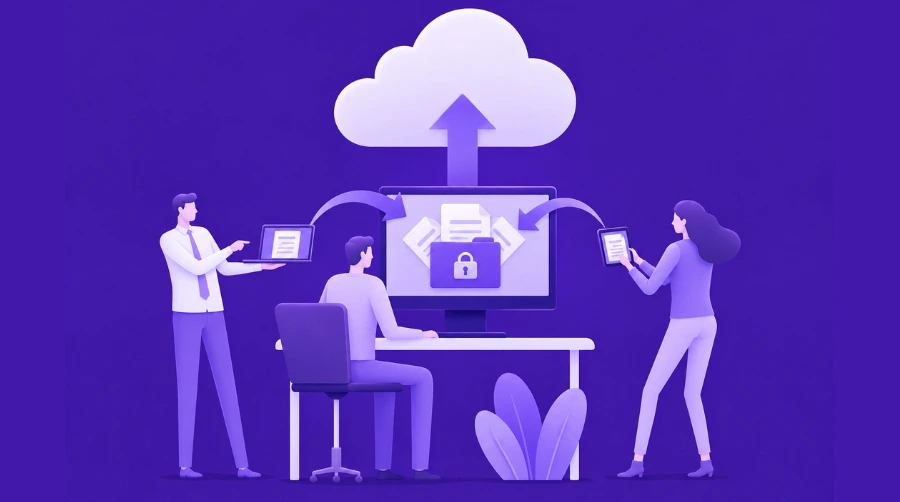
Cloud security monitoring has emerged as a critical necessity for organizations navigating the complexities of modern digital infrastructure. The integration of AI in cloud security monitoring has reduced false positive rates by up to 90% while simultaneously improving detection accuracy for advanced persistent threats. The financial implications of non-compliance remain significant, with GDPR violations potentially resulting in fines up to 4% of global annual revenue.
Key Takeaways
- ✓ Cloud security monitoring provides continuous visibility into threats, vulnerabilities, and compliance violations across dynamic cloud infrastructure environments worldwide.
- ✓ Real-time threat detection capabilities enable organizations to identify and respond to security incidents within seconds rather than hours or days.
- ✓ Automated compliance monitoring ensures adherence to regulatory frameworks including GDPR, HIPAA, PCI DSS, and regional standards across USA, UK, UAE, and Canada.
- ✓ Multi-cloud security monitoring platforms aggregate data from AWS, Azure, Google Cloud, and other providers into unified dashboards for comprehensive oversight.
- ✓ AI-powered analytics enhance detection accuracy by identifying sophisticated attack patterns and reducing false positive alerts significantly through behavioral analysis.
- ✓ Cloud security management reduces operational costs through automated incident response, efficient resource allocation, and prevention of expensive security breaches.
- ✓ Enterprises leverage cloud monitoring and security solutions to protect sensitive customer data, intellectual property, and maintain business continuity effectively.
- ✓ Best practices include implementing zero-trust architecture, enabling comprehensive logging, and establishing automated alert mechanisms for critical security events.
- ✓ Cloud infrastructure security monitoring addresses unique challenges including shared responsibility models, dynamic resource scaling, and distributed architectural complexity effectively.
- ✓ Future trends indicate increasing adoption of autonomous security operations, predictive threat intelligence, and quantum-resistant encryption within cloud monitoring platforms.
Introduction to Cloud Security Monitoring
Cloud security monitoring has emerged as a critical necessity for organizations navigating the complexities of modern digital infrastructure. As businesses across USA, UK, UAE, and Canada increasingly migrate their operations to cloud platforms, the need for robust security oversight intensifies. With our 8+ years of specialized experience in cloud security management, we have witnessed firsthand the transformation from traditional perimeter-based security models to sophisticated, continuous monitoring frameworks. The cloud environment presents unique challenges including dynamic resource allocation, shared responsibility models, and distributed architectures that demand specialized security approaches. Organizations require comprehensive cloud security solutions that provide real-time visibility into threats while maintaining operational efficiency.
The global cloud security market continues expanding rapidly as enterprises recognize that traditional security measures prove insufficient for cloud infrastructure security requirements. Cloud security monitoring tools have evolved from basic log aggregation systems to intelligent platforms incorporating artificial intelligence, machine learning, and advanced behavioral analytics. These solutions address critical concerns including data breaches, compliance violations, insider threats, and sophisticated cyberattacks targeting cloud environments. Organizations implementing effective cloud threat detection strategies report significant reductions in security incidents, faster incident response times, and improved compliance posture across multiple regulatory frameworks.
What Is Cloud Security Monitoring?
Cloud security monitoring represents a comprehensive approach to continuously observing, analyzing, and managing security events occurring within cloud computing environments. This process involves collecting data from multiple sources including network traffic, application logs, user activities, system configurations, and API calls across the entire cloud infrastructure. The monitoring system employs sophisticated algorithms and threat intelligence databases to identify anomalies, suspicious patterns, and potential security breaches in real-time. Organizations utilize cloud security monitoring tools to maintain visibility into their security posture while ensuring compliance with regulatory requirements and industry standards.[1]
The fundamental principle behind what is cloud security monitoring involves creating a unified security view across distributed cloud resources. Modern monitoring platforms integrate seamlessly with infrastructure-as-a-service (IaaS), platform-as-a-service (PaaS), and software-as-a-service (SaaS) offerings from various cloud providers. Similar trends can also be observed in the alarm monitoring central stations software market, where centralized platforms are becoming increasingly important for monitoring and operational efficiency. These systems collect telemetry data continuously, correlate events across different services, and apply advanced analytics to distinguish between legitimate activities and potential threats. Cloud security solutions incorporate automated response mechanisms that can quarantine suspicious resources, revoke unauthorized access, and trigger incident response workflows without human intervention. This level of automation proves essential given the scale and complexity of contemporary cloud deployments where manual monitoring becomes impractical.
Real-World Example
A multinational financial institution operating across USA and UK implemented cloud security monitoring to protect customer transaction data. The system detected an unusual API access pattern at 2 AM from an unfamiliar geographic location, automatically triggered multi-factor authentication verification, and alerted the security team. Investigation revealed a compromised employee credential being exploited for potential data exfiltration. The incident was contained within 8 minutes, preventing a potential breach affecting millions of customer records.
Why Cloud Security Monitoring Matters?
The importance of cloud security monitoring cannot be overstated in an era where cyber threats evolve constantly and attack surfaces expand exponentially. Organizations face increasingly sophisticated adversaries employing advanced persistent threats, zero-day exploits, and social engineering tactics specifically designed to compromise cloud infrastructure. Without continuous monitoring, security teams operate blindly, discovering breaches only after significant damage occurs. Research indicates that the average time to detect a security breach exceeds 200 days in environments lacking proper monitoring capabilities. This extended exposure period allows attackers to establish persistence, move laterally through systems, and exfiltrate valuable data undetected.
Cloud security monitoring tools provide the visibility necessary to identify threats at their earliest stages, often before they materialize into actual breaches. The dynamic nature of cloud environments where resources spin up and down automatically creates unique security challenges that traditional approaches cannot address effectively, highlighting the need for an integrated commercial security system that combines digital and physical security oversight. Misconfigurations represent one of the leading causes of cloud security incidents, with exposed storage buckets, overly permissive access controls, and insecure API endpoints frequently exploited by malicious actors. Real-time cloud security monitoring detects these vulnerabilities immediately upon creation, enabling rapid remediation before exploitation occurs. Furthermore, regulatory compliance requirements in USA, UK, UAE, and Canada mandate continuous security monitoring with detailed audit trails demonstrating due diligence in protecting sensitive information.
Critical Reasons for Cloud Security Monitoring
Threat Detection
Identifies malicious activities, unauthorized access attempts, and suspicious behaviors across cloud infrastructure before significant damage occurs.
Compliance Assurance
Maintains adherence to regulatory requirements through automated monitoring, detailed logging, and comprehensive audit trails for all security events.
Cost Optimization
Prevents expensive security breaches while optimizing resource utilization through intelligent monitoring that identifies inefficiencies and unnecessary exposures.
Operational Visibility
Provides comprehensive insights into cloud infrastructure security posture, enabling informed decision-making and proactive risk management strategies.
How Cloud Security Monitoring Works?
Understanding how cloud security monitoring works requires examining the sophisticated technological frameworks and processes underlying these systems. The monitoring process begins with comprehensive data collection across all cloud resources including virtual machines, containers, serverless functions, databases, storage systems, and network components. Cloud security monitoring tools deploy lightweight agents on monitored resources or leverage agentless approaches using API integrations with cloud provider platforms. These collection mechanisms gather logs, metrics, network flows, configuration snapshots, and user activity records continuously, creating a detailed record of all events occurring within the cloud environment.
Once collected, the data undergoes normalization and enrichment processes that standardize formats across different sources and add contextual information enhancing analysis capabilities. The normalized data flows into correlation engines that apply complex algorithms identifying relationships between seemingly disparate events. These engines utilize threat intelligence feeds containing information about known malicious IP addresses, domain names, file hashes, and attack patterns observed globally. Machine learning models trained on historical data and known attack signatures analyze the correlated events, assigning risk scores based on deviation from established baselines and similarity to known threats. When the system detects activities exceeding predefined risk thresholds, it triggers automated alerts notifying security teams and initiating response workflows.
Key Components of Cloud Security Monitoring
Effective cloud security management relies on several interconnected components working harmoniously to provide comprehensive protection. Log management systems serve as the foundation, collecting security logs from diverse sources including operating systems, applications, databases, network devices, and cloud services. These systems must handle massive volumes of data, often processing millions of events per second across distributed environments. Security information and event management (SIEM) platforms aggregate these logs, providing centralized visibility and advanced correlation capabilities. Modern SIEM solutions incorporate machine learning algorithms that continuously learn from historical patterns, improving detection accuracy over time while reducing false positives that plague traditional rule-based systems.
Identity and access management (IAM) monitoring represents another critical component, tracking user authentication events, permission changes, and access patterns across cloud resources. This component detects credential compromise, privilege escalation attempts, and unauthorized access to sensitive data. Network security monitoring analyzes traffic flows between cloud resources, identifying data exfiltration attempts, lateral movement patterns, and command-and-control communications. Cloud security posture management (CSPM) tools continuously assess cloud configurations against security best practices and compliance requirements, automatically identifying misconfigurations that create vulnerabilities. Vulnerability management components scan cloud workloads for known security weaknesses, prioritizing remediation based on exploitability and potential impact. These components integrate seamlessly, sharing threat intelligence and coordinating responses to provide layered defense strategies protecting cloud infrastructure security comprehensively.
Common Cloud Security Threats
Organizations leveraging cloud infrastructure face diverse security threats requiring constant vigilance and sophisticated detection capabilities. Data breaches remain the most significant concern, with attackers targeting cloud storage systems, databases, and application programming interfaces to access sensitive information. Misconfigurations continue causing the majority of cloud security incidents, with exposed storage buckets, overly permissive firewall rules, and insecure API endpoints providing easy entry points for malicious actors. Insider threats pose unique challenges as authorized users exploit legitimate access credentials to exfiltrate data or sabotage systems. Account hijacking through credential theft, phishing campaigns, or brute-force attacks enables attackers to masquerade as legitimate users while conducting malicious activities.
Advanced persistent threats (APT) represent sophisticated, long-term intrusions where attackers establish persistence within cloud environments, moving laterally through systems while avoiding detection. Distributed denial-of-service (DDoS) attacks overwhelm cloud resources, disrupting service availability and potentially masking concurrent data theft operations. Cryptojacking exploits cloud computing resources to mine cryptocurrency without authorization, inflating operational costs while degrading performance. Supply chain attacks compromise cloud service dependencies including third-party libraries, container images, and software packages, introducing malicious code into trusted environments. Cloud threat detection systems must identify these diverse threats rapidly, correlating indicators across multiple data sources to distinguish genuine attacks from normal operational activities across USA, UK, UAE, and Canada markets.
| Threat Type | Description | Impact Level |
|---|---|---|
| Data Breaches | Unauthorized access to sensitive information through compromised credentials or vulnerabilities | Critical |
| Misconfigurations | Improperly configured cloud resources exposing systems to unauthorized access | High |
| Insider Threats | Malicious or negligent actions by authorized users exploiting legitimate access | High |
| Account Hijacking | Unauthorized access through stolen or compromised user credentials | Critical |
| DDoS Attacks | Overwhelming resources to disrupt service availability and operations | Medium |
| Cryptojacking | Unauthorized use of cloud resources for cryptocurrency mining operations | Medium |
Cloud vs Traditional Security Monitoring
The fundamental differences between cloud and traditional security monitoring reflect the architectural paradigm shift from fixed infrastructure to dynamic, distributed environments. Traditional security monitoring operates within well-defined network perimeters where security teams control physical infrastructure, network boundaries remain relatively static, and monitoring tools focus primarily on network traffic analysis. These conventional approaches assume stable environments with predictable resource allocation and centralized security management. However, cloud security monitoring must adapt to ephemeral resources that scale automatically based on demand, distributed architectures spanning multiple geographic regions, and shared responsibility models where cloud providers manage underlying infrastructure while customers secure applications and data.
Cloud security monitoring tools employ API-based data collection rather than network taps, accommodating the software-defined nature of cloud infrastructure. These systems must monitor containerized applications, serverless functions, and microservices architectures that traditional tools cannot effectively observe. The velocity of change in cloud environments exceeds traditional infrastructure by orders of magnitude, requiring monitoring systems that detect, analyze, and respond to security events in real-time without manual intervention. Cloud monitoring and security platforms provide unified visibility across multi-cloud deployments, normalizing data from AWS, Azure, Google Cloud, and other providers into coherent security views. This comprehensive approach addresses the complexity that organizations in USA, UK, UAE, and Canada encounter when managing security across heterogeneous cloud environments.
| Aspect | Traditional Monitoring | Cloud Security Monitoring |
|---|---|---|
| Infrastructure | Fixed, on-premises hardware with static configurations | Dynamic, virtual resources scaling automatically |
| Data Collection | Network taps and physical agents | API integrations and agentless monitoring |
| Scalability | Limited by physical hardware capacity | Unlimited horizontal scaling capabilities |
| Response Speed | Manual intervention required for most incidents | Automated responses within seconds |
| Visibility Scope | Limited to network perimeter boundaries | Comprehensive across distributed environments |
Real-Time Threat Detection and Incident Response
Real-time cloud security monitoring represents a paradigm shift from reactive to proactive security operations, enabling organizations to detect and neutralize threats within seconds of occurrence. Advanced cloud security monitoring tools continuously analyze streaming data from millions of events per second, applying sophisticated algorithms that distinguish between legitimate activities and potential security incidents. These systems leverage behavioral analytics that establish baselines for normal operations across users, applications, and infrastructure components. Any deviation from these established patterns triggers immediate investigation, regardless of whether the activity matches known attack signatures. This approach proves particularly effective against zero-day exploits and sophisticated attacks specifically crafted to evade traditional detection mechanisms.
Incident response capabilities integrated within cloud security solutions enable automated containment actions that prevent threats from spreading across infrastructure. Upon detecting suspicious activities, the system can automatically isolate affected resources, revoke compromised credentials, block malicious IP addresses, and trigger predefined remediation workflows. Security orchestration, automation, and response (SOAR) platforms coordinate these actions across multiple security tools, ensuring consistent response procedures regardless of threat type or affected systems. The integration of threat intelligence feeds provides context about emerging threats, attack techniques, and indicators of compromise observed globally. Organizations implementing real-time cloud security monitoring report dramatic reductions in mean time to detect (MTTD) and mean time to respond (MTTR), often containing incidents before they escalate into full-scale breaches affecting operations across USA, UK, UAE, and Canada.
Industry Standard
Leading cybersecurity frameworks including NIST, ISO 27001, and CIS Controls mandate continuous security monitoring with automated incident response capabilities. Organizations must demonstrate their ability to detect security events in real-time and respond effectively within defined timeframes to maintain compliance certifications and regulatory approval across international markets.
AI in Cloud Security Monitoring
Artificial intelligence and machine learning have revolutionized cloud security monitoring, enabling capabilities that surpass human analytical capacity by orders of magnitude. Modern cloud security monitoring tools employ deep learning algorithms that analyze vast datasets identifying subtle patterns indicative of security threats. These AI systems continuously learn from new data, adapting detection models to emerging attack techniques without requiring manual rule updates. Natural language processing analyzes unstructured security logs, extracting meaningful insights from textual data that traditional parsing methods miss. Anomaly detection algorithms establish dynamic baselines that account for legitimate variations in user behavior, application performance, and infrastructure utilization while flagging truly suspicious deviations requiring investigation.
Predictive analytics powered by machine learning forecast potential security incidents before they occur, analyzing threat trends, vulnerability data, and attack patterns to identify high-risk scenarios. These systems prioritize security alerts intelligently, reducing alert fatigue by suppressing false positives and highlighting genuine threats requiring immediate attention. AI-driven threat hunting capabilities proactively search for indicators of compromise that automated detection systems might overlook, simulating adversarial thinking patterns to uncover sophisticated threats. The integration of AI in cloud security monitoring has reduced false positive rates by up to 90% while simultaneously improving detection accuracy for advanced persistent threats. Organizations leveraging AI-enhanced cloud security management report significant improvements in security operations efficiency, enabling smaller teams to protect larger, more complex cloud infrastructure security deployments effectively.
AI Capabilities in Cloud Security
Behavioral Analysis
Establishes normal activity patterns and detects anomalous behaviors indicating potential security threats across cloud infrastructure.
Predictive Intelligence
Forecasts potential security incidents before occurrence by analyzing threat trends and vulnerability patterns proactively.
Automated Threat Hunting
Proactively searches for hidden threats and indicators of compromise that conventional detection systems might overlook.
Alert Prioritization
Intelligently ranks security alerts reducing false positives while highlighting genuine threats requiring immediate attention.
Compliance and Regulatory Requirements in Cloud Environments
Cloud security compliance represents a critical driver for implementing comprehensive monitoring solutions, with regulatory frameworks increasingly mandating continuous security oversight. Organizations operating in USA must comply with standards including HIPAA for healthcare data, PCI DSS for payment card information, and SOC 2 for service organization controls. UK businesses face GDPR requirements protecting personal data with stringent breach notification timelines and substantial penalties for non-compliance. UAE regulations including the Data Protection Law and Critical Infrastructure requirements impose specific security monitoring obligations on organizations handling sensitive information. Canadian privacy legislation including PIPEDA establishes clear expectations for data protection and breach response capabilities.
Cloud security monitoring tools facilitate compliance by maintaining comprehensive audit trails documenting all security events, configuration changes, and access activities. These detailed logs prove essential during regulatory audits, demonstrating due diligence in protecting sensitive information and responding to security incidents appropriately. Automated compliance reporting features generate documentation required by various frameworks, reducing manual effort while ensuring accuracy and completeness. Continuous compliance monitoring detects violations immediately upon occurrence, enabling rapid remediation before regulators identify issues during periodic assessments. The financial implications of non-compliance remain significant, with GDPR violations potentially resulting in fines up to 4% of global annual revenue. Organizations implementing robust cloud security compliance monitoring report improved audit outcomes, reduced compliance costs, and enhanced stakeholder confidence in their data protection capabilities.
Key Benefits of Cloud Security Monitoring
The benefits of cloud security monitoring extend far beyond basic threat detection, delivering comprehensive value that transforms organizational security posture. Enhanced visibility represents the foundational benefit, providing security teams with real-time insights into all activities occurring across cloud infrastructure. This transparency enables informed decision-making about security investments, risk prioritization, and resource allocation. Improved threat detection capabilities identify security incidents at their earliest stages, often before they manifest into actual breaches causing damage. Organizations report detection time reductions from hours or days to seconds or minutes when implementing advanced cloud security monitoring tools, enabling rapid containment that prevents incident escalation.
Cost optimization emerges as a significant benefit, with cloud security solutions identifying inefficient resource utilization, unnecessary exposures, and potential compliance violations before they result in financial penalties. Automated incident response reduces operational overhead by eliminating manual intervention for routine security events, allowing security personnel to focus on strategic initiatives rather than repetitive tasks. Scalability advantages ensure monitoring capabilities grow seamlessly with business expansion without requiring proportional increases in security staff or infrastructure investments. Enhanced compliance posture simplifies regulatory adherence through automated documentation, continuous assessment, and comprehensive audit trails. Organizations in USA, UK, UAE, and Canada implementing comprehensive cloud monitoring and security solutions report improved customer trust, reduced insurance premiums, and competitive advantages derived from demonstrable security commitments. Similar benefits can be achieved through professionally managed Commercial Security Solutions in Hialeah, Florida that help businesses enhance their overall security posture. The benefits of cloud security monitoring compound over time as systems learn from historical data, continuously improving detection accuracy and operational efficiency.
Monitoring Multi-Cloud Environments
Cloud security monitoring for multi-cloud environments addresses the complexity organizations encounter when deploying workloads across multiple cloud providers simultaneously. Most enterprises utilize services from AWS, Microsoft Azure, Google Cloud Platform, and specialized providers, creating heterogeneous environments with diverse security models, APIs, and management interfaces. Managing security consistently across these disparate platforms presents significant challenges without unified monitoring solutions. Each cloud provider implements different security controls, logging formats, and compliance frameworks requiring specialized knowledge and tools. Organizations struggle to maintain comprehensive visibility when security data remains siloed within individual cloud platforms, creating blind spots that attackers exploit.
Modern cloud security monitoring tools provide unified platforms that aggregate security data from all cloud environments into centralized dashboards offering holistic visibility. These solutions employ standardized connectors and APIs that automatically discover cloud resources regardless of provider, continuously monitoring for security events, configuration changes, and compliance violations. Advanced correlation engines identify attack patterns spanning multiple cloud platforms, detecting sophisticated threats that might appear innocuous when viewed in isolation. Unified policy management ensures consistent security controls apply across all cloud environments, preventing configuration drift that creates vulnerabilities. Organizations implementing comprehensive multi-cloud monitoring report improved security posture, reduced operational complexity, and enhanced ability to enforce corporate security policies uniformly across their entire cloud infrastructure security landscape in USA, UK, UAE, and Canada markets.
Risk Warning
Organizations operating multi-cloud environments without unified security monitoring face elevated risks including inconsistent security policies, delayed threat detection, compliance violations, and increased operational costs. Security teams managing disparate tools across multiple platforms experience alert fatigue, missed threats, and inefficient incident response that compromises overall security effectiveness.
Cloud Security Monitoring Use Cases
Cloud security monitoring use cases span diverse industries and scenarios, demonstrating the technology’s versatility in addressing specific security challenges. Financial services organizations leverage monitoring solutions to protect sensitive customer financial data, detect fraudulent transactions in real-time, and maintain compliance with banking regulations including PCI DSS and SOX. Healthcare providers implement cloud security monitoring for enterprises to safeguard protected health information (PHI), ensure HIPAA compliance, and prevent unauthorized access to electronic medical records. E-commerce platforms utilize monitoring capabilities to protect payment card data, detect account takeover attempts, and prevent fraudulent transactions affecting customer trust and revenue.
Government agencies employ cloud security monitoring to protect classified information, detect nation-state attacks, and ensure compliance with frameworks like FedRAMP and FISMA. Technology companies utilize monitoring solutions to protect intellectual property, detect insider threats, and secure software supply chains against compromise. Cloud security monitoring use cases extend to securing remote workforce access as organizations enable employees to work from anywhere while maintaining security controls. DevOps teams integrate security monitoring into CI/CD pipelines, implementing continuous security validation throughout software lifecycles. Enterprises leverage monitoring for cloud cost optimization, identifying unused resources, excessive permissions, and security inefficiencies that inflate operational expenses. These diverse cloud security monitoring use cases demonstrate the technology’s adaptability to specific organizational requirements across USA, UK, UAE, and Canada markets, providing tailored solutions addressing unique security challenges effectively.
Industry-Specific Cloud Security Use Cases
Financial Services
Protecting customer financial data, detecting fraud, and maintaining compliance with banking regulations including PCI DSS.
Healthcare
Safeguarding protected health information, ensuring HIPAA compliance, and preventing unauthorized medical record access.
E-Commerce
Securing payment processing, detecting account takeovers, and preventing fraudulent transactions affecting customer trust.
Government
Protecting classified information, defending against nation-state attacks, and ensuring FedRAMP compliance requirements.
Challenges in Cloud Security Monitoring
Organizations implementing cloud security monitoring encounter several significant challenges that must be addressed for successful outcomes. Data volume represents a primary challenge, with cloud environments generating millions of security events per second across distributed infrastructure. Processing, analyzing, and storing this massive data stream requires substantial computational resources and sophisticated algorithms distinguishing meaningful signals from noise. Alert fatigue affects security teams overwhelmed by excessive notifications, many representing false positives that diminish analyst effectiveness and delay responses to genuine threats. Organizations struggle balancing sensitivity settings, risking either missing critical threats or drowning in irrelevant alerts.
Skills shortages plague organizations seeking qualified security professionals with specialized cloud security monitoring expertise. The rapid evolution of cloud technologies outpaces traditional training programs, creating gaps between required and available skills. Integration complexity emerges when connecting monitoring tools with existing security infrastructure, enterprise applications, and legacy systems. Organizations operating hybrid environments spanning on-premises and cloud infrastructure face unique challenges maintaining consistent security visibility across both domains. Cloud security risk management becomes complicated by shared responsibility models where security obligations divide between cloud providers and customers, creating potential gaps in coverage. Cost management challenges arise as monitoring systems scale, with organizations balancing comprehensive visibility against budget constraints. Addressing these challenges requires strategic planning, appropriate tool selection, and ongoing investment in security team capabilities across USA, UK, UAE, and Canada operations.
Process Principle
Successful cloud security monitoring implementations follow a phased approach beginning with clear objective definition, comprehensive current state assessment, appropriate tool selection, pilot program execution, and gradual scaling. Organizations must establish governance frameworks defining roles, responsibilities, and escalation procedures before deploying monitoring solutions to ensure effective utilization and sustainable operations.
Best Practices for Cloud Security Monitoring
Implementing cloud security best practices ensures monitoring solutions deliver maximum value while minimizing operational overhead and false positives. Organizations should begin by defining clear security objectives aligned with business goals, regulatory requirements, and risk tolerance levels. Comprehensive logging must be enabled across all cloud resources, applications, and services, capturing sufficient detail for forensic analysis without overwhelming storage capacity. Implementing centralized log management consolidates security data from diverse sources into unified repositories enabling efficient analysis and correlation. Security teams should establish baseline behaviors for normal operations, facilitating anomaly detection that identifies suspicious deviations requiring investigation.
Automated alerting mechanisms should be configured with appropriate thresholds balancing detection sensitivity against false positive generation. Regular tuning based on operational experience improves alert quality over time, reducing analyst fatigue while maintaining threat detection effectiveness. Integration with incident response workflows ensures detected threats trigger appropriate remediation actions automatically without manual intervention delays. Regular security assessments including penetration testing and red team exercises validate monitoring effectiveness, identifying blind spots and coverage gaps requiring attention. Security teams should implement continuous training programs keeping personnel updated on emerging threats, new attack techniques, and evolving cloud security best practices. Documentation of security policies, procedures, and playbooks ensures consistent incident handling regardless of which team members respond. These cloud security best practices create robust monitoring frameworks protecting organizations effectively across USA, UK, UAE, and Canada markets.
Monitoring Tool Selection Criteria
Scalability
Ensure the solution handles current data volumes while accommodating future growth without performance degradation or architectural limitations.
Integration Capabilities
Verify compatibility with existing security tools, cloud platforms, and enterprise systems through native integrations or standard APIs.
Advanced Analytics
Evaluate AI and machine learning capabilities for behavioral analysis, anomaly detection, and automated threat hunting functionalities.
Future of Cloud Security Monitoring
The future of cloud security monitoring points toward increasingly autonomous systems requiring minimal human intervention while delivering superior threat detection capabilities. Artificial intelligence will evolve beyond current pattern recognition to predictive security models anticipating attacks before they occur based on global threat intelligence and behavioral trends. Quantum computing presents both opportunities and challenges, with quantum-resistant encryption becoming essential as quantum computers potentially break current cryptographic standards. Cloud security monitoring tools will integrate quantum-safe algorithms protecting data against future quantum computing threats while leveraging quantum computing power for enhanced analytics capabilities.
Edge computing adoption will necessitate distributed security monitoring architectures processing security data closer to sources rather than centralizing everything in cloud data centers. Zero-trust security models will become standard, with continuous verification replacing perimeter-based security approaches. Automated security orchestration will expand, enabling self-healing systems that detect, analyze, and remediate threats without human oversight for most routine incidents. Blockchain technology may provide immutable audit trails enhancing compliance documentation and preventing security log tampering. Extended detection and response (XDR) platforms will unify security monitoring across endpoints, networks, clouds, and applications providing holistic threat visibility. Organizations in USA, UK, UAE, and Canada should prepare for these advancements by building flexible security architectures accommodating emerging technologies while maintaining robust protection against evolving threats targeting cloud infrastructure security.
Industry Standard
Leading industry analysts predict that by 2027, over 80% of enterprises will implement AI-driven autonomous security operations centers (SOC) for cloud environments. Organizations adopting these advanced capabilities early will gain significant competitive advantages through reduced security incidents, lower operational costs, and enhanced ability to respond to sophisticated threats targeting cloud infrastructure.
Final Thoughts
Cloud security monitoring has evolved from optional luxury to essential requirement for organizations leveraging cloud infrastructure across modern digital ecosystems. The comprehensive exploration of what is cloud security monitoring, its operational mechanisms, key components, and practical applications demonstrates the technology’s critical role protecting sensitive data, ensuring regulatory compliance, and maintaining business continuity. Organizations implementing robust cloud security solutions gain significant advantages including enhanced threat detection, improved incident response capabilities, cost optimization, and strengthened compliance posture. The benefits of cloud security monitoring compound over time as systems mature, continuously learning from historical patterns while adapting to emerging threats.
As cyber threats continue evolving in sophistication and frequency, the importance of comprehensive cloud security monitoring intensifies. Organizations across USA, UK, UAE, and Canada must prioritize security monitoring implementations, following established cloud security best practices while preparing for future technological advancements. The integration of artificial intelligence, machine learning, and automated response capabilities transforms security operations from reactive to proactive paradigms. Success requires strategic planning, appropriate tool selection, skilled personnel, and ongoing commitment to continuous improvement. Organizations embracing comprehensive cloud security monitoring position themselves advantageously in competitive markets where data protection, regulatory compliance, and customer trust represent fundamental business differentiators determining long-term sustainability and growth potential in the digital economy.
Secure Your Cloud Infrastructure Today
Partner with our experienced team to implement comprehensive cloud security monitoring solutions protecting your business assets, ensuring compliance, and delivering peace of mind.
Frequently Asked Questions
Q1.What is cloud security monitoring and why is it important?
Cloud security monitoring is the continuous process of tracking, analyzing, and managing security events across cloud infrastructure to detect threats, vulnerabilities, and compliance violations in real-time. It involves automated tools and technologies that observe network traffic, user activities, application behaviors, and system configurations within cloud environments. This practice is crucial because cloud infrastructures face unique security challenges including multi-tenancy risks, shared responsibility models, and dynamic resource allocation. Organizations in USA, UK, UAE, and Canada rely on comprehensive monitoring to protect sensitive data, maintain regulatory compliance, prevent unauthorized access, and ensure business continuity. With cyber threats evolving rapidly, cloud security monitoring provides the visibility and control needed to safeguard digital assets effectively.
Q2.How does cloud security monitoring differ from traditional security monitoring?
Cloud security monitoring differs fundamentally from traditional security approaches in scalability, flexibility, and operational methodology. Traditional monitoring focuses on fixed, on-premises infrastructure with predictable network boundaries, while cloud monitoring must adapt to dynamic, distributed environments where resources scale automatically. Cloud security solutions employ API-based monitoring, serverless architectures, and containerized applications that traditional tools cannot effectively manage. The shared responsibility model in cloud environments requires monitoring both provider-managed infrastructure and customer-managed applications. Cloud monitoring leverages advanced automation, machine learning algorithms, and centralized dashboards to handle the complexity of multi-cloud and hybrid deployments. Additionally, cloud security monitoring provides real-time threat intelligence integration, automated incident response capabilities, and compliance reporting features specifically designed for cloud architectures.
Q3.What are the key benefits of implementing cloud security monitoring?
Cloud security monitoring delivers transformative benefits including enhanced threat detection capabilities that identify anomalies within seconds rather than hours. Organizations experience improved compliance management through automated audit trails and reporting mechanisms that satisfy regulations like GDPR, HIPAA, and PCI DSS. Cost optimization occurs through efficient resource allocation and prevention of security incidents that could result in financial losses. Real-time visibility across entire cloud infrastructure enables proactive risk management and faster incident response times. Scalability advantages allow monitoring systems to grow seamlessly with business expansion without significant infrastructure investments. Enhanced collaboration features enable security teams to coordinate responses effectively across geographical locations. Businesses in USA, UK, UAE, and Canada report reduced operational overhead, minimized downtime, and strengthened customer trust as direct outcomes of comprehensive cloud security monitoring implementations.
Q4.What cloud security threats can monitoring tools detect?
Cloud security monitoring tools detect diverse threats including unauthorized access attempts, data exfiltration activities, malware infections, and insider threats. They identify configuration vulnerabilities such as misconfigured storage buckets, exposed databases, and overly permissive access controls that cybercriminals commonly exploit. Advanced monitoring systems recognize sophisticated attacks like distributed denial-of-service (DDoS), cryptojacking operations, and advanced persistent threats (APT) targeting cloud infrastructure. They detect compliance violations, suspicious API calls, privilege escalation attempts, and lateral movement patterns indicative of ongoing breaches. Real-time cloud security monitoring also identifies zero-day vulnerabilities, supply chain attacks, and compromised credentials before significant damage occurs. Machine learning-powered systems can distinguish between legitimate user behavior and potential security incidents, reducing false positives while maintaining high detection accuracy across complex multi-cloud environments.
Q5.How does cloud security monitoring work in multi-cloud environments?
Cloud security monitoring for multi-cloud environments employs unified platforms that aggregate security data from multiple cloud providers including AWS, Azure, Google Cloud, and others. These solutions use standardized APIs and connectors to collect logs, metrics, and events from diverse cloud services simultaneously. Centralized security information and event management (SIEM) systems correlate data across different cloud platforms, providing comprehensive visibility into the entire infrastructure. Advanced monitoring tools normalize data formats from various providers, enabling consistent policy enforcement and threat detection regardless of the underlying platform. Organizations implement cloud security posture management (CSPM) solutions that continuously assess configurations across all cloud environments against security best practices and compliance requirements. Automated workflows ensure consistent incident response procedures apply uniformly across different cloud platforms, while integrated dashboards provide security teams with holistic views of their multi-cloud security posture.
Q6.What are the essential components of an effective cloud security monitoring system?
Effective cloud security monitoring systems comprise several essential components working cohesively. Log management solutions collect and centralize security logs from all cloud resources, applications, and services. Threat detection engines analyze patterns using signature-based and behavior-based methods to identify potential security incidents. Compliance monitoring modules continuously assess configurations against regulatory frameworks and industry standards. Identity and access management (IAM) monitoring tracks user activities, permissions, and authentication events. Network traffic analysis tools examine data flows between cloud resources to detect anomalies. Vulnerability assessment scanners identify security weaknesses in cloud infrastructure and applications. Automated alerting mechanisms notify security teams immediately when critical events occur. Incident response orchestration features enable rapid remediation through predefined workflows. Security dashboards provide intuitive visualizations of security posture, and integration capabilities ensure seamless connectivity with existing security tools and workflows.
Q7.What are the best practices for implementing cloud security monitoring?
Implementing cloud security monitoring successfully requires following established best practices. Organizations should define clear security policies aligned with business objectives and compliance requirements before selecting monitoring tools. Implementing a zero-trust security model ensures all access requests undergo verification regardless of origin. Enabling comprehensive logging across all cloud services provides complete visibility into activities and events. Establishing automated alert thresholds minimizes false positives while ensuring critical threats receive immediate attention. Regular security assessments and penetration testing validate monitoring effectiveness and identify coverage gaps. Implementing role-based access controls limits monitoring system access to authorized personnel only. Encrypting data both in transit and at rest protects sensitive security information. Maintaining detailed incident response playbooks ensures consistent and efficient threat remediation. Conducting regular training keeps security teams updated on evolving cloud security monitoring techniques and emerging threats across global markets including USA, UK, UAE, and Canada.
Explore Services
Related Services
Reviewed by

Aman Vaths
Founder of Nadcab Labs
Aman Vaths is the Founder & CTO of Nadcab Labs, a global digital engineering company delivering enterprise-grade solutions across AI, Web3, Blockchain, Big Data, Cloud, Cybersecurity, and Modern Application Development. With deep technical leadership and product innovation experience, Aman has positioned Nadcab Labs as one of the most advanced engineering companies driving the next era of intelligent, secure, and scalable software systems. Under his leadership, Nadcab Labs has built 2,000+ global projects across sectors including fintech, banking, healthcare, real estate, logistics, gaming, manufacturing, and next-generation DePIN networks. Aman’s strength lies in architecting high-performance systems, end-to-end platform engineering, and designing enterprise solutions that operate at global scale.