Ai Overview
In 2026, cryptocurrency has become a major part of the global financial system. Millions of people are trading, investing, and building businesses around digital assets like Bitcoin, Ethereum, and other tokens. As the market grows, the demand for reliable and efficient trading platforms is also increasing. This is where cryptocurrency exchanges play a key role.
In 2026, cryptocurrency has become a major part of the global financial system. Millions of people are trading, investing, and building businesses around digital assets like Bitcoin, Ethereum, and other tokens. As the market grows, the demand for reliable and efficient trading platforms is also increasing. This is where cryptocurrency exchanges play a key role.
A cryptocurrency exchange is a platform where users can buy, sell, and trade digital currencies. However, not all exchanges work in the same way. There are different types of cryptocurrency exchanges, and each type offers unique features, benefits, and limitations. Understanding these differences is very important for both traders and businesses.
For example, some platforms are controlled by a central authority, while others run on decentralized blockchain networks. Some exchanges allow direct trading between users, while others offer advanced tools like margin trading and derivatives. These variations create multiple crypto exchange types, each designed for different needs and goals.
If you are a beginner, choosing the wrong exchange can lead to confusion or risk. If you are a business planning to enter the crypto market, selecting the right model is even more important for long-term success. This is why having clear knowledge about exchange types helps you make better decisions.
Key Takeaways
- ◆ The crypto market in 2026 is growing rapidly, making it important to understand different types of cryptocurrency exchanges before trading or investing.
- ◆ There are five main crypto exchange types: Centralized Exchange (CEX), Decentralized Exchange (DEX), Peer-to-Peer Crypto Exchange, Hybrid Crypto Exchange, and Crypto Derivatives Exchange.
- ◆ A centralized exchange (CEX) offers high liquidity, fast transactions, and ease of use but requires trust in a third party.
- ◆ A decentralized exchange (DEX) provides better security and full control over funds, but may have lower liquidity and be complex for beginners.
- ◆ A peer-to-peer crypto exchange allows direct trading between users without intermediaries, offering flexibility with some risk.
- ◆ A hybrid crypto exchange combines the benefits of both CEX and DEX to deliver better security and performance.
- ◆ A crypto derivatives exchange is designed for advanced traders, offering futures and leverage trading with higher risk and reward.
- ◆ Choosing the right exchange depends on factors like security, control, fees, liquidity, and your trading goals.
- ◆ For businesses, working with a reliable Cryptocurrency exchange development company is important to build a secure and scalable platform.
What Are Cryptocurrency Exchanges?
Cryptocurrency exchanges are online platforms where people can buy, sell, and trade digital currencies like Bitcoin, Ethereum, and other cryptocurrencies. These platforms work like a marketplace where users can exchange one crypto for another or convert crypto into traditional money like USD or INR.
In simple terms, a crypto exchange connects buyers and sellers. It provides the tools needed to place orders, check prices, and complete transactions quickly and securely. Without exchanges, trading cryptocurrencies would be difficult and less accessible.
There are different types of cryptocurrency exchanges, and each works in a slightly different way. Some exchanges are managed by a company, while others run on blockchain technology without any central authority. These different crypto exchange types are designed to meet the needs of beginners, professional traders, and even businesses.
Today, cryptocurrency exchanges are an important part of the digital economy. They not only help users trade assets but also support the growth of blockchain technology and global crypto adoption.
Centralized Exchange (CEX)
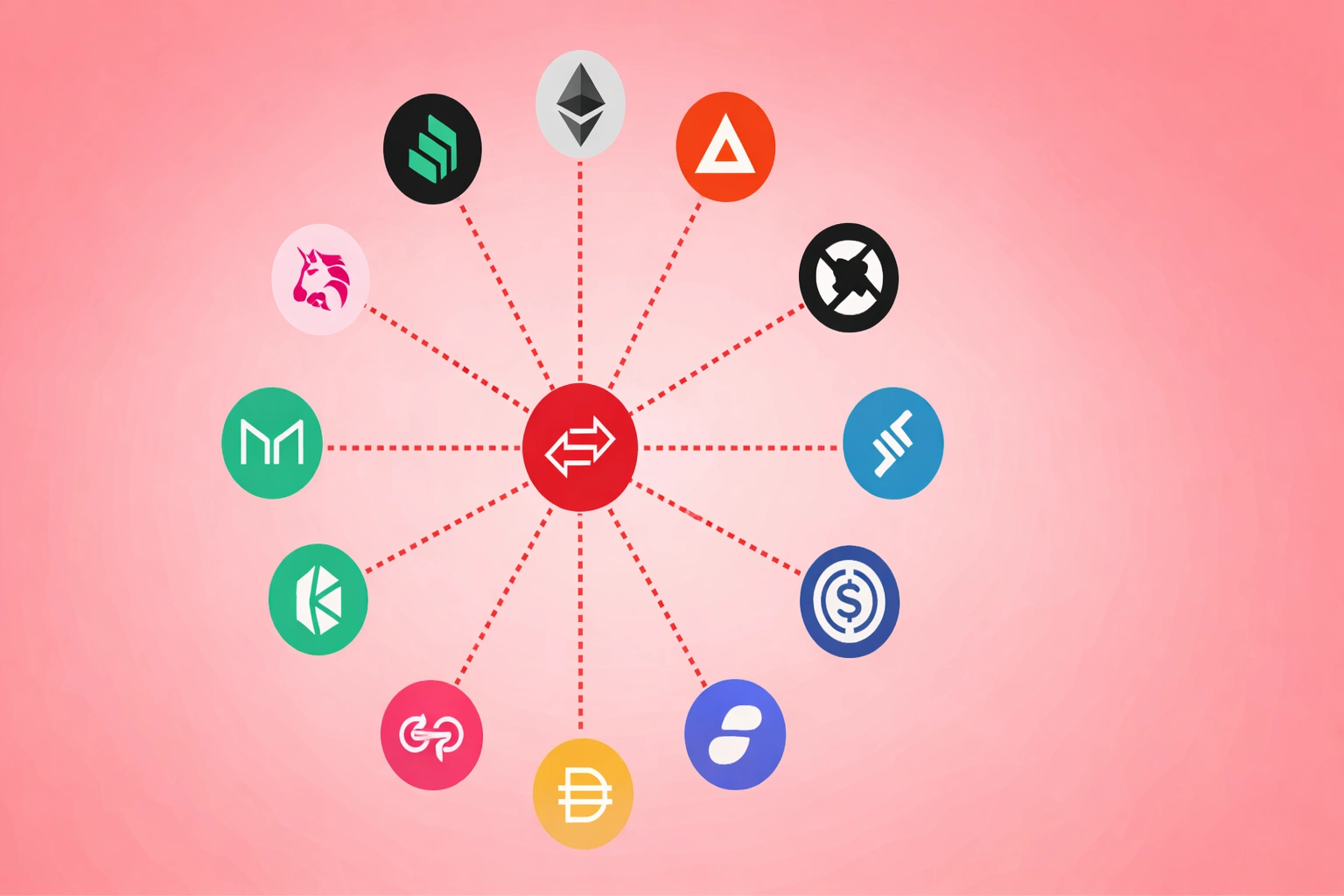
A centralized exchange (CEX) is the most common type of cryptocurrency exchange. It is managed and operated by a company that acts as a middleman between buyers and sellers. This means users do not trade directly with each other; instead, the platform handles all transactions, order matching, and fund management.
How It Works
In a CEX, users create an account, deposit funds (crypto or fiat), and start trading. The exchange maintains an order book where buy and sell orders are matched instantly. It also stores users’ funds in its own wallets, making trading fast and smooth.
Key Features
- High liquidity for faster trades
- Easy-to-use interface (ideal for beginners)
- Advanced trading tools (charts, margin trading, etc.)
- Customer support and account recovery options
Advantages
- Simple and beginner-friendly
- Faster transactions and execution
- Wide range of cryptocurrencies and trading pairs
- Better liquidity compared to other crypto exchange types
Disadvantages
- Users do not have full control over their funds
- Risk of hacks or security breaches
- Requires KYC (identity verification)
- Depends on a central authority
Popular Examples of Centralized Exchanges
Some well-known centralized exchange (CEX) platforms include-
- Binance – One of the largest exchanges globally, with high liquidity and multiple trading options
- Coinbase – Popular among beginners for its simple interface and strong security
- Kraken – Known for advanced trading features and reliability
- KuCoin – Offers a wide variety of altcoins and trading features
Decentralized Exchange (DEX)
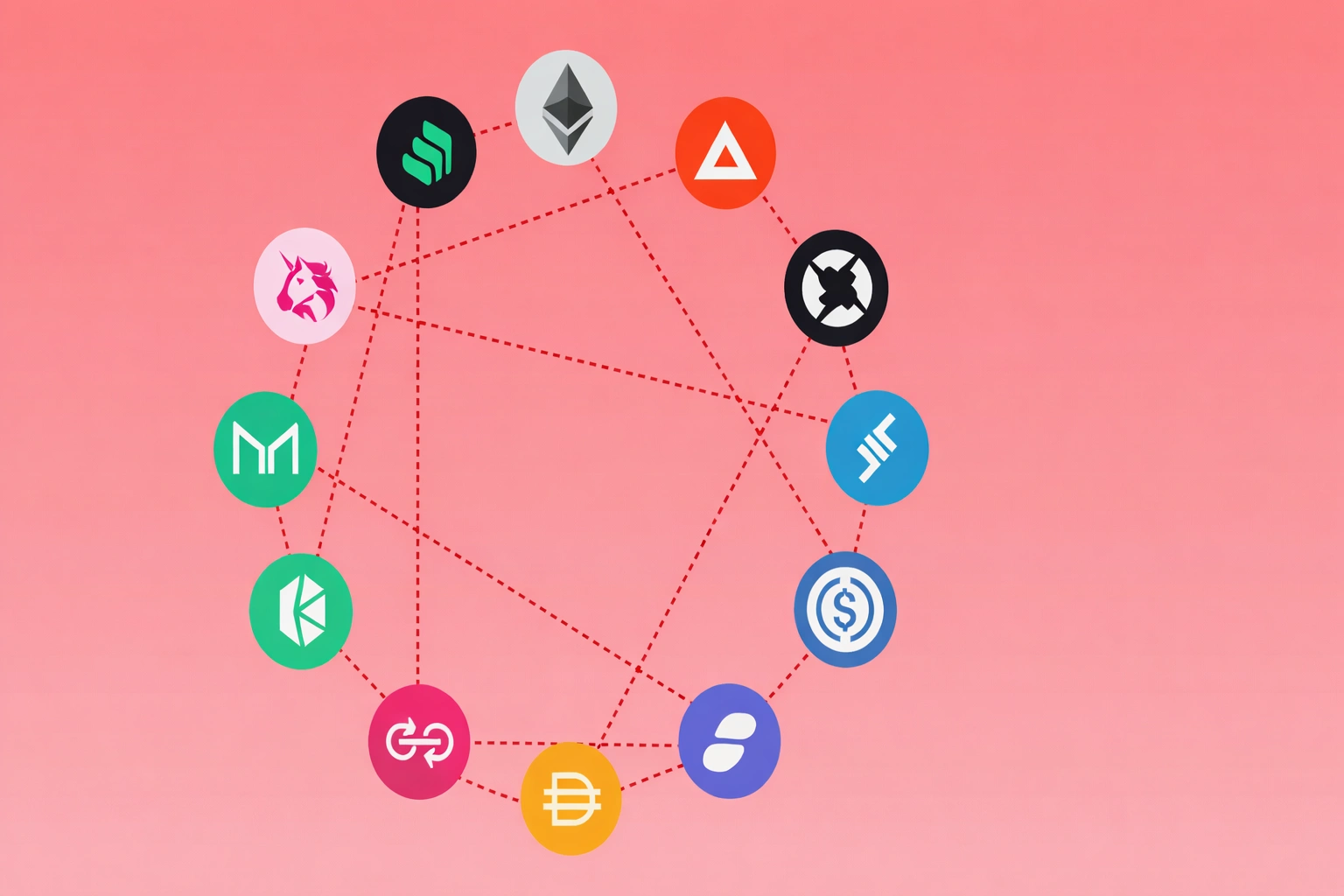
A decentralized exchange (DEX) is a type of crypto exchange that works without any central authority or middleman. Instead of a company controlling the platform, trades happen directly between users through smart contracts on a blockchain.
How It Works
In a DEX, users connect their crypto wallets (like MetaMask) and trade directly from their own funds. There is no need to deposit money into the platform. Smart contracts automatically execute trades when conditions are met, making the process secure and transparent.
Key Features
- No central control or authority
- Users keep full control of their funds
- Trades are executed using smart contracts
- High level of transparency
- No mandatory KYC in most cases
Advantages
- Better security (no central storage of funds)
- Full ownership and control of assets
- More privacy compared to centralized platforms
- Open and permissionless access
Disadvantages
- Can be difficult for beginners
- Lower liquidity compared to a centralized exchange (CEX)
- Slower transactions due to blockchain processing
- Limited customer support
Popular Examples of Decentralized Exchanges
Some well-known decentralized exchange (DEX) platforms include-
- Uniswap – A leading DEX on Ethereum known for its automated market maker (AMM) model
- PancakeSwap – Popular on BNB Chain with low fees and fast transactions
- SushiSwap – Offers additional DeFi features like staking and yield farming
- dYdX – Focused on advanced trading like derivatives on a decentralized platform

Peer-to-Peer (P2P) Crypto Exchange
A peer-to-peer crypto exchange is a platform where users can buy and sell cryptocurrencies directly with each other without any central authority controlling the transaction. The exchange only acts as a facilitator, helping users connect and complete trades safely.
How It Works
In a P2P exchange, a seller lists their crypto with a price and preferred payment method. A buyer chooses an offer and places an order. The platform usually holds the crypto in escrow until the payment is completed. Once both parties confirm the transaction, the crypto is released to the buyer.
Key Features
- Direct trading between users
- Multiple payment options (bank transfer, UPI, PayPal, etc.)
- Escrow system for security
- Flexible pricing set by users
- Global access
Advantages
- No need for a middleman to control funds
- Supports local payment methods
- More privacy compared to traditional exchanges
- Useful in regions with limited banking access
Disadvantages
- Slower than other crypto exchange types
- Risk of fraud if precautions are not followed
- Requires trust between buyer and seller
- Prices may vary between sellers
Popular Examples of P2P Crypto Exchanges
Some well-known peer-to-peer crypto exchange platforms include-
- Binance P2P – Offers secure escrow and multiple payment methods globally
- Paxful – Known for supporting a wide range of payment options
- LocalBitcoins – One of the earliest P2P platforms for Bitcoin trading
Hybrid Crypto Exchange
A hybrid crypto exchange is a platform that combines the best features of both a centralized exchange (CEX) and a decentralized exchange (DEX). It aims to provide the speed and liquidity of centralized platforms along with the security and control of decentralized systems.
How It Works
In a hybrid exchange, some functions (like order matching and speed) are handled centrally, while others (like fund custody and transactions) use blockchain technology. This means users can often retain control of their assets while still enjoying a smooth and fast trading experience.
Key Features
- Combination of centralized and decentralized systems
- Improved security with partial user fund control
- Faster transactions compared to pure DEX platforms
- Better liquidity than most decentralized exchanges
- User-friendly interface
Advantages
- Balanced approach between security and performance
- Reduced risk of hacks compared to fully centralized platforms
- More control over funds than CEX
- Better trading experience than DEX
Disadvantages
- More complex to develop and manage
- Still evolving and not as widely adopted
- May not fully eliminate centralization risks
- Limited availability compared to other crypto exchange types
Popular Examples of Hybrid Crypto Exchanges
Some emerging hybrid crypto exchange platforms include-
- Nash – Focuses on non-custodial trading with high performance
- Qurrex – Combines institutional-grade trading with decentralized custody
- Eidoo – Offers hybrid features with integrated wallet services

Crypto Derivatives Exchange
A crypto derivatives exchange is a platform where users trade contracts based on the value of cryptocurrencies instead of buying or selling the actual assets. In simple words, you are trading on the price movement of crypto like Bitcoin or Ethereum, not the coins themselves.
How It Works
In a derivatives exchange, traders use financial contracts such as futures, options, and perpetual contracts. These contracts allow users to predict whether the price will go up or down. Traders can also use leverage, which means borrowing funds to increase their trading position and potential profit (or loss).
Key Features
- Trading without owning actual crypto
- Advanced tools like leverage and margin trading
- Futures and perpetual contracts
- Ability to profit in both rising and falling markets
- High liquidity for large trades
Advantages
- Opportunity for higher profits using leverage
- Useful for hedging risks
- Works in both bull and bear markets
- Preferred by professional traders
Disadvantages
- High risk due to leverage
- Not suitable for beginners
- Complex trading strategies
- Possibility of significant losses
Popular Examples of Crypto Derivatives Exchanges
Some well-known crypto derivatives exchange platforms include-
- Binance Futures – Offers a wide range of futures contracts with high liquidity
- Bybit – Well known for leverage trading and advanced tools
- BitMEX – One of the earliest platforms for Bitcoin derivatives trading
- Deribit – Known for options and futures trading
How Nadcab Labs Helps You Choose and Build the Right Crypto Exchange
Choosing the right platform from different types of cryptocurrency exchanges is not only important for traders but also critical for businesses planning to enter the crypto market. This is where Nadcab Labs, a leading Cryptocurrency exchange development company, helps you make the right decision with expert guidance and end-to-end development support.
Understanding Your Business Goal
At Nadcab Labs, the process starts with understanding your vision:
- Want to launch a beginner-friendly platform → Centralized Exchange (CEX) development
- Focused on DeFi and user control → Decentralized Exchange (DEX) development
- Need flexible trading options → Peer-to-Peer crypto exchange development
- Looking for innovation → Hybrid crypto exchange solutions
- Targeting pro traders → Crypto derivatives exchange development
Customized Crypto Exchange Platform Development
Nadcab Labs offers fully tailored crypto exchange platform development services based on your business model. Their team ensures:
- High-performance trading engine
- Secure wallet integration
- Advanced security protocols
- Smooth and user-friendly interface
Security and Compliance First
Security is a major concern in every crypto exchange type. Nadcab Labs integrates:
- Smart contract audits
- Multi-layer security systems
- KYC/AML compliance features This helps businesses build trust and operate legally in different regions.
Scalable and Future-Ready Solutions
As a trusted Cryptocurrency exchange development company, Nadcab Labs builds platforms that are:
- Scalable for future growth
- Compatible with new technologies like AI and DeFi
- Ready for high user traffic and trading volume
End-to-End Development Support
From idea to launch and beyond, Nadcab Labs provides:
- Consultation and planning
- Design and development
- Testing and deployment
- Ongoing maintenance and upgrades
Ready to Launch the Right Type of Cryptocurrency Exchange?
From centralized and decentralized to P2P, hybrid, and derivatives platforms, choosing the right crypto exchange type is key to success. Our expert cryptocurrency exchange development company helps you build secure, scalable, and high-performance trading platforms tailored to your business model and market goals.
Frequently Asked Questions
Q1.What are the main types of cryptocurrency exchanges?
There are five main types of cryptocurrency exchanges: centralized exchange (CEX), decentralized exchange (DEX), peer-to-peer crypto exchange, hybrid crypto exchange, and crypto derivatives exchange. Each type works differently. For example, CEX platforms are controlled by companies and are easy to use, while DEX platforms run on blockchain technology and give users full control of their funds. P2P exchanges allow direct trading between users, hybrid exchanges combine features of CEX and DEX, and derivatives exchanges focus on advanced trading like futures and leverage.
Q2.Which crypto exchange type is best for beginners?
For beginners, a centralized exchange (CEX) is the best option. These platforms are simple to use, offer customer support, and provide features like easy deposits, withdrawals, and trading tools. Beginners do not need technical knowledge to start trading on a CEX. In contrast, DEX and derivatives platforms can be complex and are better suited for experienced users.
Q3.What is the safest type of crypto exchange?
Safety depends on how you use the platform. A decentralized exchange (DEX) is considered safer in terms of fund control because users keep their assets in their own wallets, reducing the risk of hacks on a central server. However, centralized exchanges also offer strong security systems, but users must trust the platform to hold their funds. So, DEX offers more control, while CEX offers more convenience.
Q4.Are crypto derivatives exchanges risky?
Yes, a crypto derivatives exchange is considered high-risk because it involves advanced trading features like leverage and margin trading. While these features can increase profits, they can also lead to significant losses, especially if the market moves in the wrong direction. These platforms are mainly recommended for experienced traders who understand market strategies and risk management.
Q5.Why are businesses investing in crypto exchange platform development?
Businesses are investing in crypto exchange platform development because the demand for cryptocurrency trading is growing rapidly. Launching an exchange allows companies to generate revenue through trading fees, offer financial services, and attract a global user base. Working with a professional Cryptocurrency exchange development company helps businesses build secure, scalable, and feature-rich platforms that meet market needs and regulatory requirements.
Explore Services
Related Services
Reviewed by

Aman Vaths
Founder of Nadcab Labs
Aman Vaths is the Founder & CTO of Nadcab Labs, a global digital engineering company delivering enterprise-grade solutions across AI, Web3, Blockchain, Big Data, Cloud, Cybersecurity, and Modern Application Development. With deep technical leadership and product innovation experience, Aman has positioned Nadcab Labs as one of the most advanced engineering companies driving the next era of intelligent, secure, and scalable software systems. Under his leadership, Nadcab Labs has built 2,000+ global projects across sectors including fintech, banking, healthcare, real estate, logistics, gaming, manufacturing, and next-generation DePIN networks. Aman’s strength lies in architecting high-performance systems, end-to-end platform engineering, and designing enterprise solutions that operate at global scale.