Ai Overview
The blockchain revolution has produced one of the most transformative innovations of our era: decentralized applications. OpenSea became synonymous with the NFT boom of 2021, growing from a niche platform for digital collectibles to processing over $3 billion in monthly volume at its peak. Ethereum processes roughly 15-30 transactions per second, compared to Visa’s 24,000.
Key Takeaways
- ✓ Uniswap pioneered automated market making, enabling trustless token swaps without order books, making it one of the top DApps by trading volume globally.
- ✓ Aave introduced flash loans and variable interest rates, fundamentally changing how DeFi lending operates across blockchain networks in the USA and UK.
- ✓ Successful DApps share traits like strong smart contract security, real utility, community governance, and token incentive models that reward active participants.
- ✓ OpenSea became the dominant NFT marketplace by offering a low-barrier platform for creators and collectors across the USA, UK, Canada, and UAE markets.
- ✓ MakerDAO’s DAI stablecoin demonstrated that algorithmic, decentralized monetary policy can function reliably without a central bank or traditional financial institution.
- ✓ Axie Infinity proved that blockchain gaming DApps can generate real economic value for players, pioneering the play-to-earn model adopted globally since 2021.
- ✓ DApps face ongoing challenges including high gas fees, scalability limits, and regulatory uncertainty in markets like the USA, UK, Canada, and the UAE.
- ✓ Curve Finance optimized stablecoin trading with minimal slippage, making it an essential infrastructure layer for most major DeFi protocols running on Ethereum.
- ✓ Web3 DApps are expanding into real estate, healthcare, and supply chain sectors, indicating their maturation beyond speculative finance into critical enterprise infrastructure.
- ✓ Layer 2 scaling and cross-chain interoperability are the next frontier for top decentralized applications, promising faster transactions and dramatically lower costs.
Introduction
The blockchain revolution has produced one of the most transformative innovations of our era: decentralized applications. Over the past eight years, our agency has worked hands-on with Web3 protocols, DeFi platforms, and blockchain ecosystems across the USA, UK, UAE, and Canada. In that time, we have watched the landscape of top DApps evolve from experimental curiosities to billion-dollar protocols reshaping global finance, digital ownership, and online commerce.
Today, the most successful DApps are not just technical achievements. They are thriving communities, self-sustaining economic ecosystems, and real-world utilities that millions of users depend on daily. From decentralized exchanges processing billions in daily volume to NFT platforms enabling digital creators to monetize globally, top decentralized applications are proving that blockchain is far more than a speculative asset class.
In this guide, we break down the top 10 successful DApps, analyze what makes each one work, and explore the key features that separate thriving blockchain DApps from those that fade into obscurity. Whether you are an entrepreneur, investor, or blockchain enthusiast in any of these markets, this deep-dive will give you the authoritative insights you need.
What Are DApps? Understanding Decentralized Applications
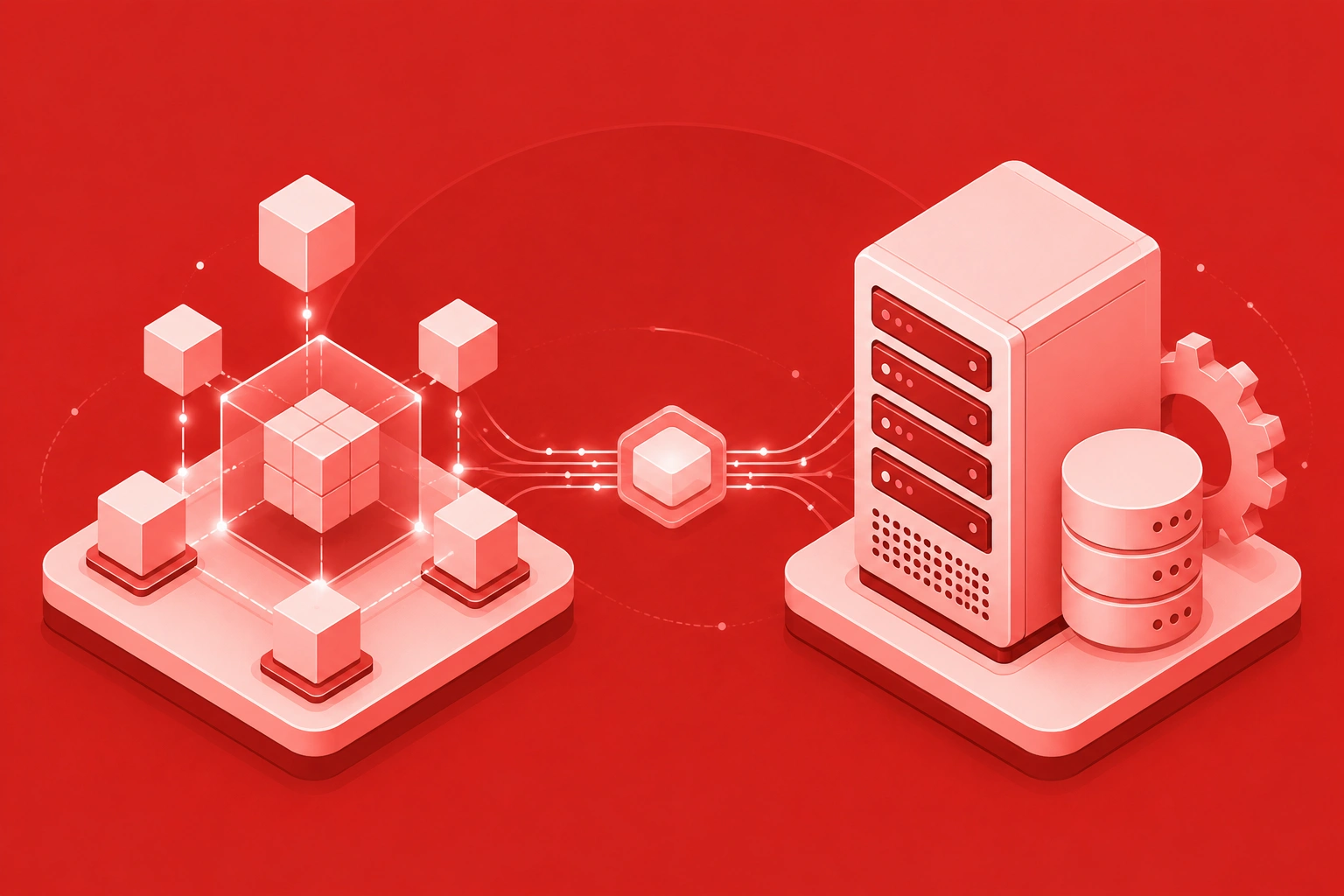
Decentralized applications, or DApps, are software programs that operate on a distributed blockchain network rather than a centralized server infrastructure. At their core, DApps use smart contracts to automate logic, transactions, and governance, removing the need for a central authority to validate or control operations. This architecture means no single company or government can unilaterally shut down, modify, or censor a properly built DApp.
What distinguishes DApps from traditional applications is their openness. The source code of most successful DApps is publicly auditable, their transaction histories are fully transparent on-chain, and their governance is increasingly managed by token holders through decentralized autonomous organizations (DAOs). Users in the USA, UK, Canada, and UAE are drawn to this model because it aligns incentives: protocol participants often earn tokens for contributing liquidity, governance votes, or creative content.
Blockchain DApps exist across multiple categories. DeFi DApps like Uniswap and Aave handle financial services. NFT platforms like OpenSea power digital asset trading. Gaming DApps like Axie Infinity create play-to-earn economies. And infrastructure DApps like Yearn Finance optimize yield across other protocols. Together, these popular DApps in Web3 form an interconnected financial and creative ecosystem unlike anything that existed before blockchain technology.
DApp vs Traditional App: Key Differences
| Attribute | Traditional App | Decentralized App (DApp) |
|---|---|---|
| Control | Centralized company | Community / DAO governed |
| Transparency | Limited, proprietary | Fully on-chain, auditable |
| Downtime Risk | Server-dependent | Distributed, highly resilient |
| Censorship | Possible by provider | Resistant by design |
| Revenue Model | Ads, subscriptions | Protocol fees, token incentives |
How Do Decentralized Applications Work?
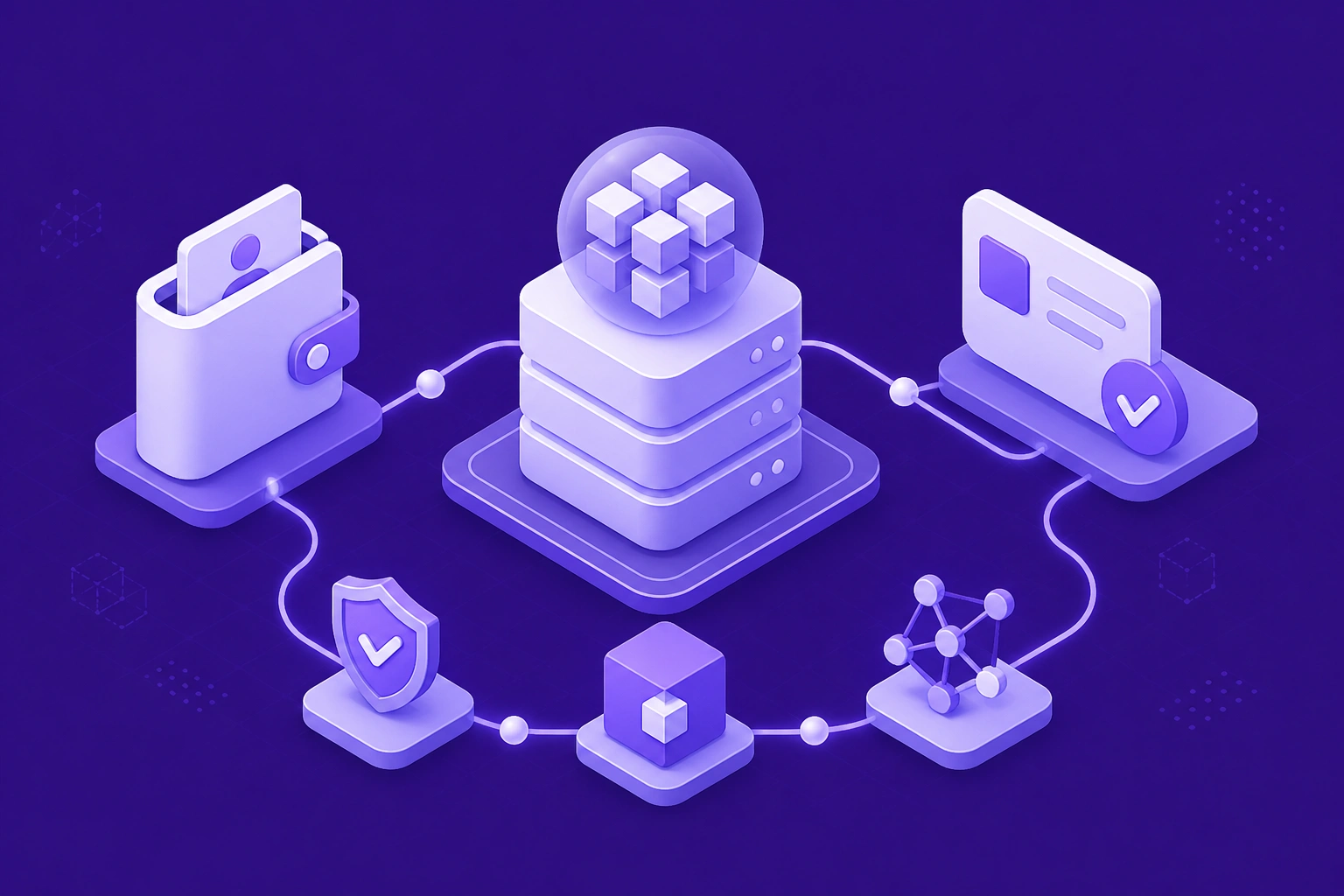
At a technical level, DApps function through a layered architecture. The front end is typically a standard web interface (React, Vue, or similar), but the backend logic is powered entirely by smart contracts deployed on a blockchain. When a user initiates an action, such as swapping tokens on Uniswap or lending assets on Aave, the transaction is signed with their private key and broadcast to the blockchain network, where validators confirm it according to consensus rules.
Smart contracts are the engine of every successful DApp. They are self-executing code stored on the blockchain that automatically enforce agreement terms when predefined conditions are met. Because they are immutable once deployed, smart contracts create trust without requiring a central intermediary. This is what makes blockchain DApps examples of a genuinely new paradigm: users interact peer-to-peer, with the protocol itself as the trustless referee.
Step 1: Smart Contract Deployment
Developers write and audit smart contracts, then deploy them on a blockchain like Ethereum. These contracts contain all the protocol’s business logic and rules.
Step 2: Wallet Connection
Users connect a Web3 wallet such as MetaMask to authenticate and sign transactions. The wallet replaces traditional login systems, giving users full custody of their assets.
Step 3: On-Chain Execution
Each user action triggers a smart contract function. Validators confirm the transaction, the blockchain state updates, and assets move instantly with full transparency and immutability.
Why Are DApps Becoming So Popular in Web3?
The surge in popularity of Web3 DApps is not accidental. It reflects a profound global shift in how people want to interact with digital services. In markets like the USA and UK, growing distrust of big tech data practices is pushing users toward self-sovereign alternatives. In the UAE and Canada, forward-thinking regulatory frameworks are creating environments where blockchain DApps can operate and thrive legally, attracting institutional and retail participants alike.
DeFi DApps like Compound and Aave offer interest rates far exceeding traditional savings accounts, a powerful draw in low-yield economic environments. NFT-powered DApps give creators direct monetization pathways without platform gatekeepers taking the majority of revenue. Gaming DApps reward players with real economic value for time spent, something no traditional game offers at scale. These real-world advantages are why the most used DApps now process billions in monthly transaction volume globally.
Network effects also play a critical role. Once a DApp accumulates sufficient liquidity, users, and integrations, it becomes self-reinforcing. Developers build on top of successful DApps, creating ecosystems. Investors provide capital. Communities form around governance tokens. This flywheel effect is precisely why the top decentralized applications that emerged in 2020 and 2021 continue to dominate usage metrics today, even as new competitors emerge constantly in the Web3 space.
Top 10 Successful DApps
A data-driven analysis of the most impactful decentralized applications in the blockchain ecosystem
Key Features That Make DApps Successful
After eight years of working with Web3 protocols and blockchain teams, our agency has identified a consistent set of features that separate successful DApps from those that fail. These are not optional enhancements. They are foundational requirements for any DApp that aims to achieve meaningful, sustained adoption in competitive markets like the USA, UK, UAE, and Canada.
Smart Contract Security
Regular audits, formal verification, and bug bounty programs are non-negotiable. A single exploited vulnerability can permanently destroy user trust and wipe protocol value.
Genuine Utility
The top decentralized applications solve a real user problem better than existing alternatives. Utility drives organic adoption without relying solely on token price speculation.
Decentralized Governance
Community-controlled governance through DAOs ensures protocol decisions align with user interests rather than a small founding team’s preferences or external investor pressure.
Liquidity and Network Effects
DApps with deep liquidity attract more users. More users generate more fees. More fees attract more liquidity providers. This self-reinforcing cycle defines market-leading DApps.
Composability
Successful DApps are designed as open primitives. When other protocols build on top of them, usage expands exponentially without additional marketing spend by the original team.
User Experience
The best blockchain DApps invest heavily in interface design, clear error handling, and wallet integrations that make complex on-chain interactions accessible to non-technical users.
Want to Build a Successful DApp? Understand the Architecture First
Architecture Fundamentals
Understanding smart contract layers, frontend integration, and data indexing is critical before any DApp project begins.
Decentralized Apps: Architecture, Use Cases & Best Practices →
Real-World Best Practices
From gas optimization to oracle integration, our team has documented the proven engineering patterns behind top DApps used globally today.
Real-World Use Cases of Successful DApps
The narrative that DApps are only relevant to crypto traders has been thoroughly disproven. Today, real-world DApps are solving concrete problems across multiple industries, and their adoption is accelerating in regulated markets including the USA, UK, Canada, and UAE where compliance frameworks are increasingly accommodating blockchain-based services.
DApp Use Cases by Industry Sector
| Industry | DApp Example | Use Case |
|---|---|---|
| Finance | Aave, Compound | Peer-to-peer lending and borrowing without banks |
| Art & Collectibles | OpenSea | Digital ownership, provenance, and creator royalties |
| Gaming | Axie Infinity | Play-to-earn economies with real asset ownership |
| Real Estate | Decentraland | Virtual land ownership and metaverse commerce |
| Stablecoin / Payments | MakerDAO | Decentralized stablecoin issuance and cross-border payments |
| Yield Optimization | Yearn Finance | Automated portfolio management across DeFi protocols |
Real-World Example: DeFi in the UAE
A UAE-based import/export firm used Aave’s protocol to access short-term working capital through crypto-collateralized loans, bypassing traditional banking delays and currency conversion costs. The entire process was completed in under 24 hours, compared to weeks through conventional trade finance channels. This is exactly the kind of tangible business value that positions top DApps as genuine infrastructure for the global economy, not merely speculative trading tools.
Challenges Faced by Decentralized Applications
No honest assessment of successful DApps would be complete without acknowledging the significant challenges these platforms must navigate. Our agency has worked through many of these challenges with clients across the USA, UK, UAE, and Canada, and we believe understanding them is essential for any organization considering entering the Web3 DApp space.
8 Critical Challenge Areas in DApp Ecosystems
1. Scalability Limits
Ethereum processes roughly 15-30 transactions per second, compared to Visa’s 24,000. Even with Layer 2 solutions, most top DApps still face throughput constraints under peak load conditions.
2. High Gas Fees
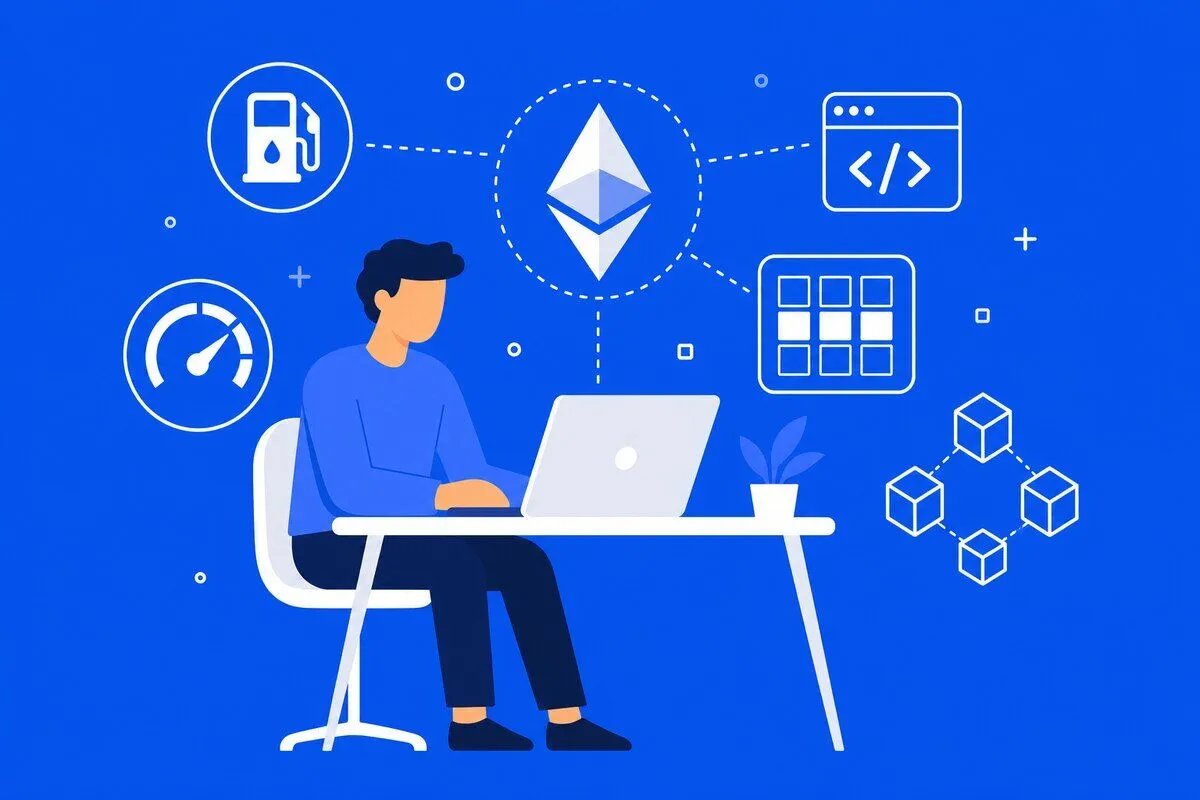
During network congestion, Ethereum gas fees can exceed $50 per transaction, making many DApp interactions economically unviable for small-value use cases or users in developing markets.
3. User Onboarding Complexity
Setting up a Web3 wallet, securing seed phrases, understanding gas, and navigating DApp interfaces requires a steep learning curve that deters mainstream adoption in markets like the UK and Canada.
4. Smart Contract Vulnerabilities
Code bugs in smart contracts are permanent and exploitable. DeFi protocols have lost billions to hacks and exploits. Rigorous auditing is expensive but non-negotiable for any serious DApp team.
5. Regulatory Uncertainty
DApps operate in a legal gray area in many jurisdictions. The USA’s evolving SEC stance, the UK’s FCA framework, and UAE’s VARA regulations all create compliance complexity for global DApp operators.
6. Oracle Dependency Risks
DApps that require real-world data depend on oracles. Manipulated or failed oracle feeds can trigger cascading liquidations and protocol losses, a systemic risk across DeFi ecosystems.
7. Governance Attacks
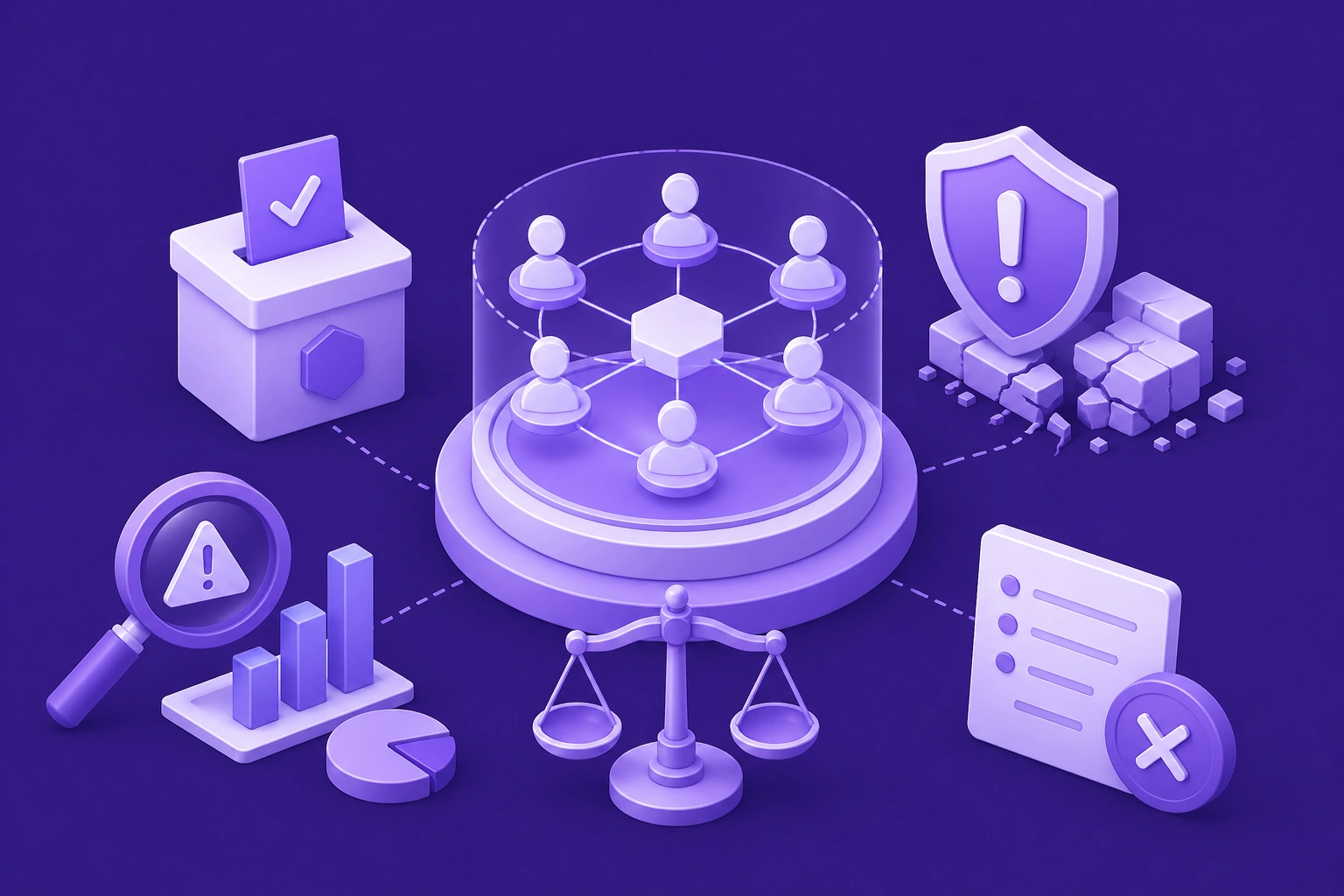
DAOs with low voter participation are vulnerable to governance attacks where a whale accumulates enough tokens to push malicious proposals. Several protocols have experienced near-misses with this vector.
8. Cross-Chain Fragmentation
Liquidity and users spread across dozens of chains creates fragmentation. Bridges enabling cross-chain transfers have proven to be frequent attack vectors, highlighting a structural risk in multi-chain DApp strategies.
Model Selection Criteria for Evaluating DApps
Whether you are an investor assessing a DApp opportunity, a business evaluating Web3 integration, or a user deciding which platform to trust, this three-step selection framework helps cut through the noise. Our team has used variants of this approach with clients in all four of our primary markets.
Assess Security Track Record
Review the DApp’s audit history, on-chain incident record, and bug bounty program. Any DApp without at least two independent audits from reputable firms should be approached with significant caution regardless of TVL.
Evaluate Governance Quality
Examine voter participation rates, proposal quality, and token distribution. Highly concentrated token ownership with low community engagement signals governance centralization risk, undermining the core DApp value proposition.
Validate Product-Market Fit
Organic user growth, protocol revenue independent of token emissions, and third-party integrations are the clearest signals of genuine product-market fit. Sustainable DApps generate value without relying purely on incentive-driven mercenary liquidity.
Compliance and Governance Checklist for DApps
For teams building or operating DApps in regulated markets like the USA, UK, UAE, and Canada, the following governance and compliance benchmarks represent the current industry standard. Missing several of these is a warning sign for any project claiming to be among the best DApps in blockchain.
The Future of DApps in the Web3 Ecosystem
The trajectory of Web3 DApps over the next five years will be defined by several converging forces. Layer 2 networks like Arbitrum, Optimism, and Base are already reducing Ethereum gas fees by 90 percent or more, making DApp interactions viable for everyday users and small-value transactions for the first time. As these scaling solutions mature, the user experience gap between DApps and traditional apps will narrow dramatically, opening DApp adoption to broader demographics in markets like the UK and Canada where Web3 is still emerging.
Cross-chain interoperability protocols will enable assets and messages to move fluidly between blockchain ecosystems, eliminating the fragmentation that currently splits liquidity and user attention across dozens of competing networks. DApps built with cross-chain natively in mind will capture disproportionate value. We anticipate that the most successful DApps of 2027 and beyond will operate across at least three to five blockchain networks simultaneously, with users unaware of which chain they are on at any given moment.
Regulatory clarity is the wildcard. In the UAE, VARA has provided a proactive framework that is attracting Web3 organizations globally. The USA is moving toward clearer digital asset legislation, and the UK’s FCA has begun issuing DeFi-specific guidance. As compliance pathways solidify, institutional capital from traditional finance will flow into DApp ecosystems at scale, potentially triggering the next major wave of growth for top decentralized applications across every category from DeFi to gaming to digital identity.
Final Thoughts on the Most Successful DApps
After analyzing the top 10 successful DApps in depth, a clear pattern emerges: the protocols that win are those that prioritize genuine utility over speculation, community over control, and security over speed-to-market. Uniswap, Aave, MakerDAO, and their peers did not succeed because they had the best marketing or the largest initial funding rounds. They succeeded because they solved real problems in ways that neither centralized alternatives nor earlier DApps could match.
For businesses in the USA, UK, UAE, and Canada evaluating Web3 integration, these examples of successful DApps offer a powerful roadmap. The technology is proven. The user behaviors are established. The infrastructure is maturing rapidly. What remains is for organizations to identify the specific problems within their industries where decentralized applications offer a superior solution to the status quo, and to build or integrate accordingly.
The question “what are the most successful DApps” is ultimately less interesting than “why are DApps successful” and “what can we learn from them.” The answer is consistent across every top DApp we have studied: they each found a specific pain point, built the simplest possible solution on trustless infrastructure, and let their communities take ownership of their future. That formula is both replicable and scalable, which is precisely why the DApp revolution is only just beginning.
Final Thoughts
The top 10 successful DApps analyzed in this guide represent the vanguard of a broader transformation in how digital services are built, governed, and monetized. From Uniswap’s revolutionary AMM model to Yearn Finance’s automated yield optimization, each of these top decentralized applications demonstrates that it is possible to build robust, scalable financial and digital infrastructure without central intermediaries, hidden fees, or opaque governance.
The blockchain DApps examples discussed here are not anomalies. They are proof of concept for a new paradigm. As Layer 2 scaling resolves throughput challenges, as regulatory frameworks in markets like the USA, UAE, UK, and Canada provide clearer operating guidelines, and as user experience improvements lower the onboarding barrier, the next generation of Web3 DApps will reach audiences and industries that today’s protocols have barely touched.
Understanding why DApps are successful is the first step toward participating meaningfully in this transformation, whether as a builder, investor, enterprise adopter, or active community member. The most successful DApps of the next decade are being conceived right now, informed by everything that Uniswap, Aave, MakerDAO, and their peers have already proven possible.
Ready to Build a Successful DApp?
Our Web3-native team has 8+ years of experience building top-tier decentralized applications across DeFi, NFTs, and gaming ecosystems globally.
Frequently Asked Questions
Q1.What are the most successful DApps in 2026?
The most successful DApps include Uniswap, Aave, MakerDAO, OpenSea, and Axie Infinity, among others. These platforms have consistently maintained high total value locked (TVL), active user bases, and strong community governance. Their success is rooted in solving real financial and digital ownership problems across the USA, UK, UAE, and Canada markets where Web3 adoption is accelerating rapidly, making these decentralized applications benchmark examples for the broader blockchain ecosystem.
Q2.What are decentralized applications (DApps)?
Decentralized applications, commonly known as DApps, are software programs that run on a blockchain or peer-to-peer network rather than a centralized server. Unlike traditional apps, DApps are governed by smart contracts, making them trustless, transparent, and censorship-resistant. They power everything from decentralized finance (DeFi) to NFT marketplaces and gaming ecosystems. Understanding what DApps are is foundational to understanding how Web3 is reshaping digital interaction globally across major markets.
Q3.Why are DApps becoming so popular in Web3?
DApps are gaining massive traction in Web3 because they eliminate intermediaries, reduce costs, and give users full control over their data and assets. In markets like the USA and UAE, users are increasingly drawn to the transparency and security that blockchain DApps offer. With DeFi protocols managing billions in assets and NFT platforms enabling digital ownership, DApps represent a paradigm shift from centralized platforms toward trustless, user-governed ecosystems that reward participation directly.
Q4.What makes a DApp successful?
Successful DApps share several key traits: strong smart contract architecture, intuitive user interfaces, active community governance, genuine utility, and network liquidity. Top decentralized applications like Uniswap and Aave succeed because they address real financial needs efficiently. They also maintain transparency, undergo regular security audits, and build loyal user bases through token incentive models. Simply put, successful DApps solve real problems better than their centralized counterparts without sacrificing user experience.
Q5.What are the real-world use cases of DApps?
Real-world DApp use cases span decentralized finance (lending, borrowing, trading), NFT marketplaces, blockchain gaming, digital identity, supply chain management, and decentralized governance. For example, Aave is used for uncollateralized flash loans in DeFi arbitrage, while Decentraland powers virtual land ownership and commerce. In the UK and Canada, enterprises are exploring DApps for transparent procurement and cross-border payments, illustrating how decentralized applications are moving well beyond speculative use into genuine operational utility.
Q6.How do DApps differ from traditional apps?
Traditional apps run on centralized servers controlled by a single company, meaning downtime, data breaches, and censorship are constant risks. DApps, by contrast, operate on distributed blockchain networks where no single entity has control. This makes them more resilient, transparent, and open. Smart contracts replace backend logic, and users interact directly with the protocol. The trade-off is complexity and speed, but as blockchain infrastructure matures, especially in high-adoption markets like the UAE, these gaps are rapidly narrowing.
Q7.What challenges do DApps face today?
Despite their promise, DApps face significant challenges: blockchain scalability limitations, high gas fees on networks like Ethereum, complex user onboarding, regulatory uncertainty in markets like the USA and UK, and smart contract vulnerabilities. Many top DApps are working on Layer 2 scaling solutions, cross-chain interoperability, and improved wallet UX to address these hurdles. Regulatory clarity from bodies in Canada, the EU, and the UAE will also play a pivotal role in determining how broadly DApps can be adopted at scale.
Explore Services
Related Services
Reviewed by

Aman Vaths
Founder of Nadcab Labs
Aman Vaths is the Founder & CTO of Nadcab Labs, a global digital engineering company delivering enterprise-grade solutions across AI, Web3, Blockchain, Big Data, Cloud, Cybersecurity, and Modern Application Development. With deep technical leadership and product innovation experience, Aman has positioned Nadcab Labs as one of the most advanced engineering companies driving the next era of intelligent, secure, and scalable software systems. Under his leadership, Nadcab Labs has built 2,000+ global projects across sectors including fintech, banking, healthcare, real estate, logistics, gaming, manufacturing, and next-generation DePIN networks. Aman’s strength lies in architecting high-performance systems, end-to-end platform engineering, and designing enterprise solutions that operate at global scale.