Ai Overview
At its core, the DeFi ecosystem operates on public blockchain networks, with Ethereum being the most prominent platform, though other blockchains like Binance Smart Chain, Solana, Avalanche, and Polygon have gained significant traction. Understanding the distinctions between the DeFi ecosystem and traditional financial systems illuminates why this technology has generated such significant interest and investment.
Key Takeaways
- The DeFi ecosystem represents a paradigm shift in financial services, eliminating intermediaries and providing direct peer-to-peer transactions through blockchain technology.
- Decentralized exchanges enable users to trade cryptocurrencies without centralized authorities, offering greater control over personal assets and enhanced privacy.
- Smart contracts serve as the fundamental building blocks of the DeFi ecosystem, automating financial transactions and ensuring trustless execution of agreements.
- Yield farming and liquidity mining present innovative opportunities for earning passive income, though they carry significant risks that require careful evaluation.
- Stablecoins provide crucial stability within the volatile cryptocurrency market, acting as reliable mediums of exchange and stores of value.
- DeFi lending platforms democratize access to capital, allowing anyone with internet connectivity to borrow or lend assets without traditional banking requirements.
- Security remains paramount in the DeFi ecosystem, with users needing to implement best practices including hardware wallets, multi-signature authentication, and thorough protocol audits.
- Decentralized governance models empower token holders to participate directly in protocol decisions, creating truly community-driven financial platforms.
- Regulatory frameworks for DeFi continue evolving globally, requiring participants to stay informed about legal obligations and compliance requirements.
- The future of the DeFi ecosystem promises unprecedented financial inclusion, with emerging technologies like layer-2 scaling solutions and cross-chain interoperability driving mainstream adoption.
The financial landscape is undergoing a revolutionary transformation, driven by the emergence of decentralized finance, commonly known as DeFi. This innovative approach to financial services leverages blockchain technology to create an open, permissionless, and transparent financial system accessible to anyone with an internet connection. The DeFi ecosystem challenges traditional banking institutions by removing intermediaries and empowering individuals with direct control over their financial assets.
Unlike conventional financial systems that rely on centralized authorities such as banks, brokerages, and insurance companies, the DeFi ecosystem operates through decentralized protocols and applications built primarily on blockchain networks. This fundamental shift represents more than just technological innovation; it embodies a philosophical movement toward financial sovereignty, transparency, and inclusivity. As we stand at the threshold of this financial revolution, understanding the intricacies of the DeFi ecosystem becomes essential for anyone looking to navigate the future of finance.
The rapid growth of decentralized finance has captured the attention of investors, developers, regulators, and everyday users worldwide. From humble beginnings with just a few million dollars in total value locked, the DeFi ecosystem has expanded exponentially, now managing billions of dollars in assets across various protocols and platforms. This remarkable growth trajectory underscores the immense potential and increasing trust in decentralized financial solutions as viable alternatives to traditional banking services.
What is the DeFi Ecosystem?
The DeFi ecosystem encompasses a comprehensive network of interconnected financial applications, protocols, and services built on blockchain technology, primarily utilizing smart contracts to automate and execute transactions without intermediaries. This ecosystem replicates and enhances traditional financial services including lending, borrowing, trading, investing, insurance, and asset management, but does so in a decentralized manner that prioritizes transparency, accessibility, and user autonomy.
At its core, the DeFi ecosystem operates on public blockchain networks, with Ethereum being the most prominent platform, though other blockchains like Binance Smart Chain, Solana, Avalanche, and Polygon have gained significant traction. These blockchain infrastructures provide the foundational layer upon which developers build decentralized applications, or dApps, that facilitate various financial activities. The composability of these applications allows them to interact seamlessly, creating a synergistic environment where different protocols can build upon one another, often referred to as money legos.
Fundamental Characteristics of the DeFi Ecosystem
Permissionless Access
Anyone with an internet connection and a compatible wallet can access DeFi services without requiring approval from centralized authorities, credit checks, or geographical restrictions. This democratization of financial services opens opportunities for billions of unbanked and underbanked individuals worldwide.
Transparency and Auditability
All transactions within the DeFi ecosystem are recorded on public blockchains, making them transparent and verifiable by anyone. This level of transparency ensures accountability and allows users to audit smart contracts and protocol operations, fostering trust through code rather than institutional reputation.
Non-Custodial Nature
Users maintain complete control over their assets throughout their interactions with DeFi protocols, eliminating the need to trust third parties with custody of funds. This self-custody model aligns with the crypto ethos of personal sovereignty and reduces counterparty risk.
Interoperability and Composability
DeFi protocols can seamlessly interact with one another, creating complex financial products and services through the combination of multiple protocols. This composability enables innovation and the rapid development of sophisticated financial instruments.
The DeFi ecosystem represents a fundamental reimagining of how financial services can be structured, delivered, and accessed. By removing traditional gatekeepers and leveraging the trustless nature of blockchain technology, decentralized finance creates a more inclusive, efficient, and innovative financial system that operates continuously without borders or business hours.
How DeFi Differs from Traditional Finance
Understanding the distinctions between the DeFi ecosystem and traditional financial systems illuminates why this technology has generated such significant interest and investment. While both aim to provide financial services, their underlying structures, operational mechanisms, and philosophical foundations differ substantially.
Traditional financial institutions operate as trusted intermediaries that facilitate transactions, manage accounts, and provide various services while maintaining control over customer funds. These institutions rely on complex bureaucratic processes, extensive documentation requirements, and hierarchical decision-making structures that can create barriers to entry and limit financial inclusion. The DeFi ecosystem eliminates these intermediaries through smart contracts that execute automatically based on predefined conditions, ensuring trustless and efficient operations.
Another crucial distinction lies in the cost structure and efficiency of operations. Traditional financial systems incur substantial overhead costs related to physical infrastructure, personnel, compliance, and legacy technology systems, which are often passed on to customers through various fees and charges. The DeFi ecosystem significantly reduces these costs by automating processes through smart contracts and eliminating the need for physical branches, extensive workforce, and intermediary fees. However, users must consider blockchain network fees, also known as gas fees, which can vary based on network congestion.
The settlement times in traditional finance can extend from several hours to multiple days, particularly for international transactions that must navigate through correspondent banking networks and cross-border regulations. In contrast, transactions within the DeFi ecosystem settle much faster, often within minutes or even seconds, depending on the underlying blockchain network. This rapid settlement reduces counterparty risk and increases capital efficiency, allowing users to move funds and execute strategies with greater agility.
Core Components of DeFi
The DeFi ecosystem comprises several fundamental components that work together to create a comprehensive financial infrastructure. Understanding these core elements provides insight into how decentralized finance functions and delivers value to users across the globe.
Blockchain Infrastructure
The foundational layer of the DeFi ecosystem consists of blockchain networks that provide the infrastructure for decentralized applications. Ethereum remains the dominant platform, hosting the majority of DeFi protocols due to its robust smart contract capabilities and established developer ecosystem. Other blockchains have emerged as alternatives, offering different trade-offs in terms of speed, cost, and security to accommodate diverse use cases within decentralized finance.
Smart Contracts
Smart contracts represent self-executing programs that automatically enforce the terms of agreements without requiring intermediaries. These contracts contain the business logic that governs DeFi protocols, determining how assets are exchanged, how interest is calculated, how liquidations occur, and how governance decisions are implemented. The immutable and transparent nature of smart contracts ensures that all participants can verify the rules governing their interactions.
Decentralized Applications (dApps)
Decentralized applications serve as the user-facing interfaces that allow individuals to interact with smart contracts and access DeFi services. These applications range from simple wallet interfaces to complex trading platforms and yield optimization tools. The dApp layer abstracts the technical complexity of blockchain interactions, making DeFi more accessible to mainstream users while maintaining the underlying principles of decentralization.
Digital Assets and Tokens
Various types of digital assets circulate within the DeFi ecosystem, including native cryptocurrencies, stablecoins, governance tokens, and tokenized representations of real-world assets. These tokens serve multiple purposes: facilitating transactions, representing ownership stakes, providing voting rights, generating yields, and enabling protocol participation. The diversity of tokens within decentralized finance creates a rich tapestry of financial instruments and investment opportunities.
Oracle Networks
Oracles bridge the gap between blockchain networks and external data sources, providing smart contracts with real-world information necessary for proper execution. Price feeds, weather data, sports results, and other off-chain information enter the DeFi ecosystem through oracle networks. Reliable and secure oracle solutions are critical for the proper functioning of lending protocols, derivatives platforms, insurance products, and other DeFi services that require external data inputs.
These core components interact synergistically to create the vibrant and functional DeFi ecosystem we see today. Each element plays a crucial role in enabling decentralized financial services, and improvements in any component can enhance the overall efficiency, security, and usability of the entire system. As technology continues to advance, these foundational elements evolve to support increasingly sophisticated financial products and services within the decentralized finance landscape.
Decentralized Exchanges (DEXs): Trading Without Middlemen
Decentralized exchanges represent one of the most transformative innovations within the DeFi ecosystem, enabling users to trade cryptocurrencies directly from their wallets without relying on centralized intermediaries. Unlike traditional cryptocurrency exchanges that require users to deposit funds into exchange-controlled wallets, DEXs facilitate peer-to-peer trading through smart contracts, ensuring users maintain custody of their assets throughout the trading process.
The architecture of decentralized exchanges varies, with the most common models being automated market makers (AMMs) and order book-based systems. AMMs, pioneered by platforms like Uniswap, use mathematical formulas and liquidity pools to determine asset prices and facilitate trades algorithmically. Users contribute paired assets to liquidity pools, earning fees from trades executed against these pools. This model eliminates the need for traditional market makers and order matching, creating a more accessible and democratic trading environment.
Advantages of Decentralized Exchanges
Enhanced Security and Control
Users retain full control over their private keys and assets, significantly reducing the risk of exchange hacks, insolvency, or fund misappropriation that plague centralized platforms. This self-custody model aligns with the fundamental principle of decentralized finance that individuals should have sovereignty over their wealth.
Permissionless Access and Listing
Any user can access DEXs without registration or identity verification, and any token can be listed without requiring approval from a central authority. This openness democratizes market access and enables the trading of long-tail assets that might never gain listing on centralized exchanges.
Transparency and Auditability
All transactions and liquidity pool operations occur on-chain, providing complete transparency into trading activity, reserves, and protocol mechanics. Users can verify that DEXs operate exactly as specified in their smart contract code, building trust through transparency rather than institutional reputation.
Reduced Counterparty Risk
Since trades settle instantly on the blockchain without requiring deposits to exchange wallets, users face minimal counterparty risk compared to centralized exchanges where insolvency or regulatory actions can freeze or confiscate user funds.
Despite their advantages, decentralized exchanges face challenges including lower liquidity for certain trading pairs, potential for slippage on larger orders, and higher transaction costs during periods of network congestion. The phenomenon of impermanent loss, where liquidity providers may experience reduced returns compared to simply holding assets, represents another consideration for participants in the DeFi ecosystem. However, continuous innovation addresses these limitations through solutions like concentrated liquidity, layer-2 scaling, and cross-chain bridges.
Popular decentralized exchanges such as Uniswap, SushiSwap, PancakeSwap, and Curve have demonstrated the viability and demand for non-custodial trading solutions. These platforms process billions of dollars in trading volume monthly, validating the DEX model and establishing decentralized exchanges as critical infrastructure within the broader DeFi ecosystem. As technology improves and user interfaces become more intuitive, DEXs continue gaining market share from their centralized counterparts.
Lending and Borrowing Platforms in DeFi
Lending and borrowing protocols form the backbone of the DeFi ecosystem, creating efficient capital markets that connect lenders seeking yield with borrowers requiring access to liquidity. These platforms revolutionize traditional credit systems by eliminating intermediaries, automating interest rate determination, and enabling instant loan origination without credit checks or extensive documentation requirements.
DeFi lending operates through overcollateralized loan mechanisms where borrowers must deposit crypto assets worth more than the value they wish to borrow. This collateralization protects lenders from default risk while allowing borrowers to access liquidity without selling their holdings. Smart contracts continuously monitor collateral values and automatically liquidate positions if they fall below minimum thresholds, maintaining system solvency without requiring human intervention.
DeFi Lending Lifecycle
Step 1: Asset Deposit
Lenders deposit their crypto assets into lending pools managed by smart contracts. These assets become available for borrowers to access, and depositors receive interest-bearing tokens representing their share of the pool plus accumulated interest.
Step 2: Collateral Provision
Borrowers deposit collateral into the protocol, typically exceeding the value of their desired loan by 150% to 200% or more, depending on the asset and platform parameters. This overcollateralization ensures lenders remain protected even if collateral values decline.
Step 3: Loan Execution
Smart contracts instantly execute loans based on available liquidity and collateral value. Borrowers receive their desired assets immediately, with interest rates determined algorithmically based on supply and demand dynamics within the protocol.
Step 4: Interest Accrual
Interest accrues continuously based on the current utilization rate of the lending pool. Borrowers accumulate debt while lenders earn yield, with rates adjusting dynamically to maintain optimal liquidity levels within the protocol.
Step 5: Repayment or Liquidation
Borrowers can repay their loans at any time to reclaim their collateral. If collateral values decline below the liquidation threshold, automated liquidation mechanisms sell collateral to repay lenders, ensuring protocol solvency and protecting lender deposits.
Major lending protocols including Aave, Compound, and MakerDAO have pioneered various innovations within this space. Aave introduced flash loans, uncollateralized loans that must be borrowed and repaid within a single transaction block, enabling sophisticated arbitrage and collateral swapping strategies. Compound popularized the concept of algorithmic interest rates that adjust based on supply and demand. MakerDAO created DAI, a decentralized stablecoin backed by crypto collateral, demonstrating how lending mechanisms can generate stable value within the volatile DeFi ecosystem.
The composability of DeFi lending protocols allows users to build complex financial strategies by combining multiple services. Borrowers can use their loans to provide liquidity on decentralized exchanges, participate in yield farming opportunities, or leverage their positions for increased exposure to specific assets. This interconnectedness amplifies both opportunities and risks within the DeFi ecosystem, requiring users to understand the cascading effects of their financial decisions across multiple protocols.
Interest rates within DeFi lending platforms typically exceed those available in traditional banking, attracting lenders seeking superior yields on their holdings. However, these higher returns reflect the risks inherent in this emerging ecosystem, including smart contract vulnerabilities, oracle failures, liquidation cascades during market volatility, and regulatory uncertainty. Participants in DeFi lending must carefully evaluate these trade-offs when allocating capital to lending protocols.
Stablecoins: The Backbone of DeFi Stability
Stablecoins serve as the essential medium of exchange and stable store of value within the DeFi ecosystem, addressing the volatility inherent in most cryptocurrencies. These digital assets maintain price stability by pegging their value to external references, typically the US dollar, though other currencies and commodities serve as peg targets. Without stablecoins, the practical utility of decentralized finance would be severely limited, as users require stable denominations for everyday transactions, yield generation, and risk management.
The DeFi ecosystem utilizes several categories of stablecoins, each employing different mechanisms to maintain price stability. Fiat-collateralized stablecoins like USDC and USDT maintain reserves of actual US dollars or equivalent assets held by centralized entities, offering simplicity and stability but introducing counterparty risk and centralization concerns. Crypto-collateralized stablecoins such as DAI use overcollateralization with cryptocurrency assets, maintaining decentralization while requiring higher capital efficiency. Algorithmic stablecoins attempt to maintain stability through supply and demand mechanisms without collateral backing, though this model has proven more challenging to implement successfully.
Stablecoins enable numerous critical functions within the DeFi ecosystem. They serve as trading pairs on decentralized exchanges, providing liquidity and price discovery for other cryptocurrencies. Lending protocols accept stablecoins as both collateral and borrowing options, allowing users to access leverage or earn yield without exposure to crypto volatility. Yield farming strategies often denominate returns in stablecoins, making performance measurement more intuitive for users. Cross-border payments and remittances benefit from stablecoin rails that combine the speed and low cost of cryptocurrency transfers with the price stability of traditional currencies.
The growth of stablecoins reflects increasing trust and adoption of the DeFi ecosystem, with total stablecoin market capitalization reaching hundreds of billions of dollars. This growth demonstrates substantial demand for digital currencies that maintain stable value while offering the benefits of blockchain technology. Stablecoins bridge traditional finance and decentralized finance, providing an on-ramp for users transitioning from fiat currency systems to crypto-based financial services.
Regulatory attention on stablecoins has intensified as their systemic importance grows, with authorities worldwide developing frameworks to govern their issuance and operation. These regulatory developments will shape the future evolution of stablecoins within the DeFi ecosystem, potentially requiring enhanced transparency, reserve auditing, and compliance measures. The industry continues innovating to develop stablecoin models that balance decentralization, stability, regulatory compliance, and capital efficiency.
Yield Farming and Liquidity Mining Explained
Yield farming, also known as liquidity mining, represents one of the most innovative and potentially lucrative activities within the DeFi ecosystem. This practice involves strategically deploying crypto assets across various protocols to maximize returns, often by providing liquidity to decentralized exchanges, lending platforms, or other DeFi services in exchange for interest, fees, and governance tokens.
The mechanics of yield farming can range from simple to extraordinarily complex. At the basic level, users deposit assets into a protocol’s liquidity pool and receive rewards based on their contribution. More sophisticated strategies involve multiple protocols, leveraging borrowed funds, optimizing gas costs, and continuously reallocating capital to capture the highest available yields. Advanced yield farmers employ complex strategies that might involve supplying collateral to lending protocols, borrowing against that collateral, providing the borrowed assets to liquidity pools, staking the resulting LP tokens in farming contracts, and reinvesting earned rewards back into the strategy.
Common Yield Farming Strategies
Liquidity Provision
Users deposit paired assets into AMM liquidity pools, earning a share of trading fees proportional to their contribution. This straightforward approach generates passive income while supporting decentralized exchange functionality and liquidity depth.
Lending Protocol Yield
Depositing assets into lending protocols like Aave or Compound generates interest from borrowers while potentially earning additional governance tokens. These protocols often offer competitive yields, particularly for stablecoin deposits.
Staking Governance Tokens
Many DeFi protocols reward users who stake their governance tokens, incentivizing long-term participation in protocol governance while generating returns. Staking periods and rewards vary significantly across different protocols.
Leveraged Yield Farming
Advanced farmers borrow assets to amplify their positions, multiplying potential returns while also increasing risk exposure. This strategy requires careful monitoring of collateralization ratios and liquidation thresholds.
Yield farming played a crucial role in the explosive growth of the DeFi ecosystem, attracting substantial capital and attention to decentralized finance protocols. The practice democratizes access to investment opportunities typically reserved for institutional investors, allowing anyone to potentially earn attractive returns on their crypto holdings. However, the risks associated with yield farming are substantial and often underestimated by newcomers to the DeFi ecosystem.
Impermanent loss represents a primary concern for liquidity providers, occurring when the price ratio of paired assets in a liquidity pool changes relative to when they were deposited. While called impermanent because losses only realize when withdrawing liquidity, significant price divergences can result in substantial value erosion compared to simply holding the assets. Smart contract risks pose another significant threat, as bugs or vulnerabilities in farming protocols can lead to complete loss of deposited funds. The complexity of multi-protocol strategies amplifies these risks, as each additional smart contract interaction introduces new potential failure points.
The phenomenon of yield farming mercenaries, users who rapidly move capital between protocols chasing the highest yields, creates instability in liquidity provision and can lead to sudden withdrawals that harm long-term protocol participants. Many projects implement lockup periods or gradually decreasing rewards to incentivize sustained participation. The sustainability of extremely high yields often proves questionable, as many farming opportunities rely on inflationary token emissions that may not maintain value over time.
DeFi Wallets: Managing Your Assets Safely
DeFi wallets serve as the gateway to interacting with the decentralized finance ecosystem, providing users with the tools to store, manage, and transact with their digital assets. Unlike traditional bank accounts where institutions maintain custody of funds, DeFi wallets grant users complete control through cryptographic private keys that authorize transactions and prove ownership of assets on the blockchain.
Several categories of wallets cater to different user needs within the DeFi ecosystem. Software wallets, including browser extensions like MetaMask and mobile applications such as Trust Wallet, offer convenience and easy integration with DeFi protocols. Hardware wallets like Ledger and Trezor provide enhanced security by storing private keys on dedicated devices isolated from internet-connected systems, protecting against malware and hacking attempts. Smart contract wallets introduce programmable features including social recovery, spending limits, and multi-signature requirements, though they add complexity and potential smart contract risk.
Essential Wallet Security Practices
Secure Your Seed Phrase
Your seed phrase, typically a sequence of 12 or 24 words, provides complete access to your wallet and all contained assets. Never share this phrase with anyone, never store it digitally, and never enter it into websites or applications claiming to offer support. Write it on paper and store it securely, considering metal backups for additional durability against fire or water damage.
Verify Smart Contracts and Addresses
Before approving any transaction or contract interaction, carefully verify the smart contract address and ensure it matches the official protocol address. Scammers frequently deploy malicious contracts with similar names or use phishing websites to steal funds. Always access DeFi protocols through official links and bookmark legitimate sites.
Use Hardware Wallets for Large Holdings
For significant amounts of cryptocurrency, hardware wallets provide superior security compared to software alternatives. While less convenient for frequent trading, the enhanced protection against remote attacks justifies this approach for long-term holdings within the DeFi ecosystem.
Implement Multi-Signature Security
Multi-signature wallets require multiple private keys to authorize transactions, distributing risk and preventing single points of failure. This approach suits organizations, DAOs, or individuals managing substantial assets who want additional security layers.
Regularly Review Token Approvals
Many DeFi protocols require users to approve smart contracts to spend tokens on their behalf. These approvals often grant unlimited spending authority and persist indefinitely. Regularly audit and revoke unnecessary approvals using tools like Revoke.cash to minimize your exposure to compromised contracts.
Understanding the distinction between custodial and non-custodial wallets remains crucial for DeFi participants. Custodial wallets, typically provided by centralized exchanges, maintain control of users’ private keys, offering convenience but contradicting the self-sovereignty principles of decentralized finance. Non-custodial wallets grant users complete control and responsibility for their assets, aligning with DeFi values but requiring greater security awareness and careful key management.
The DeFi ecosystem continues advancing wallet technology to improve usability without compromising security. Account abstraction technologies promise to enhance wallet functionality, enabling features like gasless transactions, social recovery mechanisms, and improved user experiences that make decentralized finance more accessible to mainstream users. As these innovations mature, the gap between traditional financial application usability and DeFi wallet experiences continues narrowing.
Role of Smart Contracts in the DeFi Ecosystem
Smart contracts represent the foundational technology enabling the DeFi ecosystem, serving as self-executing programs that automatically enforce agreements without requiring intermediaries. These contracts contain predefined rules and conditions that execute automatically when triggered, ensuring trustless interactions between parties who may not know or trust each other. The deterministic nature of smart contracts eliminates ambiguity in financial agreements, as all parties can verify exactly how contracts will behave under any circumstances.
Within the DeFi ecosystem, smart contracts handle every aspect of financial operations, from simple token transfers to complex multi-protocol interactions. They manage liquidity pools on decentralized exchanges, calculate and distribute interest on lending platforms, execute liquidations when collateral values decline, orchestrate flash loans, govern protocol upgrades through DAO voting mechanisms, and facilitate countless other financial functions. This automation dramatically reduces operational costs while increasing efficiency and transparency compared to traditional financial systems requiring manual intervention and institutional oversight.
The composability of smart contracts enables the money legos concept central to DeFi innovation, where protocols build upon each other to create increasingly sophisticated financial products. A user might deposit assets into a lending protocol, use the resulting interest-bearing tokens as collateral in another protocol, swap the borrowed assets on a DEX, and stake the swapped tokens in a yield farming contract, all within a few transactions facilitated by interconnected smart contracts. This composability accelerates innovation but also creates systemic risks as vulnerabilities in one protocol can cascade through the entire DeFi ecosystem.
Smart Contract Security Considerations
Despite their power and utility, smart contracts introduce unique security challenges within the DeFi ecosystem. The immutable nature of blockchain means that once deployed, smart contracts cannot be easily modified to fix bugs or vulnerabilities, though some protocols implement upgradeable contract patterns that introduce their own trade-offs between security and flexibility.
Common vulnerabilities include reentrancy attacks where malicious contracts repeatedly call back into a target contract before state updates complete, integer overflow and underflow errors that can manipulate calculations, access control issues that grant unauthorized users administrative privileges, and oracle manipulation where attackers distort price feeds to their advantage. The complexity of Solidity and other smart contract languages means even experienced developers can inadvertently introduce critical vulnerabilities.
The DeFi ecosystem has responded to these challenges through multiple approaches. Professional security audits from firms like Trail of Bits, ConsenSys Diligence, and OpenZeppelin have become standard practice for serious protocols before launch. Bug bounty programs incentivize white-hat hackers to discover and responsibly disclose vulnerabilities. Formal verification techniques mathematically prove contract correctness for critical components. Insurance protocols provide coverage against smart contract failures, socializing risk across the ecosystem.
Understanding smart contracts remains important for DeFi participants, even those without programming expertise. Users should research whether protocols they use have undergone security audits, check for time-locks on administrative functions that prevent sudden malicious changes, verify protocol transparency through open-source code, and consider the track record and reputation of development teams. While perfect security remains impossible, these due diligence steps significantly reduce risk exposure within the DeFi ecosystem.
DeFi Governance: Decentralized Decision Making
Governance within the DeFi ecosystem represents a fundamental departure from traditional corporate and financial structures, distributing decision-making authority among token holders rather than concentrating it in boards of directors or executive teams. This decentralized approach aligns with the broader philosophical goals of cryptocurrency and blockchain technology, creating truly community-owned and community-governed financial protocols.
Most DeFi protocols implement governance through specialized tokens that grant holders voting rights proportional to their stake. These governance tokens allow community members to propose protocol changes, vote on implementation of new features, adjust parameters like interest rates or collateralization requirements, allocate treasury funds, and guide the overall strategic direction of protocols. The governance process typically involves proposal submission, community discussion, voting periods, and automated execution of approved changes through smart contracts.
Governance Models in the DeFi Ecosystem
Token-Weighted Voting
The most common governance model assigns voting power based on the number of governance tokens held or staked. While straightforward and resistant to Sybil attacks, this approach can lead to plutocracy where wealthy token holders dominate decision-making, potentially contrary to the broader community interest.
Quadratic Voting
This alternative mechanism implements non-linear voting costs where each additional vote requires exponentially more tokens, reducing the influence of large token holders while amplifying the voice of smaller stakeholders. Quadratic voting aims to balance efficiency with democratic principles within DeFi governance.
Delegated Voting
Many protocols allow token holders to delegate their voting power to trusted representatives who actively participate in governance. This approach addresses voter apathy and enables more informed decision-making while maintaining ultimate accountability to token holders who can revoke delegations.
Time-Locked Governance
Security-conscious protocols implement time delays between governance vote passage and execution, providing community members time to review approved changes and exit the protocol if they disagree with decisions. This mechanism protects against governance attacks and malicious proposals.
Challenges in DeFi governance include low voter participation rates, as many token holders prioritize speculation over protocol stewardship. Governance attacks where malicious actors accumulate tokens to pass harmful proposals pose ongoing threats, though the cost of acquiring sufficient tokens for attack typically exceeds potential gains. The technical expertise required to evaluate complex proposals creates information asymmetries that can disadvantage casual participants in the DeFi ecosystem.
Progressive decentralization represents a common strategy where protocols launch with centralized control from founding teams, gradually transitioning governance authority to the community as the protocol matures and token distribution widens. This approach balances the need for rapid development and decision-making during early stages with the ultimate goal of complete decentralization. Uniswap, Aave, and MakerDAO exemplify successful implementations of community governance, demonstrating that decentralized decision-making can effectively manage complex financial protocols.
The evolution of governance within the DeFi ecosystem continues through experimentation with reputation-based systems, multi-tiered governance structures, and hybrid models combining on-chain and off-chain decision-making. As the space matures, governance mechanisms will likely become more sophisticated, addressing current limitations while maintaining the decentralized ethos fundamental to DeFi principles.
Popular DeFi Protocols and Platforms to Know
The DeFi ecosystem encompasses hundreds of protocols serving various functions, from fundamental infrastructure to specialized niche applications. Understanding the major platforms provides insight into how decentralized finance operates and which services dominate different sectors within the ecosystem.
Uniswap
The pioneering automated market maker that revolutionized decentralized trading, Uniswap enables permissionless token swapping through liquidity pools. Its elegant mathematical formula and open-source code have inspired numerous forks and variations across the DeFi ecosystem, establishing AMMs as the dominant DEX model.
Aave
A leading lending and borrowing protocol offering competitive interest rates and innovative features including flash loans and credit delegation. Aave’s robust risk management framework and active governance have established it as one of the most trusted platforms in the DeFi ecosystem.
MakerDAO
The protocol behind DAI, the largest decentralized stablecoin, demonstrates how crypto-collateralized stablecoins can maintain price stability through algorithmic mechanisms and community governance. MakerDAO pioneered many governance concepts now standard throughout DeFi.
Compound
This lending protocol introduced algorithmic interest rates that adjust based on supply and demand, creating efficient capital markets within the DeFi ecosystem. Compound’s governance token distribution through liquidity mining sparked the DeFi summer of 2020.
Curve Finance
Specializing in stablecoin swaps with minimal slippage, Curve employs customized bonding curves optimized for assets maintaining similar values. The platform serves as critical infrastructure for stablecoin liquidity throughout the DeFi ecosystem.
Chainlink
The dominant oracle network providing reliable off-chain data to smart contracts, Chainlink enables price feeds, randomness generation, and other external data integration essential for DeFi protocols to function securely and accurately.
Beyond these foundational protocols, the DeFi ecosystem includes specialized platforms serving specific niches. Synthetix creates synthetic assets tracking real-world commodities and stocks. Balancer offers customizable liquidity pools with multiple assets and flexible weight allocations. Yearn Finance automates yield optimization across protocols. The Graph provides decentralized indexing and querying for blockchain data. Each protocol contributes unique functionality to the broader DeFi infrastructure.
The multi-chain expansion of DeFi has created ecosystem variants on alternative blockchains. PancakeSwap dominates Binance Smart Chain, offering similar functionality to Ethereum-based DEXs with lower transaction costs. Solana hosts Raydium and Serum, leveraging high throughput for improved trading experiences. Avalanche, Polygon, and Fantom each support thriving DeFi ecosystems with cross-chain bridges enabling asset movement between networks.
Risks and Challenges in the DeFi Space
While the DeFi ecosystem offers revolutionary financial opportunities, participants must navigate substantial risks that differ significantly from traditional finance. Understanding these challenges enables informed decision-making and appropriate risk management strategies for anyone engaging with decentralized finance protocols.
Major Risk Categories
Smart Contract Vulnerabilities
Bugs or exploitable logic in smart contracts can lead to complete loss of deposited funds. High-profile hacks have drained hundreds of millions from DeFi protocols, demonstrating that code audits cannot guarantee absolute security. Users must assess protocol maturity, audit history, and track record when choosing where to deploy capital within the DeFi ecosystem.
Liquidation Risk
Borrowers using leverage face automatic liquidation if their collateral value falls below protocol thresholds. Market volatility can trigger cascading liquidations that accelerate price declines, creating adverse conditions throughout the DeFi ecosystem. Managing position health and maintaining adequate collateralization buffers proves essential for leveraged DeFi participants.
Impermanent Loss
Liquidity providers to AMMs may experience reduced returns compared to simply holding assets when prices diverge from deposit ratios. While trading fees and liquidity mining rewards can offset impermanent loss, extreme price movements can result in significant value erosion for liquidity providers in the DeFi ecosystem.
Oracle Manipulation
Protocols depending on price oracles face risks if attackers manipulate these feeds through flash loans or market manipulation. Oracle failures can trigger incorrect liquidations, enable profitable exploits, or cause protocol malfunctions. Robust oracle design remains critical for DeFi security.
Regulatory Uncertainty
The evolving regulatory landscape creates uncertainty for DeFi participants and protocols. Governments worldwide are developing frameworks to govern decentralized finance, potentially imposing compliance requirements, restricting access, or prosecuting protocol developers. This regulatory risk affects the long-term viability of certain DeFi approaches.
Complexity and User Error
The technical complexity of DeFi creates opportunities for costly mistakes including sending assets to wrong addresses, approving malicious contracts, falling for phishing attacks, or misunderstanding protocol mechanics. Unlike traditional finance with customer support and transaction reversals, DeFi mistakes are often irreversible.
Systemic risks emerge from the interconnected nature of the DeFi ecosystem, where failures in foundational protocols can cascade through dependent applications. The composability that enables innovation also creates contagion risks, as seen when Terraform Labs’ collapse affected protocols throughout DeFi. Bank run dynamics can occur when users simultaneously withdraw from protocols during stress periods, potentially exhausting liquidity and preventing remaining users from accessing their funds.
Market manipulation risks exist due to relatively thin liquidity compared to traditional markets, enabling whale traders to move prices significantly. Front-running through MEV extraction, sandwich attacks, and other transaction ordering exploits create additional costs for DeFi users. While some view MEV as inherent to transparent blockchains, others work on solutions to minimize its impact on ordinary participants in the DeFi ecosystem.
Security Measures and Best Practices in DeFi
Protecting assets within the DeFi ecosystem requires vigilance, technical understanding, and adherence to security best practices. Unlike traditional financial institutions that provide insurance and fraud protection, DeFi users bear complete responsibility for securing their funds, making security knowledge essential for safe participation.
Comprehensive Security Checklist
✓ Verify Smart Contract Addresses
Always double-check contract addresses against official sources before interacting. Scammers deploy fake contracts with similar names to steal funds from unsuspecting users.
✓ Research Protocol Audits
Prioritize protocols that have undergone professional security audits from reputable firms. Review audit reports to understand identified risks and mitigation strategies.
✓ Use Hardware Wallets
Store significant holdings in hardware wallets that keep private keys offline. While less convenient for active trading, hardware security substantially reduces hack risk.
✓ Implement Separate Wallets
Use different wallets for various purposes: a cold wallet for long-term storage, a warm wallet for active DeFi interactions, and a hot wallet for small experimental amounts.
✓ Monitor Approvals
Regularly review and revoke unnecessary token approvals that grant smart contracts spending authority over your assets. Use dedicated tools to manage approvals across protocols.
✓ Enable Transaction Simulation
Use wallet features that simulate transactions before execution, revealing the expected outcome and helping identify malicious contracts attempting to drain funds.
Phishing attacks targeting DeFi users have become increasingly sophisticated, with scammers creating convincing replicas of legitimate protocol websites, sending fake support messages, and deploying malicious browser extensions. Users must bookmark official protocol URLs, verify site certificates, never enter seed phrases into websites, and remain skeptical of unsolicited communication claiming to offer support or opportunities.
Transaction verification before approval represents a critical security practice often overlooked by users. Modern wallets provide detailed transaction previews showing exactly what actions will occur, which tokens will move, and which contracts will gain permissions. Taking time to review these details, despite pressure from complex DeFi interfaces, prevents many common attack vectors. If a transaction preview seems suspicious or unclear, rejecting it and researching further always proves safer than proceeding with uncertainty.
Insurance protocols within the DeFi ecosystem offer coverage against smart contract failures, though policies typically exclude user errors, governance attacks, and certain other scenarios. Services like Nexus Mutual and InsurAce provide decentralized insurance mechanisms that socialize risk across policyholders. While adding cost to DeFi participation, insurance provides peace of mind for users deploying substantial capital into experimental protocols.
Staying informed about security developments proves essential in the rapidly evolving DeFi ecosystem. Following security researchers, subscribing to protocol announcements, joining community forums, and monitoring security-focused Twitter accounts helps users stay aware of newly discovered vulnerabilities, ongoing attacks, and emerging threats. The cost of ignorance in DeFi can be total loss of funds, making security education a worthwhile investment for all participants.
Regulation and Legal Considerations in DeFi
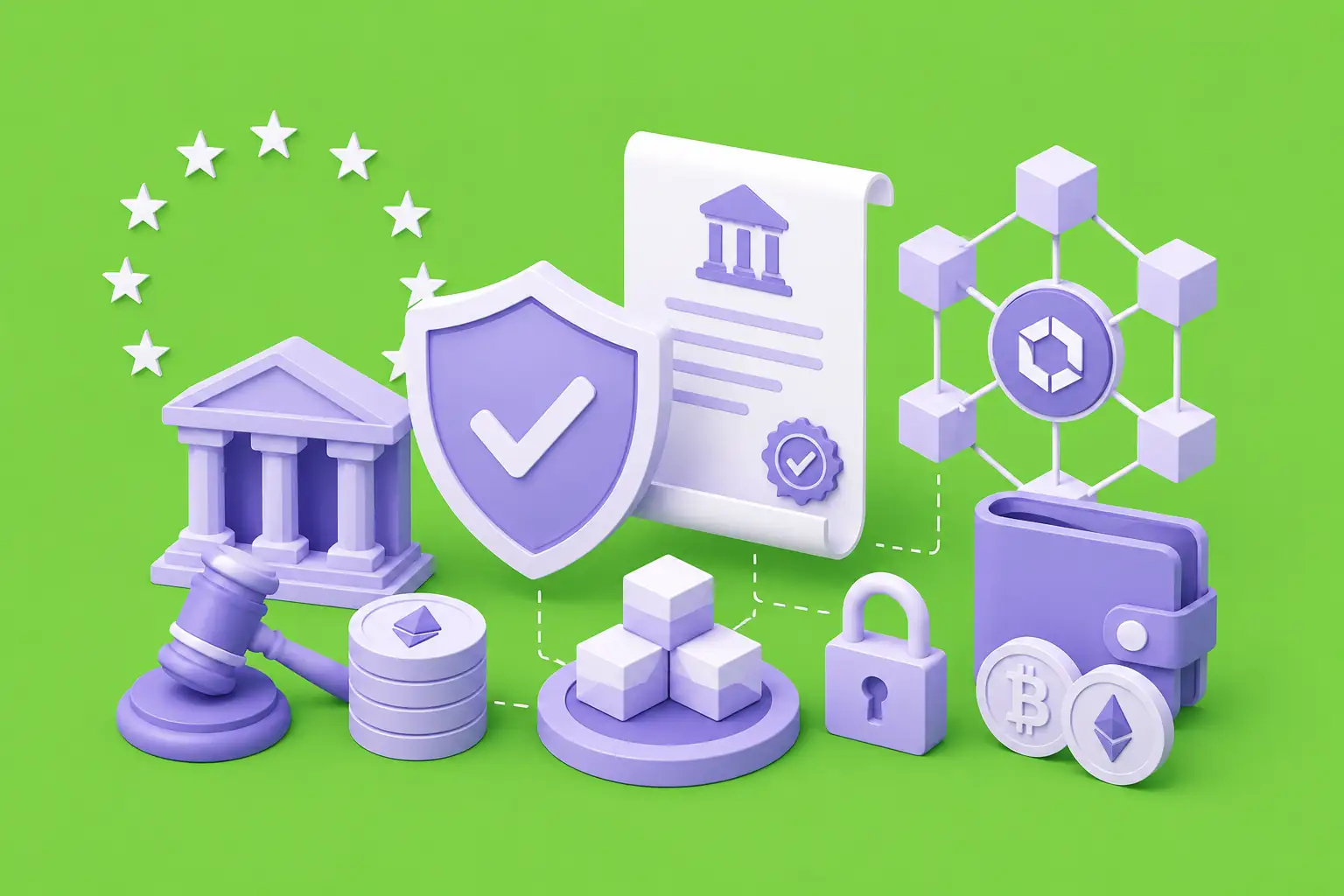
The regulatory landscape surrounding the DeFi ecosystem remains in flux as governments worldwide grapple with how to govern these novel financial systems. The decentralized and borderless nature of DeFi challenges traditional regulatory frameworks designed for centralized institutions operating within specific jurisdictions, creating uncertainty for both protocol developers and users.
Regulatory bodies express concerns about consumer protection, financial stability, tax evasion, money laundering, and securities law compliance within decentralized finance. Many jurisdictions question whether DeFi governance tokens constitute securities requiring registration, whether protocols must implement KYC and AML procedures, who bears liability for protocol failures, and how tax obligations apply to complex DeFi transactions. These questions lack uniform answers across jurisdictions, creating a patchwork regulatory environment.
The decentralization of DeFi protocols creates enforcement challenges for regulators accustomed to holding specific entities accountable. Truly decentralized protocols lack central operators to sanction, creating regulatory gaps. However, authorities increasingly focus on protocol founders, developers, interface operators, and governance token holders as potential liable parties. The Tornado Cash prosecution in the United States exemplified regulatory willingness to pursue DeFi participants, sending shockwaves through the developer community.
Tax implications of DeFi activities vary by jurisdiction but generally require reporting of capital gains from trading, interest income from lending, and income from liquidity provision and yield farming. The complexity of tracking basis across multiple protocols, calculating impermanent loss, and valuing governance token rewards creates substantial reporting burdens. Many jurisdictions lack clear guidance on specific DeFi transactions, leaving taxpayers uncertain about proper compliance within the DeFi ecosystem.
Moving forward, the DeFi ecosystem faces a choice between maintaining pure decentralization and adapting to accommodate regulatory requirements. Some protocols implement optional KYC for certain features, creating compliant access points while preserving permissionless base layers. Geographic restrictions prevent access from certain jurisdictions, though VPNs and proxy services undermine effectiveness. The tension between decentralized ideals and regulatory compliance will shape DeFi’s evolution in coming years.
DeFi Analytics and Market Trends
Understanding the DeFi ecosystem requires familiarity with key metrics and analytical tools that track protocol performance, user activity, and market dynamics. The transparency of blockchain technology enables unprecedented visibility into financial system operations, creating rich data sources for analysis and decision-making.
Total Value Locked (TVL) represents the most widely cited metric for gauging DeFi growth and protocol success. TVL measures the dollar value of assets deposited into smart contracts across the ecosystem, serving as a proxy for user trust and capital deployment. While useful for comparing protocols and tracking overall market size, TVL has limitations including double-counting through recursive borrowing and sensitivity to token price fluctuations that inflate or deflate measured values independent of actual usage changes.
Essential DeFi Metrics
Protocol Revenue
Fees generated by protocol usage that accrue to token holders or protocol treasuries. Revenue metrics reveal genuine protocol adoption and value creation beyond speculative token appreciation.
Daily Active Users
Unique addresses interacting with protocols daily, providing insight into actual adoption and usage patterns. This metric helps distinguish between genuine user growth and wash trading or bot activity.
Transaction Volume
Dollar value of transactions processed through protocols, particularly relevant for DEXs where volume indicates liquidity and market depth. Volume analysis helps identify trending protocols and shifting user preferences.
Token Holder Distribution
Analysis of how governance tokens distribute across addresses reveals centralization risks and community engagement levels. Concentrated holdings suggest potential governance vulnerabilities or limited decentralization.
Numerous analytics platforms serve the DeFi ecosystem, each offering different perspectives and data focuses. DeFi Llama aggregates TVL and protocol data across chains. Dune Analytics enables custom queries of blockchain data for detailed analysis. Token Terminal tracks financial metrics treating protocols as traditional businesses. The Graph provides decentralized data indexing. These tools democratize access to insights previously available only to institutional investors.
Current trends shaping the DeFi ecosystem include layer-2 scaling solutions that reduce transaction costs while maintaining security through Ethereum settlement. Cross-chain bridges and multi-chain protocols expand DeFi beyond single blockchain limitations. Real-world asset tokenization brings traditional securities, real estate, and commodities onto blockchain rails. Institutional DeFi adoption grows as traditional finance experiments with decentralized infrastructure. These developments suggest continued evolution and maturation of decentralized finance.
Market cycles significantly impact the DeFi ecosystem, with bull markets driving explosive growth in TVL, user adoption, and new protocol launches, while bear markets test protocol sustainability and reveal which projects deliver genuine value versus pure speculation. Understanding these cycles helps participants make informed decisions about timing, risk management, and long-term strategy within decentralized finance.
The Future of the DeFi Ecosystem: Innovations Ahead
The DeFi ecosystem stands at an inflection point, with numerous technological innovations and conceptual developments promising to address current limitations while expanding capabilities. The next generation of decentralized finance will likely look substantially different from today’s landscape, incorporating lessons learned from early experiments while pushing boundaries of what blockchain-based financial systems can achieve.
Layer-2 scaling solutions represent perhaps the most immediate innovation impacting DeFi, dramatically reducing transaction costs and increasing throughput on Ethereum. Optimistic rollups like Arbitrum and Optimism, along with zero-knowledge rollups like zkSync and StarkNet, enable DeFi protocols to serve mainstream users who cannot afford high gas fees. These scaling solutions maintain Ethereum’s security guarantees while offering near-instant finality and costs measured in cents rather than dollars.
Emerging DeFi Innovations
Account Abstraction
Smart contract wallets with programmable logic enable features like social recovery, gasless transactions, batch operations, and automated strategies. This innovation dramatically improves user experience, making DeFi accessible to non-technical users while maintaining security.
Real-World Asset Integration
Tokenizing traditional assets like stocks, bonds, real estate, and commodities expands DeFi beyond purely crypto-native use cases. This bridge to traditional finance unlocks trillions in asset value for decentralized protocols.
Cross-Chain Infrastructure
Improved bridges and interoperability protocols enable seamless asset movement and protocol interaction across different blockchains. This multi-chain future breaks down ecosystem silos and creates unified liquidity pools.
Privacy Solutions
Zero-knowledge proofs and other cryptographic techniques enable private transactions while maintaining auditability and compliance capabilities. Privacy features make DeFi viable for institutional and individual users requiring confidentiality.
Decentralized Identity
On-chain identity and reputation systems enable undercollateralized lending, personalized services, and compliance with KYC requirements while preserving user privacy through selective disclosure.
Artificial Intelligence Integration
AI agents automate complex DeFi strategies, optimize yield farming, provide personalized financial advice, and detect security threats. This combination enhances capital efficiency and user experience throughout the ecosystem.
The convergence of traditional finance and DeFi appears inevitable as institutions recognize the efficiency gains and innovation potential of decentralized systems. Banks experiment with tokenized deposits, asset managers explore DeFi yield opportunities, and payment processors integrate blockchain rails. This institutional adoption brings capital, legitimacy, and mainstream attention to the DeFi ecosystem while potentially compromising some decentralization ethos through compliance-driven modifications.
Decentralized physical infrastructure networks represent an exciting frontier where DeFi principles extend beyond purely financial applications into real-world infrastructure coordination. Projects incentivize distributed provision of wireless connectivity, computing power, storage, and other physical resources through token economics, demonstrating how decentralized markets can coordinate human behavior at scale.
The ultimate vision for the DeFi ecosystem involves creating a parallel financial system operating entirely on decentralized infrastructure, offering all services available in traditional finance but with superior efficiency, transparency, accessibility, and user control. While significant technical, regulatory, and adoption challenges remain, the trajectory of innovation and growth suggests this vision may eventually materialize, transforming how humanity coordinates economic activity.
Conclusion: Embracing DeFi for Financial Freedom
The DeFi ecosystem represents more than technological innovation; it embodies a fundamental reimagining of financial systems prioritizing accessibility, transparency, and individual sovereignty over institutional control. As decentralized finance matures from experimental protocols to robust infrastructure handling billions in value, its potential to democratize financial services becomes increasingly tangible.
Participating in the DeFi ecosystem requires balancing enthusiasm for revolutionary possibilities with realistic assessment of risks and challenges. The space remains young, volatile, and constantly evolving, demanding continuous learning and adaptation from participants. However, for those willing to invest time understanding the technology, managing risks appropriately, and engaging thoughtfully with these new financial primitives, DeFi offers unprecedented opportunities to access global capital markets, earn yields on holdings, participate in protocol governance, and contribute to building more equitable financial systems.
The journey toward mainstream DeFi adoption will likely span years or decades, encountering regulatory challenges, technical obstacles, and user experience hurdles along the way. Yet the fundamental advantages of decentralized finance, including permissionless access, transparent operations, efficient settlement, and programmable functionality, suggest that blockchain-based financial systems will eventually capture significant market share from traditional alternatives. Whether this transition occurs gradually through integration or disruptively through displacement remains to be seen.
For individuals seeking greater financial autonomy, the DeFi ecosystem provides tools to take control of wealth management, access global opportunities regardless of geographic location, and participate in innovative financial experiments impossible within traditional systems. For developers and entrepreneurs, decentralized finance offers a permissionless innovation platform where anyone can build financial applications serving global audiences without requiring institutional approval or massive capital investment.
As the DeFi ecosystem continues expanding and refining its offerings, staying informed, practicing security diligence, and engaging with the community becomes essential for anyone serious about participating in this financial revolution. The future of finance is being built today by developers writing smart contracts, users providing liquidity, and communities governing protocols. This collaborative effort promises to create financial infrastructure that is more inclusive, efficient, and aligned with user interests than any system humanity has previously constructed.
With over 8 years of specialized experience in blockchain development and decentralized finance solutions, Nadcab Labs stands at the forefront of DeFi innovation and implementation. Our expert team has successfully designed, audited, and deployed numerous DeFi protocols across multiple blockchain networks, helping clients navigate the complex landscape of decentralized finance with confidence. We bring deep technical expertise in smart contract development, protocol architecture, security auditing, and tokenomics design, combined with practical understanding of DeFi ecosystem dynamics, regulatory considerations, and market trends. Whether you’re looking to launch your own DeFi protocol, integrate decentralized finance features into existing applications, or simply understand how to leverage DeFi opportunities safely and effectively, Nadcab Labs provides the comprehensive guidance and technical capabilities needed to succeed in this rapidly evolving space. Our commitment to security, innovation, and client success has established us as trusted partners for organizations and individuals embracing the DeFi revolution.
Frequently Asked Questions
Q1.How do I get started with the DeFi ecosystem if I'm a complete beginner?
Begin by setting up a non-custodial wallet like MetaMask, then acquire some cryptocurrency from a reputable exchange. Start with small amounts on user-friendly platforms like Aave or Uniswap to understand basic operations before exploring more complex strategies. Take time to learn about gas fees, transaction confirmation, and basic security practices. Consider using testnet environments to practice without risking real funds, and never invest more than you can afford to lose while learning the DeFi ecosystem.
Q2.What are the main differences between centralized exchanges and decentralized exchanges in the DeFi ecosystem?
Centralized exchanges require users to deposit funds into exchange-controlled wallets, implement KYC verification, and operate through traditional order books with centralized market making. Decentralized exchanges allow direct wallet-to-wallet trading without deposits or identity verification, using automated market makers or on-chain order books. DEXs provide greater security through self-custody, enhanced privacy, and censorship resistance, but may offer lower liquidity for certain pairs and charge higher transaction fees during network congestion. The choice depends on your priorities regarding control, privacy, convenience, and the specific assets you wish to trade.
Q3.Can I lose money through impermanent loss, and how can I minimize this risk?
Yes, impermanent loss occurs when the price ratio of assets in a liquidity pool changes compared to when you deposited them, potentially resulting in lower value than simply holding the assets. To minimize this risk, provide liquidity to pools with correlated assets like stablecoin pairs or wrapped versions of the same asset. Consider pools with high trading volumes that generate substantial fees to offset potential impermanent loss. Some protocols offer single-sided staking or impermanent loss protection mechanisms. Calculate potential impermanent loss using available calculators before committing large amounts to liquidity provision in the DeFi ecosystem.
Q4.How do I know if a DeFi protocol is safe to use?
Evaluate protocol safety through multiple factors including security audits from reputable firms, time in operation without major incidents, total value locked indicating user trust, transparency of smart contract code, quality of development team, active bug bounty programs, and community reputation. Never rely on any single factor. Even audited protocols can contain undiscovered vulnerabilities, so diversify your exposure across multiple protocols rather than concentrating all funds in one platform. Start with small amounts when testing new protocols, and stay informed about security incidents and protocol updates within the DeFi ecosystem.
Q5.What happens if I lose access to my wallet or forget my seed phrase?
Unfortunately, if you lose your seed phrase and cannot access your wallet through other means, your funds are permanently inaccessible. This is the trade-off of self-custody in the DeFi ecosystem. There is no customer service to reset passwords or recover accounts. Some newer smart contract wallets offer social recovery mechanisms where trusted contacts can help restore access, but this requires setting up beforehand. The best protection is securely backing up your seed phrase in multiple physical locations, never storing it digitally, and considering metal backup solutions for additional durability against physical damage.
Q6.Are the high yields advertised in DeFi sustainable, or are they too good to be true?
Many advertised yields in the DeFi ecosystem come from temporary liquidity mining incentives where protocols distribute governance tokens to attract users. These yields often decline significantly over time as token emissions decrease or token prices fall. Sustainable yields typically come from actual protocol revenue like trading fees, interest spreads, or other organic sources. Be skeptical of extremely high yields exceeding 100% APY, as these usually rely on inflationary token rewards that may not maintain value. Calculate your returns in stablecoin or dollar terms rather than token amounts, and understand the source of yields before committing capital to any strategy.
Q7.How do taxes work for DeFi transactions, and do I need to report every trade?
Tax treatment varies by jurisdiction, but most countries require reporting taxable events including trading, receiving interest, earning rewards, and liquidity provision. Each swap between tokens typically constitutes a taxable event requiring calculation of gains or losses. DeFi complexity makes tracking challenging, so consider using specialized crypto tax software that integrates with blockchain explorers to automatically import and categorize transactions. Consult with tax professionals familiar with cryptocurrency, as DeFi taxation remains an evolving area with unclear guidance for many situations. Maintaining detailed records of all transactions from the beginning simplifies tax compliance in the DeFi ecosystem.
Q8.What is a flash loan, and why would someone use one?
Flash loans allow borrowing significant amounts without collateral, provided the loan is repaid within the same transaction block. These uncollateralized loans enable sophisticated strategies including arbitrage between exchanges, collateral swapping to avoid liquidation, and protocol-specific optimizations. Flash loans democratize access to capital for profitable opportunities that previously required substantial holdings. However, they also enable attacks on vulnerable protocols through price manipulation or exploiting flawed logic. Most DeFi users never need flash loans, as they require technical expertise to implement and opportunities are quickly arbitraged away by specialized traders in the DeFi ecosystem.
Q9.Can DeFi protocols be shut down by governments or regulators?
Truly decentralized protocols with no central control points are difficult to shut down completely, as their smart contracts continue operating on the blockchain regardless of regulatory actions. However, governments can target protocol developers, interface operators, governance token holders, or users through legal actions, effectively limiting practical access. Regulators might block websites, prosecute teams, or pressure service providers like node operators and wallet providers. The degree of decentralization significantly impacts regulatory vulnerability, with more centralized protocols facing easier enforcement actions. Ongoing regulatory developments will shape which DeFi approaches remain viable in different jurisdictions within the evolving DeFi ecosystem.
Q10.What is the difference between Layer 1 and Layer 2 solutions in DeFi?
Layer 1 refers to base blockchain networks like Ethereum, Bitcoin, or Solana that provide fundamental infrastructure for the DeFi ecosystem. Layer 2 solutions build on top of Layer 1 networks to improve scalability and reduce costs while inheriting the security of the underlying chain. Popular Layer 2 solutions include rollups that batch multiple transactions together and submit compressed data to Layer 1, sidechains that operate semi-independently but bridge to Layer 1, and state channels for repeated interactions between parties. Layer 2 adoption is crucial for mainstream DeFi usage, as it dramatically reduces transaction costs while maintaining security through periodic settlement on Layer 1 blockchains.
Explore Services
Related Services
Reviewed by

Aman Vaths
Founder of Nadcab Labs
Aman Vaths is the Founder & CTO of Nadcab Labs, a global digital engineering company delivering enterprise-grade solutions across AI, Web3, Blockchain, Big Data, Cloud, Cybersecurity, and Modern Application Development. With deep technical leadership and product innovation experience, Aman has positioned Nadcab Labs as one of the most advanced engineering companies driving the next era of intelligent, secure, and scalable software systems. Under his leadership, Nadcab Labs has built 2,000+ global projects across sectors including fintech, banking, healthcare, real estate, logistics, gaming, manufacturing, and next-generation DePIN networks. Aman’s strength lies in architecting high-performance systems, end-to-end platform engineering, and designing enterprise solutions that operate at global scale.