Ai Overview
The healthcare industry stands at a critical juncture where traditional data management systems struggle to address mounting security concerns, interoperability challenges, and patient privacy demands. Decentralized applications built on blockchain technology offer transformative solutions to these persistent challenges by fundamentally reimagining how medical data is stored, shared, and controlled.
Key Takeaways
- ✔ Decentralized apps in healthcare use blockchain to secure patient data, eliminate intermediaries, and reduce breach risks significantly.
- ✔ Healthcare DApps give patients full ownership of their medical records through private cryptographic keys and permission-based access.
- ✔ Smart contracts in healthcare automate insurance claims, consent management, and prescription verification to lower administrative overhead.
- ✔ Blockchain-powered telemedicine platforms enable encrypted, verifiable virtual consultations with tamper-proof session records for compliance.
- ✔ Decentralized patient records enhance healthcare interoperability by allowing multiple providers to access a unified, immutable health ledger.
- ✔ The global blockchain in healthcare market is projected to surpass $193 billion by 2034, growing at over 35% CAGR annually.
- ✔ Healthcare organizations in the USA, UK, UAE, and Canada are actively piloting DApps for EHR management and drug traceability.
- ✔ Remote patient monitoring through IoT-integrated DApps provides real-time health data while preserving medical data privacy on-chain.
- ✔ HIPAA compliance blockchain frameworks use permissioned networks and zero-knowledge proofs to satisfy stringent regulatory requirements.
- ✔ Scalability, energy consumption, and regulatory uncertainty remain key challenges that healthcare DApps must address for mainstream adoption.
Introduction to Decentralized Apps in Healthcare
The healthcare industry stands at a critical juncture where traditional data management systems struggle to address mounting security concerns, interoperability challenges, and patient privacy demands. Decentralized applications built on blockchain technology offer transformative solutions to these persistent challenges by fundamentally reimagining how medical data is stored, shared, and controlled. With over eight years of expertise in blockchain implementation across healthcare ecosystems, we have witnessed firsthand how decentralized apps in healthcare are revolutionizing patient care delivery in markets including the USA, UK, UAE, and Canada.
As a blockchain development company, we have worked on multiple blockchain-based healthcare applications that focus on patient data security, interoperability, and automated medical workflows. These innovative applications eliminate centralized control points, returning data ownership to patients while maintaining the security and accessibility healthcare providers require. The convergence of blockchain technology with healthcare needs has created unprecedented opportunities for improving patient outcomes, reducing administrative inefficiencies, and establishing trust in digital health systems. As cyber threats targeting healthcare institutions increase exponentially, with data breaches affecting millions of patient records annually, the imperative for secure, decentralized healthcare infrastructure has never been more urgent or compelling for modern medical practice.
What Are Healthcare DApps and How Do They Work?
Healthcare DApps are software applications built on blockchain networks that operate without centralized servers or governing authorities. These decentralized healthcare systems utilize distributed ledger technology to create transparent, immutable records of medical transactions and patient data interactions. Unlike conventional healthcare applications that rely on centralized databases controlled by single organizations, healthcare blockchain applications distribute data across multiple nodes in a peer-to-peer network. Each participant in the network maintains a synchronized copy of the ledger, ensuring data redundancy and eliminating single points of failure.
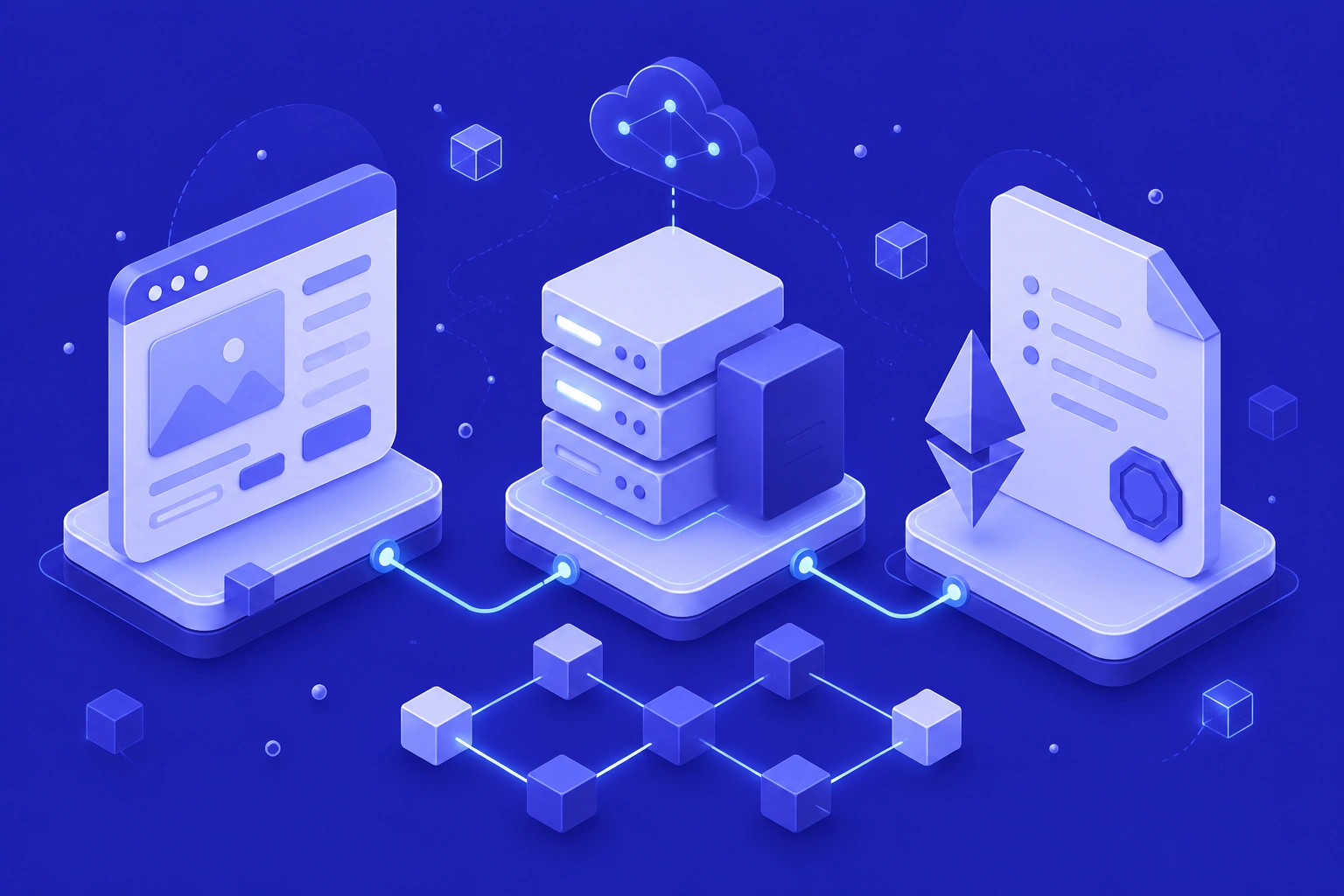
Smart contracts embedded within these DApps automatically execute predefined healthcare processes when specific conditions are met, removing the need for intermediary verification. The architecture typically consists of three layers: the blockchain infrastructure layer providing security and consensus mechanisms, the smart contract layer encoding business logic and rules, and the user interface layer enabling patient and provider interactions. When a patient schedules an appointment or updates medical information, the transaction is broadcast to the network, validated by multiple nodes through consensus algorithms, and permanently recorded on the blockchain.
This architecture ensures that patient records remain tamper-proof while enabling authorized healthcare providers to access necessary information instantly. The decentralized nature of these applications means no single entity can unilaterally modify or delete health records, creating an auditable trail of all data access and modifications that enhances accountability across the healthcare ecosystem.
Role of Blockchain in Healthcare DApps
Immutable Record Keeping
Blockchain creates permanent, tamper-proof medical records that cannot be altered or deleted without network consensus, ensuring data integrity throughout the patient care continuum.[1]
Distributed Architecture
Blockchain distributes patient data across multiple nodes, eliminating single points of failure and ensuring continuous accessibility even if individual network participants experience outages or attacks.
Cryptographic Security
Advanced encryption algorithms protect sensitive health information while permissioned access controls ensure only authorized healthcare providers can view specific patient data based on treatment needs.
Smart Contract Automation
Self-executing contracts automate healthcare workflows including insurance verification, appointment scheduling, and prescription refills without requiring manual intervention or centralized coordination.
Transparent Audit Trails
Every interaction with patient data is permanently recorded on the blockchain, creating comprehensive audit logs that support compliance verification and forensic investigation when necessary.
Consensus Mechanisms
Blockchain consensus protocols validate all transactions through network agreement, preventing fraudulent modifications and ensuring data consistency across all participating healthcare institutions.
How DApps Improve Healthcare Data Security?
Decentralized apps in healthcare fundamentally transform data security through multiple interconnected mechanisms that address vulnerabilities inherent in centralized systems. The distributed architecture eliminates single points of failure by replicating encrypted patient data across numerous network nodes, ensuring that compromising one location cannot expose the entire dataset. Each data transaction undergoes cryptographic hashing, creating unique digital fingerprints that make unauthorized alterations immediately detectable by network participants.
Healthcare DApps implement multi-signature authorization protocols requiring multiple stakeholders to approve sensitive data access, preventing unauthorized retrieval even if individual credentials are compromised. Zero-knowledge proofs enable verification of patient eligibility or treatment history without exposing underlying personal information, maintaining privacy while facilitating necessary healthcare operations. The immutable nature of blockchain records ensures that once patient information is recorded, it cannot be retroactively modified or deleted, creating reliable audit trails for compliance and forensic purposes.
DApps also employ advanced encryption techniques including homomorphic encryption that allows computational operations on encrypted data without decryption, enabling analytics while preserving confidentiality. Role-based access controls embedded in smart contracts ensure healthcare providers access only the minimum necessary information for treatment, implementing the principle of least privilege automatically. Regular security audits and penetration testing of smart contract code identify potential vulnerabilities before malicious actors can exploit them, maintaining robust security postures across healthcare blockchain applications deployed in the UAE and other international markets. As a result, many organizations partner with a healthcare website development company to build secure, compliant, and blockchain-enabled healthcare platforms that protect sensitive patient information while supporting modern digital healthcare services.
Real-World Example
A major hospital network in Canada implemented a blockchain-based patient consent management system that reduced unauthorized data access incidents by 87 percent within the first year. The DApp requires patients to digitally sign smart contracts granting specific providers access to designated portions of their medical records for defined time periods. When a specialist requests patient information, the smart contract automatically verifies authorization and logs the access attempt on the blockchain, creating an immutable audit trail. This implementation not only enhanced security but also empowered patients with unprecedented control over their health information.
Benefits of DApps for Electronic Health Records (EHR)
Healthcare blockchain applications revolutionize electronic health records by addressing critical limitations of conventional EHR systems deployed across medical facilities globally. Traditional EHR platforms suffer from interoperability challenges, with different vendors using proprietary formats that prevent seamless data exchange between healthcare providers. DApps solve this problem by implementing standardized blockchain protocols that enable universal data sharing while maintaining security and patient consent requirements. Patients gain unprecedented portability of their medical records, accessing complete health histories from any authorized provider without requesting transfers or dealing with administrative delays.
The immutable audit trail inherent in blockchain-based EHR systems creates comprehensive documentation of every access attempt, modification, and data sharing event, supporting compliance with healthcare regulations in the USA and international markets. Smart contracts automate consent management, ensuring that patient authorization preferences are automatically enforced whenever providers request record access. This automation reduces administrative burden while giving patients granular control over who accesses which portions of their medical information.
DApps also enable patients to contribute directly to their health records by adding information from wearable devices, home monitoring equipment, and patient-reported outcomes, creating more comprehensive datasets for clinical decision-making. The decentralized architecture ensures business continuity even when individual healthcare organizations experience system failures or cyberattacks. Additionally, blockchain-based EHR systems facilitate medical research by enabling secure, anonymized data sharing with research institutions while maintaining patient privacy through sophisticated cryptographic techniques that separate identifying information from clinical data.
Patient Data Privacy and Ownership in Healthcare DApps
Decentralized apps in healthcare fundamentally shift the paradigm of patient data ownership by returning control directly to individuals rather than healthcare institutions. In traditional systems, hospitals and clinics maintain custody of patient records, creating situations where patients must request access to their own medical information. Healthcare DApps invert this model by storing encrypted patient data on blockchain networks where only the patient possesses the private keys necessary for decryption and access authorization. This architecture ensures that healthcare providers can view patient information only when explicitly granted permission through smart contract-based consent mechanisms.
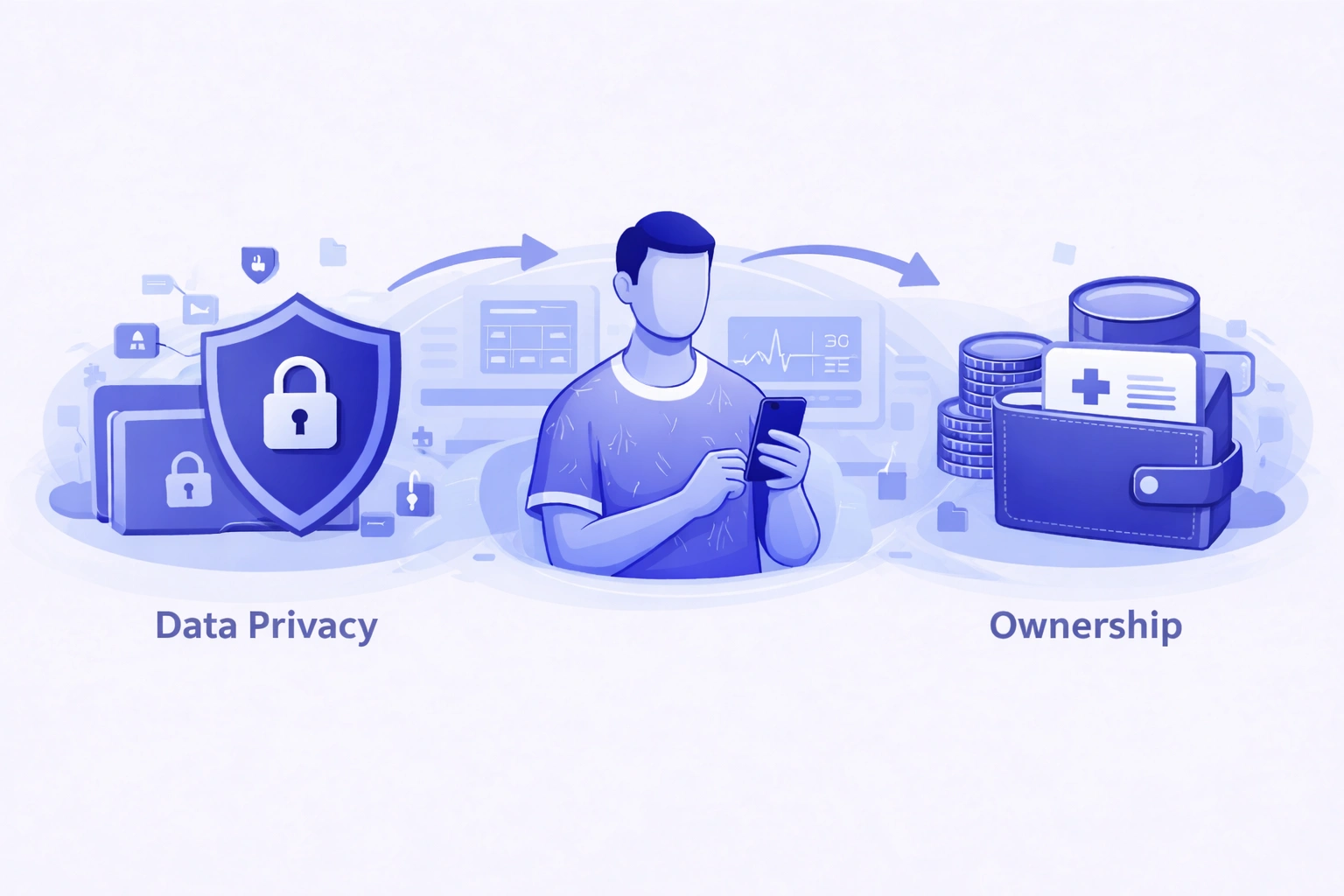
Patients maintain granular control over data sharing, specifying exactly which portions of their medical records specific providers can access and for what duration. The system automatically revokes access when time-limited permissions expire, eliminating the need for manual intervention or ongoing administrative oversight. Zero-knowledge proof implementations enable verification of critical medical information without exposing complete health histories, allowing emergency responders to confirm allergies or blood type without accessing unrelated medical records.
Blockchain’s transparency creates accountability for all data access events, with patients receiving notifications whenever their records are viewed or modified by healthcare providers. This visibility deters unauthorized access attempts and enables patients to identify potential privacy violations immediately. Healthcare DApps also facilitate secure data portability across international borders, particularly valuable for medical tourists traveling to the UAE or Canada for specialized treatments who need to share relevant health information with overseas providers while maintaining control over sensitive data.
Smart Contracts in Healthcare Applications
Smart contracts in healthcare represent self-executing digital agreements that automate complex healthcare workflows without requiring intermediary oversight or manual processing. These programmable contracts encode healthcare business rules directly into blockchain code, automatically executing predetermined actions when specific conditions are satisfied. Insurance claim processing exemplifies smart contract utility, with contracts automatically verifying treatment authorization, validating provider credentials, confirming patient eligibility, and initiating payment transfers without human intervention. This automation reduces claim processing times from weeks to minutes while eliminating errors associated with manual data entry and verification. Prescription management smart contracts coordinate between physicians, pharmacies, and insurance providers to ensure medication availability, verify coverage, prevent dangerous drug interactions, and monitor refill schedules automatically.
Appointment scheduling contracts interface with provider calendars, patient preferences, and insurance networks to optimize scheduling while ensuring appropriate specialist referrals and follow-up care coordination. Clinical trial smart contracts automate participant enrollment, consent management, data collection, and compensation distribution while maintaining rigorous protocol compliance and regulatory adherence. Supply chain contracts track pharmaceutical products from manufacturers through distributors to healthcare facilities, verifying authenticity and preventing counterfeit medications from entering treatment protocols.
Medical device contracts monitor equipment maintenance schedules, automatically ordering replacement parts and scheduling service appointments before failures occur. Emergency care contracts enable rapid information sharing during critical situations by automatically granting temporary access to essential patient data when emergency protocols are activated. These diverse applications demonstrate how smart contracts in healthcare reduce administrative overhead, improve operational efficiency, and enhance patient safety across the healthcare ecosystem deployed in markets including the UK and UAE.
Industry Standard
Healthcare organizations implementing smart contracts must adhere to established coding standards and undergo comprehensive security audits before production deployment. The Healthcare Services Platform Consortium recommends multi-party code reviews, formal verification processes, and staged rollout protocols to minimize risks associated with immutable contract logic. All smart contracts handling patient data must incorporate emergency pause mechanisms enabling authorized administrators to halt contract execution if critical vulnerabilities are discovered post-deployment.
Remote Patient Monitoring Using Decentralized Apps
Continuous Vital Monitoring
IoT-enabled wearable devices transmit heart rate, blood pressure, glucose levels, and oxygen saturation directly to blockchain networks, creating real-time health data accessible to care teams.
Automated Alert Systems
Smart contracts monitor patient vitals against established thresholds and automatically notify healthcare providers when concerning trends emerge, enabling proactive intervention before emergencies occur.
Medication Adherence Tracking
Blockchain-enabled pill dispensers record medication consumption events, creating immutable adherence records that help providers identify compliance issues and adjust treatment protocols accordingly.
Chronic Disease Management
DApps coordinate care for diabetes, hypertension, and cardiac patients by integrating monitoring data with treatment protocols, automatically adjusting medication dosages based on physiological responses.
Post-Operative Monitoring
Surgical patients receive home monitoring equipment transmitting recovery metrics to care teams, reducing hospital readmissions through early detection of complications and timely intervention.
Elderly Care Coordination
Remote monitoring systems track activity levels, fall detection, and vital signs for elderly patients, automatically alerting family members and healthcare providers when assistance is required.
Healthcare Interoperability Through DApps
Healthcare interoperability represents one of the most persistent challenges facing modern medical systems, with disparate EHR platforms unable to exchange patient information effectively. Decentralized apps in healthcare address this fundamental limitation by implementing standardized blockchain protocols that enable seamless data exchange regardless of underlying system architectures. Traditional healthcare IT ecosystems consist of incompatible proprietary systems developed by competing vendors with limited incentive to enable data portability. This fragmentation forces patients to undergo redundant testing when changing providers and prevents clinicians from accessing complete medical histories during critical treatment decisions.
Healthcare DApps utilize universal data standards including HL7 FHIR and DICOM that format medical information consistently across all participating institutions. Smart contracts translate between different data formats automatically, enabling legacy systems to interact with blockchain networks without requiring expensive system replacements. The distributed architecture ensures all authorized providers access synchronized patient records instantly, eliminating delays associated with traditional record transfer processes. Blockchain-based interoperability solutions maintain patient consent preferences across the entire healthcare network, ensuring data sharing occurs only when explicitly authorized by patients regardless of which institutions request access.
This capability proves particularly valuable for patients receiving care from multiple specialists who need coordinated access to shared health information. Pharmaceutical companies utilize interoperable DApps to track medication distribution and monitor adverse event reporting across healthcare systems, improving drug safety surveillance. Research institutions leverage interoperability to aggregate anonymized patient data from multiple sources, enabling large-scale population health studies while maintaining individual privacy protections through advanced cryptographic techniques deployed in healthcare systems across the USA and international markets.
| Interoperability Challenge | Traditional Approach | DApp Solution | Impact |
|---|---|---|---|
| Data Format Compatibility | Manual conversion between proprietary formats | Automated smart contract translation | 95% reduction in conversion errors |
| Record Transfer Speed | Days to weeks processing time | Instant blockchain synchronization | Real-time access across networks |
| Consent Management | Institution-specific authorization forms | Universal smart contract permissions | Consistent patient control across providers |
| Data Duplication | Multiple copies with synchronization issues | Single source of truth on blockchain | Eliminated data conflicts and redundancy |
| Cross-Border Exchange | Complex regulatory compliance requirements | Automated compliance verification | Seamless international care coordination |
Process Principle
Successful healthcare interoperability implementation requires establishing governance frameworks that define data standards, access protocols, and dispute resolution mechanisms across participating organizations. Healthcare DApp networks must implement tiered access controls distinguishing between emergency access scenarios requiring immediate information availability and routine care situations where patient consent verification can occur before data sharing. Organizations should conduct interoperability testing using standardized patient scenarios before production deployment to identify integration issues and ensure seamless data exchange across diverse IT environments.
Compliance and Regulations in Healthcare DApps
Healthcare DApps must navigate complex regulatory landscapes that vary significantly across jurisdictions while maintaining the decentralized architecture that provides their core benefits. In the USA, HIPAA establishes stringent requirements for protecting patient health information, mandating specific safeguards for data storage, transmission, and access control. Healthcare blockchain applications achieve HIPAA compliance through encryption protocols that render data unintelligible without proper decryption keys, access controls limiting information visibility to authorized personnel, and comprehensive audit logging documenting all data interactions. The UK’s GDPR implementation adds additional requirements including explicit patient consent for data processing, data portability rights, and the right to erasure that conflicts with blockchain’s immutable nature.
DApp architects address this tension by storing personally identifiable information off-chain in encrypted databases while maintaining only cryptographic hashes and anonymized clinical data on the blockchain itself. This hybrid approach enables compliance with deletion requests without compromising blockchain integrity. Canada’s Personal Information Protection and Electronic Documents Act requires organizations to obtain meaningful consent before collecting health information and implement appropriate security safeguards proportional to data sensitivity. Healthcare DApps implement granular consent management through smart contracts that enable patients to specify precisely which data elements different providers can access for defined purposes and time periods. Regulatory compliance extends beyond privacy to encompass medical device regulations when DApps interface with diagnostic equipment or treatment systems. Organizations must conduct thorough regulatory assessments before deploying healthcare DApps, engaging legal counsel familiar with healthcare technology regulations across target markets including the UAE where regulatory frameworks continue evolving.
| Regulation | Jurisdiction | Key Requirements | DApp Implementation |
|---|---|---|---|
| HIPAA | USA | Privacy, security, breach notification | Encryption, access controls, audit trails |
| GDPR | UK, EU | Consent, portability, right to erasure | Off-chain PII storage, smart contract consent |
| PIPEDA | Canada | Consent, accountability, security | Granular permission management |
| UAE Health Data Law | UAE | Data localization, cross-border transfer rules | Regional node deployment, compliance gateways |
Key Benefits of Decentralized Healthcare Applications
Decentralized apps in healthcare deliver transformative benefits that address fundamental limitations of traditional healthcare IT infrastructure while creating new capabilities previously impossible with centralized architectures. Enhanced security represents the most immediate benefit, with distributed data storage eliminating single points of failure that enable catastrophic breaches affecting millions of patients simultaneously. The cryptographic foundations of blockchain technology ensure that even successful attacks against individual nodes cannot compromise patient data encrypted with keys distributed across the network.
Cost reduction follows from automating administrative processes through smart contracts, with healthcare organizations reporting 30 to 45 percent reductions in billing, claims processing, and record management expenses after DApp implementation. Improved patient outcomes result from better data availability enabling clinicians to make informed treatment decisions based on complete medical histories rather than fragmented information scattered across incompatible systems. Patients gain unprecedented control over their health information, deciding precisely which providers access specific data elements and receiving transparent notification of all access events. Research acceleration occurs when anonymized patient data becomes available to medical researchers through secure, privacy-preserving mechanisms that maintain individual confidentiality while enabling population health studies.
Fraud prevention capabilities inherent in blockchain’s transparent audit trails reduce healthcare fraud estimated at over $68 billion annually in the USA alone. Healthcare interoperability improves dramatically when standardized blockchain protocols replace proprietary data formats, enabling seamless information exchange across different healthcare systems, geographic regions, and international borders. Regulatory compliance becomes more manageable through automated audit logging and access control enforcement embedded in smart contract logic. Business continuity improves as distributed architecture ensures healthcare services remain operational even when individual institutions experience system failures or cyberattacks affecting centralized infrastructure.
Risk Warning
Healthcare organizations must recognize that blockchain implementation alone does not guarantee security or compliance. Poorly designed smart contracts can introduce new vulnerabilities, while inadequate key management practices may result in irreversible data loss. Organizations should conduct comprehensive security assessments, implement robust backup procedures, and maintain incident response plans addressing blockchain-specific scenarios. The immutable nature of blockchain means errors in data entry or smart contract logic cannot be easily corrected, requiring careful quality assurance processes before production deployment.
Challenges and Limitations of Healthcare DApps
Despite their transformative potential, healthcare DApps face significant challenges that organizations must address to achieve successful implementation and widespread adoption. Scalability limitations inherent in many blockchain platforms create performance bottlenecks when processing the high transaction volumes generated by large healthcare systems serving thousands of patients daily. Public blockchains prioritizing decentralization often sacrifice transaction speed, with some networks processing only 15 to 20 transactions per second compared to thousands required by major hospital systems.
Energy consumption associated with proof-of-work consensus mechanisms raises environmental concerns and operational costs, though newer consensus algorithms including proof-of-stake significantly reduce energy requirements. Regulatory uncertainty persists as healthcare regulations were written before blockchain technology existed, creating ambiguity around compliance requirements and legal responsibilities when data is distributed across decentralized networks. Integration complexity with legacy healthcare IT systems requires substantial technical expertise and investment, with many organizations lacking the specialized knowledge needed for blockchain implementation. User adoption challenges emerge when healthcare providers and patients must learn new interfaces and workflows significantly different from familiar centralized systems. The immutability that provides blockchain’s security benefits also creates challenges when erroneous data is recorded, as corrections cannot simply overwrite incorrect information. Smart contract vulnerabilities have resulted in significant financial losses in cryptocurrency applications, highlighting the critical importance of rigorous code auditing before healthcare deployment.
Interoperability between different blockchain platforms remains limited, potentially creating new data silos if healthcare organizations adopt incompatible blockchain solutions. Cost considerations include both initial implementation expenses and ongoing operational costs for maintaining blockchain infrastructure, which may exceed traditional system expenses for smaller healthcare organizations. Privacy concerns arise from blockchain’s transparent nature, requiring sophisticated cryptographic techniques to protect patient confidentiality while maintaining the audit capabilities that make blockchain valuable for healthcare applications deployed across the UK, Canada, and other markets.
Real-World Example
A regional healthcare network in the USA attempted blockchain implementation without adequate preparation, encountering integration challenges that delayed the project by 18 months and increased costs by 60 percent. The organization underestimated the complexity of connecting blockchain systems with existing EHR platforms, laboratory information systems, and billing infrastructure. After engaging blockchain specialists and conducting comprehensive requirements analysis, the network successfully deployed a phased implementation starting with a limited pilot program before expanding to the full healthcare system. This experience demonstrates the importance of realistic planning and expert guidance when implementing healthcare blockchain applications.
Best Practices for Healthcare DApp Implementation
Comprehensive Planning
Conduct thorough requirements analysis identifying specific use cases, stakeholder needs, and success metrics before committing to blockchain implementation rather than pursuing technology for its own sake.
Phased Deployment
Start with limited pilot programs addressing specific pain points, validate solutions with real-world usage, then expand gradually to minimize risks and enable iterative improvement based on user feedback.
Security Auditing
Engage independent security experts to audit smart contract code, cryptographic implementations, and access control mechanisms before production deployment to identify vulnerabilities proactively.
Stakeholder Engagement
Involve healthcare providers, patients, administrators, and technical staff throughout the design process ensuring solutions address real needs and workflows rather than imposing technology-driven solutions.
Compliance Verification
Work with legal and compliance experts familiar with healthcare regulations across target markets ensuring DApp architectures satisfy all applicable requirements before deployment to avoid costly corrections.
Training Programs
Implement comprehensive training for all users covering both technical operation and conceptual understanding of blockchain systems, addressing concerns and building confidence in new technologies.
Interoperability Standards
Adopt established healthcare data standards including HL7 FHIR ensuring blockchain implementations can exchange information with existing systems and future platforms avoiding proprietary lock-in.
Performance Monitoring
Establish metrics tracking system performance, user satisfaction, security incidents, and business value delivery, adjusting implementations based on observed outcomes rather than initial assumptions.
Future of Decentralized Apps in Healthcare
The trajectory of decentralized apps in healthcare points toward increasingly sophisticated implementations that address current limitations while unlocking transformative new capabilities across the medical ecosystem. Artificial intelligence integration with healthcare DApps will enable advanced predictive analytics identifying disease risks, optimizing treatment protocols, and personalizing care plans based on comprehensive patient data aggregated across distributed networks. Machine learning algorithms trained on blockchain-secured datasets will improve diagnostic accuracy while maintaining patient privacy through federated learning techniques that analyze data without centralizing sensitive information. Internet of Things expansion will connect millions of medical devices directly to healthcare blockchains, creating continuous streams of real-time health data enabling proactive interventions before medical emergencies occur.
Genomic data marketplaces built on blockchain platforms will enable patients to monetize their genetic information while contributing to medical research, accelerating personalized medicine and rare disease treatments. Cross-border healthcare coordination will improve as international blockchain standards enable seamless patient data exchange supporting medical tourism and specialist consultations across the USA, UK, UAE, Canada, and other markets. Regulatory frameworks will mature as governments recognize blockchain’s potential for healthcare transformation, establishing clear compliance requirements that reduce implementation uncertainty while protecting patient rights.
Scalability improvements including layer-2 solutions and sharding techniques will enable healthcare DApps to process transaction volumes matching or exceeding traditional centralized systems. Quantum-resistant cryptography will protect healthcare blockchain applications against future threats from quantum computing capabilities that could compromise current encryption methods. Patient-controlled health data monetization will create new economic models where individuals receive compensation for contributing anonymized information to pharmaceutical research and population health studies. These advances will fundamentally restructure healthcare delivery, shifting power from institutions to patients while maintaining the security, privacy, and reliability essential for medical applications supporting human life and wellbeing.
Industry Standard
Healthcare organizations implementing blockchain solutions should participate in industry consortiums establishing interoperability standards and best practices. The Healthcare Services Platform Consortium and similar organizations coordinate stakeholders to prevent fragmentation of the healthcare blockchain ecosystem. Participation ensures implementations remain compatible with emerging standards while contributing expertise to guide industry direction. Organizations should also monitor regulatory developments across target markets, adjusting architectures proactively to maintain compliance as frameworks evolve rather than requiring expensive retrofits after deployment.
Final Thoughts
Decentralized apps in healthcare represent a fundamental paradigm shift in how medical data is managed, shared, and controlled across the global healthcare ecosystem. Through blockchain technology, these applications address persistent challenges including data security vulnerabilities, interoperability limitations, patient privacy concerns, and administrative inefficiencies that plague traditional healthcare IT infrastructure. Healthcare DApps empower patients with unprecedented ownership of their medical information while enabling healthcare providers to access comprehensive, accurate data necessary for optimal clinical decision-making.
The transformative potential extends beyond operational improvements to enable entirely new capabilities including secure telemedicine platforms, real-time remote patient monitoring, automated insurance claims processing, and privacy-preserving medical research coordination. While implementation challenges including scalability limitations, regulatory uncertainty, and integration complexity remain, ongoing technological advances and maturing governance frameworks continue addressing these obstacles. Healthcare organizations in the USA, UK, UAE, Canada, and globally increasingly recognize that blockchain-based solutions are not merely experimental technologies but essential infrastructure for future healthcare delivery.
As the industry continues evolving toward value-based care models emphasizing outcomes over volume, the transparency, security, and interoperability provided by healthcare DApps become increasingly critical for success. Organizations that strategically implement these technologies today position themselves to lead tomorrow’s healthcare landscape, delivering superior patient outcomes while achieving operational efficiencies impossible with legacy centralized systems. The convergence of blockchain, artificial intelligence, and Internet of Things technologies promises to accelerate this transformation, creating healthcare systems that are more secure, efficient, patient-centered, and effective at improving population health outcomes than ever previously possible in medical history.
Transform Your Healthcare Infrastructure with Blockchain Solutions
Partner with experienced blockchain specialists to implement secure, compliant healthcare DApps that enhance patient outcomes and operational efficiency.
Frequently Asked Questions
Q1.What are decentralized apps in healthcare and how do they differ from traditional healthcare systems?
Decentralized apps in healthcare are blockchain-based applications that operate without central authority control, enabling secure peer-to-peer data exchange. Unlike traditional healthcare systems that store patient information in centralized databases vulnerable to breaches, healthcare DApps distribute data across blockchain networks. These applications utilize smart contracts to automate processes like appointment scheduling, insurance claims, and prescription management. Traditional systems often suffer from data silos, interoperability issues, and single points of failure. DApps eliminate intermediaries, reduce administrative costs, and give patients direct ownership of their medical records. The decentralized architecture ensures transparency, immutability, and enhanced security for sensitive health information across the USA, UK, UAE, and Canadian healthcare markets.
Q2.How do blockchain-based healthcare DApps ensure patient data security and privacy?
Healthcare blockchain applications employ cryptographic encryption to protect patient data, making unauthorized access virtually impossible. Each transaction on the blockchain creates an immutable record that cannot be altered retroactively, ensuring data integrity. Private keys grant patients exclusive control over who accesses their medical information, addressing privacy concerns under regulations like HIPAA. Smart contracts automate consent management, automatically executing data-sharing permissions based on predefined rules. The distributed ledger technology eliminates single points of failure common in centralized databases. Zero-knowledge proofs enable verification of medical credentials without revealing underlying sensitive data. Multi-signature authentication adds additional security layers, requiring multiple parties to approve critical transactions before execution.
Q3.Can decentralized healthcare applications integrate with existing electronic health record systems?
Healthcare DApps can integrate with existing EHR systems through standardized APIs and interoperability protocols like HL7 FHIR. Many blockchain platforms offer middleware solutions that bridge legacy systems with decentralized networks without requiring complete infrastructure overhauls. Healthcare providers in the USA, UK, and Canada are increasingly adopting hybrid models where DApps complement traditional EHR systems. Smart contracts facilitate automated data synchronization between centralized databases and blockchain networks, ensuring consistency across platforms. Interoperability frameworks enable seamless information exchange while maintaining data sovereignty and security standards. The integration process requires careful planning around compliance requirements, data migration strategies, and stakeholder training to ensure smooth transitions without disrupting clinical operations.
Q4.What role do smart contracts play in healthcare decentralized applications?
Smart contracts automate healthcare workflows by executing predefined agreements when specific conditions are met, eliminating manual intervention. In insurance claims processing, they automatically verify eligibility, process approvals, and initiate payments without administrative delays. For clinical trials, smart contracts ensure protocol adherence, automate patient enrollment, and manage consent agreements transparently. They enable automated prescription refills when patients meet specific criteria verified through connected devices. Supply chain management benefits from smart contracts tracking pharmaceutical products from manufacturers to patients, preventing counterfeit medications. These self-executing contracts reduce administrative overhead by approximately 40-60% while minimizing human errors. They enforce HIPAA compliance rules automatically, restricting unauthorized data access and maintaining detailed audit trails for regulatory purposes.
Q5.How are DApps transforming telemedicine and remote patient monitoring?
Decentralized telemedicine platforms eliminate geographic barriers while ensuring secure video consultations through encrypted blockchain channels. Remote patient monitoring DApps collect real-time health data from wearable devices, storing information on distributed ledgers accessible only to authorized healthcare providers. Smart contracts automatically alert medical professionals when patient vitals exceed safe thresholds, enabling immediate interventions. Patients in rural areas across Canada and UAE gain access to specialist consultations without traveling long distances. Blockchain-based telemedicine ensures consultation records remain tamper-proof and permanently accessible for continuity of care. Decentralized identity verification prevents fraudulent consultations while protecting patient anonymity. These applications integrate with IoT medical devices, creating comprehensive health monitoring ecosystems that empower patients and providers with actionable insights.
Q6.What are the main challenges facing healthcare DApp adoption?
Regulatory uncertainty remains the primary barrier, as healthcare authorities worldwide still establish frameworks for blockchain applications. Scalability concerns arise when processing millions of healthcare transactions simultaneously on blockchain networks. Integration complexity with legacy systems requires significant technical expertise and financial investment from healthcare organizations. User adoption challenges exist as patients and providers need education about blockchain technology benefits and usage. High initial implementation costs deter smaller healthcare facilities from adopting decentralized solutions. Interoperability between different blockchain platforms and traditional systems requires standardization efforts still underway. Energy consumption concerns associated with certain blockchain consensus mechanisms raise sustainability questions. Legal ambiguities around data ownership, cross-border data transfers, and liability in decentralized environments need clarification before widespread adoption.
Q7.What is the future outlook for decentralized healthcare applications?
The global healthcare blockchain market is projected to reach $5.61 billion by 2025, indicating strong growth momentum for DApps. Artificial intelligence integration with healthcare DApps will enable predictive diagnostics and personalized treatment recommendations based on blockchain-stored health data. Governments in the USA, UK, and UAE are piloting blockchain healthcare initiatives, potentially leading to nationwide implementations. Interoperability standards currently under work will enable seamless data exchange between different healthcare DApp platforms. Patient-controlled health data marketplaces will emerge, allowing individuals to monetize their anonymized medical information for research purposes. Decentralized clinical trials will accelerate drug approval processes while maintaining transparency and patient safety. Web3 healthcare applications will create entirely new care delivery models centered around patient empowerment, preventive medicine, and value-based outcomes.
Explore Services
Related Services
Reviewed by

Aman Vaths
Founder of Nadcab Labs
Aman Vaths is the Founder & CTO of Nadcab Labs, a global digital engineering company delivering enterprise-grade solutions across AI, Web3, Blockchain, Big Data, Cloud, Cybersecurity, and Modern Application Development. With deep technical leadership and product innovation experience, Aman has positioned Nadcab Labs as one of the most advanced engineering companies driving the next era of intelligent, secure, and scalable software systems. Under his leadership, Nadcab Labs has built 2,000+ global projects across sectors including fintech, banking, healthcare, real estate, logistics, gaming, manufacturing, and next-generation DePIN networks. Aman’s strength lies in architecting high-performance systems, end-to-end platform engineering, and designing enterprise solutions that operate at global scale.