Ai Overview
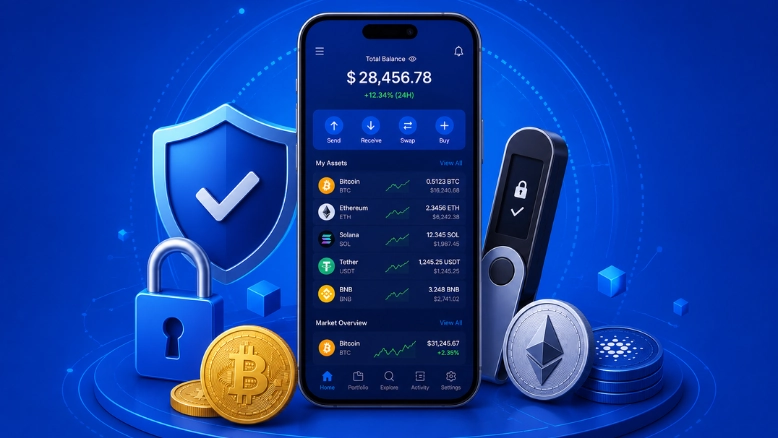
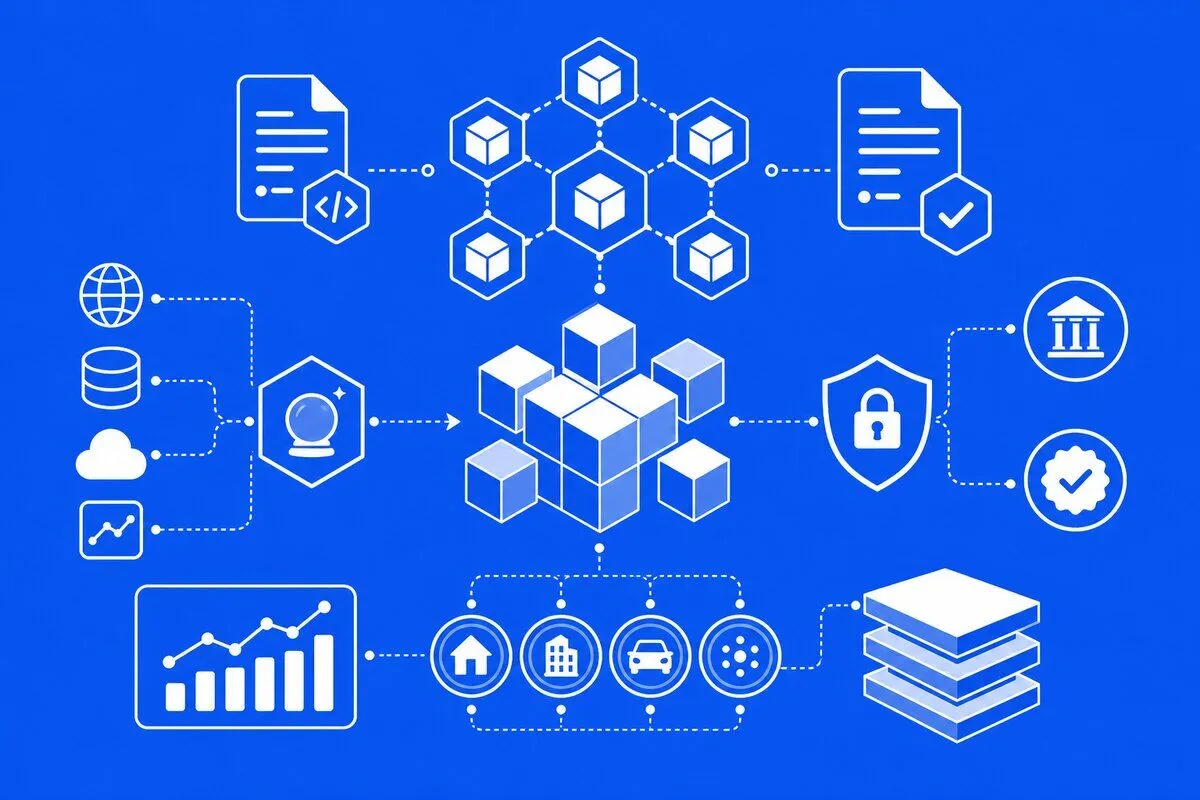
A crypto wallet in web3 is a digital tool that stores your private keys and enables you to interact with blockchain networks, manage digital assets, and access decentralized applications. Unlike a physical wallet that holds cash, a crypto wallet in web3 doesn’t actually store your cryptocurrency instead, it stores the cryptographic keys that prove ownership of assets recorded on various blockchains. Think of your crypto wallet in web3 as a digital passport combined with a secure vault.
Key Takeaways
- Crypto Wallet in Web3 = self-custody: you control private keys, so your assets and access can’t be revoked by platforms.
- It’s your Web3 passport: one wallet connects you to DeFi, NFTs, DAOs, games, and dApps without extra sign-ups.
- Ownership is real on-chain: tokens and NFTs remain yours even if an exchange or marketplace shuts down.
- Privacy by default: wallets work pseudonymously and don’t require personal data for basic use.
- Multi-chain is the new normal: a good wallet lets you manage assets across Ethereum, Solana, Polygon, L2s, and more.
- Identity + governance layer: your wallet powers message signing, token-gated access, reputation, and DAO voting.
- Security is your responsibility: protect seed phrases, avoid phishing dApps, and review token approvals regularly.
- Best practical setup: hot wallet for daily use + hardware wallet for long-term holdings (hot–cold strategy).
The shift from Web2 to Web3 represents more than just a technological upgrade it’s a fundamental reimagining of how we interact with the digital world. In Web2, tech giants like Google, Facebook, and Amazon control our data, identities, and digital assets. Web3 flips this model, putting control directly in your hands through blockchain technology and decentralized applications.
At the heart of this transformation lies the cryptocurrency wallet in web3 your digital key to ownership, privacy, and financial sovereignty. Unlike traditional bank accounts or centralized exchange wallets, this revolutionary tool gives you complete control over your digital assets, identity, and interactions across the decentralized web.
With over 8 years of experience guiding individuals and enterprises through the Web3 revolution, our team has witnessed firsthand how Web3 wallet adoption separates those who merely observe blockchain innovation from those who actively participate and benefit from it.[1]
What You’ll Learn: This comprehensive guide explores five critical reasons why every Web3 participant needs a crypto wallet in web3, the strategic advantages of multichain solutions, and actionable insights for choosing and securing your gateway to the decentralized future.
What Is a Crypto Wallet in Web3?
A crypto wallet in web3 is a digital tool that stores your private keys and enables you to interact with blockchain networks, manage digital assets, and access decentralized applications. Unlike a physical wallet that holds cash, a crypto wallet in web3 doesn’t actually store your cryptocurrency instead, it stores the cryptographic keys that prove ownership of assets recorded on various blockchains.
Think of your crypto wallet in web3 as a digital passport combined with a secure vault. It allows you to prove your identity on blockchain networks, sign transactions, and maintain complete control over your digital property without relying on intermediaries like banks or tech companies.
Key Differences That Matter
| Feature | Traditional Bank Account | Centralized Exchange Wallet | Crypto Wallet in Web3 |
|---|---|---|---|
| Custody | Bank controls | Exchange controls | You control (self-custody) |
| Access Hours | Business hours only | 24/7 (but with restrictions) | 24/7 unrestricted |
| Permission Required | Yes (KYC, approvals) | Yes (account verification) | No (permissionless) |
| Blockchain Interaction | None | Limited (through platform) | Direct interaction |
| Multi-Chain Support | N/A | Limited chains | Multiple blockchains |
Understanding the mechanics of a crypto wallet in web3 requires familiarity with three fundamental components:[2]
Private Keys
Your secret cryptographic code that proves ownership and authorizes transactions. Never share this with anyone. Think of it as the master password to your entire Web3 identity and assets across multiple blockchain networks.
Public Keys
Your wallet address similar to an email address or bank account number. You can safely share this to receive cryptocurrencies, NFTs, and other digital assets. Each blockchain in your wallet may have a different address format.
Blockchain Interaction
Your wallet communicates directly with blockchain networks to send transactions, interact with smart contracts, and verify your ownership. This direct interaction eliminates intermediaries and puts you in control.
Reason #1: True Ownership of Digital Assets
In Web2, you never truly own your digital assets. Your social media posts belong to the platform. Your in-game items can be deleted by the game company. Your digital purchases are merely licenses that can be revoked. The crypto wallet in web3 changes everything by introducing genuine digital ownership through self-custody.
When you hold assets in a Web3 wallet, you possess the cryptographic keys that prove ownership on the blockchain. No corporation can take them away. No government can easily freeze them. No platform can delete your access. This represents a fundamental shift in the nature of digital property rights.
“Not Your Keys, Not Your Crypto”
This fundamental Web3 principle means that without control of your private keys, you don’t actually own your digital assets. When you use a crypto wallet in web3 with self-custody, you and only you control access to your cryptocurrency, NFTs, digital identity, and blockchain-based assets across multiple networks.
Based on our 8+ years of industry experience, we’ve observed that users who maintain self-custody through a secure Web3 wallet experience significantly fewer losses from exchange hacks, platform shutdowns, and regulatory seizures compared to those who rely solely on custodial solutions.
How Self-Custody Through a Crypto Wallet in Web3 Protects You
Exchange Risk Elimination
FTX, Mt.Gox, and dozens of other exchanges have collapsed, wiping out billions in user funds. A Web3 wallet keeps your assets off exchanges and under your control.
Censorship Resistance
No government, corporation, or third party can freeze, seize, or censor assets in your self-custody wallet. Your keys, your rules.
Cross-Border Freedom
Traditional financial systems limit international transfers. Your wallet works identically whether you’re in New York, Lagos, or Tokyo.
True NFT Ownership
When you purchase an NFT through your wallet, you own NFT wallet permanently. No platform can delete it, and it remains yours even if the marketplace shuts down.
Real-World Example: In 2022, when Canadian authorities froze bank accounts during protests, Bitcoin wallet held in personal wallets remained accessible. Similarly, during banking crises in Lebanon and Argentina, individuals with assets in a Web3 wallet maintained full control while traditional bank account holders faced severe restrictions and losses.
The power of a Web3 wallet extends beyond protection from institutional failure. It represents philosophical alignment with the core Web3 principle: individuals should have sovereign control over their digital property. Every transaction you make, every asset you acquire, every smart contract you deploy—all stem from your wallet giving you final say over your digital life.
Reason #2: Secure Access to DeFi, NFTs, and Web3 Applications
Your crypto wallet in web3 functions as far more than just a storage tool it’s your universal passport to the entire decentralized ecosystem. Think of your Web3 wallet as a master key that unlocks thousands of decentralized applications (dApps), DeFi platforms, NFT marketplaces, and Web3 services without requiring separate accounts, passwords, or permission from intermediaries.
Every Web3 wallet serves as both your identity and your authorization mechanism. When you connect your wallet to a dApp, you’re not creating an account—you’re proving ownership of an address on the blockchain. This single sign-on approach revolutionizes how we interact with digital services.
What Your Crypto Wallet in Web3 Unlocks
| Web3 Category | What You Can Do | Popular Platforms |
|---|---|---|
| DeFi Platforms | Lend, borrow, trade, earn yield on crypto assets without intermediaries | Uniswap, Aave, Compound, Curve |
| NFT Marketplaces | Buy, sell, create, and trade digital collectibles and art | OpenSea, Blur, Magic Eden, Rarible |
| DAO Governance | Vote on proposals and participate in decentralized organizations | Snapshot, Tally, Aragon |
| Web3 Gaming | Play blockchain games with true asset ownership | Axie Infinity, Gods Unchained, Illuvium |
| Social Platforms | Connect with decentralized social media and content platforms | Lens Protocol, Farcaster, Mirror |
| Cross-Chain Bridges | Move assets between different blockchains seamlessly | LayerZero, Wormhole, Across |
The Permissionless Advantage
One of the most revolutionary aspects of using a crypto wallet in web3 is the elimination of gatekeepers. In traditional finance and Web2 applications, you must:
- Wait for account approval (sometimes days or weeks)
- Submit extensive KYC documentation and personal information
- Meet minimum balance or credit requirements
- Accept geographic restrictions and exclusions
- Trust intermediaries to handle your transactions properly
With a crypto wallet in web3, you simply connect to any Web3 application and start using it immediately. No sign-ups, no waiting periods, no discrimination based on location, age, or financial status. This permissionless access has enabled financial inclusion for millions worldwide who were previously excluded from traditional banking systems.
Security Without Sacrificing Convenience
Our 8+ years of experience in Web3 infrastructure has taught us a crucial lesson: security and usability aren’t opposing forces. Modern Web3 wallet solutions implement multiple security layers while maintaining seamless user experiences:
- Transaction Simulation: Preview exactly what a transaction will do before signing with your wallet
- Smart Contract Verification: Verify you’re interacting with legitimate contracts
- Spending Limits: Set maximum amounts for added protection
- Hardware Wallet Integration: Connect cold storage for maximum security
The beauty of a Web3 wallet is that it serves as a single point of access to thousands of applications while maintaining robust security. You’re not trusting each individual application with your credentials—you’re using cryptographic signatures to prove ownership on a transaction-by-transaction basis.
Reason #3: Enhanced Privacy and Anonymity
In an era where tech giants monetize every click, like, and purchase, privacy has become a luxury. Web2 platforms build detailed profiles of your behavior, preferences, and personal life, selling this data to advertisers and third parties. Your crypto wallet in web3 offers a fundamentally different approach to digital privacy.
Every Web3 wallet provides a degree of pseudonymity that’s impossible in traditional digital systems. While transactions are publicly recorded on blockchains, your wallet address isn’t automatically linked to your real-world identity, giving you control over when and how you reveal personal information.
Web2 Model
- Full KYC required upfront
- Extensive personal data collection
- Behavioral tracking across platforms
- Data sold to third parties
- Government surveillance access
- Profile building and targeting
Crypto Wallet in Web3 Model
- No KYC for basic usage
- Minimal data required
- Pseudonymous by default
- You control your data
- Optional privacy enhancements
- Selective disclosure possible
Understanding Pseudonymity in a Crypto Wallet in Web3
When you create a Web3 wallet, you’re assigned a public address a string of characters like “0x742d35Cc6634C0532925a3b844Bc9e7595f0bEb” on Ethereum. This address serves as your identity across Web3 applications, but crucially, it’s not automatically linked to your real-world identity, email, phone number, or personal information.
This pseudonymous nature offers several advantages when using a crypto wallet in web3:
Privacy Benefits of a Crypto Wallet in Web3
1.Selective Identity
Choose when and what to reveal. You can use different addresses for different purposes one for professional activities, another for personal investments, yet another for experimental interactions. Your wallet enables this flexibility.
2.No Data Harvesting
Your wallet interactions don’t feed algorithmic profiles. No company builds a psychological profile to manipulate your behavior or sell to advertisers.
3.Location Privacy
Unlike traditional financial systems, your wallet doesn’t inherently reveal your geographic location, protecting you from location-based discrimination or targeting.
Important Consideration: While a Web3 wallet provides pseudonymity, blockchain transactions are publicly recorded. With sufficient analysis, patterns can sometimes be correlated to identify individuals. Advanced users often employ privacy-enhancing techniques like using multiple wallet addresses, privacy protocols, or mixing services for enhanced anonymity. Our consulting team provides guidance on privacy best practices tailored to your specific risk profile and requirements.
Expert Insight from 8+ Years in Web3
The privacy features of a Web3 wallet represent more than technical specifications they embody a philosophical shift toward user sovereignty. We’ve witnessed how privacy protection enables financial freedom for activists in authoritarian regimes, protects entrepreneurs from competitors, and allows individuals to explore digital experiences without permanent records following them. This isn’t about hiding illegal activity; it’s about reclaiming the basic human right to privacy in digital spaces.
Reason #4: Cross-Chain and Multi-Asset Compatibility
The blockchain ecosystem isn’t a monolith it’s a diverse landscape of specialized networks, each optimized for different use cases. Ethereum excels at DeFi and smart contracts. Solana offers high-speed transactions. Polygon provides cost-effective scaling. BNB Chain powers a robust trading ecosystem. This is where a crypto wallet in web3 with multichain wallet capabilities becomes indispensable.
The Multi-Blockchain Reality
A specialized multichain wallet allows you to manage assets across multiple blockchain networks from a single interface. Instead of juggling separate wallets for Ethereum, Bitcoin, Solana, and other chains, you consolidate everything in one secure location. This isn’t just about convenience it’s about strategic flexibility in a rapidly evolving ecosystem.
Modern implementations of a multichain wallet support dozens of blockchain networks, enabling you to interact with any Web3 application regardless of which chain it’s built on. This multichain approach is essential because no single blockchain will dominate all use cases.
Popular Blockchains Supported by Advanced Crypto Wallets in Web3
| Blockchain | Primary Strength | Typical Use Cases | Transaction Speed |
|---|---|---|---|
| Ethereum | Smart contract leader | DeFi, NFTs, DAOs | 12-15 seconds |
| Bitcoin | Store of value security | Value transfer, savings | 10 minutes |
| Solana | High-speed transactions | Trading, gaming, NFTs | 400 milliseconds |
| Polygon | Ethereum scaling | Low-cost DeFi, NFTs | 2 seconds |
| BNB Chain | Trading ecosystem | DeFi, trading | 3 seconds |
| Arbitrum | Ethereum Layer 2 | Scaling DeFi apps | 1-2 seconds |
| Avalanche | Subnet customization | DeFi, enterprise | 1-2 seconds |
| Optimism | Ethereum Layer 2 | DeFi, NFTs | 1-2 seconds |
Why Interoperability Matters for Your Crypto Wallet in Web3
The power of a multichain wallet extends beyond simple asset storage. It enables sophisticated strategies that leverage the unique advantages of different blockchain networks:
Yield Optimization
Move assets to blockchains offering the best yield opportunities at any given moment. Your multichain wallet makes this seamless, allowing you to maximize returns without the friction of multiple accounts.
Gas Fee Management
Ethereum gas fees can spike to $50+ per transaction during congestion. A multichain wallet lets you route transactions through lower-cost alternatives like Polygon or Arbitrum when appropriate.
Access Exclusive Opportunities
Many projects launch exclusively on specific blockchains. With a multichain wallet, you can participate in the hottest NFT drops, airdrops, and early-stage opportunities regardless of which network they’re on.
Risk Diversification
Don’t put all your eggs in one blockchain basket. A multichain wallet allows you to spread assets across multiple networks, reducing exposure to any single blockchain’s technical or security risks.
Strategic Insight from 8+ Years of Web3 Development
The blockchain landscape has evolved dramatically since 2016. Early adopters who committed to a single blockchain often missed out on innovations happening elsewhere. Today’s successful Web3 participants use a multichain wallet as their foundation, maintaining flexibility to capitalize on opportunities across the entire ecosystem. We’ve helped enterprises and individuals implement multi-chain strategies that increased their DeFi yields by an average of 40% while reducing transaction costs by over 60% through strategic chain selection.
Asset Management Example: A sophisticated Web3 wallet user might hold Bitcoin for long-term value preservation, Ethereum for DeFi yield farming, Solana for NFT trading due to its low costs, and Polygon for frequent smaller transactions. All managed from one interface, with cross-chain bridges enabling seamless movement between networks as opportunities arise.
Reason #5: Control Over Web3 Identity and Governance
Perhaps the most revolutionary and least understood function of a crypto wallet in web3 is its role as your digital identity infrastructure. Your crypto wallet in web3 isn’t just a financial tool; it’s becoming the foundation of how you prove who you are, what you’ve accomplished, and what you’re entitled to in the digital realm.
Every action you take through your wallet builds an on-chain history that forms your Web3 reputation. Unlike Web2 social media profiles that platforms can delete or manipulate, your wallet’s history is permanent and verifiable on the blockchain.
Your Crypto Wallet in Web3 as Identity Layer
Traditional digital identity is fragmented and controlled by corporations. You have a Google identity, a Facebook identity, a LinkedIn identity—each siloed, each harvesting your data, each vulnerable to being revoked. Your wallet represents a paradigm shift toward self-sovereign identity:
Web3 Identity Use Cases
Verifiable Credentials
Store educational certificates, professional licenses, and achievements in your crypto wallet in web3. Employers can instantly verify credentials without contacting issuing institutions.
Token-Gated Access
Hold specific NFTs or tokens in your wallet to access exclusive communities, events, content, or services. Your wallet becomes your membership card.
Reputation Systems
Build verifiable on-chain reputation through your transaction history, participation in communities, and contributions to projects—all tied to your wallet address.
Message Signing
Cryptographically sign messages with your wallet to prove you control an address without revealing your private key. Essential for authentication and verification.
DAO Participation
Governance tokens held in your crypto wallet in web3 grant voting rights in decentralized organizations. Your wallet becomes your voice in collective decision-making.
Domain Names
Register human-readable names (like “yourname.eth”) that point to your crypto wallet in web3 addresses, making it easier for others to send you assets or identify you.
Governance Rights Through Your Crypto Wallet in Web3
Decentralized Autonomous Organizations (DAOs) represent a new organizational structure where decision-making power flows to token holders rather than executives or shareholders. Your crypto wallet in web3 serves as your ballot box, shareholder certificate, and board seat all in one:
The DAO Governance Lifecycle with a Crypto Wallet in Web3
Acquire Governance Tokens
Purchase or earn governance tokens and hold them in your crypto wallet in web3. Token quantity often corresponds to voting power.
Review Proposals
Connect your crypto wallet in web3 to governance platforms like Snapshot or Tally to view active proposals affecting the protocol, treasury, or organization direction.
Cast Your Vote
Sign a transaction with your crypto wallet in web3 to record your vote on-chain. Your voting power is proportional to your token holdings at a specific snapshot block.
Proposal Execution
If passed, proposals are automatically executed by smart contracts or implemented by the community. Your crypto wallet in web3 provides a transparent, verifiable record of your participation.
Real-World Impact: Major DeFi protocols like Uniswap, Aave, and MakerDAO govern billions in assets through crypto wallet in web3-based voting. Token holders have voted on everything from fee structures to major protocol upgrades, demonstrating how your wallet enables direct participation in financial infrastructure governance previously controlled exclusively by banks and corporations.
The Future of Wallet-Based Identity
Drawing from our 8+ years of Web3 experience, we’re observing a powerful convergence: your crypto wallet in web3 is evolving into a comprehensive digital identity that follows you across virtual worlds, applications, and services. Imagine logging into any website with your wallet, your professional credentials automatically verifiable, your reputation portable across platforms, and your governance rights respected wherever you go. This isn’t science fiction—it’s being built right now, and your crypto wallet in web3 is the foundation.
Types of Crypto Wallets Used in Web3
Not all implementations of a crypto wallet in web3 are created equal. Understanding the different wallet types helps you choose the right solution for your specific needs, risk tolerance, and usage patterns. Each crypto wallet type in web3 offers different trade-offs between security, convenience, and functionality.
Comprehensive Wallet Type Comparison
| Wallet Type | Description | Security Level | Convenience | Best For |
|---|---|---|---|---|
| Hot Wallet (Software) | Connected to internet; browser extensions, mobile apps | Medium | High | Daily transactions, DeFi interactions |
| Cold Wallet (Hardware) | Offline device; Ledger, Trezor | Very High | Medium | Long-term storage, large holdings |
| Non-Custodial Web3 Wallet | You control private keys; multiple blockchain support | High | High | Multi-chain users, DeFi participants |
| Custodial Wallet | Exchange or service controls keys | Lower | Very High | Beginners, small amounts |
| Paper Wallet | Private keys printed on paper | High | Very Low | Long-term cold storage |
Hot Wallets vs. Cold Wallets: Understanding the Trade-offs
Hot Wallets
What they are: Software-based crypto wallet in web3 solutions that remain connected to the internet, including browser extensions (MetaMask, Rabby), mobile apps (Trust Wallet, Coinbase Wallet), and desktop applications.
Advantages:
- Instant access for transactions
- Seamless dApp connectivity
- Perfect for active trading and DeFi
- Free or low-cost to set up
Risks:
- Vulnerable to malware and phishing
- Device compromise risk
- Internet connection required
Cold Wallets
What they are: Physical hardware devices that store your private keys offline, creating an air-gapped security layer. Leading options include Ledger Nano X, Trezor Model T, and SafePal S1.
Advantages:
- Maximum security for private keys
- Protected from online attacks
- Ideal for long-term holding
- Can still connect to dApps when needed
Risks:
- Initial hardware cost ($50-$200)
- Less convenient for frequent trading
- Physical device can be lost or damaged
Non-Custodial vs. Custodial: The Control Question
The single most important distinction when choosing your crypto wallet in web3 is custody who controls the private keys:
Non-Custodial Crypto Wallet in Web3 (Recommended)
You hold the private keys. You have complete control. Nobody can freeze your assets, limit your transactions, or access your funds without your permission. This is the true Web3 model and what we recommend for anyone serious about digital asset ownership.
Examples: MetaMask, Trust Wallet, Rabby Wallet, Rainbow Wallet, Phantom (Solana)
Custodial Wallets (Limited Use Only)
A third party (usually an exchange like Coinbase or Binance) holds your private keys. You don’t truly own your assets—you own an IOU from the exchange. Convenient but fundamentally contradicts Web3 principles of self-sovereignty.
Use Cases: Beginners learning with small amounts; temporary storage during active trading
Expert Recommendation Based on 8+ Years in Web3
Our standard advice: Use a non-custodial crypto wallet in web3 for your primary holdings and Web3 interactions. Consider pairing a hot wallet for daily use (10-20% of portfolio) with a cold wallet for long-term storage (80-90% of portfolio). This “hot-cold” strategy balances security with usability. Never keep significant amounts on custodial platforms longer than necessary.
How to Choose the Right Crypto Wallet in Web3
Selecting the right crypto wallet in web3 is one of the most critical decisions you’ll make in your Web3 journey. After guiding thousands of users and enterprises through this decision over 8+ years, we’ve distilled the selection process into five key considerations that will help you choose the perfect crypto wallet in web3 for your needs:
1. Security Features
Non-negotiable security elements your crypto wallet in web3 must have:
- Open-source code for transparency
- Transaction simulation and preview
- Seed phrase backup system
- Biometric authentication support
- Hardware wallet compatibility
- Contract verification warnings
2. Blockchain Support
Essential for a true crypto wallet in web3:
- EVM chains (Ethereum, Polygon, BNB, Arbitrum, Optimism)
- Alternative Layer 1s (Solana, Avalanche, Cosmos)
- Layer 2 scaling solutions
- Easy network switching
- Custom RPC support
- Automatic network detection
3. User Experience
Usability features that matter in your crypto wallet in web3:
- Intuitive interface design
- Multi-device synchronization
- Built-in token/NFT management
- Transaction history tracking
- Gas fee estimation
- Reliable customer support
4. DeFi & dApp Integration
Web3 connectivity essentials:
- WalletConnect protocol support
- Browser extension availability
- Mobile dApp browser
- DEX aggregation features
- Built-in swap functionality
- NFT marketplace connectivity
5. Recovery Options
Critical backup and recovery features for your crypto wallet in web3:
- 12-24 word seed phrase system
- Social recovery mechanisms
- Multi-signature options
- Account abstraction features
- Clear recovery instructions
- Inheritance planning support
6. Reputation & Track Record
Trust indicators to evaluate:
- Years in operation (3+ years minimum)
- Independent security audits
- Active development community
- Transparent company information
- No history of major breaches
- Positive user reviews
Recommended Solutions for Different User Types
Beginners
Best Choice: MetaMask (browser + mobile) or Trust Wallet (mobile-first)
Why: User-friendly interfaces, extensive tutorials, broad dApp compatibility, and strong community support make these ideal starting points for your crypto wallet in web3 journey.
Intermediate Users
Best Choice: Rabby Wallet or Rainbow Wallet
Why: Advanced features like transaction simulation, better multi-chain UX, and enhanced security warnings while maintaining usability.
Large Holdings / Security-Focused
Best Choice: Ledger Nano X or Trezor Model T (hardware) + MetaMask (software interface)
Why: Hardware crypto wallet in web3 security for assets while maintaining dApp connectivity through software interfaces.
Active Traders / DeFi Power Users
Best Choice: Rabby Wallet or Frame
Why: Superior multi-chain management, advanced transaction controls, and seamless DeFi protocol integration designed for heavy crypto wallet in web3 users.
Pro Tip from Our Team: Many experienced Web3 users maintain multiple crypto wallet in web3 solutions a hardware wallet for long-term storage, a browser extension for daily DeFi use, and a mobile wallet for on-the-go transactions. This segregation improves both security and convenience.
Common Mistakes to Avoid When Using a Crypto Wallet in Web3
Critical Security Mistakes
1. Not Backing Up Your Seed Phrase Properly
The Mistake: Taking a screenshot, storing it digitally, or not backing it up at all.
The Consequence: Permanent loss of access to your crypto wallet in web3 and all assets if your device fails. Digital backups are vulnerable to hacking.
The Solution: Write your 12-24 word seed phrase on paper (or steel plate for fire/water resistance). Store it in a secure physical location. Never photograph it or store it digitally. Consider splitting it across multiple secure locations.
2. Connecting to Malicious dApps
The Mistake: Clicking on phishing links, connecting your crypto wallet in web3 to unverified websites, or approving suspicious smart contracts.
The Consequence: Complete wallet drainage. Malicious contracts can be granted unlimited access to your tokens.
The Solution: Always verify URLs before connecting your crypto wallet in web3. Use browser extensions like Wallet Guard or Stelo Labs. Review transaction details carefully. Never rush approval signatures.
3. Ignoring Token Approvals
The Mistake: Granting unlimited token spending permissions without reviewing them or revoking old approvals.
The Consequence: Approved contracts can drain your tokens at any time, even months after the initial approval.
The Solution: Regularly audit and revoke unused approvals using tools like Revoke.cash or Etherscan’s token approval checker. Only approve the exact amount needed for each transaction when possible.
4. Falling for Support Scams
The Mistake: Sharing your seed phrase with someone claiming to be from “wallet support” or technical assistance.
The Consequence: Instant and complete loss of all assets in your crypto wallet in web3.
The Solution: NEVER share your seed phrase or private key with anyone, ever. Legitimate support will never ask for it. If someone requests it, they’re scamming you—no exceptions.
Operational Mistakes
Using the Wrong Network
Sending tokens to the correct address but on the wrong blockchain (e.g., sending USDT on Ethereum to a BNB Chain address). Assets can become unrecoverable. Always verify the network before sending through your crypto wallet in web3 and ensure you’re connected to the correct chain.
Not Testing with Small Amounts
Sending large amounts without first testing with a small transaction. A simple address error or network misconfiguration can result in permanent loss. Always send a small test transaction first, especially when using your crypto wallet in web3 with a new network or address.
Neglecting Gas Fee Strategy
Overpaying for gas during low-traffic periods or setting gas too low causing stuck transactions. Use gas trackers (like Etherscan’s Gas Tracker) and adjust your crypto wallet in web3 settings based on network conditions.
Using Public Wi-Fi
Accessing your crypto wallet in web3 on unsecured public networks. Man-in-the-middle attacks can intercept sensitive data. Use a VPN or mobile data when accessing your wallet in public spaces.
Security Wisdom from 8+ Years in Web3
The vast majority of crypto wallet in web3 losses aren’t from sophisticated hacking—they’re from simple mistakes and social engineering. Treat your wallet like a bank vault: verify everything twice, never rush transactions, maintain healthy skepticism, and remember that irreversible is a feature, not a bug. The responsibility of self-custody means being perpetually vigilant, but the freedom and control it provides are worth that extra diligence.
The Future of Crypto Wallets in Web3
The crypto wallet in web3 is evolving from a simple asset storage tool into a comprehensive digital identity and interaction layer. Based on our 8+ years of deep involvement in Web3 development and emerging trends, here’s where crypto wallet in web3 technology is headed:
Wallets as Super-Apps
The next generation of crypto wallet in web3 solutions will integrate features that currently require multiple separate applications:
Built-in DeFi Aggregation
Your crypto wallet in web3 will automatically find the best yields, lowest swap rates, and optimal bridging routes across hundreds of protocols without leaving the interface.
Native Social Integration
Wallet-to-wallet messaging, social graphs, reputation systems, and community features built directly into your crypto wallet in web3 infrastructure.
Gaming Integration
Seamless connection to Web3 games with asset management, in-game economies, and cross-game item transfers all managed through your crypto wallet in web3.
Fiat On/Off Ramps
Integrated payment processing, direct bank connections, and traditional finance bridges eliminating the need for centralized exchanges.
Account Abstraction & Smart Wallets
The most revolutionary development in crypto wallet in web3 technology is account abstraction (ERC-4337), which transforms wallets from simple key holders into programmable smart contracts:
Account Abstraction Benefits
| Feature | Traditional Wallet | Smart Contract Wallet |
|---|---|---|
| Recovery Options | Seed phrase only | Social recovery, guardians, time-locks |
| Gas Payments | Must hold native tokens | Pay with any token or sponsor users |
| Transaction Batching | One operation at a time | Multiple operations in single transaction |
| Spending Limits | Not possible | Programmable spending rules |
| Session Keys | Not supported | Temporary permissions for dApps |
AI-Enhanced Security & User Experience
Artificial intelligence is being integrated into crypto wallet in web3 infrastructure to provide unprecedented security and usability:
- Intelligent Transaction Analysis: AI models that detect suspicious patterns, warn about known scam contracts, and flag unusual activity in your crypto wallet in web3 before you approve transactions.
- Natural Language Interaction: Describe what you want to do in plain English: “Send $50 of ETH to John” or “Find the best yield for my USDC,” and your crypto wallet in web3 executes it.
- Predictive Gas Optimization: AI algorithms that predict optimal transaction timing to minimize gas costs across your crypto wallet in web3 activities.
- Behavioral Biometrics: Machine learning models that recognize your usage patterns and flag unauthorized access attempts based on behavioral anomalies.
Mainstream Adoption Through Simplification
The barrier between Web2 and Web3 is dissolving. Future crypto wallet in web3 solutions will hide complexity while maintaining security:
Invisible Onboarding
Create a crypto wallet in web3 without understanding seed phrases or private keys. Social logins with cryptographic security happening invisibly in the background.
Gasless Interactions
Applications sponsor gas fees, or crypto wallet in web3 providers cover costs, eliminating the need for users to understand or acquire native tokens.
Embedded Wallets
Applications integrate crypto wallet in web3 functionality directly, so users never realize they’re using blockchain technology it just works.
Our Vision: The Crypto Wallet in Web3 as Digital Life Hub
After 8+ years building and observing Web3 evolution, we’re convinced that the crypto wallet in web3 will become as fundamental to digital life as email or smartphones are today. Within 5 years, your wallet will manage not just crypto assets but also your professional credentials, medical records, property deeds, social connections, and digital identity all while providing ironclad security and putting you in absolute control.
The technology exists. The infrastructure is being built. The only question is: will you be an early adopter who shapes this future, or a late joiner playing catch-up? The time to establish your crypto wallet in web3 presence is now.
Why Your Crypto Wallet in Web3 Is Essential Today
The question isn’t whether you need a crypto wallet in web3 it’s how quickly you can establish one to avoid being left behind as the digital world transforms around you. Let’s recap why a crypto wallet in web3 has become non-negotiable:
The 5 Essential Reasons Summarized
1️⃣ True Digital Ownership
Your crypto wallet in web3 gives you genuine ownership of digital assets through self-custody. No bank, exchange, or corporation can freeze, seize, or control what you own. “Not your keys, not your crypto” isn’t just a slogan it’s the fundamental principle of Web3 financial sovereignty.
2️⃣ Permissionless Access to Web3
Your crypto wallet in web3 serves as your universal passport to DeFi, NFTs, DAOs, and thousands of dApps. No sign-ups, no approvals, no geographic restrictions—just instant, direct access to the entire decentralized ecosystem regardless of who you are or where you live.
3️⃣ Privacy and Anonymity
In a world where tech giants monetize your every digital footstep, your crypto wallet in web3 provides pseudonymous interaction without surrendering personal data. You control what you reveal and when a fundamental right that Web2 platforms systematically violate.
4️⃣ Cross-Chain Flexibility
The blockchain ecosystem is multi-faceted, with different networks optimized for different purposes. A sophisticated crypto wallet in web3 lets you leverage the best of Ethereum, Solana, Polygon, BNB Chain, and other networks from a single interface, maximizing opportunities while minimizing costs.
5️⃣ Digital Identity and Governance
Your crypto wallet in web3 is evolving into your comprehensive digital identity layer, enabling verifiable credentials, token-gated access, DAO participation, and on-chain reputation all portable across the Web3 universe and under your complete control.
The Stakes: Security, Ownership, Freedom
These five reasons aren’t abstract benefits they’re practical advantages that materialize daily for crypto wallet in web3 users:
- Security: When FTX collapsed, users with assets in self-custody wallets were unaffected. Those who trusted the exchange lost billions. Your crypto wallet in web3 eliminates counterparty risk entirely.
- Ownership: Traditional finance can freeze your accounts based on algorithms, political pressure, or administrative errors. A crypto wallet in web3 makes you the final authority over your assets no appeals process needed because there’s no one to appeal to.
- Freedom: From participating in global DeFi markets earning real yields, to collecting NFTs that appreciate in value, to voting on protocol governance your crypto wallet in web3 enables participation in the new digital economy without asking permission.
Frequently Asked Questions
Q1.What is a crypto wallet in Web3?
A crypto wallet in Web3 is a digital tool that stores your private keys and lets you send, receive, and manage crypto assets while connecting directly to decentralized applications (dApps).
Q2.Does a Web3 wallet actually store cryptocurrency?
No. A Web3 wallet does not store cryptocurrency itself. It stores private keys that prove ownership of assets recorded on the blockchain.
Q3.What is the difference between a Web3 wallet and an exchange wallet?
A Web3 wallet is non-custodial, meaning you control the private keys. An exchange wallet is custodial, where the platform controls your keys and can restrict access.
Q4.Are crypto wallets in Web3 safe to use?
Yes, when used correctly. Web3 wallets are secure, but safety depends on how well you protect your seed phrase and avoid phishing or malicious dApps.
Q5.Can I use one Web3 wallet for multiple blockchains?
Yes. Most modern Web3 wallets support multiple blockchains like Ethereum, Polygon, Solana, and Layer-2 networks from a single interface.
Q6.What happens if I lose my wallet’s seed phrase?
If you lose your seed phrase and don’t have a backup, you permanently lose access to your wallet and all associated assets. There is no recovery authority.
Q7.Do Web3 wallets require KYC or personal information?
No. Most Web3 wallets do not require KYC or personal data for basic use, allowing pseudonymous interaction with blockchain networks.
Q8.Can a Web3 wallet be hacked?
The wallet itself is rarely hacked, but users can lose funds through phishing attacks, fake websites, or approving malicious smart contracts.
Q9.What is the best wallet setup for beginners?
A common setup is a software (hot) wallet for daily use and a hardware (cold) wallet for long-term storage, balancing convenience and security.
Q10.Why is a crypto wallet essential for using Web3?
A crypto wallet is your identity, access key, and asset manager in Web3. Without it, you cannot interact with DeFi, NFTs, DAOs, or decentralized apps.
Explore Services
Related Services
Reviewed by

Aman Vaths
Founder of Nadcab Labs
Aman Vaths is the Founder & CTO of Nadcab Labs, a global digital engineering company delivering enterprise-grade solutions across AI, Web3, Blockchain, Big Data, Cloud, Cybersecurity, and Modern Application Development. With deep technical leadership and product innovation experience, Aman has positioned Nadcab Labs as one of the most advanced engineering companies driving the next era of intelligent, secure, and scalable software systems. Under his leadership, Nadcab Labs has built 2,000+ global projects across sectors including fintech, banking, healthcare, real estate, logistics, gaming, manufacturing, and next-generation DePIN networks. Aman’s strength lies in architecting high-performance systems, end-to-end platform engineering, and designing enterprise solutions that operate at global scale.